
Hazelwood, MO · Route 370 & I-270
Commercial Dumpster Rental in Hazelwood, MO
We automate your roll-off. You'll never run out of room. Fair price. Great service.
American Compaction Services · 20, 30 and 40 yard roll-off containers, compacted on site, for the logistics parks, manufacturing plants and corporate campuses along Route 370, I-270 and Lindbergh Boulevard.
American Compaction Services provides waste management through commercial dumpster rental and on-site compaction in Hazelwood, the North County city where Route 370 leaves I-270 and heads for the Missouri River. We supply open-top roll-off containers to the distribution parks, plants and campuses between Lindbergh Boulevard and the river bottoms, and we compact them on site so each container holds more before it is pulled.
- Route 370 & I-270 Logistics
- Commercial accounts only
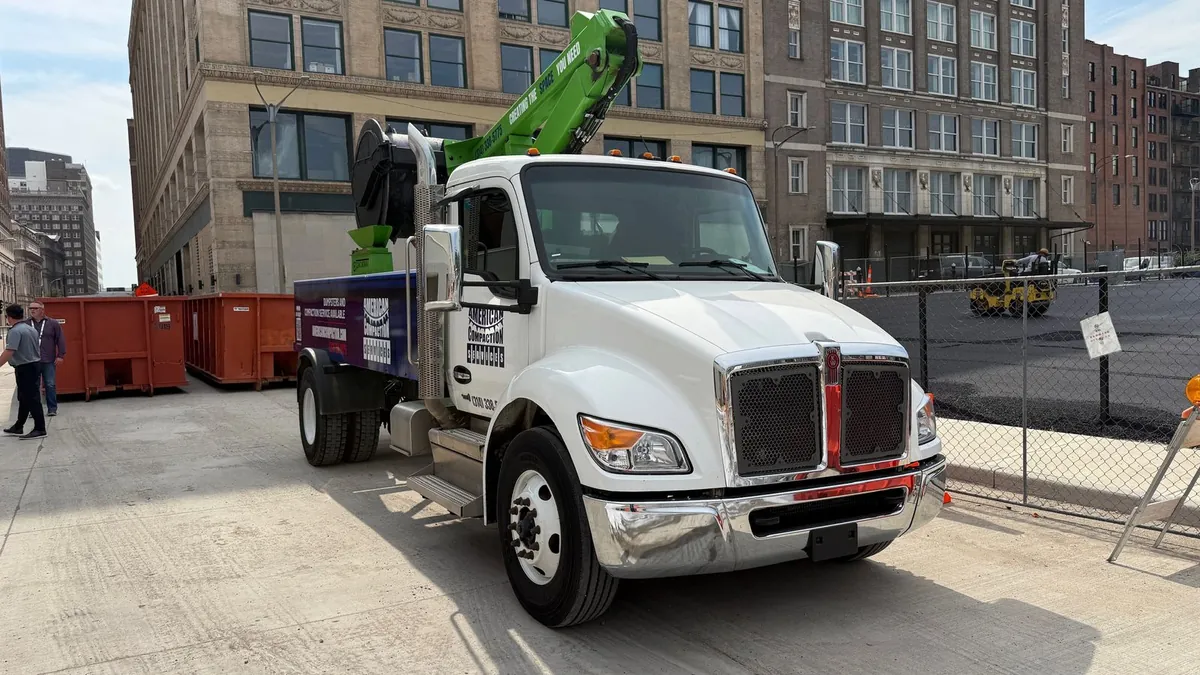
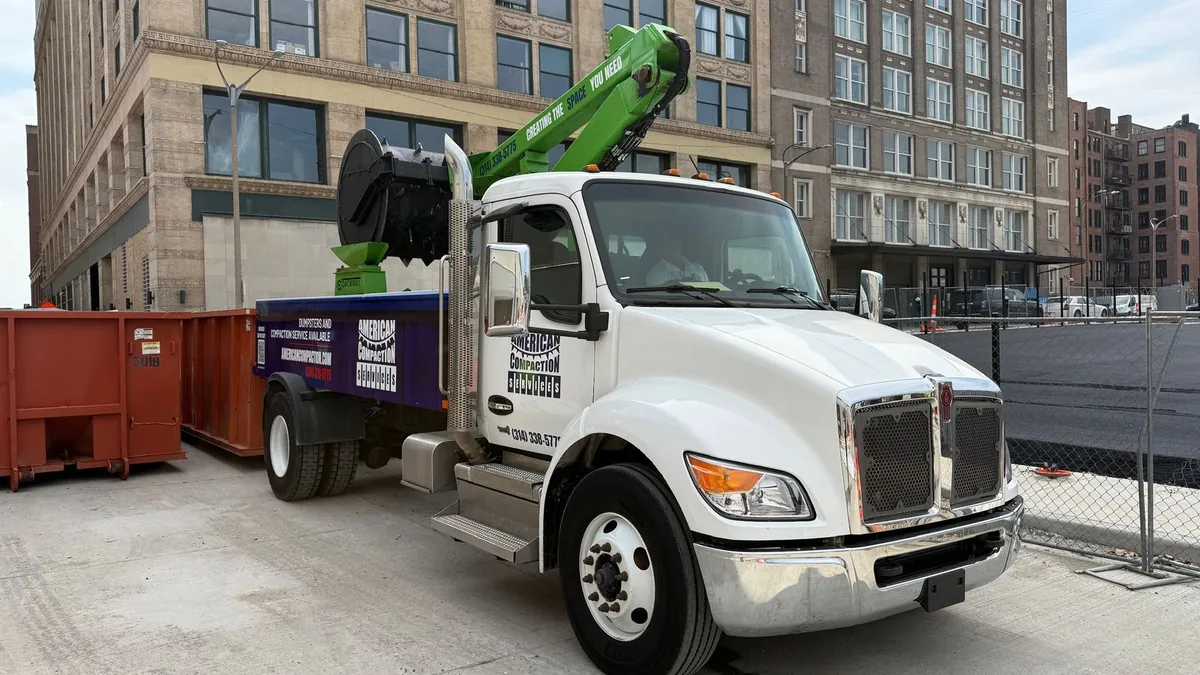
- Self-contained mobile compaction unit
Hazelwood is where North County builds its big boxes: one logistics park after another along Route 370, a former auto plant turned business park at Lindbergh and I-270, and corporate campuses at the McDonnell Boulevard interchange. That mix produces two different containers. The docks fill with corrugate, film and pallets, light and bulky. The plants and the construction sites fill with denser, mixed loads. Both leave with air in them; how much depends on which one you run.
Hazelwood at Work
What Hazelwood's Parks, Plants and Campuses Put in a Container
Hazelwood runs from I-270's exits at McDonnell Boulevard, Lindbergh Boulevard and North Hanley Road north to Howdershell Road, and west along Route 370 into the Missouri River bottoms. I-170 ends here, at I-270, and Lambert lies just to the south. Its commercial land splits three ways.
Hazelwood Tradeport, Park 370 and Aviator Business Park
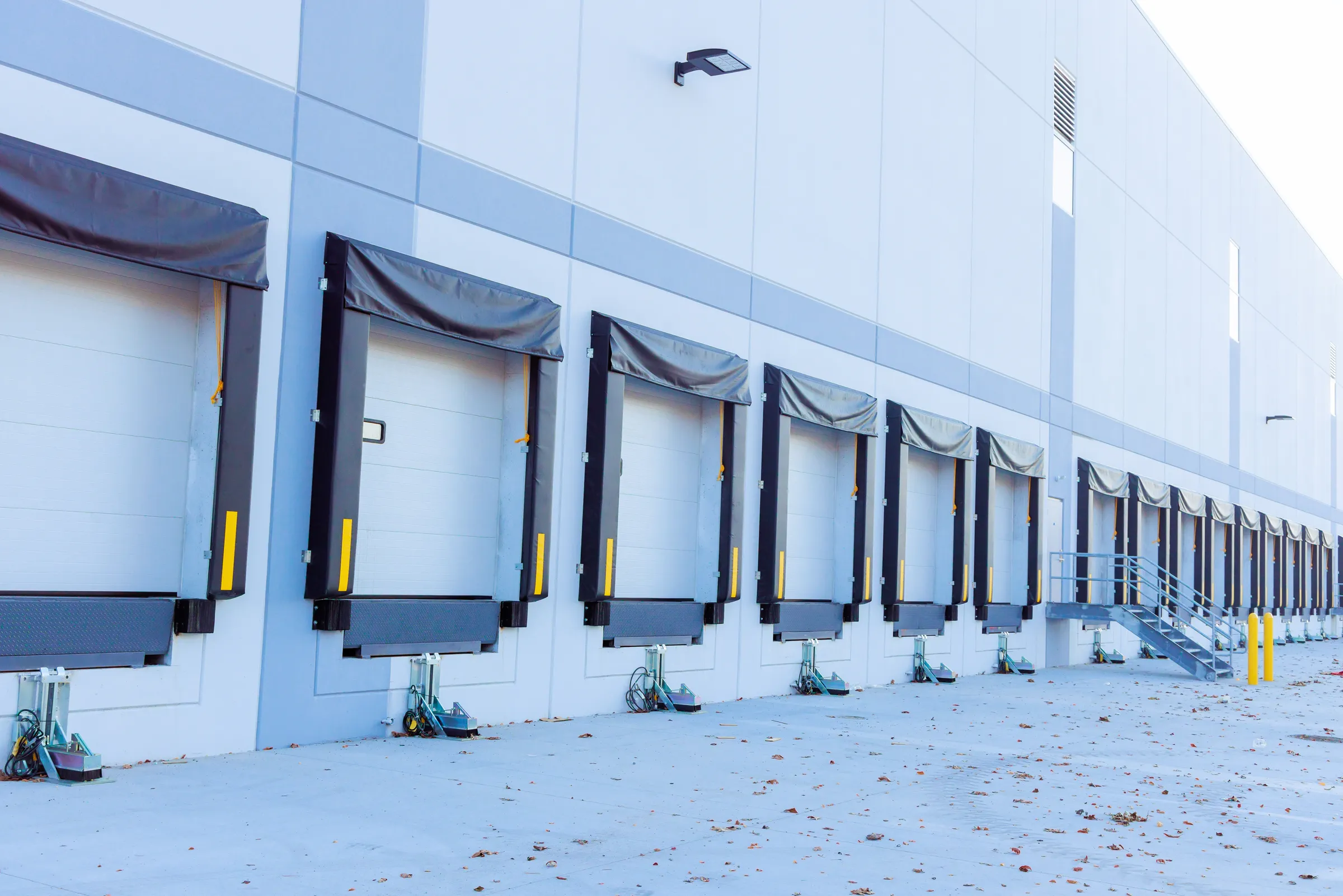
Route 370 is Hazelwood's logistics belt. Park 370, Hazelwood Logistics Center and Hazelwood Tradeport line it between the Taussig Road and Missouri Bottom Road exits, and Aviator Business Park occupies the former Ford assembly plant site at Lindbergh and I-270. The tenants run express parcel, e-commerce fulfillment, truck leasing, and packaging and manufacturing plants. Their docks throw away the freight stream in volume: corrugate, stretch film, banding and pallets. And the parks are still building out, with new tilt-up buildings going up most years, each one a jobsite before it is a dock.
The Campuses at I-270 and McDonnell Boulevard
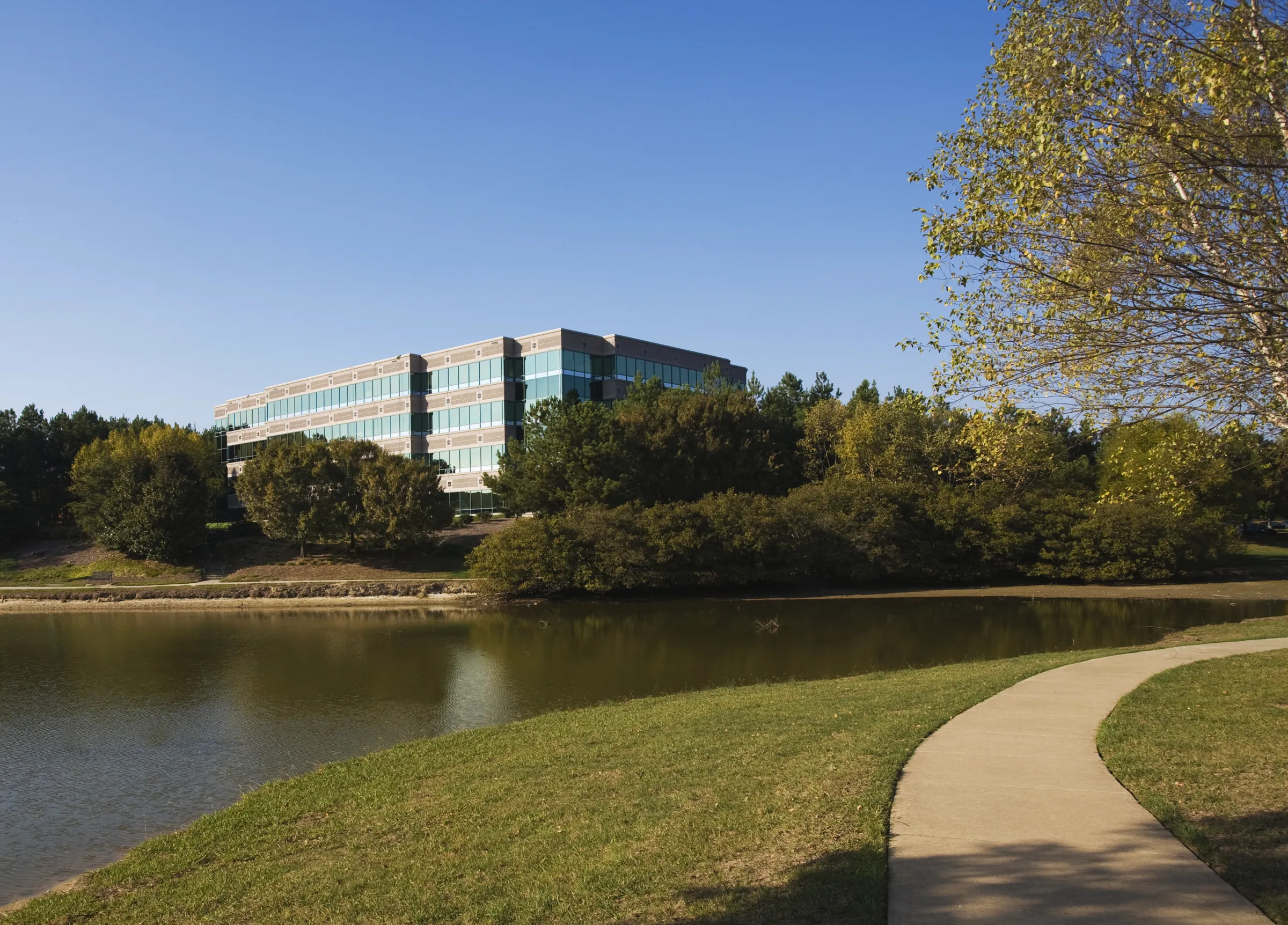
Boeing and bioMérieux have campuses at the I-270 and McDonnell Boulevard interchange. Campus waste is project waste: lab and office refits, equipment crated in and old fixtures out, in bursts set by a capital plan rather than a freight schedule. The container sits on a secured site with badge rules and leaves when the project does.
Lindbergh, Howdershell and the Working Strip
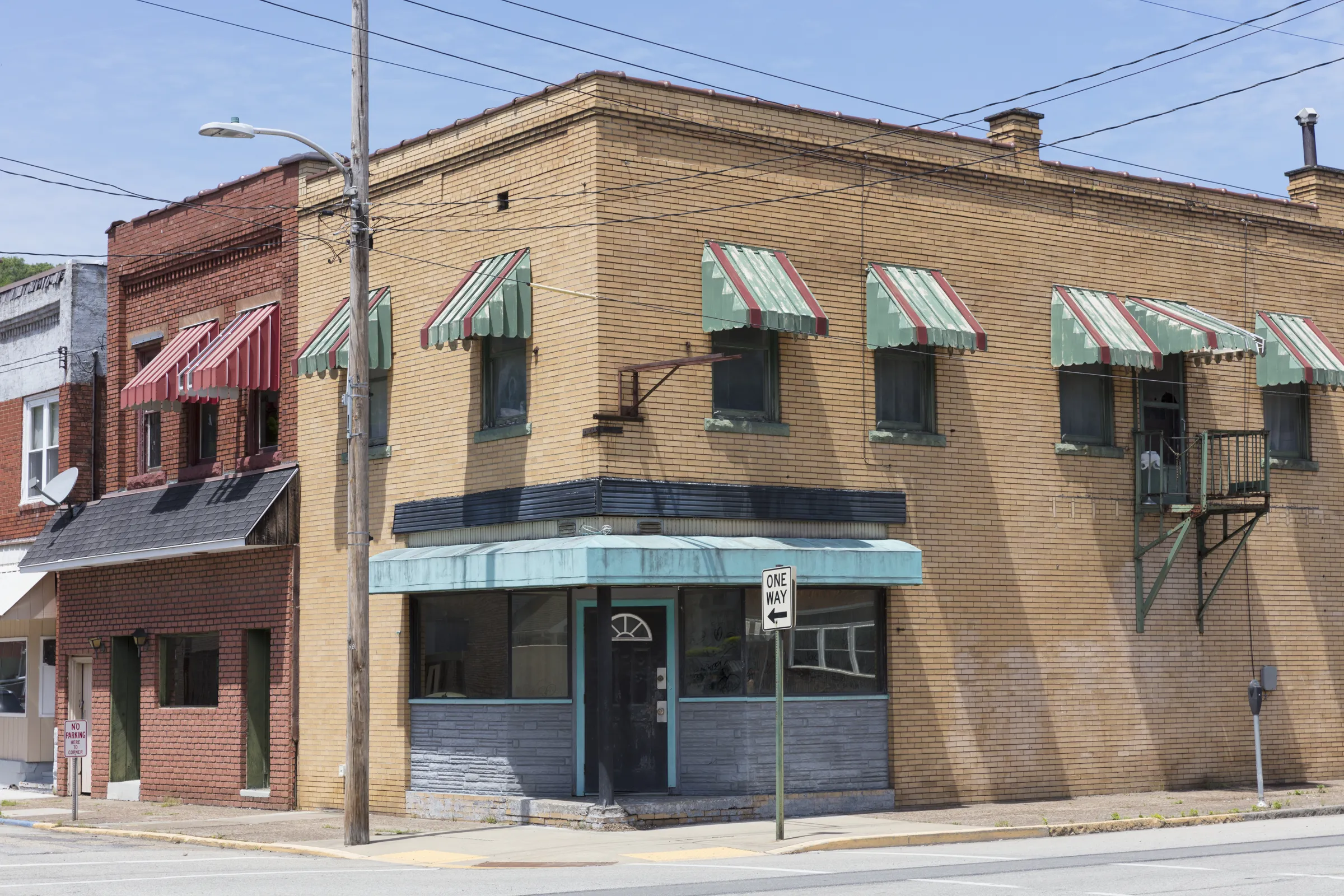
Along Lindbergh and Howdershell Road, Hazelwood's older commercial strip holds contractor shops, service businesses and small plants on tight lots. Their containers are smaller and slower, mixed loads on a set pull, where the question is more often where the box can sit than how full it gets.
The Account
Commercial Dumpster Rental in Hazelwood: How the Account Works
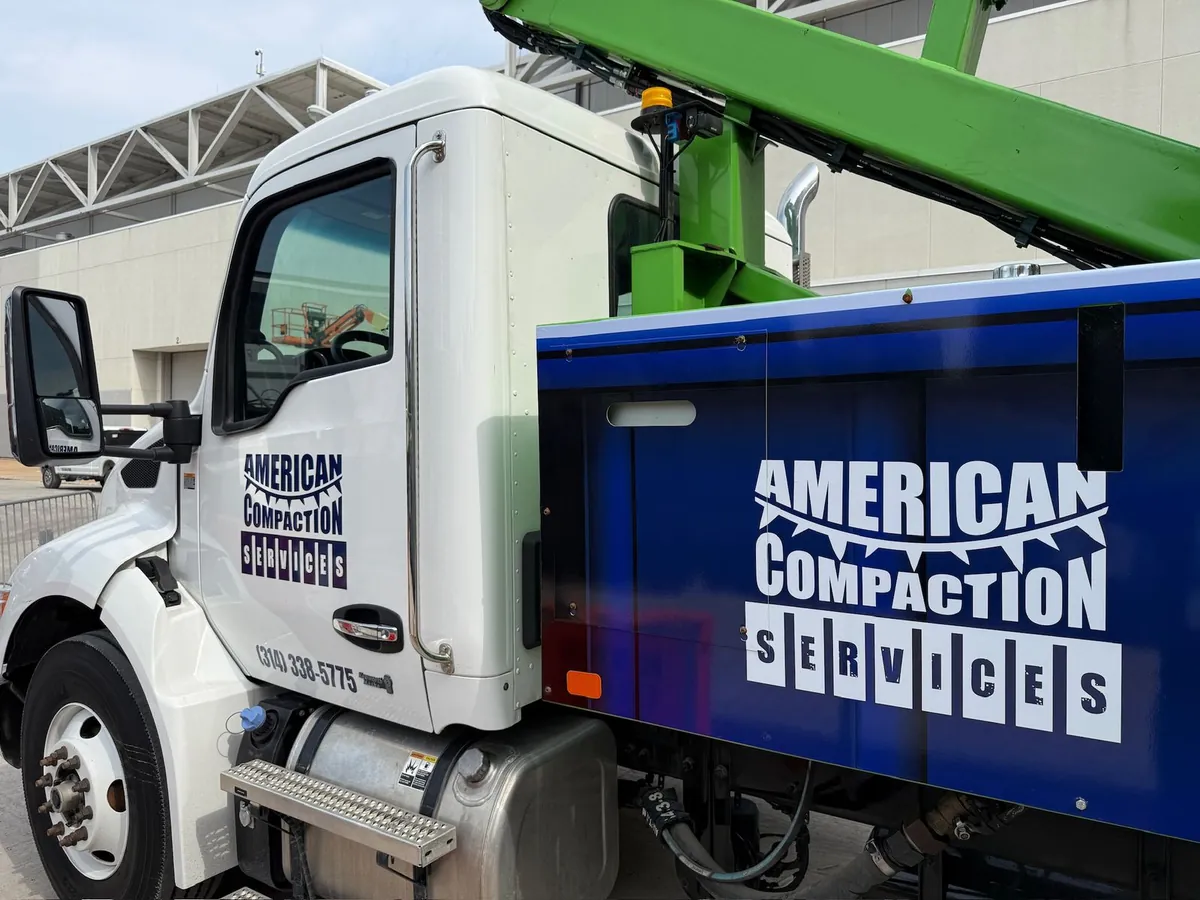
Every Hazelwood account starts with a container size, a 20, 30 or 40 yard open-top roll-off, and American Compaction Services can compact whichever one the site runs, where it sits. ACS provides waste management through dumpster rental and on-site compaction.
Whichever side you start from, the container is the same. Already have a dumpster? Keep it and keep your hauler; we compact what's in it. Need dumpster service? We supply the container and compact it on site. No contract to sign: no exclusivity, no minimum, no term. In the Route 370 parks that usually means a standing 40 on a pull schedule with compaction visits in between; at a plant or a campus, a container sized to the line or the project.
We work with businesses: contractors, builders, roofers, property managers and facility operators. We don't serve homeowners hiring directly.
Free on-site demo: we compact one of your own containers while you watch. The demo carries no obligation and is photographed before and after. If it isn't a fit, we tell you on the spot.
Job Types
Container Service by Job Type Across Hazelwood
Standing Containers on the Route 370 Docks
A Park 370 or Tradeport dock runs a 40 yard on a pull schedule the freight sets, with compaction visits worked in between. A single-user building is simpler; in a multi-tenant one the container belongs to one tenant's doors and keeps that tenant's hours. For how visit timing works across the metro, see the St. Louis compaction page.
Tilt-Up Buildings Going Up in the Parks
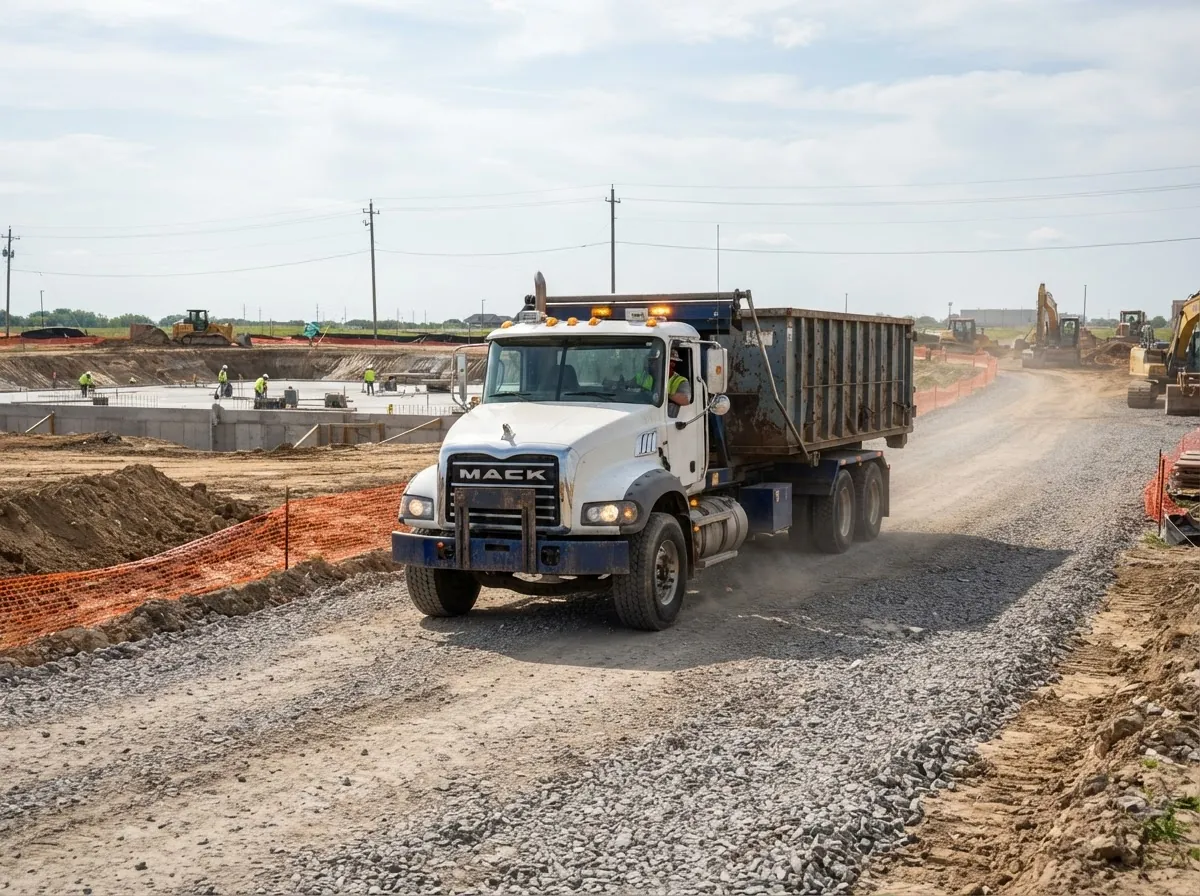
A new building in Hazelwood Tradeport is a jobsite for months before it is a dock: framing scrap and packaging on the way up, crated racking and dock equipment at the end. The builder's containers run as construction dumpster rental; the St. Louis construction page covers those jobs metro-wide.
Plant Changeovers and Line Rebuilds at Aviator
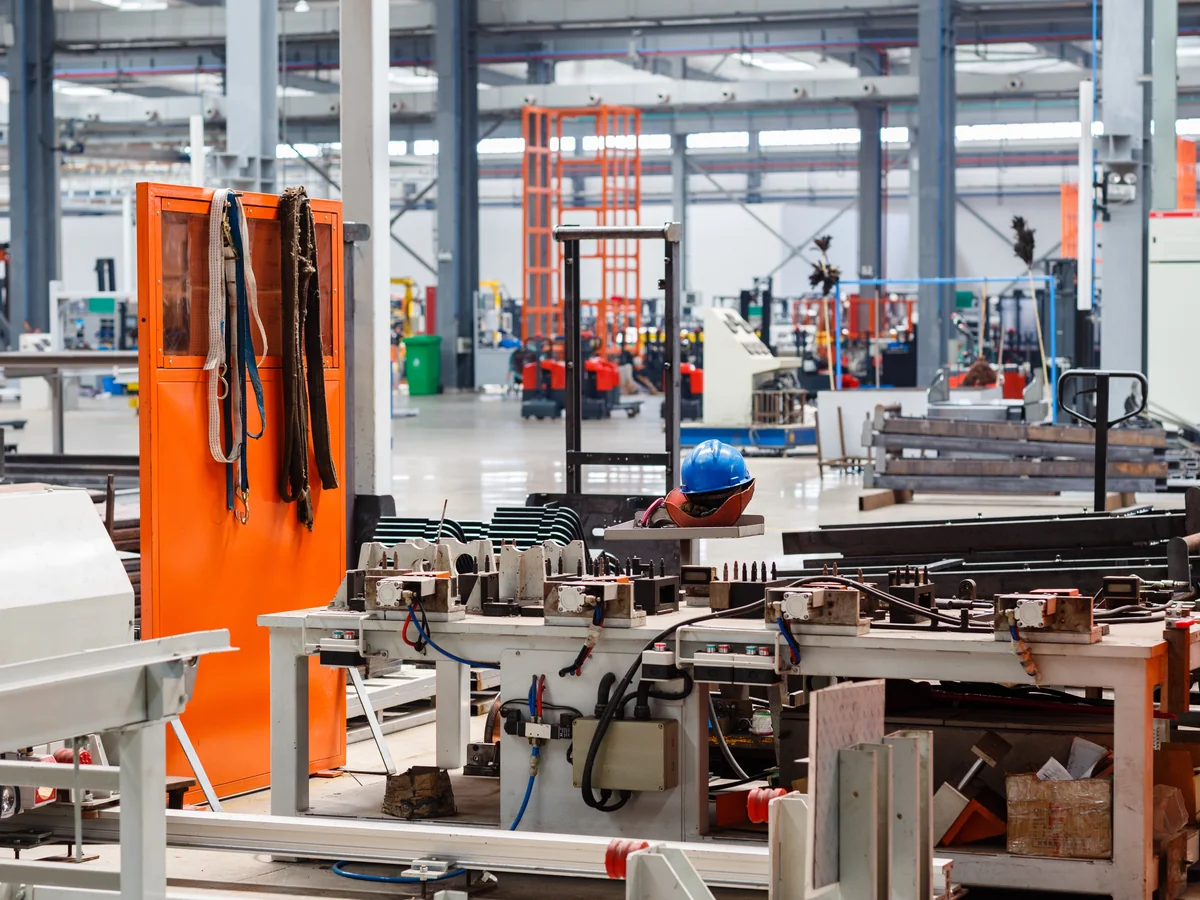
When a plant at Aviator Business Park rebuilds a line, the container fills with crated equipment, old fixtures, conduit and pallets. The strip-out gains less from compaction than the packaging that follows it, and American Compaction Services says which is which before the container is placed.
On-Site Compaction
On-Site Compaction in Hazelwood: Docks at the Top of the Table, Plants in the Middle
Hazelwood's containers spread across the whole compaction list, so the answer starts with what is in the box. Compaction helps reduce waste volume by up to 70% depending on the material. It is never a guarantee.
| Material | Compaction |
|---|---|
| Cardboard and packaging | Compacts well |
| Plastics | Compacts well |
| Pallets and wood | Compacts well |
| Furniture and bulky commercial waste | Compacts well |
| Light construction debris | Compacts well |
| Concrete, masonry and roofing shingles | Never compacted |
| Red iron, liquids and hazardous waste | Never compacted |
A Route 370 dock stream sits at the top of the compacts-well list. A plant's pallets and crating compact well too, while its metal offcuts have little air to remove. The debris coming off a tilt-up under construction counts as light construction debris, though concrete and masonry are never compacted. How many compaction visits fall between pulls is set by your fill rate.
A loose container that looks full is mostly air. Compaction can reduce volume by up to 70%, depending on the material. On a plant container that mixes scrap with packaging, the weight rather than the rim can be the limit, and we check it before a visit is booked.
Compaction reduces haul-offs; it never eliminates them. A compaction visit is itself a visit. What changes is that a short on-site visit happens instead of a haul-off. If it won't move your number, we'll tell you on the spot.
Cost Context
What Drives the Bill in Hazelwood
Four things move a Hazelwood bill; the pricing guide has the general picture.
Three Highways Out
A pull ends at the disposal facility for that material, and a truck leaving a Hazelwood site has I-270, I-170 and Route 370 to choose from. The St. Louis overview names where St. Louis loads go; every mile of that run makes an avoided pull worth more.
City Street, County Arterial or State Route
A container on the street or right-of-way needs approval from the local jurisdiction, and the rules vary by city. Hazelwood's own public works department covers city streets; county-maintained arterials inside the city belong to St. Louis County; Lindbergh Boulevard, Route 370 and I-270 belong to MoDOT. A container in a park's truck court answers to the park's rules instead.
Park Gates, Plant Security and Construction Traffic
Access in Hazelwood means a gated court in the parks, a security desk at a plant or a campus, or a park road shared with panel trucks and a crane while the next building goes up. The container goes where the roll-off truck reaches it in each case.
Which Size Does the Work in Hazelwood
The 40 on the docks, the 30 at plants and along the Lindbergh strip, the 20 where the load is scrap or the lot is tight. Any of them leaves less often with compaction, and the savings calculator shows what that does to your numbers.
These results are estimates from the numbers you enter. They are not a quote, a promise or a guarantee.
Sizes
Choosing a Size for a Hazelwood Site
Stream before site; the dumpster sizes page compares the three.
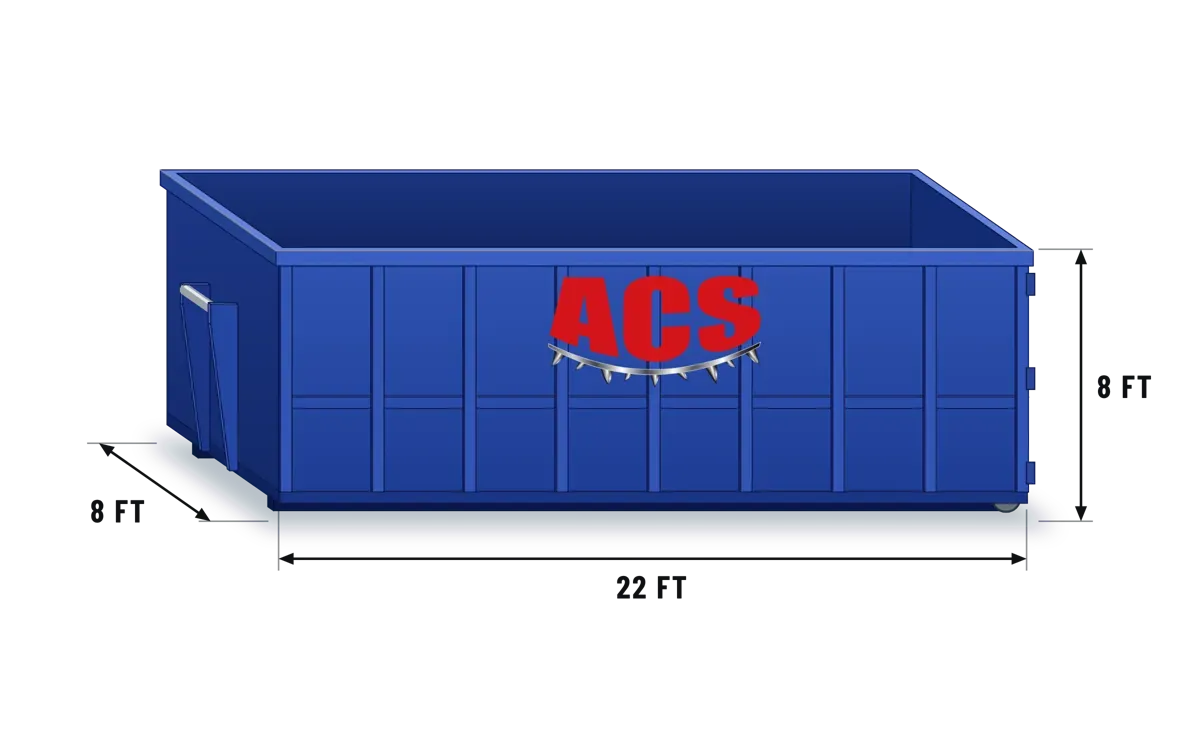
A 40 Yard at a Route 370 Dock
The dock stream, bulky and light, on a court built for trailers. The size with the most air to give back.
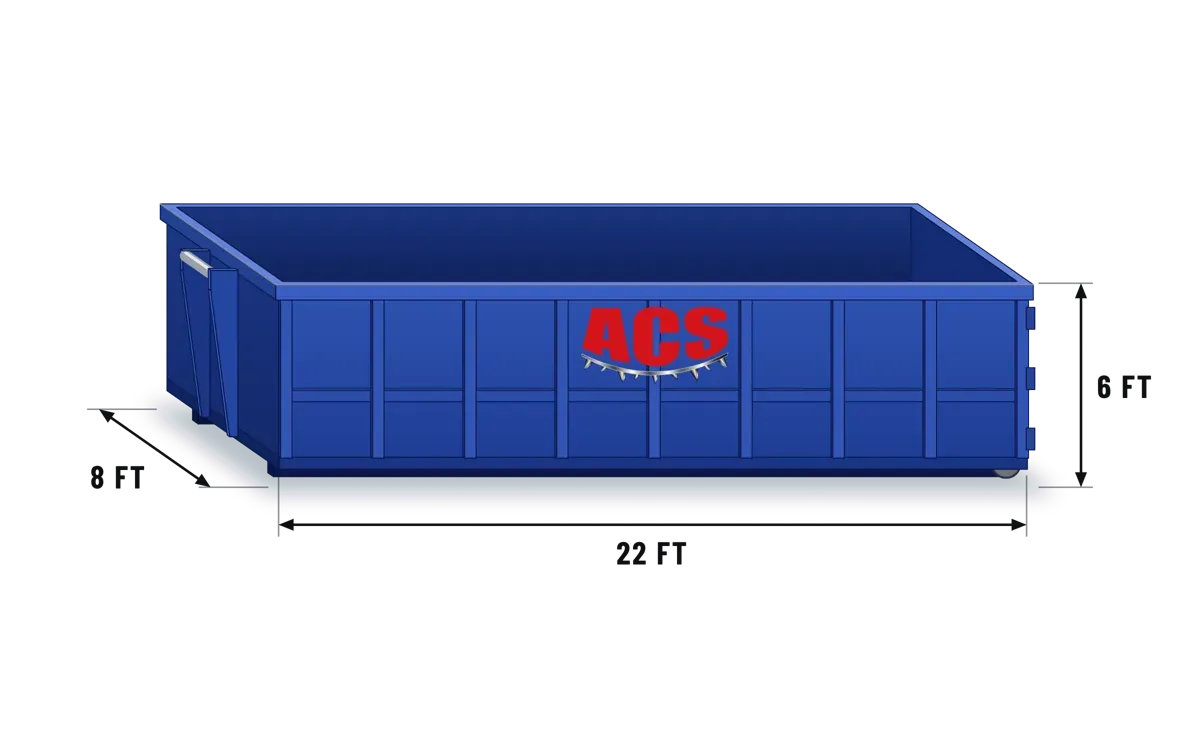
A 30 Yard for a Plant Changeover or Campus Refit
Crated equipment, fixtures and mixed debris, where weight climbs faster than volume.
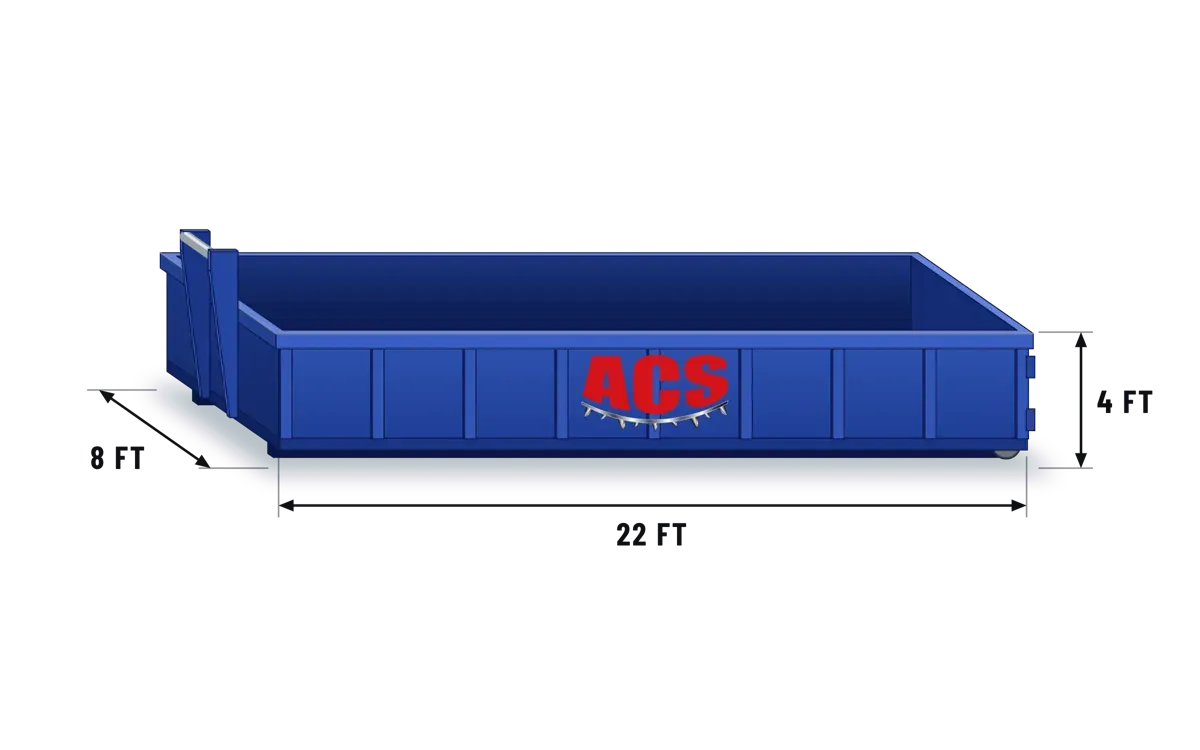
A 20 Yard for Scrap-Heavy Loads and Tight Lots
Offcuts and metal that reach the payload before the rim, or a Lindbergh lot with room for nothing bigger.
Drive Time
Getting to Hazelwood
Hazelwood is part of our St. Louis City and County service area. A compaction visit is booked on a route day; the pickup schedule sets pulls and swaps. The Route 370 parks are reached from Route 370 or from I-270 at Lindbergh; the campuses and the Lindbergh strip from I-270 at McDonnell.
A visit can often be moved rather than missed: a dock running heavy ahead of a promotion can have its visit brought forward. We do not publish a guaranteed turnaround window. The St. Louis team that quotes your job is the team that schedules it.
On Site
Serving Hazelwood Sites: Placement, Access and Safety
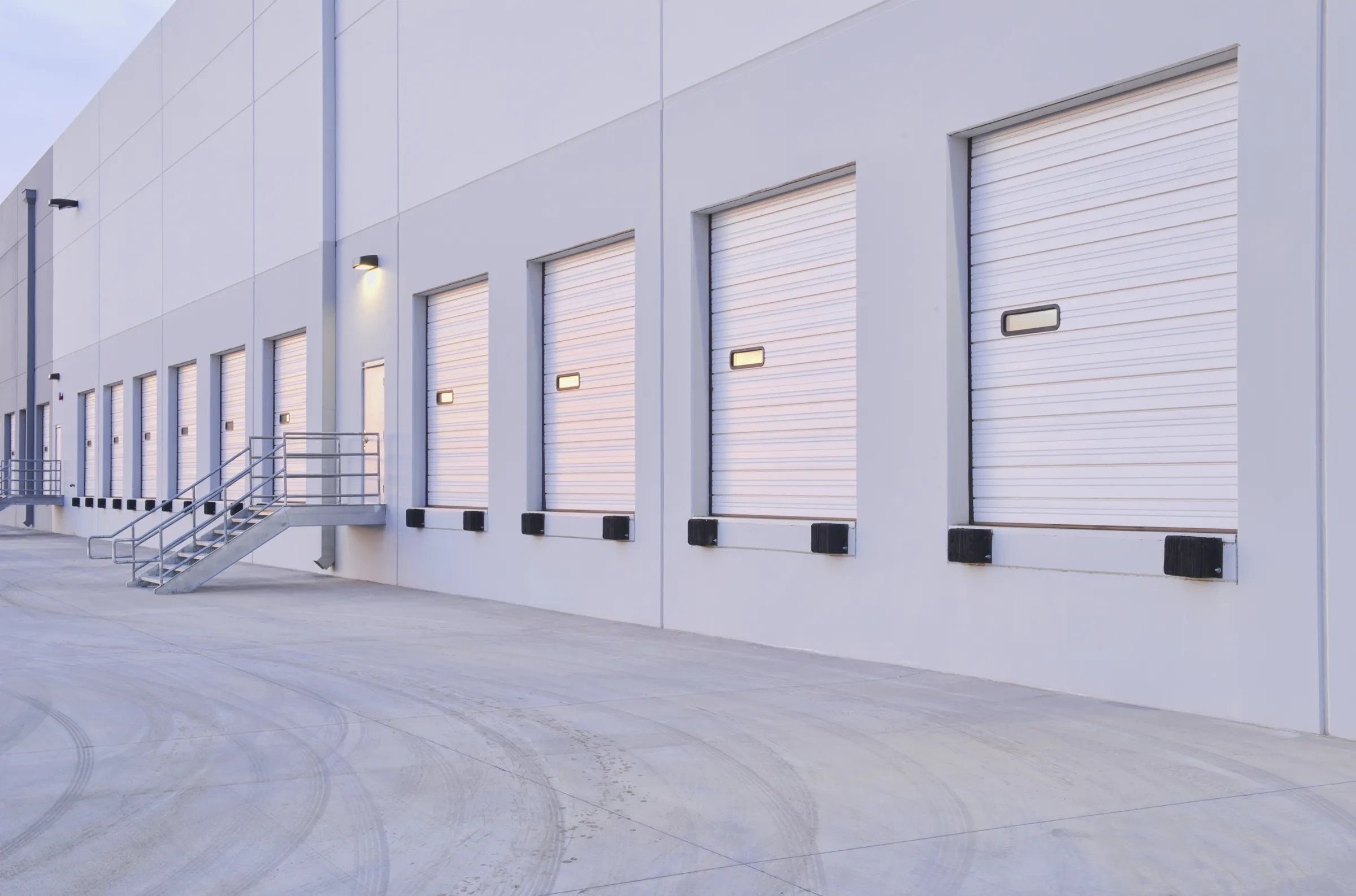
Park Rules in the Route 370 Parks
A park built out by one developer often has its own rules on where containers sit, how long they stay and what screens them. American Compaction Services reads those rules with the tenant before the container is placed, so the spot is one the park allows.

Badge Desks at Plants and Campuses
A manufacturing plant or a corporate campus runs a security desk, and the unit's operator checks in like any other contractor. Those steps, and the hours the plant changes shifts, go into the account up front.
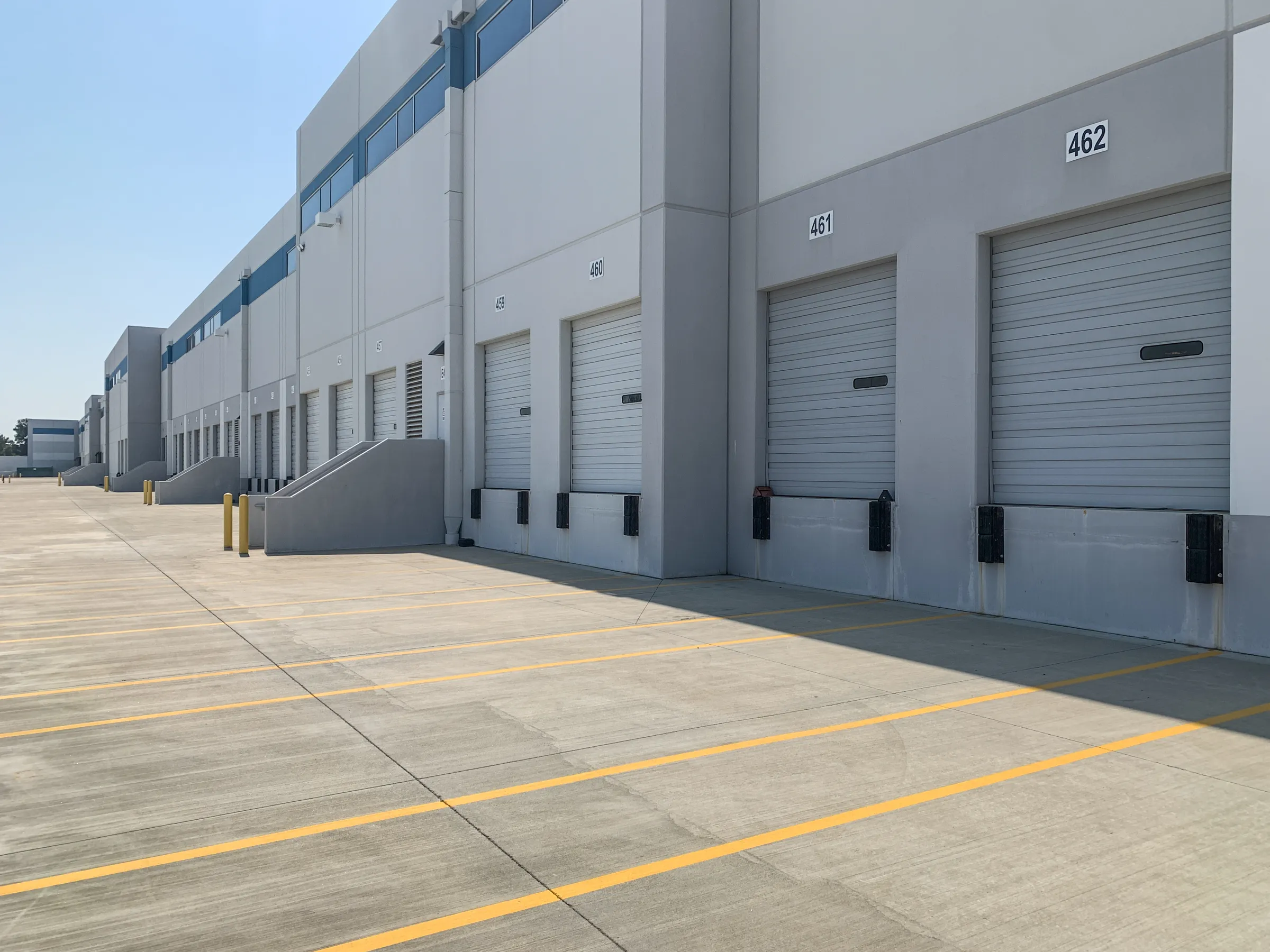
New Pavement in New Parks
Much of the pavement in the Route 370 parks is recent, and a new lot is the one an owner most wants kept clean. We'll confirm placement and access with you before delivery.
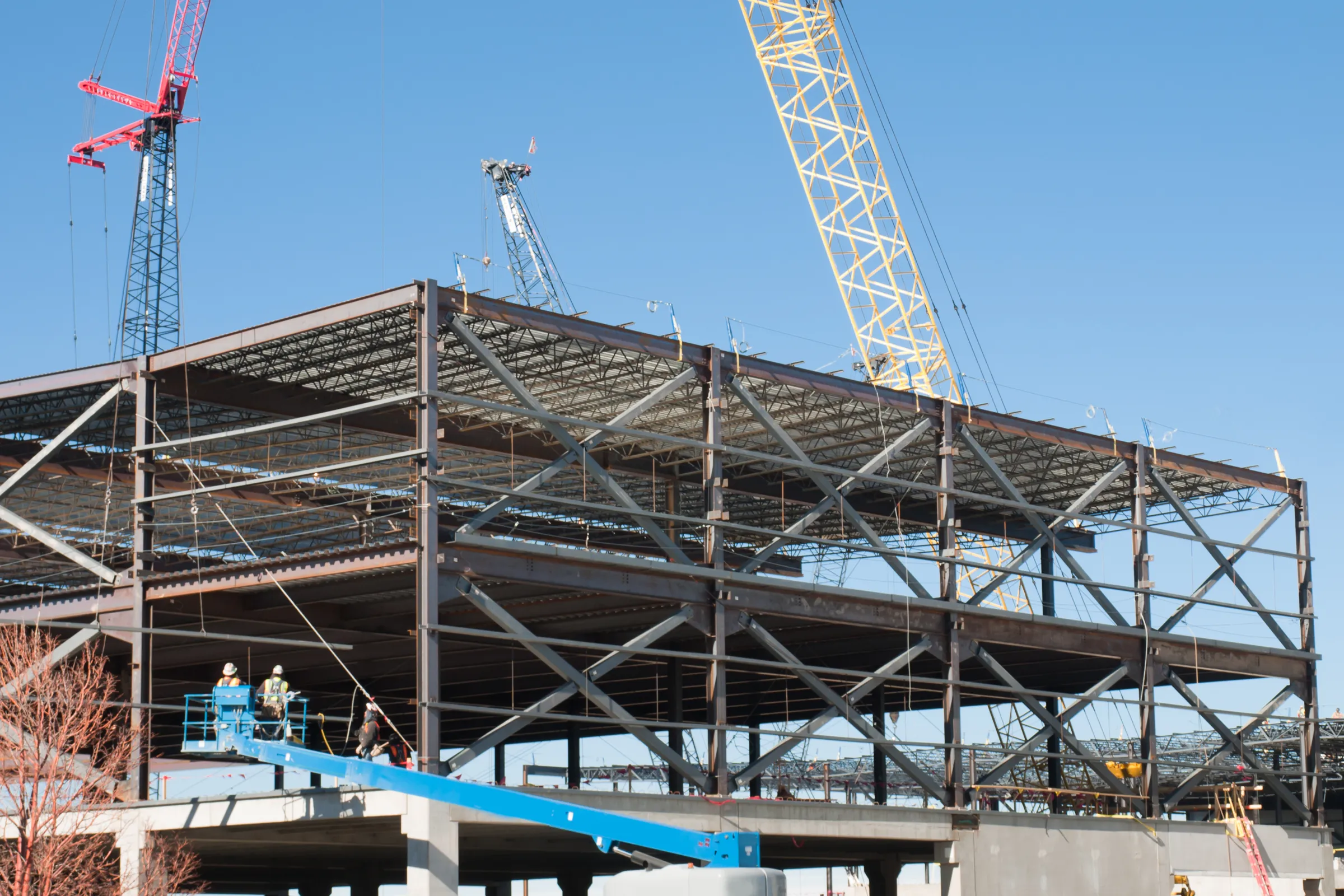
Sharing a Road With the Next Building's Crane
In a park that is still building out, the road to your dock may also be the route for panel trucks and the crane heading to the next pad. The truck needs roughly sixty feet of straight-line approach and clear overhead. We ask about the schedule next door before a pull is booked, so the roll-off truck is not stuck behind a panel delivery.
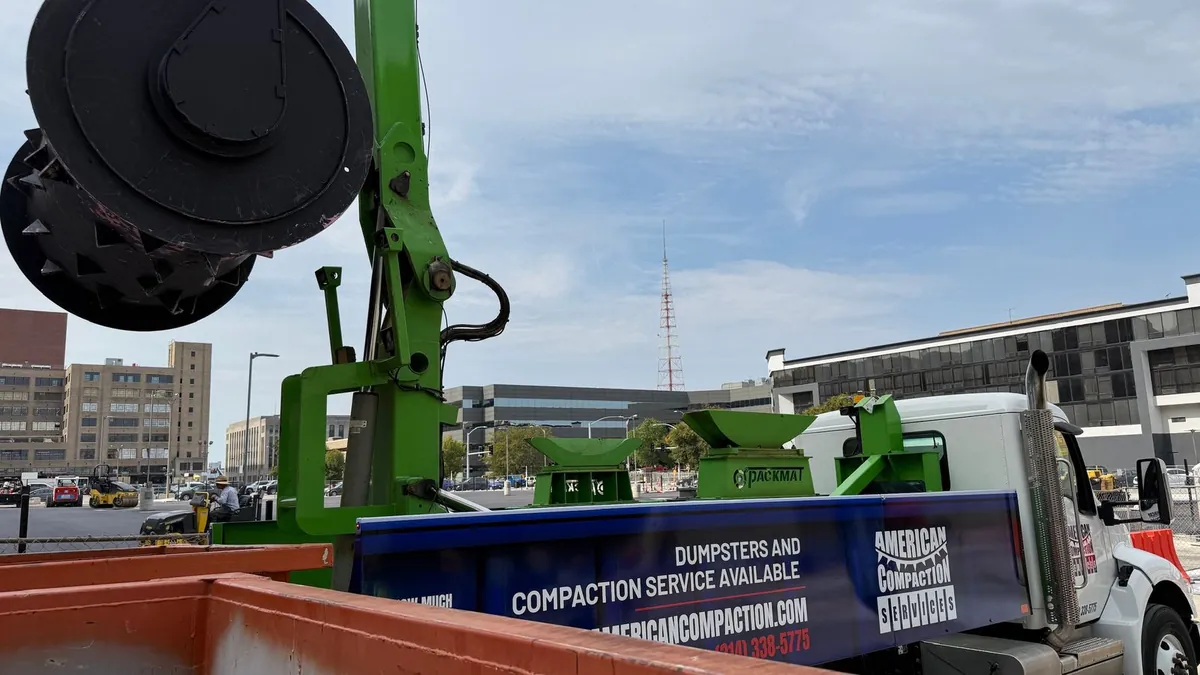
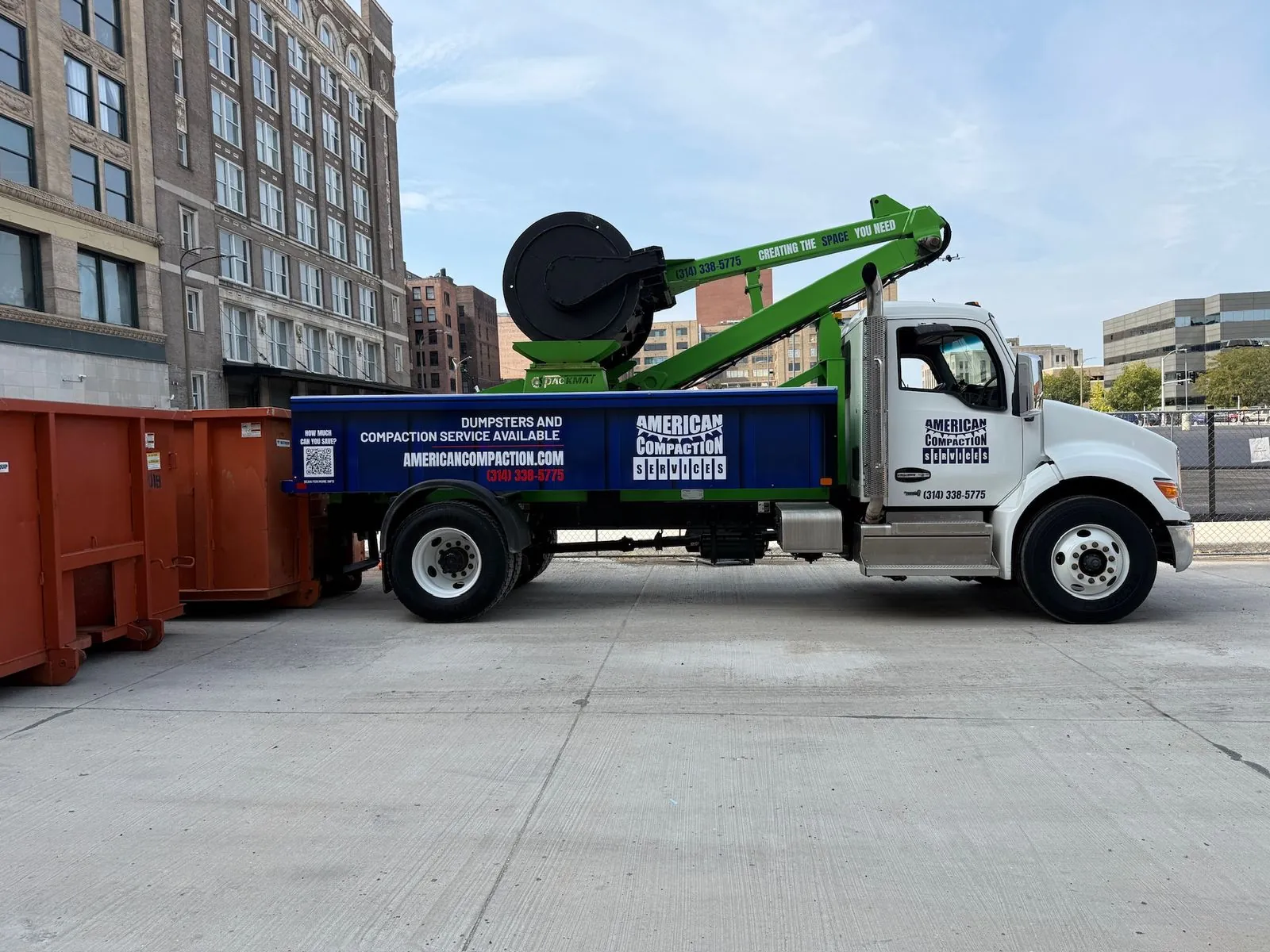
Nothing on the unit touches the container; that is the design and the rule. A heavy steel drum, narrower than the container, works the load down and never touches the walls. The drum works on its own weight, with no hydraulic down-force. Safeguard wheels and end guards keep the unit off the container's structure. Our operators run a zero-touch policy. Every visit includes a before-and-after inspection with photo documentation.
We will not compact liquids; dirt, soil, aggregate or other dense material with no air in it; hazardous or regulated waste; sealed drums or pressurized vessels; or anything the receiving hauler won't accept. On a pure dense load like broken concrete, we'll tell you to skip compaction and have it hauled. The accepted materials page covers what may go into a container to begin with.
Commercial Dumpster Rental in Hazelwood: Questions
Near Hazelwood: Related Pages and Neighboring Communities

Start Commercial Dumpster Rental in Hazelwood
Tell us which kind of Hazelwood site you run, a dock, a plant or a campus, what fills its container and how often it leaves. The request form takes all three, or call. American Compaction Services – St. Louis will size the container to the stream, check the weight before the volume, and fit the visits around your shifts.
With roll-off, every haul is a call. With American Compaction Services, nobody has to call.
We set you up on a schedule and we compact on site. Dumpsters and compaction. All handled.
You already pay for dumpster space. Compaction lets you use more of it.
Getting started takes four details
- A photo of your dumpster and the space around it
- Your location
- What goes in the box
- The container size, if you know it
They help us plan for site access and match compaction service to your site.
We will prove it. Call or text (314) 338-5775.