
Industrial & Manufacturing
Industrial Dumpster Rental
We automate your roll-off. You'll never run out of room. Fair price. Great service.
Hauled multiple times a week?
Industrial dumpster rental is a standing service, not a one-time delivery. American Compaction Services supplies 20, 30 and 40 yard roll-off containers to manufacturing plants and industrial facilities on a standing schedule, compacted on site so each container holds more before it has to be pulled. Industrial waste is not a project. The line runs, the trailers unload, and the container fills again.
On a standing stream, the container is not the recurring cost. The trips are. ACS provides waste management through dumpster rental and on-site compaction.
The Real Cost
Why Industrial Dumpster Rental Is a Trip-Count Problem
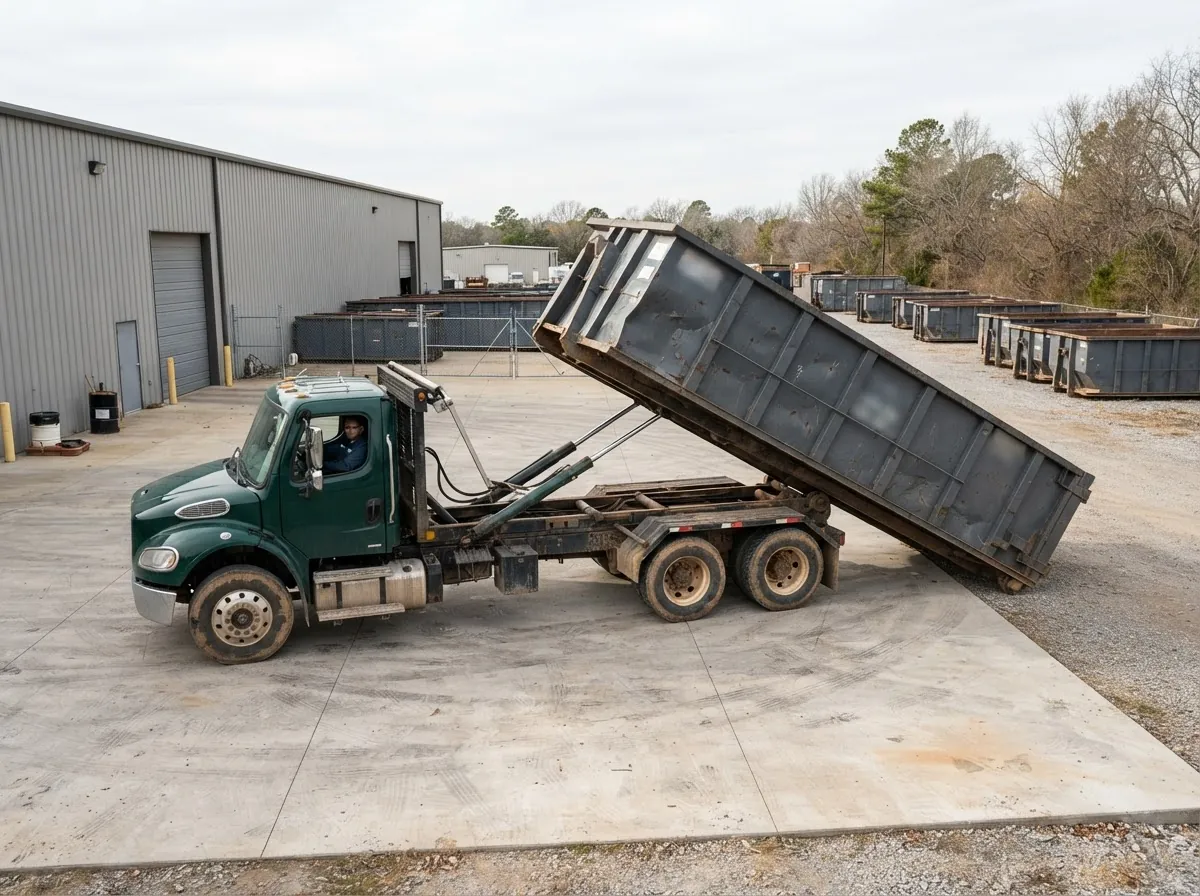
A plant does not have a waste problem. It has a waste rate. Waste comes off the floor every shift whether anyone is watching it or not, and the cost of that rate is set mostly by how many times a truck comes to the property.
That is why the schedule matters more than the container. The cadence set when the account opened becomes a standing bill, and it tends to survive for years whether or not it still matches the plant. Every pull, every week, all year. The container size barely moves that number. The disposal weight moves it some. The trip count moves it most.
And a good share of what those trips carry is air: a gaylord tipped in whole, loose stretch film, cartons nobody flattened, foam corner blocks, dunnage. The container looks full long before the truck is anywhere near its weight limit.
Manufacturing and distribution facilities generate high volumes of bulky, low-density waste. Without compaction, dumpsters fill quickly, hauls increase, and valuable yard space gets tied up in extra roll-offs.
There is an operations cost too. When the container is full before the pull, material stacks on the dock, a trailer bay becomes storage, and a forklift driver ends up managing waste instead of moving product.
Compaction reduces haul-offs; it never eliminates them. A compaction visit is itself a visit. What changes is that a short on-site visit happens instead of a haul-off.
Who We Serve
Industrial and Manufacturing Operations We Serve
American Compaction Services works with facilities where the volume is high and continuous, mostly packaging with production waste riding alongside it.
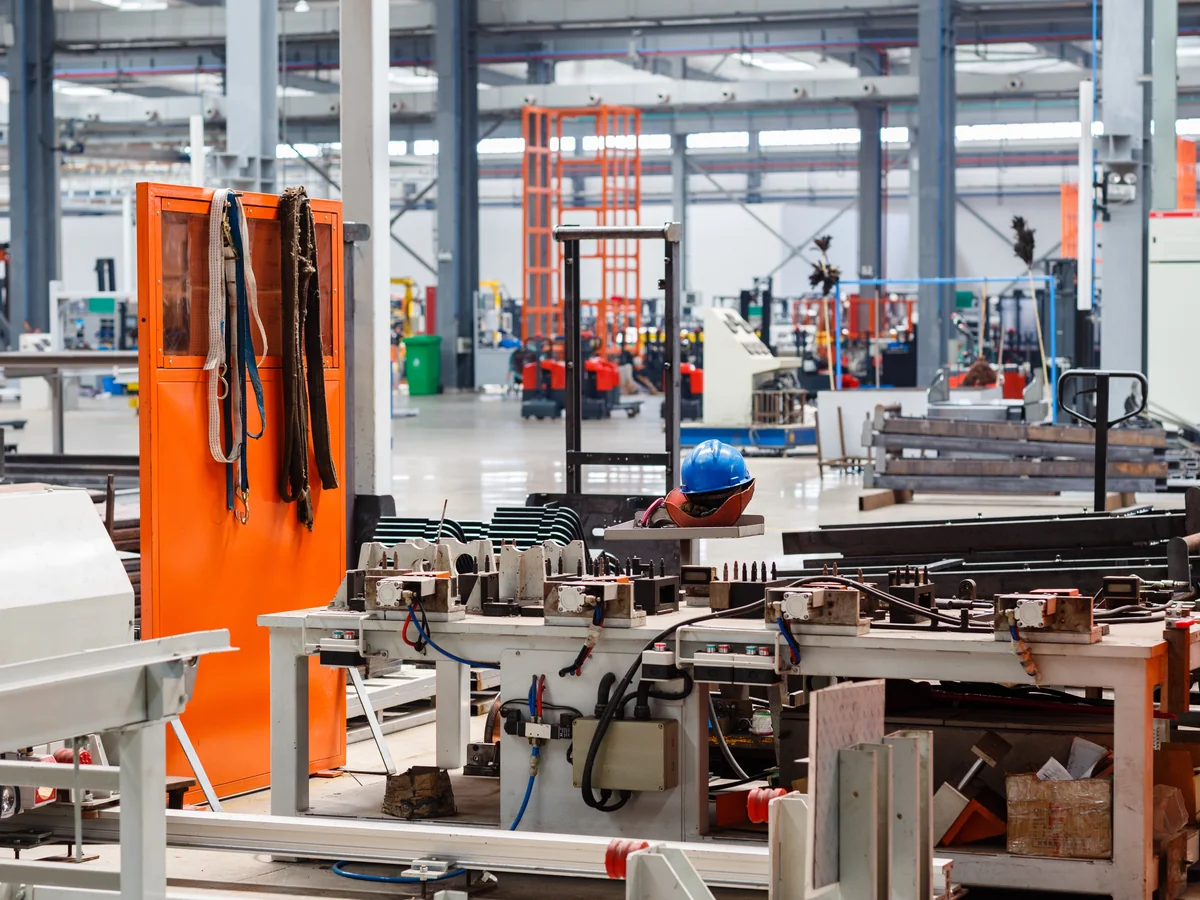
Manufacturing plants
Inbound packaging on receiving days and production offcuts every shift, often sharing one container.
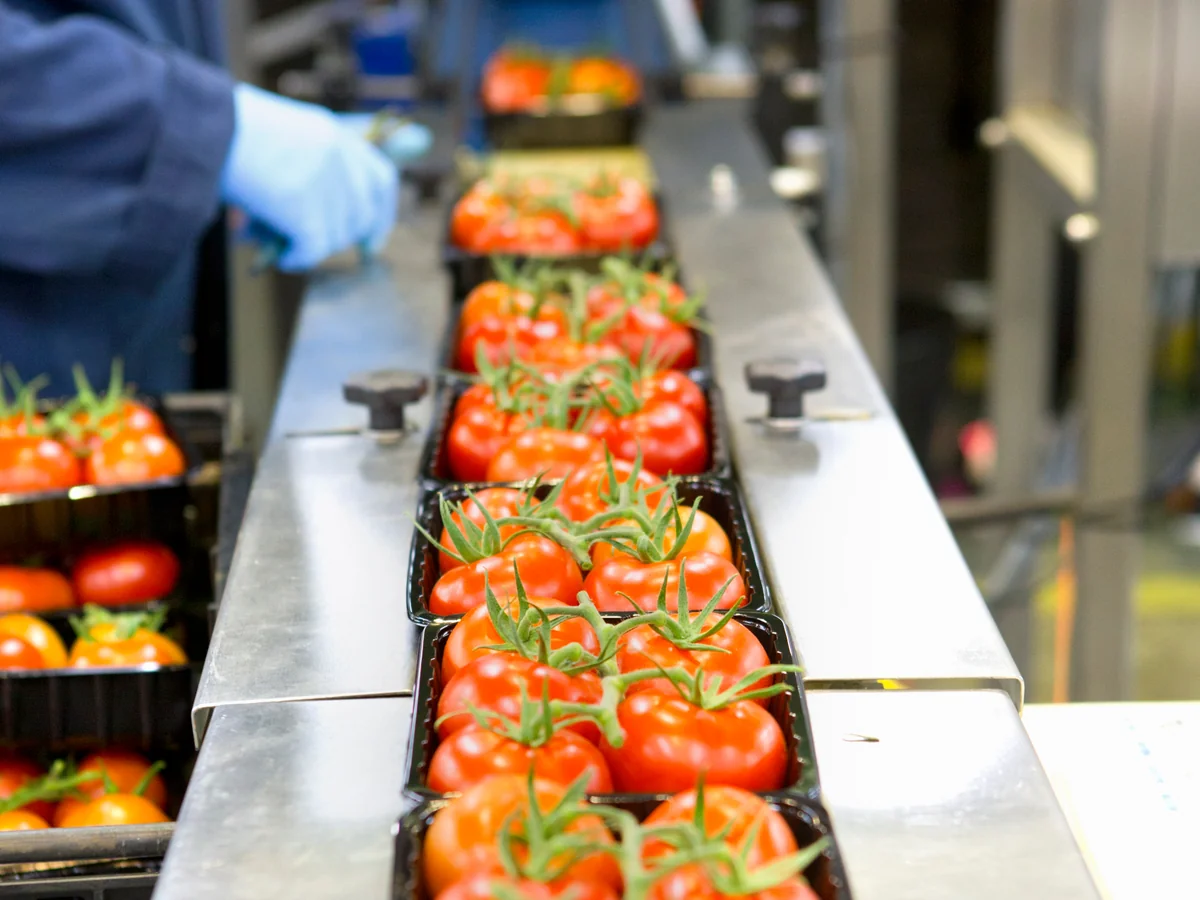
Food and beverage production
Non-regulated production waste and packaging, under strict housekeeping rules and tight service windows.
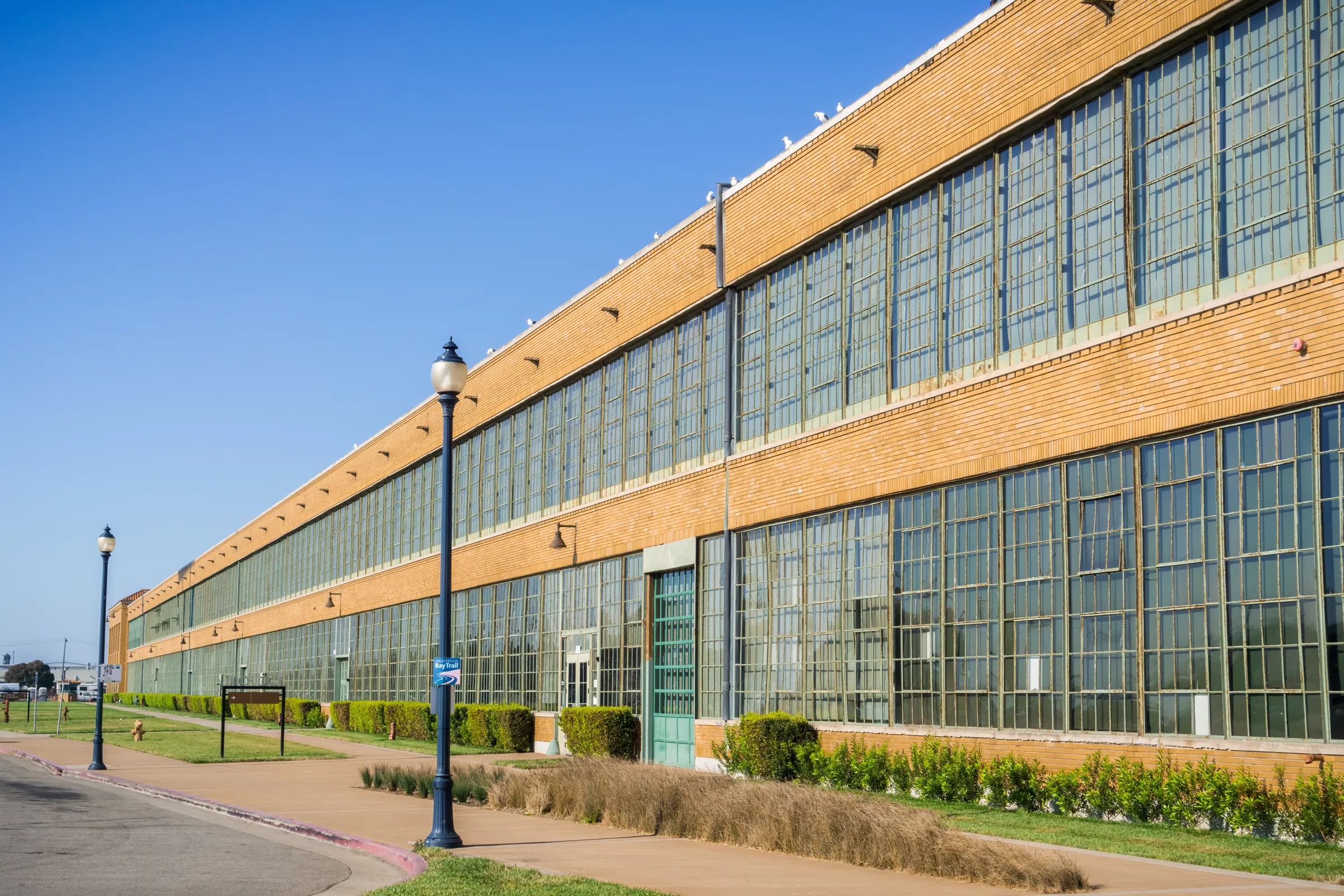
Assembly and light industrial shops
Component packaging, crating and light offcuts on a steady cadence.
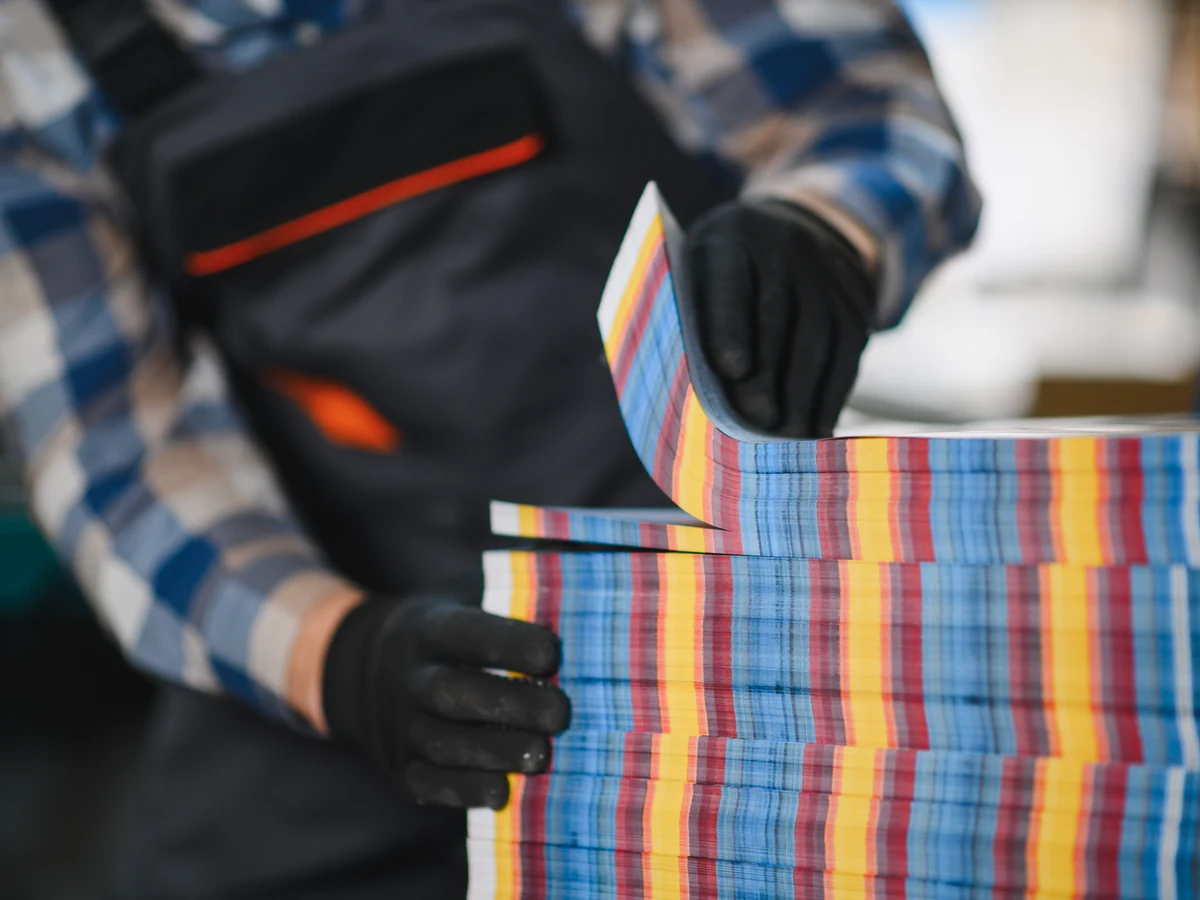
Printing, converting and paper handling
Paper, board and converting waste, one of the streams that compacts well.
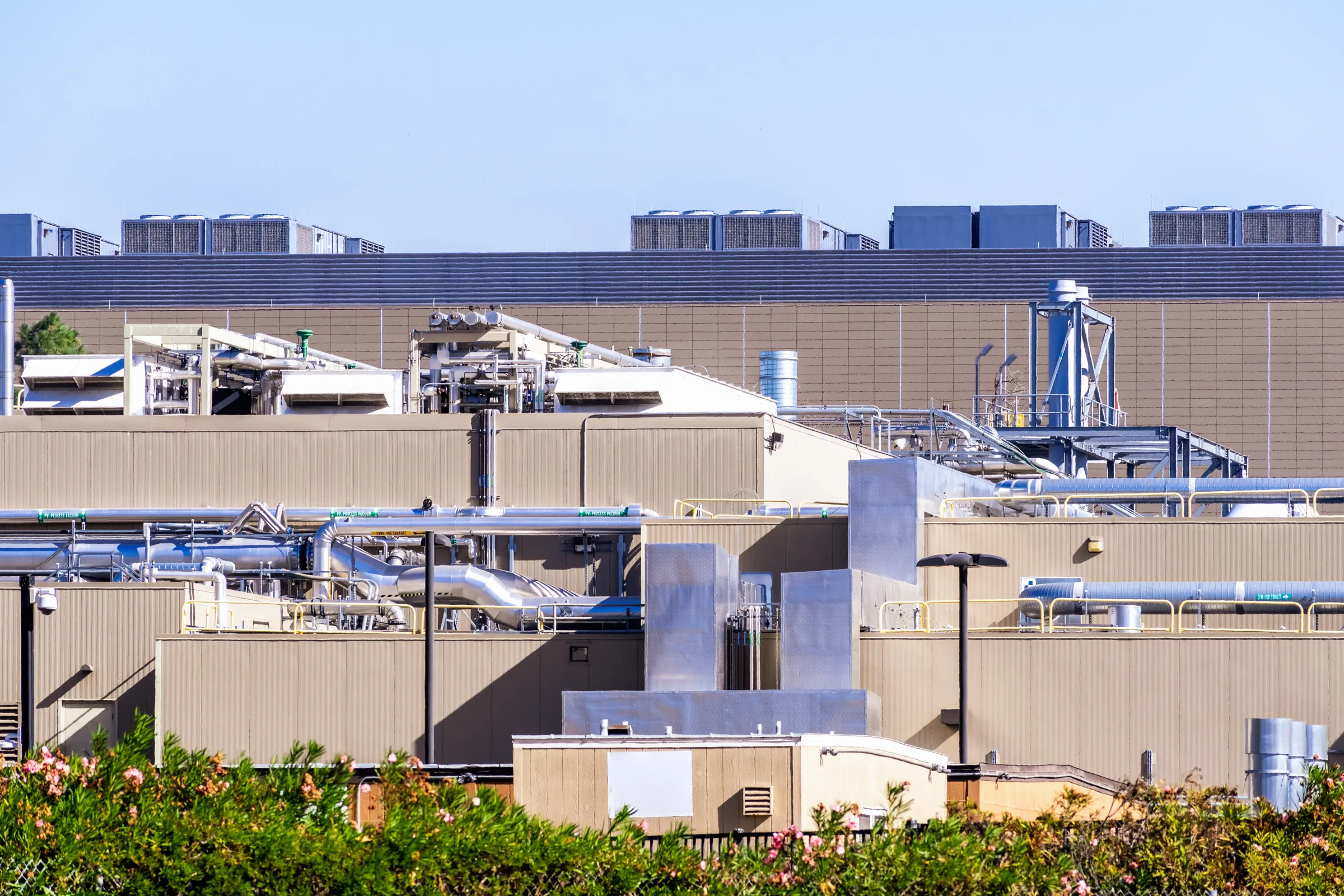
Industrial and equipment service facilities
Parts packaging, crating, pallets and shop waste from maintenance and repair work.
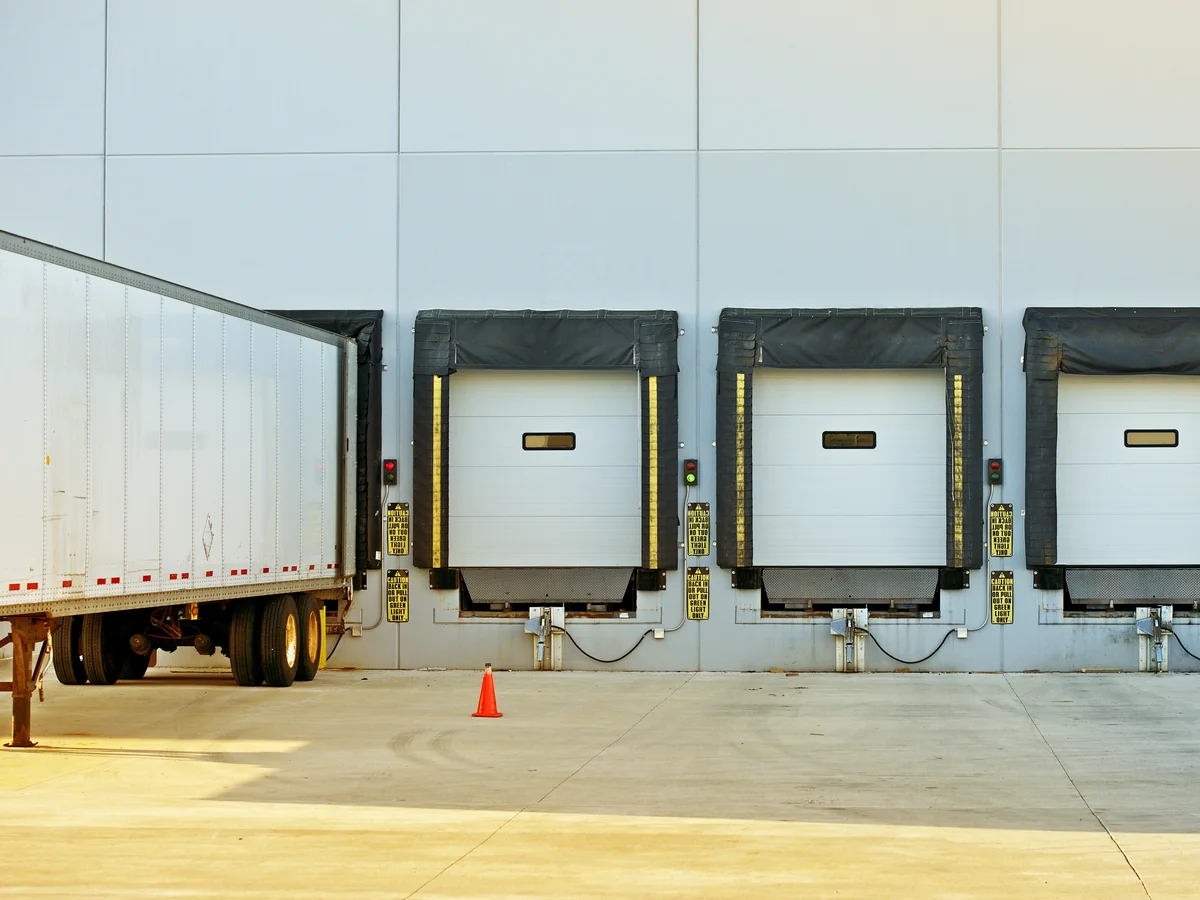
Plant receiving and shipping
The dock inside a plant. Stand-alone warehouses and distribution centers have their own page: warehouse and distribution dumpster rental.
Every account is a business. We do not rent to homeowners.
Container Sizes
Container Sizes for a Continuous Waste Stream
Sizing an industrial container is sizing for a rate, not a quantity. The question is not how much waste the plant makes; it is how fast the container fills, and what it weighs when it goes.
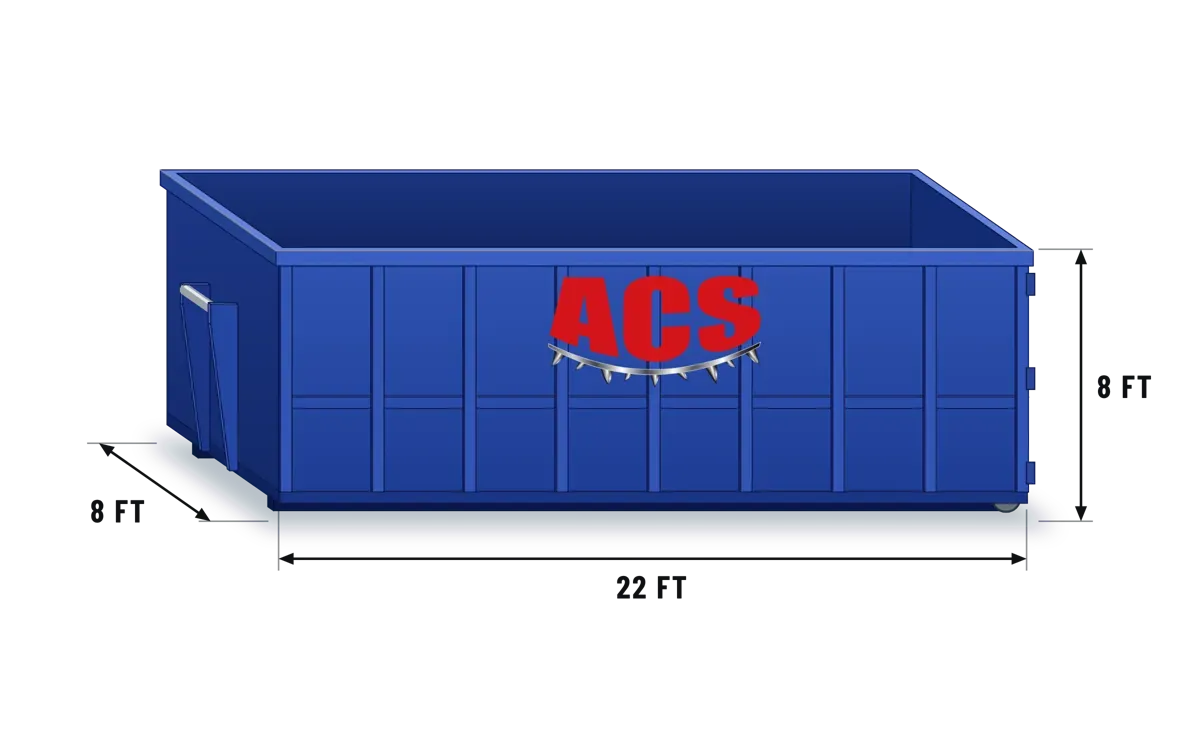
About 22' × 8' × 8' (L × W × H)
40-yard container
The usual choice for packaging-heavy industrial streams: light, bulky material with the most air to take out. Weight limits still apply.
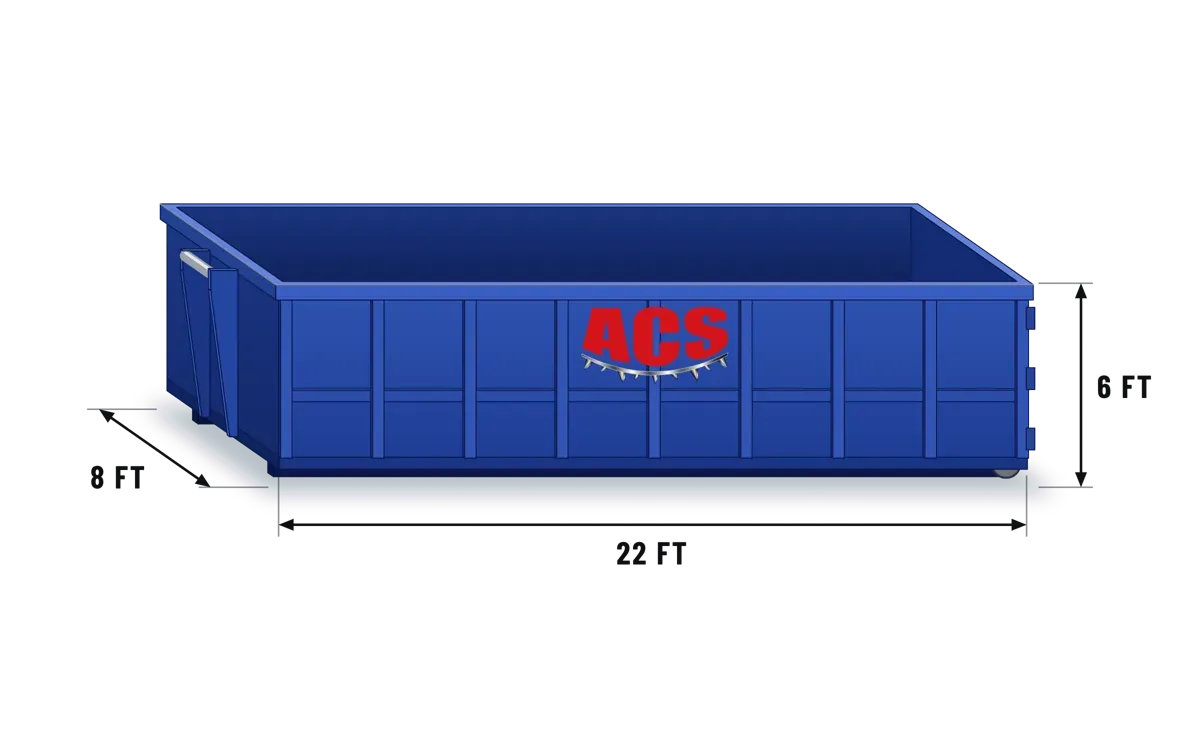
About 22' × 8' × 6' (L × W × H)
30-yard container
Mid-volume plants, mixed streams with heavier material in them, or a second container on a split stream.
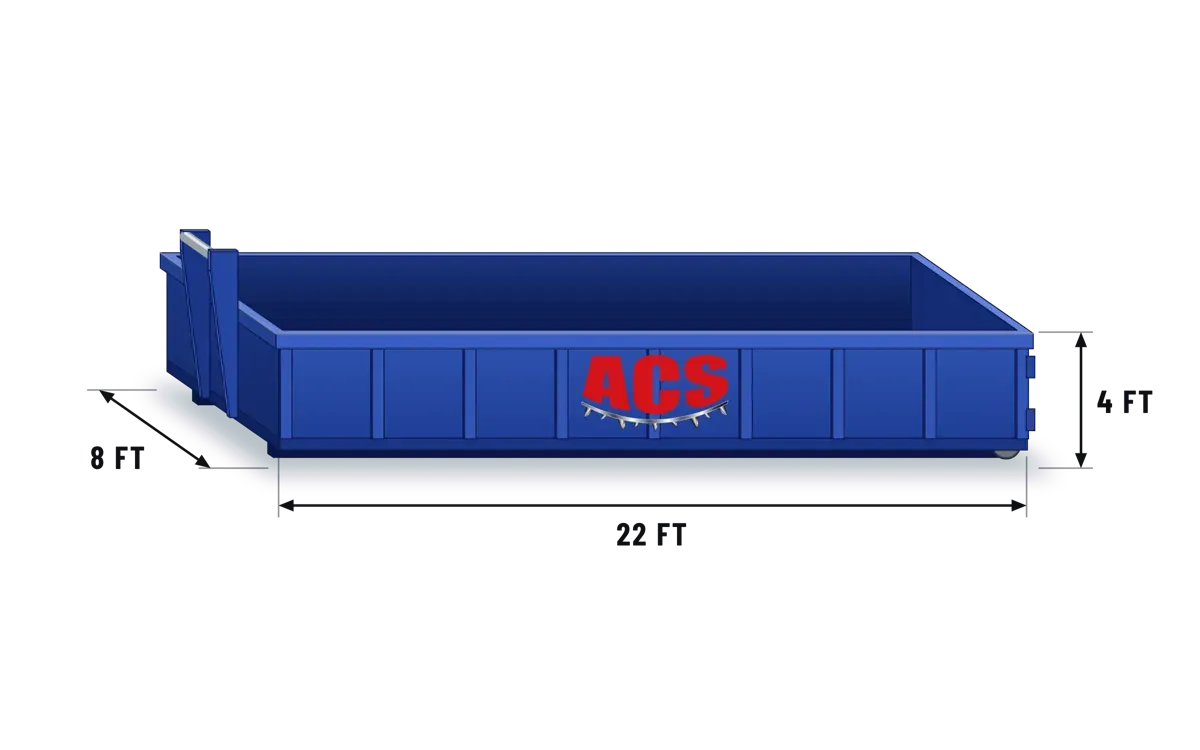
About 22' × 8' × 4' (L × W × H)
20-yard container
Denser production streams, and smaller shops on a scheduled cadence.
Approximate dimensions. Containers vary; confirm the actual size for your site before the first placement.
Size for the fill rate first, then set the cadence. Tell us your current pull frequency and roughly what the container holds when it goes, and we will propose both.
Material Guide
Industrial Materials: What Compacts Well and What We Won't Compact
What a roll-off can take is set by the receiving facility; the accepted materials page has the full list. Mixed loads are normal. A plant container usually carries a blend, and the blend decides where the load lands in the reduction table further down this page.
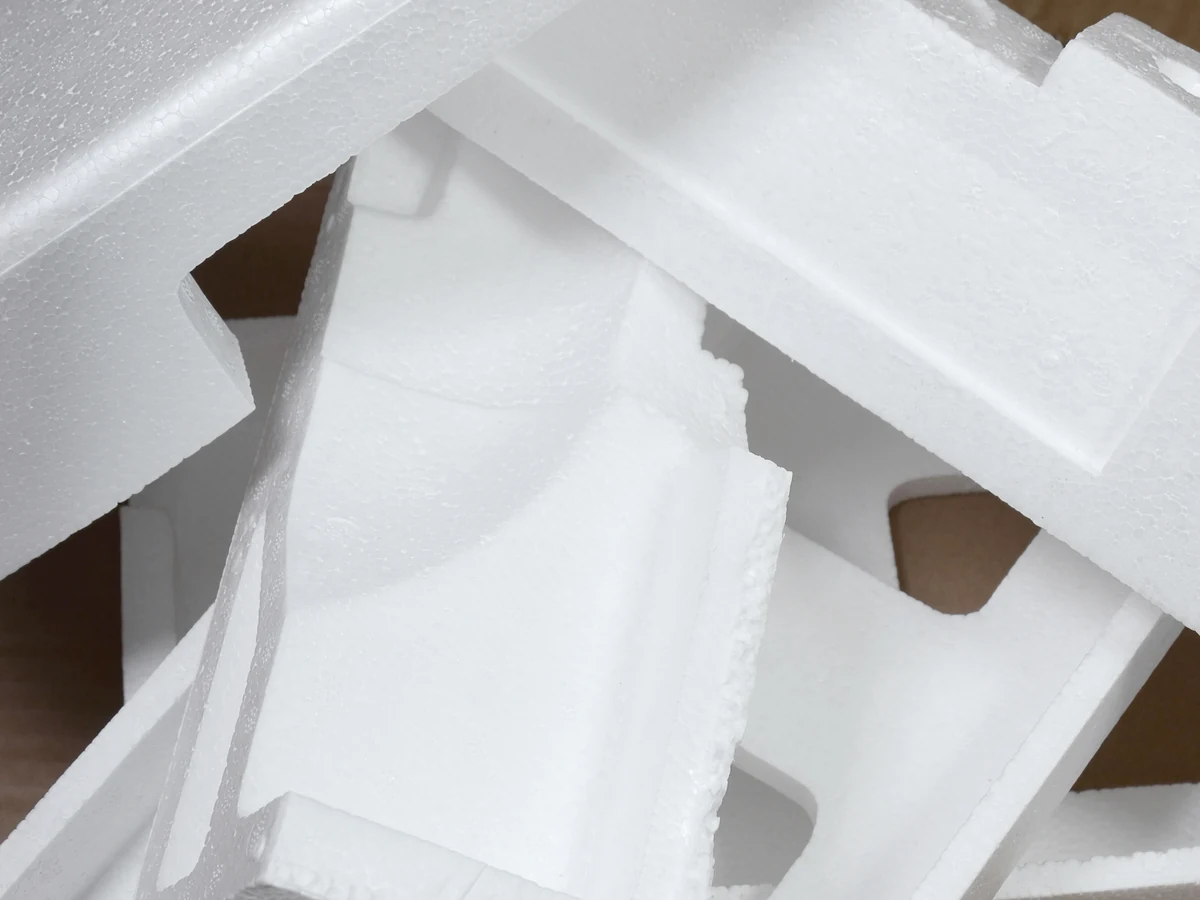
What we compact
Cardboard and packaging; plastic film and wrap; wood and pallets; construction and demolition debris, including drywall, insulation, ceiling grid and fiberglass; compost and organics, as long as your hauler accepts it.
What compacts well on a plant
The packaging side of the stream: corrugated cardboard and cartons, stretch film and shrink wrap, foam and void fill, paper and board, strapping and banding, and broken-down pallets and crating. These loads carry a lot of trapped air.
What compacts poorly
Dense metal scrap, castings and turnings, dense rubber, and material that has no air in it. These streams still leave in a container. They just do not gain much from a compaction visit.
What we won't compact
We will not compact liquids; dirt, soil, aggregate or other dense material with no air in it; hazardous or regulated waste; sealed drums or pressurized vessels; or anything the receiving hauler won't accept. On a pure dense load like broken concrete, we'll tell you to skip compaction and have it hauled. Regulated process waste, such as solvents, oils and chemical residues, belongs with a specialist disposal vendor, not in a roll-off.
Standing Service
Standing Service, Not On-Call: How an Industrial Account Runs
A plant's waste does not stop, so American Compaction Services sets industrial accounts up as standing service rather than on-call.
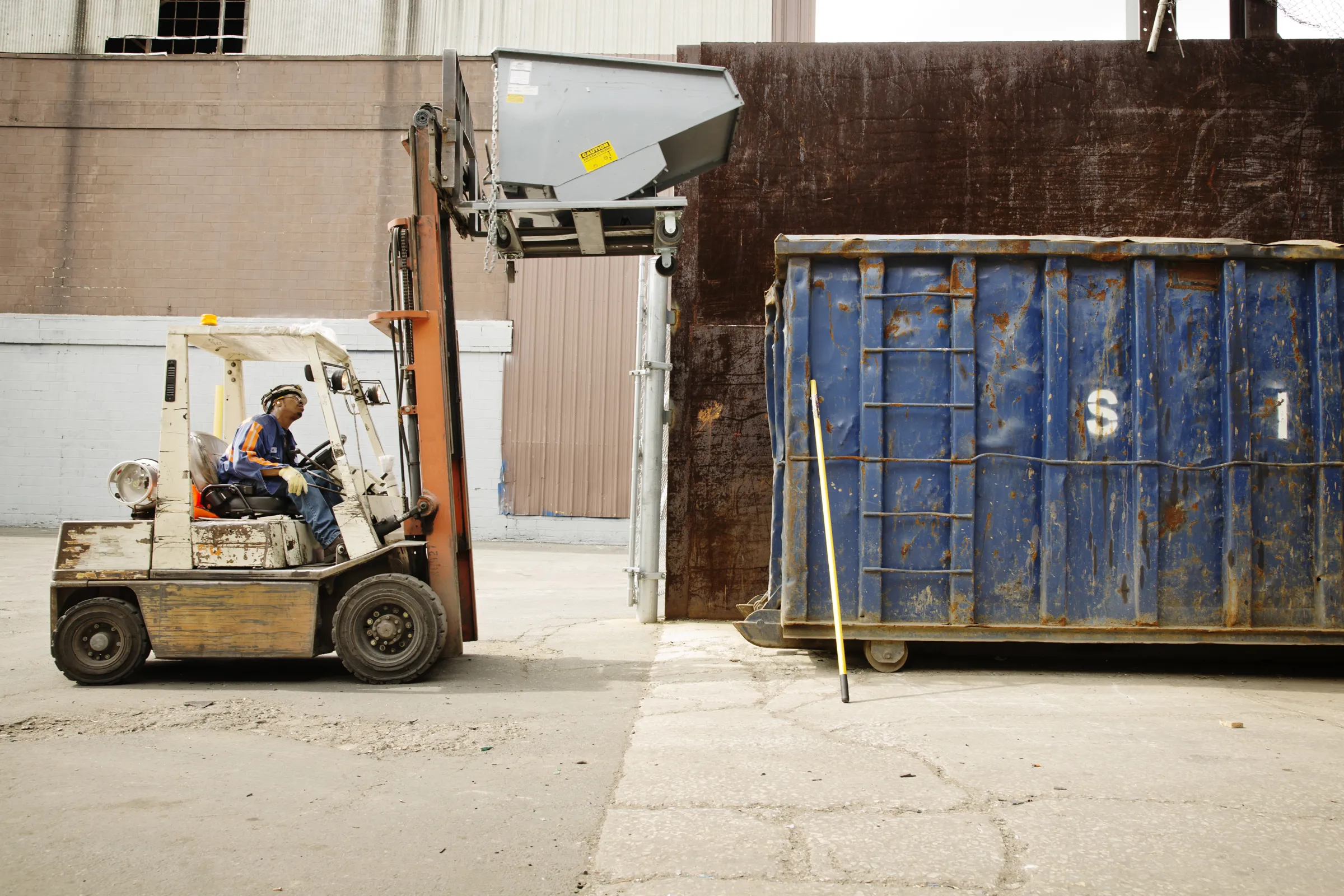
A scheduled cadence
Pulls and compaction visits on set days that fit the plant's rhythm: heavy receiving days, shift changes, end-of-week cleanup. Nobody at the plant has to remember to call.
Compaction visits between pulls
The pull that would have happened Thursday can often wait until the following week.
Built around your shifts
A plant running multiple shifts fills its container on a clock that does not stop at the end of the day. Visits are set into the gaps your operation already has, such as a shift change or the hour before receiving opens, inside each market's service hours.
Adjusted when the plant changes
A new line, a seasonal rush, a shutdown or a product change moves the fill rate, and the cadence moves with it. The schedule is reviewed after the first few weeks and again whenever volume shifts.
The container stays put
The container becomes a fixture of the dock area, on a pad chosen once and walked before anything is scheduled.
There are three ways to run the hauling side. Scheduled pulls suit a steady, predictable flow, though a fixed schedule against a variable stream means some pulls happen early. On-call pulls mean you never pay for a trip you did not ask for, but the call tends to come late. The third way is built for compaction: compaction visits on a rhythm, and haul-offs called when the load is actually at capacity.
Some plants want the whole arrangement: container, pulls and compaction. Others keep their current hauler and add compaction to the container already on the pad, which is usually the easier place to start.
Dock Operations
Working Around the Dock Instead of Interrupting It
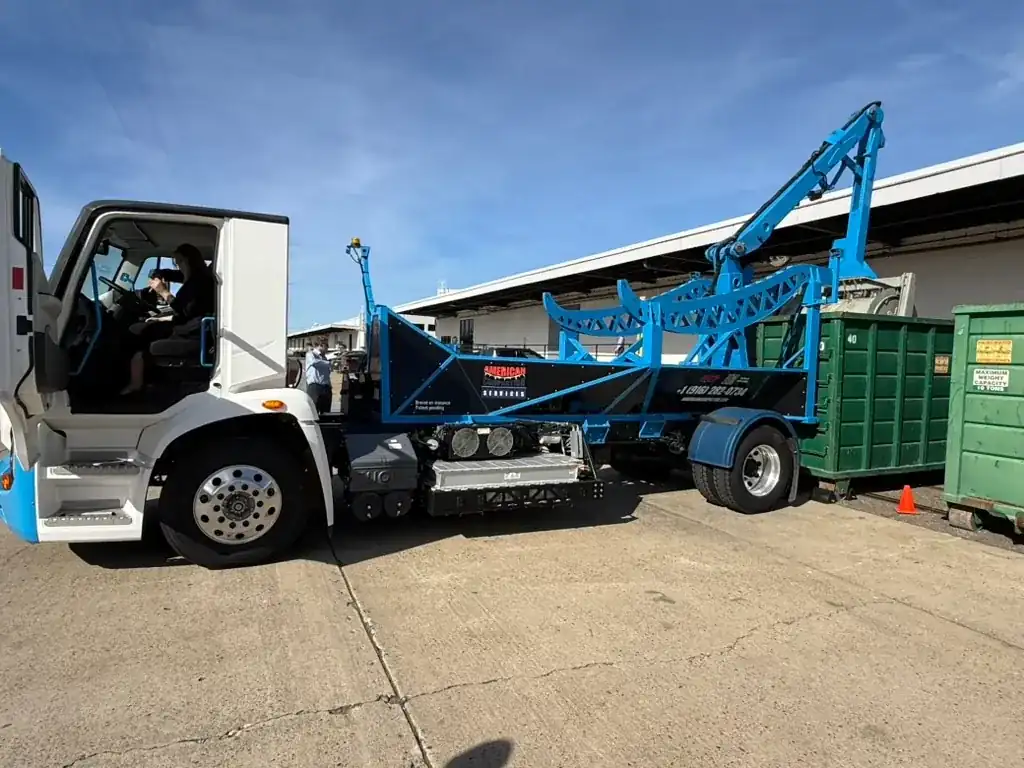
The visit is built so the floor keeps working.
The container never moves
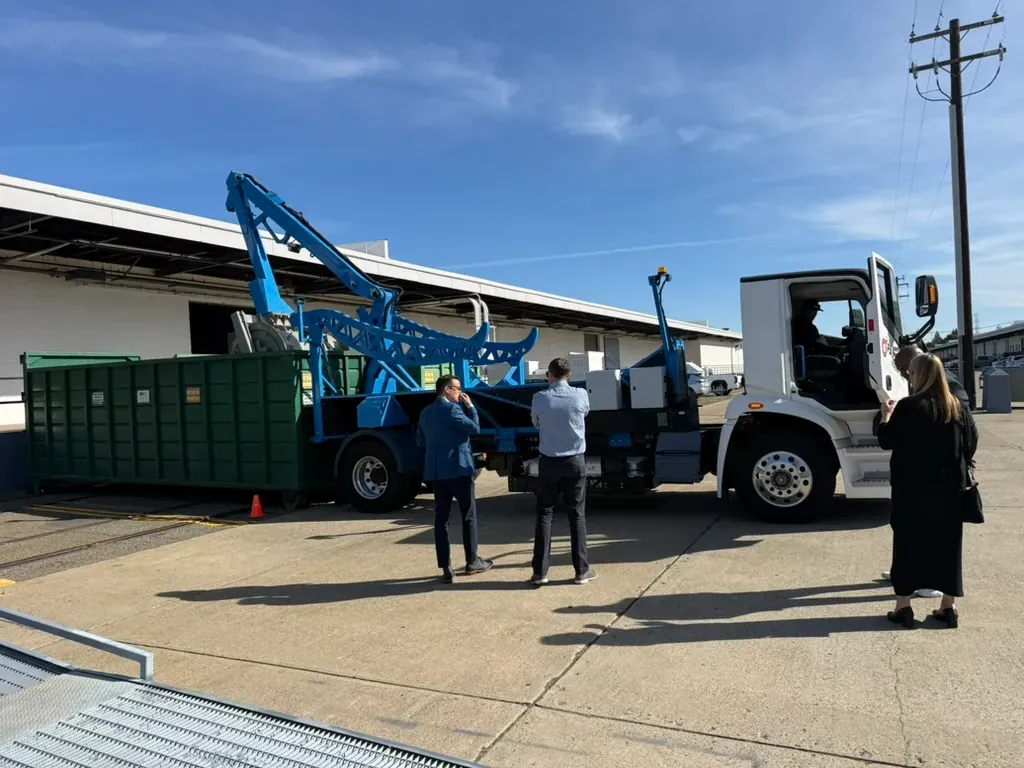
The unit works the container on the pad where it sits. Nothing is hooked, lifted or driven off during the visit.
No dock door tied up
The unit sets up beside the container, not in a receiving lane or a door you need.
Forklift traffic keeps moving
Where the unit parks and how it comes and goes are agreed at setup, clear of forklift lanes and trailer moves.
Facility rules respected
PPE, check-in, badge or escort requirements and traffic patterns are set at account setup, not negotiated at the gate.
Project Waste
When the Waste Is a Project Instead of a Stream
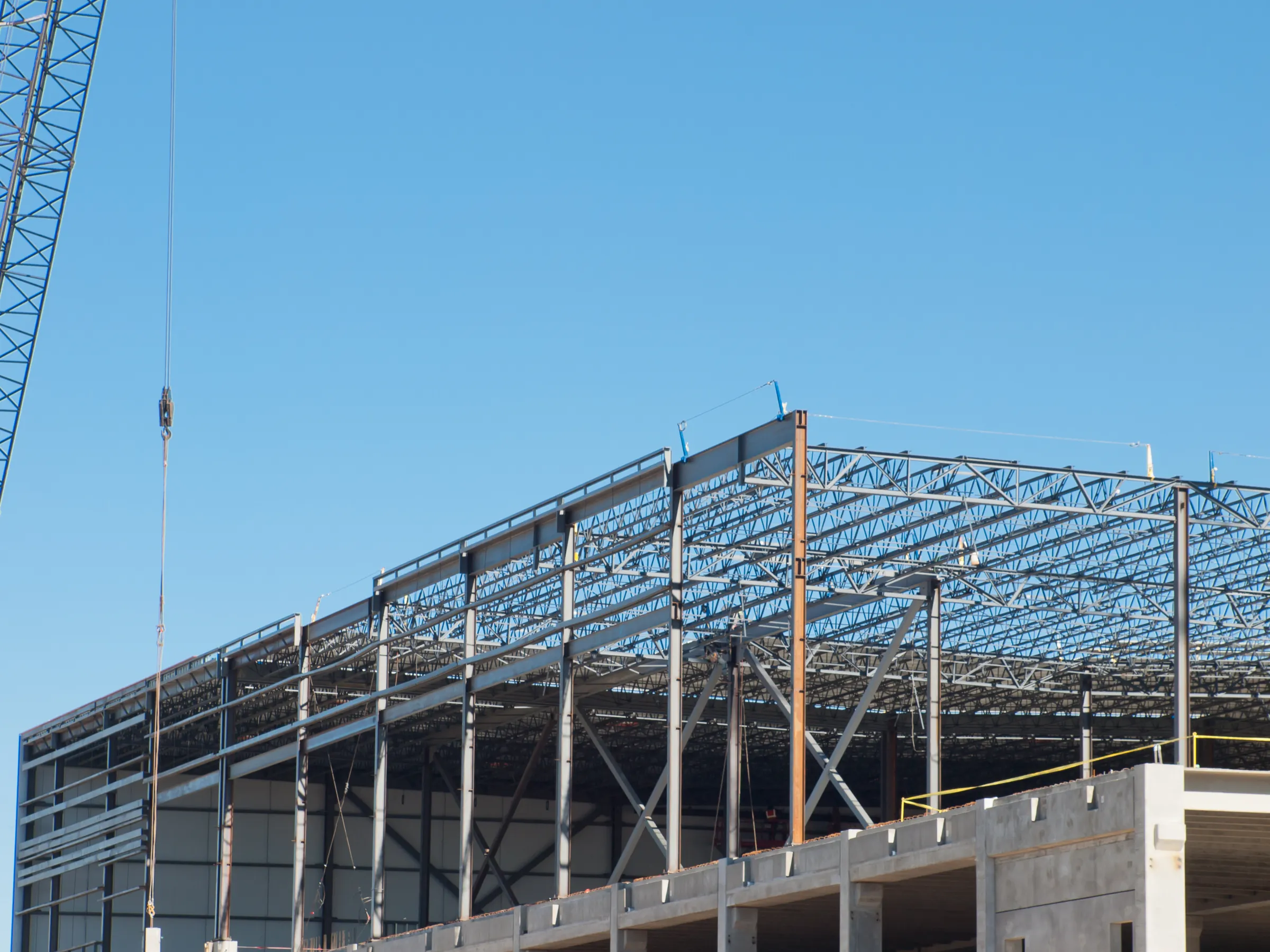
Plant expansions, line installations, racking projects, shutdown work and facility buildouts produce temporary, phased volume that behaves like a jobsite, not a production stream. That work is covered on the construction dumpster rental page. American Compaction Services can run both on one account: the standing container keeps its schedule while project containers come and go around it.
The Difference
On-Site Compaction: Where Industrial Dumpster Rental Economics Change
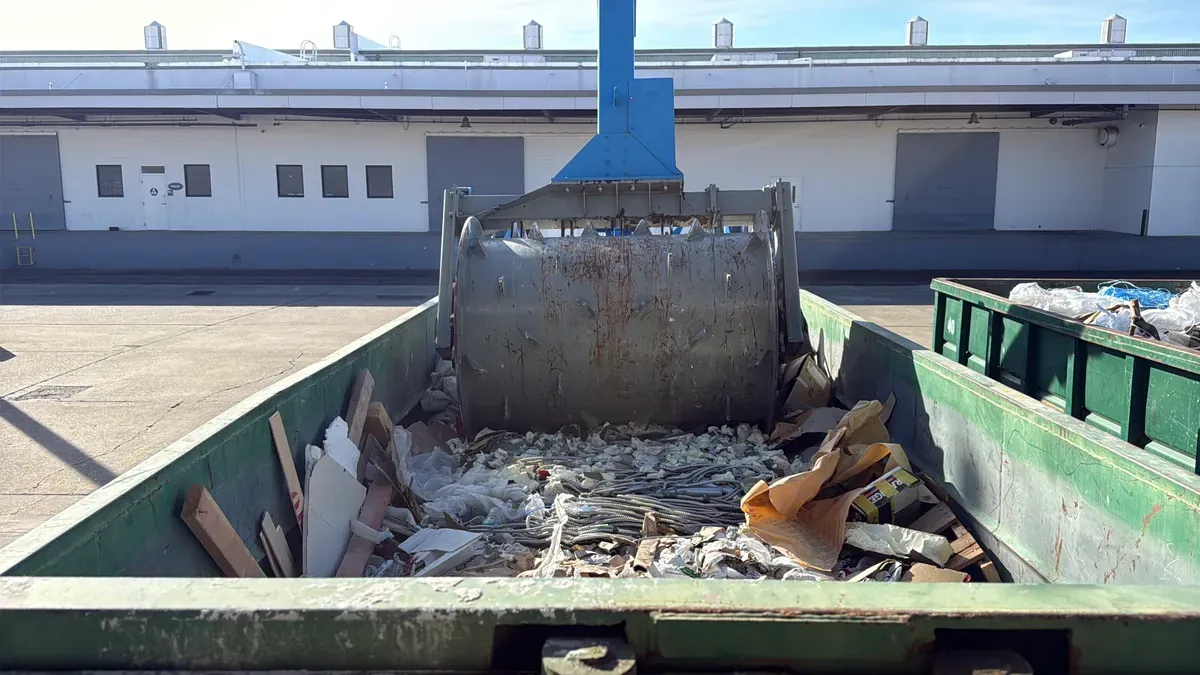
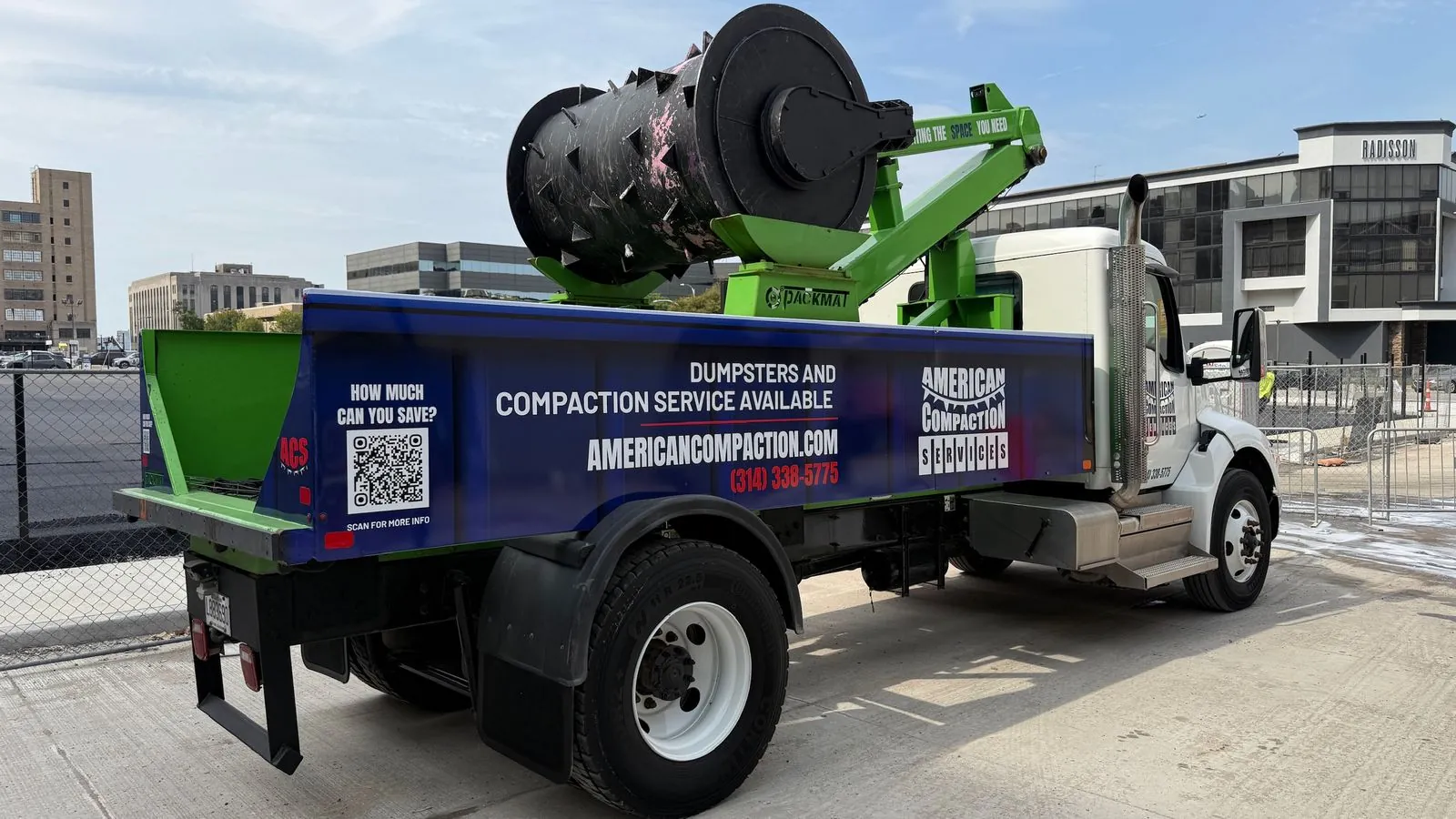
Compact bulky packaging, pallets, cardboard, and production waste directly inside your roll-off dumpsters.
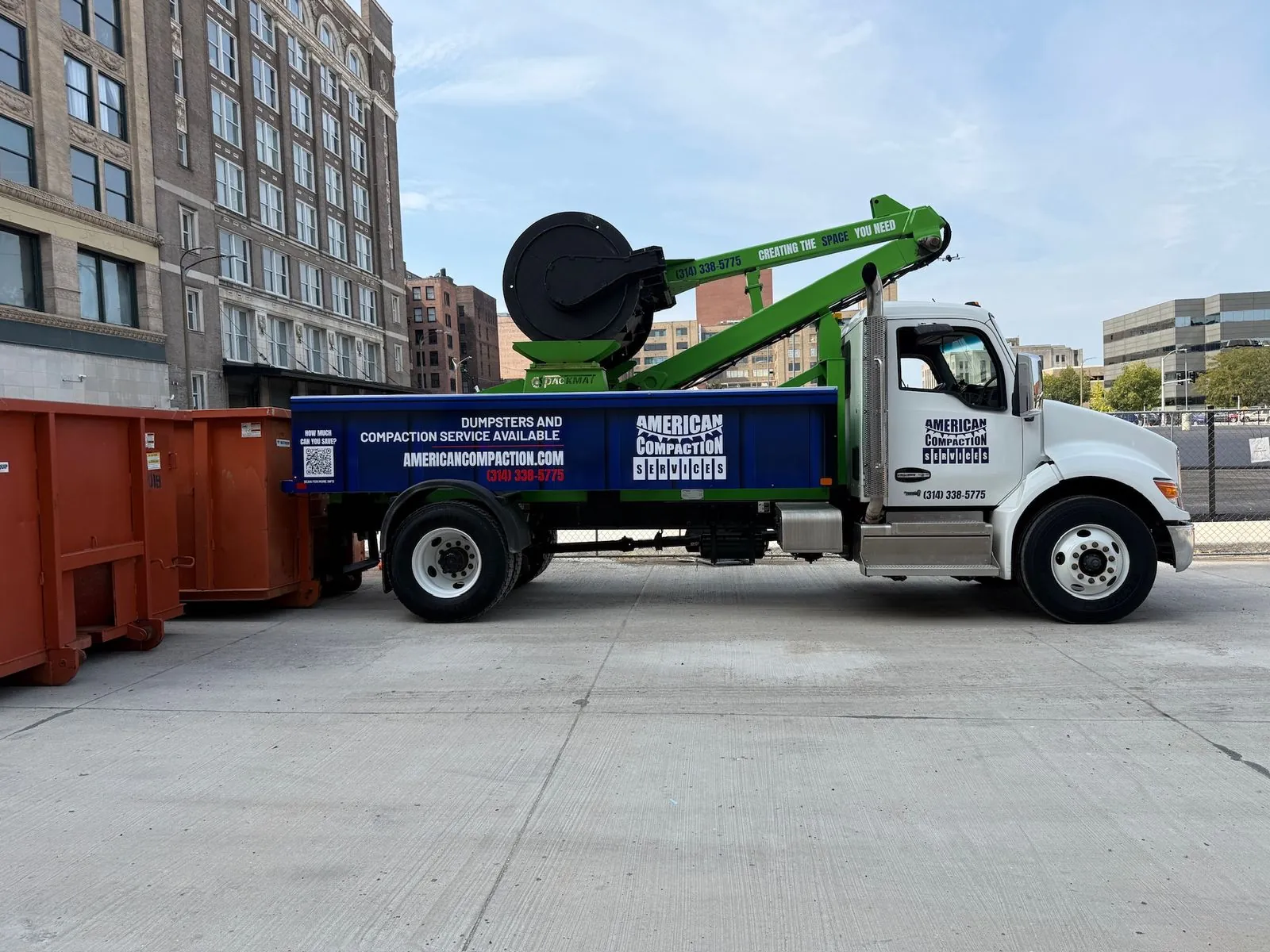
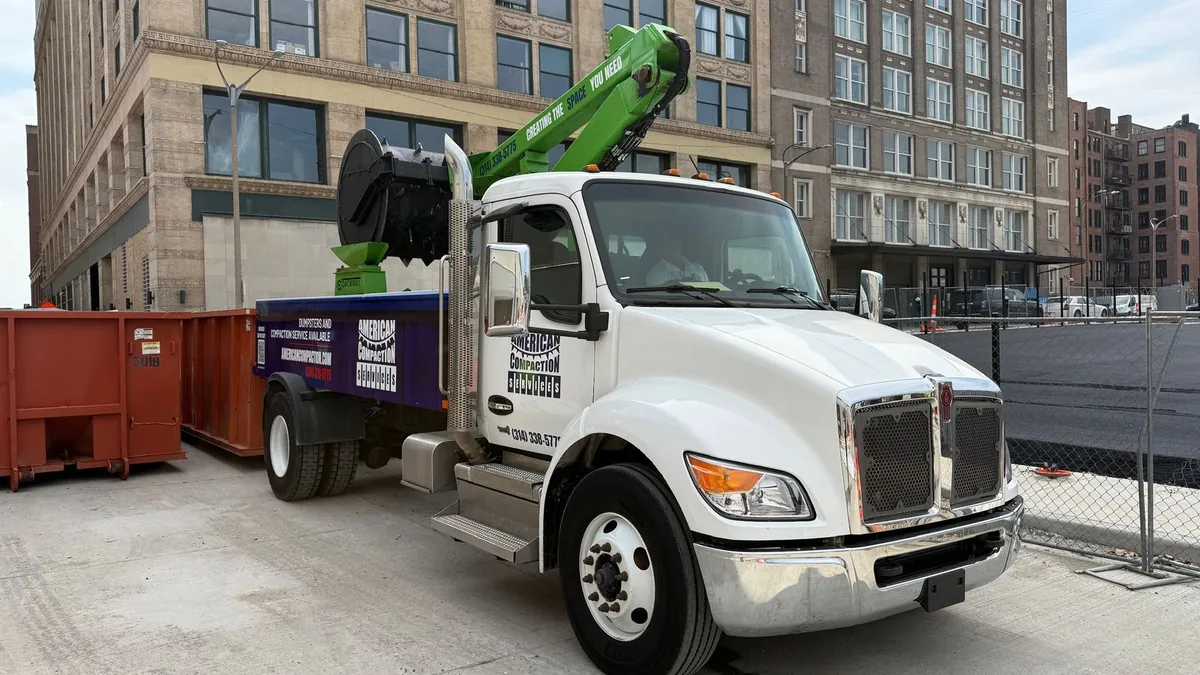
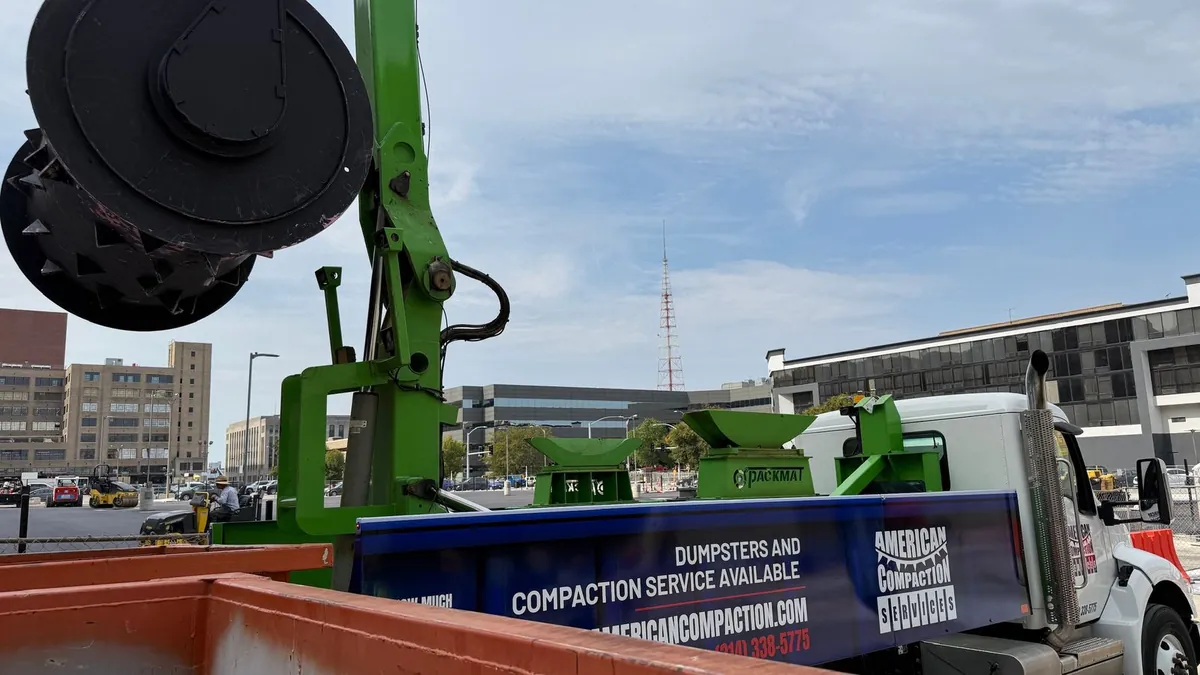
A mobile compaction unit works the container on the dock pad. The container never moves. The dock never closes.
ACS helps facilities reduce haul frequency by compacting waste on-site, making better use of existing dumpsters and improving the flow of waste through the operation.
Why Choose Mobile Compaction?
Reduce unnecessary dumpster hauls

Maximize existing dumpster capacity
Control overflow from packaging and pallets

Create more room in the dumpsters already on site
Compaction can reduce volume by up to 70%, depending entirely on the material. It is never a guarantee.
| Material | Compaction |
|---|---|
| Cardboard and packaging | Compacts well |
| Plastics | Compacts well |
| Pallets and wood | Compacts well |
| Furniture and bulky commercial waste | Compacts well |
| Light construction debris | Compacts well |
| Concrete, masonry and roofing shingles | Never compacted |
| Red iron, liquids and hazardous waste | Never compacted |
Read the table from the top, because for most plants the top row is the industrial row: corrugate, cartons, film and packaging. Dense scrap sits at the bottom. Compaction helps reduce waste volume by up to 70% depending on the material.
A loose container that looks full is mostly air. Compaction can reduce volume by up to 70%, depending on the material.
You pay for fewer pulls
Fewer haul trips to service your project or facility — you pay for fewer pulls. Your numbers will land somewhere else: material mix, pull frequency and hauler rates decide them. The free demo and the calculator are how you find yours.
The pricing guide explains what drives the bill, and the savings calculator gives you a planning number from your own inputs. These results are estimates from the numbers you enter. They are not a quote, a promise or a guarantee.
Two ways to start
Already have a dumpster? Keep it and keep your hauler; we compact what's in it. Need dumpster service? We supply the container and compact it on site. No contract to sign: no exclusivity, no minimum, no term. The on-site waste compaction page covers the visit and the unit in detail.
Free on-site demo: we compact one of your own containers while you watch. The demo carries no obligation and is photographed before and after. If it isn't a fit, we tell you on the spot. On a plant, that means the container already on your pad, with the material already in it.
Account Setup
How an Industrial Account Gets Set Up
- 1
1. You describe the operation.
What the facility produces, how often the container is pulled today and roughly what it holds when it goes.
- 2
2. Free on-site demo.
On a container already on your pad, with your own material in it.
- 3
3. Placement and access confirmed.
The pad, the approach, the overhead and the traffic pattern are walked before anything is scheduled.
- 4
4. The schedule gets set.
Pull days and compaction visits are fitted around your shifts and your receiving.
- 5
5. The floor keeps working.
Nobody changes how they load, though breaking down cartons still helps.
- 6
6. Compaction visits.
Compaction visits are set by your fill rate.
- 7
7. The pull.
The container is pulled and brought back empty, or swapped, so the dock is not left without one.
- 8
8. The cadence gets reviewed.
After the first few weeks, the schedule is checked against what the container actually holds when it goes, and adjusted.
American Compaction Services builds the visit around not touching the container. Every visit includes a before-and-after inspection with photo documentation. A heavy steel drum, narrower than the container, works the load down and never touches the walls. The drum works on its own weight, with no hydraulic down-force. Safeguard wheels and end guards keep the unit off the container's structure, and our operators run a zero-touch policy. When the container belongs to your hauler, it stays their asset and goes back to work the way it came.
Why American Compaction Services
Why American Compaction Services for Industrial Accounts
Built around compaction.
For suitable industrial streams, compaction creates more usable capacity between pulls. The result depends on the material and the schedule.
Keep your hauler.
If you are happy with your hauler and the container you already pay for, keep both. We compact what is on your pad.
Service that fits the shift.
Compaction visits and pulls are set to your operating windows, not to a route sheet.
Straight answers about fit.
A facility with one pull a month does not have enough trips to remove for the math to matter. If it won't move your number, we'll tell you on the spot.
Business accounts, no contract.
No contract to sign: no exclusivity, no minimum, no term. The service has to keep earning its place on your schedule.
Documented handling.
Every visit includes a before-and-after inspection with photo documentation, on your container or ours.
Where We Operate
Available in These Markets
American Compaction Services runs industrial accounts market by market. Each market has its own page, phone number and service area, and the market page covers the local details and how to reach the team there.
If your city is not on the list, the locations page shows every market we serve.
Frequently Asked Questions About Industrial Dumpster Rental

Related Services
Roll-Off Dumpster Rental
pulls, swaps and who does what.
On-Site Waste Compaction
how the unit works a container in place.
Warehouse & Distribution Dumpster Rental
corrugate, film, pallets and peak season.
Construction Dumpster Rental
plant expansions, buildouts and project work.
Demolition Dumpster Rental
clearing out equipment lines and heavy debris.
Cutting Waste Costs in Manufacturing & Industrial Facilities
why a standing stream bills by the trip, and how to work the schedule down.
Start Your Industrial Dumpster Rental
Tell us what the facility produces, how often the container gets pulled today and where it sits. American Compaction Services will propose a standing schedule around your shifts and tell you honestly whether compaction changes your numbers. The on-site demo is free.
Government · Cities · Counties · Municipalities · Public Works · Transfer Stations · Convenience Centers
Keep public sites working with fewer hauls
Mobile compaction for municipalities, public works, transfer stations and convenience centers, without buying a compaction truck. American Compaction Services compacts bulky waste inside open-top roll-offs on site.
We serve municipal sites, including convention centers.
Some agencies award hauling contracts or permits. Some provide the service themselves. Some markets are open, with little or no oversight on roll-offs.
More capacity from dumpsters already in service
Raise density on site so each container works harder.
Lower cost to provide the space people need
Compaction stretches the dumpsters you already run. More usable space without adding containers.
Fewer overflows, fewer complaints
Handle more service requests and keep citizens happier.
Downstream impact: Disposal wait times · Fewer transfer-trailer loads · Landfill capacity and lifespan · Easier on drivers.
Typical fit: open-top or hook-lift 20 to 40-yard dumpsters. Not trailer-style roll-offs. Up to 70% less volume, depending on the material.
With roll-off, every haul is a call. With American Compaction Services, nobody has to call.
We set you up on a schedule and we compact on site. Dumpsters and compaction. All handled.
You already pay for dumpster space. Compaction lets you use more of it.
Getting started takes four details
- A photo of your dumpster and the space around it
- Your location
- What goes in the box
- The container size, if you know it
They help us plan for site access and match compaction service to your site.
We will prove it. Call or text (877) 651-7660.