

How It Works
How Dumpster Service and On-Site Compaction Work
We automate your roll-off. You'll never run out of room. Fair price. Great service.
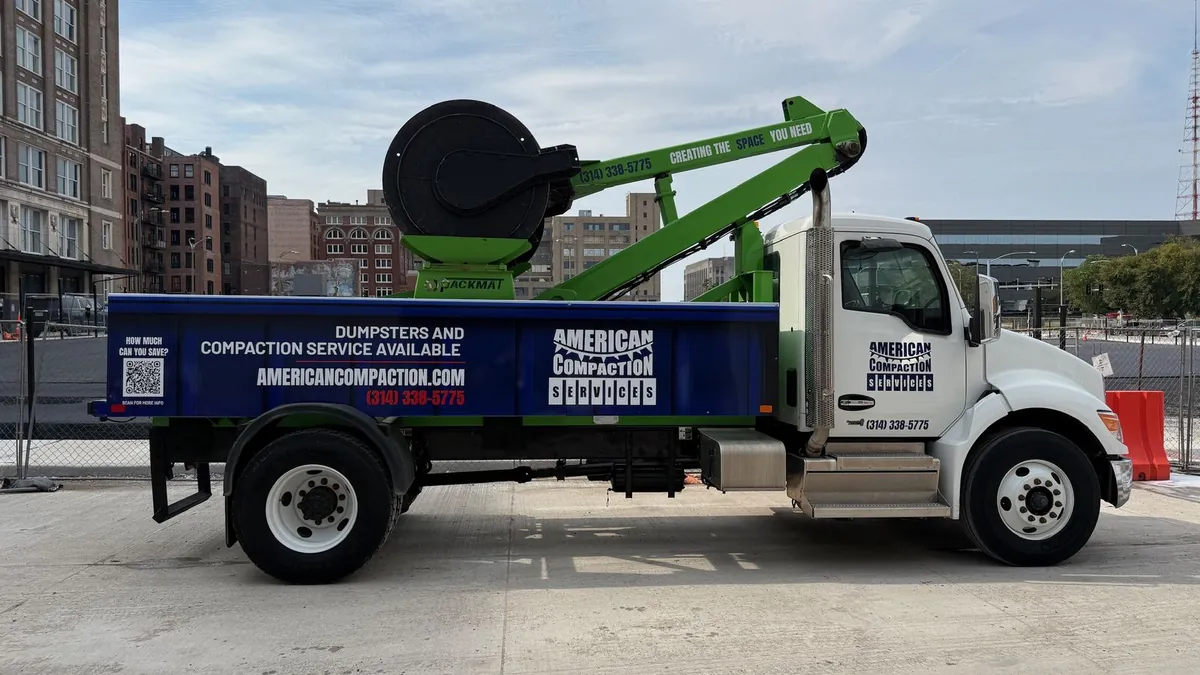
Here is how commercial dumpster service works with American Compaction Services: you request service, we ask about the site, the container is placed, compaction visits keep it taking material, and the container is pulled when the load is actually at capacity. When we supply the container, all of it comes on one invoice. This page walks through each step, what happens at a compaction visit and who does what.
First Call to First Pull
How Commercial Dumpster Service Works, Step by Step
Getting started takes four details
- A photo of your dumpster and the space around it
- Your location
- What goes in the box
- The container size, if you know it
They help us plan for site access and match compaction service to your site.
You request service.
Use the request form or call. Tell us whether you need a container, compaction on one you already have, or both. If you would rather see compaction before you decide, ask for the free demo.
We ask about the site.
Material stream, rough volume, how often you get pulled now and what the lot looks like: the pad, the approach, the overhead and the hours you work. That is enough to size the container and set a starting schedule. The dumpster sizes page shows how size follows the material.
The container is placed.
The container is set where you want it, with the doors facing the way your crew loads it, on a surface that will hold it. If you already have a container from another hauler, it stays where it is.
Compaction visits follow your fill rate.
We set you up on a schedule, or come on demand. With American Compaction Services, nobody has to call.
The pull is called when the load is at capacity.
When the container is genuinely full, not just full of air, it is pulled and brought back empty, or swapped for an empty one in the same visit. The pull follows the load, not a calendar set months ago.
One invoice.
When we supply the container, one combined invoice covers the container, the hauls and the compaction. No contract to sign: no exclusivity, no minimum, no term. After the first few weeks, the schedule is checked against what the container actually holds when it goes, and it changes when your volume does.
The Visit
What Happens During a Compaction Visit
A compaction visit is short, and nobody on your crew handles anything during it.
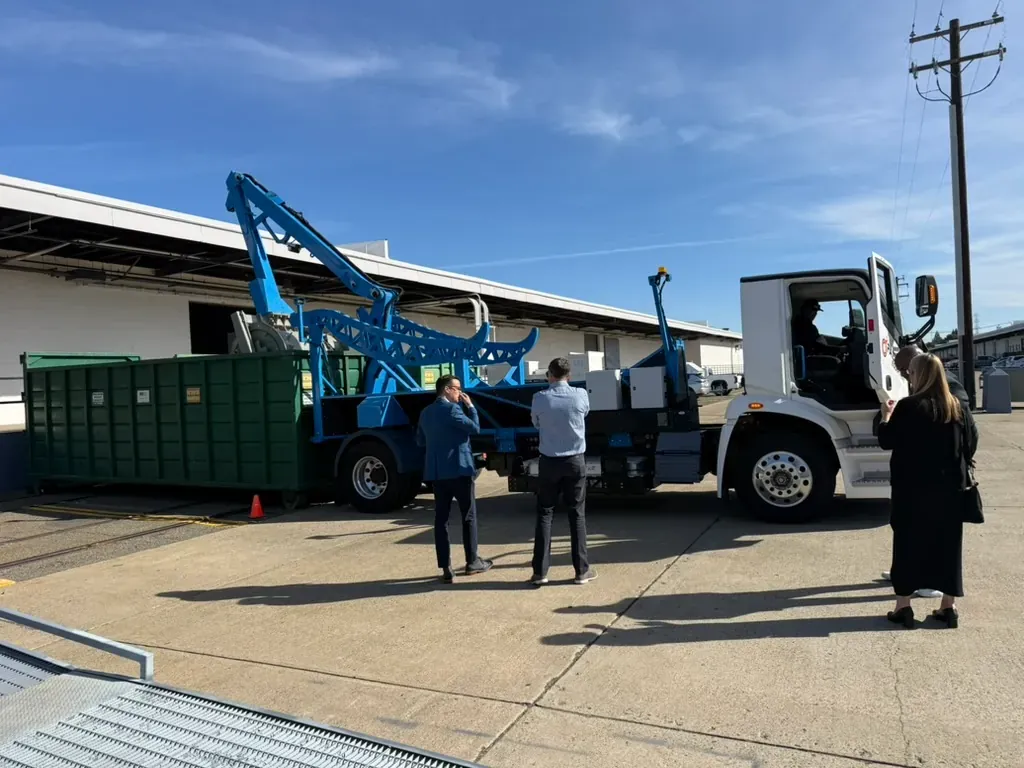
The unit arrives at a set time.
Visits are booked around your dock or site hours and timed to land when the container is filling up.
The container stays put.
It is worked where it sits. Nothing is hooked, lifted or driven off.
Before: inspection and photos.
The container is inspected and photographed before the drum goes in.
The drum works the load.
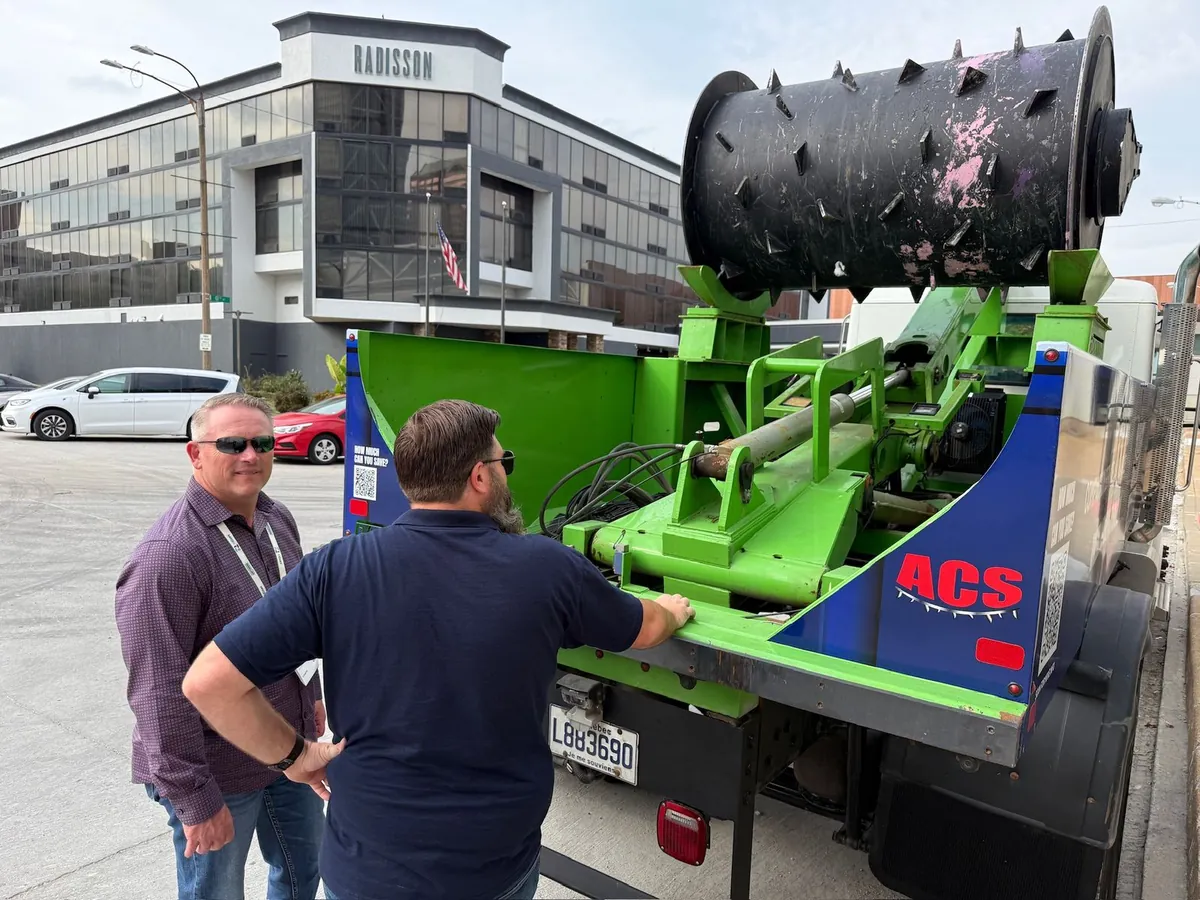
The steel drum is lowered into the load and rolled across it, flattening boxes, splitting pallets and pressing packaging down until the material lies dense instead of bridged. The container stays where it is.
After: inspection and photos again.
The container's condition is documented on both sides of the visit.
The container goes back to work.
The unit leaves, and your crew keeps loading on top of a dense load instead of a stack of voids.
How much room comes back depends on the material; the on-site waste compaction page covers which waste is a fit.
A Smarter Way to Manage Full Dumpsters.

Step 1 - We Review Your Waste Flow
We start by looking at your current dumpster setup, haul frequency, material types, site access, and waste cost drivers.

Step 2 - We Build a Compaction Plan
Based on your operation, we recommend the right service model: on-demand support, scheduled compaction, high-volume service, or a pilot program.

Step 3 - We Compact On-Site
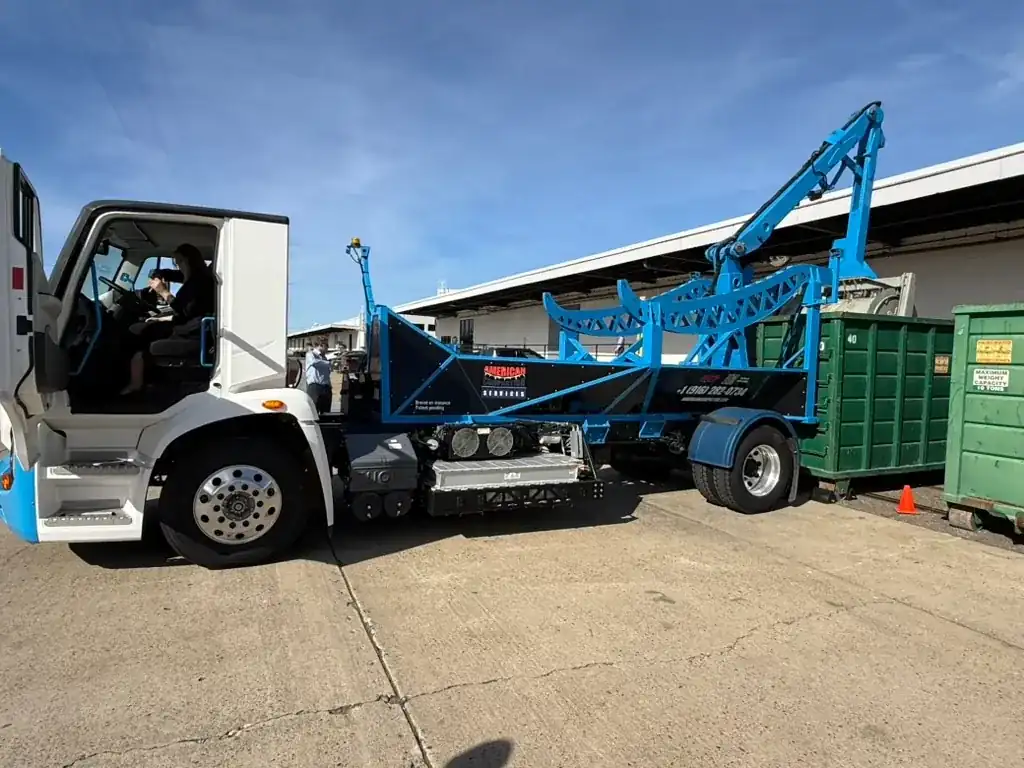
Our mobile compaction truck comes to your location and compacts waste directly inside your open-top roll-off dumpster.

Step 4 - Pick Up When It Makes Sense
With more usable space in each dumpster, your team can reduce unnecessary swaps, improve site efficiency, and schedule the pickup only when the container is actually full.
The Hauling Side
Three Ways the Hauling Side Runs
Scheduled pulls
On-call pulls
Compaction visits, pulls at capacity
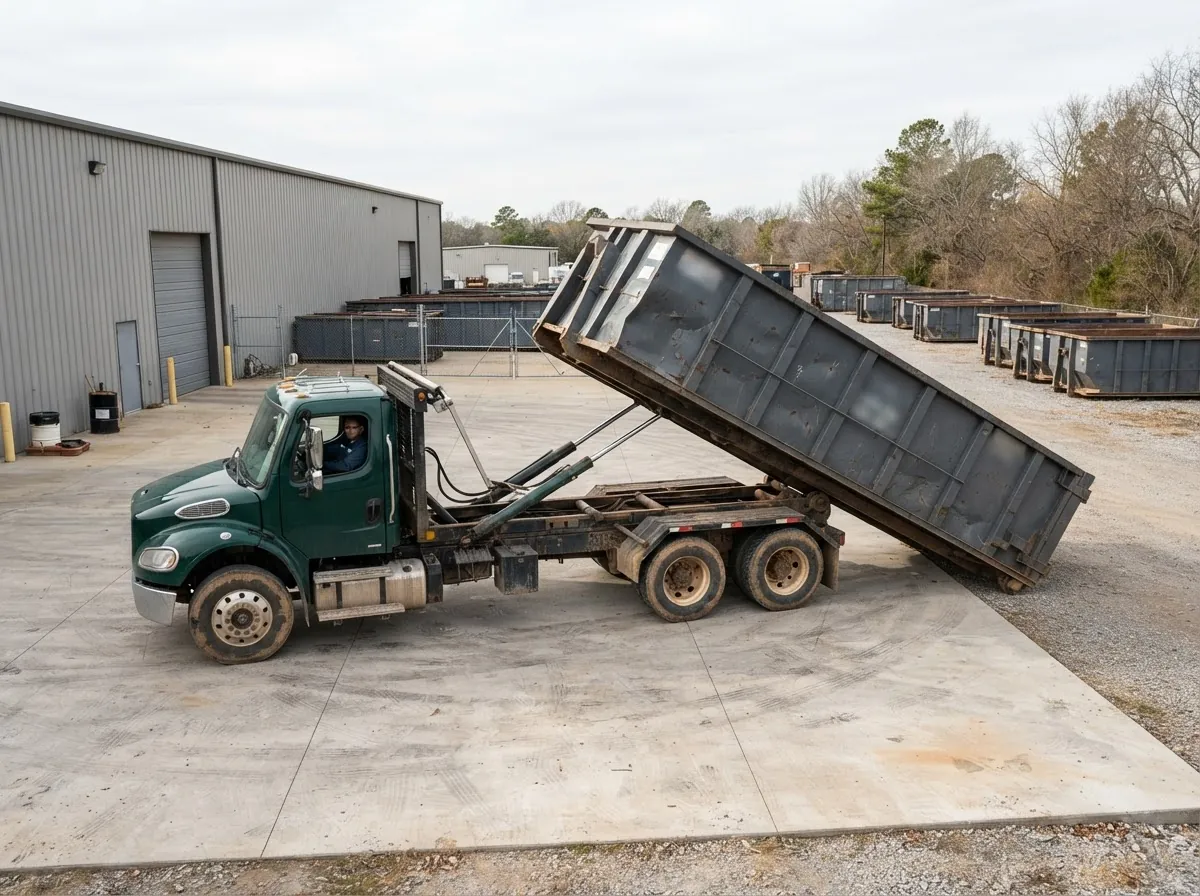
Compaction reduces haul-offs; it never eliminates them. A compaction visit is itself a visit. What changes is that a short on-site visit happens instead of a haul-off: no truck hooking your container, driving it to a disposal facility and crossing a scale for that load. The savings calculator puts that trade into a planning number from your own inputs. These results are estimates from the numbers you enter. They are not a quote, a promise or a guarantee.
Who Does What
How Commercial Dumpster Service Works: Who Does What
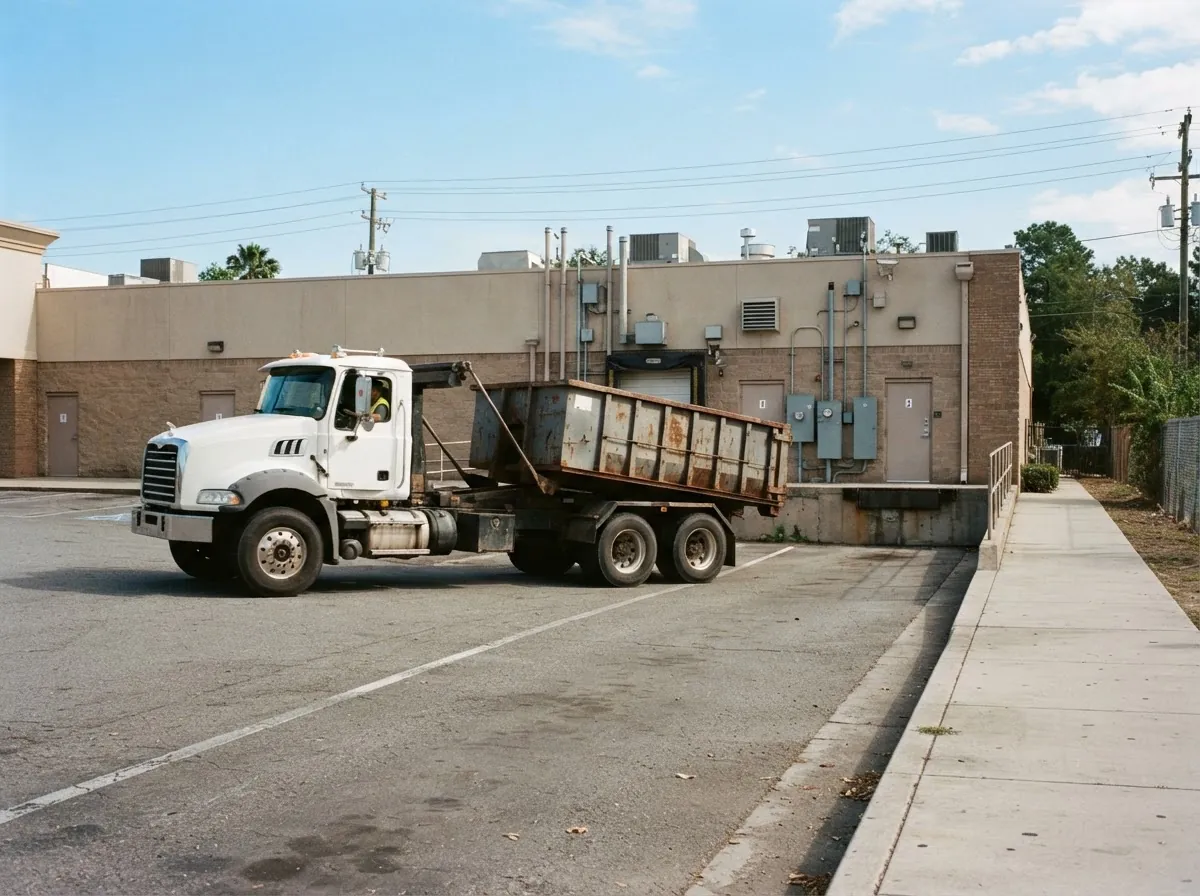
American Compaction Services supplies the roll-off container and runs the compaction visits. The container is placed, and pulled when it is full. If you already have a container from another hauler, keep it and keep your hauler: we compact what is in it, and we handle the conversation with the container's owner before the first visit. When we supply the container, the container, the pulls and the compaction come on one invoice, and there is no contract to sign.
When we supply the container
When you keep your own container and hauler
What stays with you
Who the service is for
What Doesn't Change
What Doesn't Change When You Add Compaction
If you already have a container and a hauler, adding compaction changes one thing: how often the container leaves.
Your container
Your hauler
Your hours
How your crew loads
Your commitment
Container Safety
Equipment and Container Safety
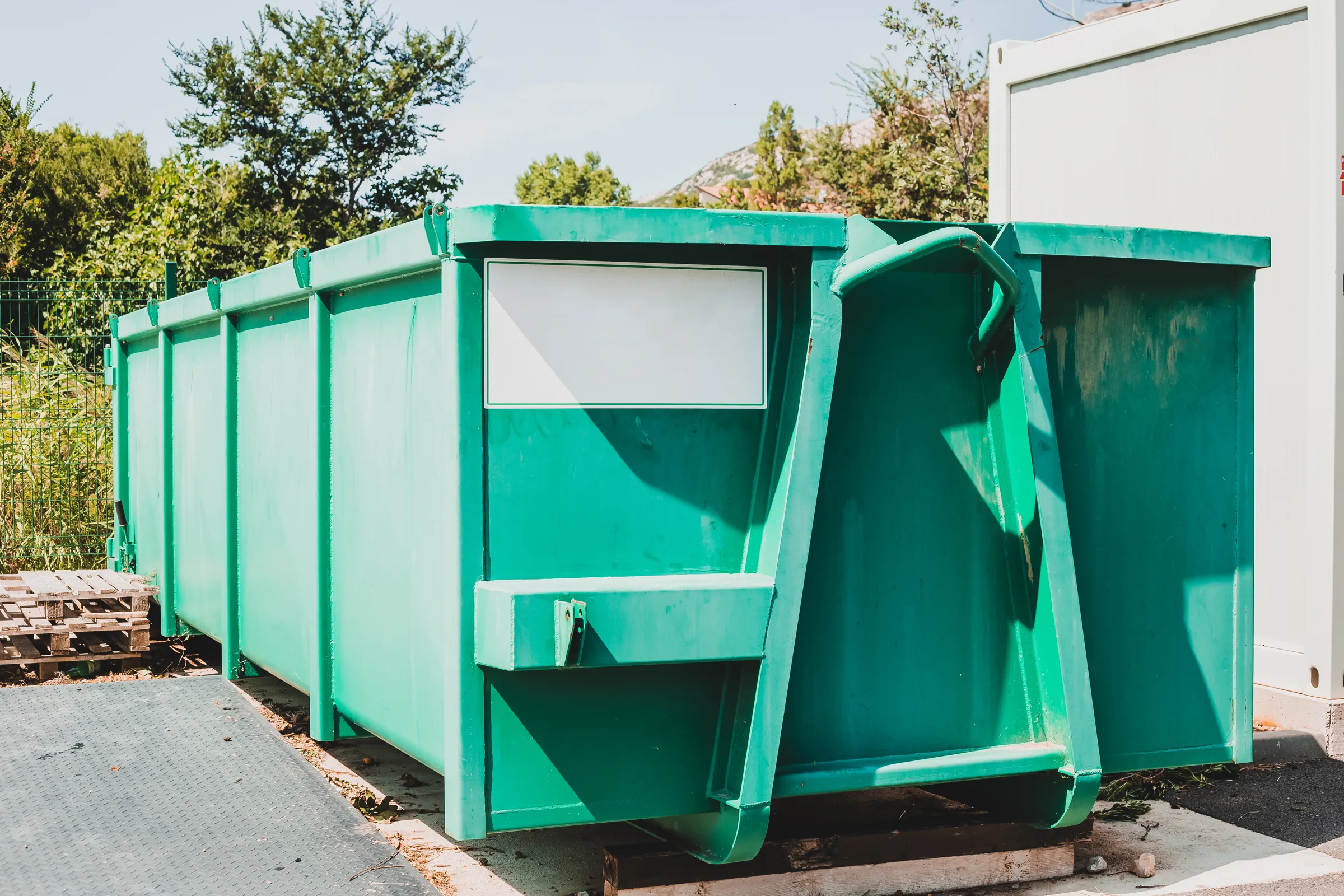
A fully self-contained mobile compaction unit comes to your site. American Compaction Services builds the visit around not touching the container, because the container is often somebody else's steel.
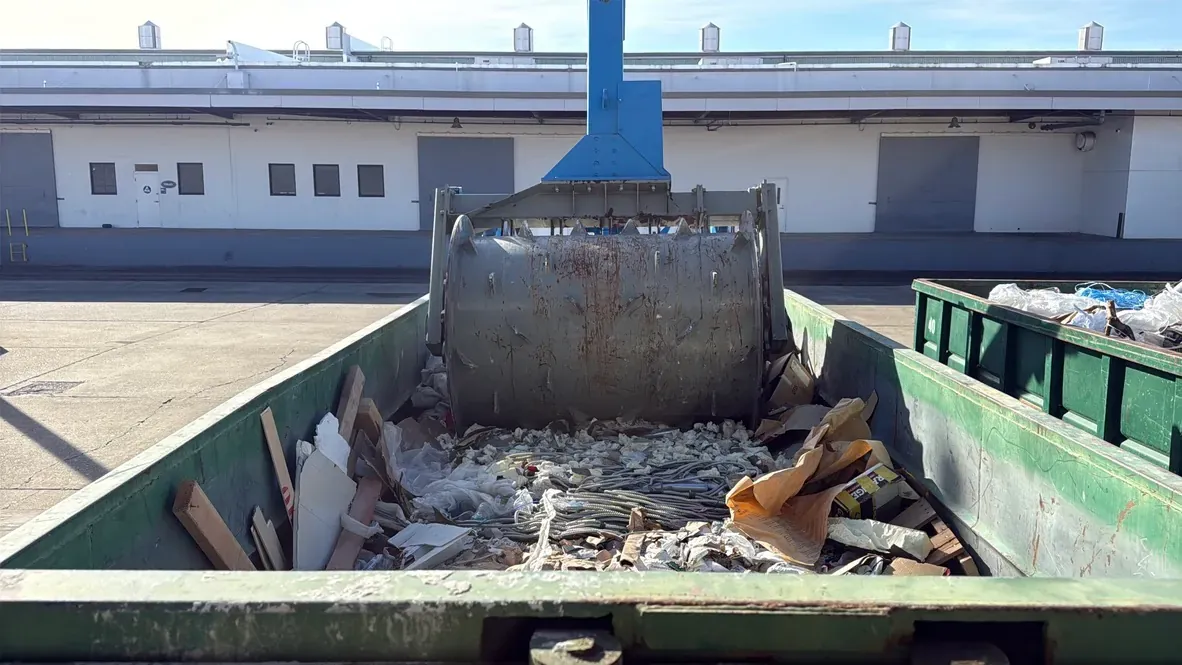
Narrower than the container
No hydraulic down-force
Wheels and guards
Zero-touch
When the container belongs to your hauler, it goes back to work the way it came.
Documentation
Before-and-After Documentation
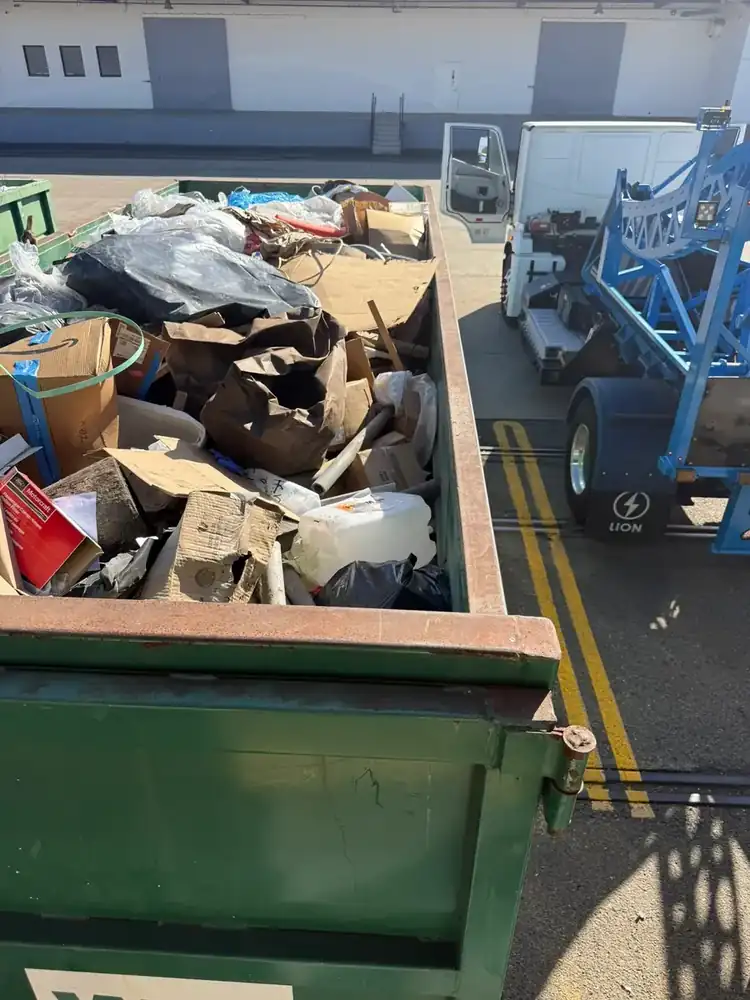
Every visit includes a before-and-after inspection with photo documentation. The before set records the container's condition and the load as it stood; the after set records both again once the drum is out. That record matters most when the container belongs to somebody else, and it shows what a single visit did to the load.
 Load after a visit
See It on Your Own Container First
Free on-site demo: we compact one of your own containers while you watch. The demo carries no obligation and is photographed before and after. If it isn't a fit, we tell you on the spot. American Compaction Services would rather show you the visit described on this page, on your own waste, than ask you to take it on trust.