

Run Your Own Numbers
Waste Savings Calculator
Enter how often your container is pulled today, what goes in it and what each pull costs you. The waste savings calculator estimates what on-site compaction could change: fewer pulls, the compaction visits that replace them, and the monthly difference.
Rates and routing follow the market you choose. Don't see your area? Send a request and tell us where your site is.
Visits between pulls start at 2; change it to match your fill rate.
Estimated results
Crush fee: [[CRUSH_FEE]]
Haul charge: [[HAUL_CHARGE]]
Enter your current pulls per month, charge per pull and tons per pull above to see the estimate.
These results are estimates from the numbers you enter. They are not a quote, a promise or a guarantee.
illustrative example — 12 → 4 pulls/mo, $3,600 → $2,800/mo, about $800 (about 22%), 96 fewer pulls/year, 40-yard container pulled three times a week, cardboard, pallet wrap and pallets
Use your own operating figures. When market rates are unavailable, request a site-specific quote.
Get your estimate in writing
How It Works
How the Waste Savings Calculator Works
See How Much Compaction Can Save Your Business
Enter a few details about your current waste operation and instantly estimate how much you could reduce hauling costs, increase payloads, and improve operational efficiency with mobile compaction.
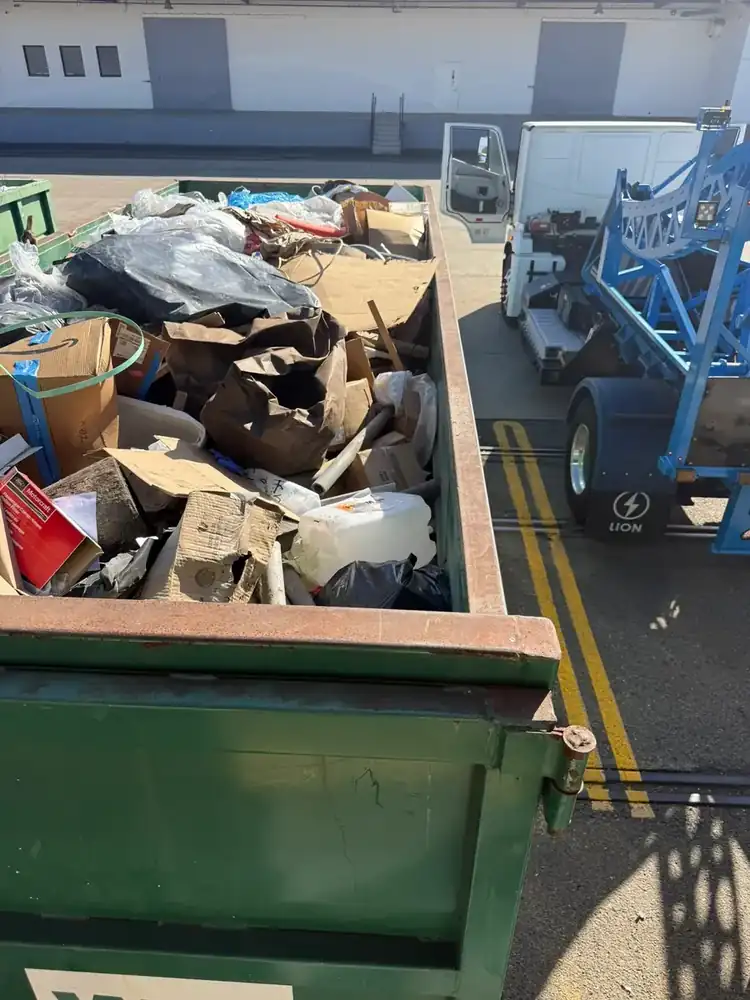
Choose a scenario, then enter your container, material and what you pay today.
Keep your container and hauler
Already have a dumpster? Keep it and keep your hauler; we compact what's in it. Remaining pulls are estimated at the rate you enter.
Container and compaction
Need dumpster service? We supply the container and compact it on site. Pulls and visits are estimated at your market's rates.
The assumptions
Visits between pulls start at 2; change it to match your fill rate. Reductions use the low end of each range in our published table, so the estimate never assumes more than the table does:
| Material | Reduction used |
|---|---|
| Cardboard, packaging and recyclables | 60% |
| Compost and organics | 50% |
| Construction and demolition debris | 40% |
| Wood and pallets | 40% |
| Mixed metals | 40% |
| Mixed loads | 50% (2:1) |
Rates come from the market you choose. We don't publish prices; the pricing guide explains what drives the bill.
These results are estimates from the numbers you enter. They are not a quote, a promise or a guarantee.
Next Step
Turn the Estimate Into a Quote
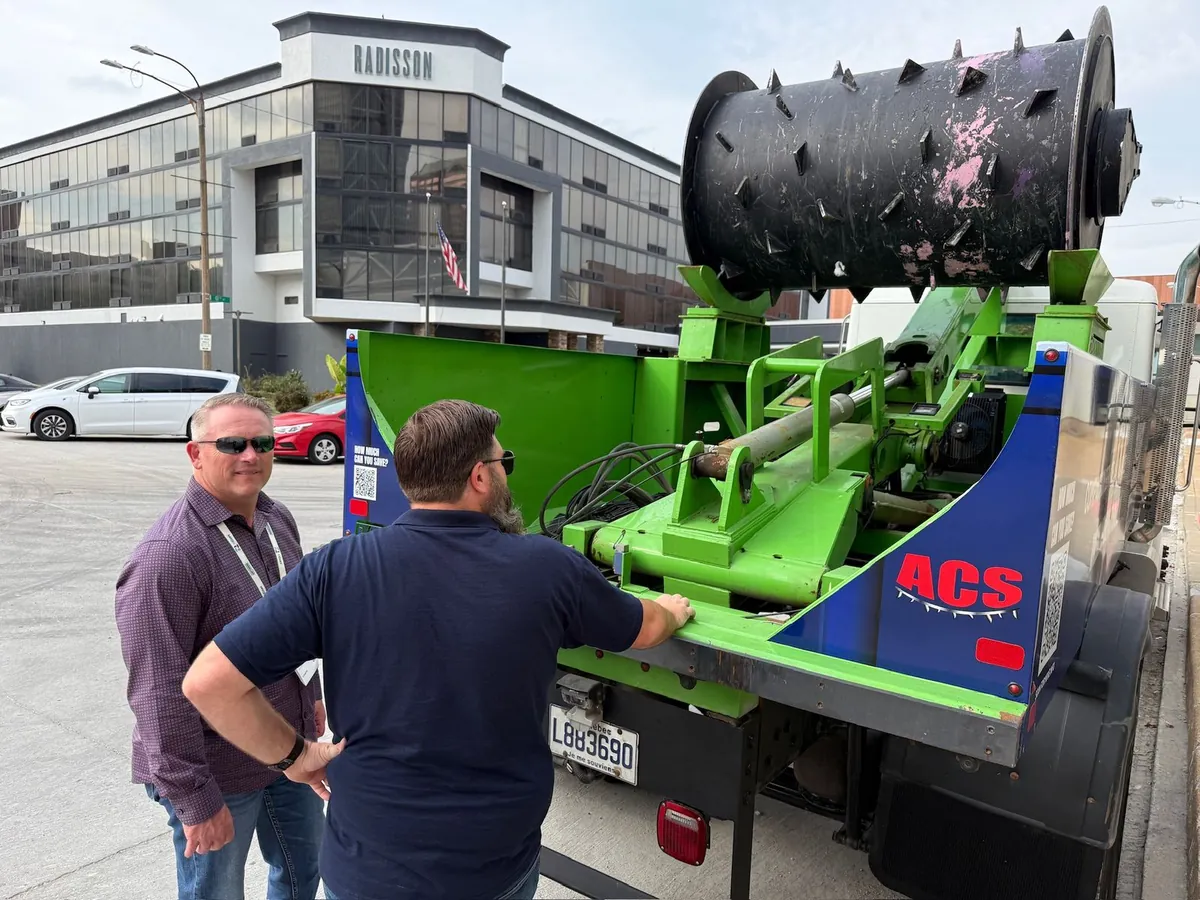
Send the estimate with your details, and the American Compaction Services team in your market will come back with a quote for your site.
The lead form below the calculator carries your estimate summary along with your submission to that market's intake. Use the Call button to reach the team directly.
What the Number Means
Reading Your Waste Savings Calculator Result
Illustrative example: one 40-yard container
Before compaction
About $3,600 a month
With on-site compaction
About $2,800 a month
The estimate is a planning number built from your inputs. Compaction reduces haul-offs; it never eliminates them.
Illustrative example: a 40-yard container pulled twelve times a month drops to four pulls, with two compaction visits between each pull. Monthly spend moves from about $3,600 to about $2,800, roughly $800 a month, about 22%, and 96 fewer haul-offs a year. Your numbers will land somewhere else: material mix, pull frequency and hauler rates decide them. The free demo and the calculator are how you find yours.