

Warehouse & Distribution
Warehouse & Distribution Dumpster Rental
We automate your roll-off. You'll never run out of room. Fair price. Great service.
Warehouse dumpster rental is a volume problem: the container reaches full before the truck reaches full. American Compaction Services supplies 20, 30 and 40 yard roll-off containers to warehouses, distribution centers and fulfillment operations, and compacts them on site so corrugate, stretch film and dunnage leave in fewer, fuller loads.
A distribution center pays to haul air. ACS provides waste management through dumpster rental and on-site compaction. This page covers sizing by stream, the dock and peak season.
The Real Cost
Why Warehouse Dumpster Rental Costs More Than It Should
The container leaving your dock is full of corrugate, stretch film and void fill: material that is mostly empty space. Most “full” dumpsters are full of air. Uncollapsed cartons are almost entirely air, film springs back and bridges, and void fill is purpose-built to be air.
Every container has two ceilings, volume and weight, and on a dock a loose load essentially never reaches the weight one. The container fills to the rim with light material and gets pulled, and your waste bill ends up tracking your pull count far more closely than your container size. Each of those pulls is a full truck trip spent moving a container that is largely air.
The schedule makes it worse. Standing pull schedules tend to be set once, often during the busiest weeks of the year, and then never revisited. Volume drops after peak; the pulls do not.
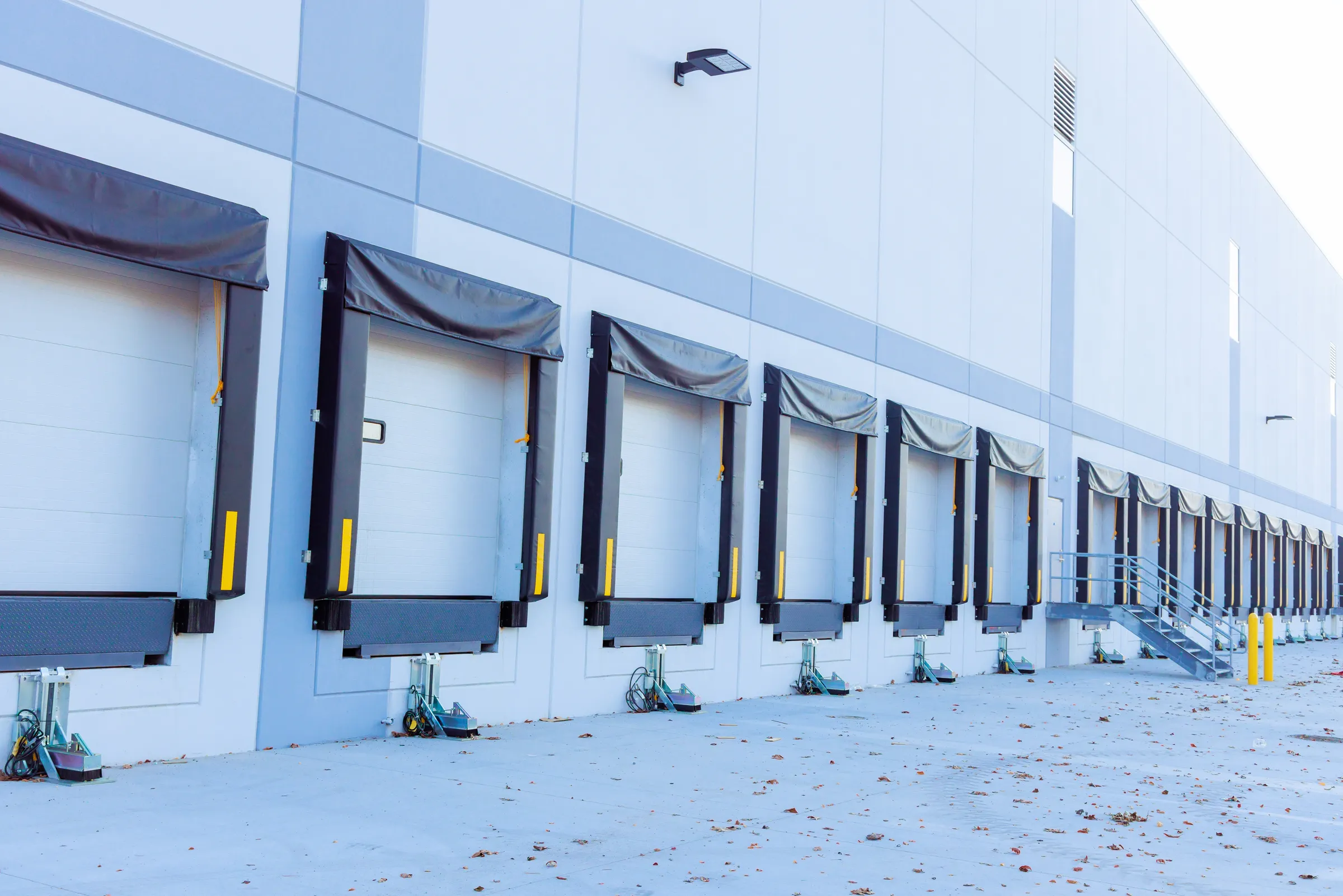
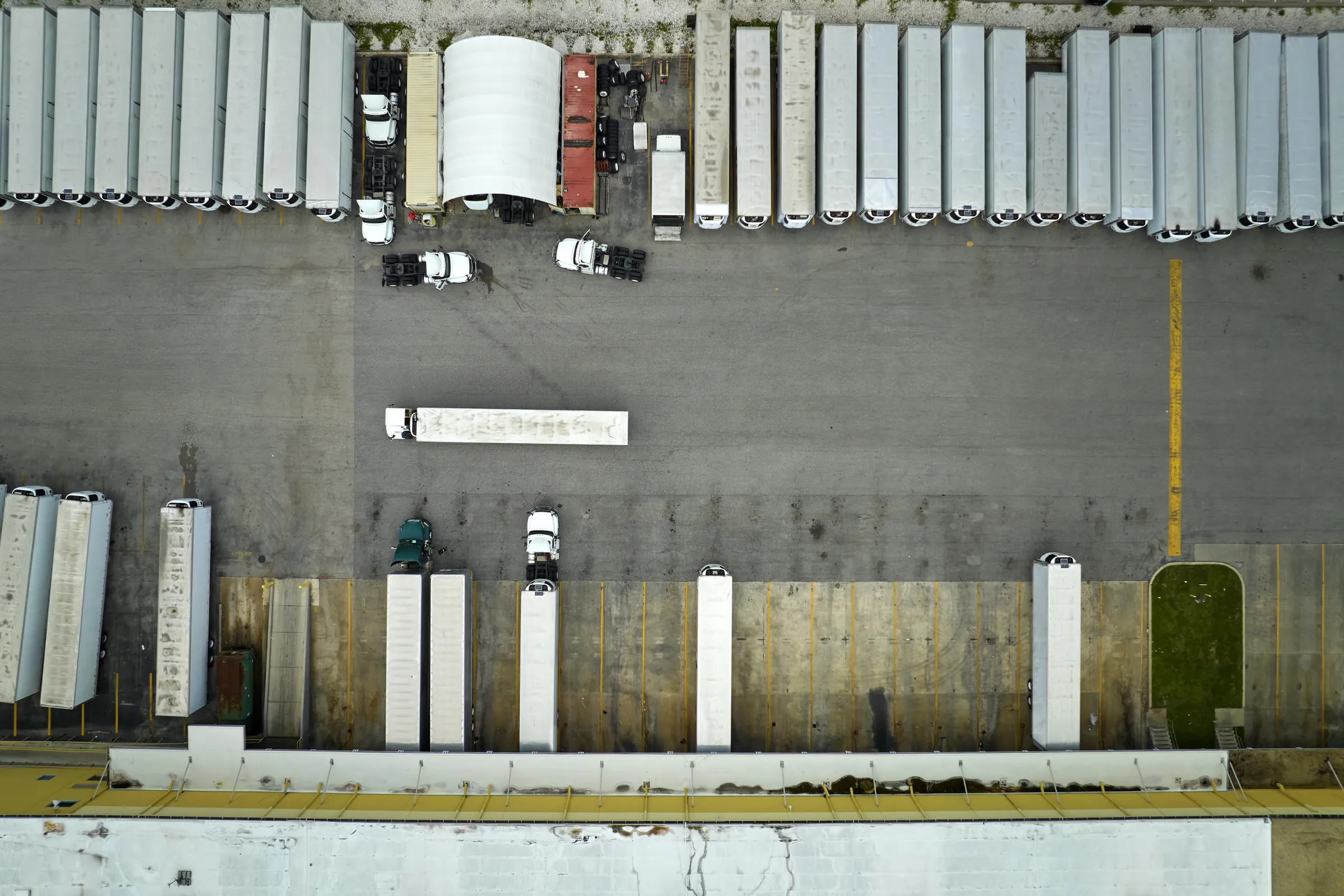
The yard pays too. Dock aprons are tight, trailer parking is at a premium, and every haul-off is a hook truck backing in, lifting a container and driving it out through the yard during shift hours. No hauling invoice shows that cost.
Compaction reduces haul-offs; it never eliminates them. A compaction visit is itself a visit. What changes is that a short on-site visit happens instead of a haul-off.
Who We Serve
Warehouse and Distribution Operations We Serve
American Compaction Services works with operations where freight comes in packaged and the packaging stays behind.
Distribution centers
Inbound freight broken down all day: corrugate, film, banding and pallets at a steady rate.
Cross-dock operations
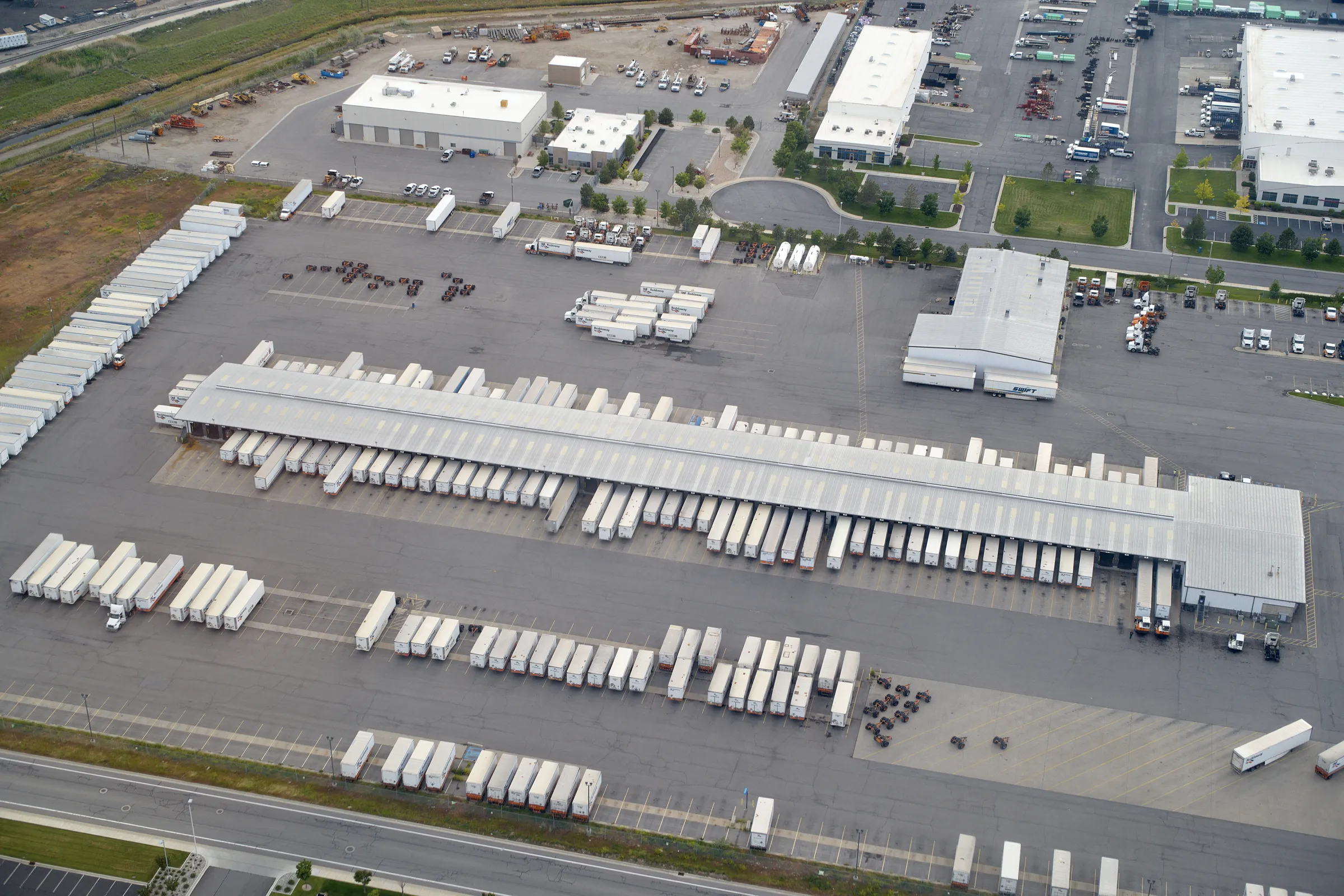
Freight moves through fast, and waste comes off with every trailer: film, banding, slip sheets and broken pallets.
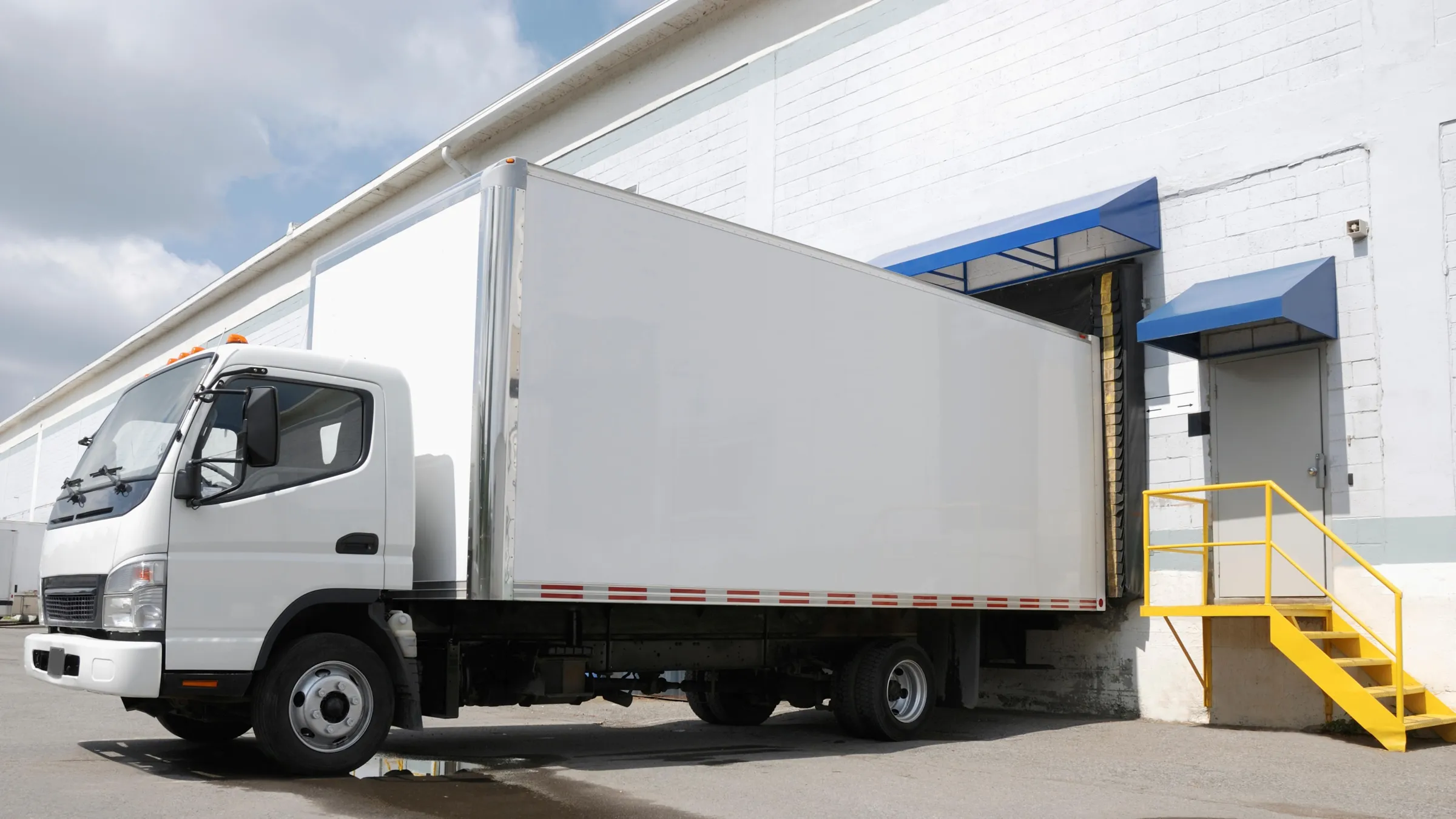
Fulfillment and e-commerce operations
Inbound packaging plus outbound pack-out: cartons, void fill, air pillows and kraft paper.
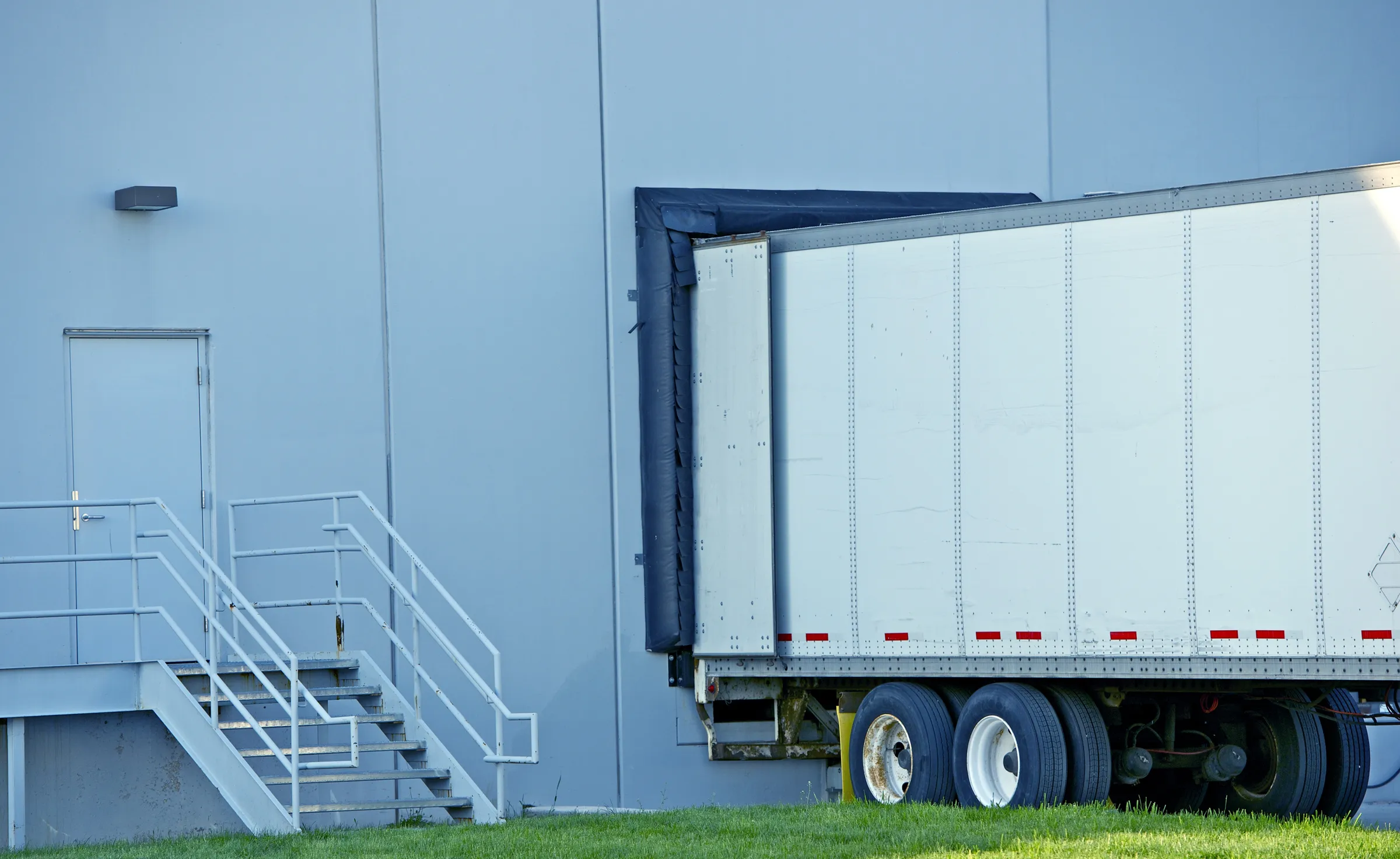
Third-party logistics
Several clients' freight under one roof, each with its own packaging, feeding one waste stream.
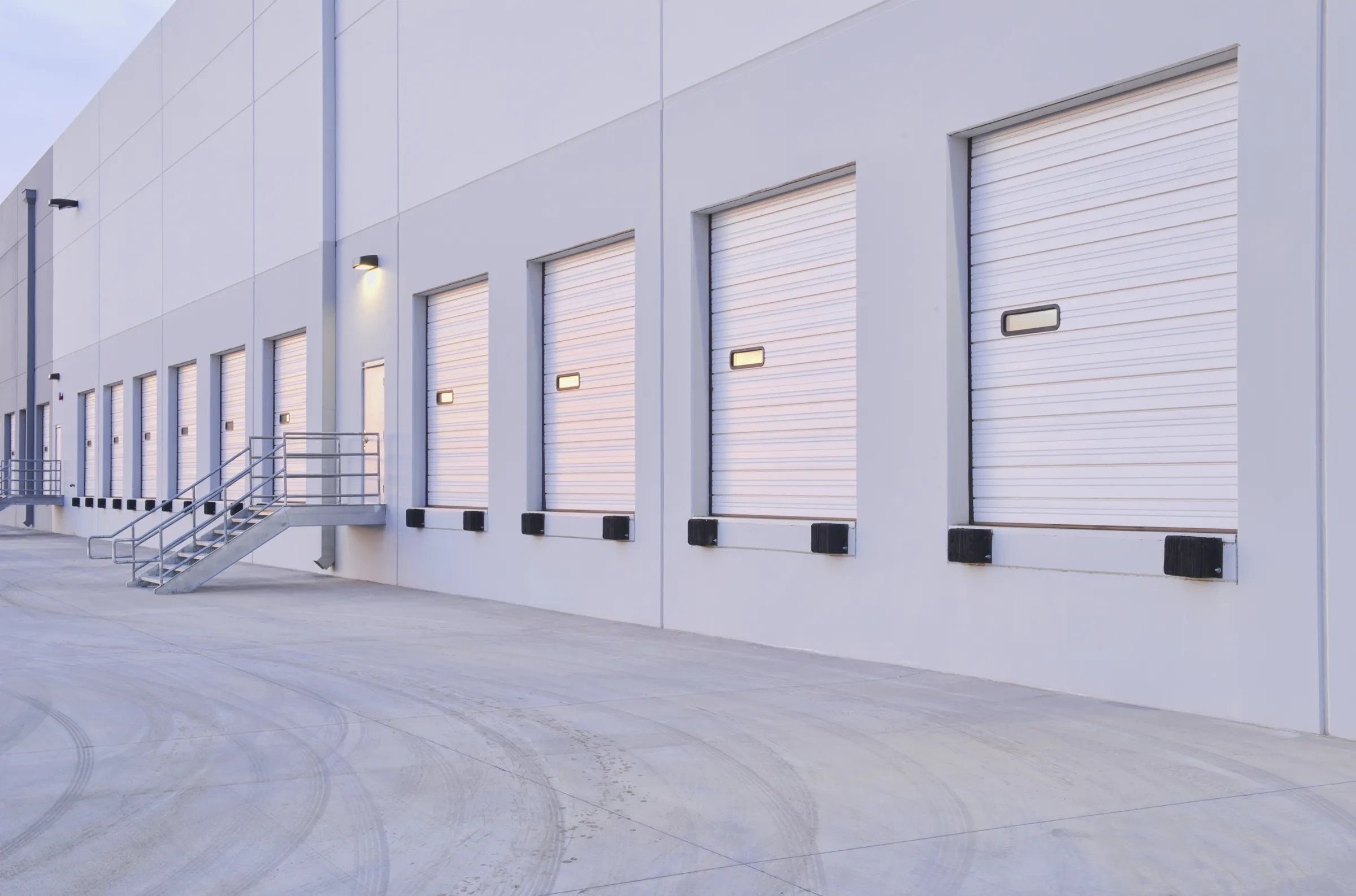
Storage and bulk warehousing
Lower, steadier volume on longer cycles, where a pull schedule set years ago is the thing most likely to be wrong.
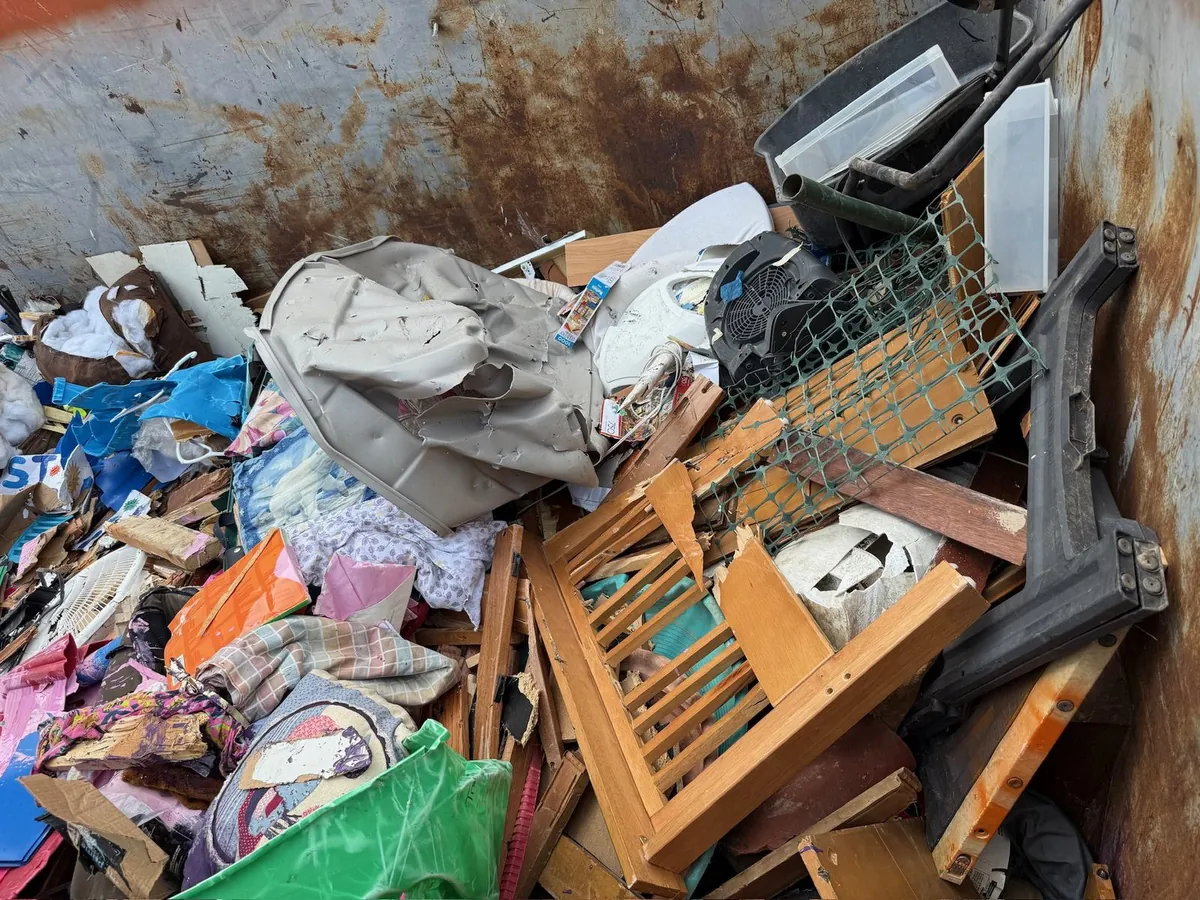
Returns processing
Damaged goods and unsellable returns with packaging still attached, plus the film and cartons they arrive in.
Plants with their own receiving and shipping docks are covered on the industrial dumpster rental page. Every account is a business. We do not rent to homeowners.
Sizes by Stream
Container Sizes by Stream: Corrugate, Film, Pallets and Dunnage
On a dock, size for volume and fill rate, not weight. A walk of your dock at the busiest hour of your busiest day tells you most of what you need.
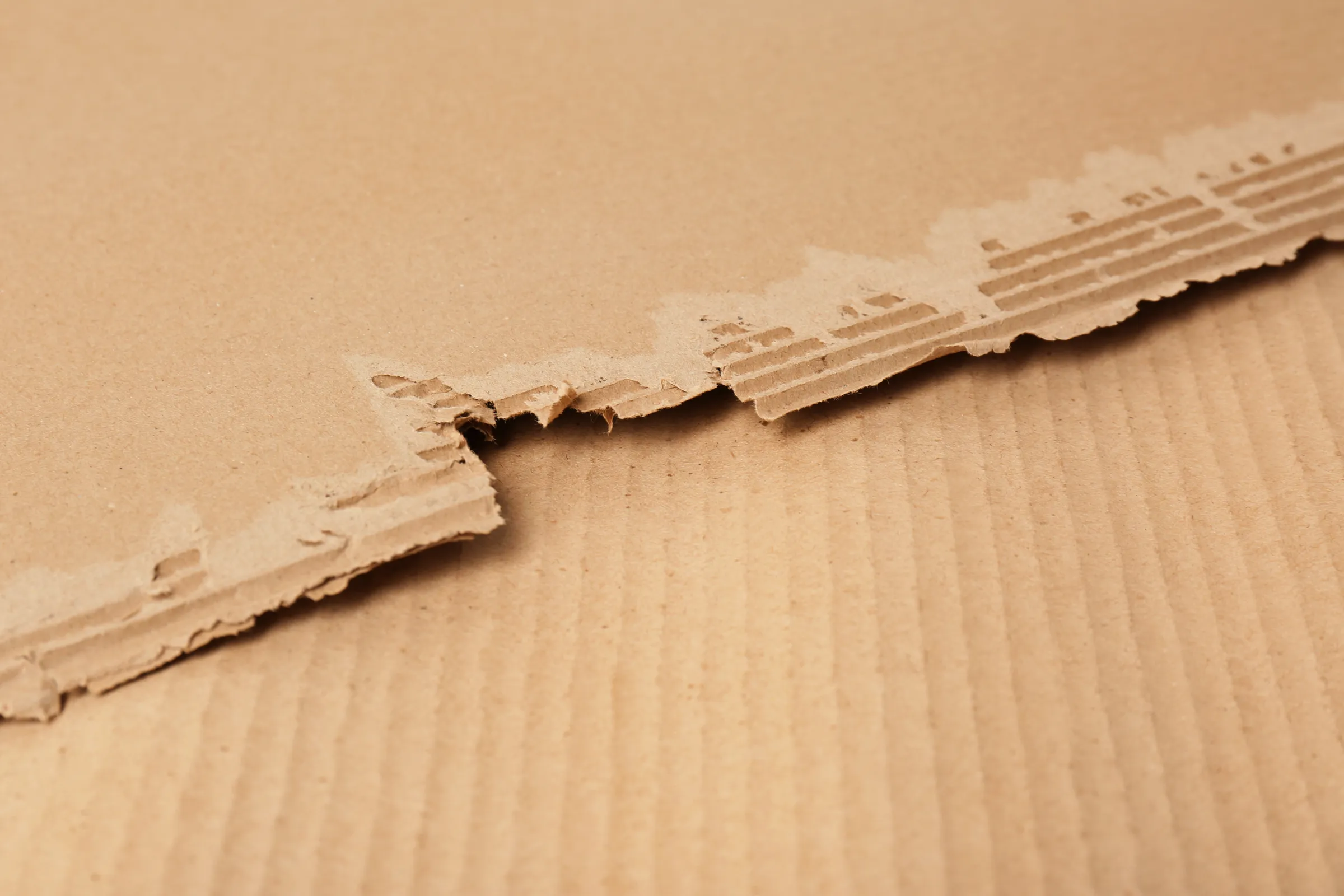
Corrugate and cartons
Inbound corrugate, cartons and slip sheets arrive nested and uncollapsed, which makes them almost entirely air. A 40-yard worked between pulls is the usual setup, and breaking boxes down before they go in still helps.
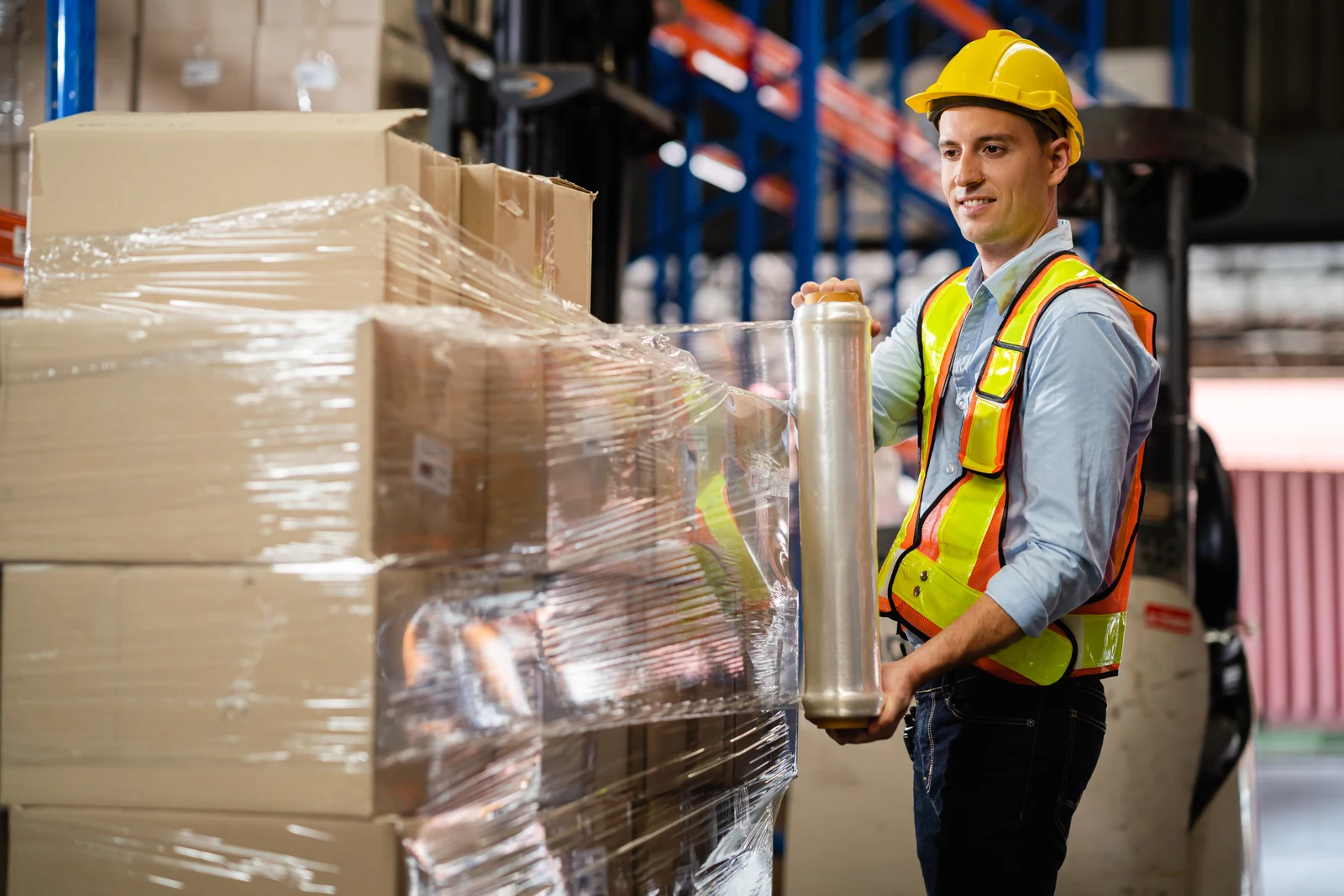
Stretch film, banding and strapping
Film springs back and bridges, so it takes up far more room than its weight. It usually shares the 40-yard with corrugate.
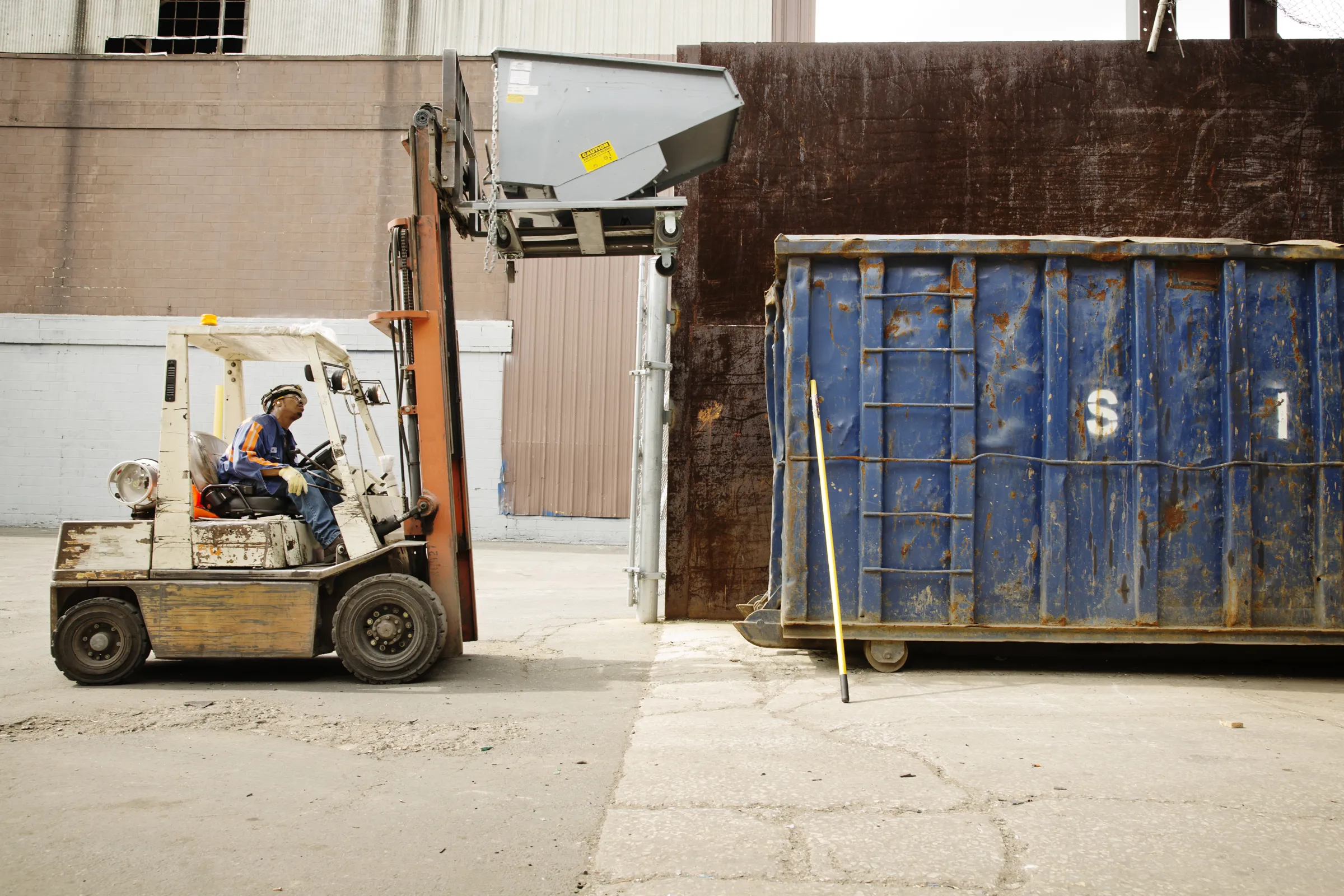
Pallets and wood dunnage
Rigid, awkward and heavy for their size, they stack badly, though pallets and wood compact well. A heavy pallet stream can justify a 30-yard of its own rather than crowding the corrugate container.
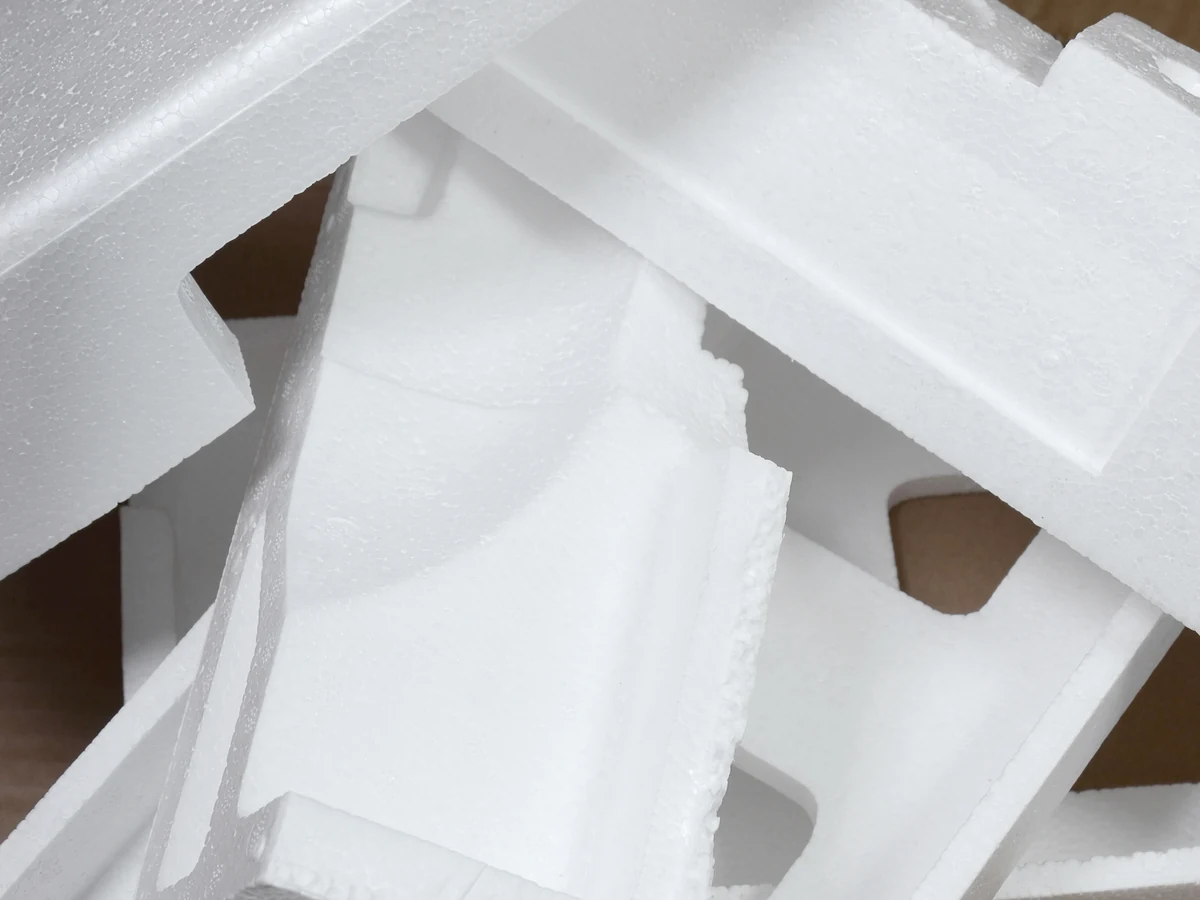
Void fill and mixed dock trash
Air pillows, foam, kraft paper and bagged dock and break-room trash ride in the general container and give back plenty of room. A 20-yard suits a small dock with little space or a denser side stream; most warehouse streams are too light for it.
Size for the rate, then set the cadence. Tell us how often the container is pulled now and what it holds when it goes.
Accepted Materials
What Goes in a Warehouse Container, and What We Compact
What a roll-off can take is set by the receiving facility, and the accepted materials page has the full list. Almost everything a dock throws away is in scope.
What we compact
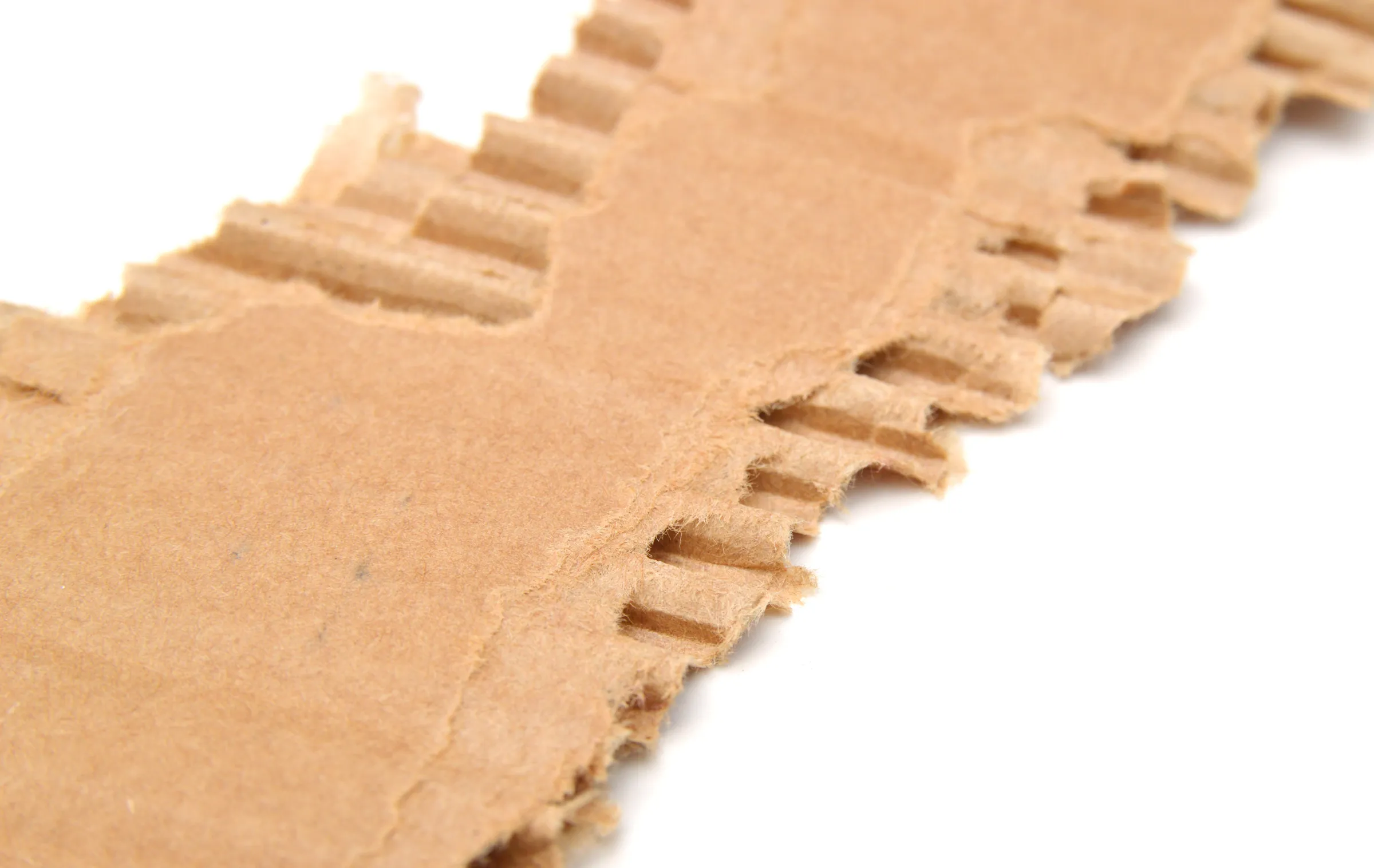
Cardboard and packaging; plastic film and wrap; wood and pallets; construction and demolition debris, including drywall, insulation, ceiling grid and fiberglass; compost and organics, as long as your hauler accepts it.
What we won't compact
We will not compact liquids; dirt, soil, aggregate or other dense material with no air in it; hazardous or regulated waste; sealed drums or pressurized vessels; or anything the receiving hauler won't accept. On a pure dense load like broken concrete, we'll tell you to skip compaction and have it hauled. On a dock, the exclusions to watch are leaking liquids from damaged goods and pressurized products in returns.
Packaging Streams
Where the Air in a Dock's Waste Comes From
Most of what leaves a dock is packaging: corrugate, film and banding, void fill, damaged goods with packaging still attached, broken pallets and dock trash. Almost all of it is air. It bridges across the container, springs back and mounds above the rim while much of the box is still empty.
Compaction works on that mixed material, in the container already on your pad, with nobody sorting anything. A loose container that looks full is mostly air. Compaction can reduce volume by up to 70%, depending on the material, so the same packaging leaves in fewer pickups. The container worth a look is usually the one nobody has looked inside in a year, still going out half air.
Sometimes the answer is no, and we say so on site.
Your general container already leaves genuinely full.
There is little room left to recover.
Volume is low and infrequent.
A container pulled once a month has very few trips available to cut.
The remaining stream is dense.
Wet returns and heavy product gain little from a compaction visit.
The stream is already handled.
If a stationary compactor or strict separation already handles nearly everything, that is a well-run dock, and it should stay as it is.
The Dock
Working the Container Without Blocking the Dock
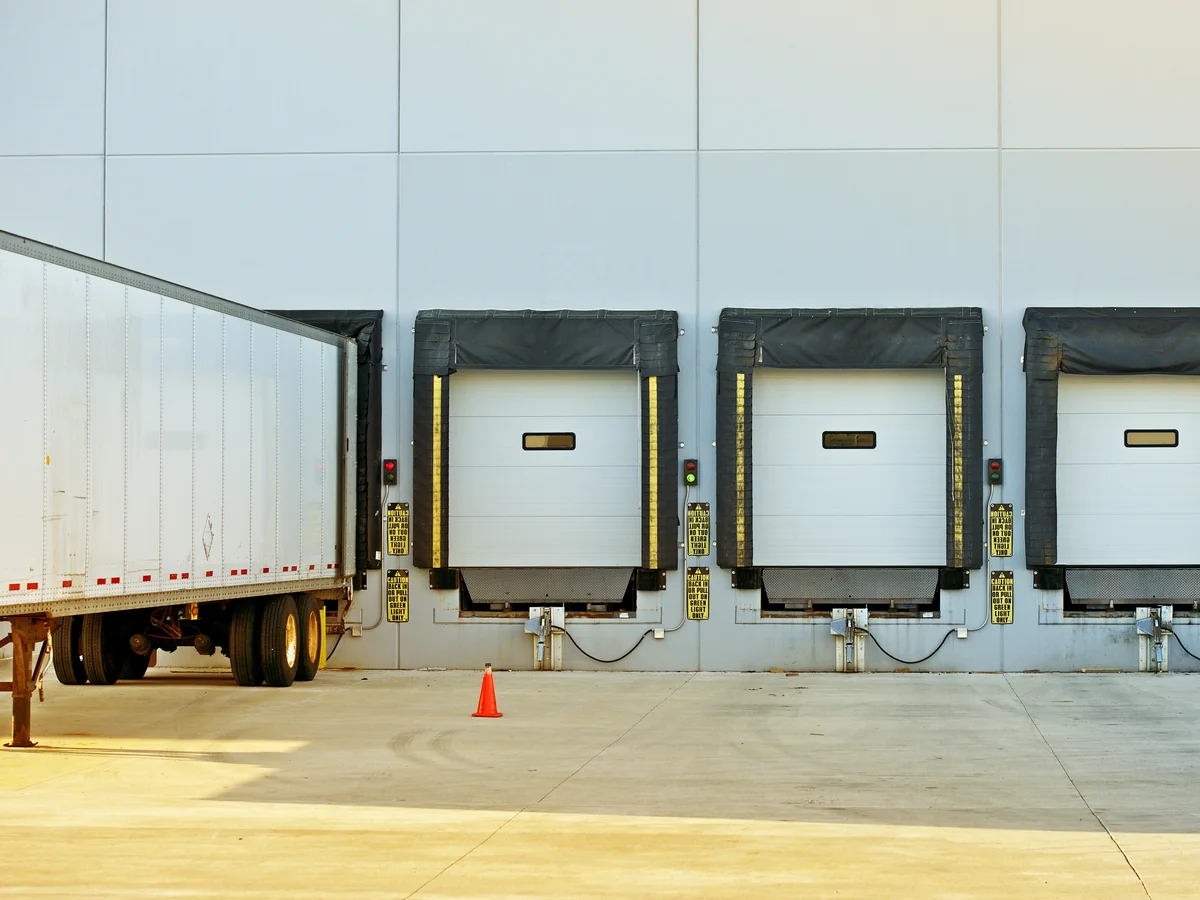
The container stays where it is: it is not hooked or moved, and the dock keeps running around the visit.
Doors stay open
The unit works beside the container, not in a receiving door or a trailer lane.
Visits around receiving waves
Visits are set around your dock hours: before receiving opens, between inbound waves or after the last outbound.
Fewer containers hauled through the yard
Every haul-off that comes off the schedule is one less container hooked and driven out past your trailers during shift hours. The compaction visit still comes; it just happens beside the container.
Site rules set once
PPE, check-in, yard traffic patterns and where the unit parks are agreed at setup, before the first visit.
Why Choose Mobile Compaction?

Improve yard and dock efficiency

Reduce disruption from frequent pickups
Peak Season
Peak Season, Returns and the Schedule That Outlives Them
Distribution volume moves in waves: retail peak, promotional surges, the returns wave after every peak, the slow weeks after that. Standing pull schedules do not. A cadence set during the busiest weeks of the year is often still running months later on containers half full of air.
Compaction lets the container already on the pad absorb more of a surge. Compaction visits follow the fill rate up during peak and back down after it, and the pull count follows the load rather than the calendar. Fix the schedule first; then work the air out.
The Difference
On-Site Compaction for Warehouse Dumpster Rental
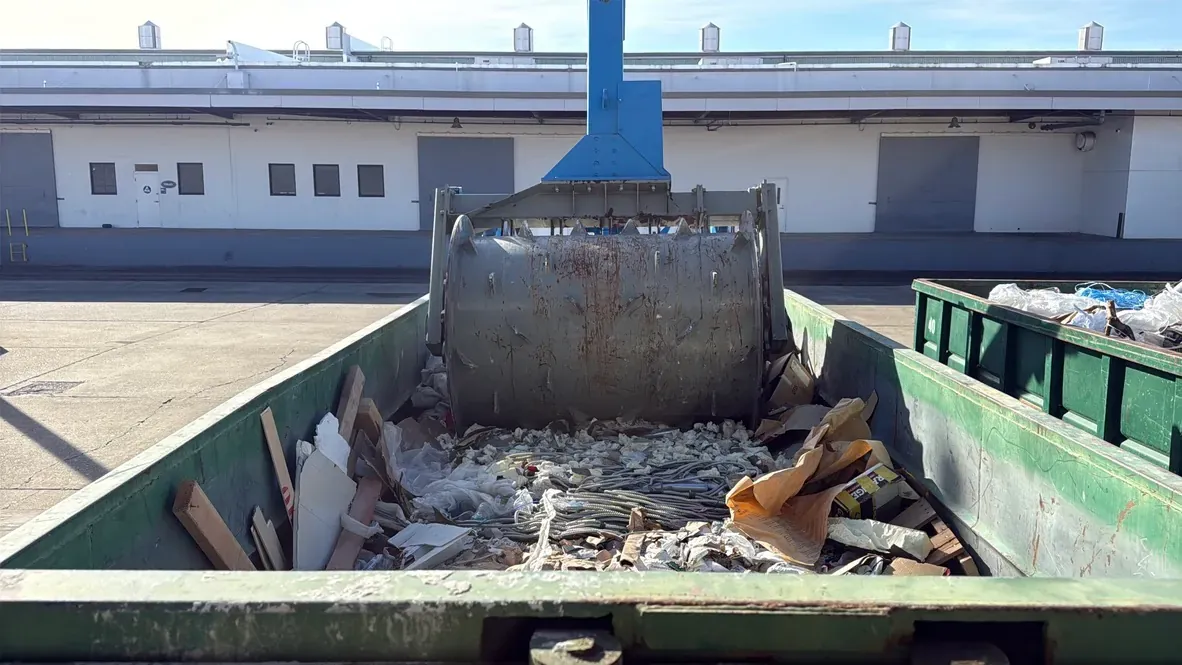
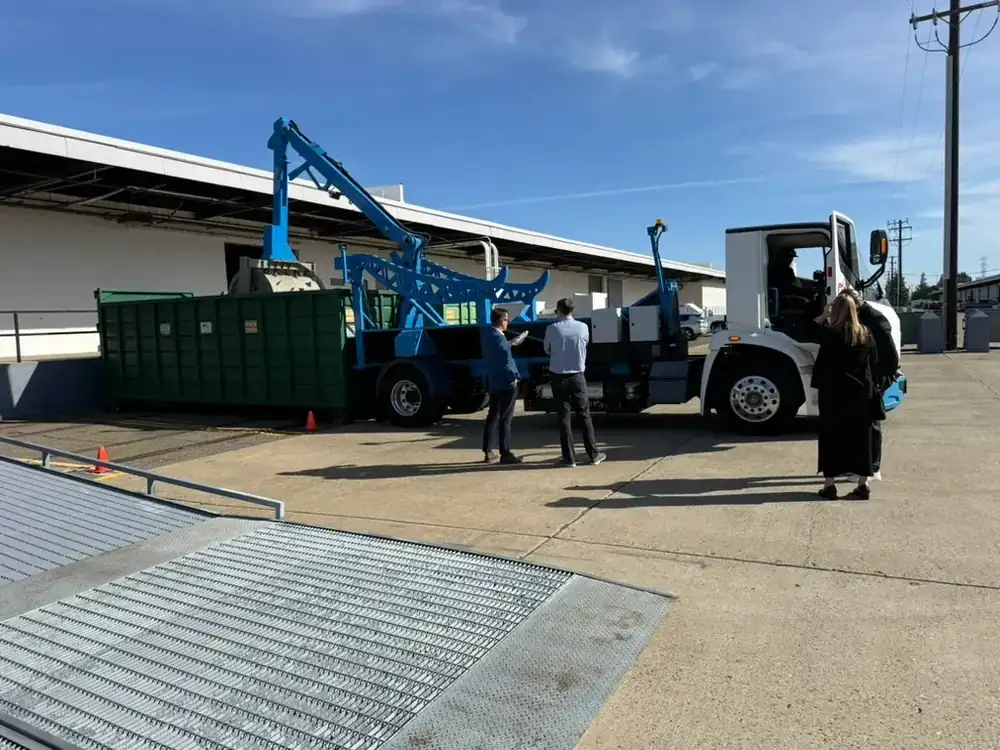
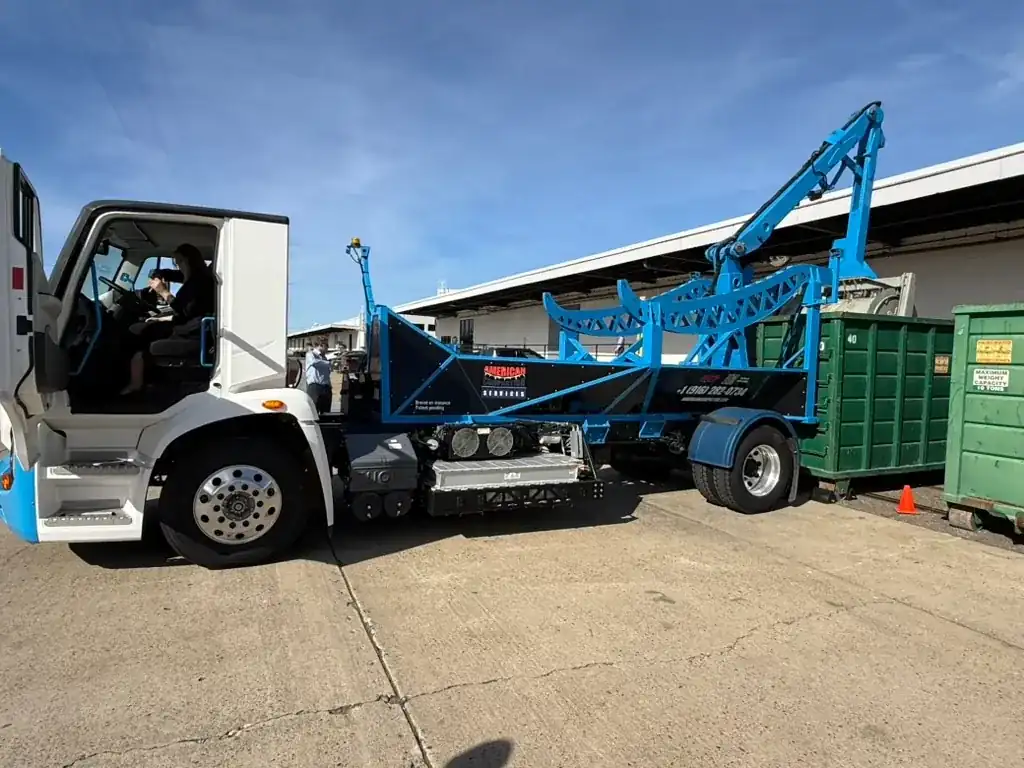
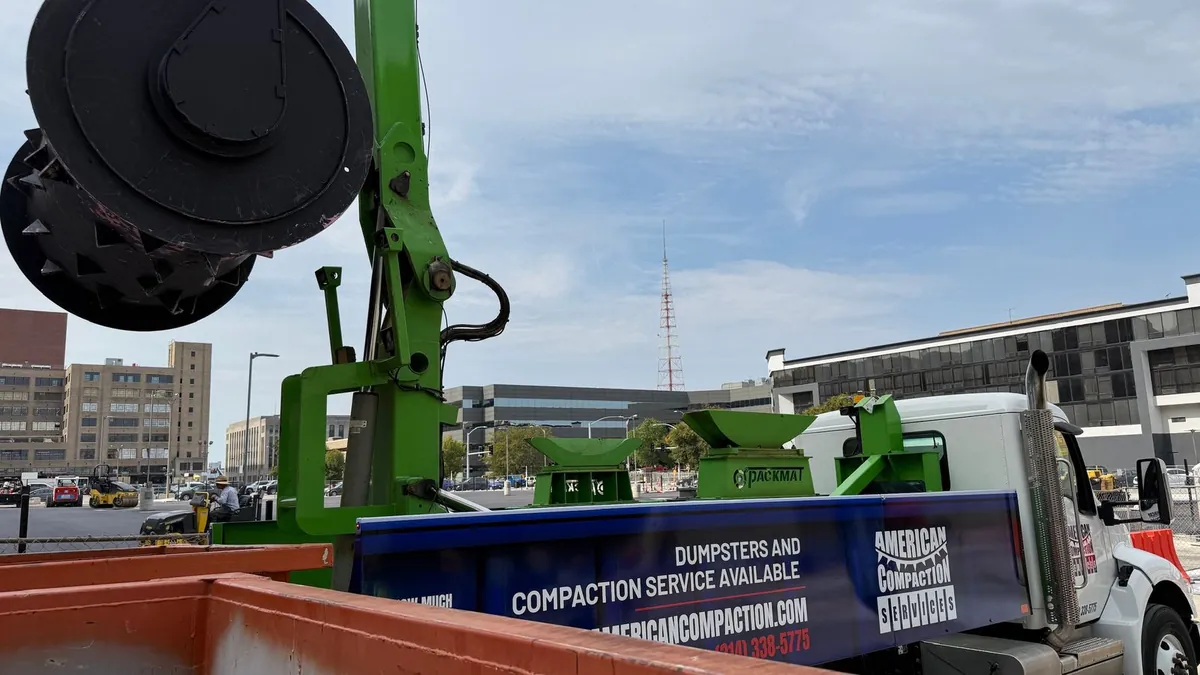
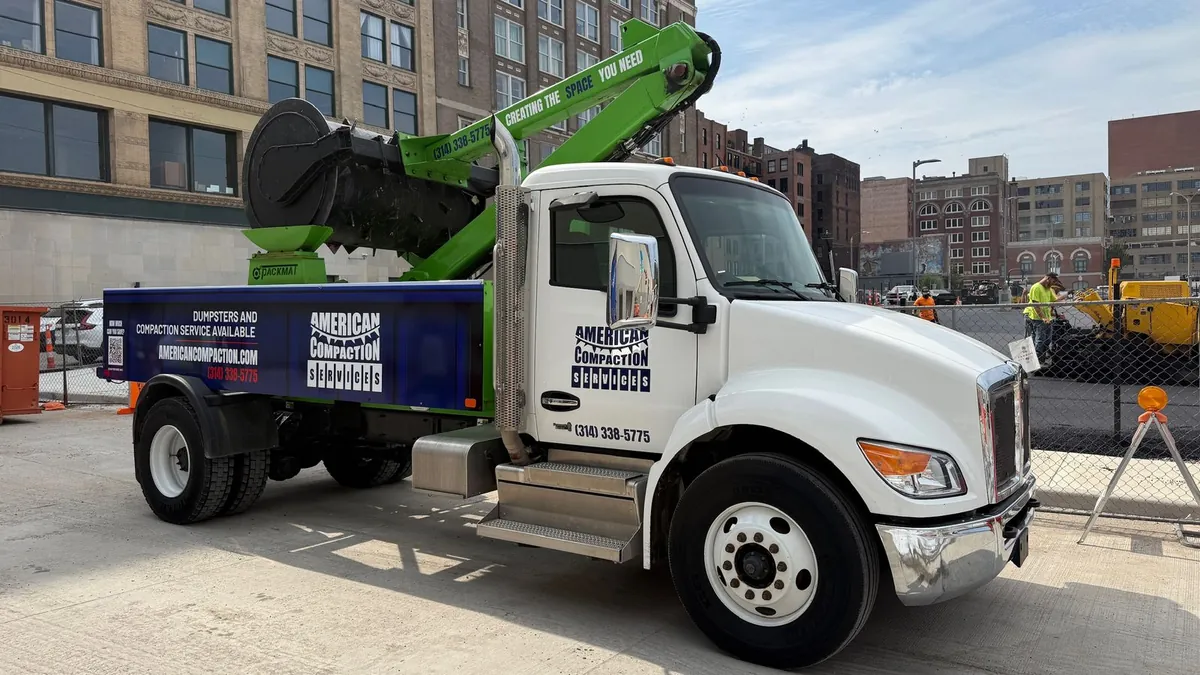
A mobile compaction unit works the container where it sits on your pad. Fill it, we compact it, fill it again, we compact it again, then it goes.
Create more capacity for pallets, cardboard, plastics, packaging, and production waste while improving yard and dock efficiency.
Compaction can reduce volume by up to 70%, depending entirely on the material. It is never a guarantee.
| Material | Compaction |
|---|---|
| Cardboard and packaging | Compacts well |
| Plastics | Compacts well |
| Pallets and wood | Compacts well |
| Furniture and bulky commercial waste | Compacts well |
| Light construction debris | Compacts well |
| Concrete, masonry and roofing shingles | Never compacted |
| Red iron, liquids and hazardous waste | Never compacted |
Corrugate, cartons, packaging, pallets and wood dunnage are all on the compacts-well list. Compaction helps reduce waste volume by up to 70% depending on the material. Compaction visits are set by your fill rate.
A loose container that looks full is mostly air. Compaction can reduce volume by up to 70%, depending on the material.
Two ways to start
Already have a dumpster? Keep it and keep your hauler; we compact what's in it. Need dumpster service? We supply the container and compact it on site. No contract to sign: no exclusivity, no minimum, no term. The on-site waste compaction page covers the visit and the unit in detail.
See it on your own dock
Free on-site demo: we compact one of your own containers while you watch. The demo carries no obligation and is photographed before and after. If it isn't a fit, we tell you on the spot. You see how far your own mix compresses and whether the container was as full as it looked.
The pricing guide explains what drives the bill, and the savings calculator gives you a planning number from your own inputs. These results are estimates from the numbers you enter. They are not a quote, a promise or a guarantee.
The Process
How Warehouse Service Runs, Start to Finish
- 1
1. You describe the dock.
Your streams, how often the container is pulled now, and how full it really is when it goes.
- 2
2. Free on-site demo.
On the container already on your pad, with your own material in it.
- 3
3. Placement and access confirmed.
The pad, the approach, the overhead and the yard traffic are walked before the first visit.
- 4
4. The schedule gets set.
Compaction visits and pulls are fitted around your receiving and shipping waves.
- 5
5. Compaction visits.
Compaction visits are set by your fill rate, stepping up at peak.
- 6
6. Pull or swap.
When the container is genuinely full, not just full of air, it is pulled and brought back empty, or swapped for an empty one.
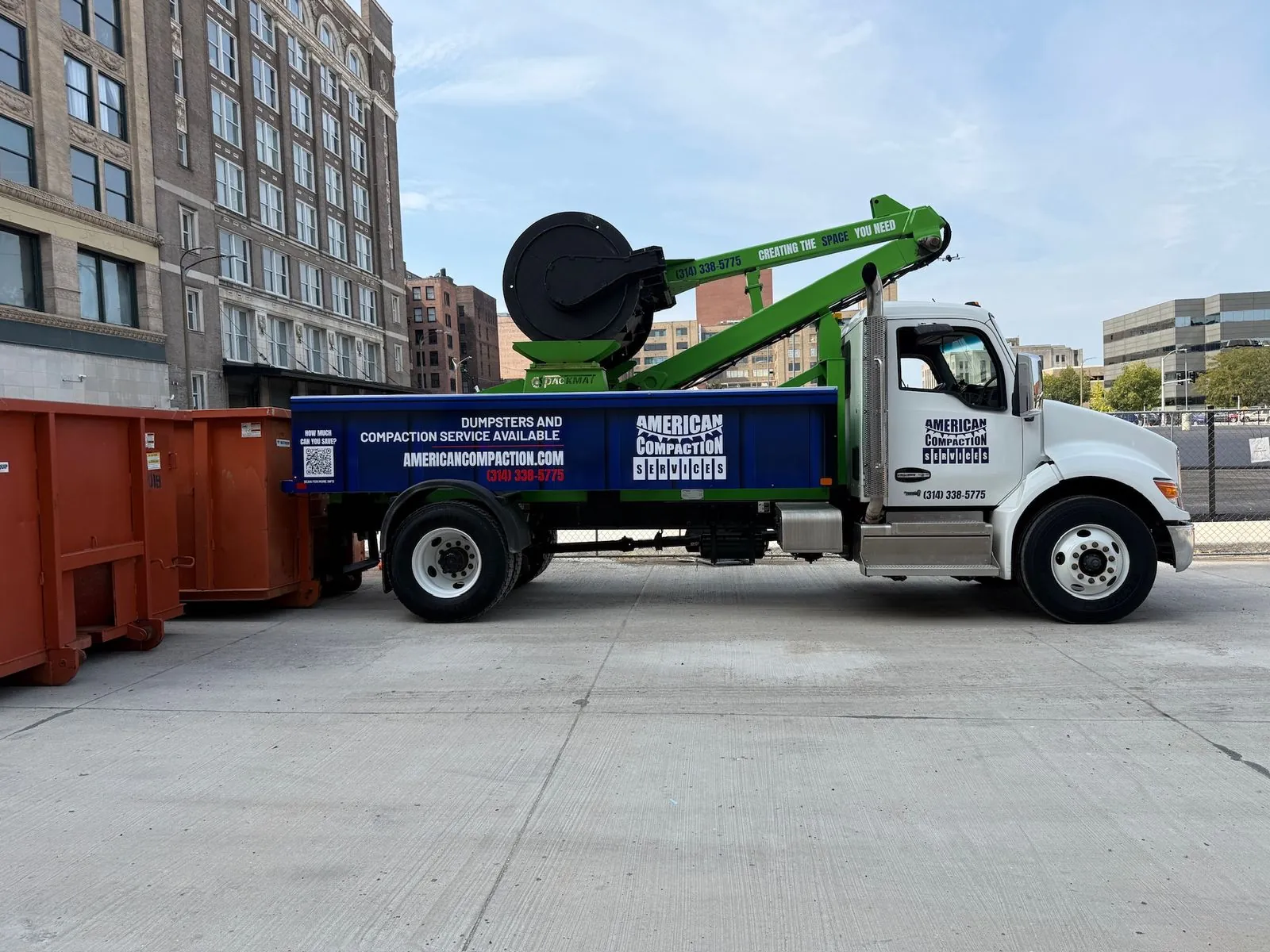
American Compaction Services builds the visit around not touching the container. Every visit includes a before-and-after inspection with photo documentation. A heavy steel drum, narrower than the container, works the load down and never touches the walls. The drum works on its own weight, with no hydraulic down-force. Safeguard wheels and end guards keep the unit off the container's structure, and our operators run a zero-touch policy. When the container belongs to your hauler, it goes back to work the way it came.
Why American Compaction Services
Why American Compaction Services for Warehouse and Distribution
Built around compaction.
Warehouse material sits at the top of the reduction table, and the whole service is built around working it down.
Keep your hauler.
If a hauler already services your dock, keep it. We compact the container nobody has optimized.
Straight answers about fit.
A well-run dock should stay as it is. If it won't move your number, we'll tell you on the spot.
Service around your dock hours.
Compaction visits and pulls are set to your receiving and shipping windows.
Business accounts, no contract.
No contract to sign: no exclusivity, no minimum, no term.
Documented handling.
Every visit includes a before-and-after inspection with photo documentation, on your container or ours.
Where We Operate
Available in These Markets
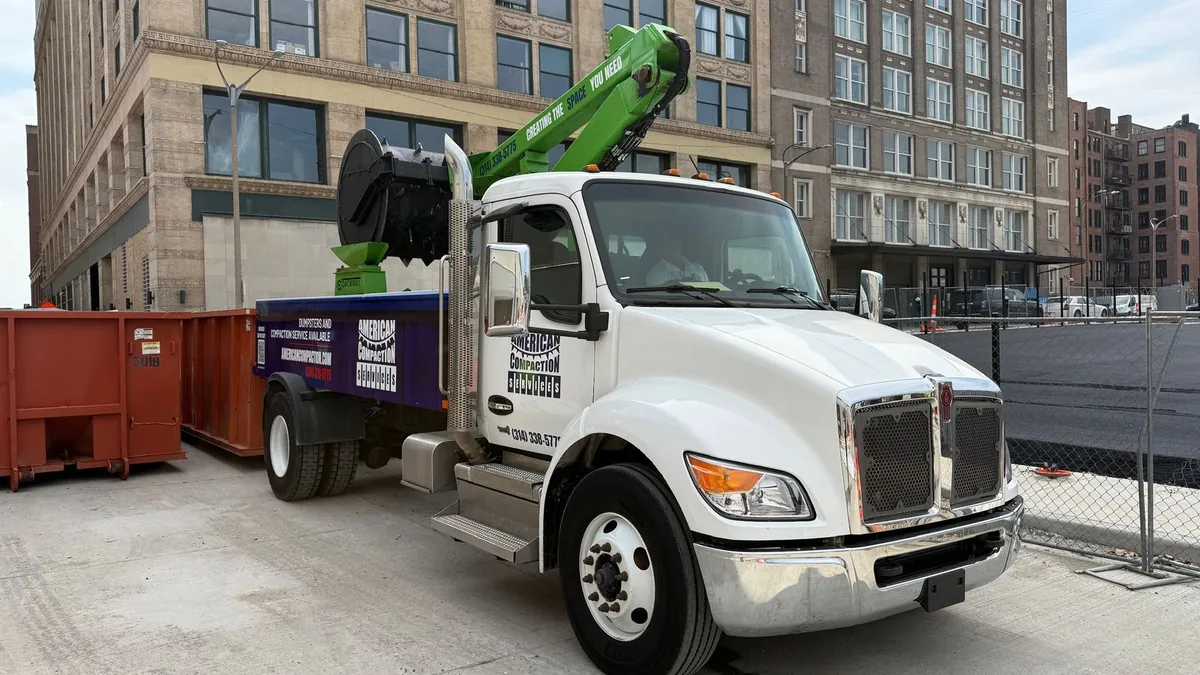
American Compaction Services serves warehouses and distribution centers market by market. Each market has its own page, phone number and service area, and the market page covers the local details and how to reach the team there.
If your city is not on the list, the locations page shows every market we serve.
Frequently Asked Questions About Warehouse Dumpster Rental
Related Services
Roll-Off Dumpster Rental
pulls, swaps and who does what.
On-Site Waste Compaction
how the unit works a container in place.
Industrial Dumpster Rental
standing service for plants and their docks.
Retail & Restaurant Dumpster Rental
packaging-heavy streams in tighter spaces.
Cutting Waste Costs in Warehouse & Distribution
the stream-by-stream breakdown and the levers that cut a warehouse haul bill.
Start Your Warehouse & Distribution Dumpster Rental
Tell us what your dock throws away and how often the container is pulled today. American Compaction Services will size the container for the stream, set the schedule around your receiving and shipping, and tell you honestly whether compaction changes your numbers. The on-site demo is free.
With roll-off, every haul is a call. With American Compaction Services, nobody has to call.
We set you up on a schedule and we compact on site. Dumpsters and compaction. All handled.
You already pay for dumpster space. Compaction lets you use more of it.
Getting started takes four details
- A photo of your dumpster and the space around it
- Your location
- What goes in the box
- The container size, if you know it
They help us plan for site access and match compaction service to your site.
We will prove it. Call or text (877) 651-7660.