

Construction Dumpster Rental
Construction Dumpster Rental
We automate your roll-off. You'll never run out of room. Fair price. Great service.
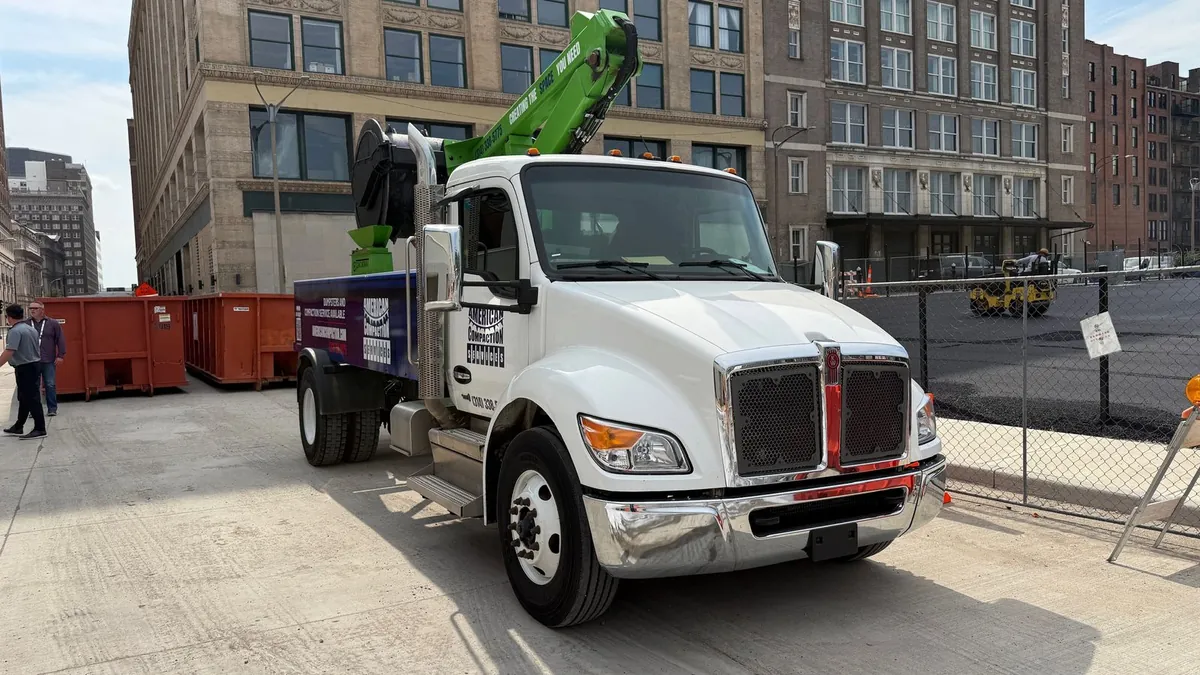
American Compaction Services provides waste management through construction dumpster rental and on-site compaction for commercial jobsites: 20, 30 and 40 yard roll-offs, sized to the phase and compacted in place, so the container holds more before a truck has to come. On a construction job, the container is rarely the expensive part. The swap trips are.
We work with general contractors, builders, renovation and fit-out crews and the trades on their sites. If your debris changes three times before the job closes out, this page covers how the container and the schedule change with it.
The Real Cost
Why Construction Dumpster Rental Costs More Than It Should
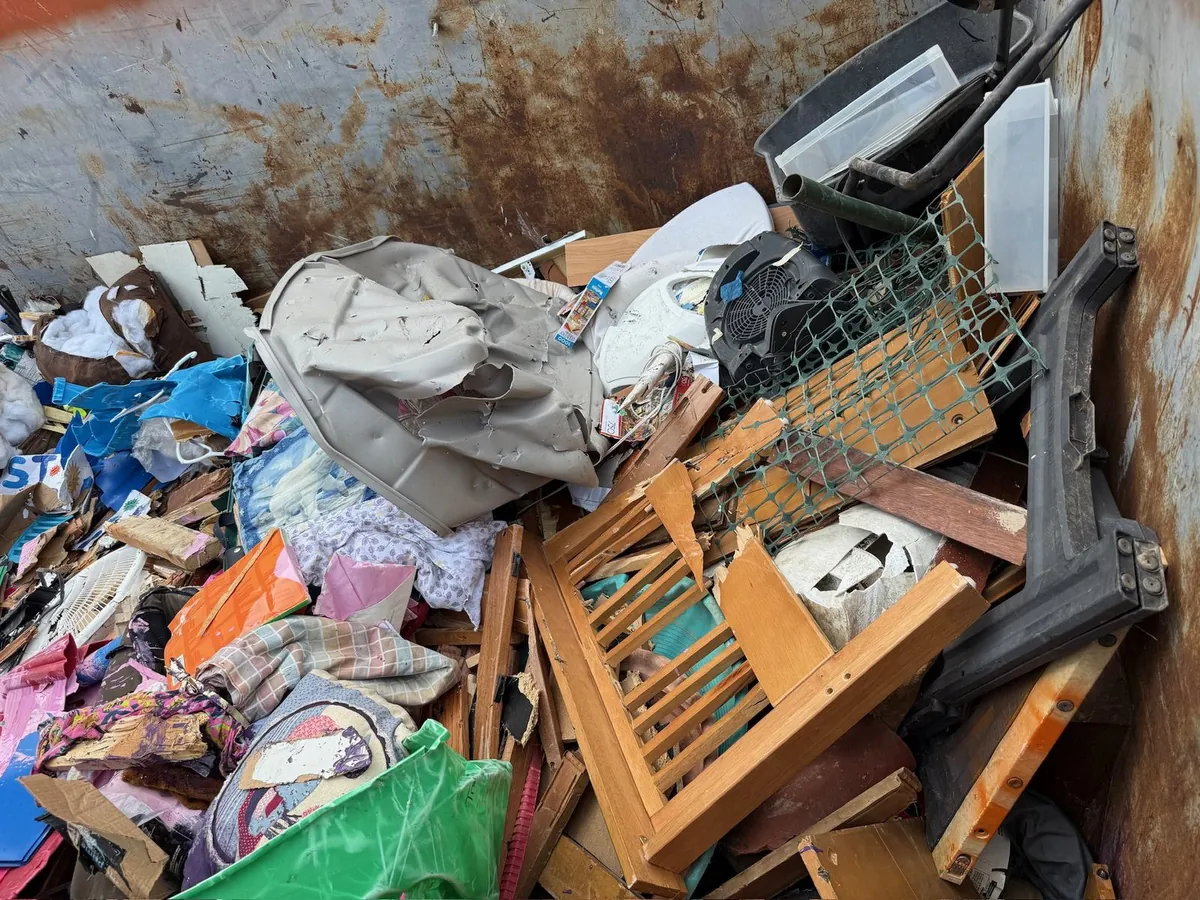
A construction job does not produce one waste stream. It produces four or five, in sequence. Demolition and rough-in debris comes out heavy. Framing and drywall bring bulk. The finish and fit-out phases bring packaging: cardboard, foam, shrink wrap, banding and fixture crates. Most container schedules get set in week one against a guess, and by the time the finish crews arrive, the guess is wrong.
Every swap is a full truck trip: a driver, a roll-off truck, road time, a scale ticket and a disposal charge at the other end. The trip is the cost, and a job that swaps more often than its debris requires pays for trips it did not need.
Then there is the air. A hand-loaded container carries a lot of empty space by the time it looks full: drywall thrown in flat, crates dropped in whole, insulation batts and ductwork offcuts stacked loose. A loose container that looks full is mostly air. Compaction can reduce volume by up to 70%, depending on the material.
Construction dumpsters often fill with bulky, irregular materials that leave large pockets of unused space. ACS helps contractors get more capacity out of every roll-off dumpster before calling for another haul.
The schedule pays too. A full container that cannot be swapped until tomorrow stops the crew today, and material piled beside it eats laydown space the job needs.
Compaction reduces haul-offs; it never eliminates them. A compaction visit is itself a visit. What changes is that a short on-site visit happens instead of a haul-off, on the stretches of the job where the load is mostly bulk.
Jobsites We Serve
Jobsites We Set Containers For
American Compaction Services sets containers on active construction work, and on every one of these jobs the volume moves in phases.
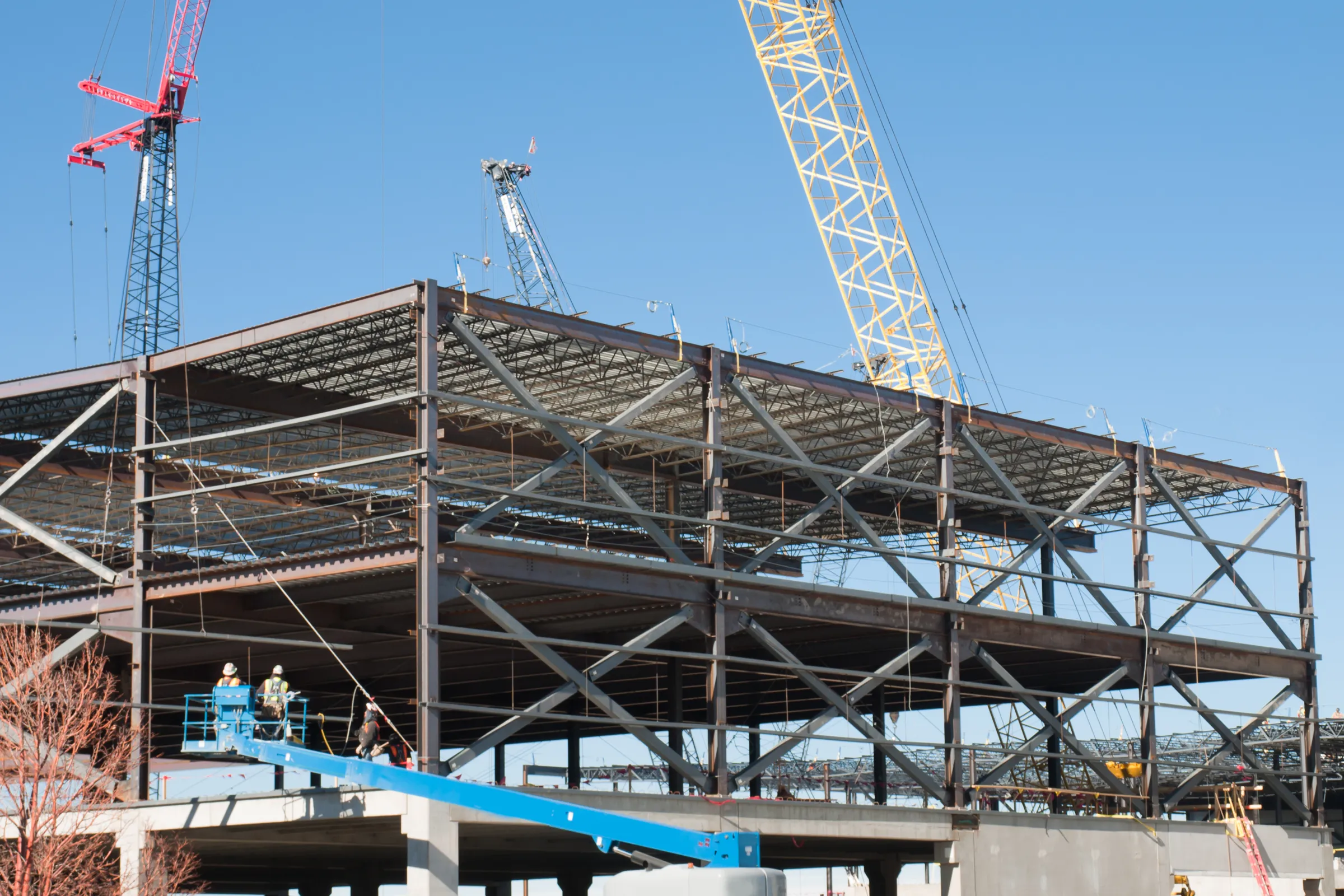
Ground-up commercial builds
General contractors running a build from slab to close-out. The container keeps one position for the length of the job, and swaps are timed to phase changes rather than a fixed calendar.
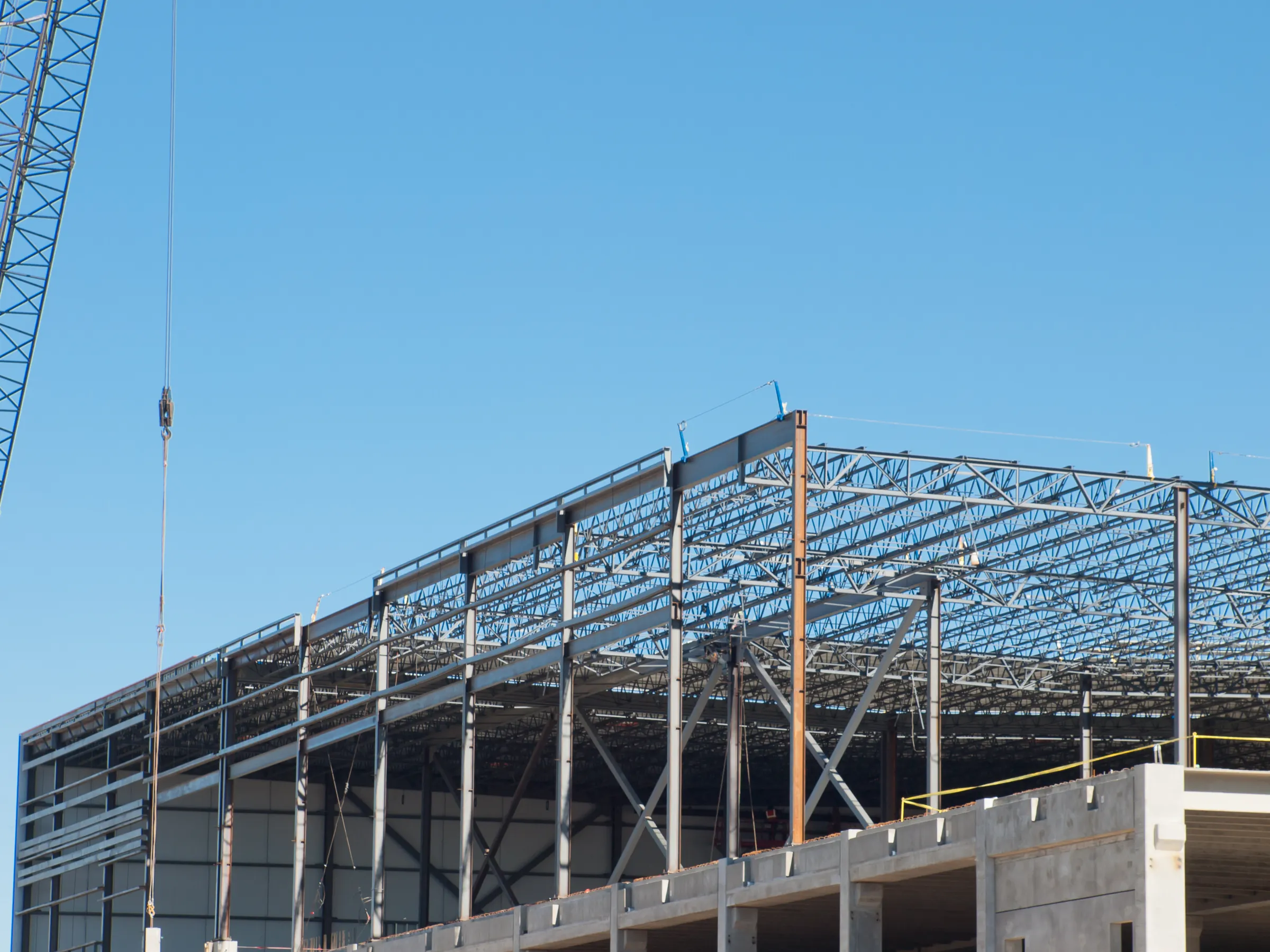
Tilt-up shells and warehouse expansions
Large open sites producing forming lumber, packaging, steel offcuts, racking crates, banding and pallets. The container position has to stay clear of crane moves and panel lifts, and on an expansion of a working warehouse, the dock cannot be blocked during a shift.
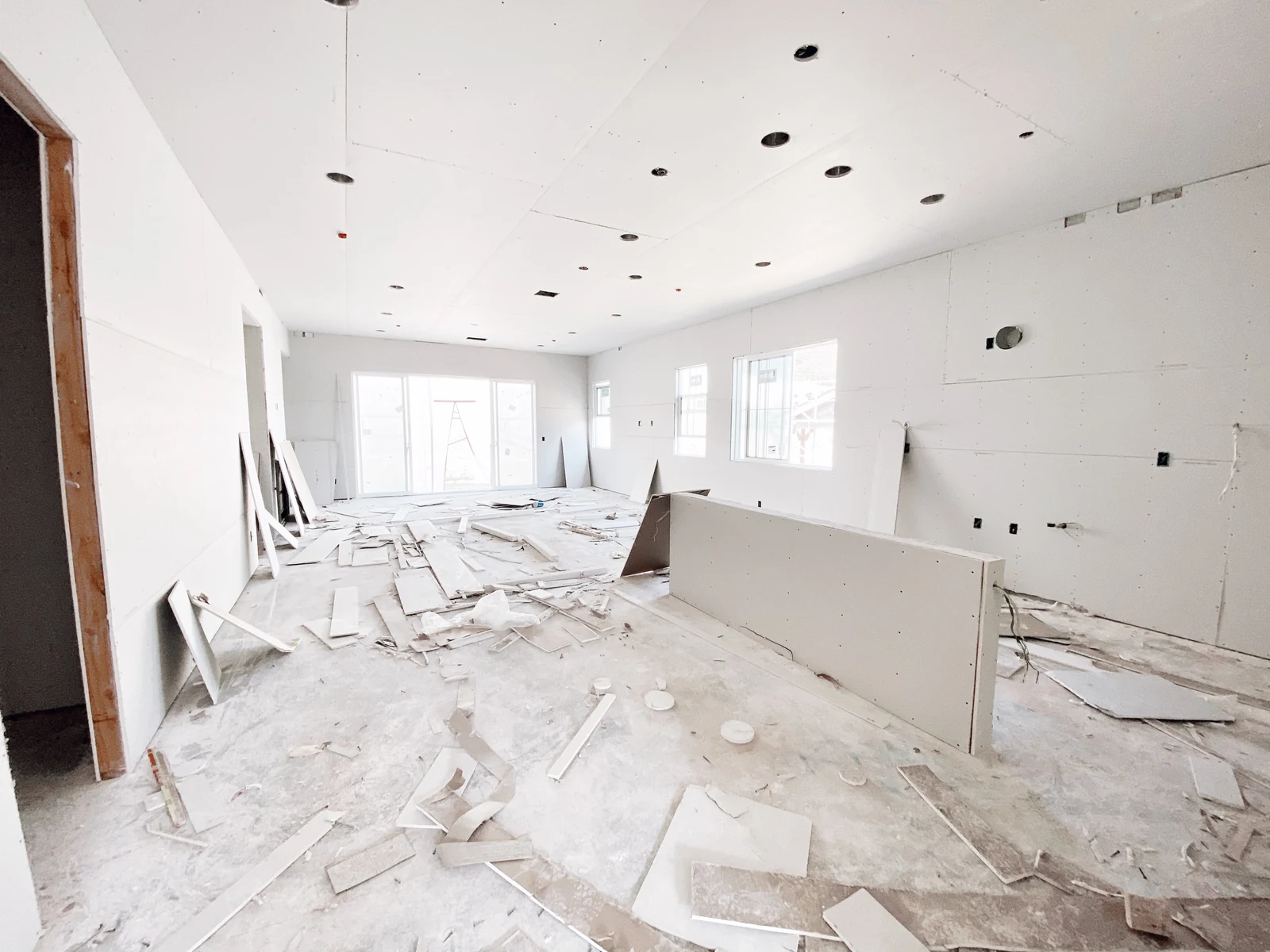
Tenant build-outs and fit-outs
Short jobs dominated by packaging, often inside an occupied building with restricted access hours. The debris is bulky and light, which is where compaction has the most to work with.
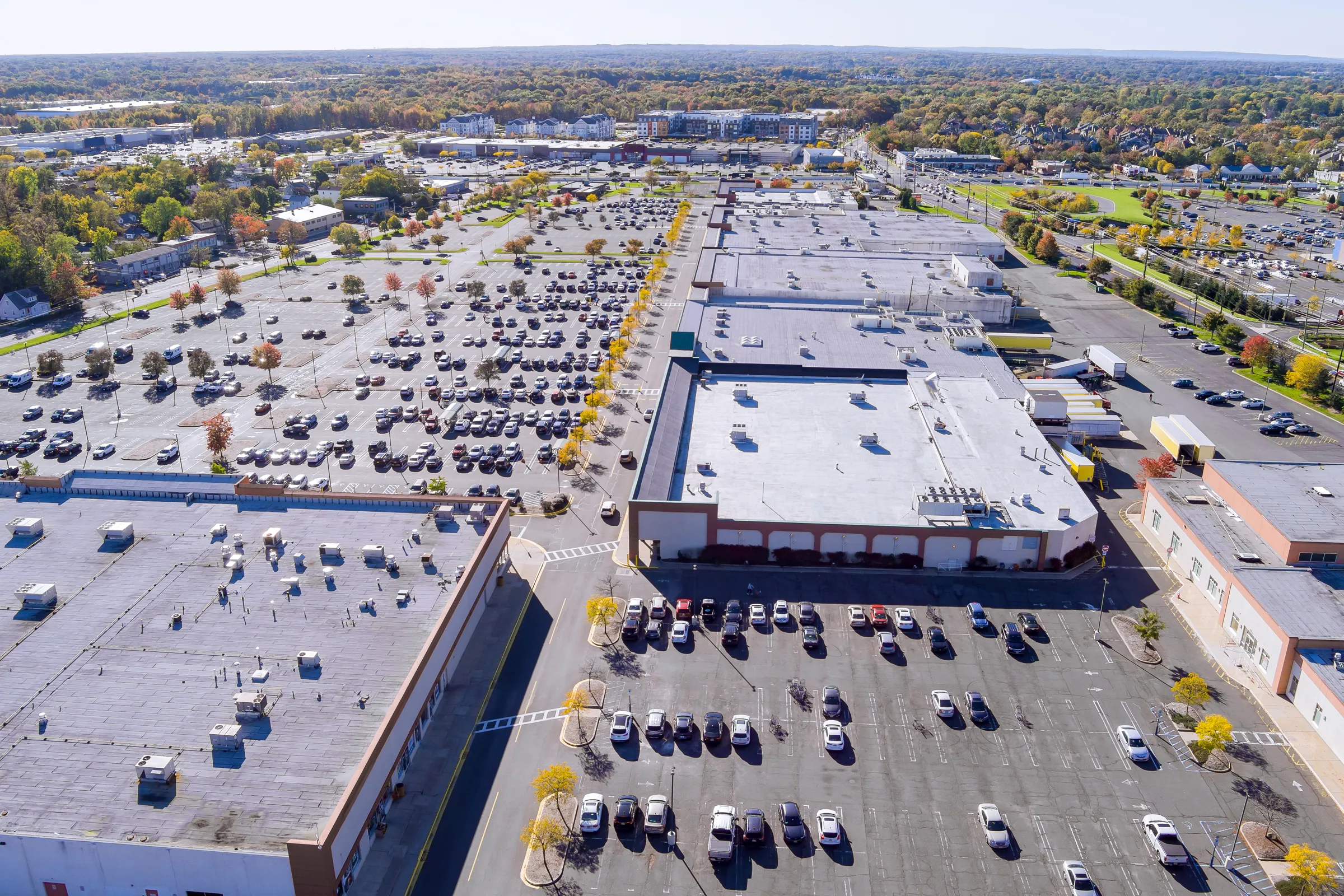
Retail and restaurant build-outs
Fixture crates, millwork offcuts and equipment packaging, all working toward a hard opening date that the container schedule cannot be allowed to slow down.

Interior renovations
Heavy at the front during selective demolition, lighter and bulkier later, so the container that was right in week one is often wrong by week four. When a contractor is the account, a renovation or a flip is commercial work, whatever the building is.

Builder-run subdivisions and new-build houses
A builder putting up houses across a subdivision is a business account, and the work is commercial. Framing, drywall and packaging from several lots run through containers sized to the phase and placed where the crews can reach them.
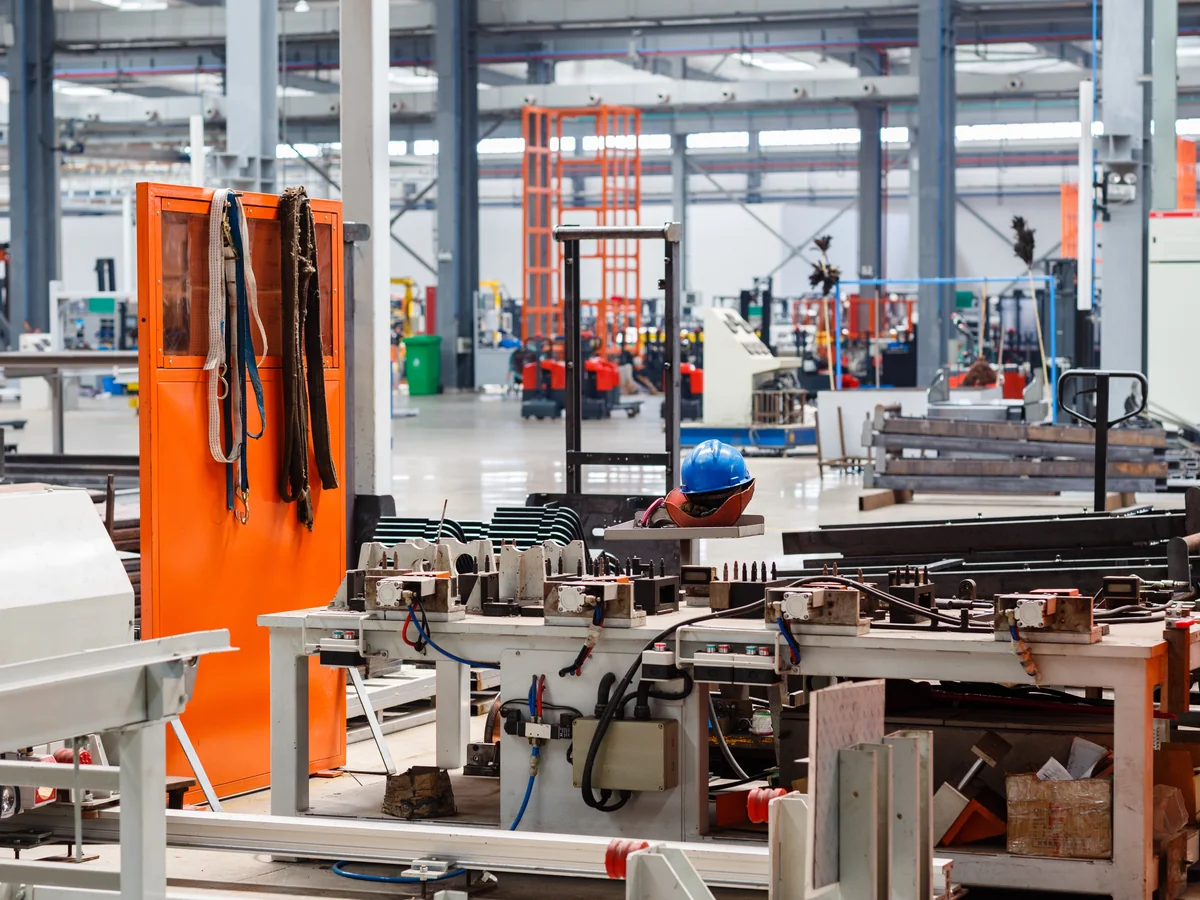
Industrial and plant work
Line changes, equipment moves and reconfiguration debris, arriving on top of the plant's own production waste.
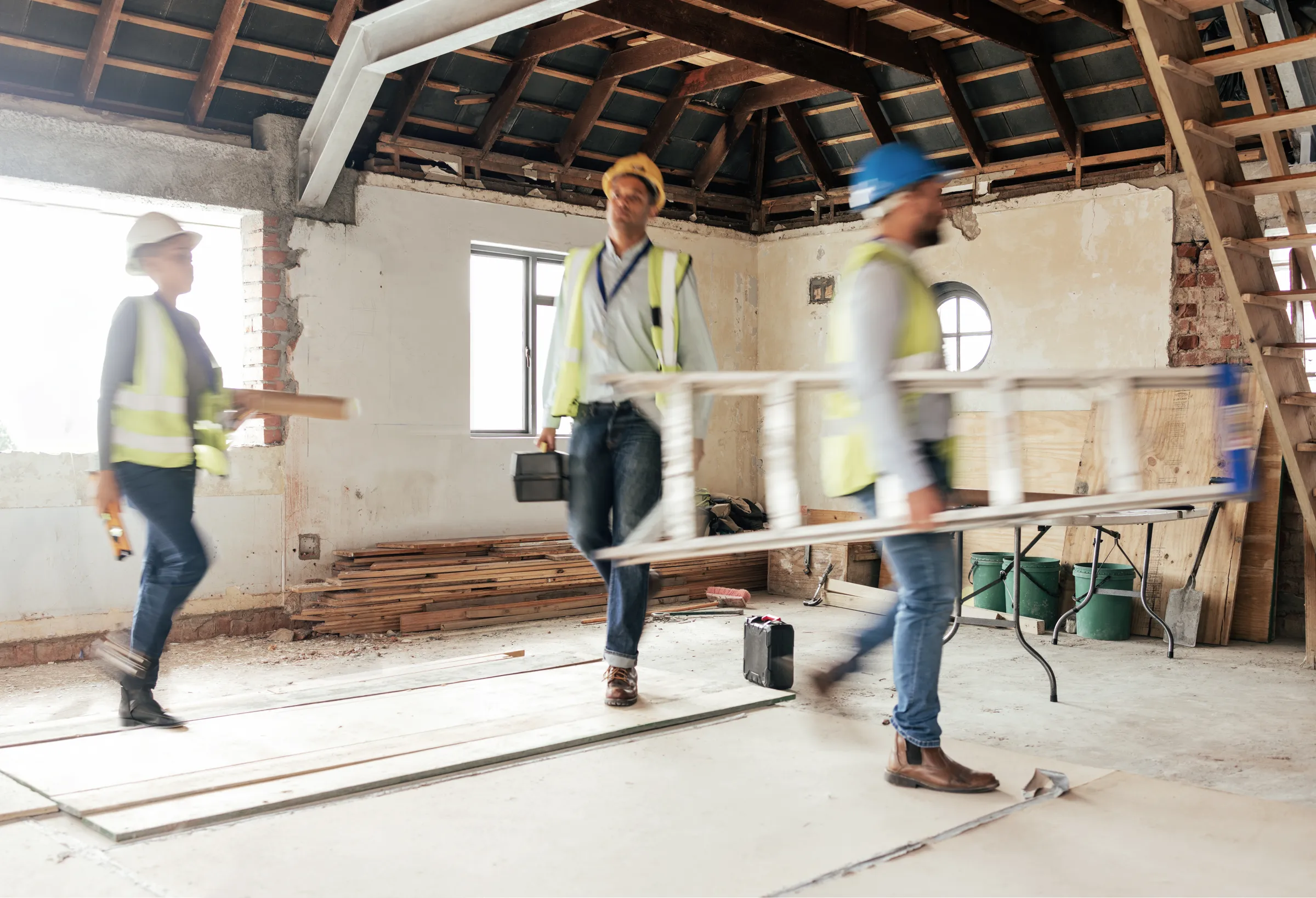
Close-out and punch-list cleanup
The usual reason for a final unplanned swap. Planned ahead, it is one more scheduled pull instead of a scramble.
Every account is a business: the general contractor, the builder or the trade running the job. We do not rent to homeowners, including a homeowner acting as their own builder.
Container Sizes
Construction Dumpster Sizes by Project Phase
Three sizes cover most commercial construction work. The right one depends on the phase and on how heavy the debris runs, and each size has its own page with dimensions, loading and access.
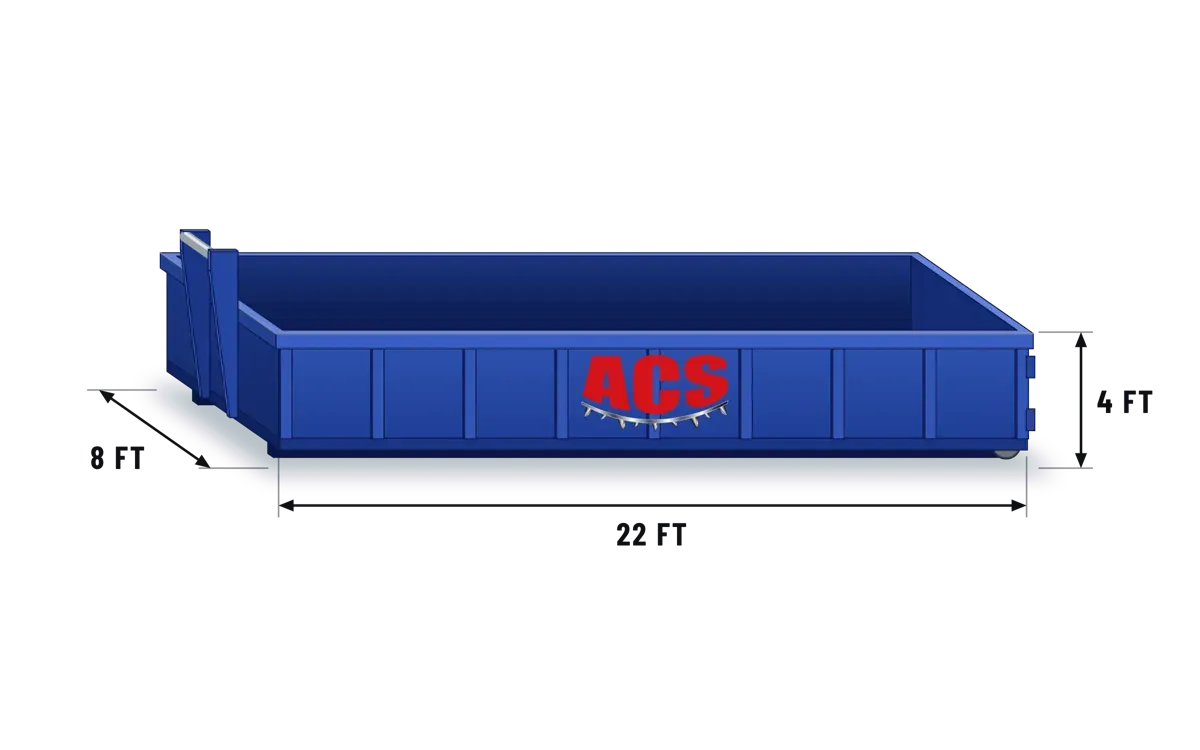
About 22' × 8' × 4' (L × W × H)
20-Yard: smaller phases and hand loading
Selective demolition and interior tear-outs, where low walls help a crew load by hand. Heavy or dense debris? Tell us first so we can plan for weight limits.
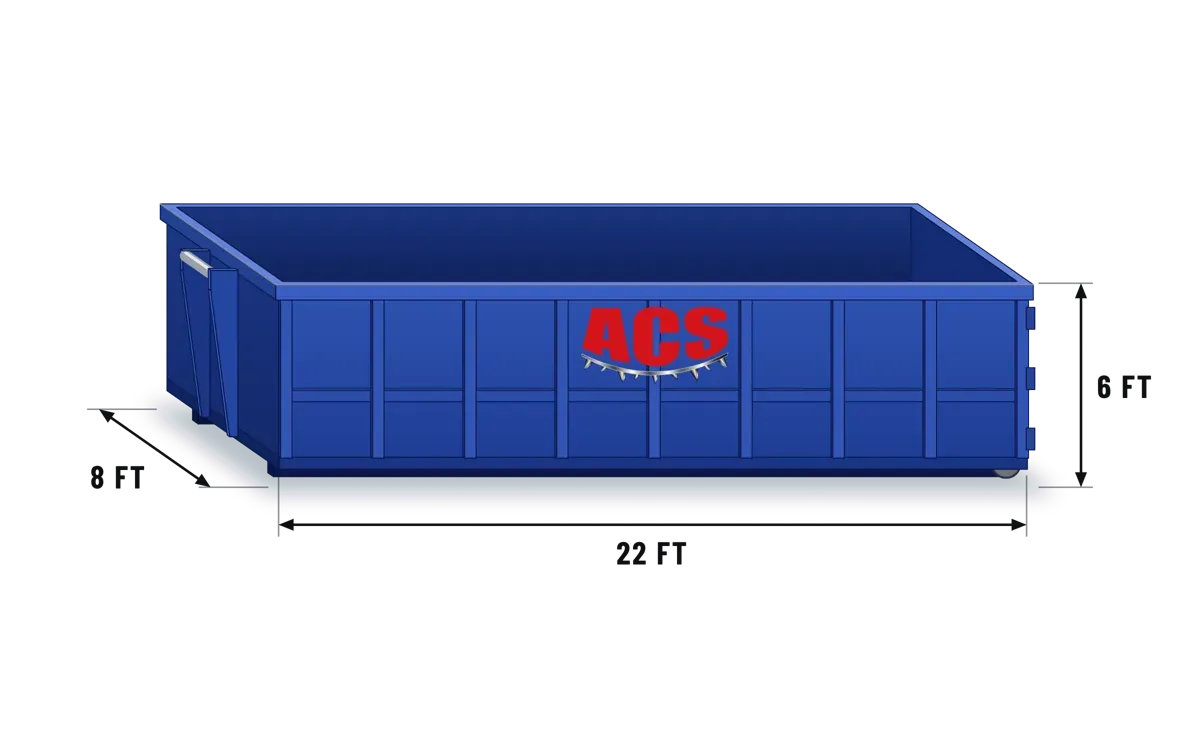
About 22' × 8' × 6' (L × W × H)
30-Yard: framing, drywall and mixed debris
The usual container for active construction: framing scrap, drywall, packaging and the changing mix a working site produces.
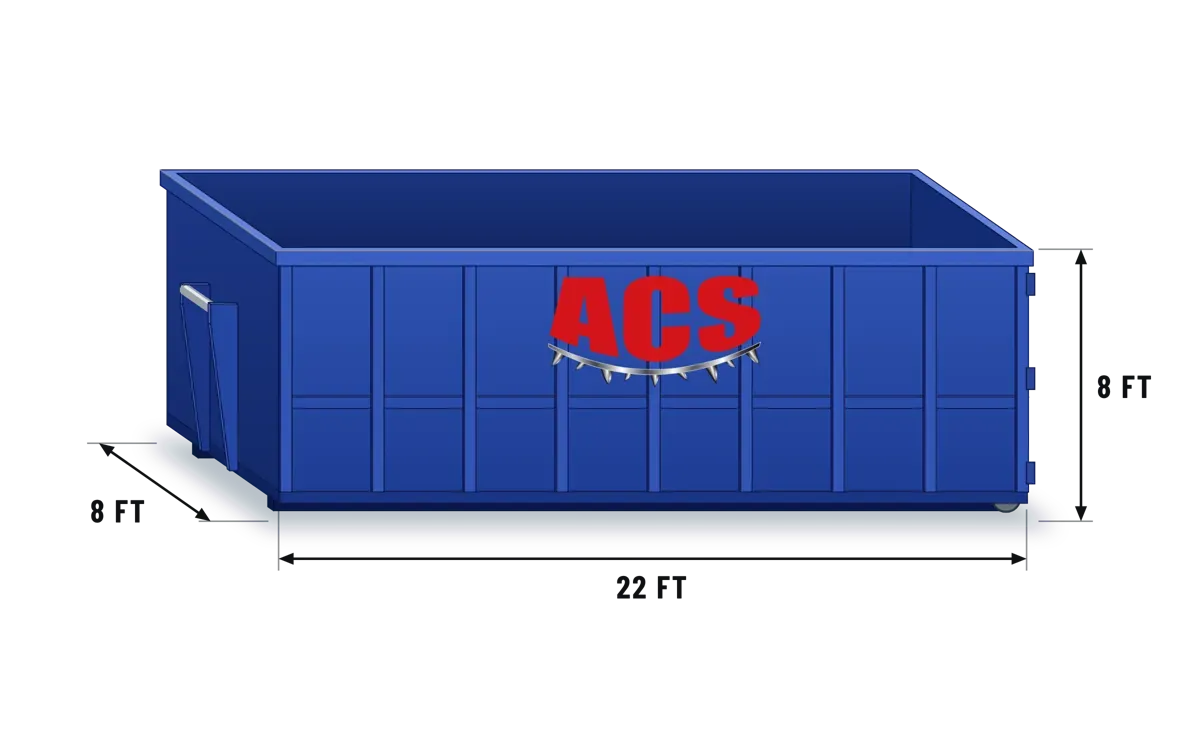
About 22' × 8' × 8' (L × W × H)
40-Yard: bulky finish and close-out stretches
Fit-out packaging, crates, insulation, ductwork offcuts and close-out cleanup: light, bulky material, and the stretch where compaction usually has the most to work with. Weight limits still apply.
Approximate dimensions. Containers vary; confirm the actual size for your site before the first placement.
Size for the phase, not the project. Tell us the sequence and roughly how long each phase runs, and the container plan follows it: a 20 through the demolition weeks can give way to a 30 for framing and a 40 for the finishes.
Accepted Materials
What Goes in a Construction Debris Dumpster, and What Doesn't
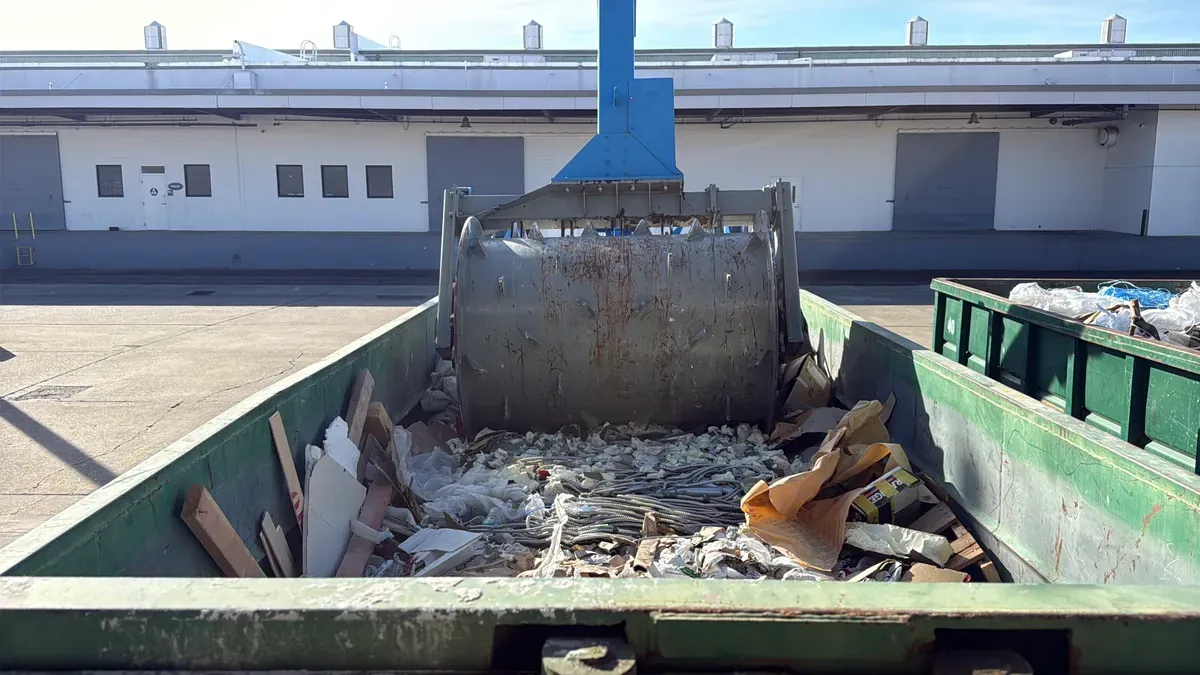
A jobsite produces framing scrap, drywall, packaging and crating, insulation, metal studs and ductwork, millwork offcuts and general cleanup waste, and mixed loads are normal. What a container can take is set by the receiving facility; the accepted materials page has the full list. For compaction, American Compaction Services draws the lines here.
What we compact
Cardboard and packaging; plastic film and wrap; wood and pallets; construction and demolition debris, including drywall, insulation, ceiling grid and fiberglass; compost and organics, as long as your hauler accepts it.
What we won't compact
We will not compact liquids; dirt, soil, aggregate or other dense material with no air in it; hazardous or regulated waste; sealed drums or pressurized vessels; or anything the receiving hauler won't accept. On a pure dense load like broken concrete, we'll tell you to skip compaction and have it hauled.
Dirt and aggregate stay out for two reasons: they add weight fast, and they have no air to give back. Sealed drums and pressurized vessels are a safety line. If you are unsure about a material, describe it before the container is delivered and you will get a straight answer.
When the work is teardown, not buildout
Structural demolition and heavy debris are their own category. The weight math, the sizing and the compaction answer all change, and dense debris sits at the bottom of what compaction can do. The demolition page covers weight limits, loading for heavy debris and where the honest line is. When a job has both a teardown phase and a buildout phase, both run on one account.
Swaps & Pulls
Swaps, Pulls and Keeping the Container Off the Critical Path
Set the cadence against the phase
Demolition weeks and close-out weeks produce far more debris than the middle of a job. A swap schedule built on an average is wrong in both directions: too many trips while framing goes up, not enough during the finish push.
Give the surge some notice
A heads-up before fit-out packaging lands, before the punch-list push or before crated equipment arrives lets a swap or a compaction visit happen before the container overflows, not after.
Plan a position the truck can still reach
The approach that is open in week one can disappear once the slab is poured, trailers arrive and material gets staged. Pick a container position the truck can still reach in month three.
Remember that a swap is a full trip
Swap count, not container size, is the number that most directly drives what a job's waste line costs. Every swap the debris did not require is a trip the job paid for anyway.
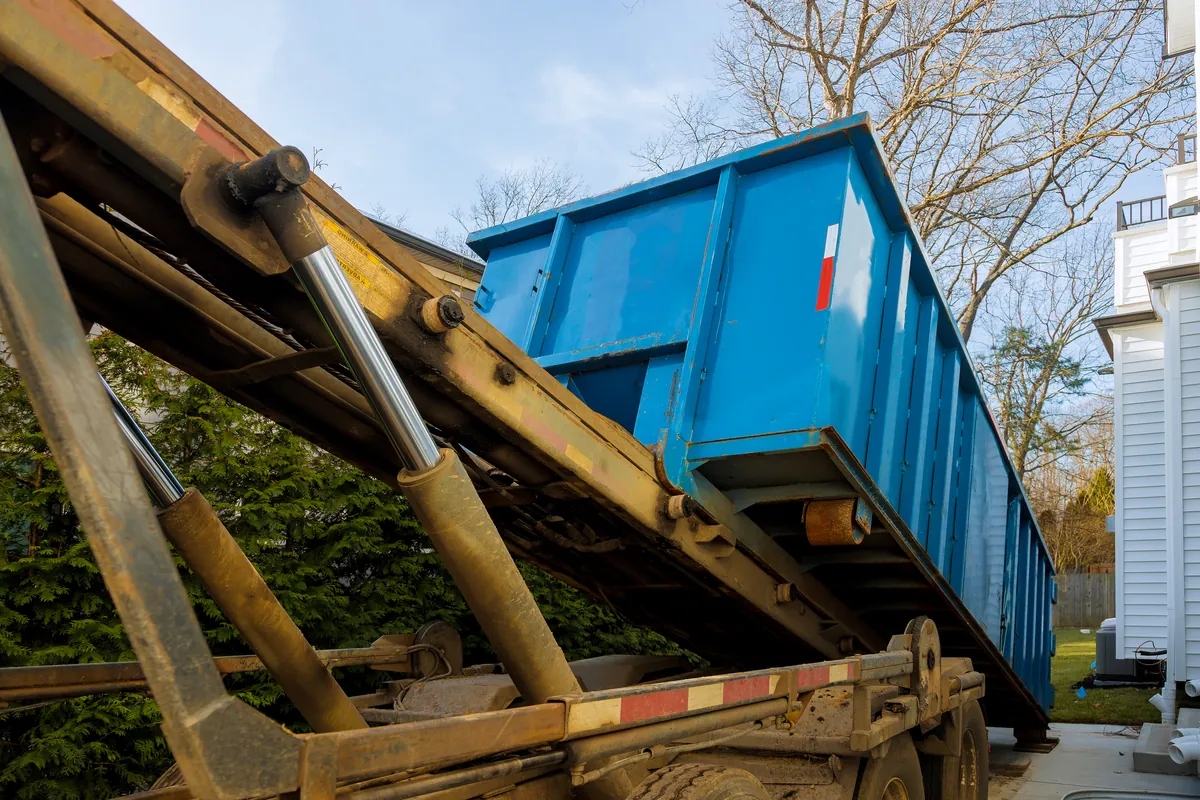
Delivery & Access
Delivery and Jobsite Access
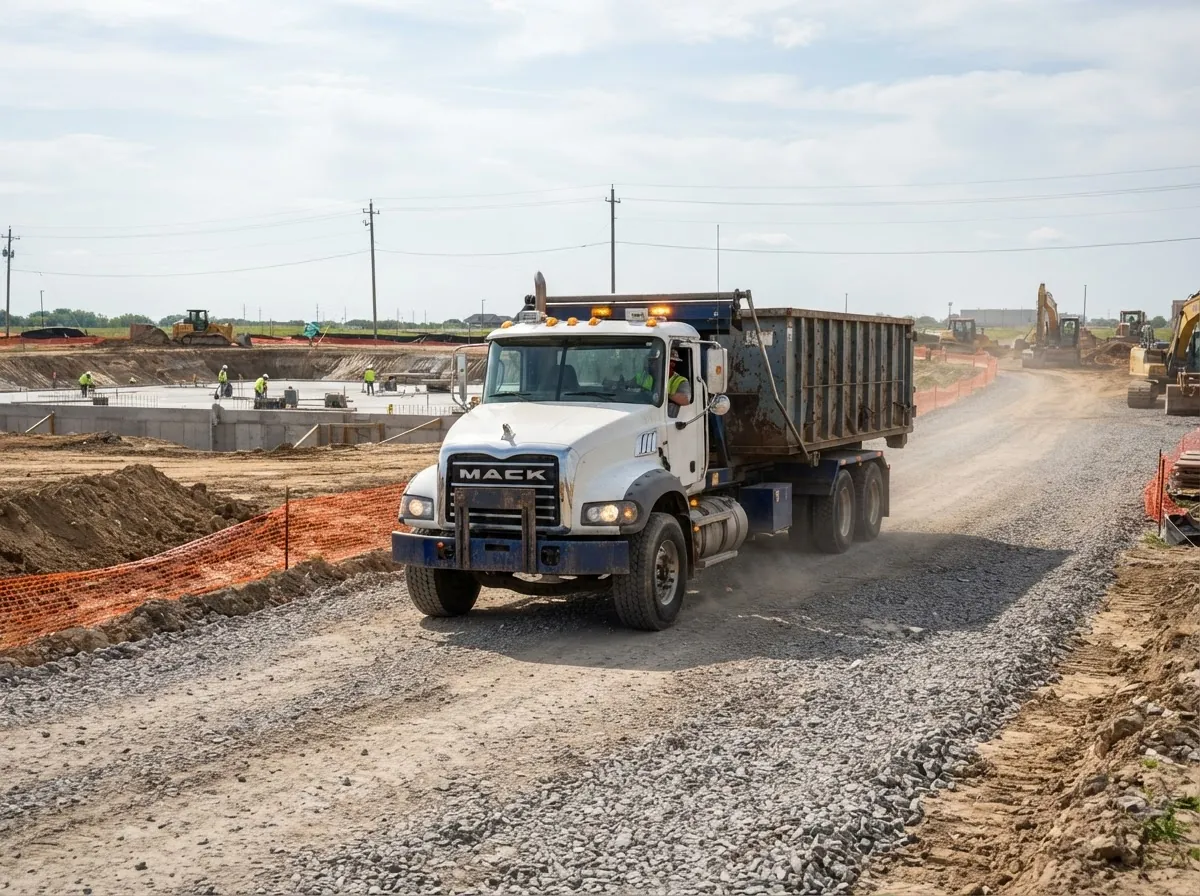
Surface and ground conditions
Concrete and compacted gravel handle a loaded container well. A graded site after a wet stretch can bog down a loaded truck, so look at the ground before each pull, not just before delivery. We'll confirm placement and access with you before delivery.
Approach and clearance
The truck needs roughly sixty feet of straight-line approach and clear overhead. On a jobsite, the usual obstructions are stacked material, a concrete pump, crew trucks, scaffold, power lines and a gate nobody has the key to.
A position that survives the schedule
Set the container where it can stay through the phases: clear of crane swings, delivery paths and the areas the next trades will need.
Which way the doors face
Doors open toward where the debris comes from, not toward a wall or a fence line. It sounds obvious. When it gets missed, it costs the crew time on every load.
Site hours and occupied buildings
Fit-outs and renovations in occupied buildings often come with restricted delivery windows. Tell us the hours the site allows, and deliveries, compaction visits and pulls are scheduled inside them.
Street and right-of-way placement
A container on the street or right-of-way needs approval from the local jurisdiction, and the rules vary by city. Confirm it with the city before the delivery date.
The Difference
Mid-Project Compaction: Fewer Swaps From the Same Container
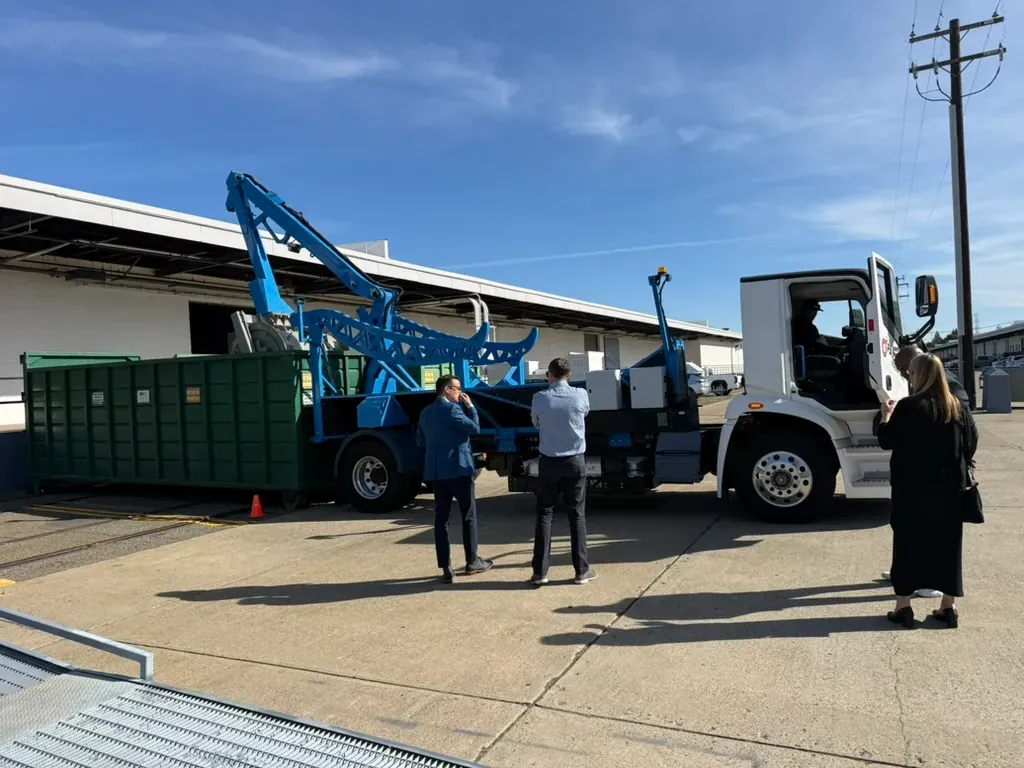
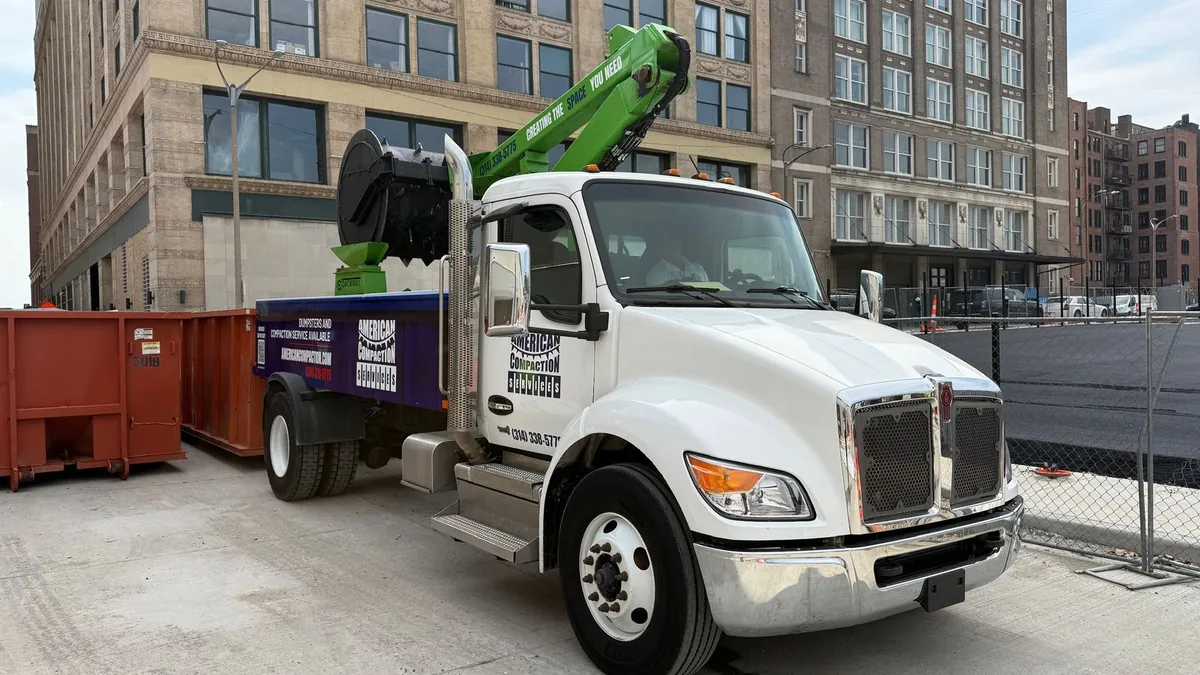
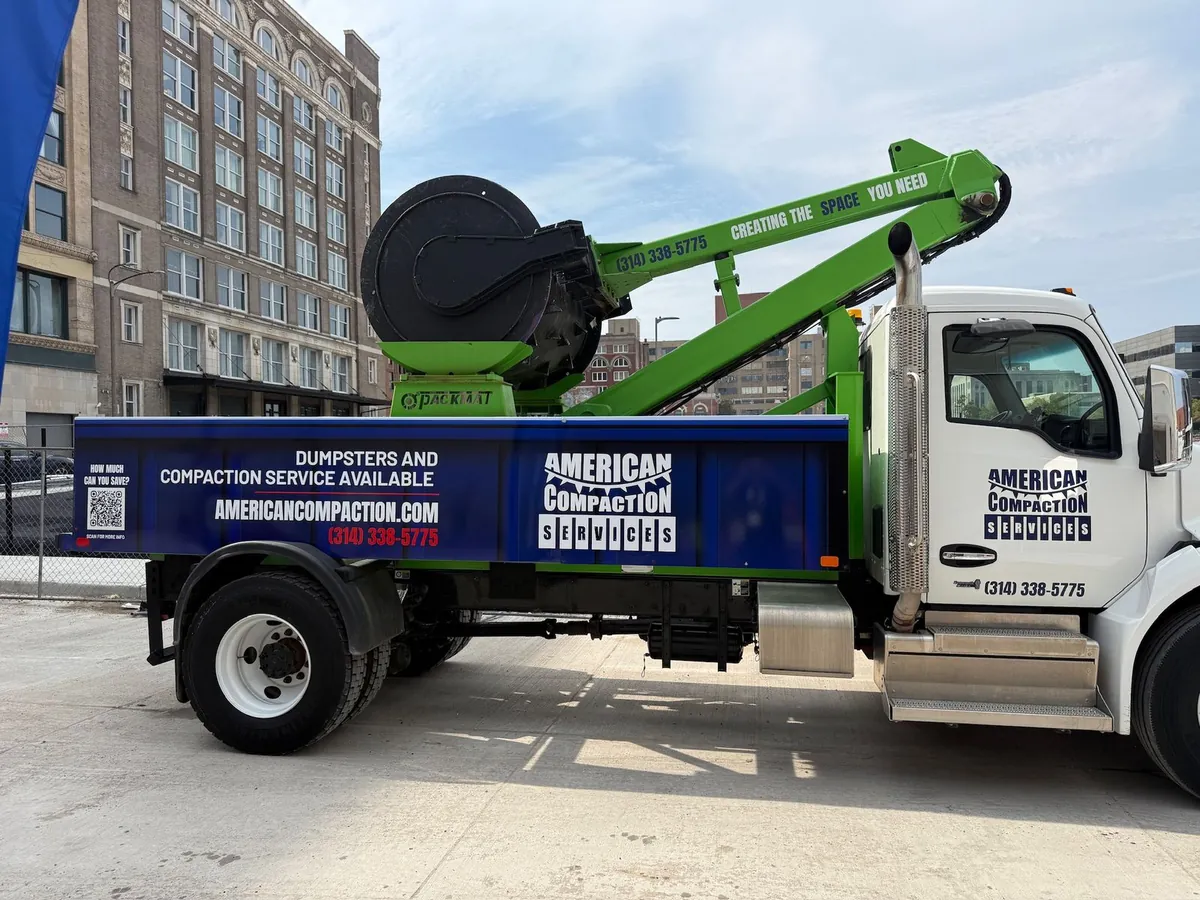
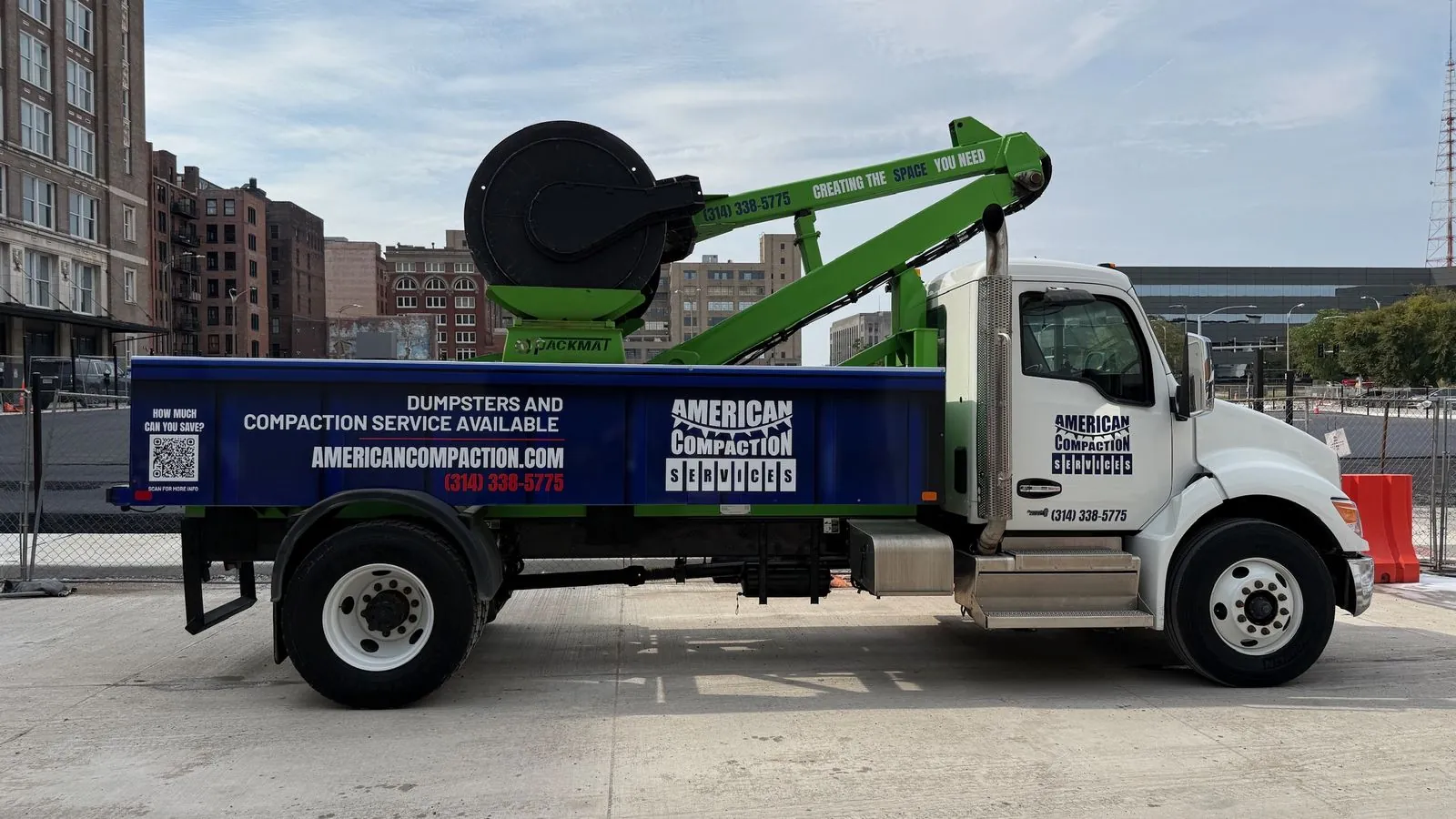
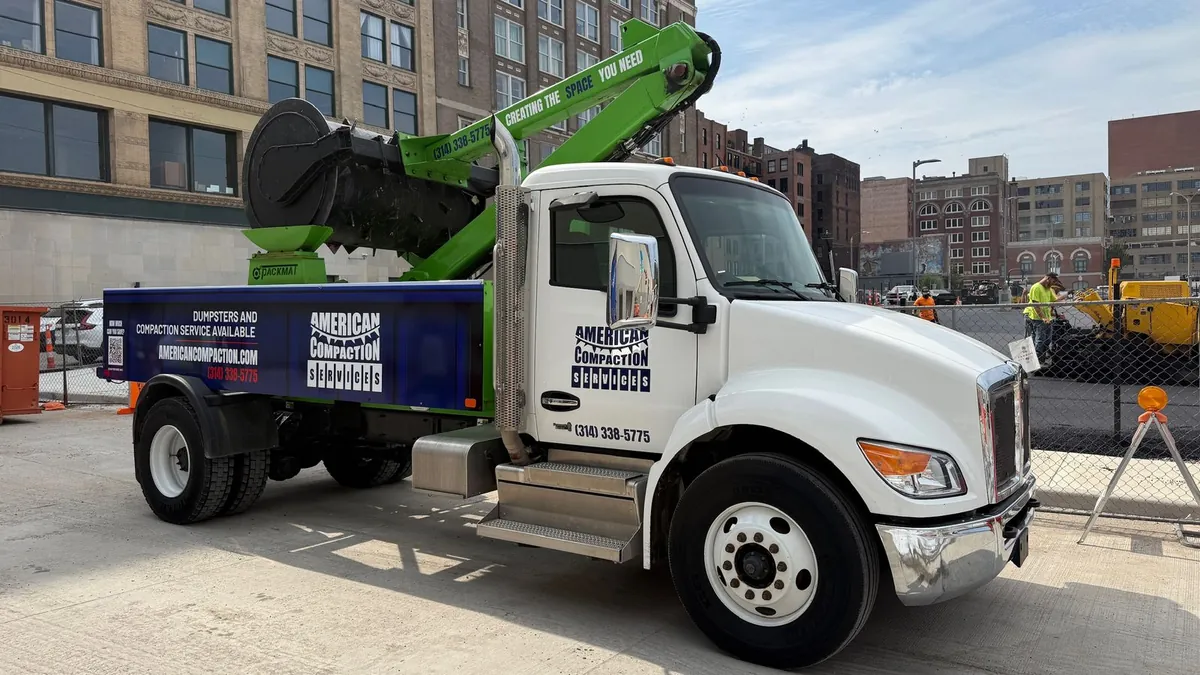
This is what American Compaction Services adds to a jobsite container. A mobile compaction unit comes to the site and works the load down where it sits. The container never moves, and the crew goes back to loading it.
Compaction can reduce volume by up to 70%, depending entirely on the material. It is never a guarantee.
| Material | Compaction |
|---|---|
| Cardboard and packaging | Compacts well |
| Plastics | Compacts well |
| Pallets and wood | Compacts well |
| Furniture and bulky commercial waste | Compacts well |
| Light construction debris | Compacts well |
| Concrete, masonry and roofing shingles | Never compacted |
| Red iron, liquids and hazardous waste | Never compacted |
Read that table honestly. Light construction debris compacts well; concrete and masonry are never compacted. The fit-out, finish and close-out stretches, heavy with cartons, crates, wrap and insulation, compact well. Compaction helps reduce waste volume by up to 70% depending on the material. Compaction visits are set by your fill rate.
A loose container that looks full is mostly air. Compaction can reduce volume by up to 70%, depending on the material.
Fewer haul trips to service your project or facility — you pay for fewer pulls.
Compaction belongs on the bulky phases. Start it when the stream turns bulky, keep the heavy fraction out of the container being worked, and stop when the stream turns dense again. A container leaving full of broken slab is already heavy, and we will say so rather than schedule a visit that does nothing.
Two ways to start. Already have a dumpster? Keep it and keep your hauler; we compact what's in it. Need dumpster service? We supply the container and compact it on site. The on-site waste compaction page walks through a visit step by step.
Free on-site demo: we compact one of your own containers while you watch. The demo carries no obligation and is photographed before and after. If it isn't a fit, we tell you on the spot.
From packaging and lumber offcuts to fixtures, plastics, cardboard, and general job site debris, mobile compaction helps reduce overflow and avoid unnecessary dumpster swaps.
Why Choose Mobile Compaction?

Reduce roll-off haul frequency

Keep job sites cleaner and more organized

Minimize downtime waiting for dumpster swaps

Improve space on tight job sites

Support peak waste periods during demolition, buildout, or cleanup

Reduce truck traffic around active work zones
The Process
How Construction Dumpster Rental Works, Start to Finish
- 1
1. You describe the job.
Type of work, duration, phases, the material coming off the site and what the site looks like. That is enough to size the first container and set a starting schedule.
- 2
2. Free on-site demo.
On a container you already have, at this site or another of your jobs, you watch the compaction happen and see how much room comes back before you commit to anything.
- 3
3. Delivery and placement.
The container is set with the doors facing the way the crew loads, on a surface that will hold a loaded container and the truck that pulls it.
- 4
4. The crew fills it.
Normal work. Nobody has to change how they load, though breaking down crates and cartons still helps.
- 5
5. Compaction visits.
The mobile unit works the container where it sits, on visits set by your fill rate, and the crew keeps loading.
- 6
6. Swap or pull.
When the container is genuinely full, it is pulled and brought back empty, or swapped for an empty one in the same visit so the site keeps a container.
Container safety is built into the compaction step. A heavy steel drum, narrower than the container, works the load down and never touches the walls. The drum works on its own weight, with no hydraulic down-force. Safeguard wheels and end guards keep the unit off the container's structure. Our operators run a zero-touch policy. Every visit includes a before-and-after inspection with photo documentation. If the container on your jobsite belongs to your hauler, it goes back to work the way it came.
Why American Compaction Services
Why Contractors Work With American Compaction Services
Built around compaction.
On suitable jobsite debris, a compaction visit makes room before the next swap. How much depends on the phase and the material.
Keep your hauler.
If your hauler already has a container on the job, the container stays and so does the hauler. We compact what is in it.
The schedule follows the job.
Deliveries, compaction visits and pulls are set to your site hours and your phases, not to a route sheet.
Straight answers about fit.
Dense debris gains little, and a container that leaves once per phase has few trips to save. If it won't move your number, we'll tell you on the spot.
One account across your sites.
Every jobsite you run can sit on one account, each with its own size and schedule.
Documented handling.
Every visit includes a before-and-after inspection with photo documentation, on your container or ours.
No contract to sign: no exclusivity, no minimum, no term. The pricing guide explains what drives a construction waste bill, and the savings calculator runs the trip arithmetic on your own numbers. These results are estimates from the numbers you enter. They are not a quote, a promise or a guarantee.
Where We Operate
Available in These Markets
American Compaction Services runs construction dumpster rental market by market. Where a market lists construction dumpster rental among its services, its card opens that market's construction page, with the local details on placement and scheduling.
Construction Dumpster Rental: Frequently Asked Questions
Related Services and Guides
Roll-Off Dumpster Rental
the container service itself: placement, filling, pulls and swaps.
On-Site Waste Compaction
how the unit works a container in place, and which streams benefit most.
Demolition Dumpster Rental
heavy debris, weight limits and where compaction stops helping.
Contractor Dumpster Rental
one account across every jobsite.
Property Management Dumpster Rental
renovations and capital projects on managed properties.
Cutting Waste Costs on Construction Projects
phase-by-phase waste and swap-trip math.
Start Your Construction Dumpster Rental
Tell us the project, the phases and where the container would sit. American Compaction Services will size it to the phase, set the schedule around the job and give you an honest read on whether compaction changes your numbers. The on-site demo is free.
Safer than pushing a load down with a loader or excavator
We compact the load right in your roll-off, on site. The box stays where it is. The room comes back.
Up to 70% less volume, depending on the material.
With roll-off, every haul is a call. With American Compaction Services, nobody has to call.
We set you up on a schedule and we compact on site. Dumpsters and compaction. All handled.
You already pay for dumpster space. Compaction lets you use more of it.
Getting started takes four details
- A photo of your dumpster and the space around it
- Your location
- What goes in the box
- The container size, if you know it
They help us plan for site access and match compaction service to your site.
We will prove it. Call or text (877) 651-7660.