
High Volume · Low Density
40 Yard Dumpster Rental
We automate your roll-off. You'll never run out of room. Fair price. Great service.
A 40 yard dumpster rental is the volume container: the roll-off built for bulky, light material that fills space long before it gets near a weight limit. American Compaction Services supplies 40-yard open-top roll-offs to business accounts for cardboard and packaging at volume, pallets and wood, fixtures and bulky cleanouts. ACS provides waste management through dumpster rental and on-site compaction.
It is never the box for dense material, and if your stream runs heavy, we will say so before anything is placed.
40 Yard Dumpster Dimensions and Footprint
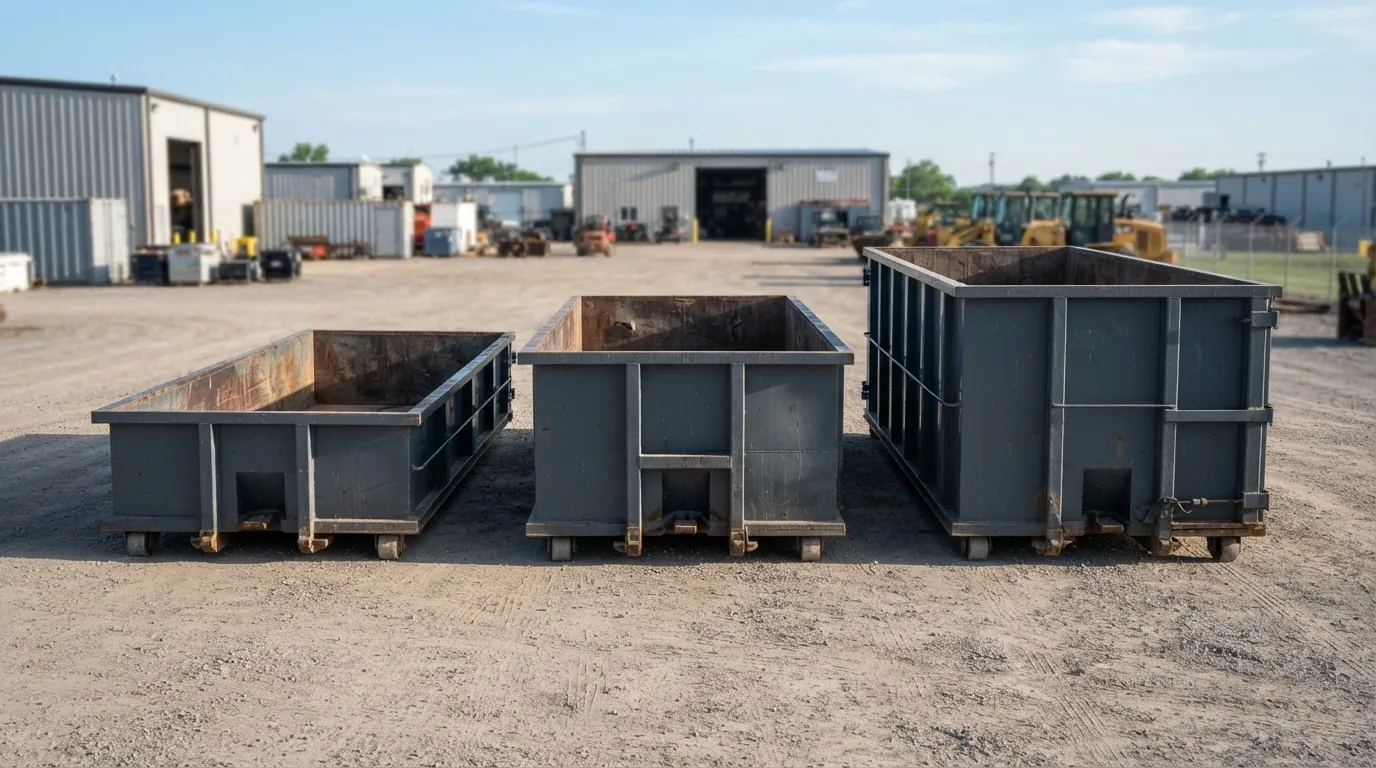
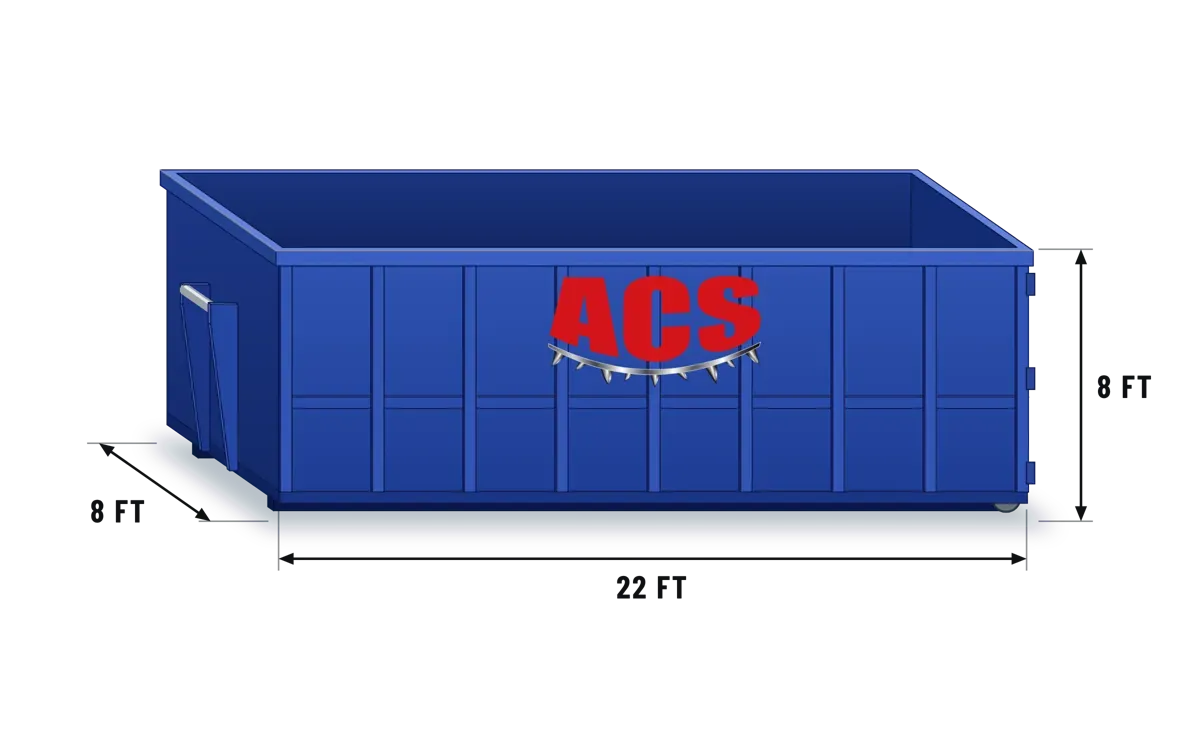
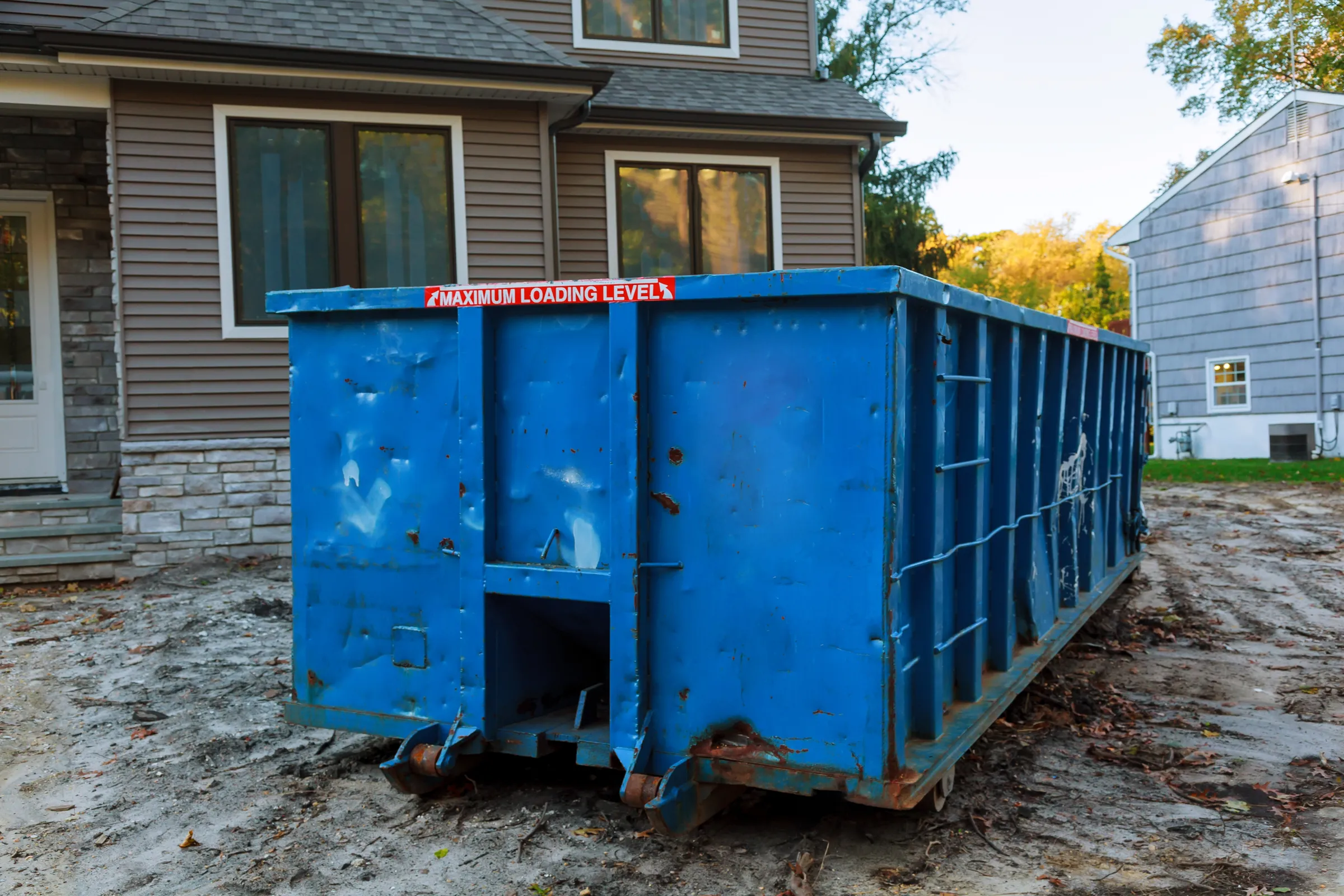
A 40-yard roll-off runs about 22' × 8' × 8'. Approximate; dimensions vary by container. That is about the same length and width as a 20 or a 30; the difference is wall height.
Those eight-foot walls are where the volume comes from, and they change how the container gets loaded. A 40-yard needs more vertical clearance and a crew that can load high: from a dock, through the door at the back end, or over the rail with equipment.
Container dimensions vary, and lower yardage does not guarantee a smaller ground footprint, so confirm the actual length, width, height and delivery clearance for your site before the first placement.
What a 40 Yard Dumpster Rental Is Built For
The 40 earns its place wherever the material is light for its size and arrives in bulk.
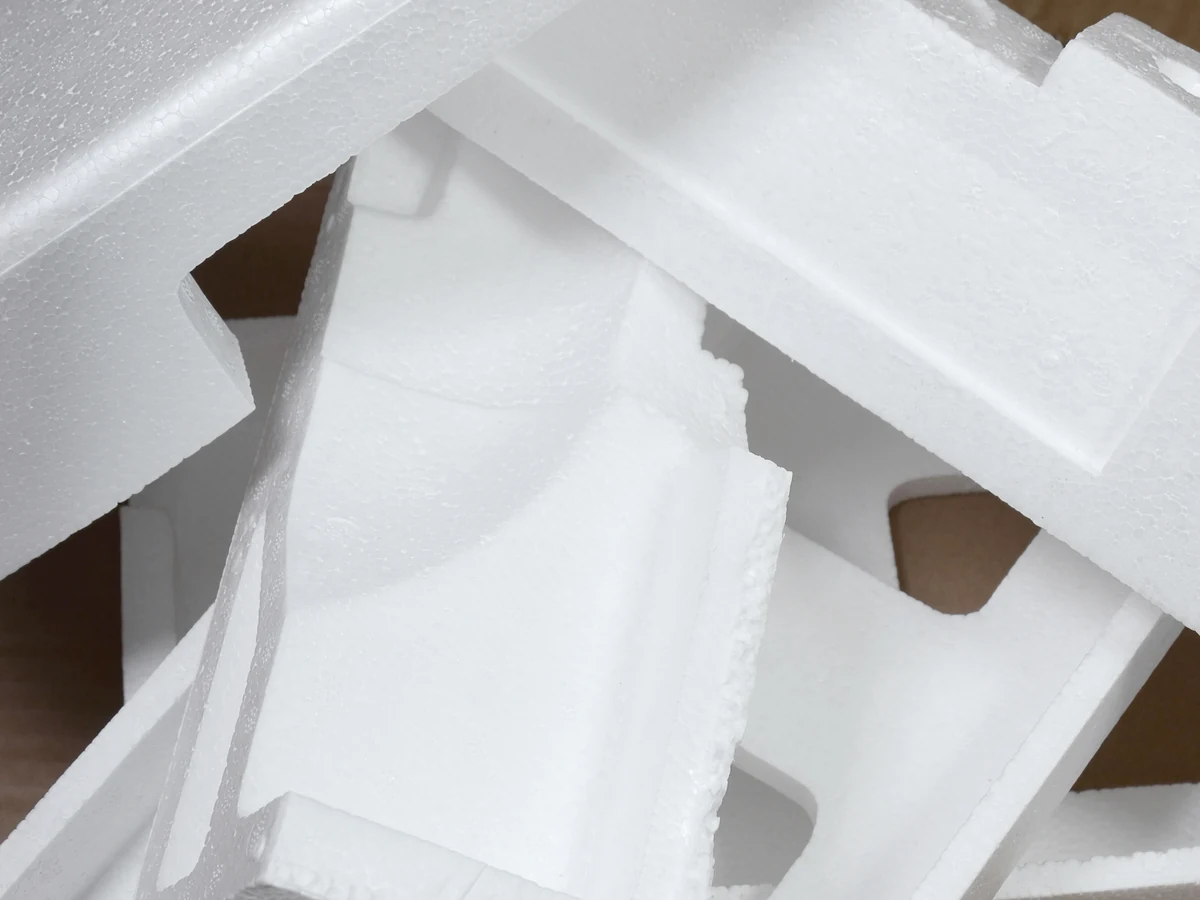
Cardboard, corrugate and packaging
Cardboard and corrugated at volume, packaging, stretch film and void fill. This is the stream that fills a smaller container with air fast, and it is what the 40's wall height is for. A receiving dock breaking down inbound freight all shift produces exactly this.
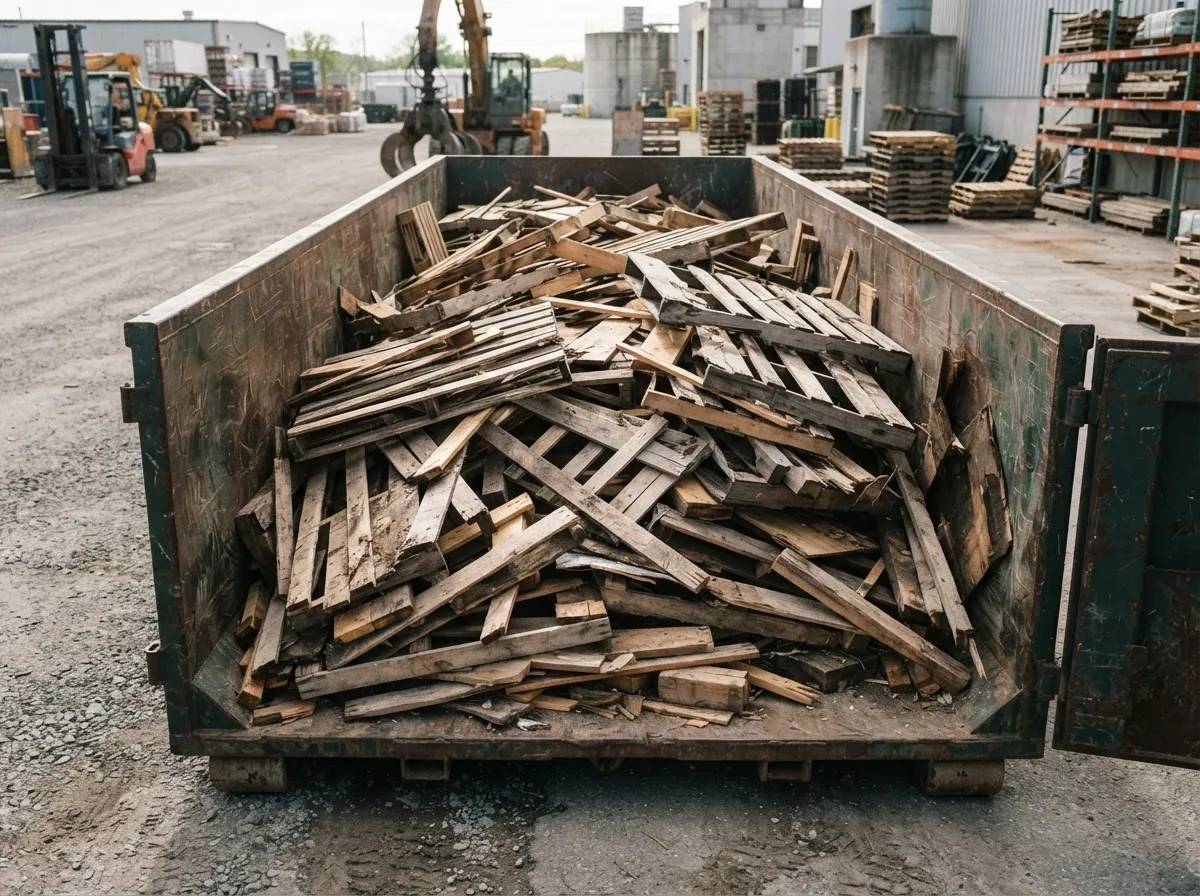
Pallets, wood and dunnage
Broken pallets, crating, dunnage and wood waste. Pallets land at angles and trap space, so they take a lot of container for very little weight.
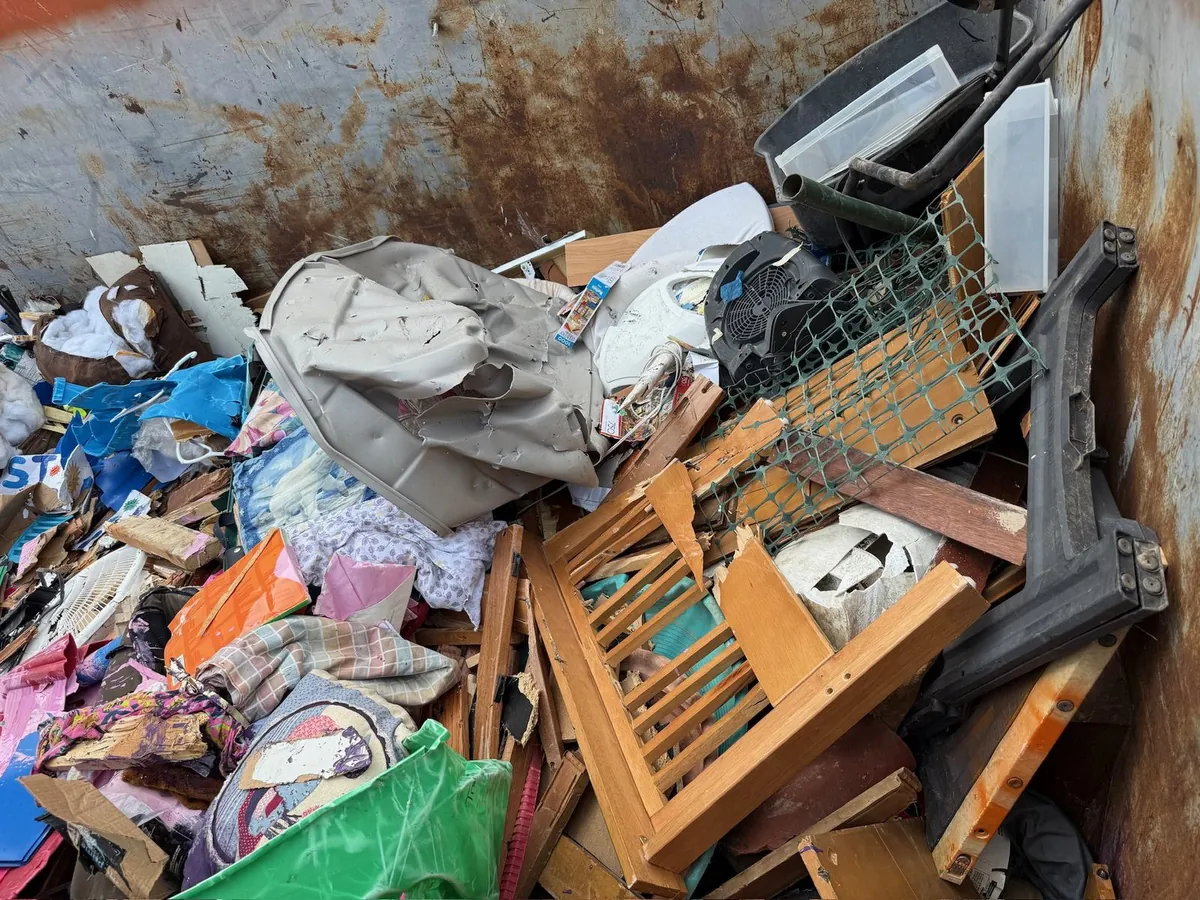
Fixtures, store sets and bulky cleanouts
Furniture, fixtures and store-set debris, plus large commercial cleanouts and strip-outs where the debris is bulky rather than dense. A retail reset or a plant reconfiguration can fill a 40 without ever getting heavy.
Where the 40 is the wrong call: dense material, which reaches the weight limit with the walls still showing. Heavy debris belongs in a 20-yard, and a mixed stream with a real share of heavy material usually belongs in a 30-yard. The dumpster sizes guide compares all three side by side.
Loading a 40-Yard and Staying Under the Weight Limit
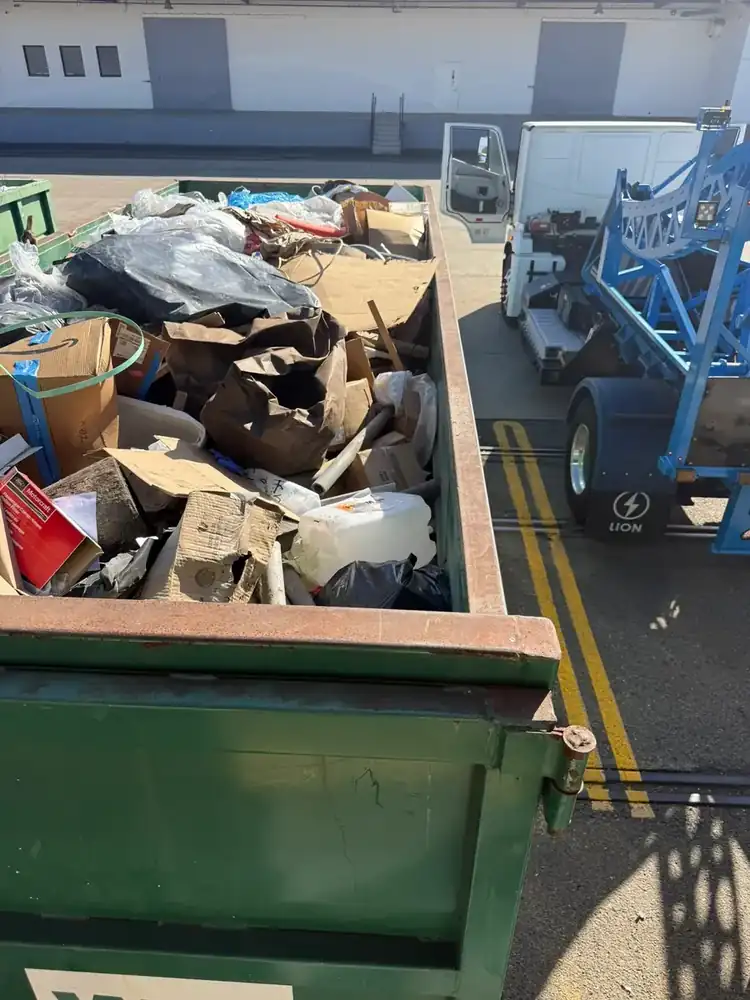
With the right material in it, a 40-yard's problem is air, not weight: whole cartons, film that springs back and pallets dropped at angles fill eight-foot walls fast, and the container leaves heaped and light.
The weight limit belongs to the truck and the road, not the box, so it is the same whatever the container size. A loose container that looks full is mostly air. Compaction can reduce volume by up to 70%, depending on the material. That is space you paid to haul.
Weight limits still apply.
A few habits keep a 40 working:
Break down boxes and flatten packaging before they go in.
Keep dense debris out; a few loads of masonry or tile can end a 40 on weight.
Keep the load level with or below the top rail.
Keep prohibited material out; the accepted materials page has the list.
Access for a 40-Yard
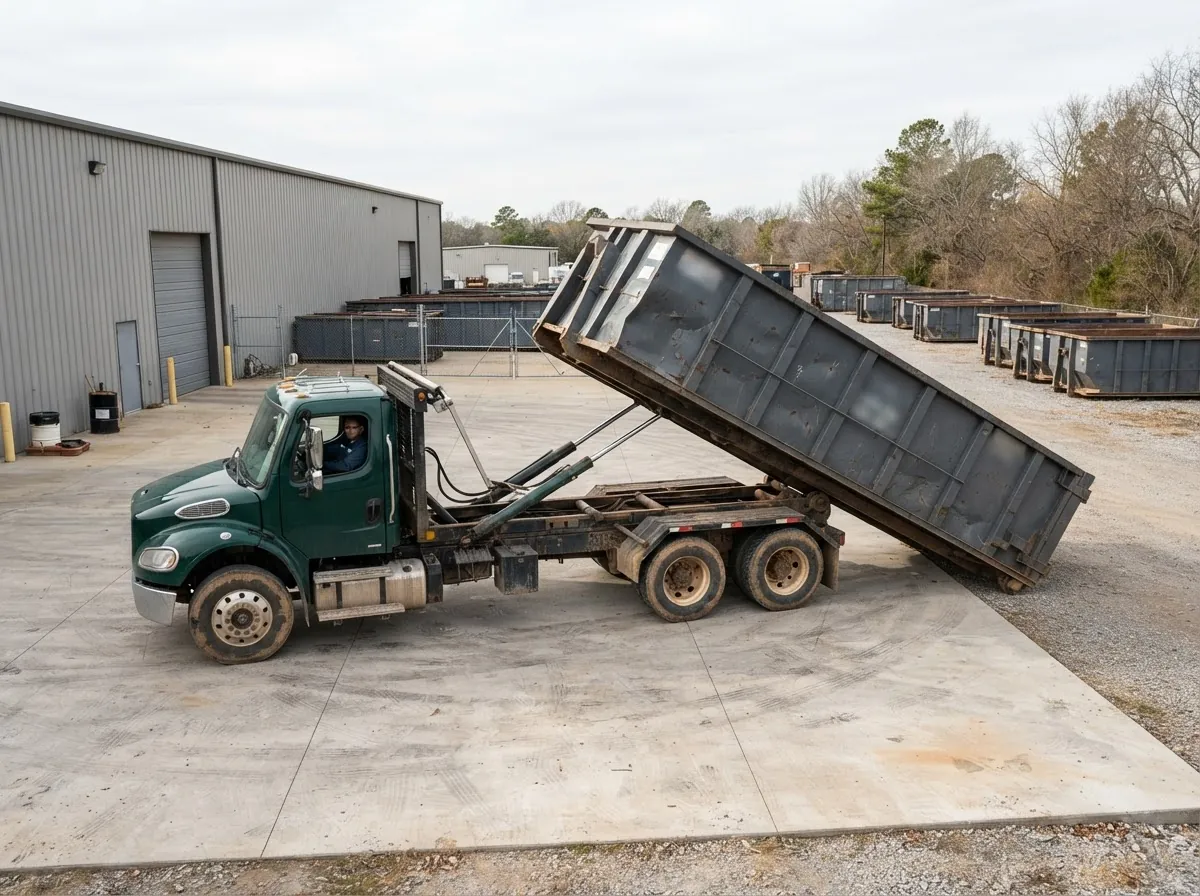
The truck needs roughly sixty feet of straight-line approach and clear overhead. On a 40, the vertical envelope is what matters. The hoist needs real headroom above the container to lift and set eight-foot walls, so watch for canopies, dock canopies, roof overhangs and utility lines along the whole approach, not just at the spot where the container will sit.
Before the first placement, American Compaction Services checks the approach lane, the overhead along the truck's path and the door-swing room behind the container. Obstacles are easier to solve before delivery than during it.
What Compaction Changes on a 40-Yard
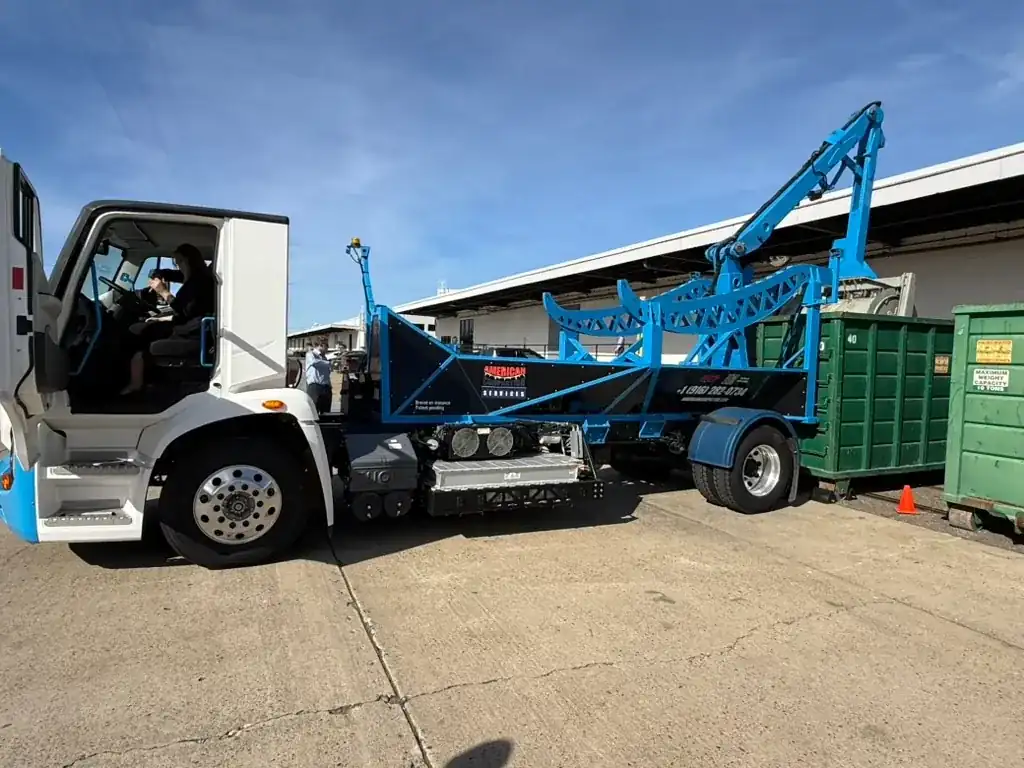
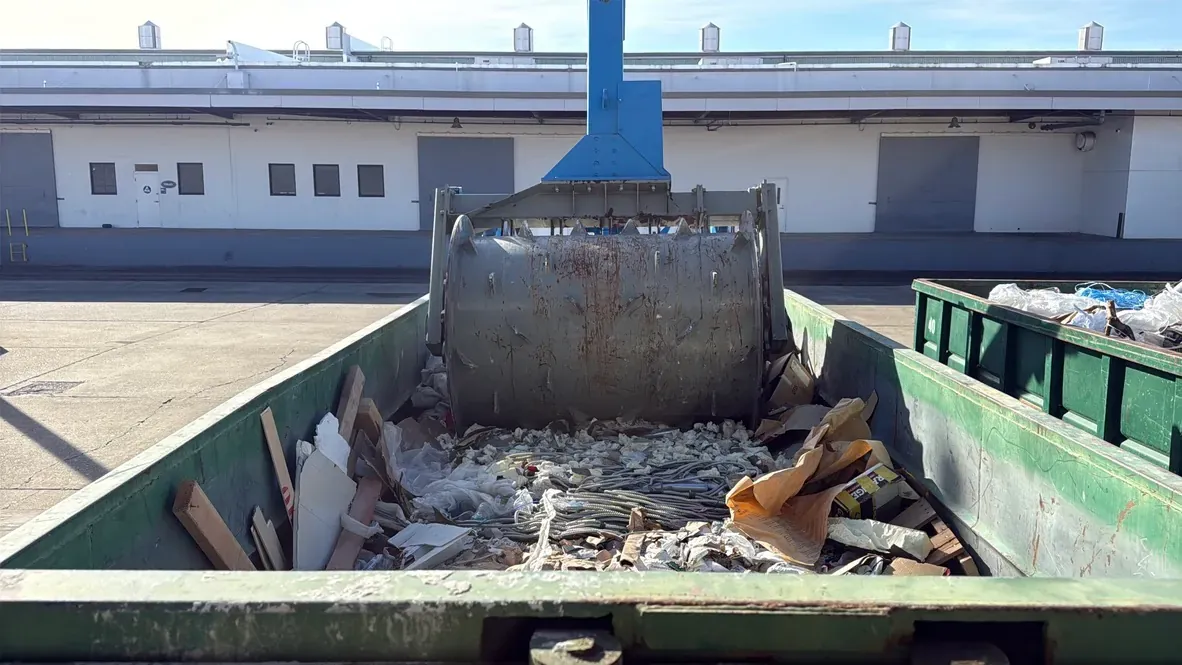
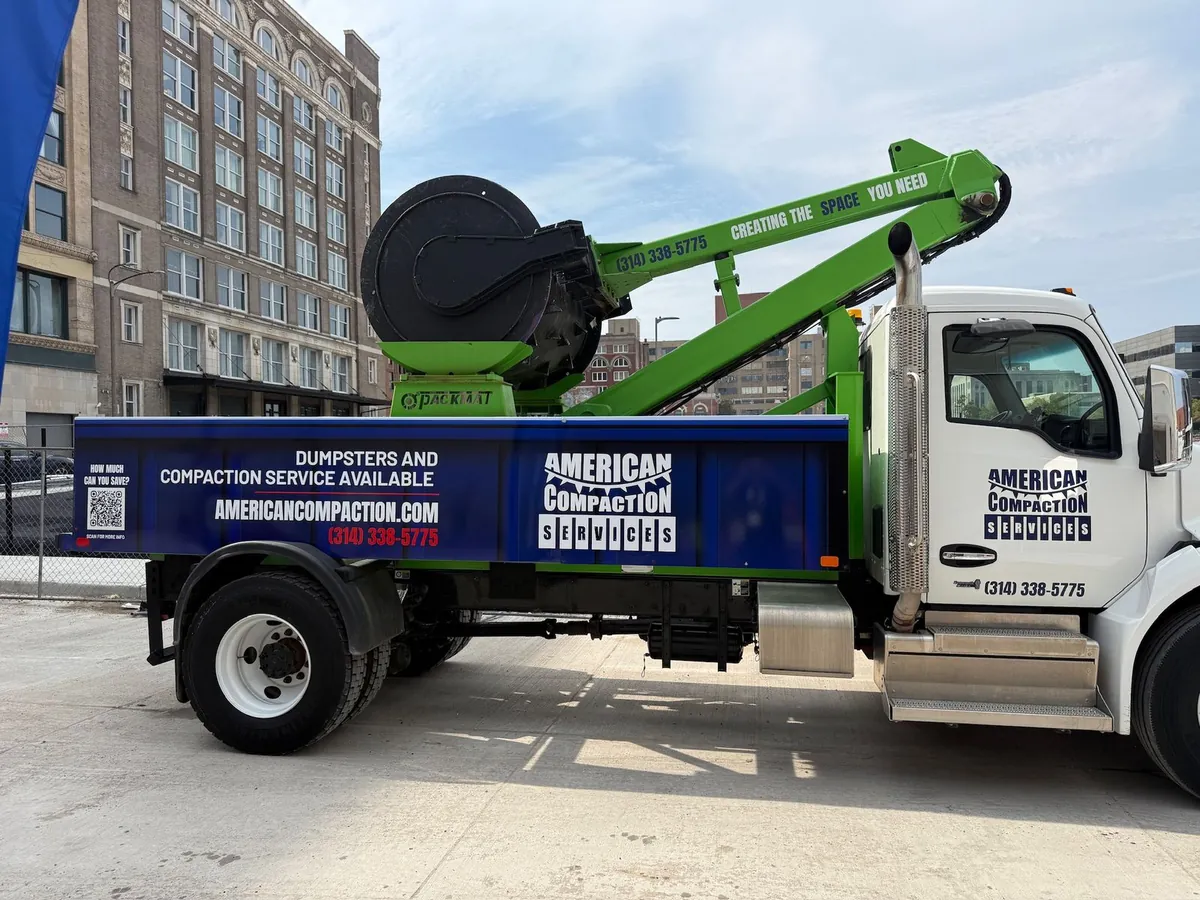
A 40 of loose, bulky material is where on-site compaction usually has the most to work with, because it carries the most air. American Compaction Services works on open-top roll-off containers in 20-, 30- and 40-yard sizes, including hook-lift containers. It is not for trailer-style roll-off dumpsters.
Compaction helps reduce waste volume by up to 70% depending on the material. Compaction visits are set by your fill rate.
The weight limit still ends every load. Compaction reduces haul-offs; it never eliminates them. A compaction visit is itself a visit. If your 40 already leaves heavy, or it gets pulled once a month, there is little left to take out, and if it won't move your number, American Compaction Services will tell you on the spot.
Free on-site demo: we compact one of your own containers while you watch. The demo carries no obligation and is photographed before and after. If it isn't a fit, we tell you on the spot.
What Moves the Cost of a 40-Yard
Compaction is priced per visit, set per market and per account. We don't publish prices; the pricing guide explains what drives the bill.
For a 40-yard, the number moves with how often the container gets pulled, the weight and type of material going in, where your site is, and whether compaction visits take the place of any pulls. No contract to sign: no exclusivity, no minimum, no term.
How often the container gets pulled
Pull frequency is the line that moves the bill most.
The weight and type of material going in
Light, bulky material fills a 40 by volume, which is what the box is built for.
Where your site is
Market and access set the per-visit rate.
Whether compaction visits take the place of any pulls
A compaction visit instead of a haul-off changes the math.
Industries That Run a 40 Yard Dumpster Rental
Industrial and manufacturing
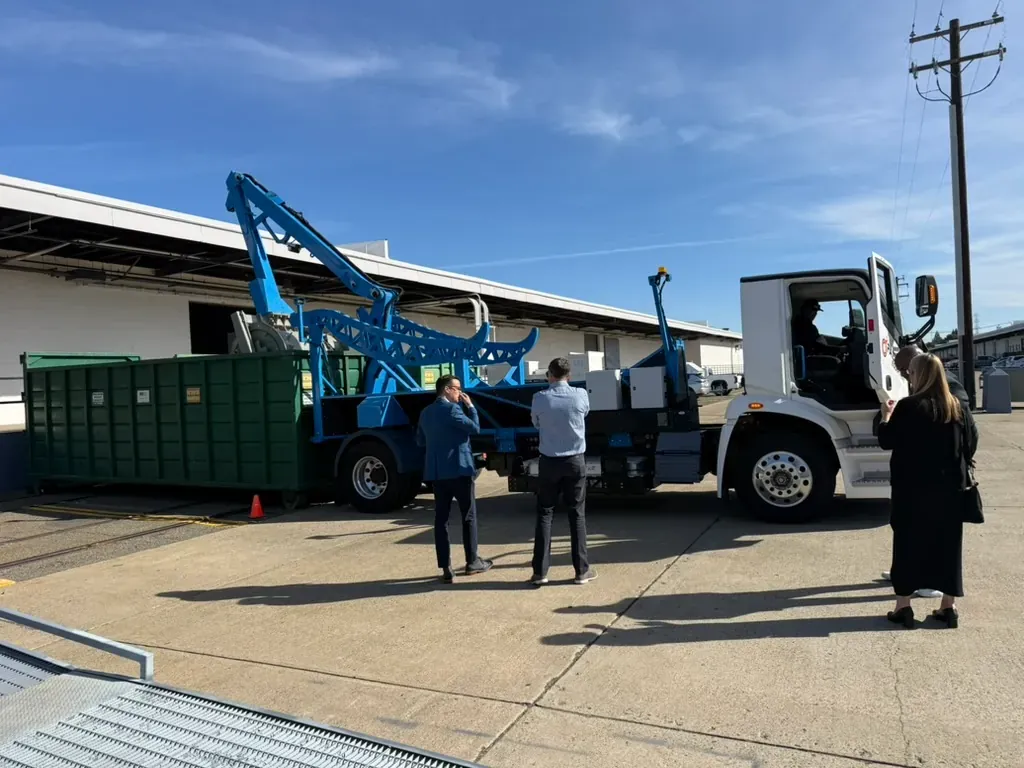
Plants produce inbound packaging and light production scrap on a steady rhythm, and a standing 40 gives that stream room between pulls. The industrial and manufacturing
Warehouse and distribution
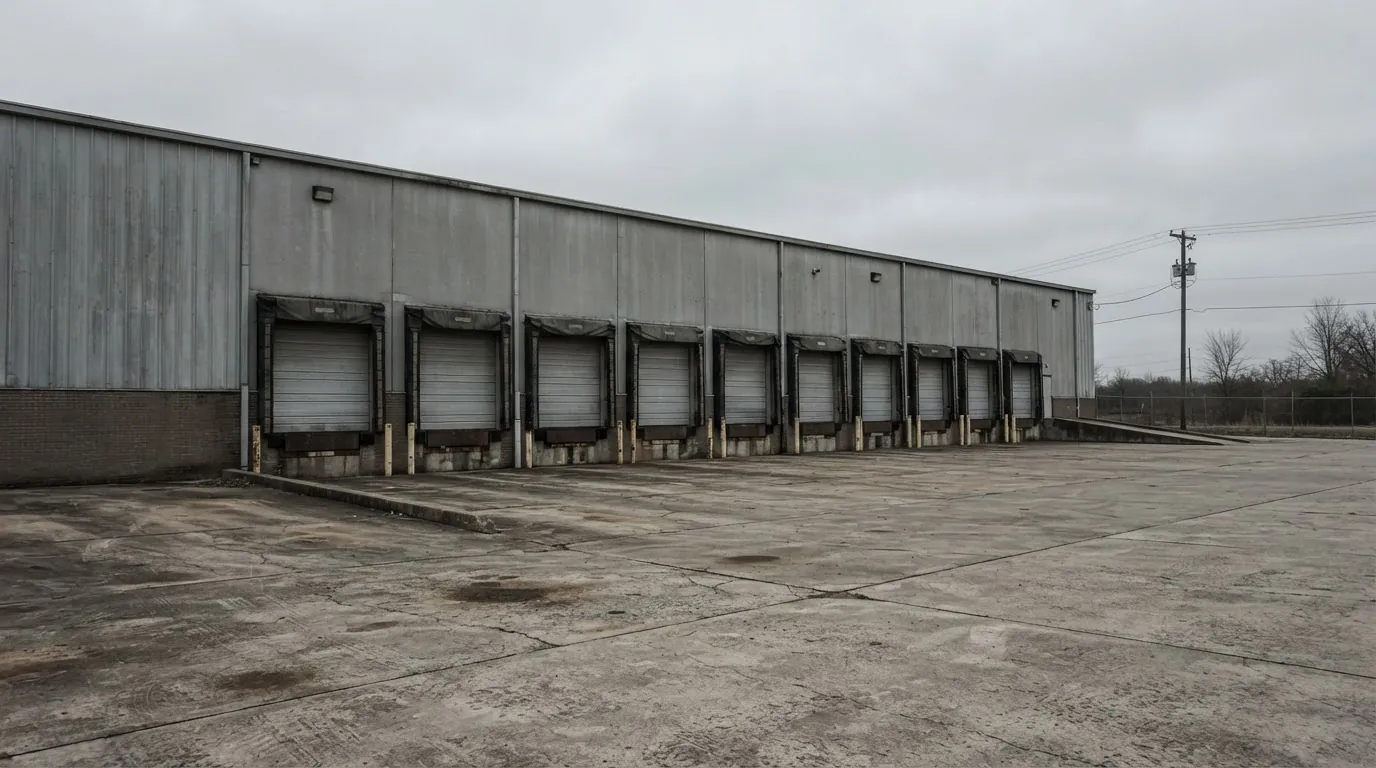
Corrugate, stretch film, pallets and dunnage fill space long before they add weight, which is the job a 40 is built for. See warehouse and distribution
Retail and restaurants
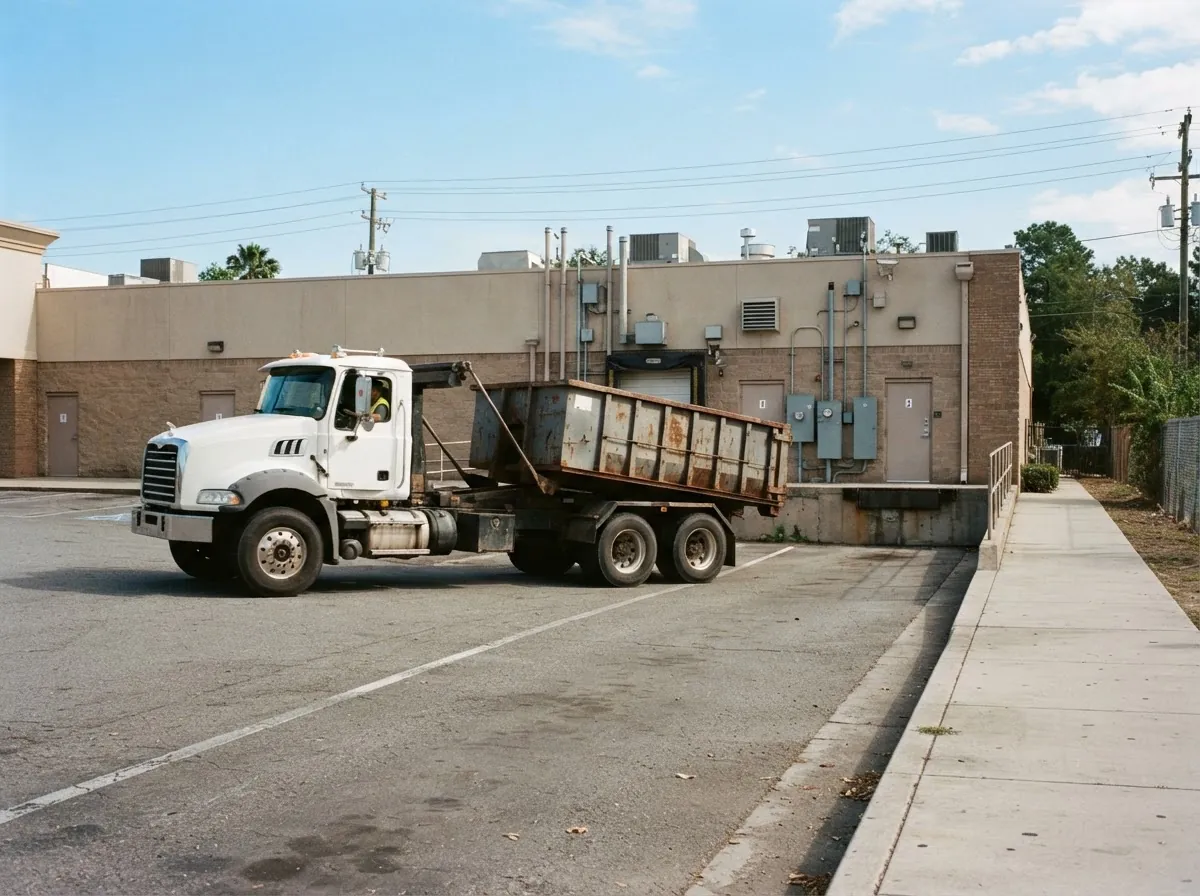
Heavy cardboard volume, a store reset full of fixtures or several tenants sharing one container can justify a 40 where the lot has room; a modest back-of-house stream belongs in a smaller box. See retail and restaurants
Available in These Markets
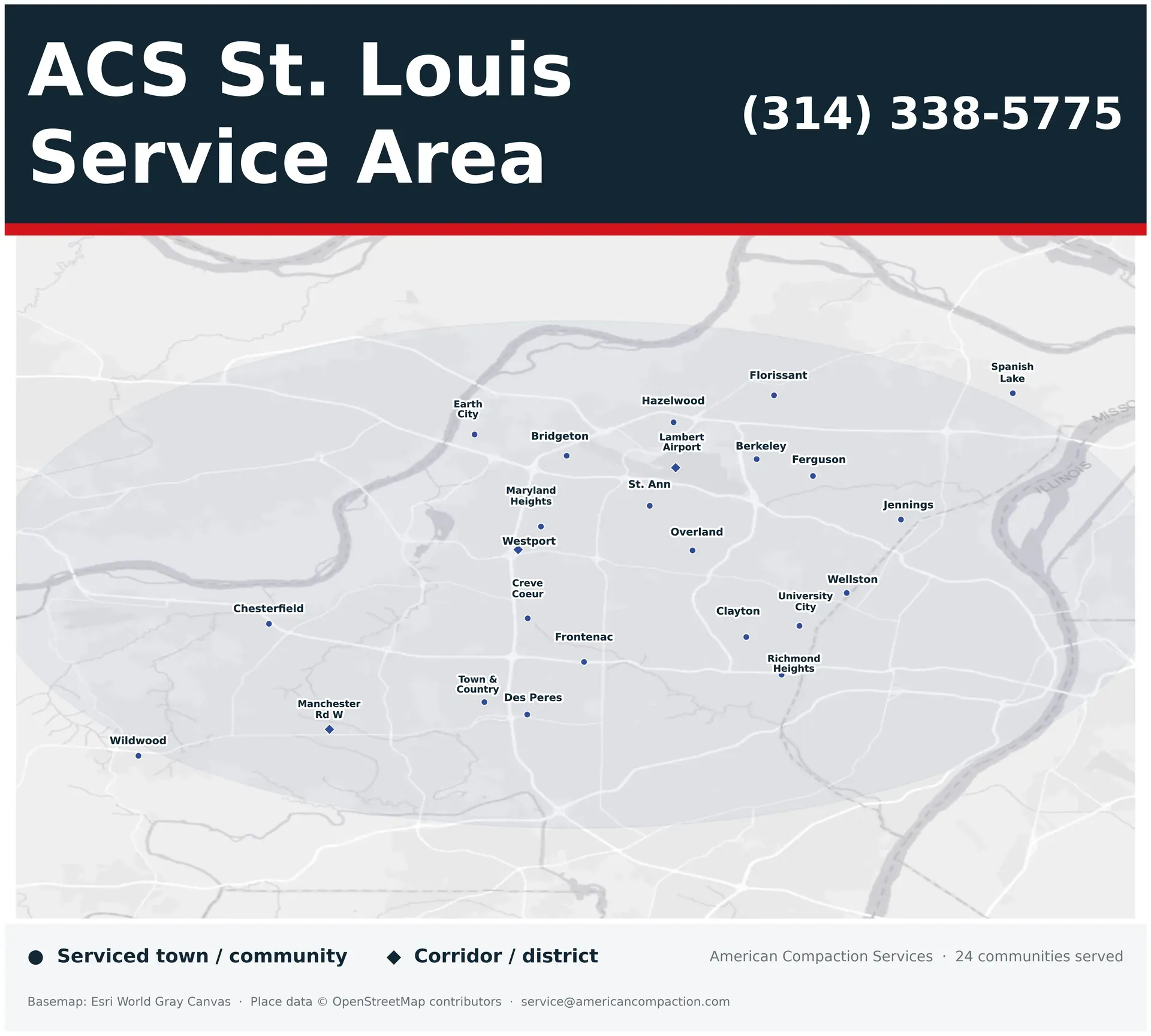
American Compaction Services supplies 40-yard containers in the markets listed below.
40 Yard Dumpster Rental: Frequently Asked Questions
Ready for a 40-Yard That Fits the Load?
Tell us what you are throwing away, how fast the container fills and what the approach and overhead look like. American Compaction Services will give you a straight recommendation, including a smaller size when that is the honest answer, and a free demo on your own container if compaction could move your numbers.
With roll-off, every haul is a call. With American Compaction Services, nobody has to call.
We set you up on a schedule and we compact on site. Dumpsters and compaction. All handled.
You already pay for dumpster space. Compaction lets you use more of it.
Getting started takes four details
- A photo of your dumpster and the space around it
- Your location
- What goes in the box
- The container size, if you know it
They help us plan for site access and match compaction service to your site.
We will prove it. Call or text (877) 651-7660.