

Retail & Restaurants
Retail & Restaurant Dumpster Rental
We automate your roll-off. You'll never run out of room. Fair price. Great service.
Retail dumpster rental and restaurant dumpster rental come down to one problem: the container fills with boxes long before it gets heavy. American Compaction Services supplies 20, 30 and 40 yard roll-off containers to stores, shopping centers and restaurants, and compacts them on site, so cardboard, packaging and kitchen waste leave in fewer, fuller loads. ACS provides waste management through dumpster rental and on-site compaction.
We work with store operators, grocers, restaurant groups and the owners and managers of the centers they trade in. This page covers the container behind a customer-facing business: where it can sit, who has a say in the spot, how service fits around opening hours, and where compaction helps and where it does not.
The Real Cost
Why Retail Dumpster Rental Costs More Than It Should
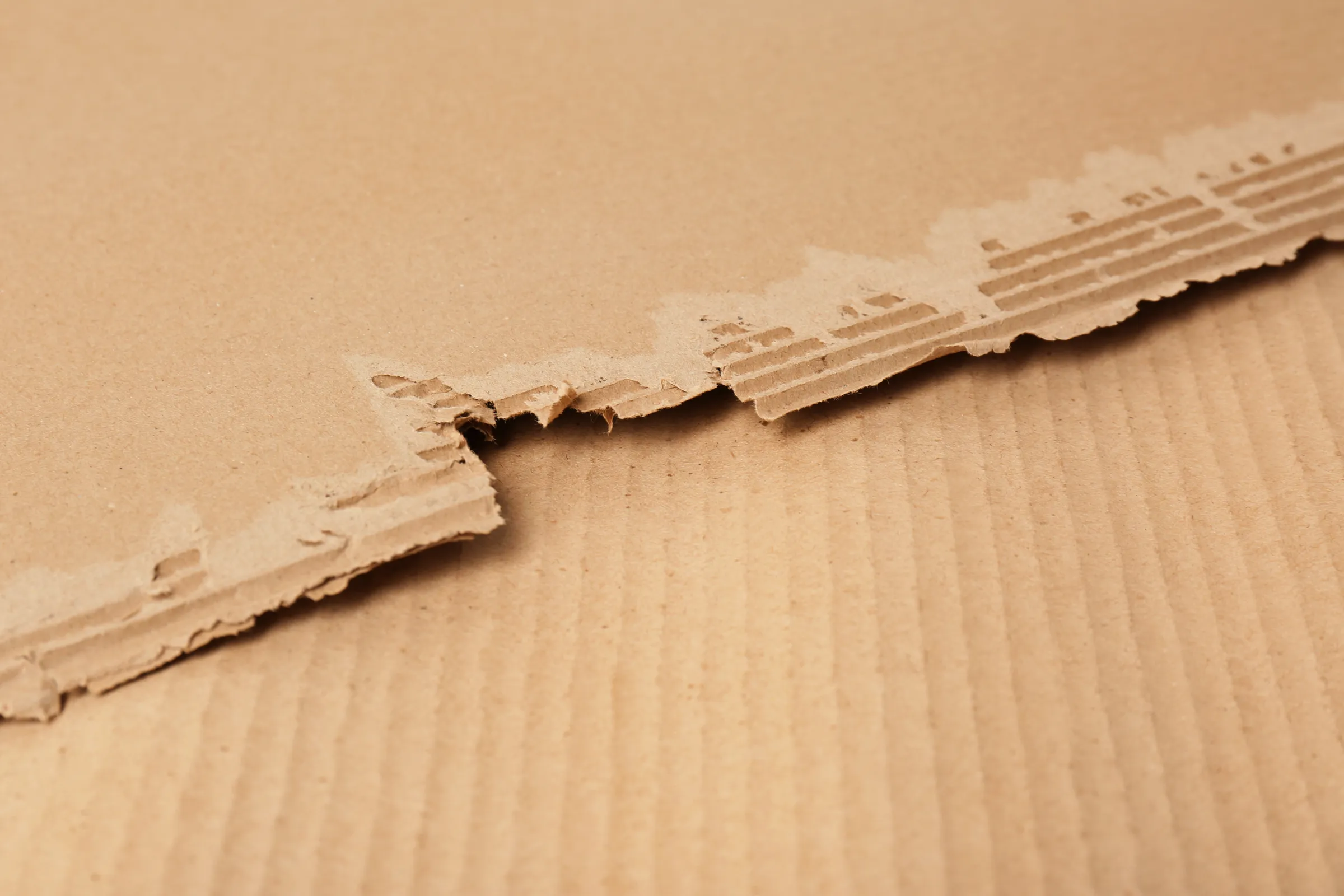
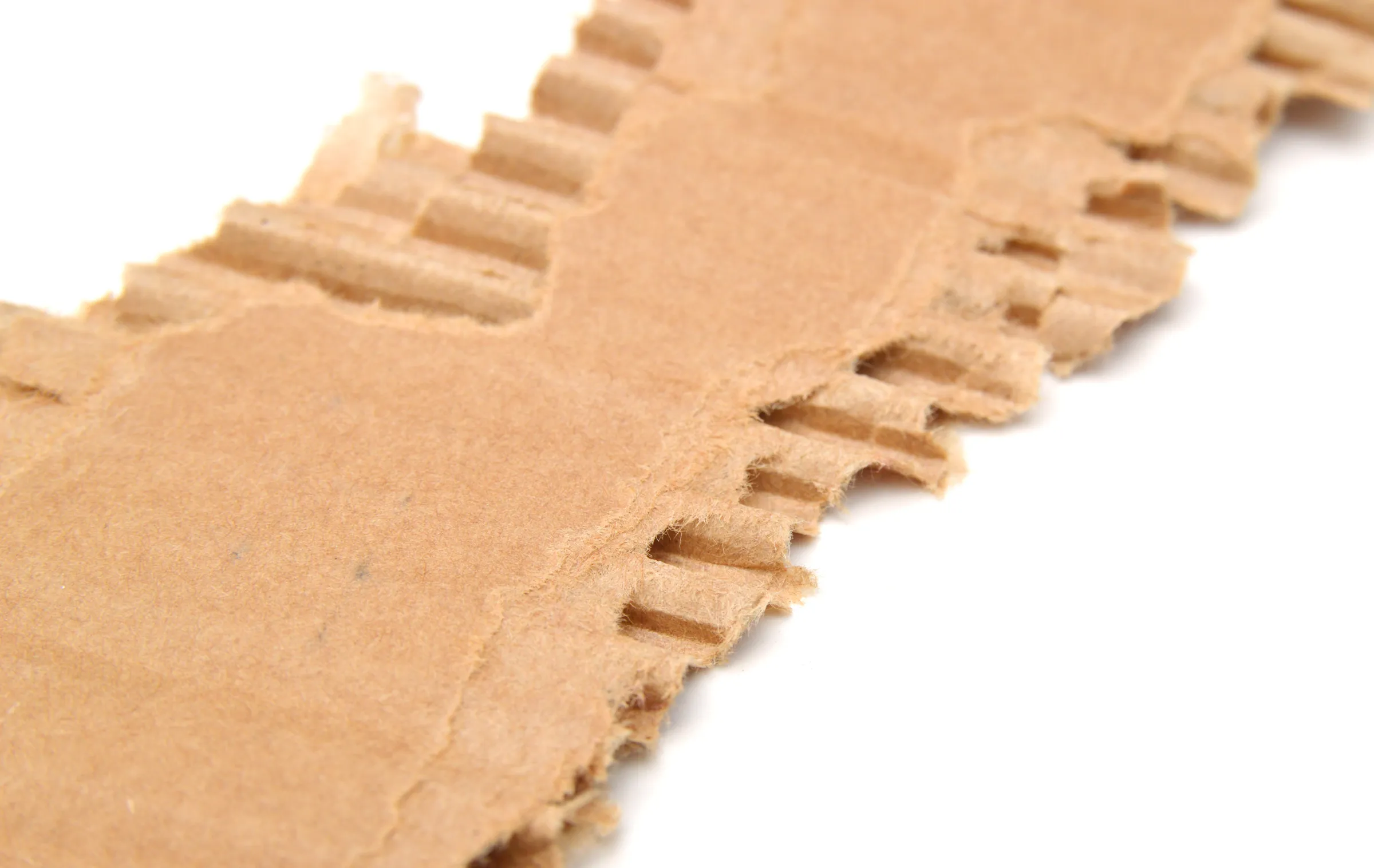
Storefront and kitchen waste is high-volume and light: corrugated boxes, case packaging, film, cups, produce crates. The container looks full long before it is anywhere near heavy. Most “full” dumpsters are full of air, and uncollapsed cartons and film that springs back are most of the reason.
The volume arrives every day, in the same shape, tied to the delivery calendar and the dinner rush. That predictability is good news for cost control. It also means a bad container arrangement costs you every week of the year, not once per job.
Every pull is a full truck trip: a driver, a roll-off truck, road time, a scale ticket and a disposal charge at the other end. The trip is the cost. A busy store can pay for as many pulls as a far heavier operation, because its container fills on volume, not weight, and a truck leaves carrying mostly space.
Then there is the spot. A store or restaurant usually has one place for its container, often shared, often in view of the people you are trying to serve. That spot holds one container, so extra capacity has to come from the load rather than from a second container. When the container overflows, customers see it before the invoice shows it.
Compaction reduces haul-offs; it never eliminates them. A compaction visit is itself a visit. What changes is that a short on-site visit happens instead of a haul-off.
Who We Serve
Stores, Restaurants and Centers We Serve
American Compaction Services works with businesses whose waste comes in with the freight and goes out the back door.
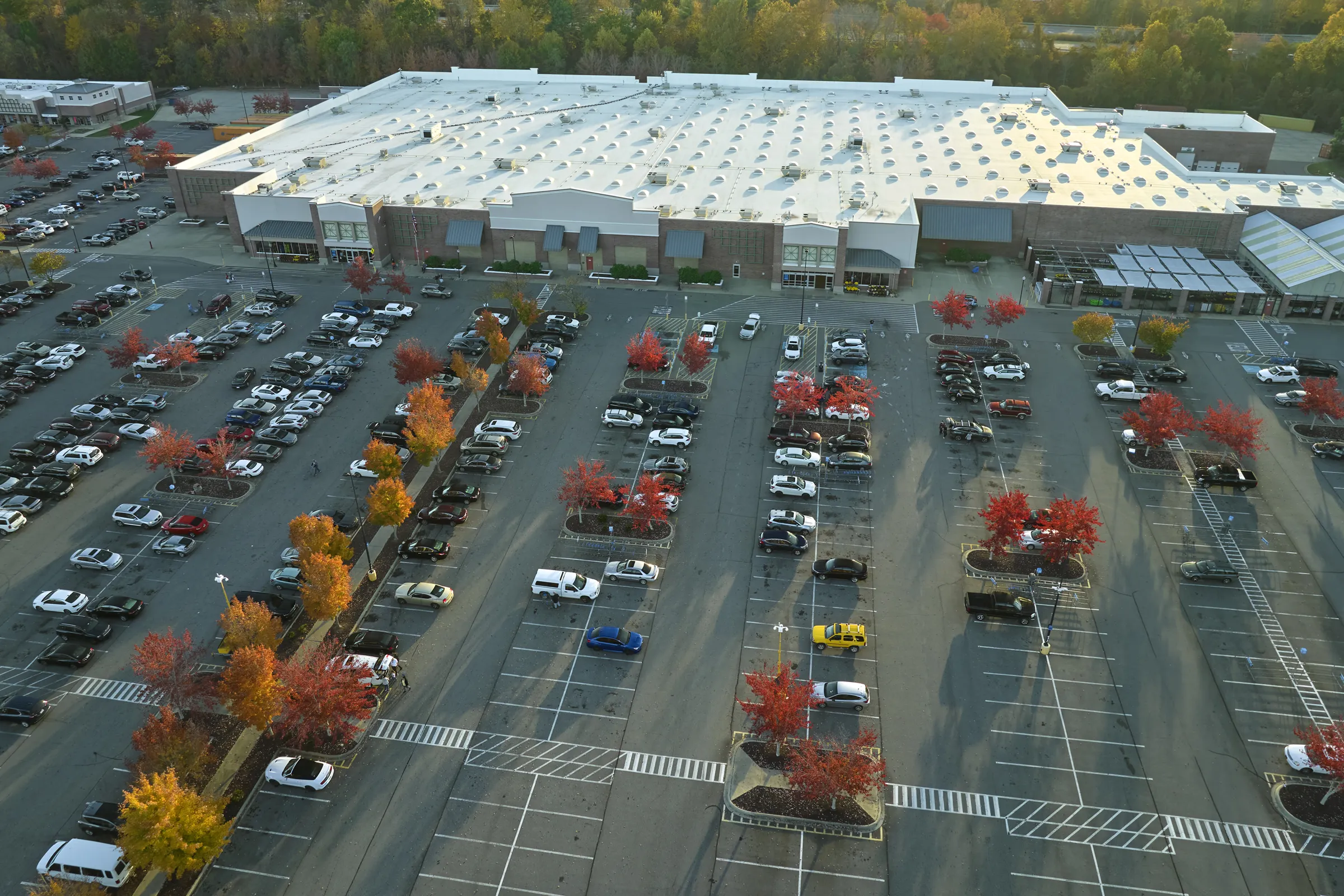
Storefront retail and big-box stores
Freight arrives, gets unpacked, and the corrugated goes out the back every day the store is open: cartons, film, hangers, banding and display packaging. It is mostly air, and it sits at the top of the reduction table.
Grocery and specialty food stores
Case packaging and produce crates alongside some food waste. A store that already bales its cardboard still runs a general container, and that container is often where the room is.
Restaurants and food service
Delivery cardboard, cups, takeout packaging and kitchen waste with organics mixed in. The load is heavier and wetter than pure retail, so compaction helps, though less dramatically, and the timing has to miss prep and service.
Shopping centers and multi-tenant plazas
One enclosure or container serving several tenants, sized to their combined output. The account usually sits with the center's owner or manager, who sets the rules for what goes in it.
Store remodels, resets and re-tenanting
Fixtures, shelving, counters, flooring and ceiling grid when a space is refreshed or changes hands. That debris gets its own container on its own timeline, usually on the account of the contractor doing the work; the construction dumpster rental page covers build-outs.
Every account is a business: the store, the restaurant group, the center's owner or manager, or the contractor doing the work. We do not rent to homeowners.
Container Sizes
Container Sizes by Stream and by Spot
Behind a store, the spot decides as much as the stream. Size for the fill rate first, then check that the container, the truck and the lift all fit the place the container has to live.
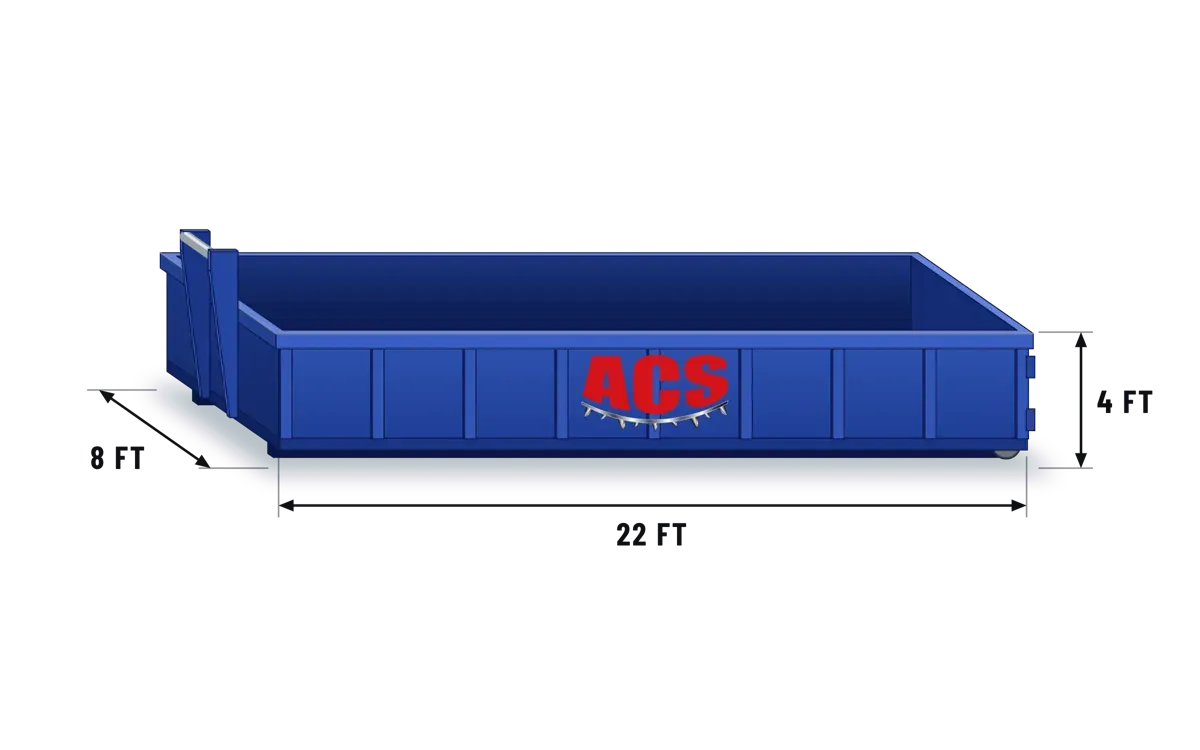
About 22' × 8' × 4' (L × W × H)
20-Yard: small stores and dense debris
A small store with light volume or a smaller remodel; tell us about tile, plaster or other heavy material so we size it right. The low walls let staff load over the side by hand. A smaller container does not always take less ground, so the spot is checked the same way as for the larger sizes.
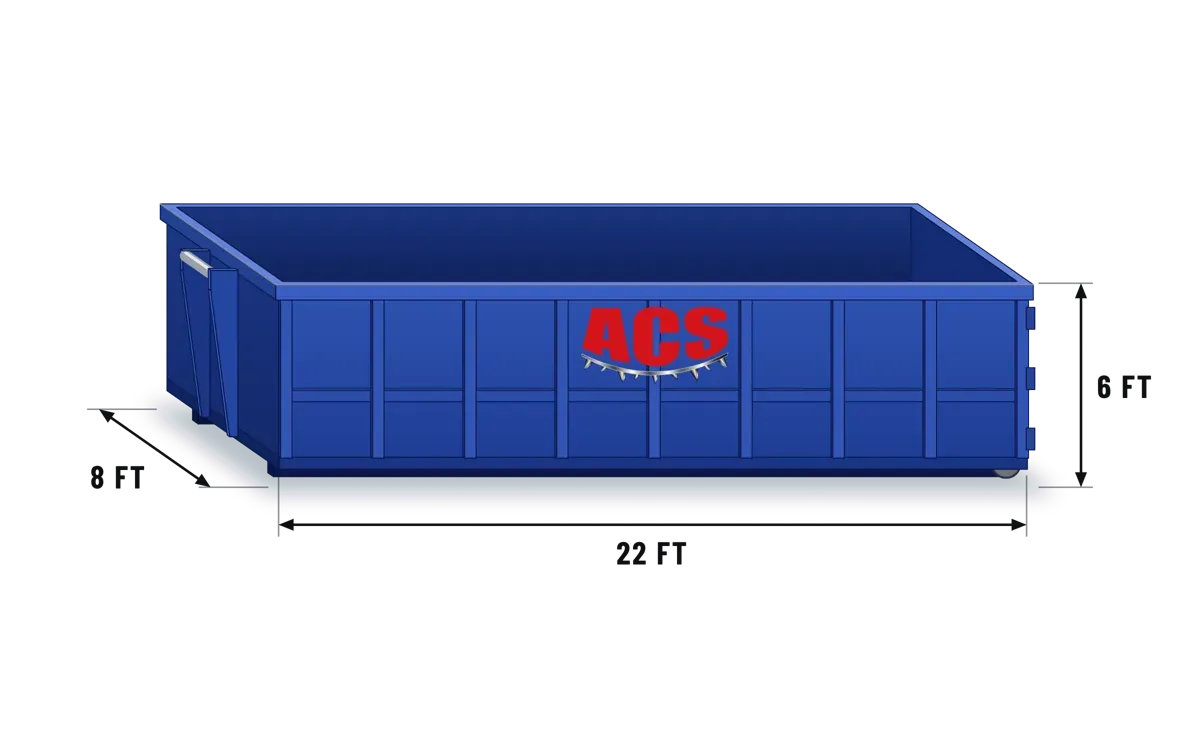
About 22' × 8' × 6' (L × W × H)
30-Yard: the working default
Retail packaging streams, restaurant back-of-house waste and mid-size remodels. It is the usual starting point when the spot and the approach have room for it.
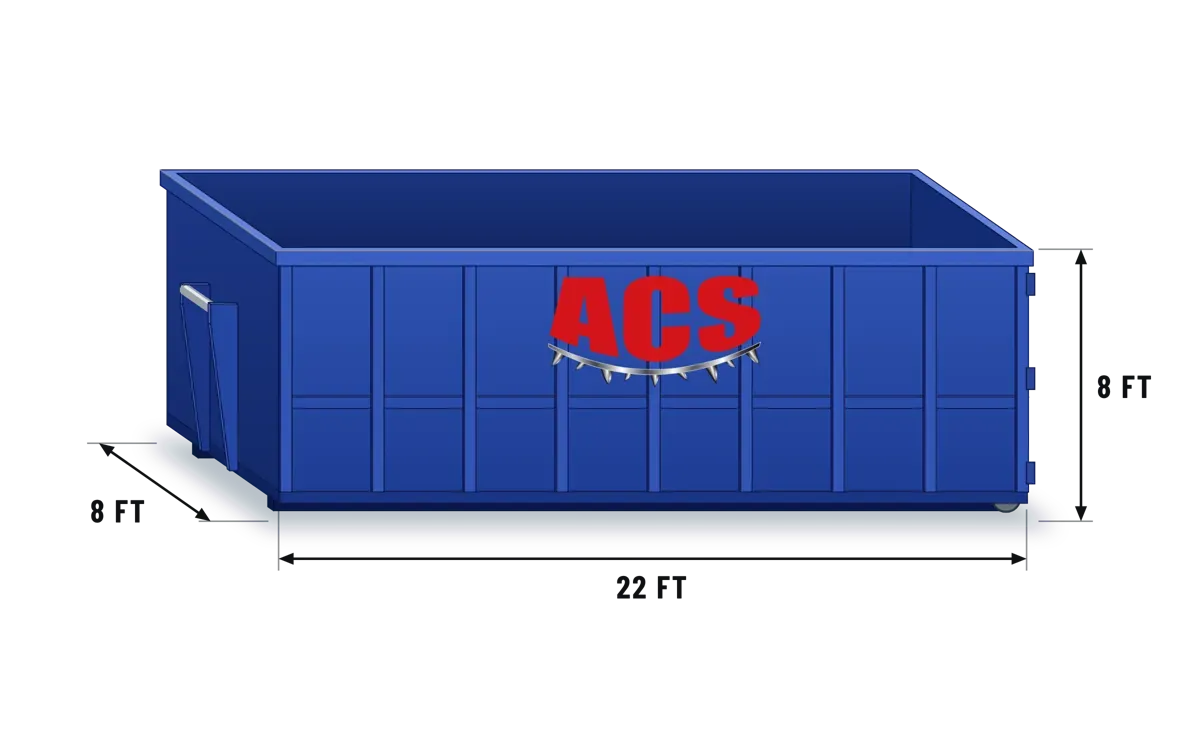
About 22' × 8' × 8' (L × W × H)
40-Yard: high-volume stores and shared centers
Big-box and grocery corrugate, a center's shared stream and larger re-tenanting cleanouts. Light, bulky material, and the stretch where compaction usually has the most to work with. Weight limits still apply.
Approximate dimensions. Containers vary; confirm the actual size for your site before the first placement.
Tell us what goes out the back door in a normal week, what goes out in your busiest week, and where the container would sit. We will size it to all three.
Accepted Materials
What Goes in a Store or Restaurant Container
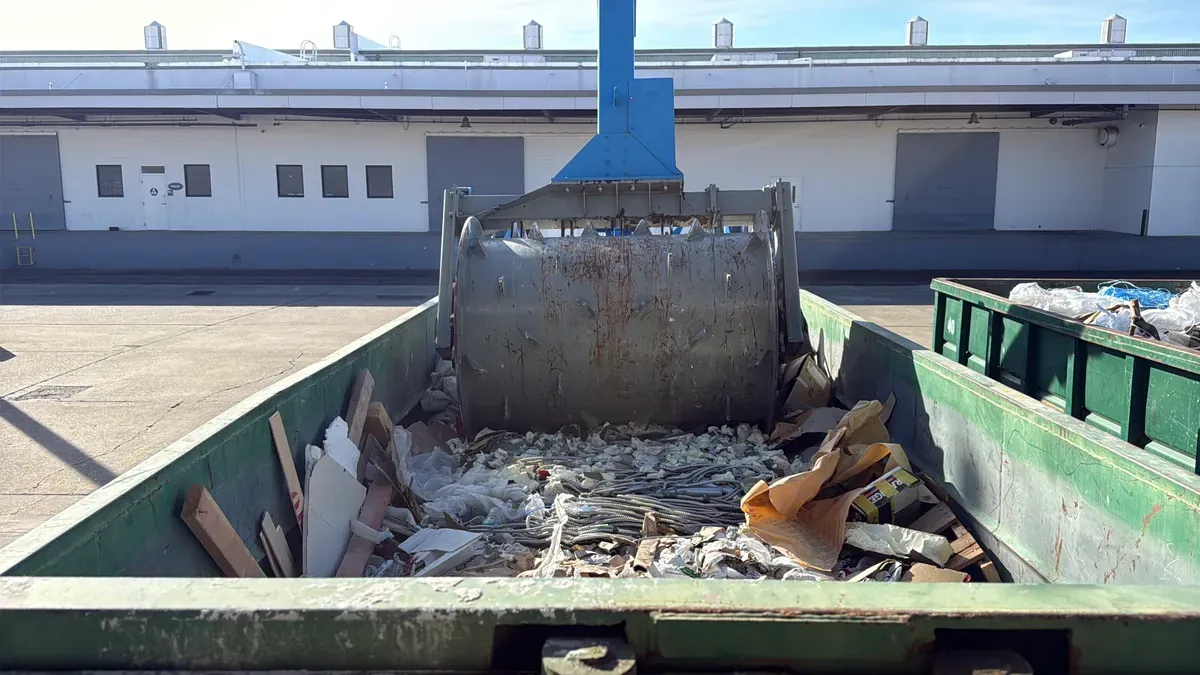
Almost everything a store or kitchen throws away is in scope: corrugated and cartons, film, wrap and banding, display and fixture packaging, back-of-house and break-room waste, and food waste where the hauler takes it. What a container can take is set by the receiving facility; the accepted materials page has the full list. For compaction, American Compaction Services draws the lines here.
What we compact
Cardboard and packaging; plastic film and wrap; wood and pallets; construction and demolition debris, including drywall, insulation, ceiling grid and fiberglass; compost and organics, as long as your hauler accepts it.
What we won't compact
We will not compact liquids; dirt, soil, aggregate or other dense material with no air in it; hazardous or regulated waste; sealed drums or pressurized vessels; or anything the receiving hauler won't accept. On a pure dense load like broken concrete, we'll tell you to skip compaction and have it hauled.
Behind a store or a kitchen, the things that slip in by mistake are usually liquids, including cooking oil and grease, and cleaning or floor-care chemicals. Fluorescent tubes from a lighting change and anything pressurized from a stockroom are worth checking against the accepted materials list before they go anywhere near the container. If you are unsure about a material, describe it before the pull and you will get a straight answer.
Customer-Facing Sites
Placing a Container Behind a Customer-Facing Business
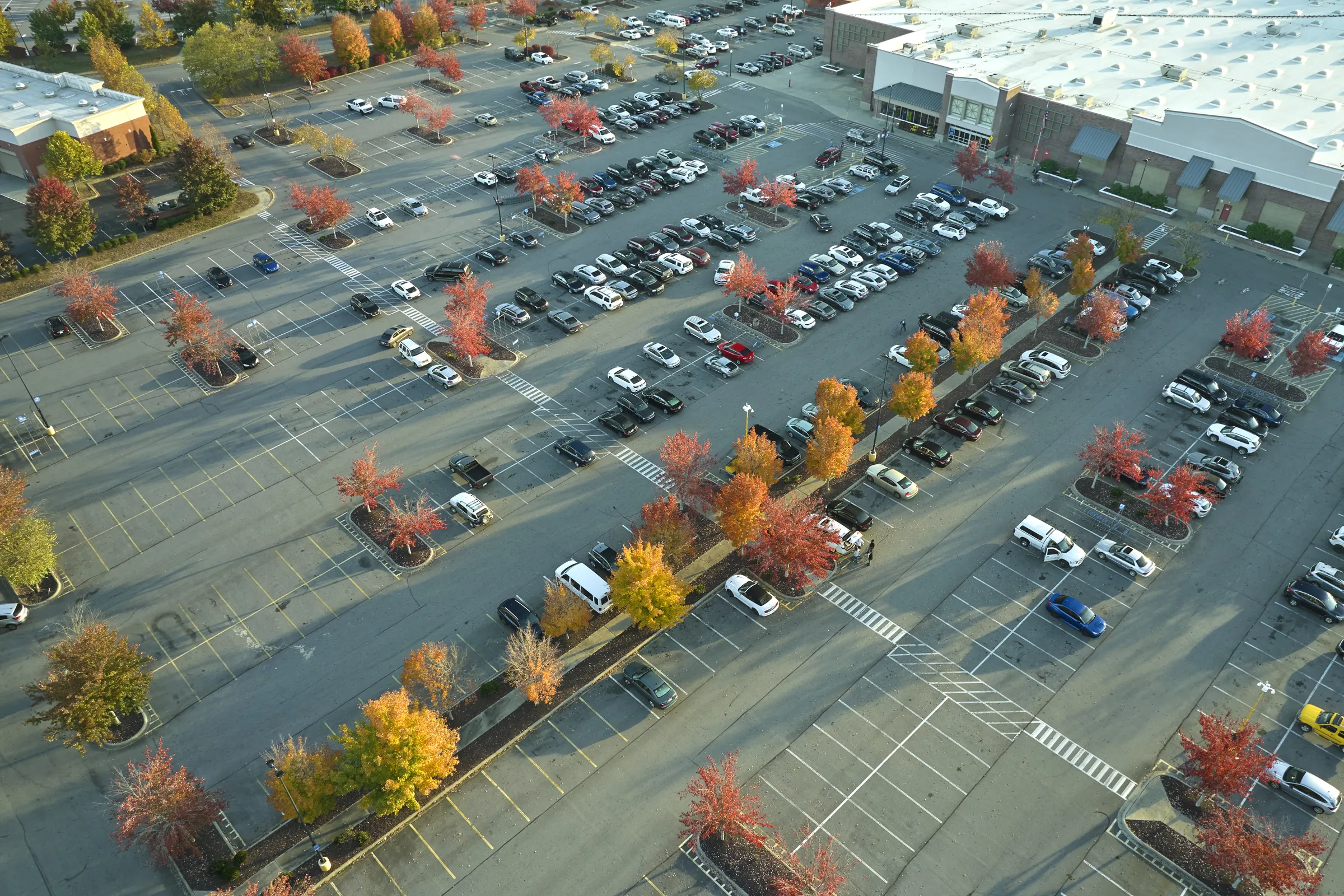
At a store or restaurant, the container problem is usually a placement problem before it is a size problem. Customers are on the property while the work happens, and the container sits on pavement people park on, walk past or eat beside. Before anything is scheduled, four things get settled: where the container sits, how the truck approaches it, what is overhead, and who else has a say.
Landlord and center approval
At a leased space, placement usually needs the property's sign-off, and the tenant who needs the container is often not the party who controls the pavement. Tell us who manages the property. The agreed spot, the gate or code and the service window are noted on the account at setup, so they are not renegotiated every visit.
Canopies, drive-throughs and overhead
Canopies, drive-through structures, signage, light poles, tree limbs and service drops decide where a roll-off truck can lift. The truck needs a straight approach and clear overhead where it sets and lifts the container, and a spot that looks open at ground level can be unusable once the container is in the air.
Surface and lot layout
A loaded container sits heavy on whatever it stands on. Concrete pads carry one well. Fresh sealcoat, landscaped edges, drainage grates and drive aisles are worth steering around, and the truck's turning room counts as much as the spot itself.
Shared lots and service lanes
In a shared rear lot or service lane, drive aisles, dock aprons, other tenants' containers and parked trailers compete for the same pavement. A named service time keeps a parked vehicle from blocking the truck on the day it arrives.
Service around opening hours
Deliveries, compaction visits and pulls are set around the business: before prep or after close for a restaurant, outside the center's delivery window for a retail tenant. A truck in the enclosure during the dinner rush helps nobody. The container stays where it is.
Presentation
Overflow beside the container is what customers actually notice. Often it is a symptom of the wrong size or the wrong cadence, and correcting either usually clears it. A container worked between pulls sits lower and keeps the week's volume inside it rather than beside it.
The Difference
On-Site Compaction for Retail and Restaurant Dumpster Rental
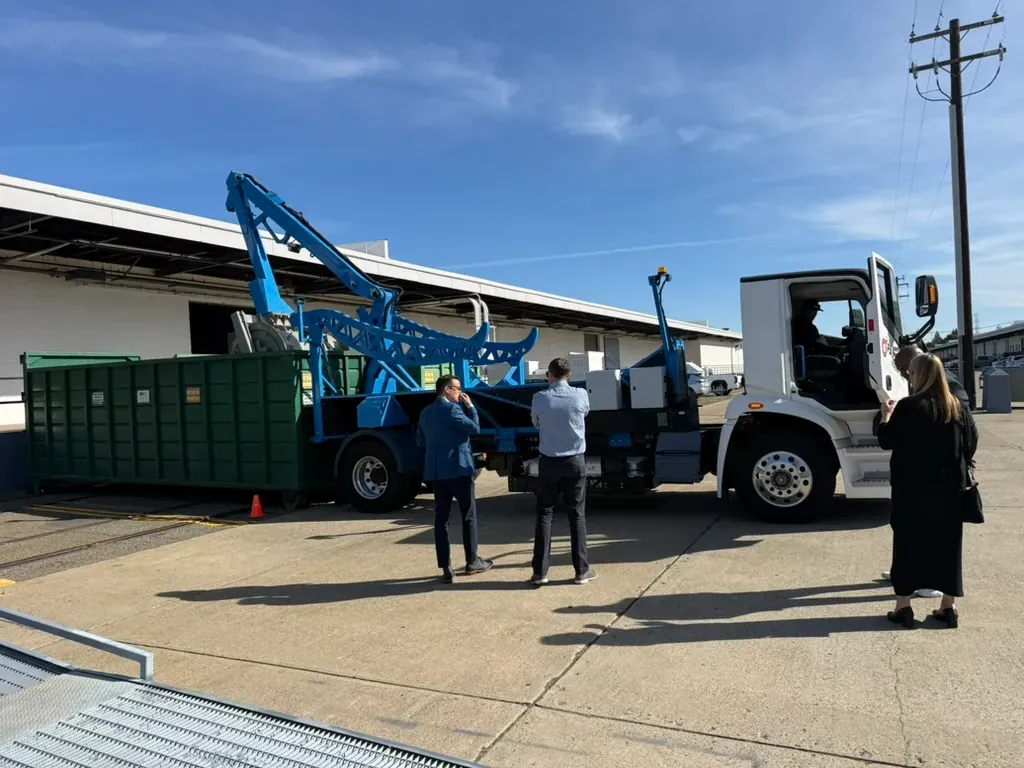
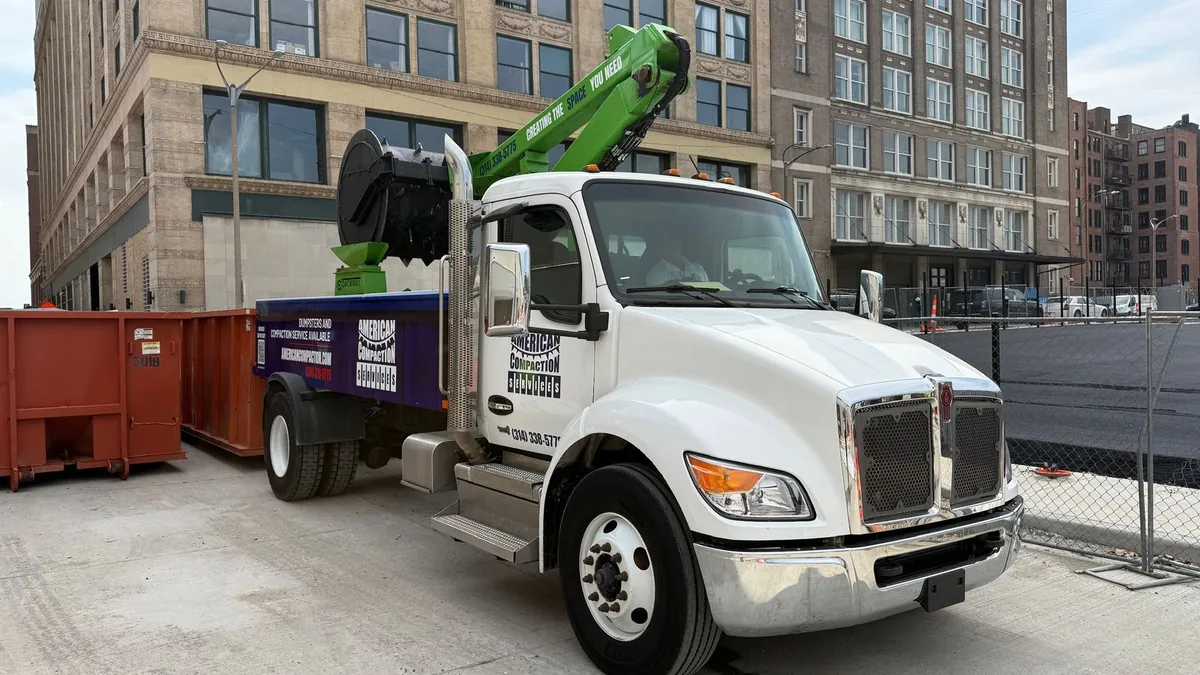
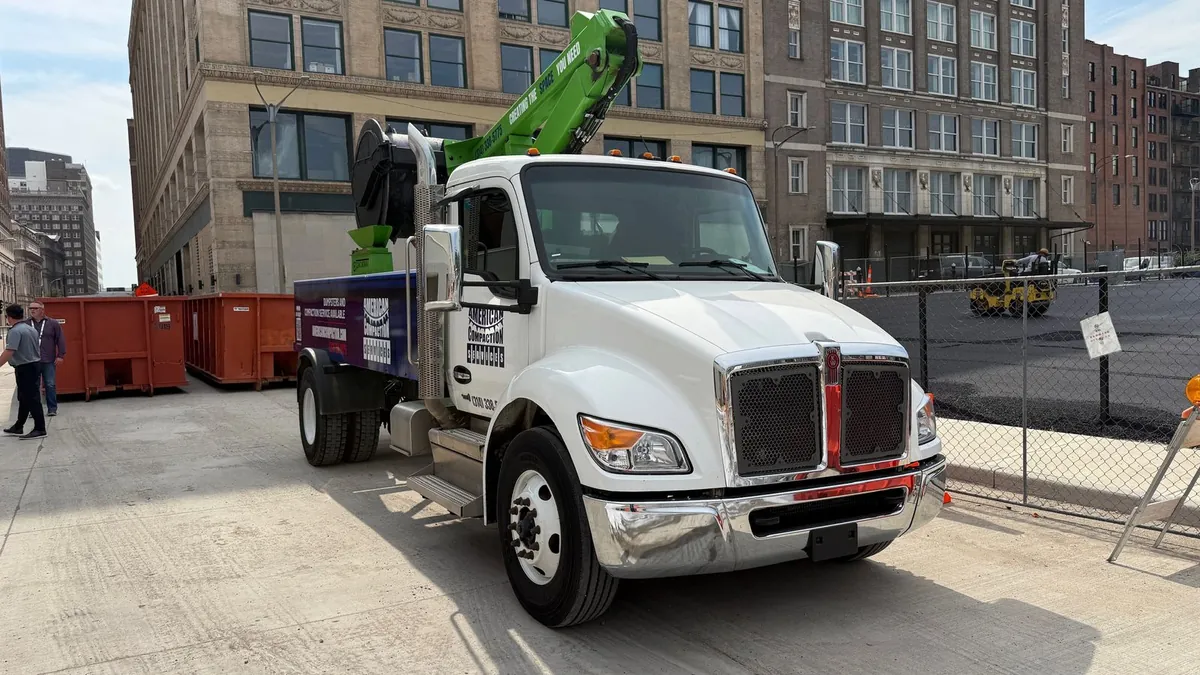
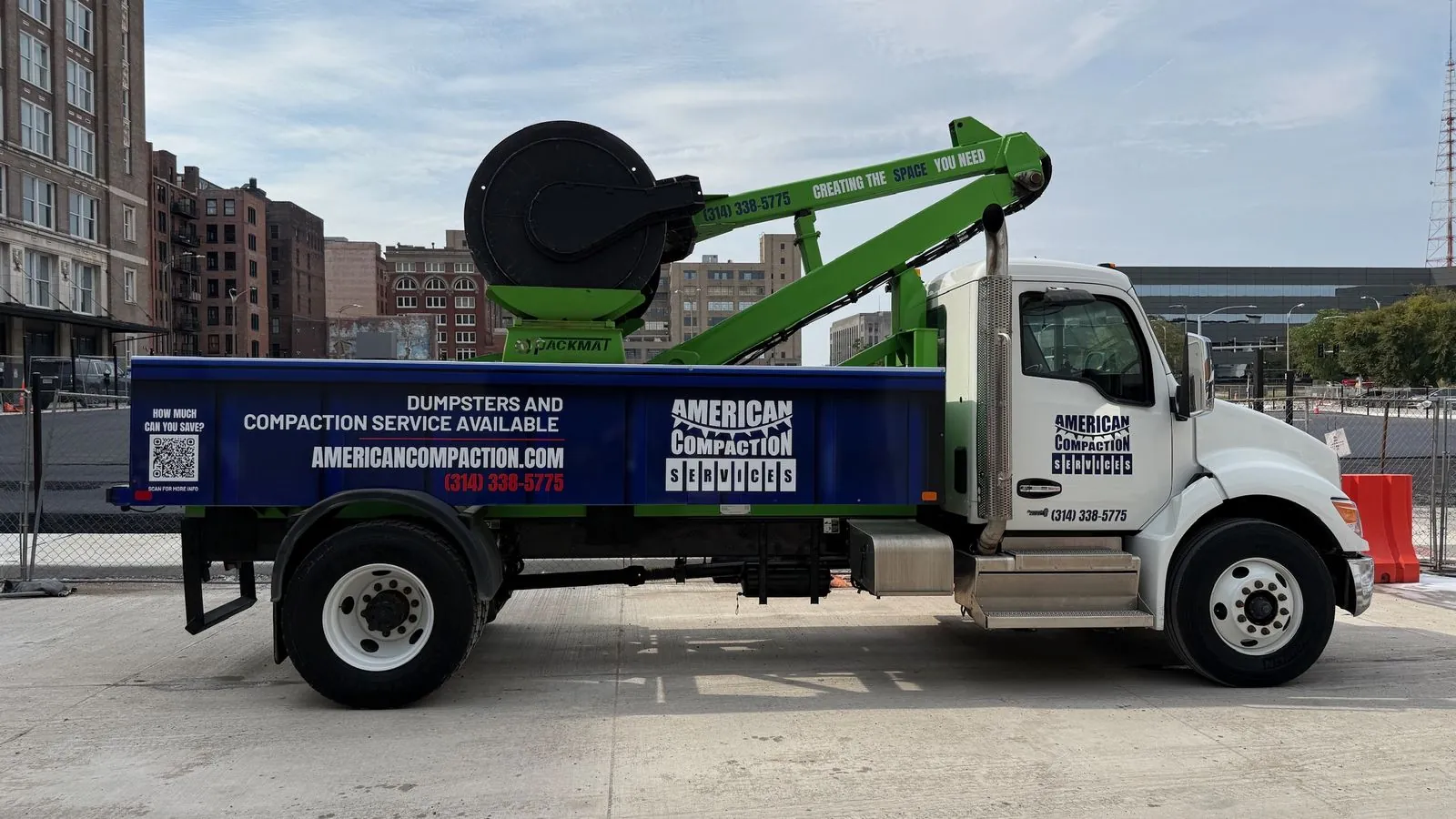
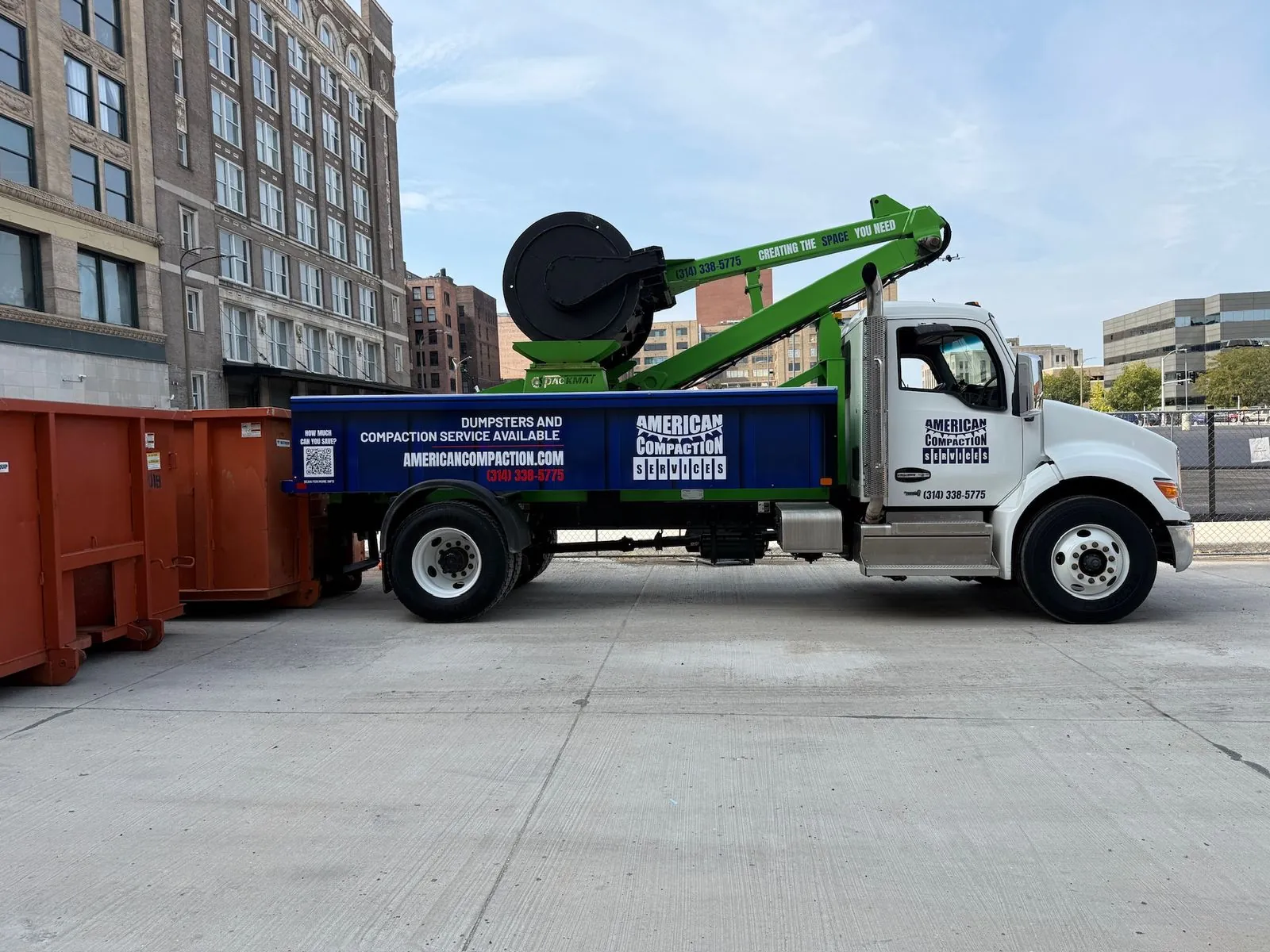
This is what American Compaction Services adds behind a store. A mobile compaction unit comes to the site and works the load down where it sits. The container never moves, and staff go back to loading it. Fill it, we compact it, fill it again, we compact it again, then it goes.
Compaction can reduce volume by up to 70%, depending entirely on the material. It is never a guarantee.
| Material | Compaction |
|---|---|
| Cardboard and packaging | Compacts well |
| Plastics | Compacts well |
| Pallets and wood | Compacts well |
| Furniture and bulky commercial waste | Compacts well |
| Light construction debris | Compacts well |
| Concrete, masonry and roofing shingles | Never compacted |
| Red iron, liquids and hazardous waste | Never compacted |
A store's everyday stream is mostly the top row: corrugated, cartons and packaging. A kitchen mixing organics into the container pulls the blend toward the middle row, and remodel debris belongs in the bottom rows. Compaction helps reduce waste volume by up to 70% depending on the material. Compaction visits are set by your fill rate.
A loose container that looks full is mostly air. Compaction can reduce volume by up to 70%, depending on the material.
Where it will not move your number
If your container already leaves heavy, the air is not what you are paying for. If you are already down to one pull a month, there is not much schedule left to remove. If it won't move your number, we'll tell you on the spot.
Two ways to start
Already have a dumpster? Keep it and keep your hauler; we compact what's in it. Need dumpster service? We supply the container and compact it on site. No contract to sign: no exclusivity, no minimum, no term. The on-site waste compaction page walks through a visit step by step.
See it on your own container
Free on-site demo: we compact one of your own containers while you watch. The demo carries no obligation and is photographed before and after. If it isn't a fit, we tell you on the spot. The demo is booked for a time that misses your service, and you see how far your own mix compresses and whether the container was as full as it looked.
The pricing guide explains what drives the bill, and the savings calculator gives you a planning number from your own inputs. These results are estimates from the numbers you enter. They are not a quote, a promise or a guarantee.
The Process
How Retail and Restaurant Service Runs, Start to Finish
- 1
1. You describe the site.
What goes out the back, how often the container is pulled now, where it sits and who manages the property.
- 2
2. Free on-site demo.
On the container you already have, at a time that misses opening, prep and service.
- 3
3. Placement confirmed.
The spot, the approach, the overhead, the surface and the property's sign-off are settled before the first delivery or visit.
- 4
4. Delivery and placement.
The container is set in the agreed spot, facing the way staff carry waste out to it.
- 5
5. Compaction visits.
Compaction visits are set by your fill rate and timed around your hours.
- 6
6. Pull or swap.
When the container is genuinely full, not just full of air, it is pulled and brought back empty, or swapped for an empty one in the same visit.
American Compaction Services builds the visit around not touching the container. Every visit includes a before-and-after inspection with photo documentation. A heavy steel drum, narrower than the container, works the load down and never touches the walls. The drum works on its own weight, with no hydraulic down-force. Safeguard wheels and end guards keep the unit off the container's structure, and our operators run a zero-touch policy. When the container belongs to your hauler, it goes back to work the way it came.
Why American Compaction Services
Why Stores and Restaurants Work With American Compaction Services
Built around compaction.
Store and kitchen waste is mostly packaging, and the whole service is built around working it down in the spot you already have.
Keep your hauler.
If a hauler already services your enclosure, keep the container and keep the hauler. We compact what is in it.
Service around your hours.
Deliveries, compaction visits and pulls are set to your opening, prep and delivery windows, not to a route sheet.
Straight answers about fit.
A container that already leaves heavy leaves little to gain. If it won't move your number, we'll tell you on the spot.
Business accounts, no contract.
Stores, restaurant groups and centers. No contract to sign: no exclusivity, no minimum, no term.
Documented handling.
Every visit includes a before-and-after inspection with photo documentation, on your container or ours.
Where We Operate
Available in These Markets
American Compaction Services serves stores, restaurants and shopping centers market by market. Each market has its own page, phone number and service area, and the market page covers the local details and how to reach the team there.
If your city is not on the list, the locations page shows every market we serve.
Frequently Asked Questions About Retail & Restaurant Dumpster Rental
Related Services and Guides
Roll-Off Dumpster Rental
pulls, swaps and who does what.
On-Site Waste Compaction
how the unit works a container in place.
Warehouse & Distribution Dumpster Rental
corrugate, film and pallets at dock scale.
Property Management Dumpster Rental
accounts held by center owners and managers.
Construction Dumpster Rental
containers for build-outs and fit-outs.
Cutting Waste Costs for Retail & Restaurants
the levers that cut a store's or kitchen's haul bill.
Start Your Retail & Restaurant Dumpster Rental
Tell us what goes out the back door, how often the container is pulled today and where it sits. American Compaction Services will size the container for the stream and the spot, set the schedule around your hours, and tell you honestly whether compaction changes your numbers. The on-site demo is free.
With roll-off, every haul is a call. With American Compaction Services, nobody has to call.
We set you up on a schedule and we compact on site. Dumpsters and compaction. All handled.
You already pay for dumpster space. Compaction lets you use more of it.
Getting started takes four details
- A photo of your dumpster and the space around it
- Your location
- What goes in the box
- The container size, if you know it
They help us plan for site access and match compaction service to your site.
We will prove it. Call or text (877) 651-7660.