

Accepted Materials
Accepted Materials: What Goes in the Container
We automate your roll-off. You'll never run out of room. Fair price. Great service.
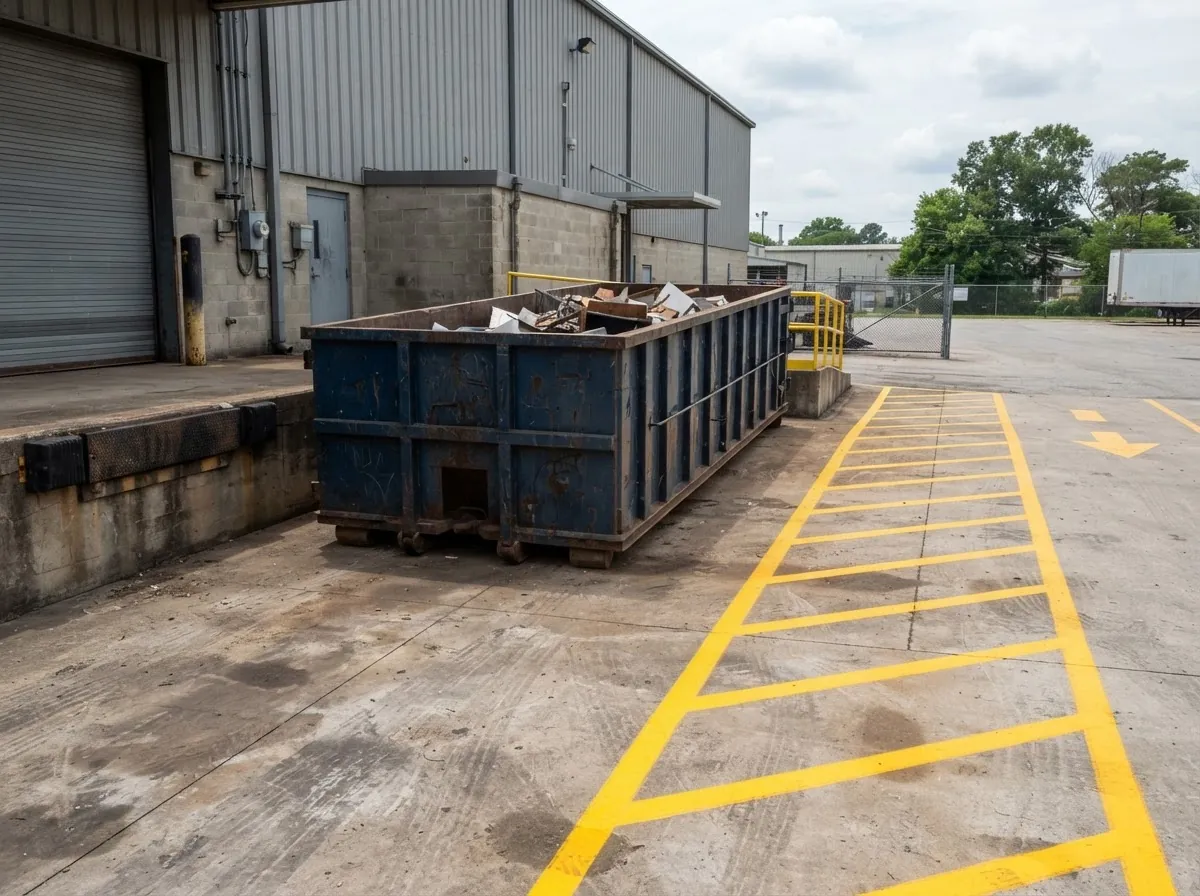
Most commercial and construction waste can go in a roll-off container. Liquids, dirt and aggregate, hazardous or regulated waste, sealed drums and pressurized vessels cannot, and neither can anything the receiving hauler won't accept. This is the dumpster accepted materials list for American Compaction Services, stream by stream, with what compacts well and how to declare a dense load.
The Rule
If the Hauler Won't Take It, It Doesn't Go In
Two parties decide what a container can carry: the hauler that places and pulls it, and the receiving facility at the other end of the pull. American Compaction Services supplies the container and compacts it. So the rule is short: if the receiving hauler won't take it, it does not go in the container, and we do not compact it. That holds on our containers and on your own hauler's.
By Waste Stream
Dumpster Accepted Materials by Waste Stream
Mixed loads are normal. Every item below is subject to what the receiving hauler accepts.
General commercial waste
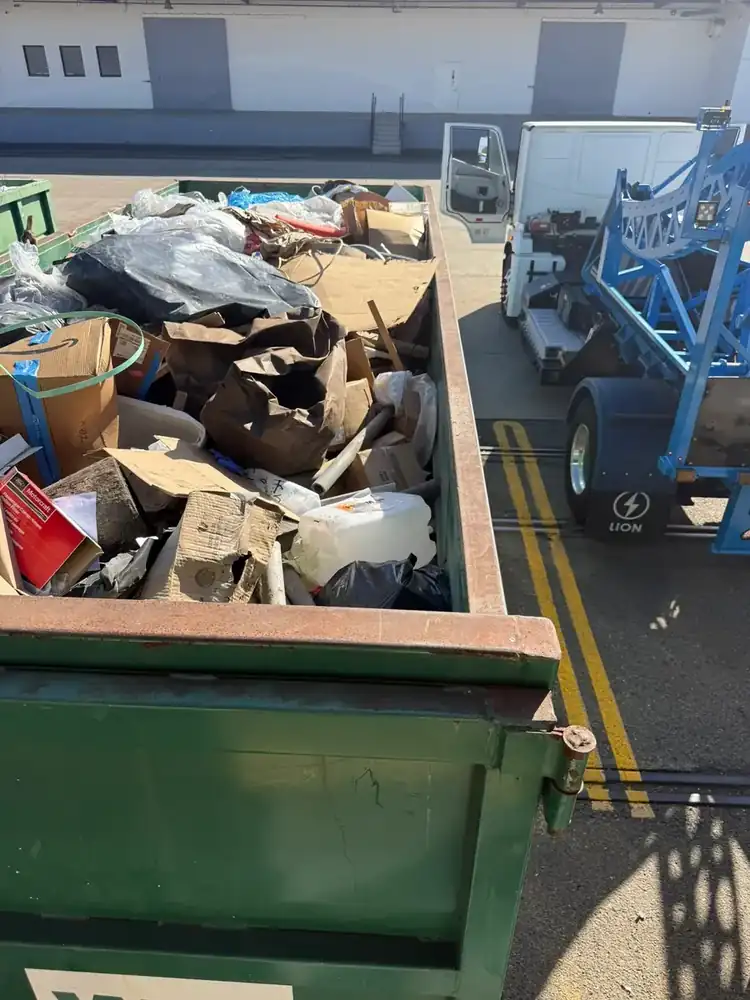
General business refuse, cardboard and packaging, paper, break-room waste and commercial cleanout material.
Construction
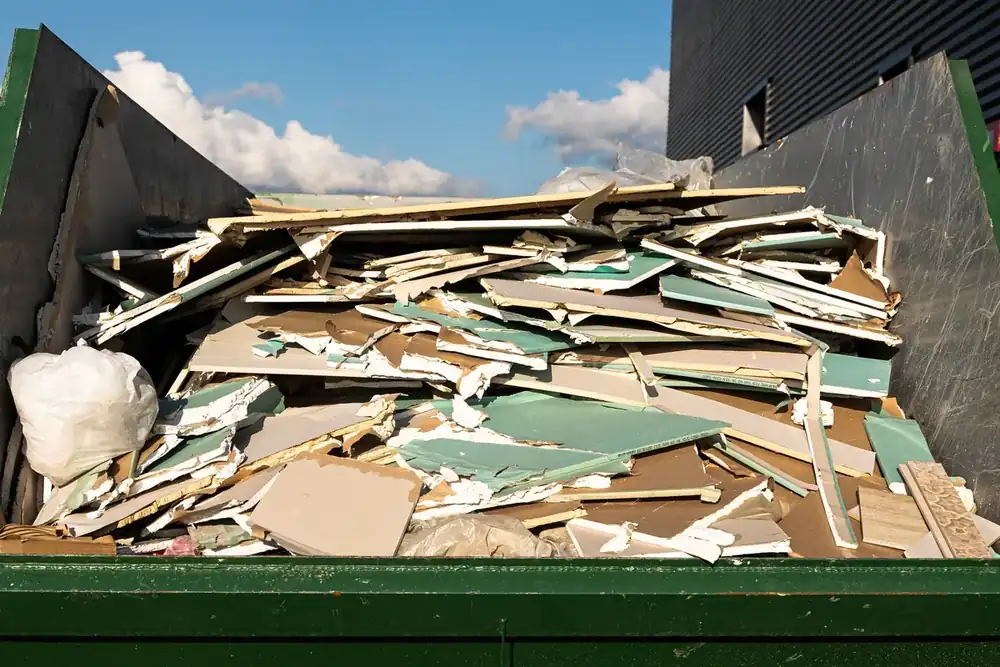
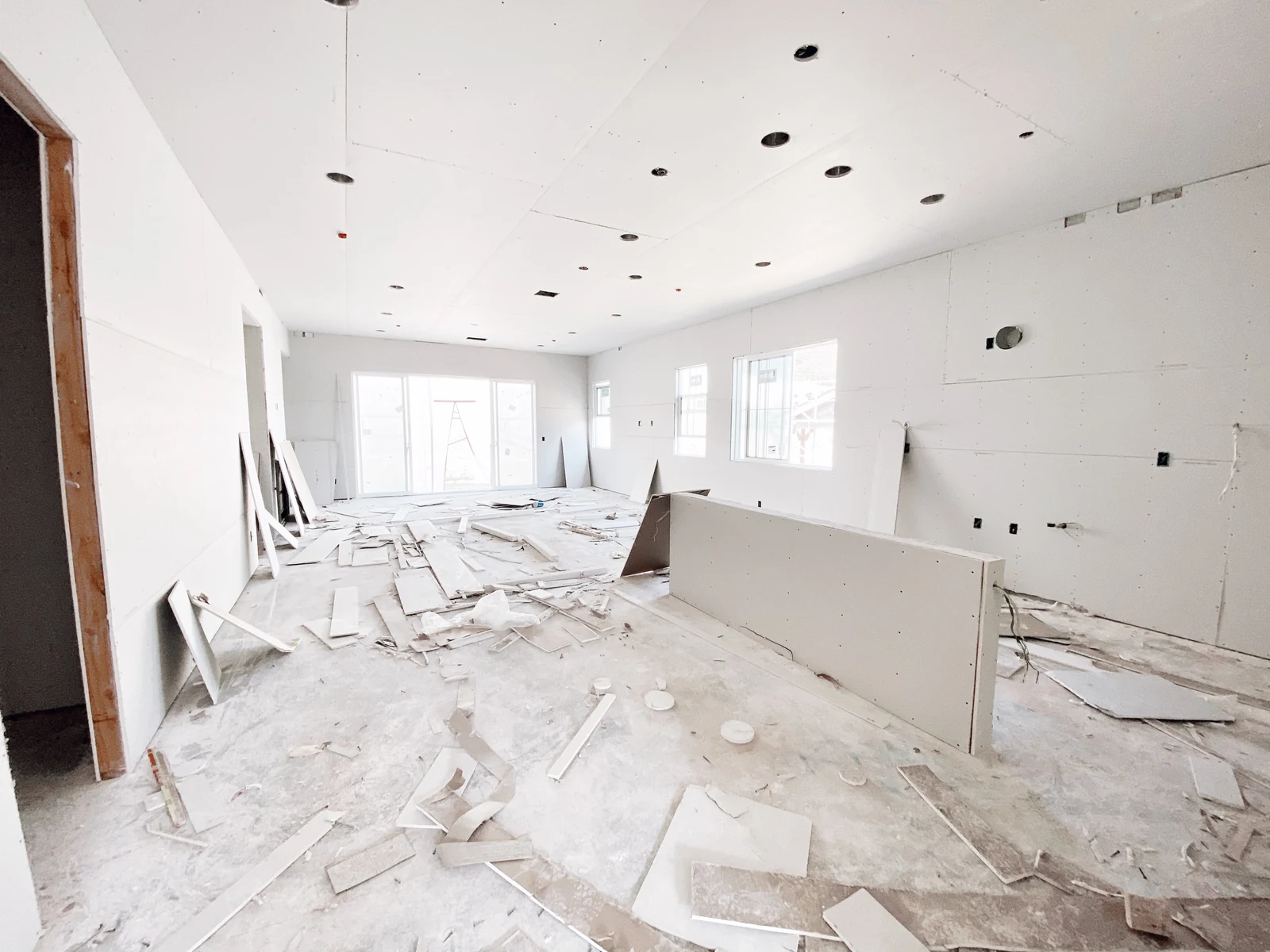
Framing scrap and lumber, drywall, insulation, metal studs and ductwork, millwork offcuts, crating and shrink wrap, and jobsite cleanup.
Demolition
Mixed demolition debris, drywall, ceiling grid, framing and cabinetry. Heavy material, such as masonry or concrete, is declared as a dense load and goes in its own container.
Roofing
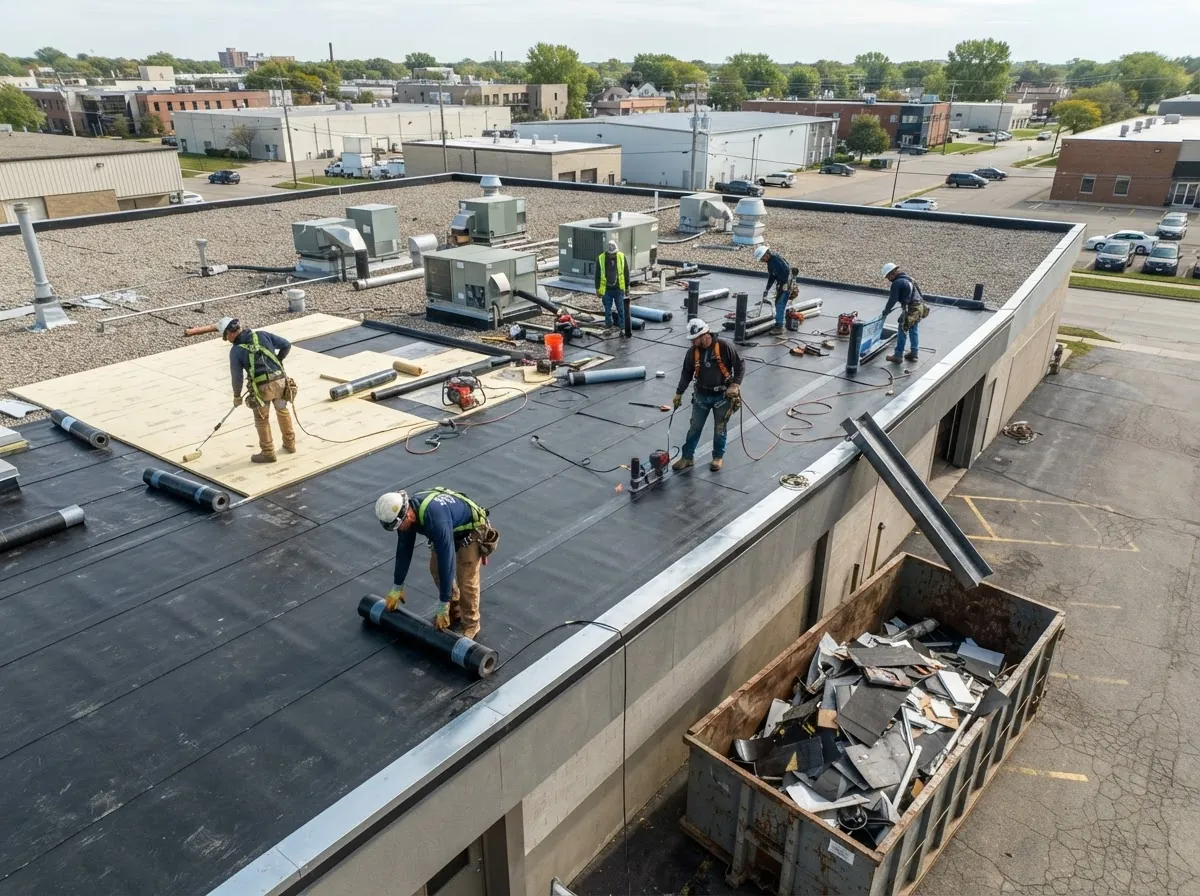
Asphalt shingles, underlayment and felt, ice-and-water membrane, flashing and metal trim, rotted decking, and gutters removed as part of the job.
Industrial and manufacturing
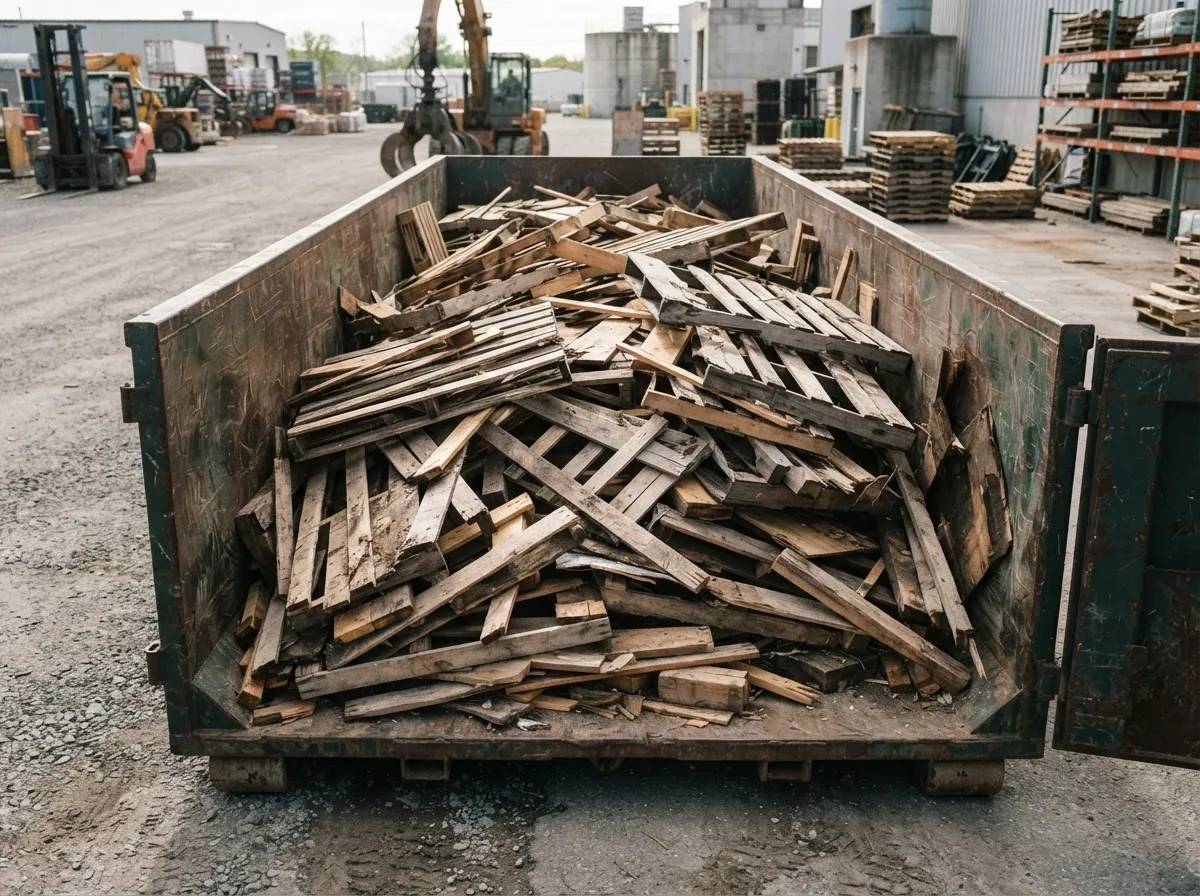
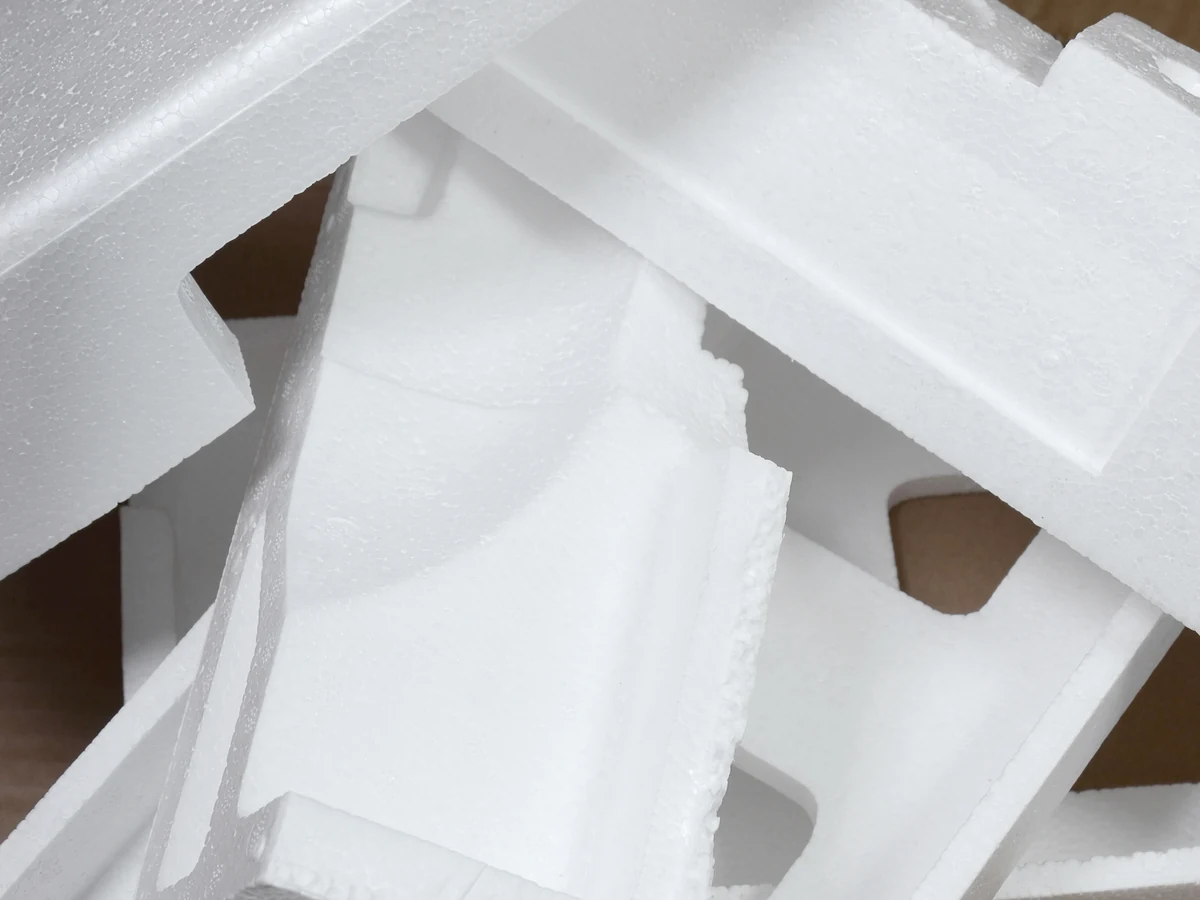
Corrugated cartons, stretch film, foam and dunnage, converting waste, strapping, pallets and crating, and production offcuts.
Warehouse and distribution
Corrugate, film, pallets and dunnage, damaged goods with their packaging, and dock trash.
Retail and restaurants
Cartons, film and banding, fixture packaging, shelving from a reset, back-of-house waste, and food waste where the hauler takes it.
Facilities and property
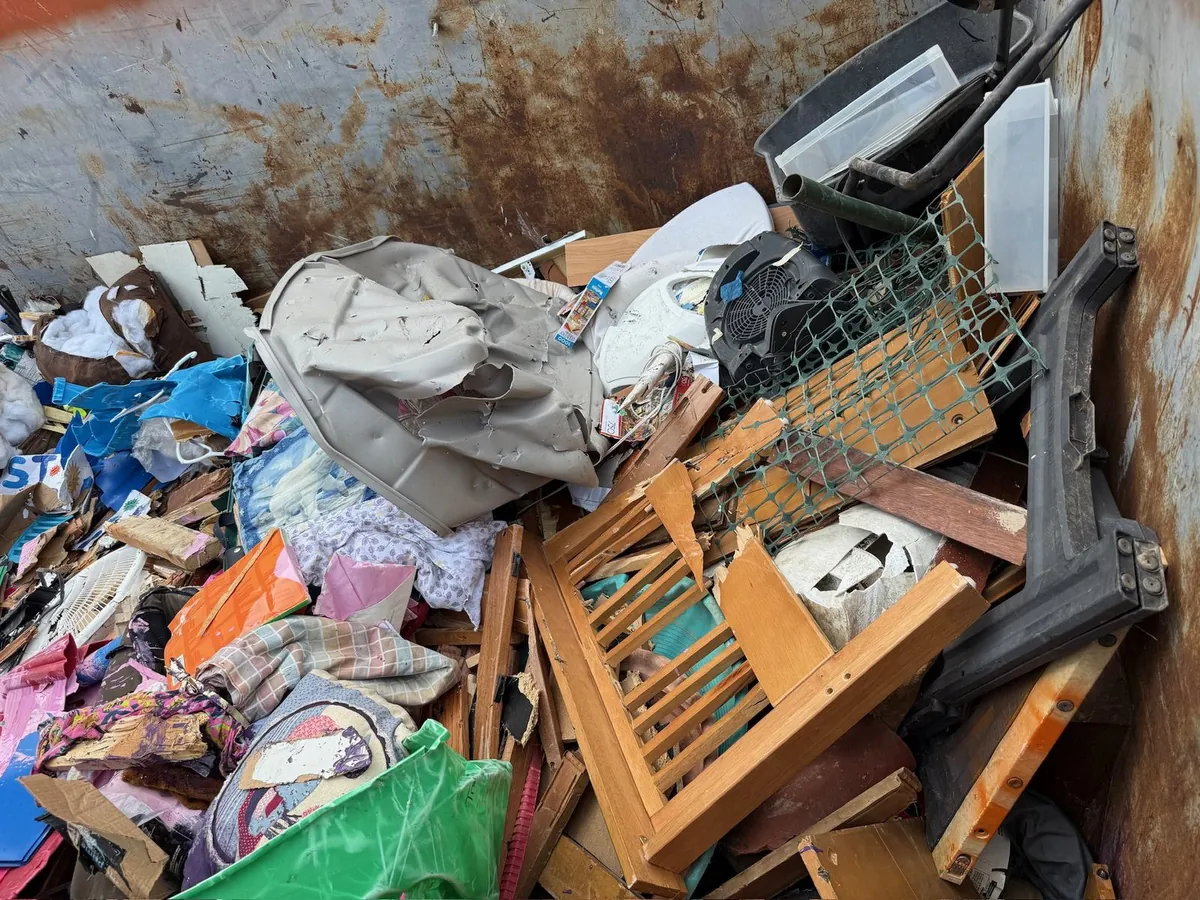
General property and tenant waste, furniture and bulky items, carpet and flooring, appliances, cabinetry, fixtures and trim, and turnover debris.
Not Accepted
What Cannot Go in the Container
The not-accepted list is short and firm, the same at every size and on every stream:
- Liquids of any kind, including paint, solvents, fuel and cooking oil
- Dirt, soil and aggregate
- Hazardous or regulated waste
- Sealed drums and pressurized vessels
- Anything the receiving hauler won't accept
Dirt and aggregate add weight fast and have no air to give back. Sealed drums and pressurized vessels are a safety line: nothing under pressure goes into a container that is going to be worked. These exclusions are not fine print; a prohibited load can leave a container sitting on your pad.
Asbestos and lead
ACS does not accept asbestos, lead-based paint debris or other regulated hazardous materials. If you suspect either on a job, tell us before any debris from that area goes in the container.
Compaction
What Compacts Well, Partly or Poorly
Not everything accepted is worth compacting. How much room comes back depends on the load; the reduction table on the on-site waste compaction page puts numbers on it.
Compacts well
Compacts partly
Compacts poorly
What we compact and what we won't
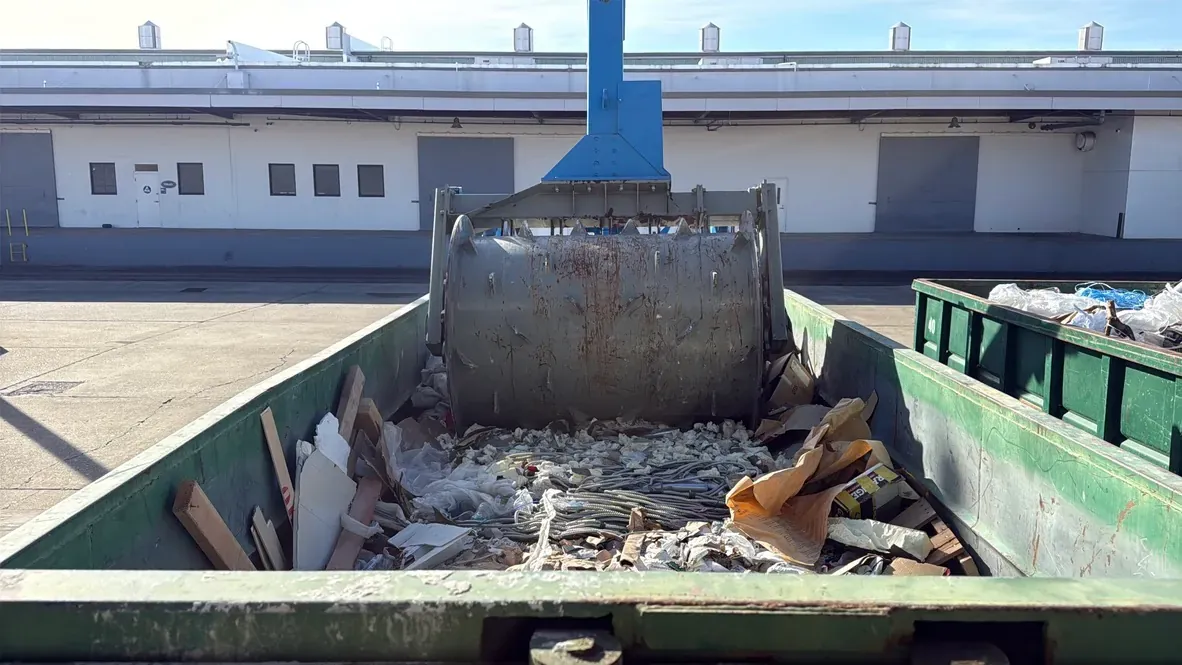
Cardboard and packaging; plastic film and wrap; wood and pallets; construction and demolition debris, including drywall, insulation, ceiling grid and fiberglass; compost and organics, as long as your hauler accepts it.
Common materials include cardboard, plastics, packaging waste, pallets, wood, furniture, light construction debris, bulky commercial waste, and general non-hazardous solid waste.
Nothing on the not-accepted list is compacted. Concrete is never compacted or used in demos. Demos are only for eligible non-concrete waste separated from concrete, after suitability is confirmed.
By Accident
Items That Turn Up by Accident
Prohibited items rarely go in on purpose. Check these before they go near the container:
- Renovation and construction jobs: paint, solvents, adhesives and fuel
- Stores and kitchens: cooking oil and grease, cleaning and floor-care chemicals, fluorescent tubes and ballasts
- Back rooms and vacated suites: refrigerant-charged coolers, propane cylinders, motor oil and pool chemicals
- Docks: leaking liquids from damaged goods, and pressurized products in returns
Brief the crew before a cleanout starts. If something slips in anyway, tell us before the pull, not after.
Dense Loads
Declared Dense Loads
If part of the job is heavy, dense material, tell us when you call, before the container is set. The declaration changes the container size, the routing and whether the receiving hauler will take the load.
A declared dense load gets its own container, usually a smaller one, because heavy material such as masonry, tile or concrete ends a load on weight long before the walls; the dumpster sizes page explains the choice. It is pulled with no compaction visit in between. Load it flat and level, nothing above the rails.
Skip the declaration, and the risk is a container refused as overweight at the pull. Dirt, soil and aggregate stay out of the container entirely.
Local Rules
Local Disposal Rules
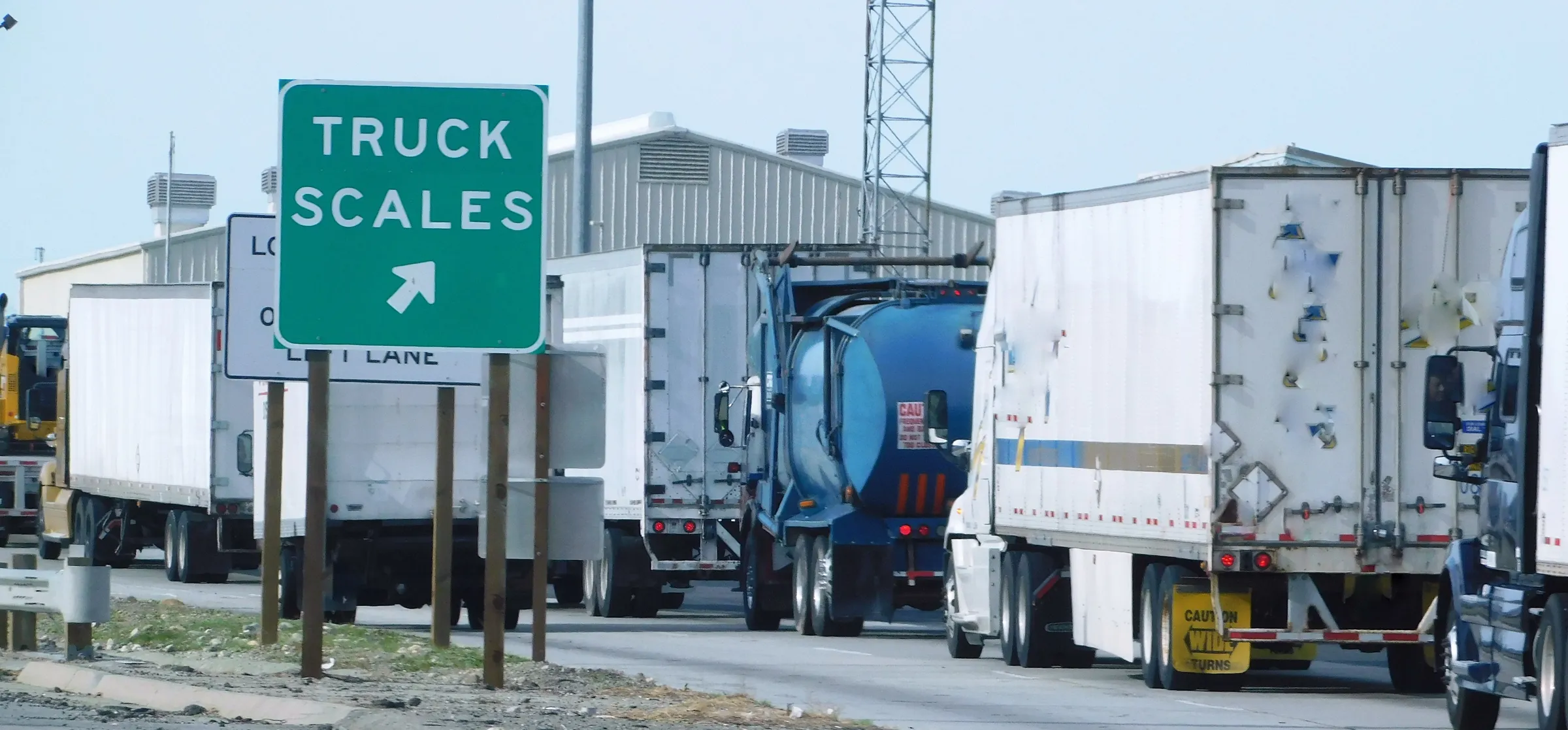
Where a load goes after the pull is decided locally. Receiving facilities differ on what they accept, and some treat shingles or clean concrete as streams of their own. Each market page covers its local disposal and permit rules.
Frequently Asked Questions About Dumpster Accepted Materials
Not Sure Whether Your Material Qualifies?
Describe your site and your waste stream. American Compaction Services will tell you what the rules mean for your material, which container fits it, and whether compaction changes anything, including when it does not.
With roll-off, every haul is a call. With American Compaction Services, nobody has to call.
We set you up on a schedule and we compact on site. Dumpsters and compaction. All handled.
You already pay for dumpster space. Compaction lets you use more of it.
Getting started takes four details
- A photo of your dumpster and the space around it
- Your location
- What goes in the box
- The container size, if you know it
They help us plan for site access and match compaction service to your site.
We will prove it. Call or text (877) 651-7660.