
Dumpster Rental FAQ
Commercial Dumpster Rental FAQ
We automate your roll-off. You'll never run out of room. Fair price. Great service.
Commercial accounts only. We work with businesses: contractors, builders, roofers, property managers and facility operators. We don't serve homeowners hiring directly.
Answers to the questions businesses ask before a container shows up: permits and placement, rental periods, pulls and swaps, who does what, and how to reach the team in your market.
This commercial dumpster rental FAQ covers the general questions. American Compaction Services supplies 20, 30 and 40 yard open-top roll-off containers to business accounts and compacts them on site, so each container holds more and gets pulled less. Questions about one service, one size or one material are answered on the page that covers it, and each section below points you there.
Looking for something specific?
- Sizes, dimensions and weight: dumpster sizes
- What goes in the container: accepted materials
- How a compaction visit works: on-site waste compaction
- First call to first pull: how it works
- What compaction could change on your bill: savings calculator
Permits and Placement
Commercial Dumpster Rental Permits and Placement
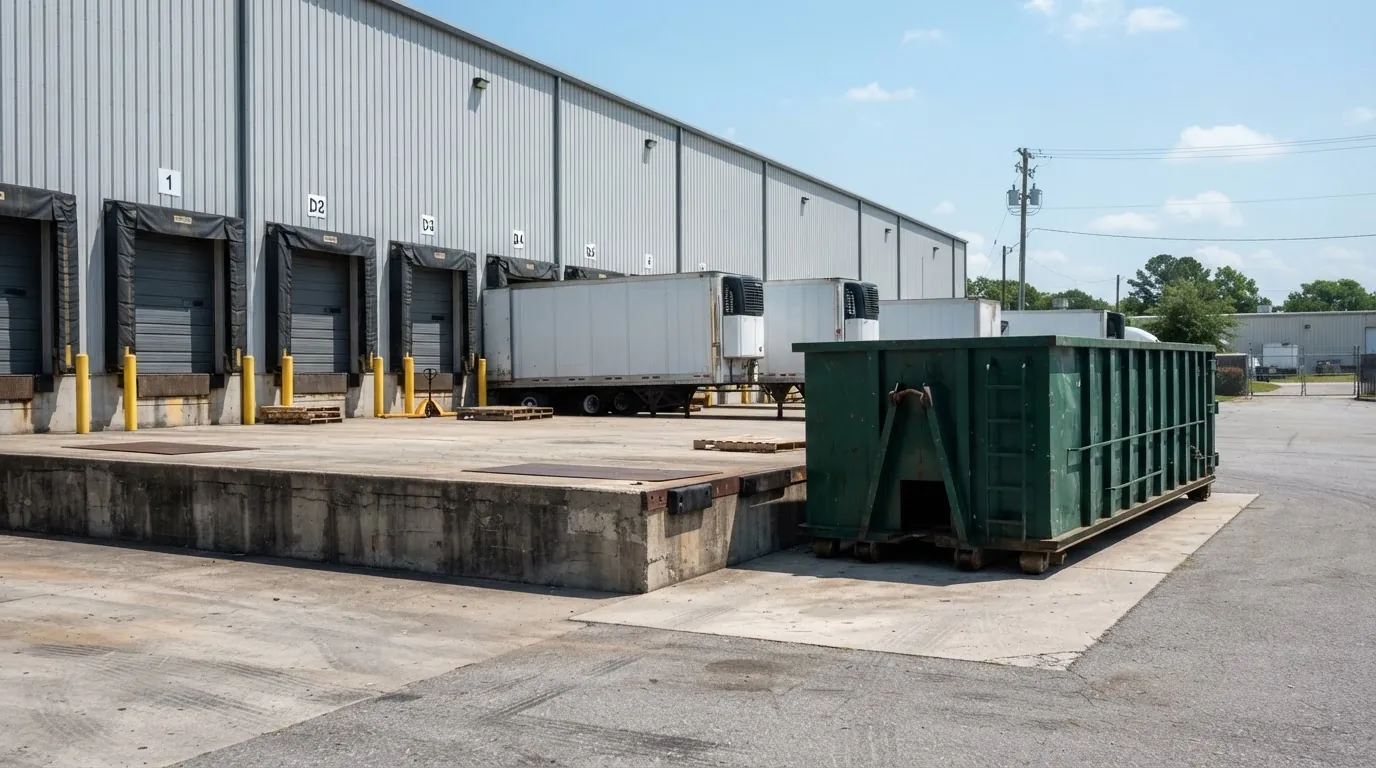
The permit question depends on where the container sits. On your own lot, it starts with the property owner. On a street or right-of-way, it is a question for the local jurisdiction, and the rules vary by city. Where the container sits, what it sits on and how much room the truck has are the three things worth settling before a delivery date is booked.
Materials
What Can Go in the Container
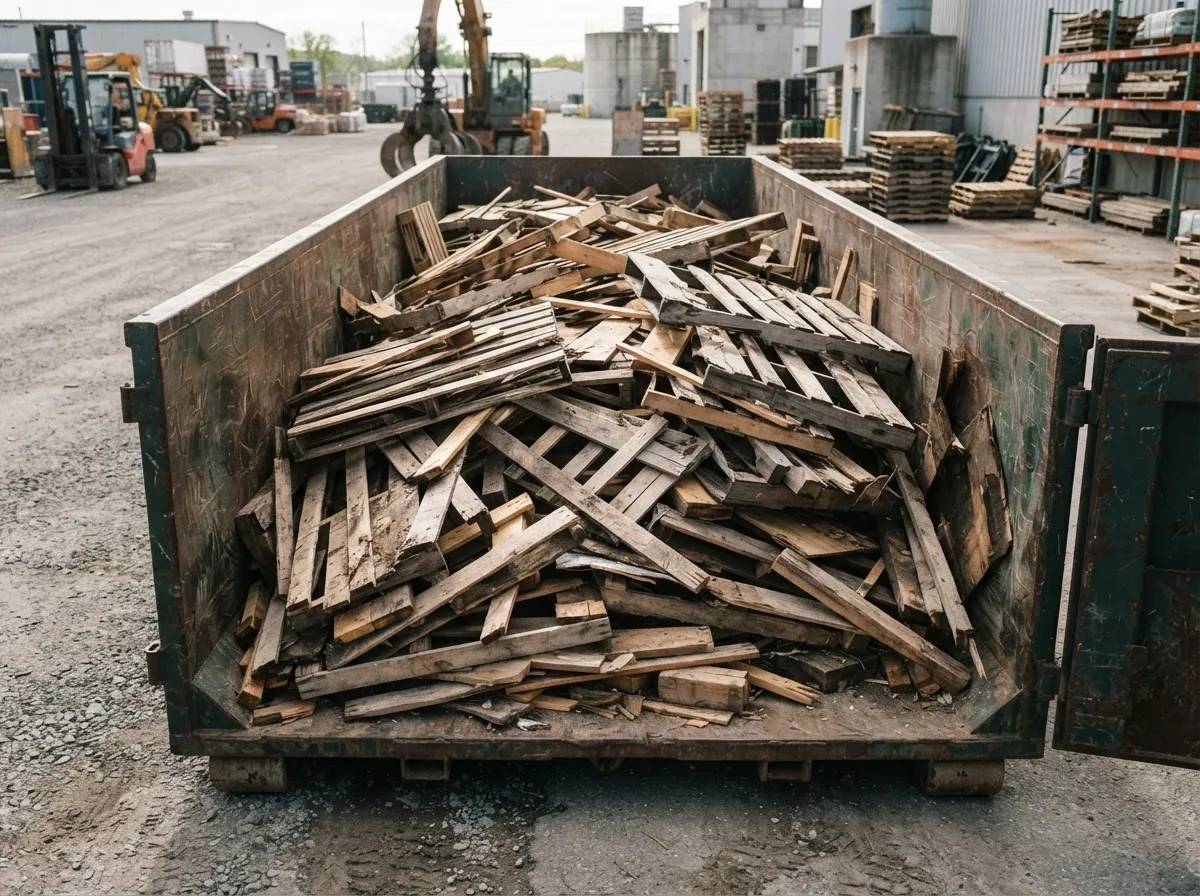
Materials rules are not paperwork. They decide whether a loaded container can legally leave your lot, whether the receiving facility will accept it, and whether a scheduled pull turns into a rejected load and a return trip.
The general shape is simple. Ordinary commercial and construction waste is fine. Liquids, dirt and aggregate, hazardous or regulated waste, and sealed drums or pressurized vessels are not, and what the receiving hauler accepts decides anything unusual. Dense loads like concrete go in their own container, declared before it is set.
The accepted materials page has the full list, stream by stream, with what compacts well, what turns up by accident and how to declare a dense load. The materials questions, from liquids to what happens when a hauler refuses an item, are answered there.
Sizes and Weight
Sizes, Weight Limits and Which Container Fits
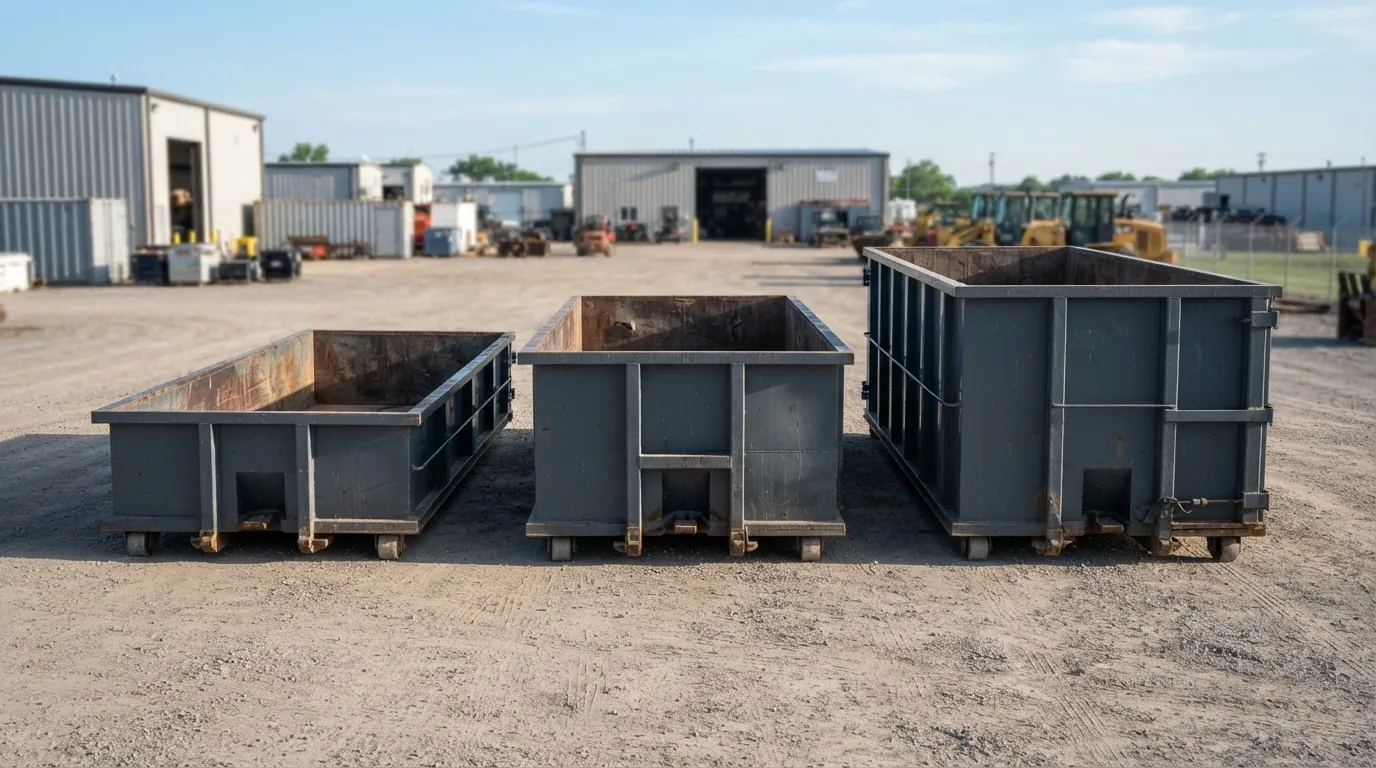
American Compaction Services supplies three roll-off sizes, 20, 30 and 40 yards, and the right one is decided by what your waste weighs as much as by how much of it there is. Two ceilings end every load: volume, the space inside the container, and weight, what the loaded truck may legally carry on the road. Whichever one you reach first ends the load. Light, bulky packaging runs out of room first; dense debris runs out of weight first. Measure the pad, the approach lane and the overhead before the truck arrives: the question is usually vertical clearance and turning room, not pad length.
The dumpster sizes page compares all three, with dimensions, weight guidance and how compaction changes the choice. The roll-off dumpster rental page covers the service itself, from delivery to the difference between a pull and a swap.
Rental Period and Scheduling
Rental Period, Pulls, Swaps and Scheduling
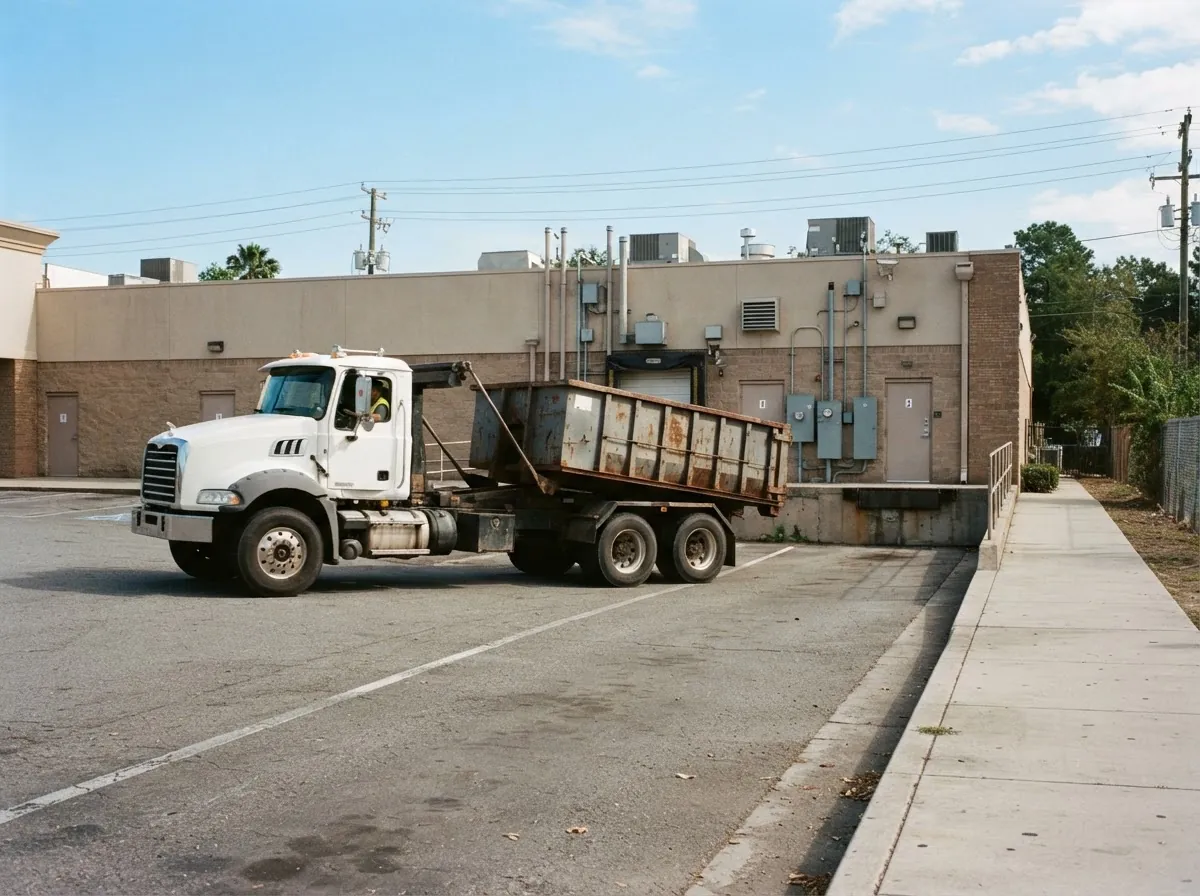
American Compaction Services builds the rental around how your operation runs, not around a fixed block of days. Project work and ongoing accounts behave differently, and the questions below come up on both. The short version: the container stays as long as the work does, and service is set against your working hours instead of a fixed route.
Compaction
On-Site Compaction Questions
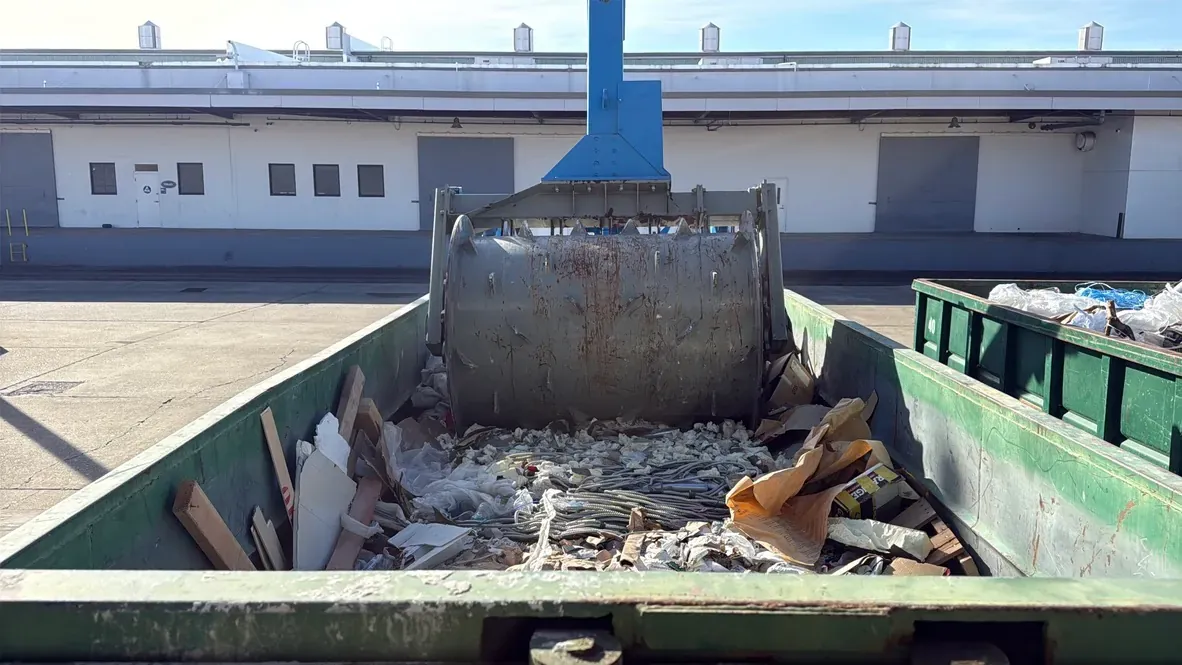
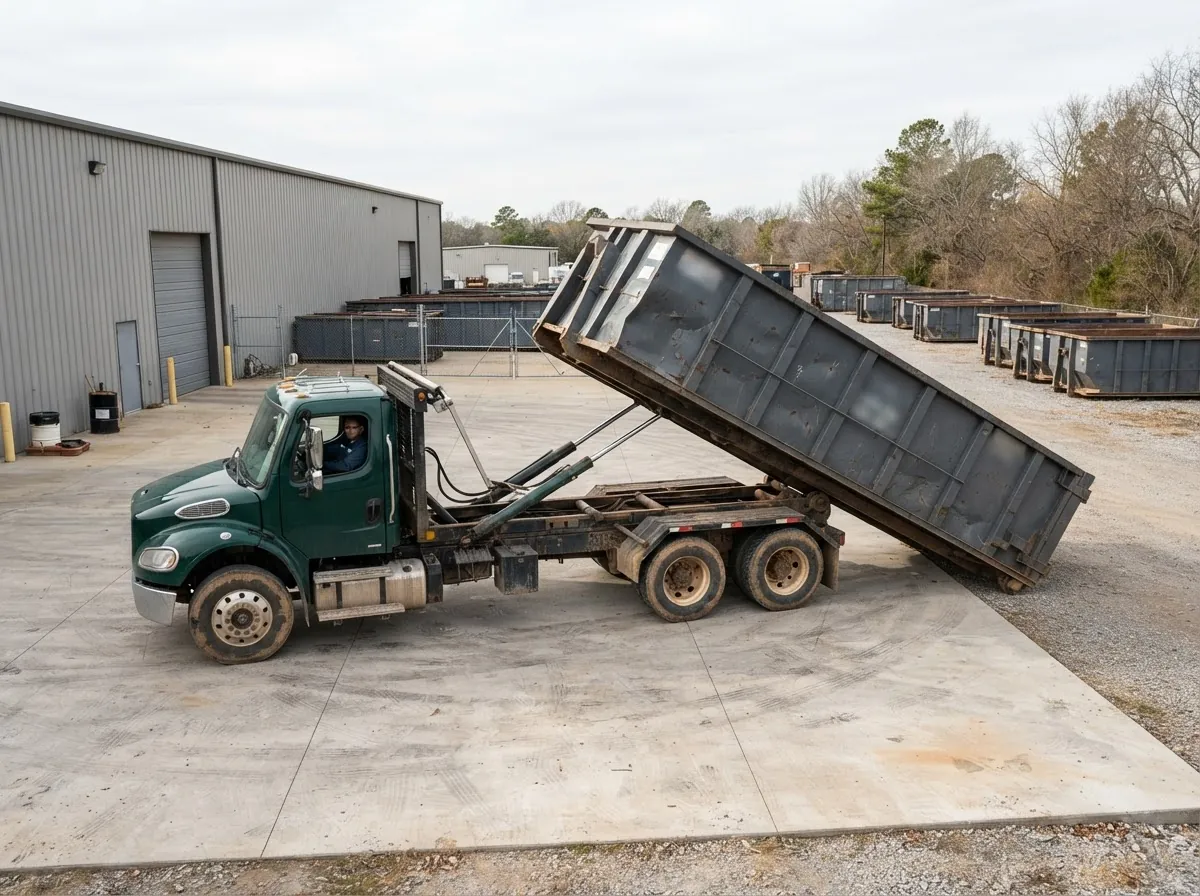
American Compaction Services is built around compaction. A mobile unit comes to the container where it already sits, works the load down and leaves, so the container holds more and gets pulled less often. Compaction helps reduce waste volume by up to 70% depending on the material. Compaction reduces haul-offs; it never eliminates them. A compaction visit is itself a visit, and whether it pays depends on your material and how often the container leaves.
How the unit works, how the container is protected, how long a visit takes, which containers qualify and whether your waste is a fit are all answered on the on-site waste compaction page. One question comes up often enough to answer here.
The free on-site demo answers the rest on your own container.
Service Model
How Commercial Dumpster Rental Works With American Compaction Services
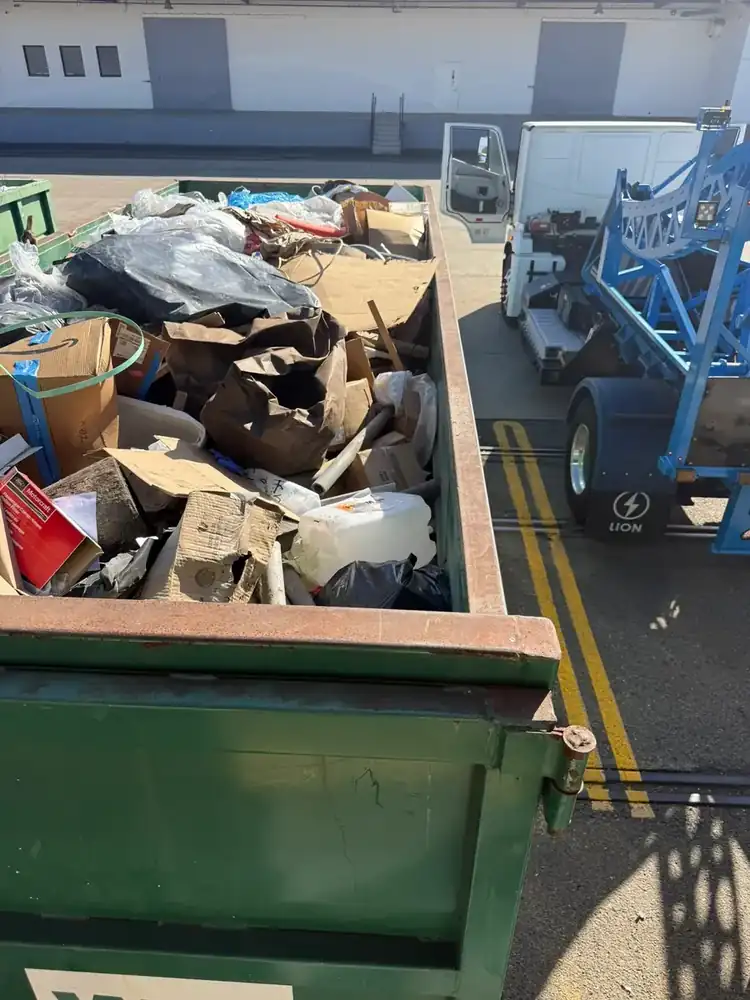
American Compaction Services supplies the roll-off container and runs the compaction visits. The container is placed, and pulled when it is full. If you already have a container from another hauler, keep it and keep your hauler: we compact what is in it, and we handle the conversation with the container's owner before the first visit. When we supply the container, the container, the pulls and the compaction come on one invoice, and there is no contract to sign.
The how it works page follows a site from first call to first pull, including what stays the same when compaction is added to a container you already have.
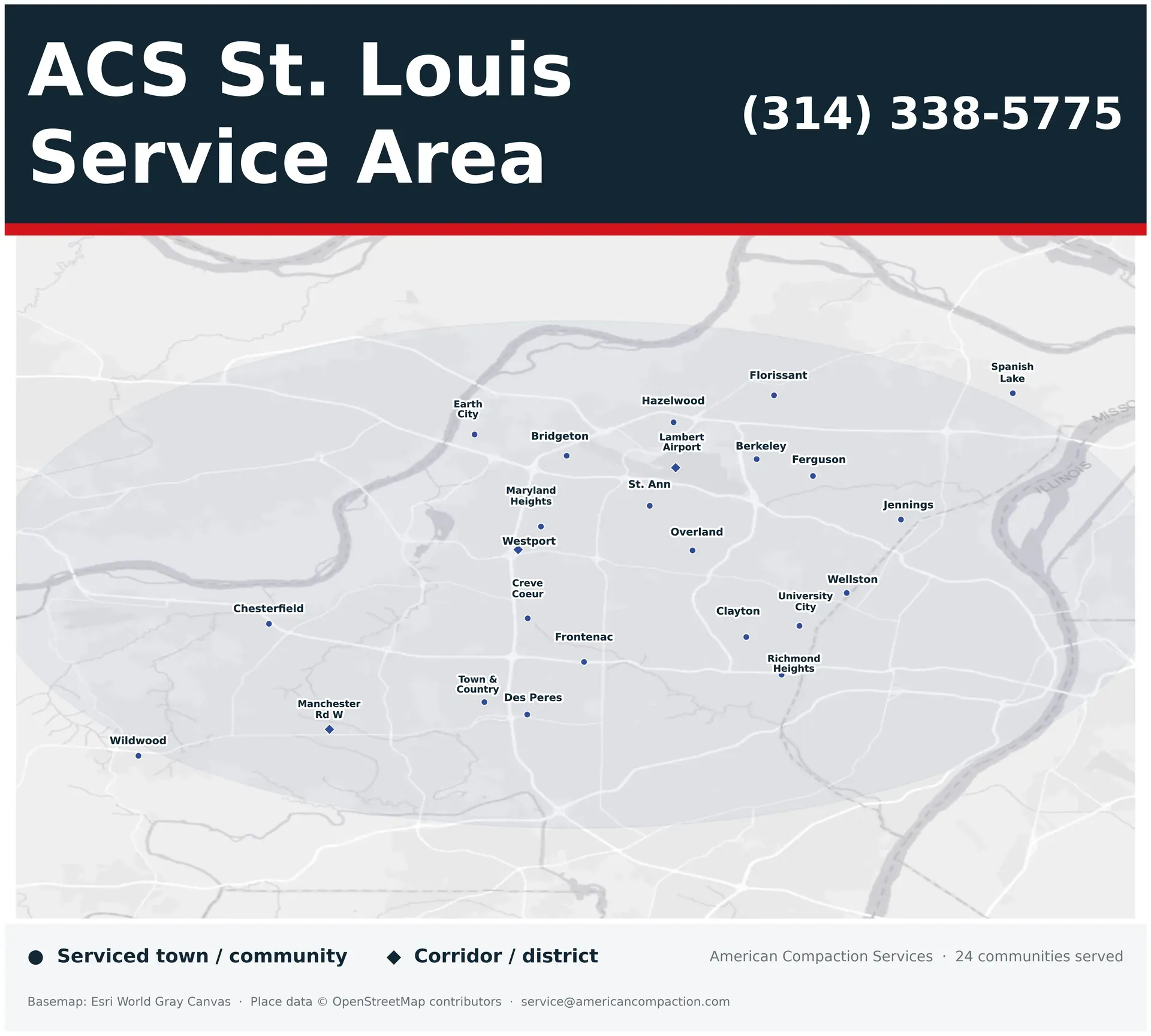
Markets
Markets and Reaching Your Team
American Compaction Services opens markets one at a time. Each live market has its own page, its own phone number and its own service area, and the locations page lists every one.
St. Louis, MO
Sacramento, CA
Still Have a Question About Commercial Dumpster Rental?
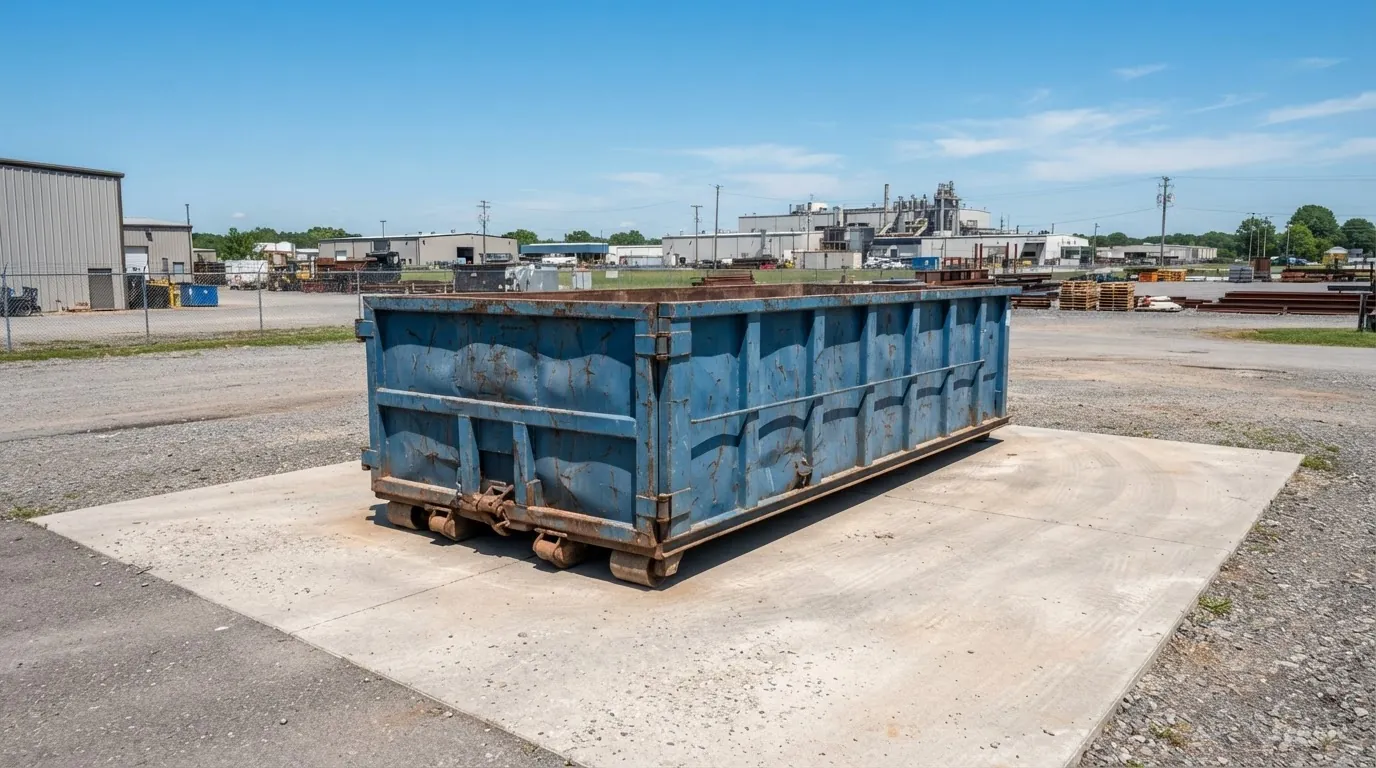
Describe your site, your waste stream and how often the container goes out. American Compaction Services will tell you which container fits, what the materials rules mean for your material, and whether compaction changes anything on your stream, including when it does not.
With roll-off, every haul is a call. With American Compaction Services, nobody has to call.
We set you up on a schedule and we compact on site. Dumpsters and compaction. All handled.
You already pay for dumpster space. Compaction lets you use more of it.
Getting started takes four details
- A photo of your dumpster and the space around it
- Your location
- What goes in the box
- The container size, if you know it
They help us plan for site access and match compaction service to your site.
We will prove it. Call or text (877) 651-7660.