
Bridgeton, MO · I-70 / I-270 & Airport West
Commercial Dumpster Rental in Bridgeton, MO
We automate your roll-off. You'll never run out of room. Fair price. Great service.
American Compaction Services · 20, 30 and 40 yard roll-off containers, compacted on site, for the freight docks, trucking yards, headquarters campuses and hospital work along I-70, I-270 and Route 370.
American Compaction Services provides waste management through commercial dumpster rental and on-site compaction in Bridgeton, the city on the west side of Lambert where I-70 meets I-270. We supply open-top roll-off containers to the warehouses, trucking yards, office campuses and hospital projects in this part of Northwest County, and we compact them on site so each one holds more before it is pulled.
- Where I-70 Meets I-270
- Commercial accounts only
- Self-contained mobile compaction unit
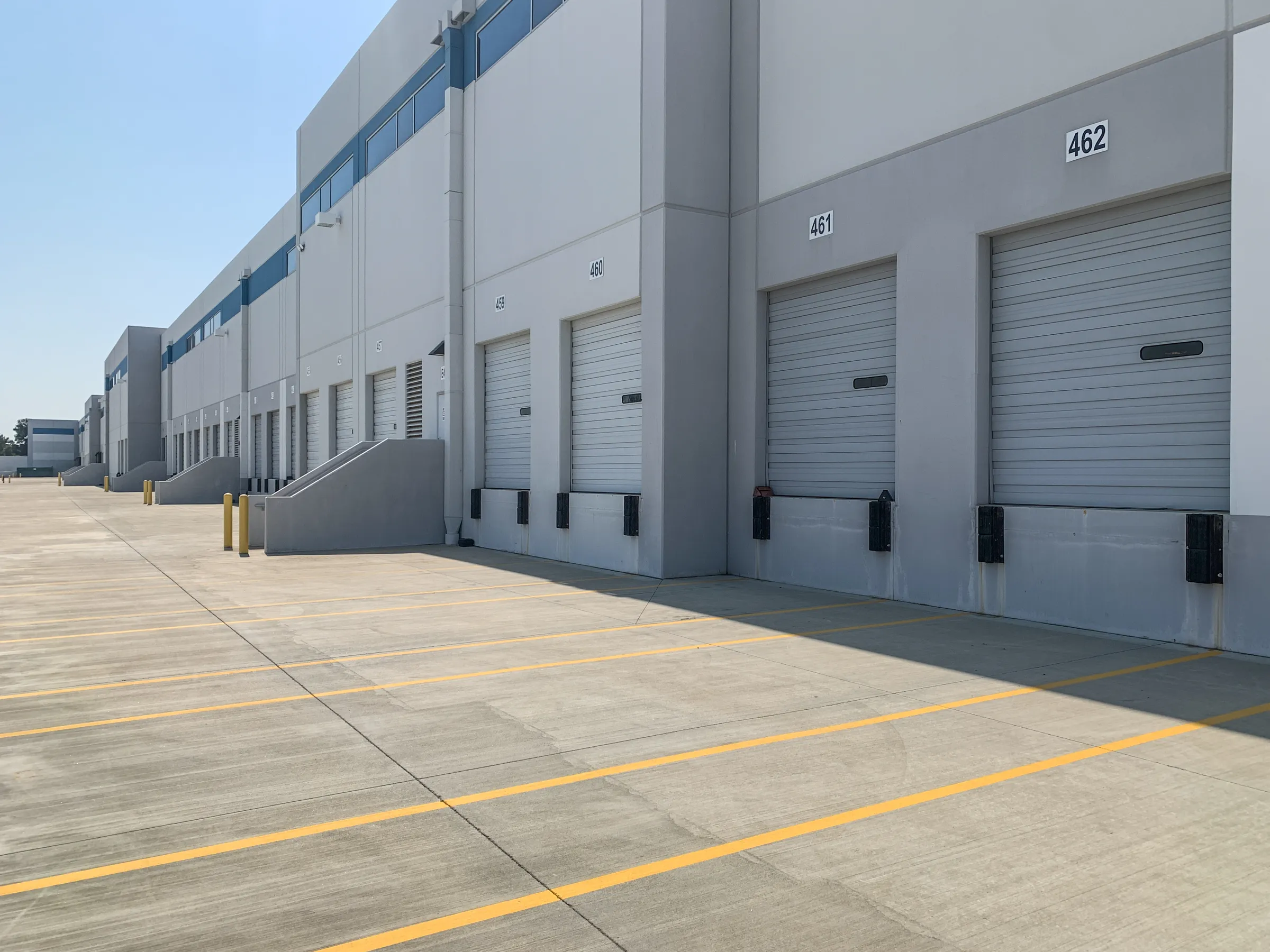
Bridgeton describes itself as a transportation hub, and its waste reads like one. Freight arrives wrapped and palletized and leaves the building as corrugate, stretch film, banding and broken pallets. Headquarters floors get cleared and refitted. Hospital space gets renovated while it stays open. Almost all of it is bulky before it is heavy, so a Bridgeton container tends to look full long before the truck is carrying anything close to what it could.
Bridgeton at Work
What Bridgeton Businesses Put in a Container
Bridgeton's commercial land follows its highways. I-70 and I-270 meet here, Route 370 runs just to the north, and Lambert's runways line the city's east side. Most of the warehouse and trucking space sits on the airport-west industrial streets off Natural Bridge Road and St. Charles Rock Road, with headquarters and hospital campuses in between. Two kinds of waste come out of that mix, and they behave nothing alike.
Freight and Trucking Off the Interchange
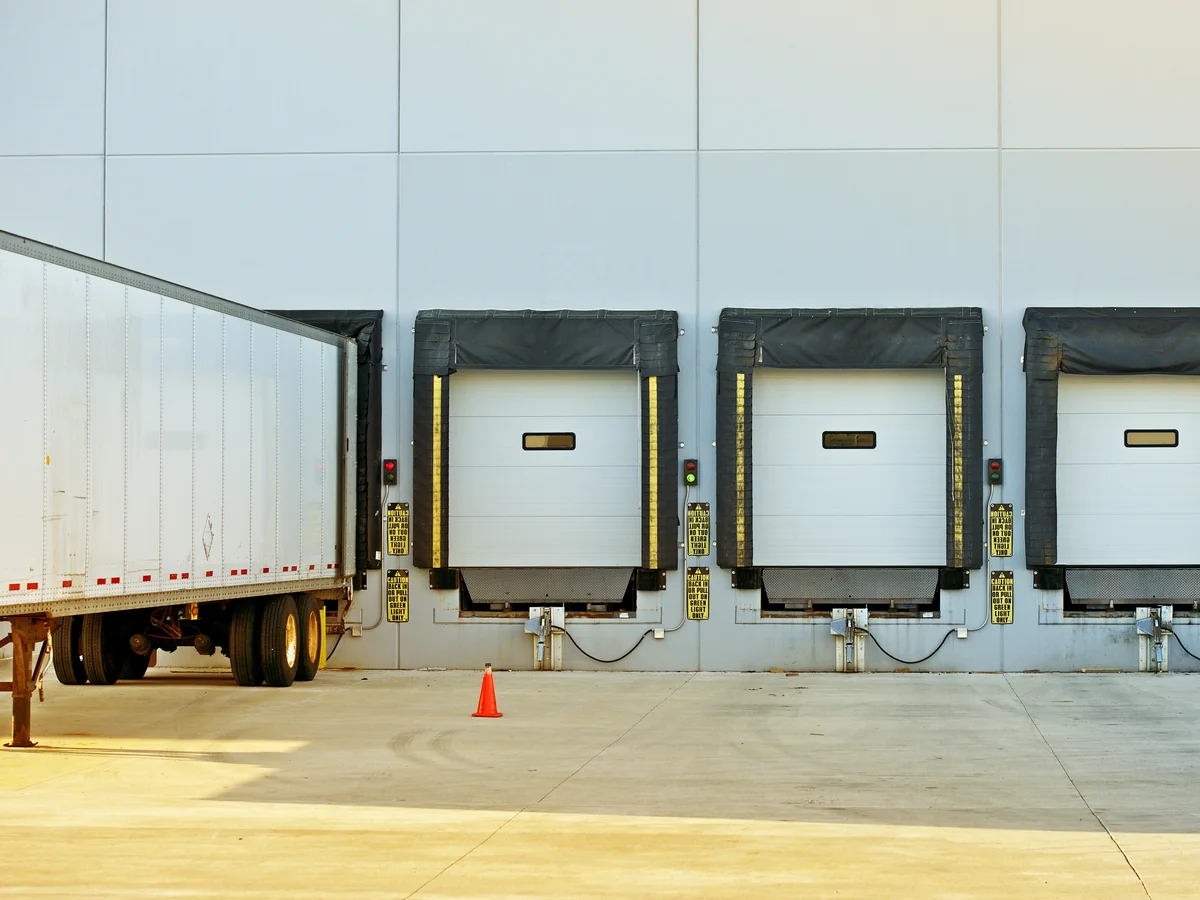
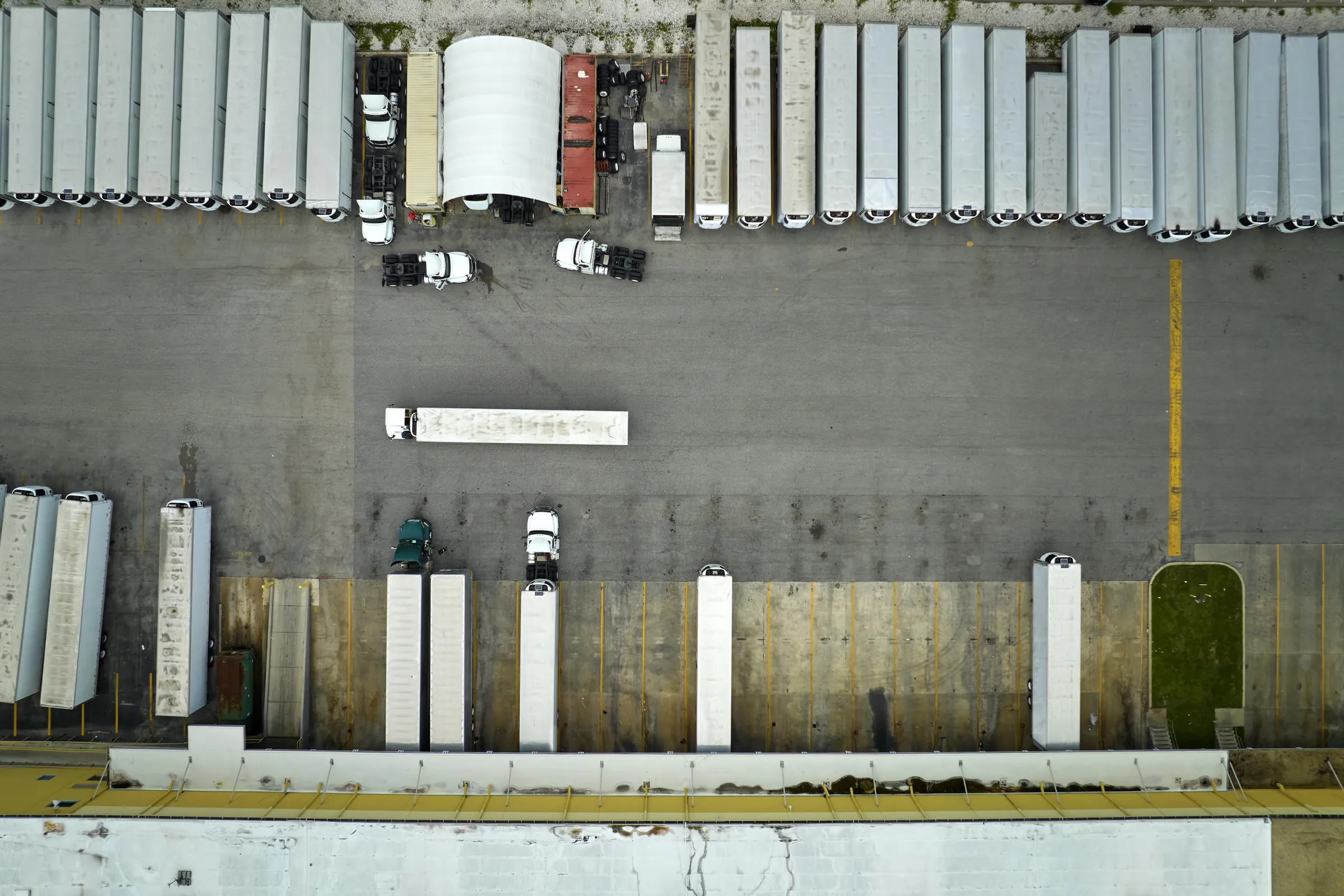
Distribution buildings, cross-docks and trucking yards generate a steady stream set by the freight, not the calendar. What comes off inbound loads goes straight to the container: corrugate, stretch film, banding, dunnage and pallets too broken to reuse. Trucking yards add shop cleanup and damaged packaging. It is light, it bridges across the container and traps air underneath, and it is where the gap between full-looking and actually full costs the most.
Headquarters and Hospital Campuses
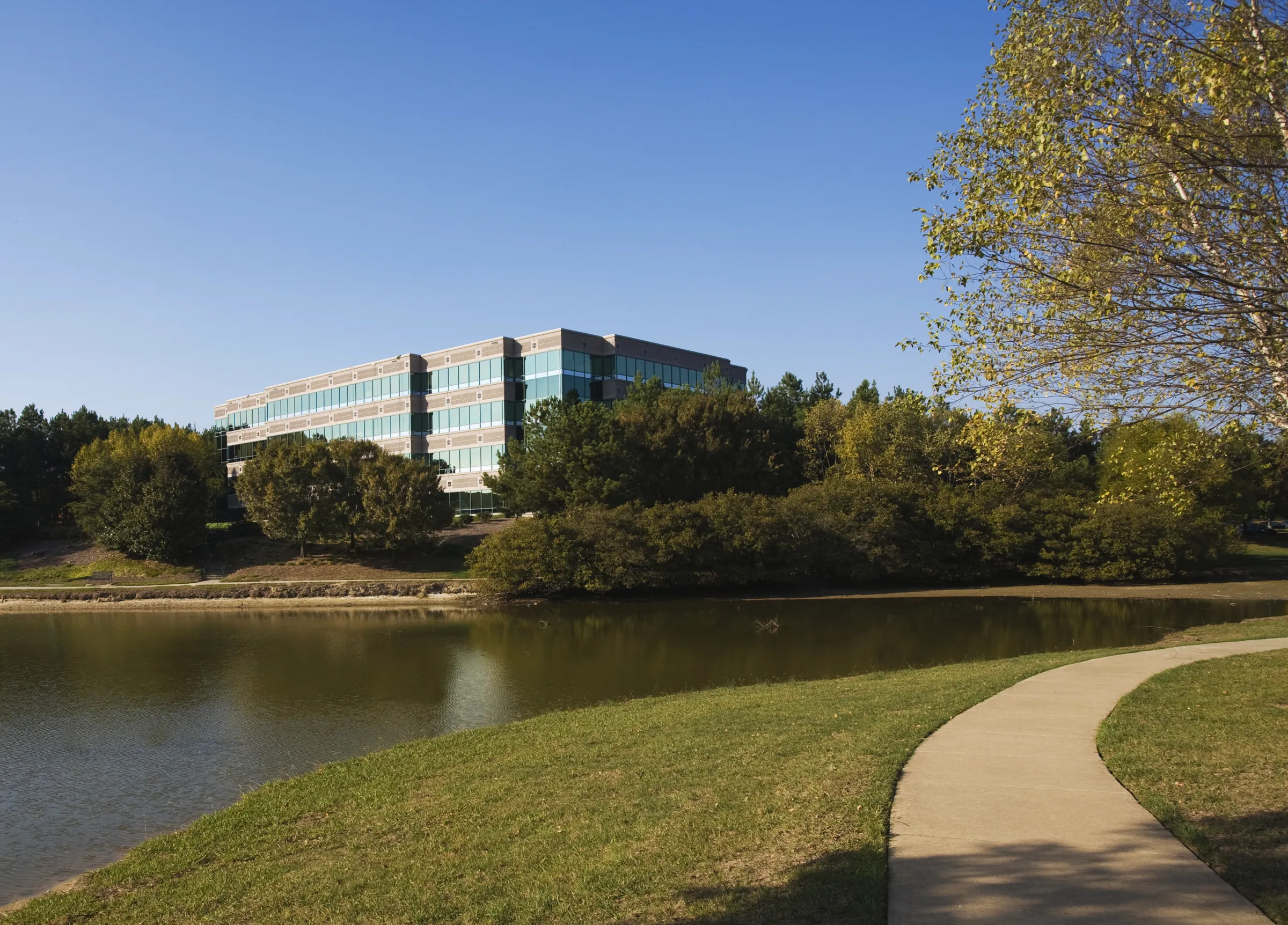
Bridgeton is home to corporate head offices, among them Hunter Engineering's campus on Hunter Drive and GoJet Airlines' headquarters, and to SSM Health DePaul Hospital. Campuses like these throw waste away in bursts rather than streams. A floor is cleared and refitted, equipment arrives crated, a department moves and leaves furniture behind, and a hospital wing is renovated in phases around patients and visitors. The container arrives for the project, sits on a lot people see every day, and leaves when the project does.
The Account
Commercial Dumpster Rental in Bridgeton: How the Account Works
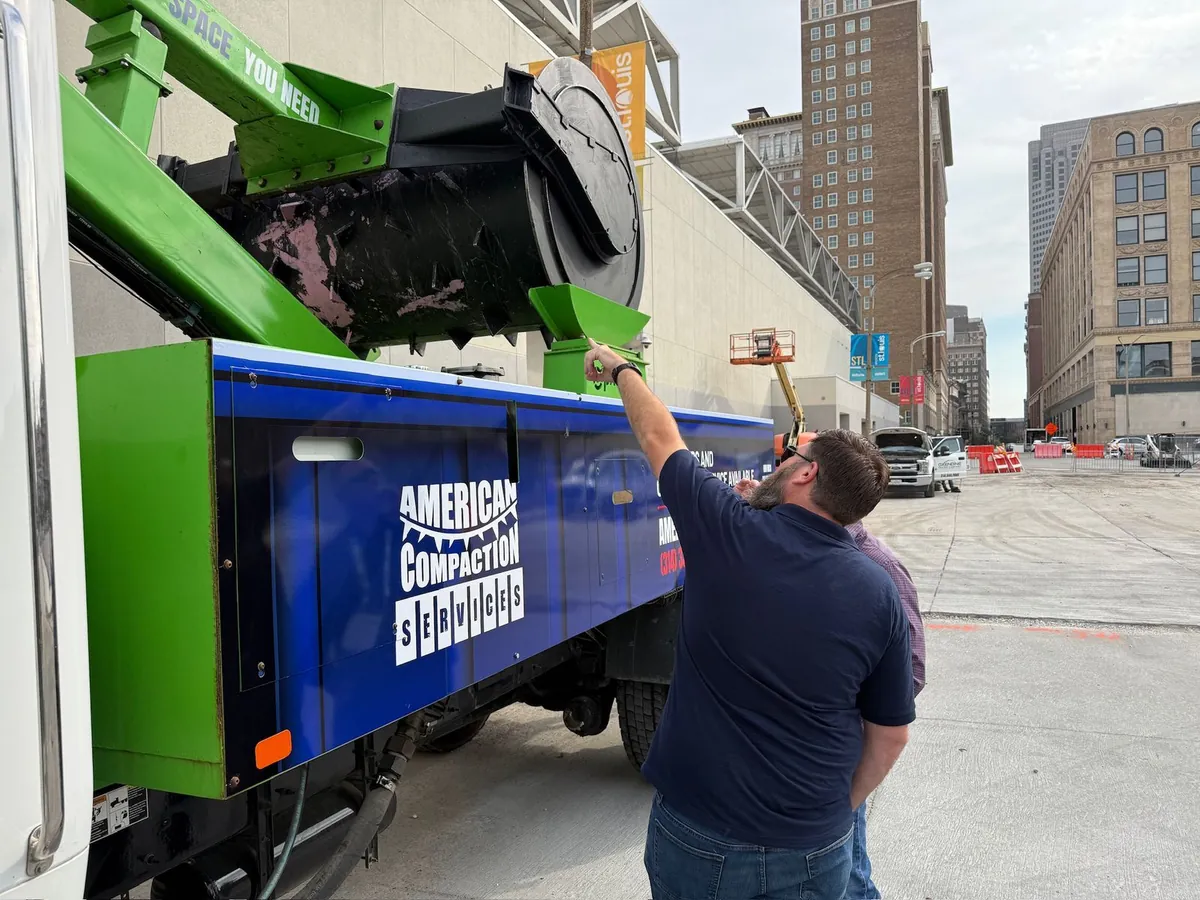
American Compaction Services runs 20, 30 and 40 yard open-top roll-off containers in Bridgeton, and every size can be compacted where it sits. ACS provides waste management through dumpster rental and on-site compaction.
There are two ways in. Already have a dumpster? Keep it and keep your hauler; we compact what's in it. Need dumpster service? We supply the container and compact it on site. No contract to sign: no exclusivity, no minimum, no term. For a Bridgeton freight building, that can mean a standing container on a set pull schedule with compaction visits in between; for a campus refit, a container for the length of the job.
We work with businesses: contractors, builders, roofers, property managers and facility operators. We don't serve homeowners hiring directly.
Free on-site demo: we compact one of your own containers while you watch. The demo carries no obligation and is photographed before and after. If it isn't a fit, we tell you on the spot.
Job Types
Container Service by Job Type in Bridgeton
Standing Containers at Warehouses and Trucking Yards
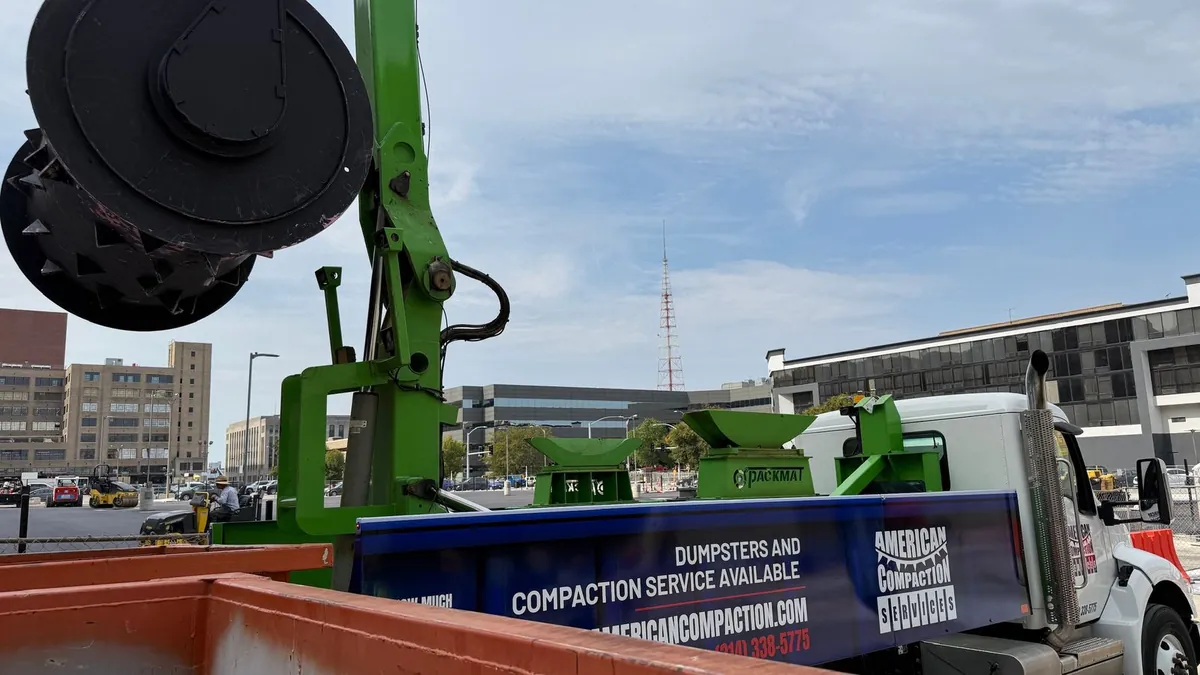
A Bridgeton distribution building or trucking yard usually runs a standing container, often a 40, pulled on a schedule the freight sets. That is where compaction has the most to do: the container stays put, a compaction visit works the load down between pulls, and the pull count can drop. The St. Louis compaction page explains how those visits are routed and timed across the metro.
Refits and Renovations on Campuses
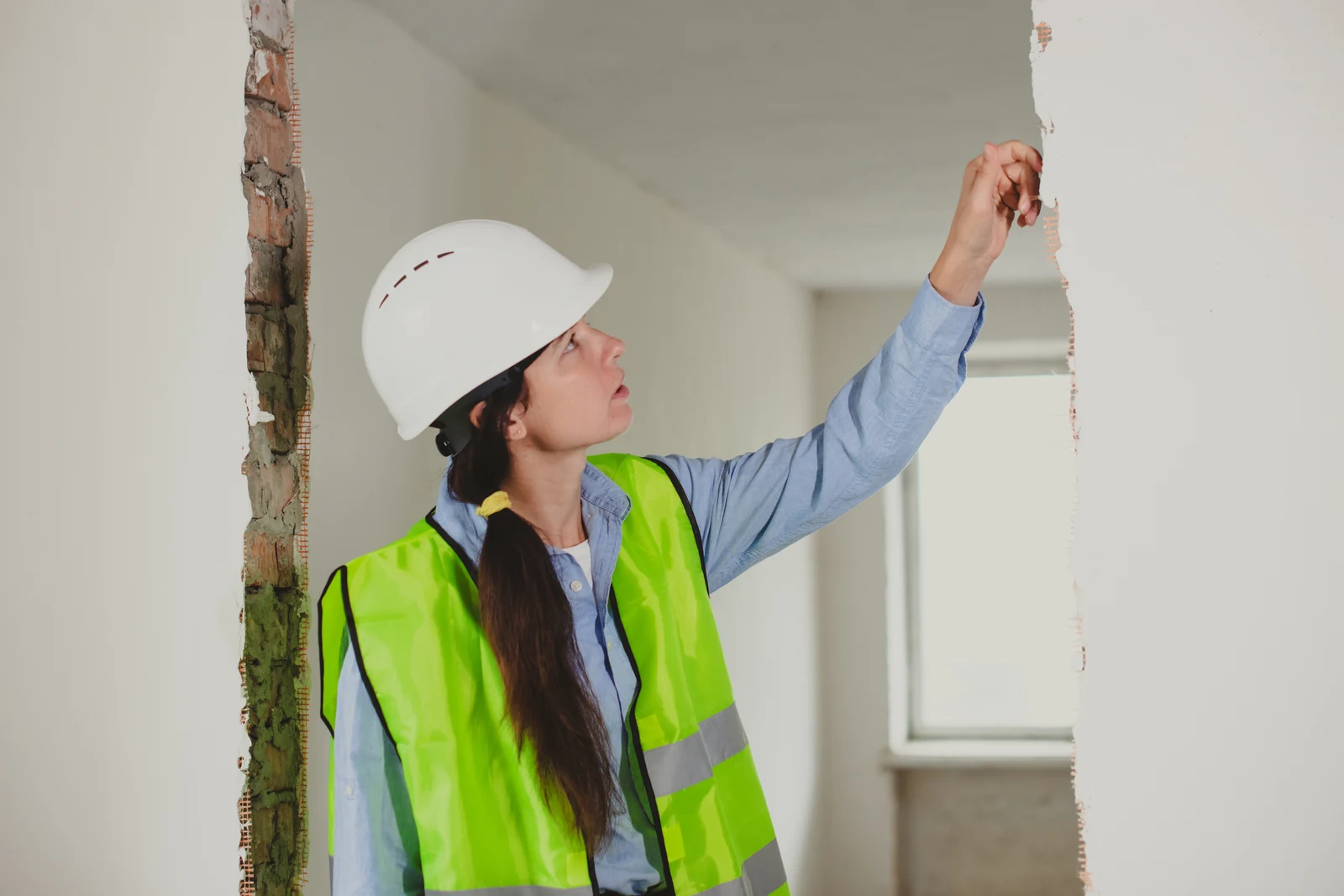
Office refits and hospital renovations in Bridgeton are project work: a strip-out container, a fit-out container, and a schedule that has to fit a building that stays open. American Compaction Services agrees the container spot with the facility's own plan and books pulls outside the busiest hours. Work-hour rules and street placement for jobsites across the metro are on the St. Louis construction page.
Tenant Move-Outs and Yard Cleanouts
When a tenant leaves a Bridgeton warehouse or flex building, the property manager is left with racking, shelving, pallets, fixtures and whatever sat in storage. A 30 or 40 yard for the length of the cleanout usually covers it, placed where the next tenant's trucks will not need the space.
On-Site Compaction
On-Site Compaction in Bridgeton: More in the Box Before It Leaves
Of everything Bridgeton throws away, the freight-dock stream gives compaction the most to work with. A compaction visit takes nothing out of the container but air, so what comes back depends on the load. Compaction can reduce volume by up to 70%, depending entirely on the material. It is never a guarantee.
| Material | Compaction |
|---|---|
| Cardboard and packaging | Compacts well |
| Plastics | Compacts well |
| Pallets and wood | Compacts well |
| Furniture and bulky commercial waste | Compacts well |
| Light construction debris | Compacts well |
| Concrete, masonry and roofing shingles | Never compacted |
| Red iron, liquids and hazardous waste | Never compacted |
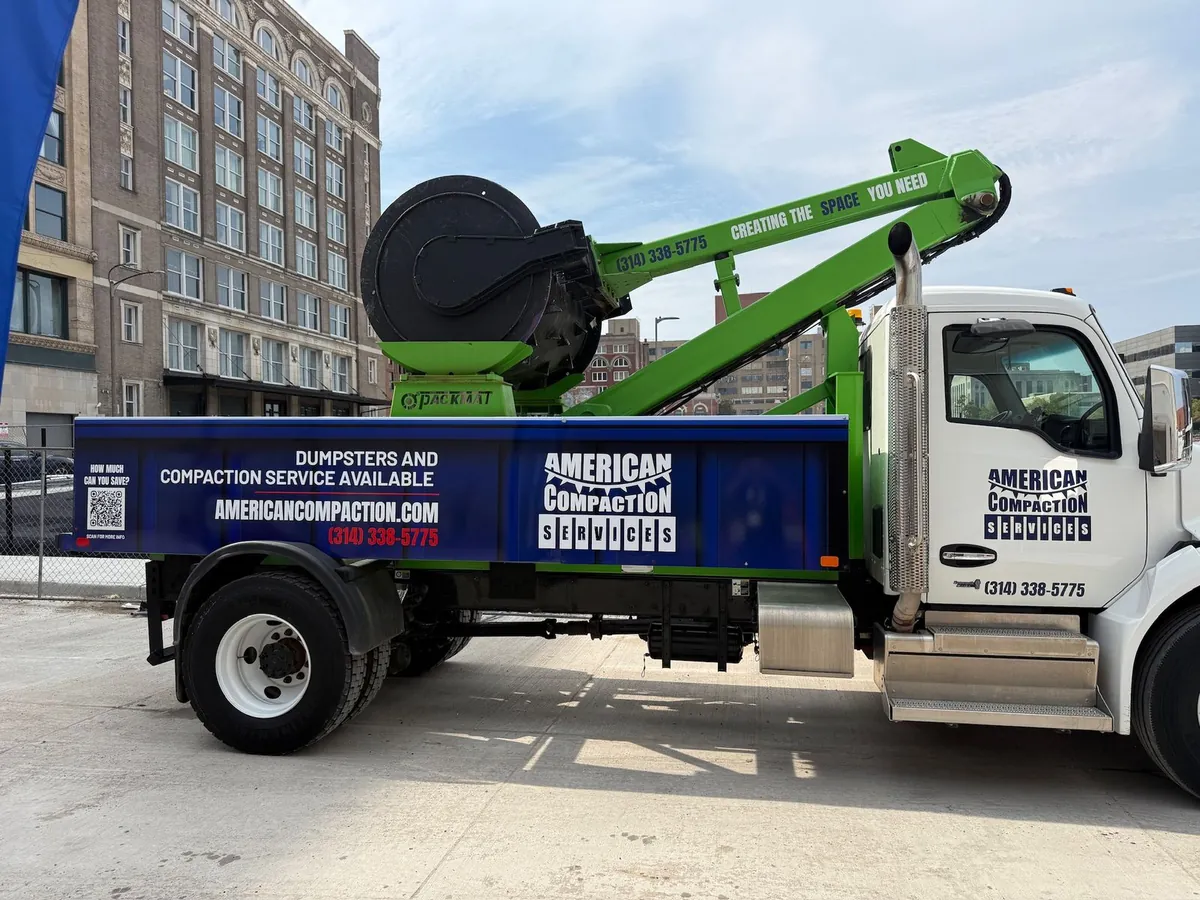
Corrugate, film and packaging off Bridgeton's docks are on the compacts-well list. Strip-out debris from office and hospital work is light construction debris, and a trucking yard's broken pallets sit with pallets and wood. Compaction visits between pulls are set by your fill rate.
A loose container that looks full is mostly air. Compaction can reduce volume by up to 70%, depending on the material.
Compaction reduces haul-offs; it never eliminates them. A compaction visit is itself a visit. What changes is that a short on-site visit happens instead of a haul-off. If it won't move your number, we'll tell you on the spot.
Cost Context
What Drives the Bill in Bridgeton
The pricing guide explains what moves a commercial dumpster bill. For a Bridgeton site, four things decide it.
The Run From Your Site to Disposal
A pull is not finished when the container leaves your lot; it ends when the truck is back from the disposal facility. Bridgeton has a solid-waste transfer station within its own limits, but a load goes wherever that material is accepted, which may be farther away. The St. Louis overview sets out the facilities behind St. Louis pulls. A longer run makes every pull you avoid worth more.
Lot or Street
A container on the street or right-of-way needs approval from the local jurisdiction, and the rules vary by city. In Bridgeton the authority depends on who owns the pavement, which the questions below set out, and a street placement adds lead time and paperwork that a spot on your own lot does not.
Trailers, Gates and Hospital Lots
Access decides whether a pull is routine or a return trip. American Compaction Services plans Bridgeton placements around three obstacles: trailers parked across a shared truck court, a campus gate that needs a check-in, and hospital lots where the approach has to stay clear of emergency traffic.
The Size That Does the Work Here
On the freight side of Bridgeton, the 40 yard tends to be the working container, because freight waste is bulky and light; campus projects lean toward 20s and 30s. Whatever the size, compaction works on how often it leaves; put your own pull count and container into the savings calculator for a planning figure.
These results are estimates from the numbers you enter. They are not a quote, a promise or a guarantee.
Sizes
Picking a Size for a Bridgeton Site
American Compaction Services sizes a Bridgeton container by the site and by what the site throws away. All three are compared side by side on the dumpster sizes page.
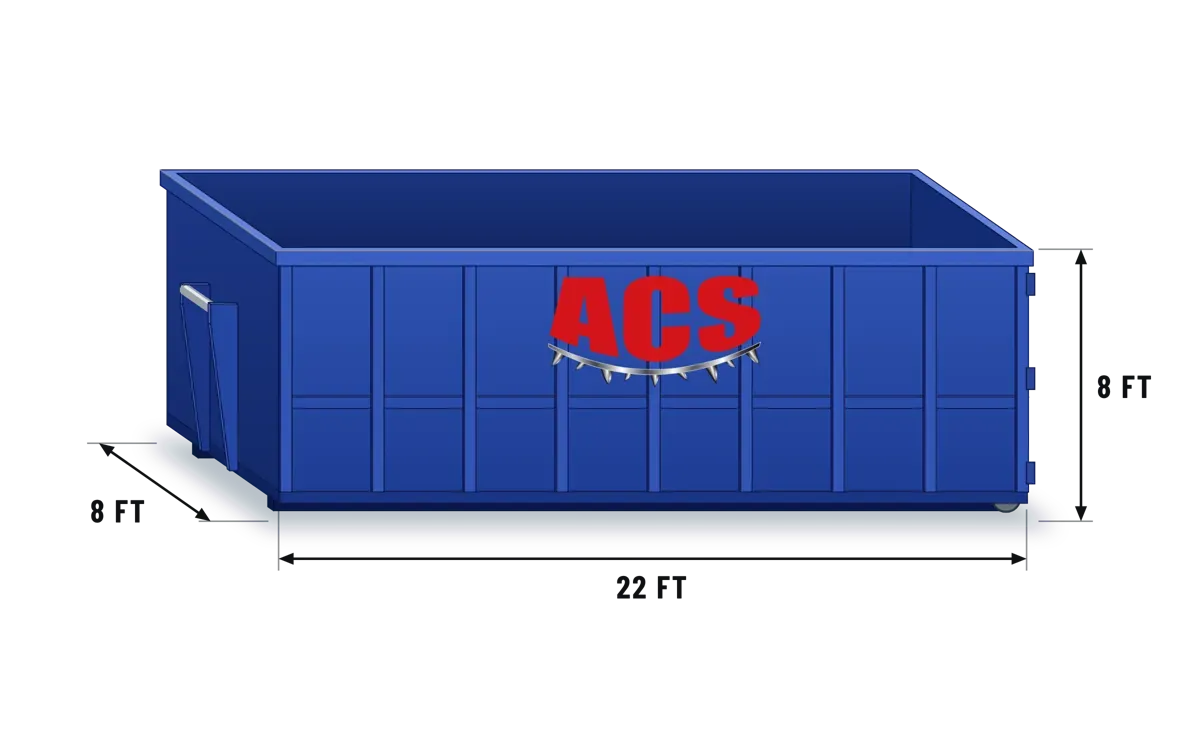
A 40 Yard at a Bridgeton Freight Dock
Light, bulky freight waste and room for a truck to line up. This is the container compaction works hardest.
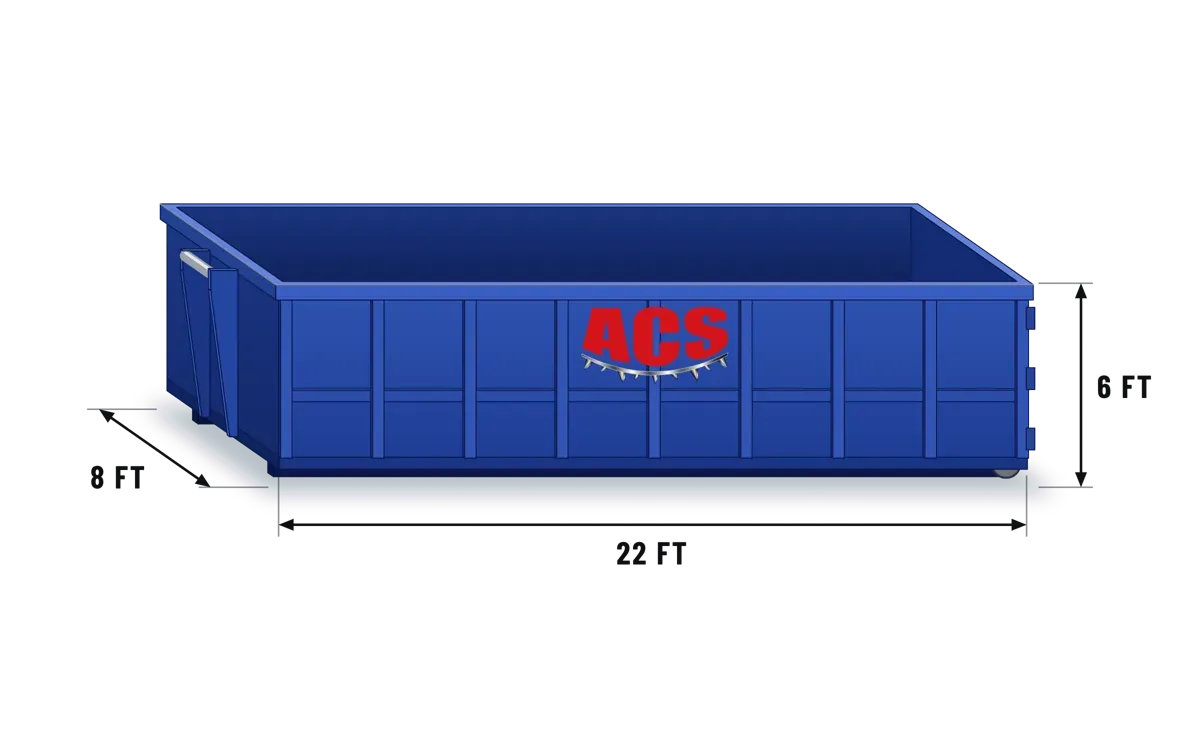
A 30 Yard for Campus Projects and Cleanouts
Office refits, tenant move-outs and mixed project debris, where the lot has room but not unlimited room.
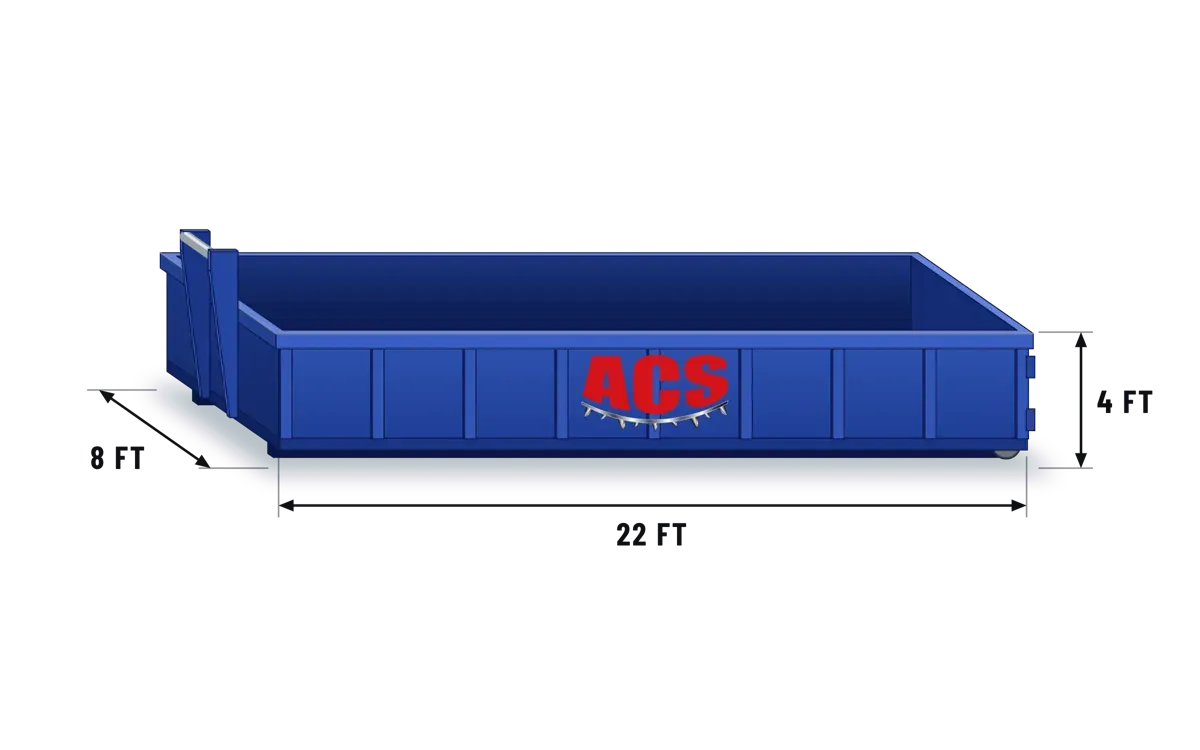
A 20 Yard on a Tight Hospital or Office Lot
Where the footprint matters more than the capacity. Heavy or dense debris? Tell us first so we can plan for weight limits.
Drive Time
Getting to Bridgeton
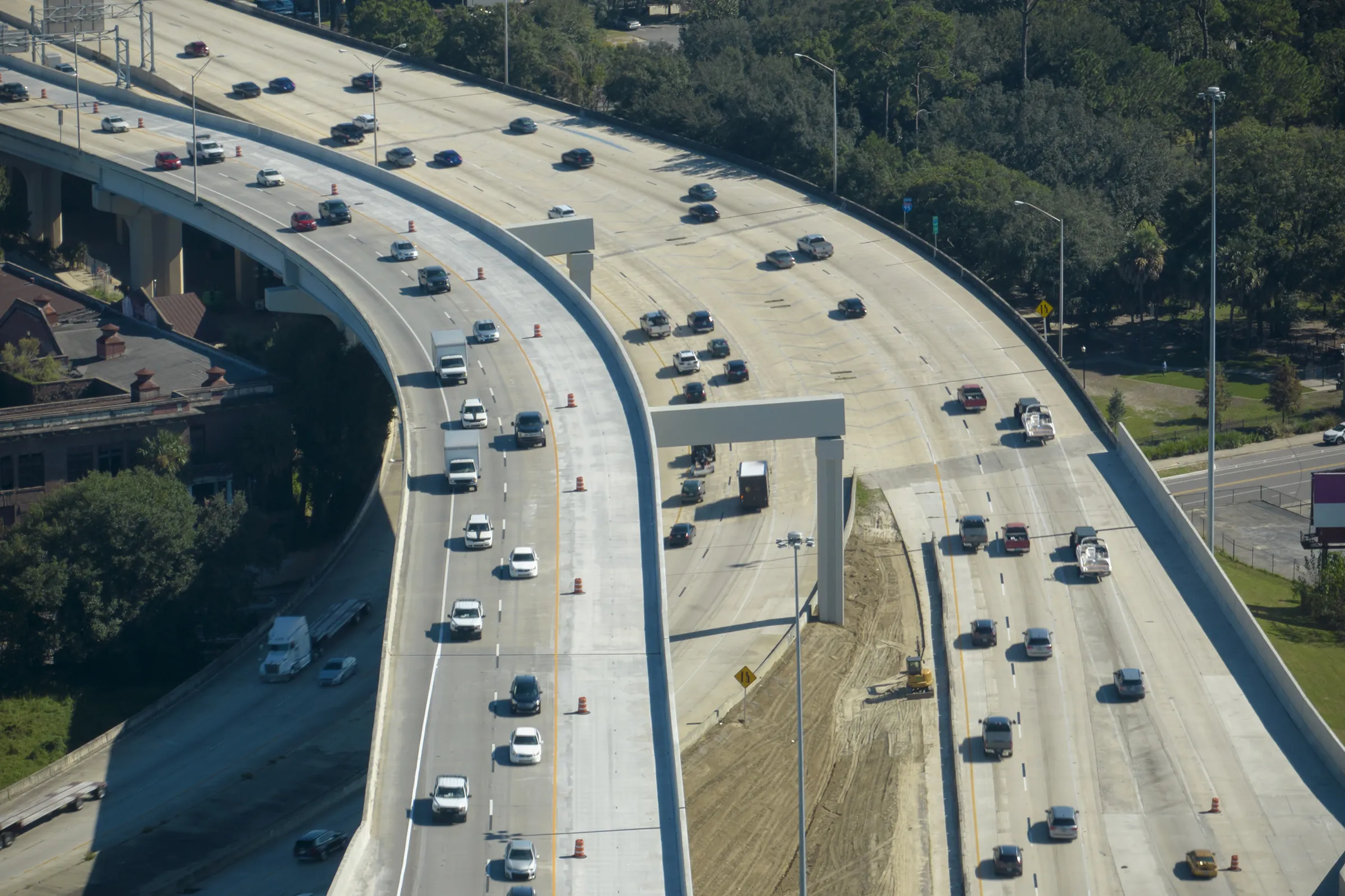
Bridgeton is part of our St. Louis City and County service area. The compaction unit travels to the container, so a compaction visit is booked on a route day; pulls and swaps run on the pickup schedule. Most Bridgeton sites sit off I-70, I-270 or Route 370.
What the drive changes is timing, not terms. A compaction visit can often be set into a gap in your day, and adding one before a busy freight week is usually a small change to the schedule rather than a new plan. We do not publish a guaranteed turnaround window. The St. Louis team that quotes your job is the team that schedules it.
On Site
Serving Bridgeton Sites: Placement, Access and Safety
Landlord and Park Sign-Off
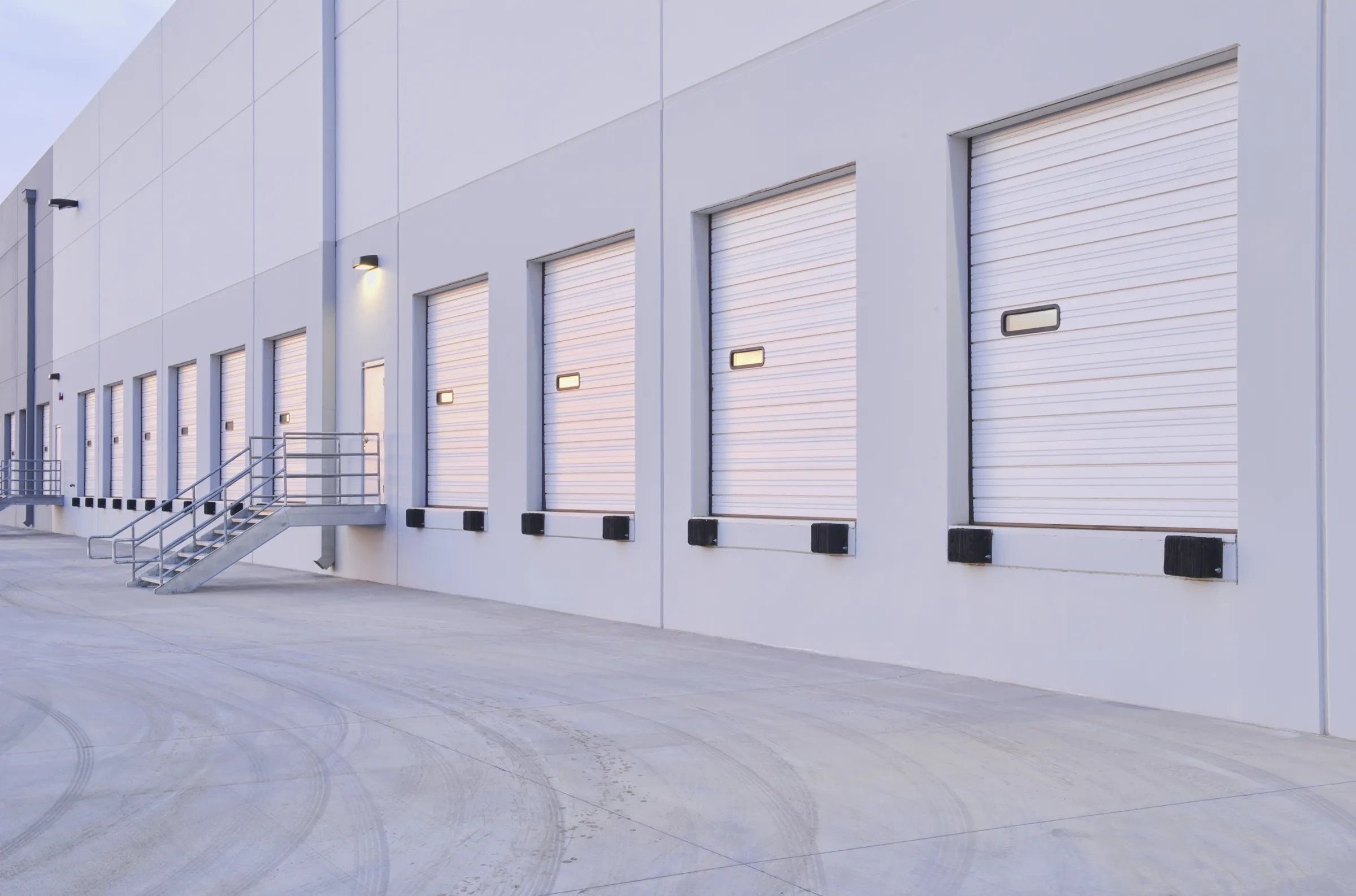
In a multi-tenant warehouse or flex building, the tenant who needs the container is often not the party who controls the pavement. The spot needs the property manager's sign-off, and we work it out with whoever manages the building before anything is placed.
Service-Side Placement on Campuses
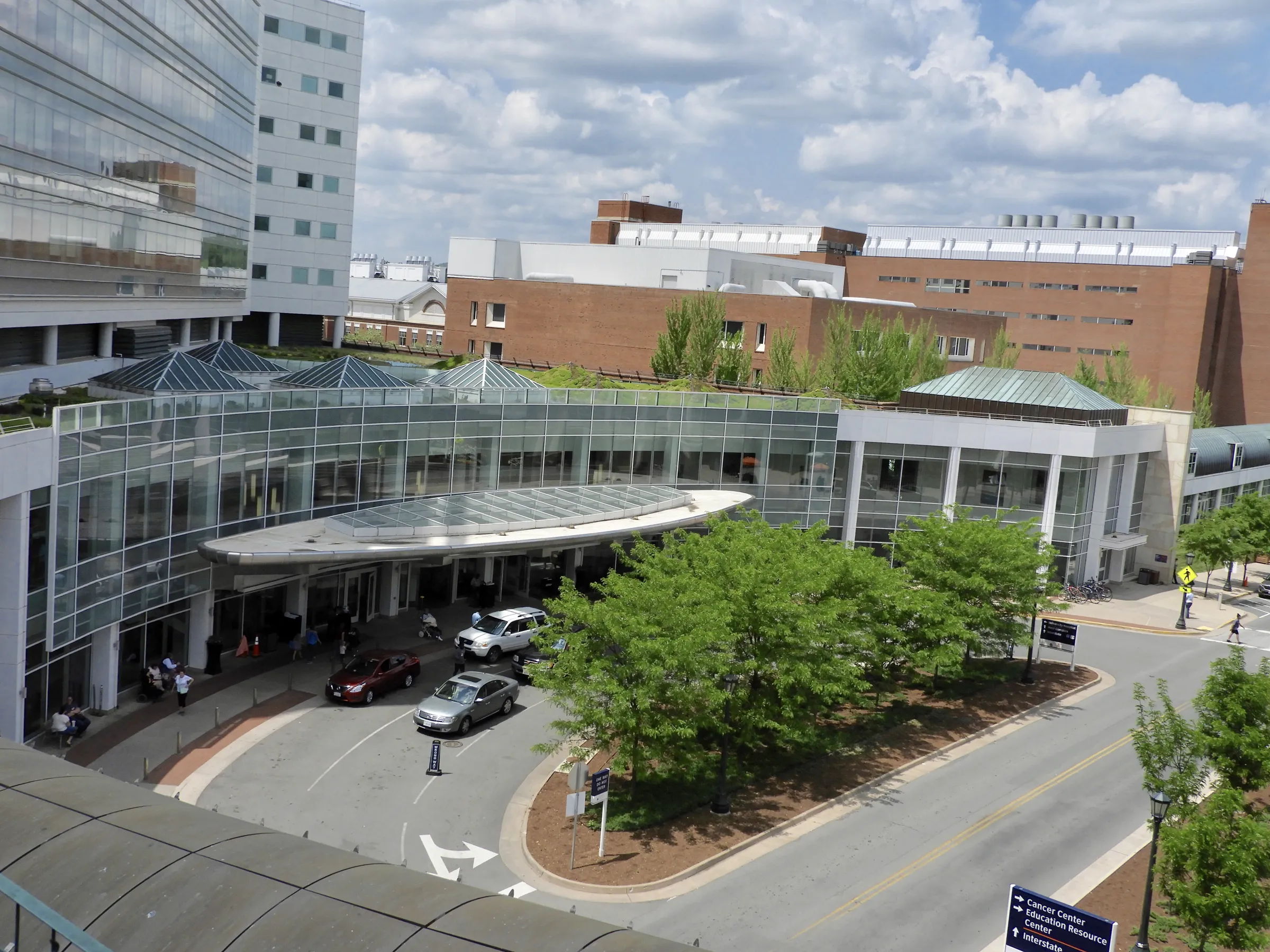
On a Bridgeton headquarters or hospital campus, the container belongs on the service side: off the visitor lots, out of the fire lanes, away from the front entrance, and on a spot the roll-off truck can reach without crossing patient or visitor traffic. We agree that spot with the facility team before delivery.
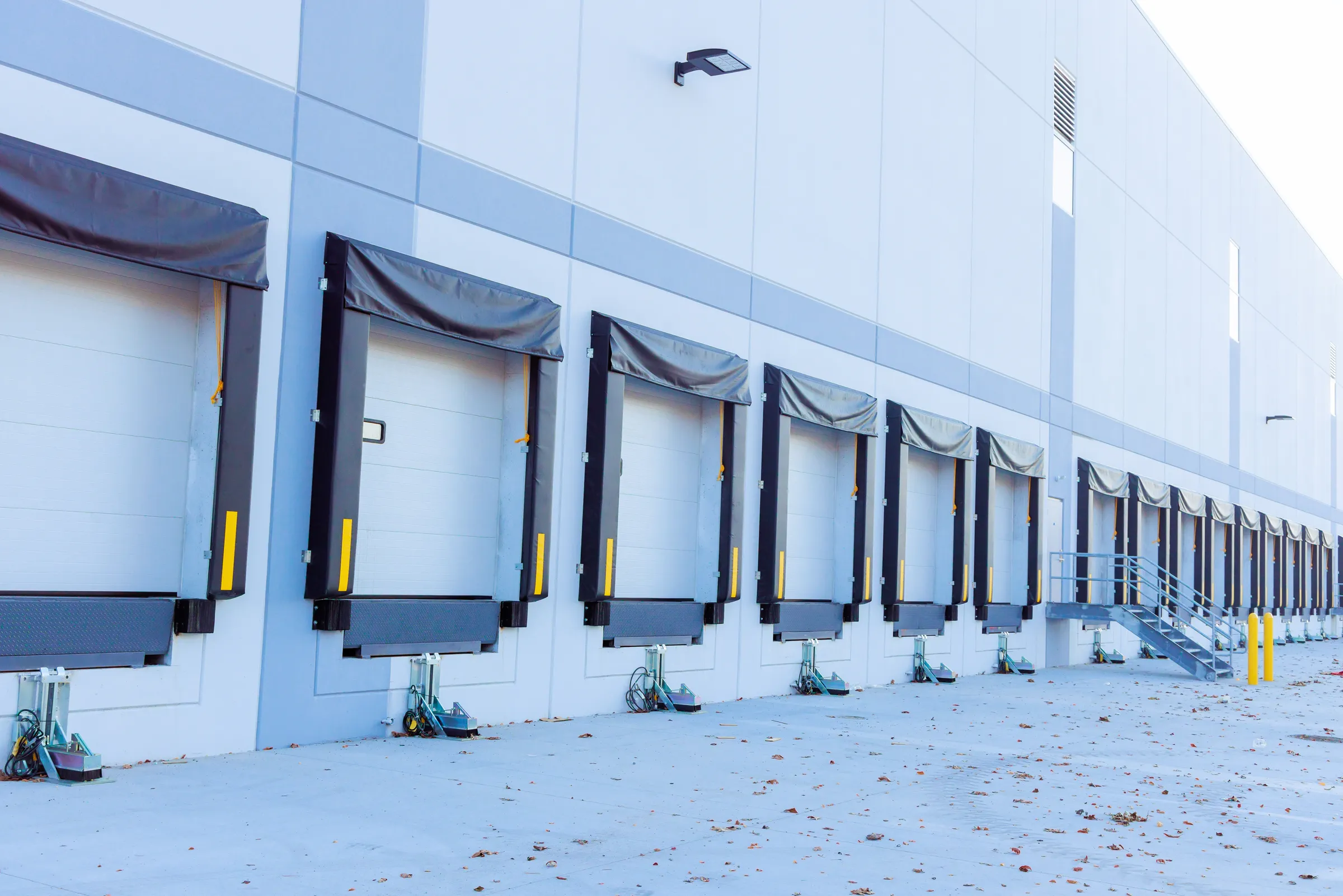
Canopies, Dock Shelters and Light Poles
Overhead decides where a roll-off truck can lift. Dock canopies, loading shelters, light poles and power drops take spots off the table, so the container goes where the truck can reach it loaded as well as empty.
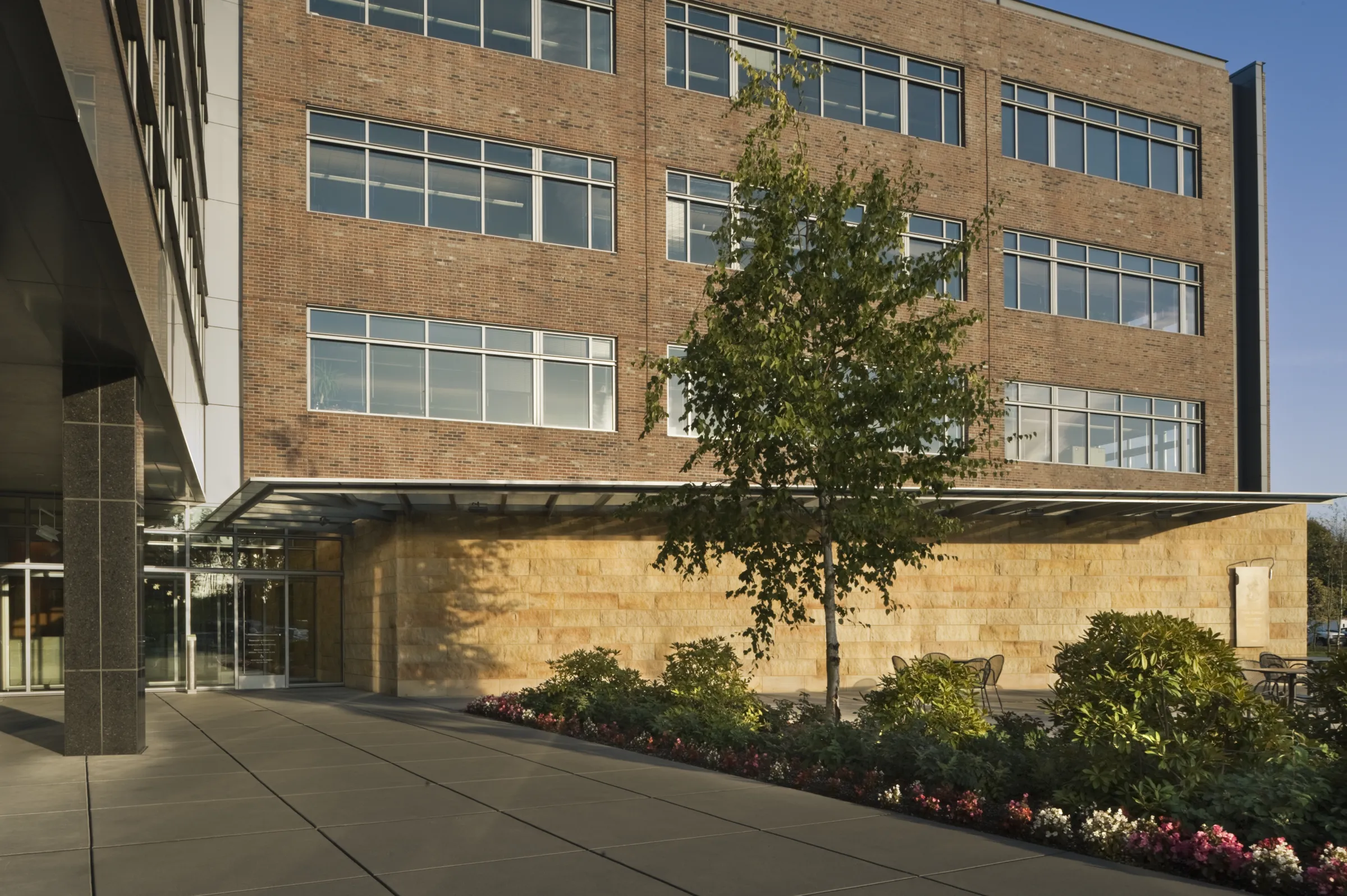
Placement on Visible Lots
We'll confirm placement and access with you before delivery. On a hospital or headquarters lot that visitors cross every day, that conversation is worth having.
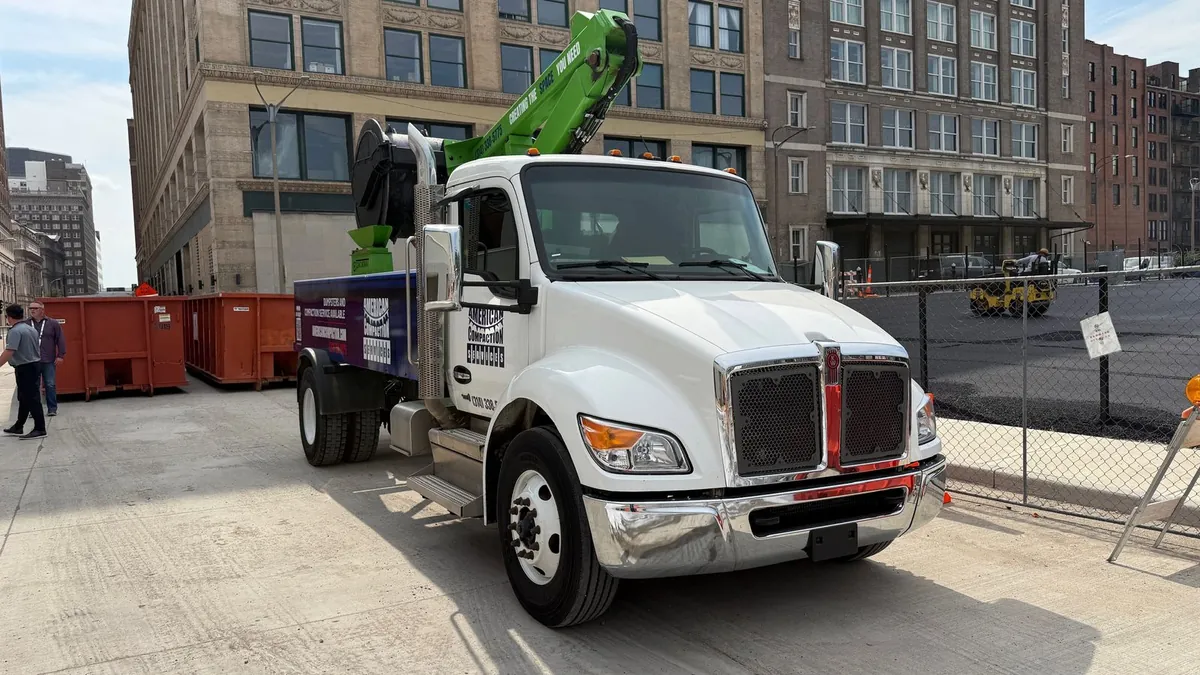
American Compaction Services builds each visit around not touching the container. A heavy steel drum, narrower than the container, works the load down and never touches the walls. The drum works on its own weight, with no hydraulic down-force. Safeguard wheels and end guards keep the unit off the container's structure. Our operators run a zero-touch policy. Every visit includes a before-and-after inspection with photo documentation.
We will not compact liquids; dirt, soil, aggregate or other dense material with no air in it; hazardous or regulated waste; sealed drums or pressurized vessels; or anything the receiving hauler won't accept. On a pure dense load like broken concrete, we'll tell you to skip compaction and have it hauled. What can go in a container at all is on the accepted materials page.
Commercial Dumpster Rental in Bridgeton: Questions
Near Bridgeton: Related Pages and Neighboring Communities

Start Commercial Dumpster Rental in Bridgeton
Three details get a Bridgeton account started: the stream your site produces, the spot a container could occupy, and the current pull schedule. Use the request form or call with them. American Compaction Services – St. Louis will match the container to the site, fit the visits to your shifts and tell you plainly whether compaction earns its place on your schedule.
With roll-off, every haul is a call. With American Compaction Services, nobody has to call.
We set you up on a schedule and we compact on site. Dumpsters and compaction. All handled.
You already pay for dumpster space. Compaction lets you use more of it.
Getting started takes four details
- A photo of your dumpster and the space around it
- Your location
- What goes in the box
- The container size, if you know it
They help us plan for site access and match compaction service to your site.
We will prove it. Call or text (314) 338-5775.