

The Default Commercial Size
30 Yard Dumpster Rental
We automate your roll-off. You'll never run out of room. Fair price. Great service.
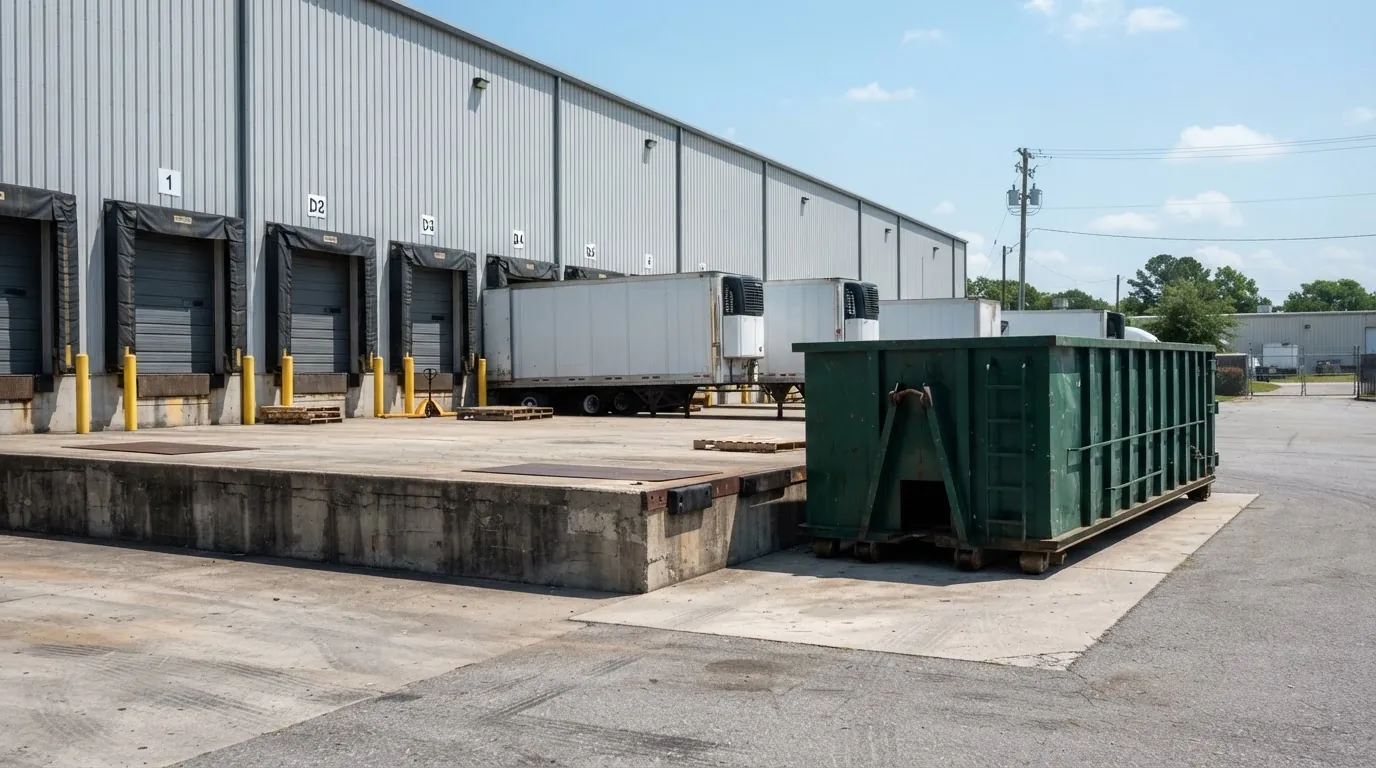
A 30 yard dumpster rental is the usual starting point for a commercial waste stream. It handles a mixed load (some cardboard, some packaging, general refuse, the occasional pallet) without the wall height of a 40-yard. American Compaction Services supplies 30-yard open-top roll-offs to business accounts for mixed construction and demolition debris, renovations and general commercial refuse. ACS provides waste management through dumpster rental and on-site compaction.
30 Yard Dumpster Dimensions and Footprint
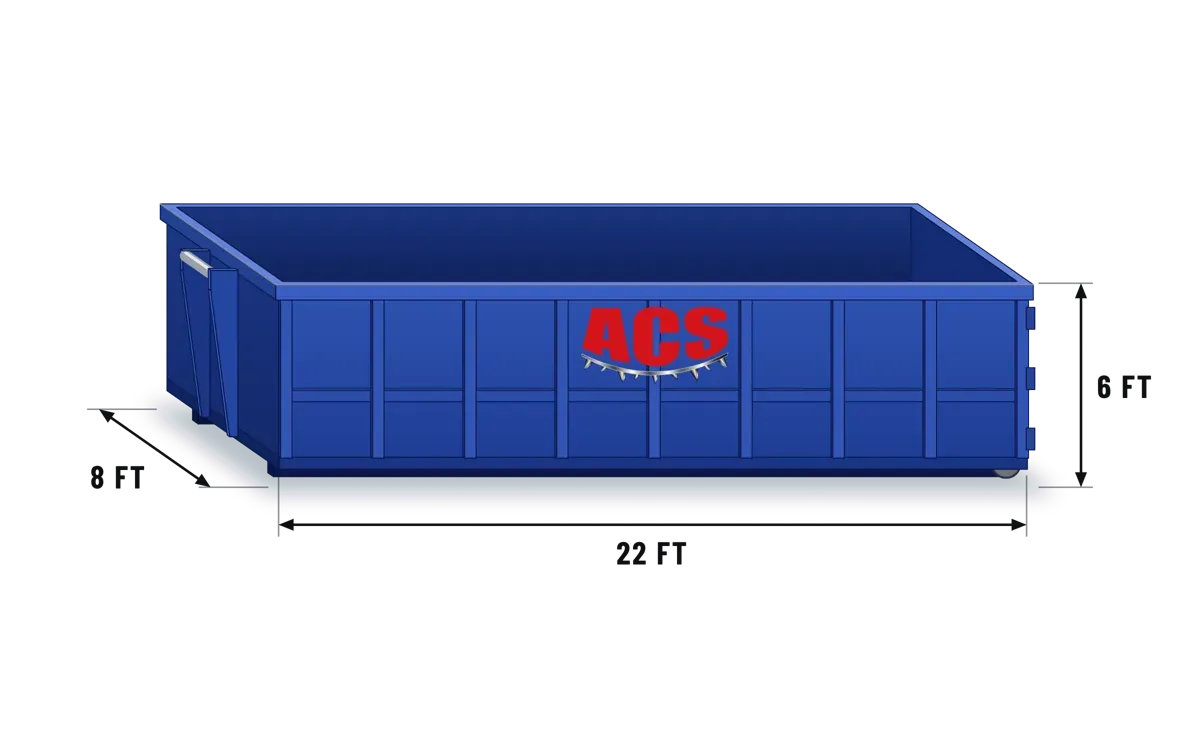
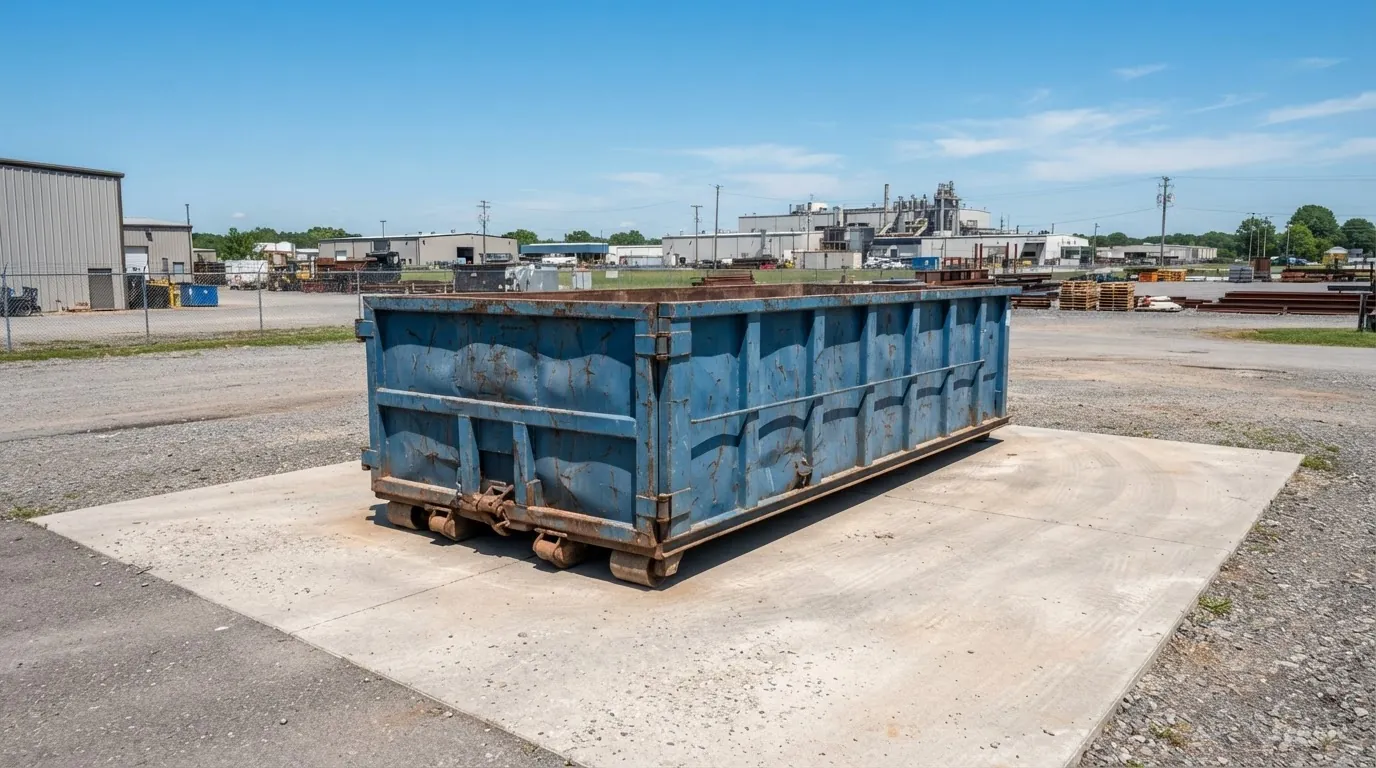
A 30-yard roll-off runs about 22' × 8' × 6', the same length and width as a 20 with two more feet of wall, which is where the volume comes from. Approximate; dimensions vary by container.
That wall height changes how the container gets loaded. Crews load through the door at the back end, or over the rail with equipment, rather than by hand over the side.
Container dimensions vary, and lower yardage does not guarantee a smaller ground footprint, so confirm the actual length, width, height and delivery clearance for your site before the first placement.
What a 30 Yard Dumpster Rental Handles
The 30 is where size conversations usually start, because it is built for a mixed stream.
Mixed construction and demolition debris
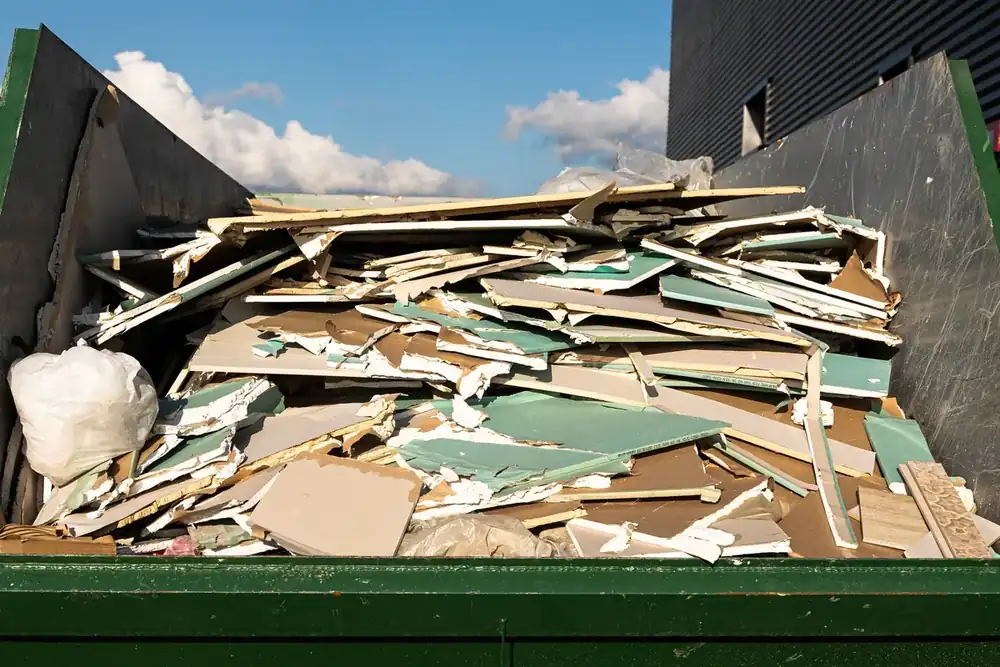
On an active commercial job, the 30 takes the mix a working site produces: framing offcuts, drywall scrap, packaging, some metal, some heavier debris. For construction dumpster rental where the debris changes week to week, it holds enough volume for a busy phase without turning every load into a weight problem.
Renovations and tenant improvements
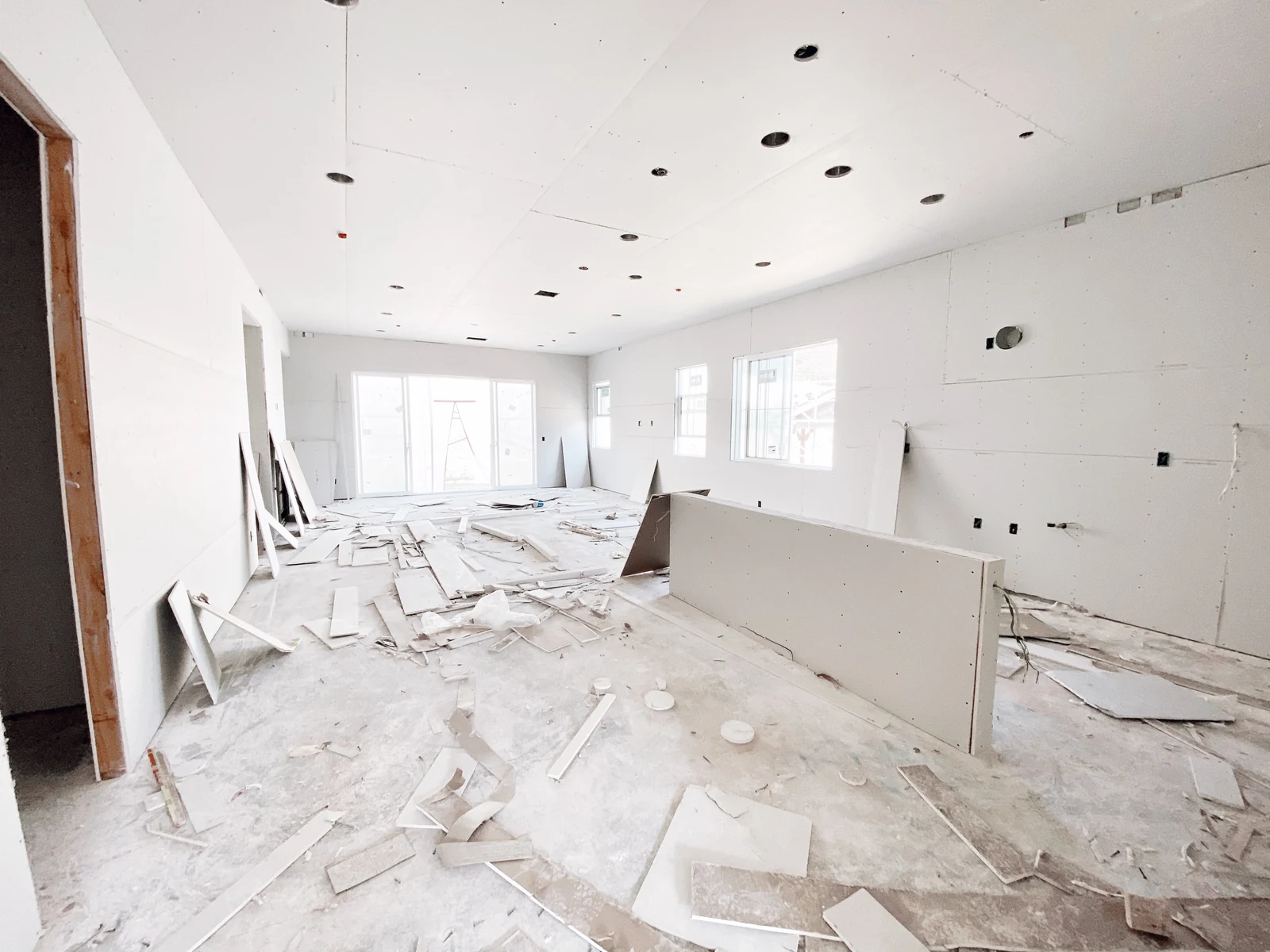
Interior renovations, tenant fit-outs, unit turnovers and flips produce a mix of light and heavy debris that suits the middle size. When a contractor is the account, the work is commercial whatever the building is, so a renovation crew working on houses is served the same way as one working in an office.
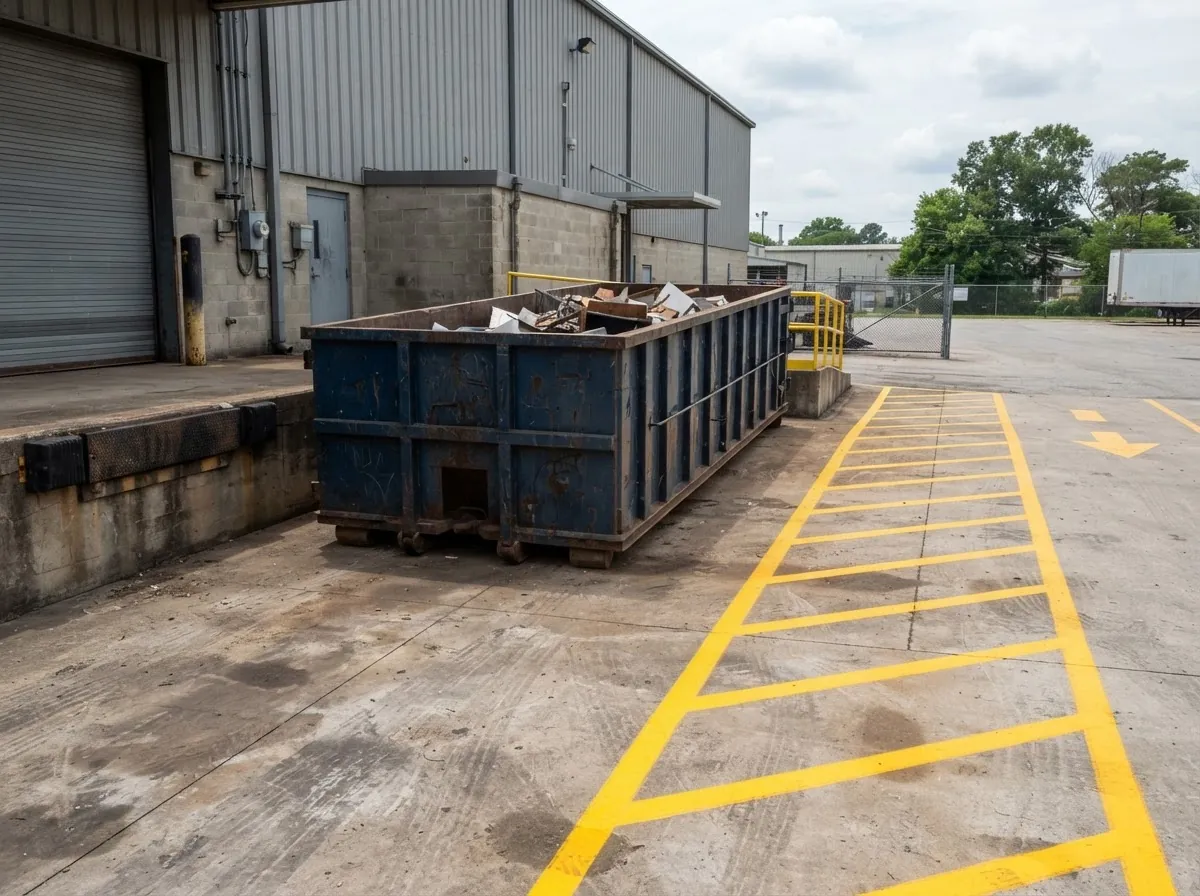
General commercial refuse
Warehouse and facility refuse, packaging, moderate cardboard, commercial property waste, and retail or restaurant groups sharing a container. A steady mixed stream gets room between pulls without the height of a 40.
If your stream is mostly cardboard, packaging and pallets, look at the 40-yard. If it is mostly heavy debris, look at the 20-yard. The dumpster sizes guide compares all three.
Loading a 30-Yard So It Leaves Full
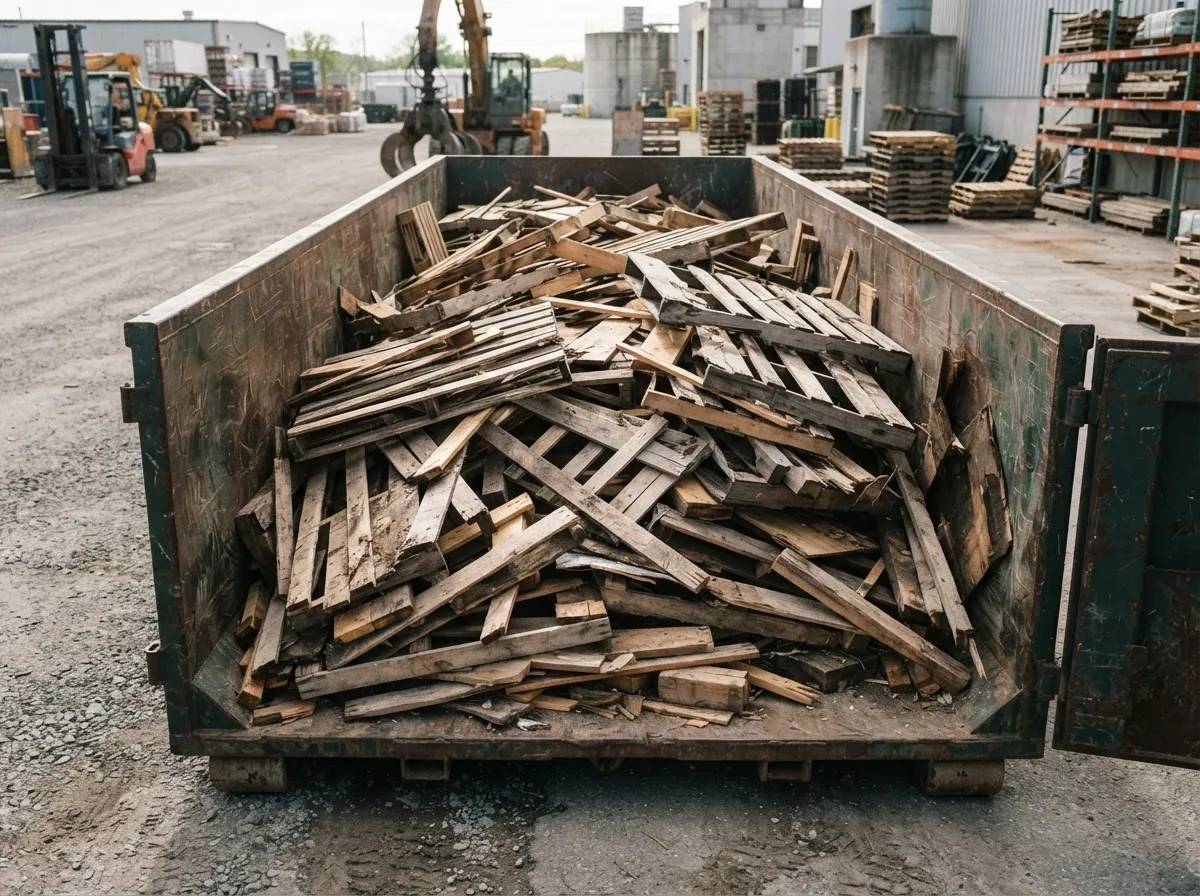
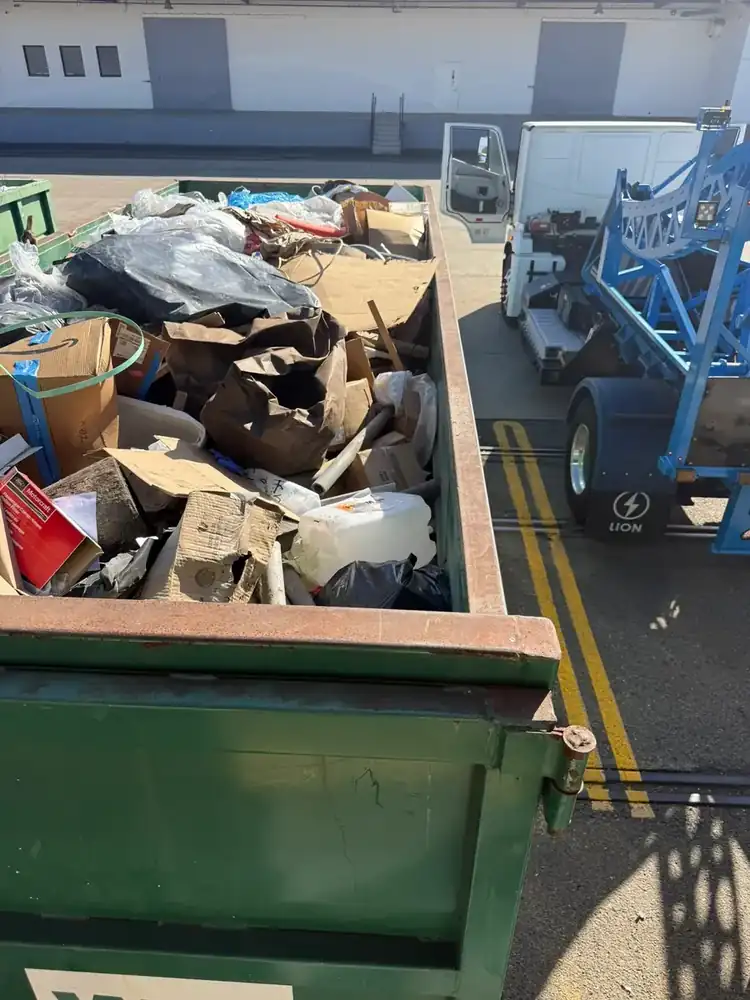
A 30-yard is big enough to hide a problem in either direction. Loose, unflattened cardboard and unbroken packaging fill its walls with air, and the box leaves light and gets replaced by another one. Heavy debris does the opposite: a 30 loaded with masonry or tile can reach the weight limit well before it looks full.
The weight limit belongs to the truck and the road, not the container. A loose container that looks full is mostly air. Compaction can reduce volume by up to 70%, depending on the material. A loose 30 of light material is often in the same position: a full trip with much of the legal payload unused.
A few habits help:
Break down boxes and flatten packaging before they go in.
Spread heavy debris across the floor instead of piling it at the door end.
Keep the load level with or below the top rail.
Keep prohibited material out; the accepted materials page has the list.
Access for a 30-Yard
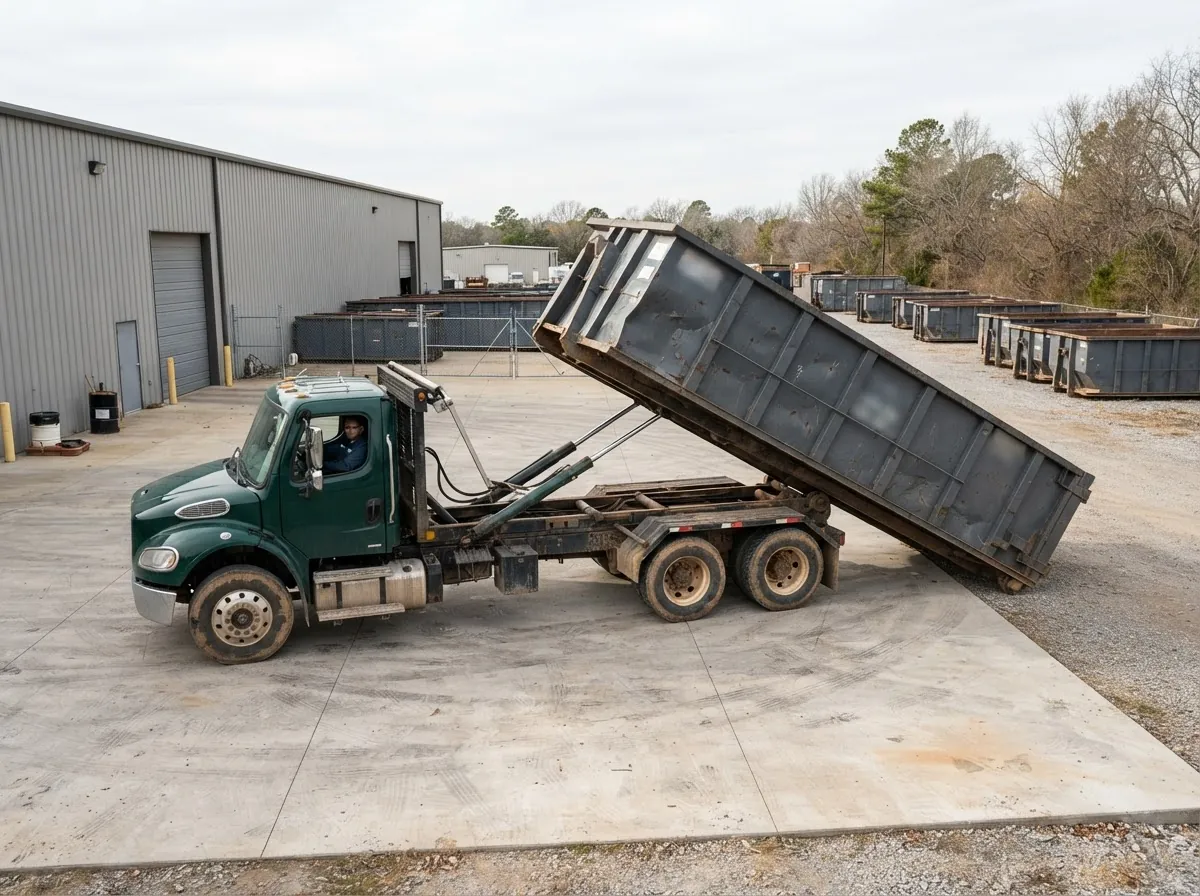
The truck needs roughly sixty feet of straight-line approach and clear overhead. That is the same approach a 20 needs, plus a little room behind the container for the door to swing open if your crew loads from the back end.
Before the first placement, American Compaction Services looks at the approach lane, the overhead clearance for the hoist and the door-swing room. Canopies, awnings, low limbs and power drops are easier to solve before delivery than during it.
What Compaction Changes on a 30-Yard
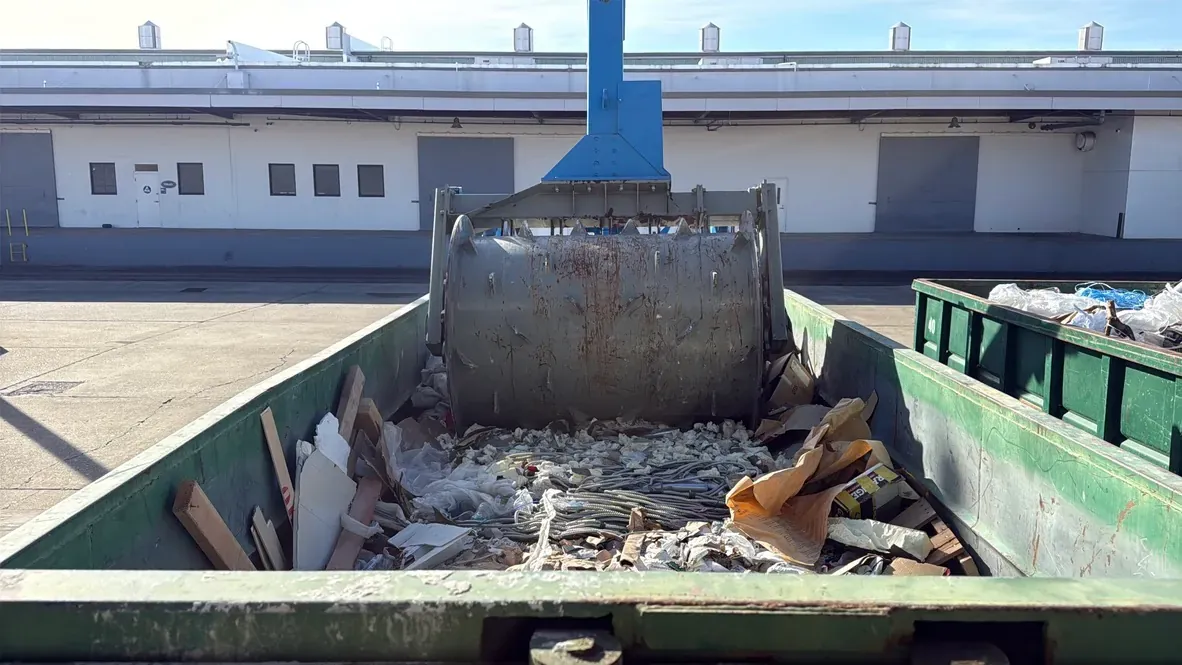
A 30 of loose, bulky material is the classic case for compaction. The walls fill with air, the box leaves light, and another one takes its place. Worked down on site between pulls, the same 30-yard holds more before it needs to move.
Compaction helps reduce waste volume by up to 70% depending on the material. Compaction visits are set by your fill rate. On a 30 that was being pulled or swapped as soon as it looked full, that can stretch the pull schedule, or keep you on a 30 when you were about to step up to a 40.
Compaction reduces haul-offs; it never eliminates them. A compaction visit is itself a visit. If your 30 carries mostly dense debris, the gain is smaller, and if it won't move your number, American Compaction Services will tell you on the spot.
Free on-site demo: we compact one of your own containers while you watch. The demo carries no obligation and is photographed before and after. If it isn't a fit, we tell you on the spot.
What Moves the Cost of a 30-Yard
Compaction is priced per visit, set per market and per account. We don't publish prices; the pricing guide explains what drives the bill.
For a 30-yard, the number moves with how often the container is pulled, the weight and type of material, where your site is, and whether compaction visits replace some of those pulls. No contract to sign: no exclusivity, no minimum, no term.
How often the container is pulled
Pull frequency is the line that moves the bill most.
The weight and type of material
A mixed stream can swing toward volume or toward weight.
Where your site is
Market and access set the per-visit rate.
Whether compaction visits replace some of those pulls
A compaction visit instead of a haul-off changes the math.
Industries That Run a 30 Yard Dumpster Rental
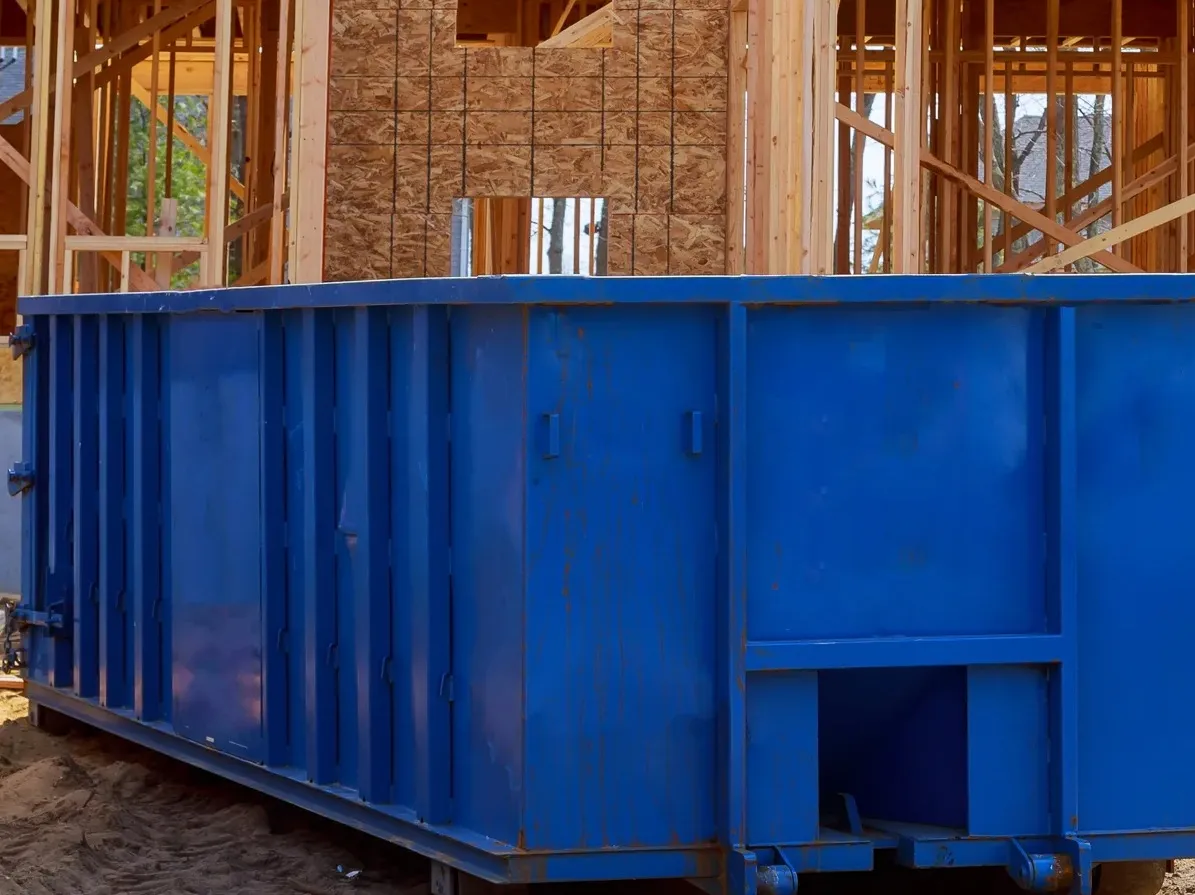
Construction
A construction site produces a changing mix of framing, drywall and packaging, and the 30 is the usual container while that mix keeps shifting; tell us about any heavy or dense debris so we can plan for weight limits. The construction.
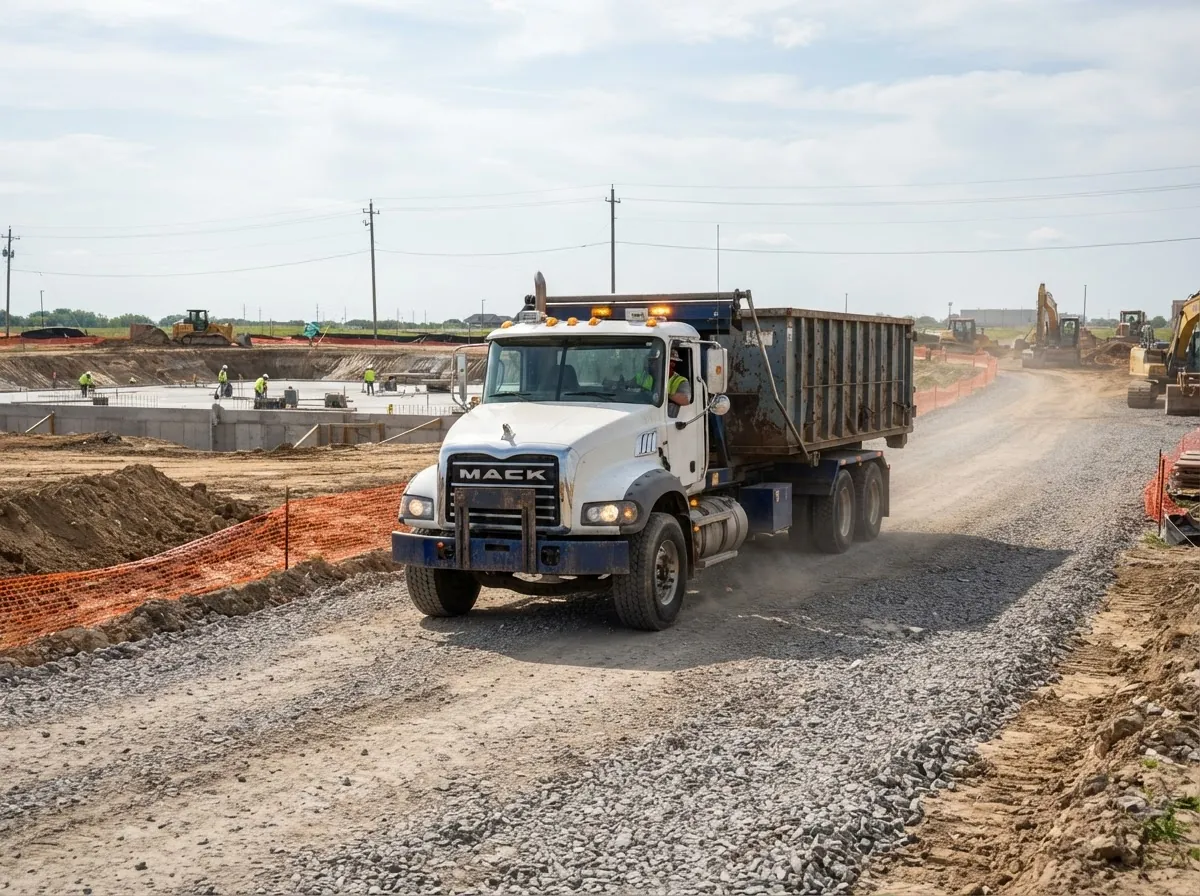
Contractor accounts
Remodelers, tenant-improvement crews and specialty trades produce the mixed renovation debris a 30 is built for. The contractor accounts.
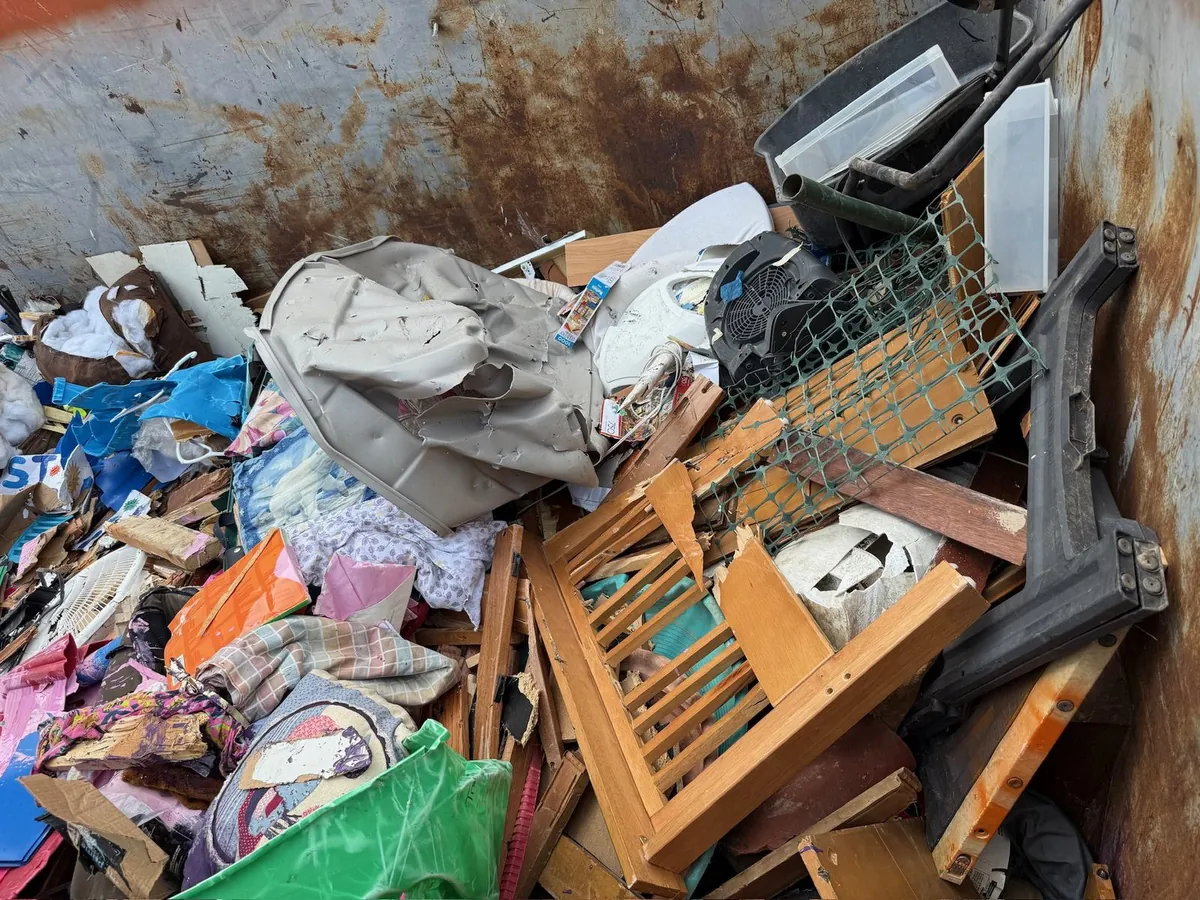
Property management
Property managers and facility operators use the 30 for unit turnovers, common-area refreshes and capital projects, where the debris is mixed and the container sits in a lot tenants use. The manager or the association is the account. See property management.
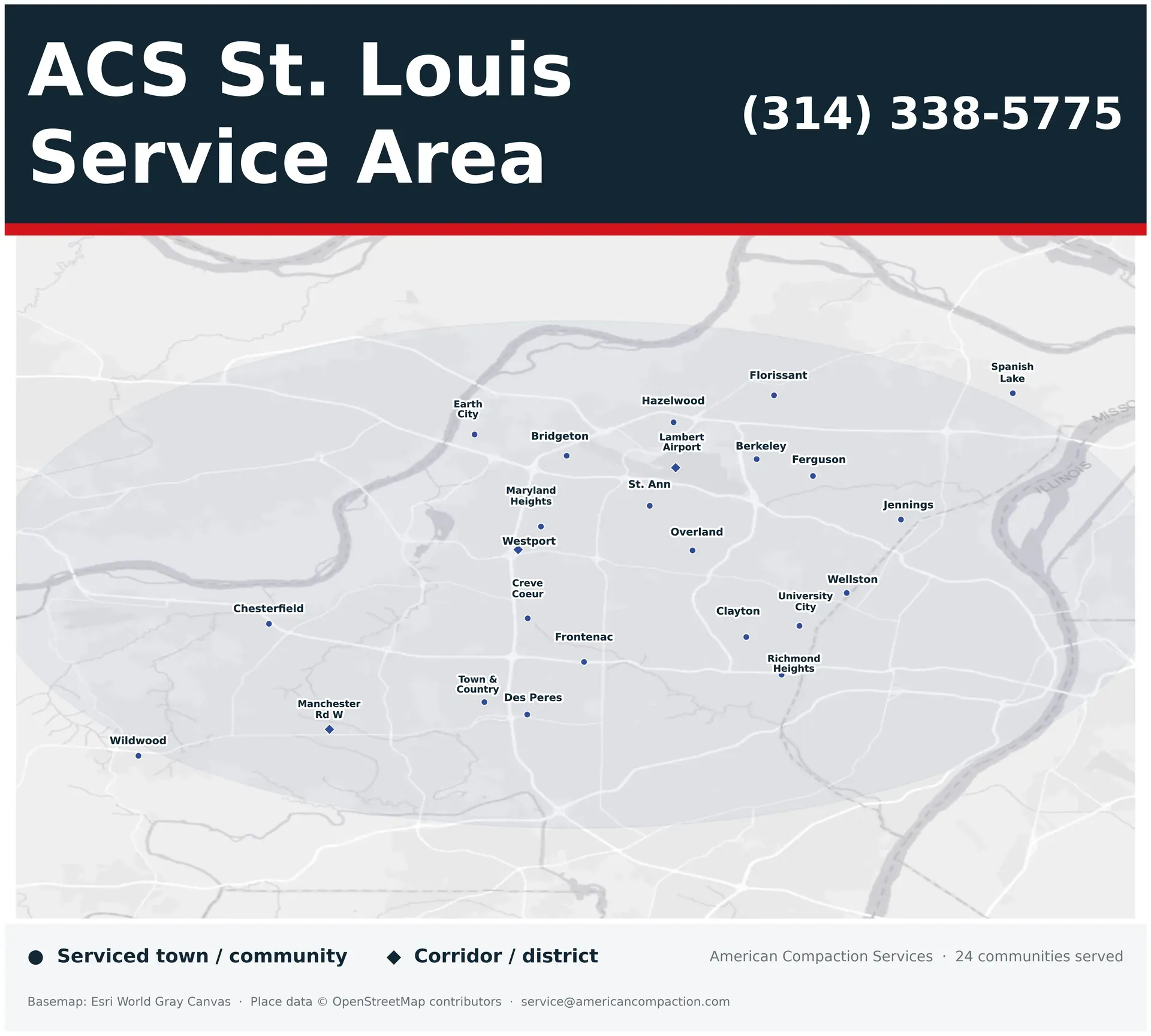
Available in These Markets
American Compaction Services supplies 30-yard containers in the markets listed below.
30 Yard Dumpster Rental: Frequently Asked Questions
Ready for a 30-Yard Sized to Your Stream?
Tell us what your site throws away, how fast the container fills and what the approach looks like. American Compaction Services will give you a straight recommendation, including a smaller or larger size when that is the honest answer, and show you on your own container whether compaction moves your pull count.
With roll-off, every haul is a call. With American Compaction Services, nobody has to call.
We set you up on a schedule and we compact on site. Dumpsters and compaction. All handled.
You already pay for dumpster space. Compaction lets you use more of it.
Getting started takes four details
- A photo of your dumpster and the space around it
- Your location
- What goes in the box
- The container size, if you know it
They help us plan for site access and match compaction service to your site.
We will prove it. Call or text (877) 651-7660.