


Property Management
Property Management Dumpster Rental
We automate your roll-off. You'll never run out of room. Fair price. Great service.
Property management dumpster rental works as one account across every property you manage, with a container plan built around turnover season instead of against it. American Compaction Services supplies 20, 30 and 40 yard roll-off containers to property managers, facility operators and associations, and compacts them on site so each container holds more before it has to be pulled. ACS provides waste management through dumpster rental and on-site compaction.
We work with property management companies, ownership groups, HOA and condo associations, commercial landlords, and the facility teams behind office parks and retail plazas. The account is always the business or the association. If your properties run a steady baseline and then a surge every time a lease ends, this page covers how the container and the schedule handle both.
The Real Cost
What Property Management Dumpster Rental Has to Handle

A managed property produces a baseline that runs all year: tenant trash, move-in cardboard, packaging and the occasional bulky item. That baseline is not the problem. The surges are. A unit or suite turns over and produces more volume in an afternoon than the building produced all week, and several can turn in the same week. A container sized for the quiet weeks is undersized in turn season, and a container sized for turn season holds a parking space for the rest of the year.
Every unplanned pull is a full truck trip: a driver, a truck, a scale ticket and a disposal charge at the other end. The trip is the cost. A lot of the unplanned pulls in a portfolio year trace back to surges that were on the lease calendar all along.
Then there is the air. Move-in cartons dropped in whole, furniture that does not stack and carpet rolled loose leave a container full of voids. Cut your hauls in half during move-in and move-out. Up to 50% less volume.
Some of the cost never reaches the invoice: an overflowing container on the day of a leasing tour, or a pile beside the corral that tenants report all week. The appearance problem is usually a symptom of the wrong size or the wrong cadence, and fixing either tends to clear it.
Compaction reduces haul-offs; it never eliminates them. A compaction visit is itself a visit. What changes is that a short on-site visit happens instead of a haul-off.
Who We Serve
Property Management Accounts We Serve
American Compaction Services works with the businesses and associations that run properties. Each property keeps its own container plan inside the account.
Property management companies
Portfolios of apartment communities, office buildings and retail centers on one relationship, with the size, cadence and placement set property by property.
Multifamily communities
The management company or the ownership entity holds the account. The container carries the property's baseline, move-in cardboard, bulky items and unit-turnover debris, often from a lot tenants park in every day.
HOA and condo associations
The association, or the community manager it hires, holds the account: common-area projects, amenity refreshes, clubhouse cleanouts and bulk-item days, usually inside a defined window.
Office parks and business parks
A lower baseline, mostly cardboard and paper, with spikes when a tenant moves out or a suite is rebuilt. Steady packaging makes these a strong candidate for compaction.
Retail centers and shopping plazas
A shared container behind a row of storefronts, mostly corrugated and packaging, with seasonal swings. Single stores and restaurants have their own page: retail and restaurant dumpster rental.
Facility operators
In-house facility teams running campuses, mixed-use buildings and large single properties, where the container shares space with deliveries, parking and people on foot.
Every account is the management company, the ownership entity or the association. We do not rent to homeowners.
Container Sizes
Which Container Size for Which Kind of Property Work
Three sizes cover most property work. The right one depends on the work and on the room the property has.
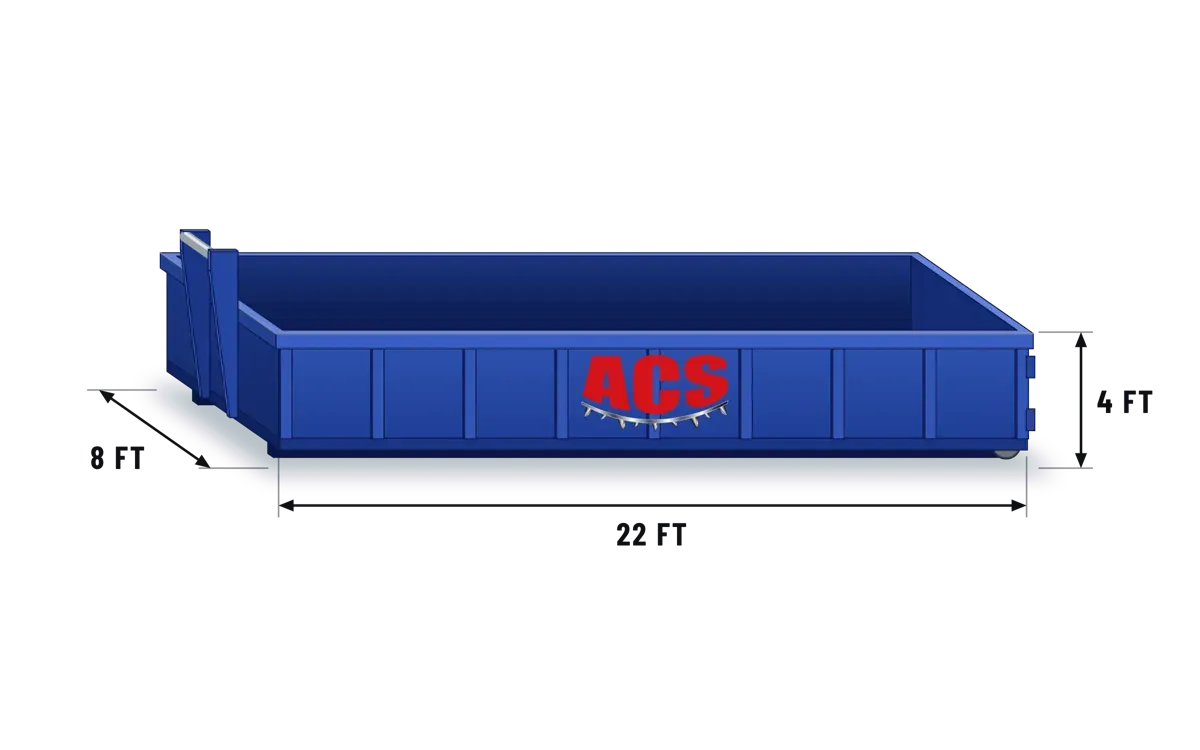
20-yard: tight corrals and dense debris
About 22' × 8' × 4' (L × W × H)
Tight corrals, shared alleys and older properties with one approach, and smaller unit rebuilds; tell us about tile, plaster or other heavy material so we size it right. Most container problems downtown come down to four feet of clearance somewhere.
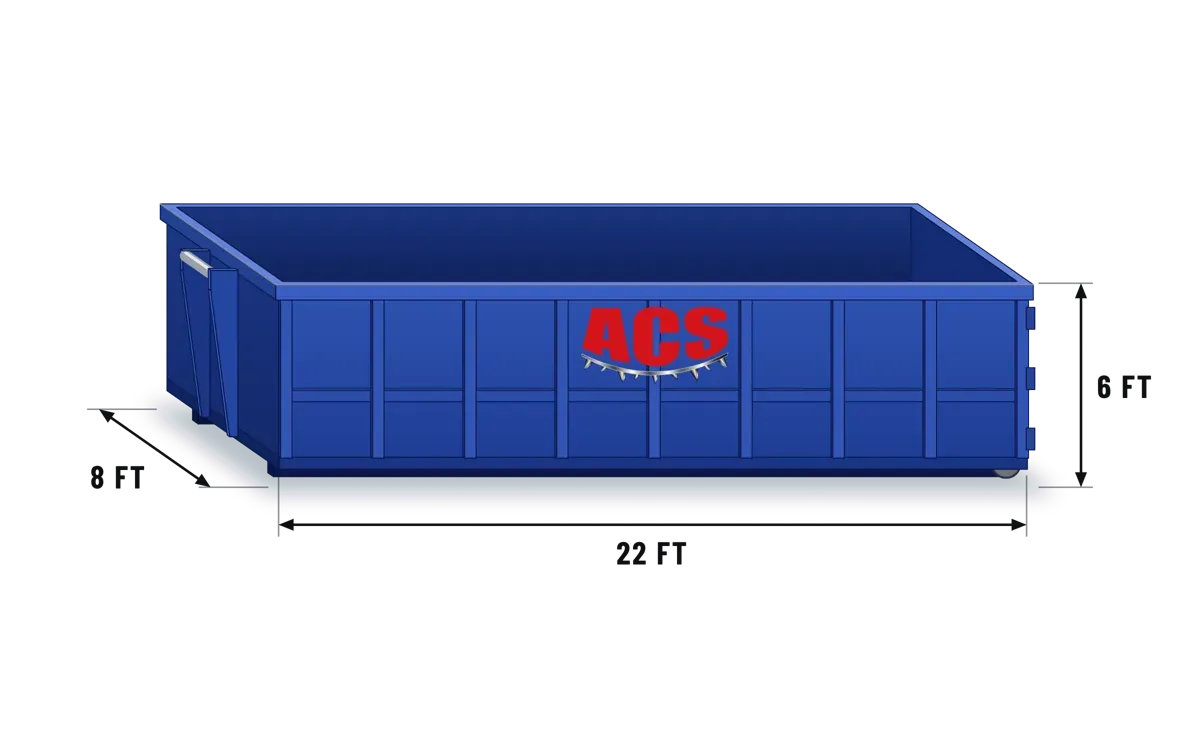
30-yard: active turnover work
About 22' × 8' × 6' (L × W × H)
The usual container for turnover work: carpet and pad, appliances, furniture, cabinetry and the mixed debris of a unit or suite refresh. Many property accounts start with a 30 and adjust after the first turn cycle.
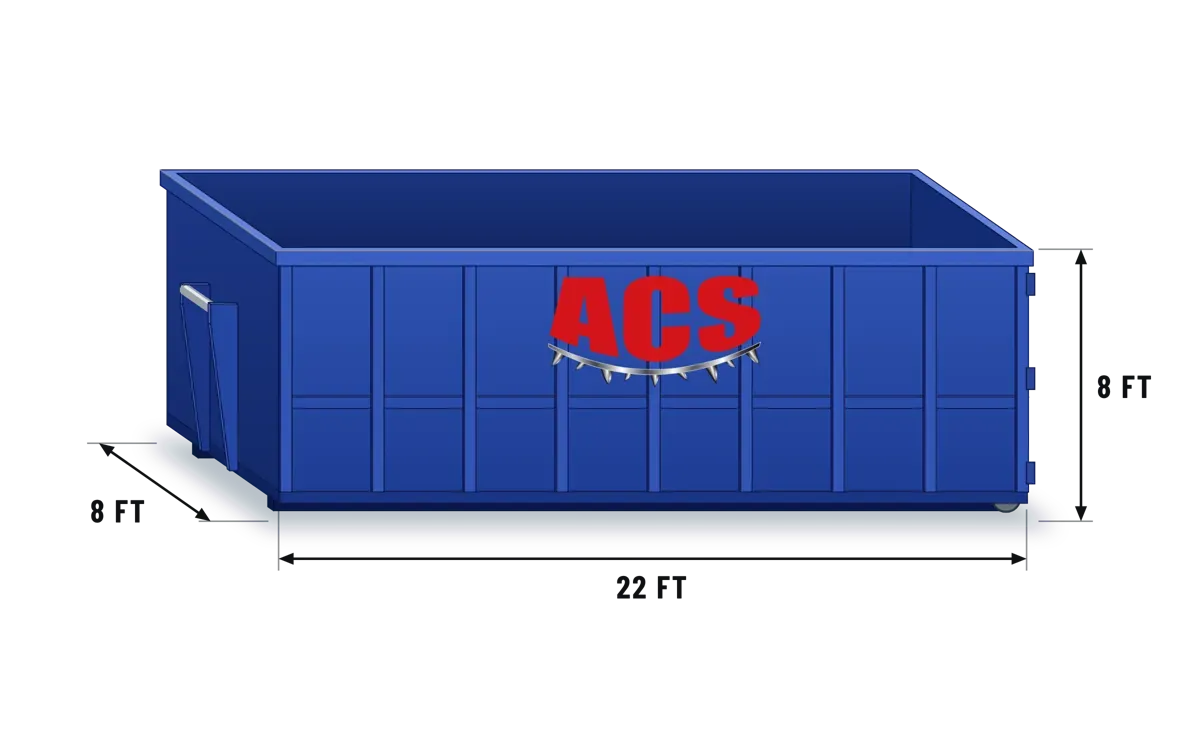
40-yard: cleanouts and heavy turn weeks
About 22' × 8' × 8' (L × W × H)
Full cleanouts, including the eviction and foreclosure cleanouts a manager schedules, and weeks when several units turn at once. Weight limits still apply.
Approximate dimensions. Containers vary; confirm the actual size for your site before the first placement.
Between sizes? Describe the property, the pad and the work, and we will size it. Guessing large costs you parking; guessing small costs you pulls.
Accepted Materials
What Goes in a Property Container, and What Doesn't
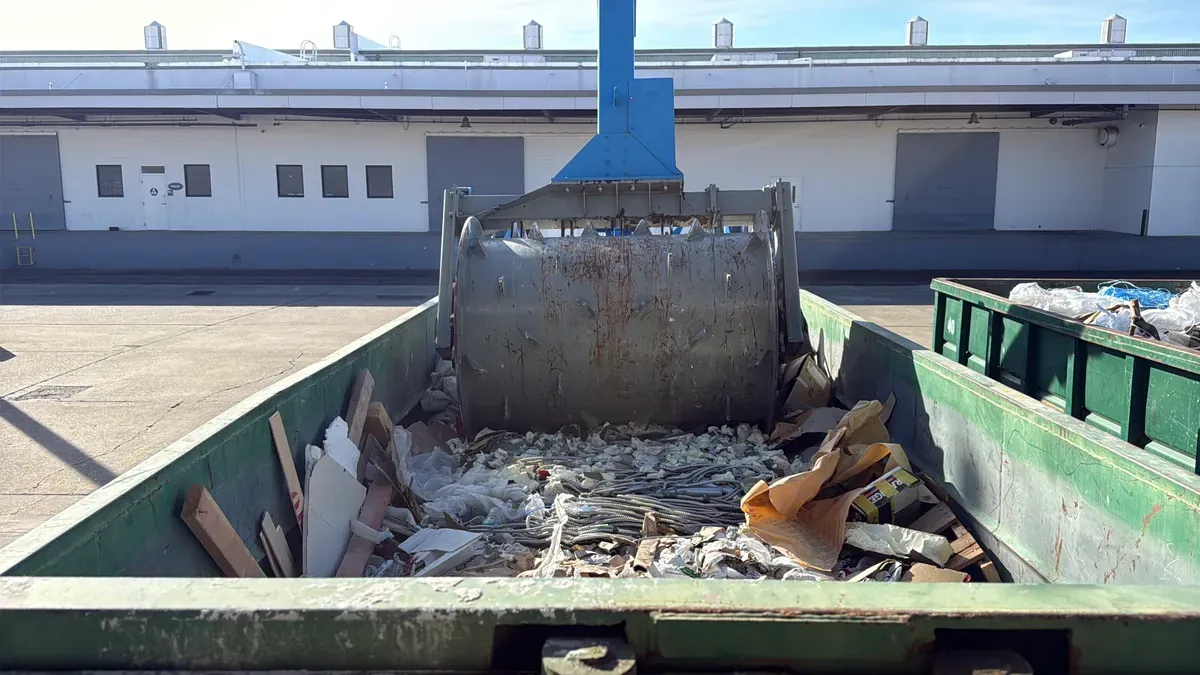
Property work turns out general property waste, furniture and bulky items, carpet and flooring, appliances, cabinetry, fixtures and trim, cardboard and packaging, and light renovation debris. What a container can take is set by the receiving facility; the accepted materials page has the full list. For compaction, American Compaction Services draws the lines here.
What we compact
Cardboard and packaging; plastic film and wrap; wood and pallets; construction and demolition debris, including drywall, insulation, ceiling grid and fiberglass; compost and organics, as long as your hauler accepts it.
What we won't compact
We will not compact liquids; dirt, soil, aggregate or other dense material with no air in it; hazardous or regulated waste; sealed drums or pressurized vessels; or anything the receiving hauler won't accept. On a pure dense load like broken concrete, we'll tell you to skip compaction and have it hauled.
Paint, pool chemicals, motor oil and propane cylinders left behind in a vacated unit or suite are what turn up by accident. Tell us before the pull, not after.
Turnovers and Surges
The Surge Absorber: Turnovers, Cleanouts and Everything in Between
Manage move-outs, furniture, bulky waste, and overflow events without relying on constant dumpster swaps.
None of these are emergencies if the container plan expects them.
Apartment communities and managed properties often see sudden spikes in bulky waste during move-outs, renovations, cleanouts, and seasonal turnover. ACS helps property managers regain dumpster capacity quickly without waiting for another roll-off exchange.
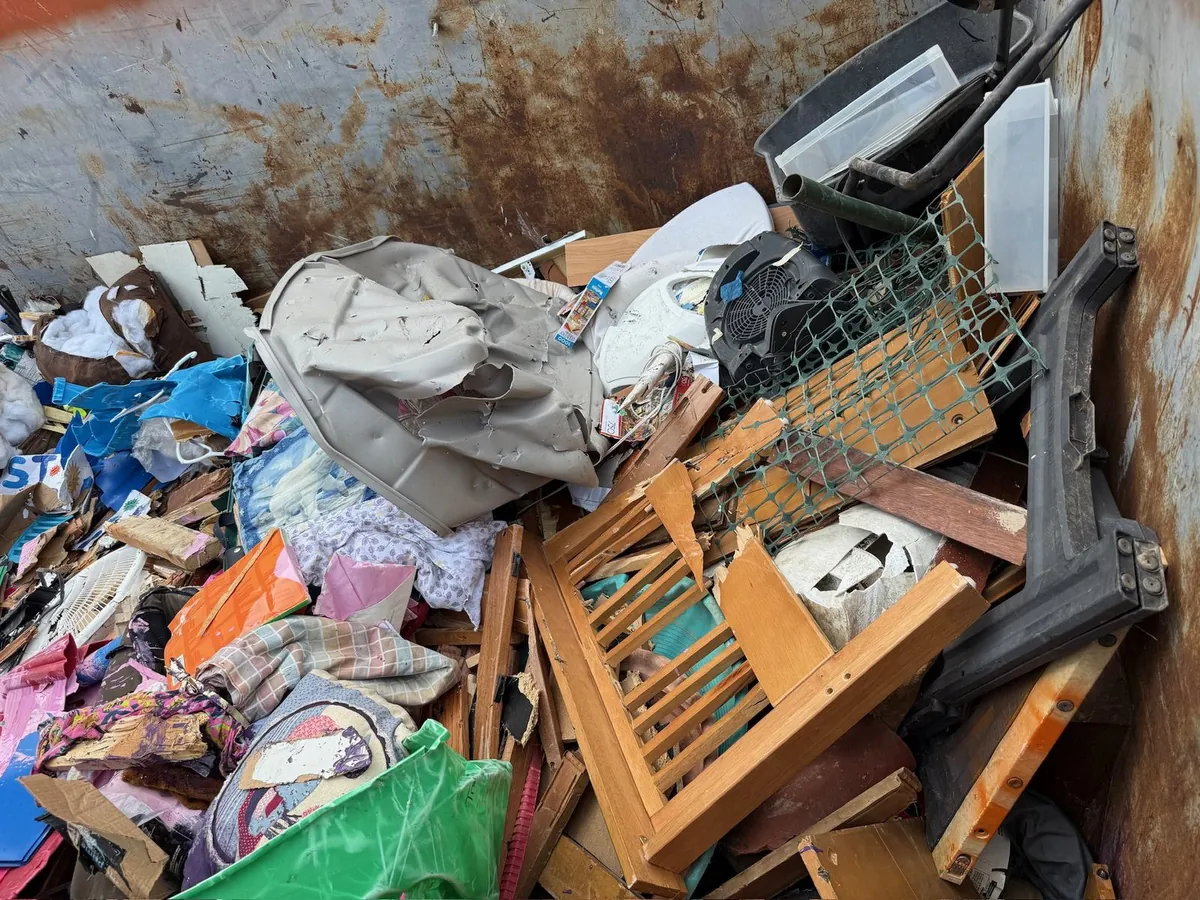
Unit turnovers and suite refreshes
Carpet, pad, blinds, appliances, cabinet fronts and whatever was left behind. Turnovers cluster around lease dates, so the capacity can be planned ahead of them instead of called in after.
Eviction cleanouts
A cleanout the manager schedules for a set date, once the unit is back in the property's hands. Furnished units produce more volume than they look like they will, so sizing up is usually worth it. The legal process belongs to your counsel, not to us.
Foreclosure and bank-owned cleanouts
Commissioned by the property manager or the asset manager handling the property: one visit, high volume and a hard date, which usually makes a 40-yard the normal call.
Capital projects and common areas
Roof replacements, parking lot work, lobby and amenity refreshes, clubhouse cleanouts and bulk-item days. Each gets its own booking and its own container, set before the work starts.
When a surge hits, there are three real moves. Order an extra pull: the default, the most expensive, and the right call on a hard-deadline cleanout. Size up, which is right when the baseline actually grew; otherwise a bigger container holds a tenant-facing space all year, and on an older property with one usable corral it is often not an option. Or compact what is already there: same container, same corral, same pad, with room left when four units turn at once. The fourth move, letting it overflow, is what the plan exists to prevent.
When an outside contractor runs a unit rehab or a suite fit-out, the container can sit on the contractor's account instead; contractor dumpster rental covers how that works.
Portfolio Service
One Account, Every Property
A property management account runs as one relationship with a plan per property, not one plan stretched across all of them.

- 1
Per-property instructions, recorded once
Gate codes, the pad location, the truck's approach, quiet hours and the on-site contact are set down when a property joins the account, so nobody has to explain them again at the next pull.
- 2
Cadence set per property
A large apartment community and a six-suite office building do not need the same schedule. Each property's cadence comes from its own fill rate, and where a lease calendar concentrates turnovers, the capacity is scheduled ahead of them.
- 3
Properties added without starting over
A newly acquired or newly managed property joins the account with its own size, cadence and placement. The account setup does not repeat.
On-Site Logistics
Placement, Appearance and Scheduling on Tenant-Facing Properties
On a jobsite, a container is equipment. On a property people live in or lease space in, it is part of the site.
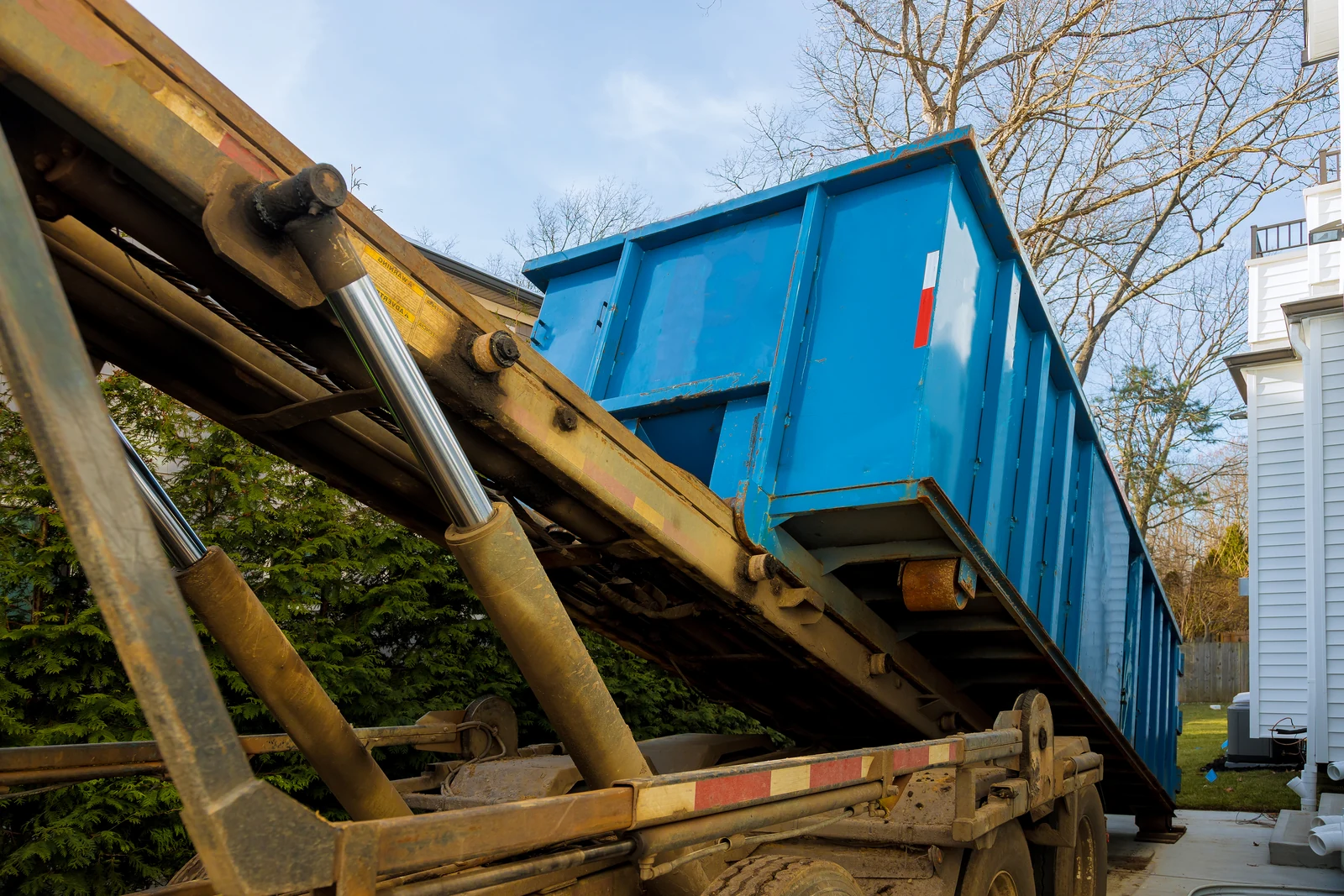
Placement is agreed before delivery
The spot is chosen with you and recorded for the property, not decided by the driver on the day. Tenants notice when a container moves around the lot.
Access and surface are confirmed up front
The truck needs roughly sixty feet of straight-line approach and clear overhead. Corral gates, bollards and parked vehicles are what most often turn a delivery into a return trip. We'll confirm placement and access with you before delivery.
Service happens on your terms
Pulls and compaction visits are set around leasing tours, quiet hours and the landscape crew's day, not dropped into the middle of them.
Scheduling around turn dates
We do not publish a guaranteed turnaround window. The more notice a turn week or a cleanout gets, the firmer the plan. A steady weekly or biweekly baseline belongs on a standing cadence, and cleanouts and common-area projects get their own booking, with the container in place before the crew starts.
The Difference
How On-Site Compaction Absorbs Turnover Surges
Manage move-outs, furniture, bulky waste, and overflow events without relying on constant dumpster swaps.
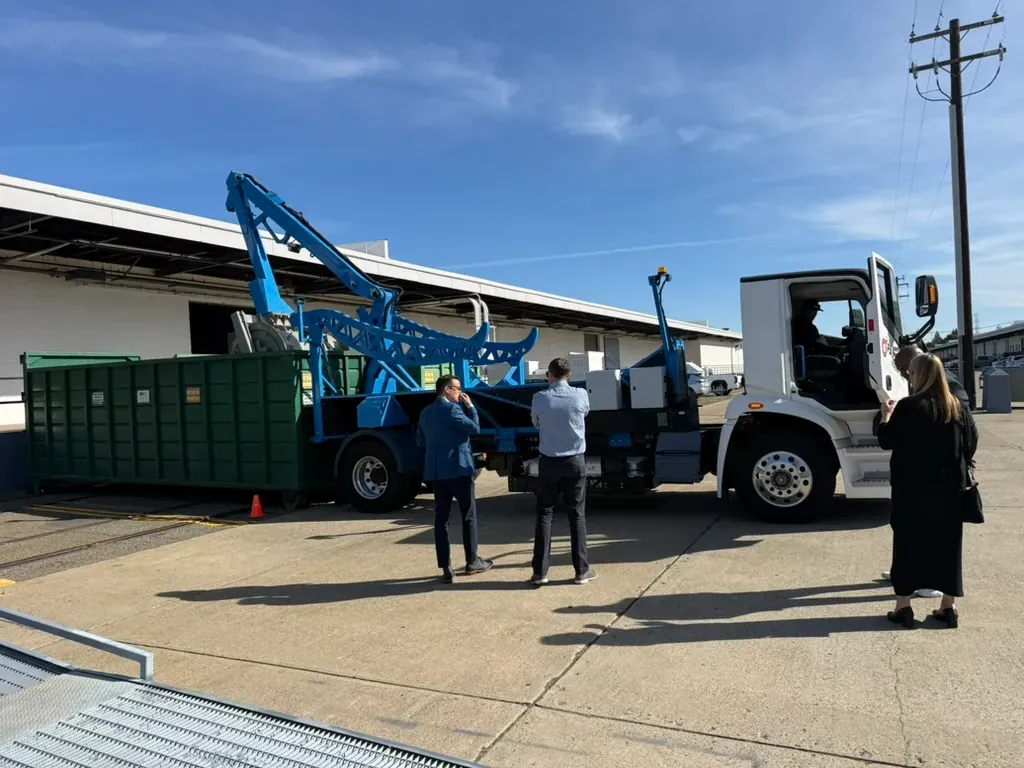
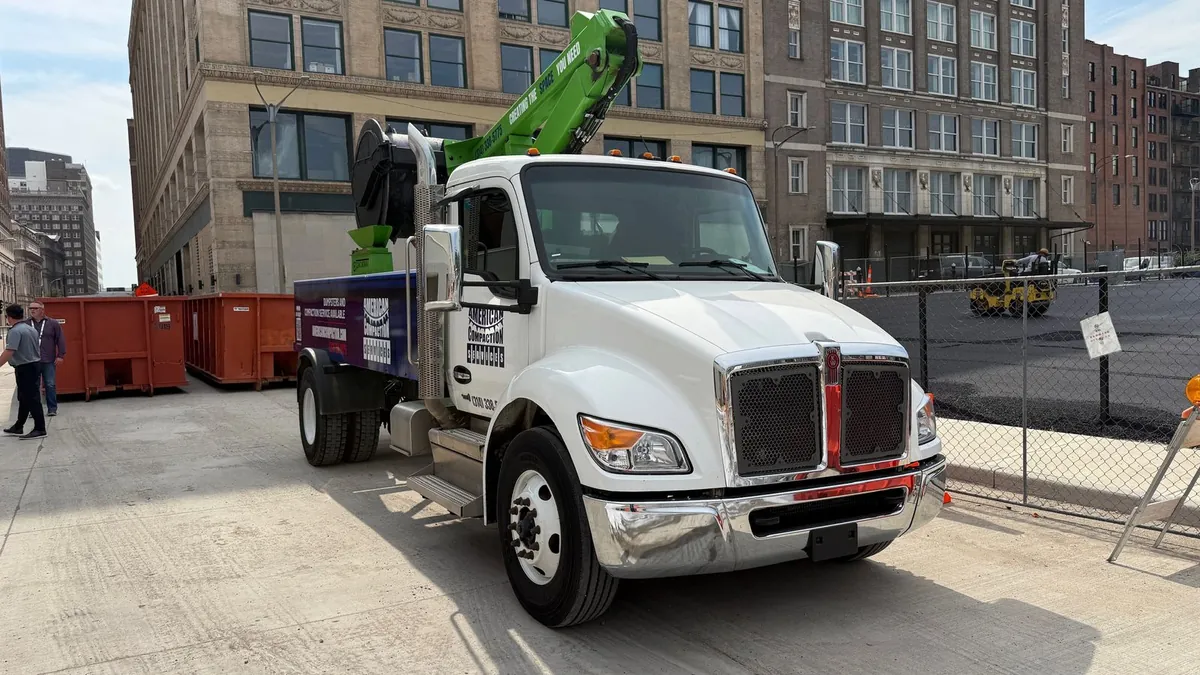
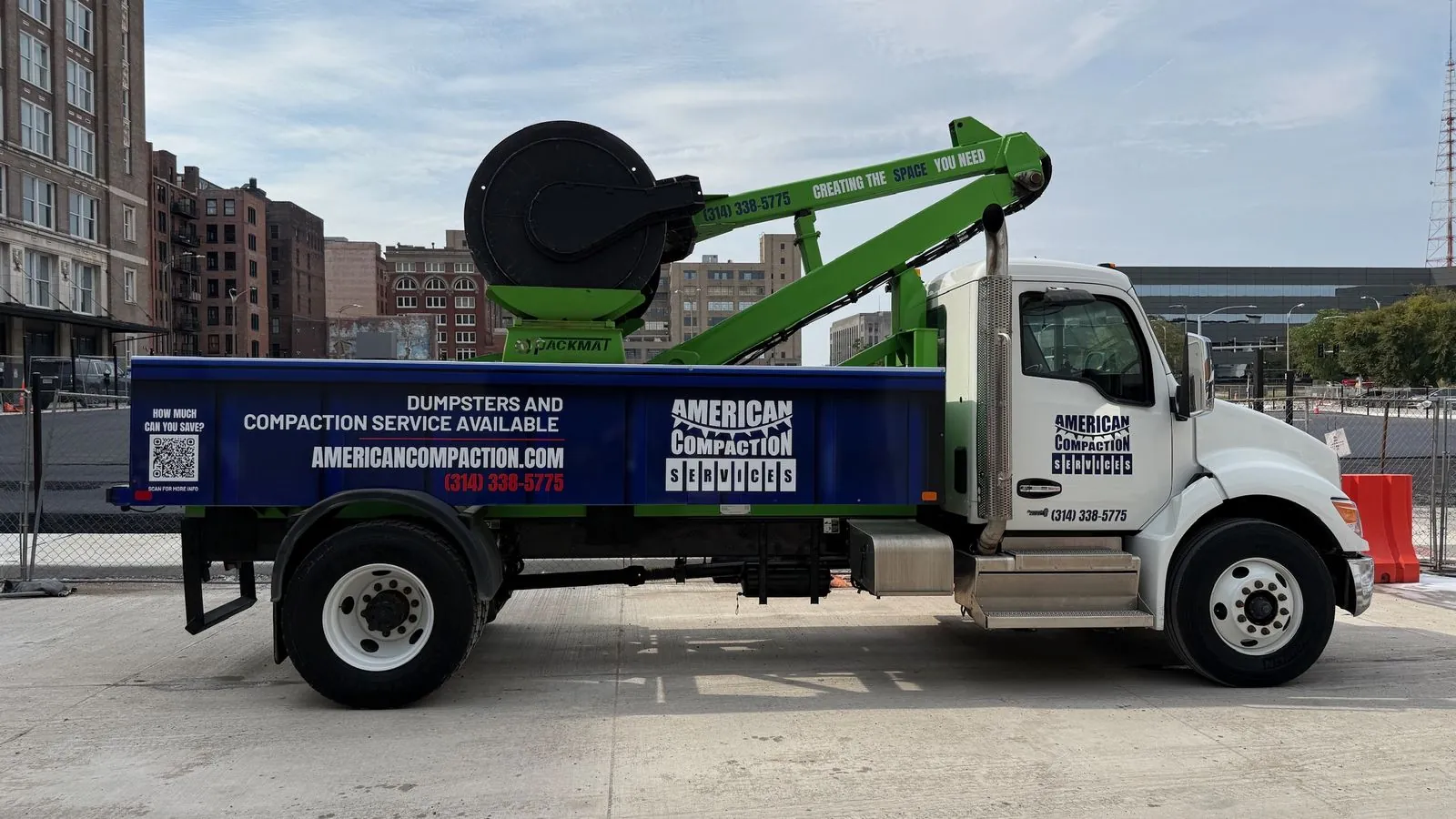
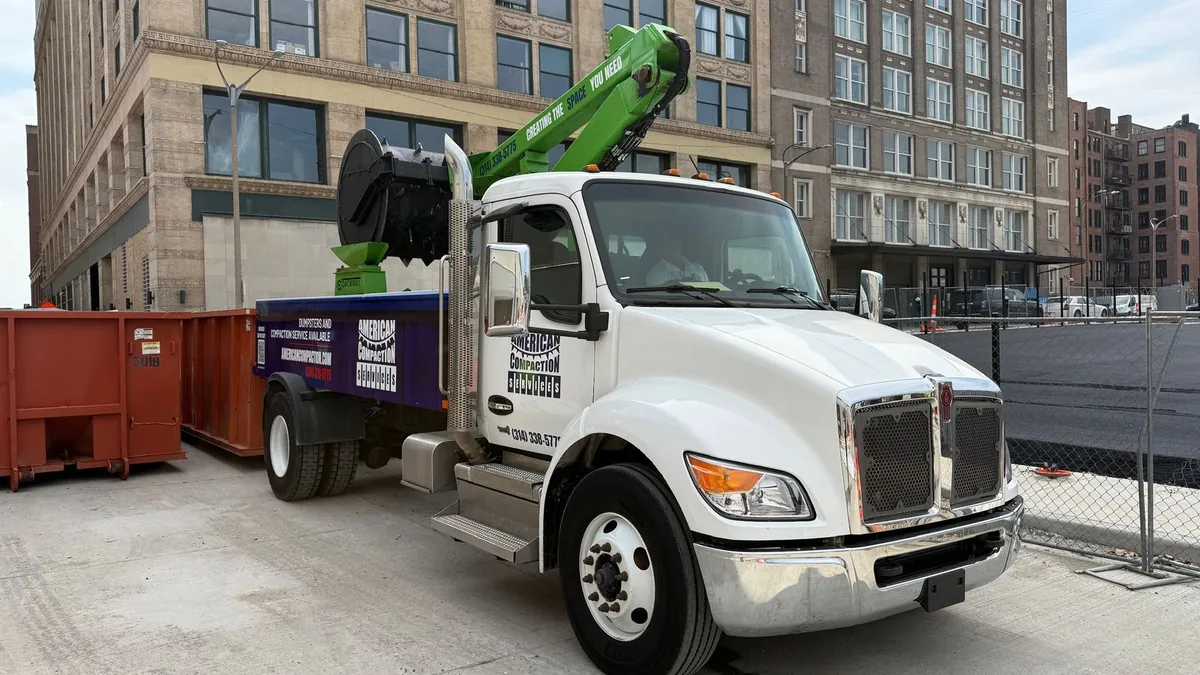
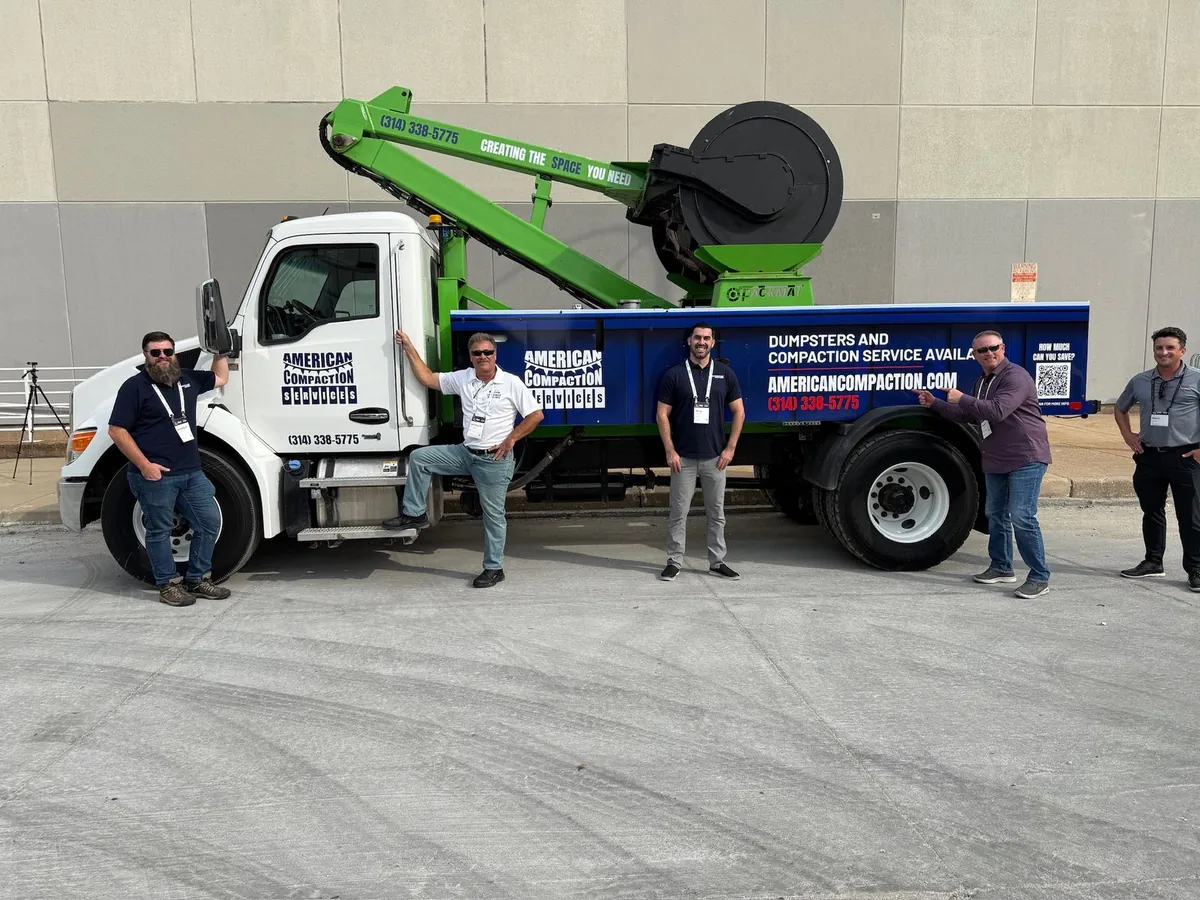
This is what American Compaction Services adds to a property container: the load gets worked before it goes. A mobile compaction unit comes to the pad and works the container where it sits, and the container goes back to taking material. On a managed property, the value is the spike: a container that has been compacted still has room when the turn week arrives.
Why Choose Mobile Compaction?

Reduce overflow during move-out periods

Compact furniture, boxes, and bulky waste

Improve property appearance

Reduce emergency haul requests

Support large cleanouts and renovation projects

Keep residents and maintenance teams moving
| Material | Compaction |
|---|---|
| Cardboard and packaging | Compacts well |
| Plastics | Compacts well |
| Pallets and wood | Compacts well |
| Furniture and bulky commercial waste | Compacts well |
| Light construction debris | Compacts well |
| Concrete, masonry and roofing shingles | Never compacted |
| Red iron, liquids and hazardous waste | Never compacted |
Move-in cardboard and retail-plaza packaging sit at the top of that table. Turnover debris with tile, plaster or cabinet carcasses in it lands in the construction and demolition band. Furniture, carpet and other bulky items trap air when they go in whole, and the demo shows how far your own mix comes down. Compaction visits are set by your fill rate.
Compaction is not a substitute for a pull when a cleanout has a hard date, and a low-volume property whose container leaves once a month has few trips to save; we would rather say so than schedule visits that do nothing. The pricing guide explains what drives a property's waste bill, and the savings calculator runs the trip arithmetic on your own numbers. These results are estimates from the numbers you enter. They are not a quote, a promise or a guarantee.
Two ways to start. Already have a dumpster? Keep it and keep your hauler; we compact what's in it. Need dumpster service? We supply the container and compact it on site. The on-site waste compaction page walks through a visit step by step.
Free on-site demo: we compact one of your own containers while you watch. The demo carries no obligation and is photographed before and after. If it isn't a fit, we tell you on the spot.
The Process
How a Property Management Account Runs, Start to Finish
- 1
1. You describe the portfolio.
How many properties, what each one produces, how often the containers leave now and what the pads look like.
- 2
2. Free on-site demo.
On a container you already have, at one of your properties, you see how much room comes back before you commit to anything.
- 3
3. The account is set up once.
At the management-company, ownership or association level, with each property's instructions, size and cadence recorded.
- 4
4. Delivery and normal use.
Each container is set where it was agreed. Maintenance staff, turn crews and tenants use it as they do now.
- 5
5. Compaction visits.
The mobile unit works the container where it sits, on visits set by your fill rate and timed ahead of the surges on your lease calendar.
- 6
6. Pull or swap.
When the container is genuinely full, it is pulled and brought back empty, or swapped for an empty one in the same visit.
- 7
7. Surges and new properties.
Turn weeks, cleanouts and newly managed properties are added to the account as they come. Steps one through three do not repeat.
Container safety is built into the compaction step. A heavy steel drum, narrower than the container, works the load down and never touches the walls. The drum works on its own weight, with no hydraulic down-force. Safeguard wheels and end guards keep the unit off the container's structure. Our operators run a zero-touch policy. Every visit includes a before-and-after inspection with photo documentation. If the container at your property belongs to your hauler, it goes back to work the way it came.
Why American Compaction Services
Why Property Managers Work With American Compaction Services
One account across the portfolio.
Every property on one relationship, each with its own size, cadence and placement.
Built around compaction.
On suitable property waste, a compaction visit makes room before the next pull, so a surge lands in a container that still has space.
Keep your hauler.
If a hauler already has a container at the property, the container stays and so does the hauler. We compact what is in it.
Straight answers about fit.
Low-volume properties and dense waste streams do not gain much from compaction. If it won't move your number, we'll tell you on the spot.
Business accounts, no contract.
Every account is a business or an association. No contract to sign: no exclusivity, no minimum, no term.
Documented handling.
Every visit includes a before-and-after inspection with photo documentation, on your container or ours.
Where We Operate
Available in These Markets
American Compaction Services runs property management accounts market by market. Each market has its own page, phone number and service area, and the market page covers the local details and how to reach the team there.
If your city is not on the list, the locations page shows every market we serve.
Property Management Dumpster Rental: Frequently Asked Questions

Related Services and Guides
Roll-Off Dumpster Rental
The container service itself: placement, pulls, swaps and who does what.
On-Site Waste Compaction
How the unit works a container in place, and which streams benefit most.
Contractor Dumpster Rental
For the renovation and rehab crews you hire.
Retail & Restaurant Dumpster Rental
Single stores and restaurants inside the plazas you manage.
Roofing Dumpster Rental
Tear-off debris from a roof replacement.
Cutting Waste Costs for Property Managers and Associations
Turnover season, surge planning and comparing hauler bills across a portfolio.
Start Your Property Management Dumpster Rental
Tell us how many properties you manage, what they produce and how often your containers leave now. American Compaction Services will set a plan property by property, schedule around your turn calendar and give you an honest read on whether compaction changes your numbers. The on-site demo is free.
Apartments and colleges
Cut your hauls in half during move-in and move-out. Up to 50% less volume.
With roll-off, every haul is a call. With American Compaction Services, nobody has to call.
We set you up on a schedule and we compact on site. Dumpsters and compaction. All handled.
You already pay for dumpster space. Compaction lets you use more of it.
Getting started takes four details
- A photo of your dumpster and the space around it
- Your location
- What goes in the box
- The container size, if you know it
They help us plan for site access and match compaction service to your site.
We will prove it. Call or text (877) 651-7660.