

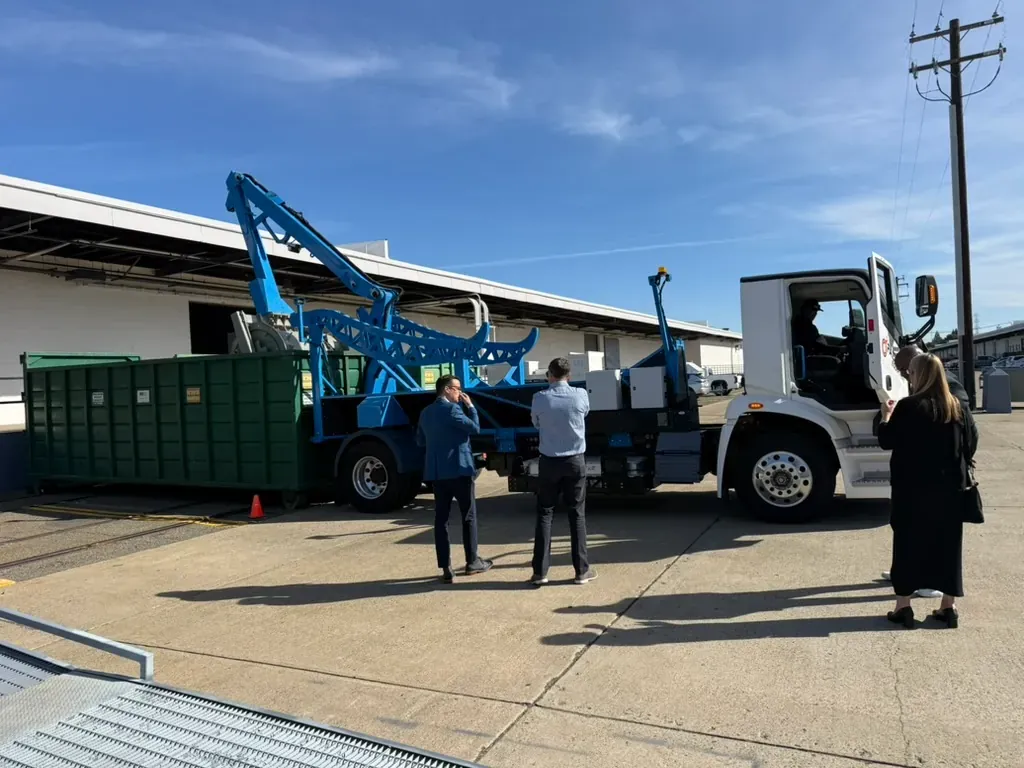
Built around compaction. Fewer pulls from the same dumpster.
Roll-Off Dumpster Rental with On-Site Compaction
We automate your roll-off. You'll never run out of room. Fair price. Great service.
American Compaction Services provides waste management through commercial roll-off dumpster rental, with one difference that changes how often a truck has to come out: the container can be compacted on site before it is pulled. Most of what a business spends on waste removal is not the container sitting on the pad. It is the trip that empties it. The trip is the cost.
We work with businesses that fill containers: manufacturing plants, warehouses and distribution centers, contractors and builders, roofers, property managers and facility operators, retail and restaurant groups, and demolition crews. If you need a roll-off container delivered, filled and pulled on a schedule that fits your dock or your jobsite, this page covers how that works.
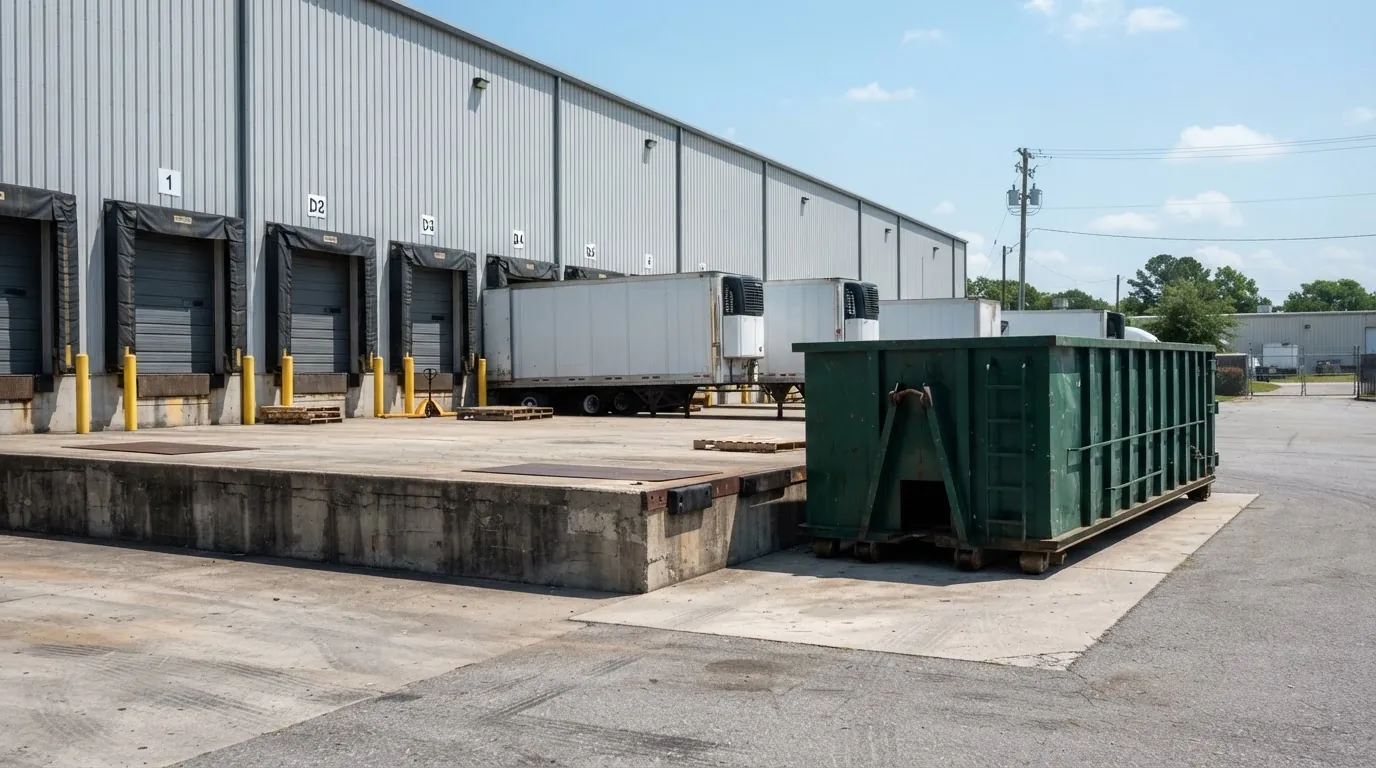
The Real Cost
Why Roll-Off Dumpster Rental Gets Expensive
Most of what a business spends on waste removal isn't the container on site—it's paying for hauls full of empty air.
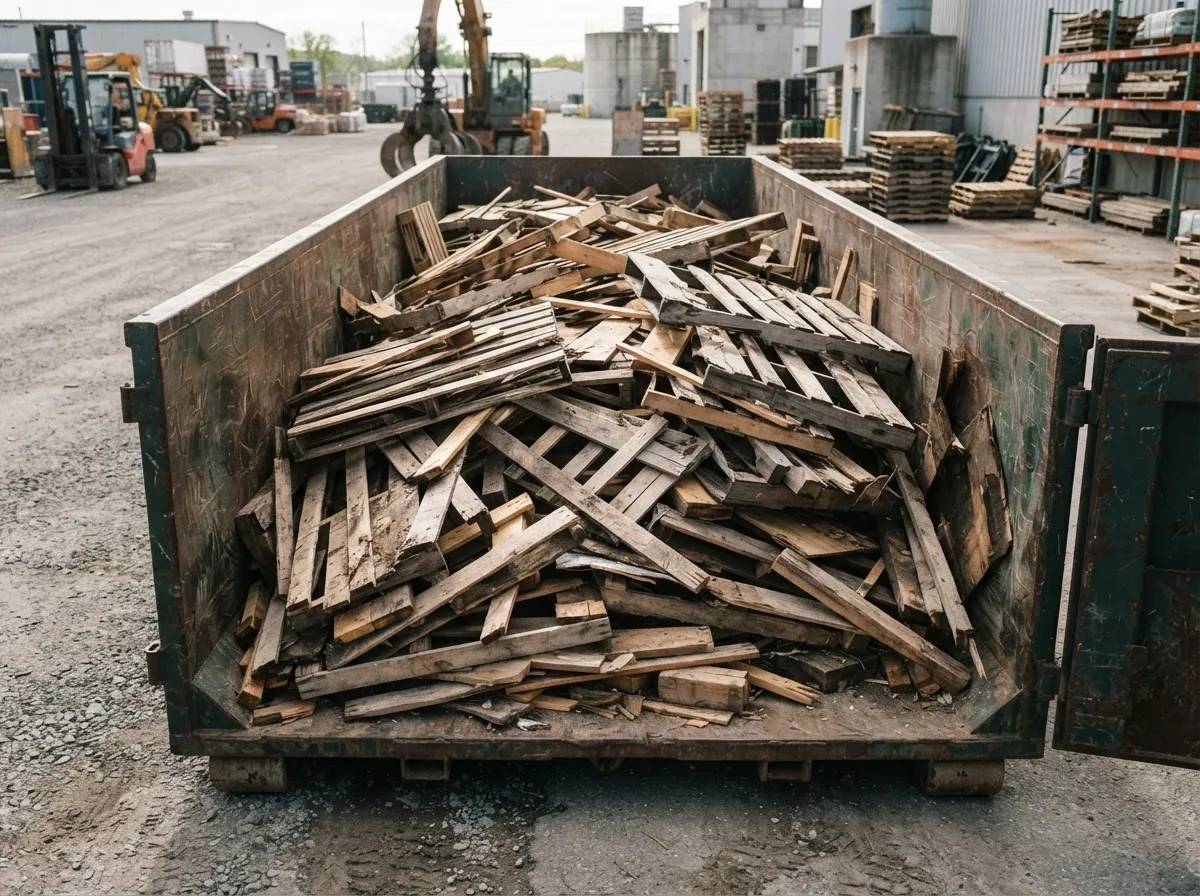
Bulky cardboard and pallets create dead air gaps, triggering premature pull charges.
The primary cost driver that escalates with each pull.
Scale weight disposal fee at the transfer facility.
Fixed monthly box fee that sits quietly on the pad.
Roll-off pricing has two moving parts, and one of them is the container. The container sits still. The truck does not. Every pull means a driver, a truck, fuel, highway time, a scale ticket and a disposal charge at the other end. Multiply that by the number of times a month your container fills, and the pattern is plain: your waste bill tracks your pull count far more closely than your container size.
The second problem is air. A roll-off filled by hand, with boxes tossed in whole, pallets dropped on top of each other and bagged trash stacked loose, carries enormous empty space by the time it looks full. A loose container that looks full is mostly air. Compaction can reduce volume by up to 70%, depending on the material. You are paying a truck to haul the same air twice.
The Gap On-Site Compaction Closes
Instead of calling for another pull the moment the container looks full, a compaction visit crushes pallets, flattens dense cardboard, and opens the top back up so the container keeps working. Fewer pulls, same waste, same container.
Is It Time?
Six Signs Your Site Needs a Roll-Off Container
A few signals show up again and again.
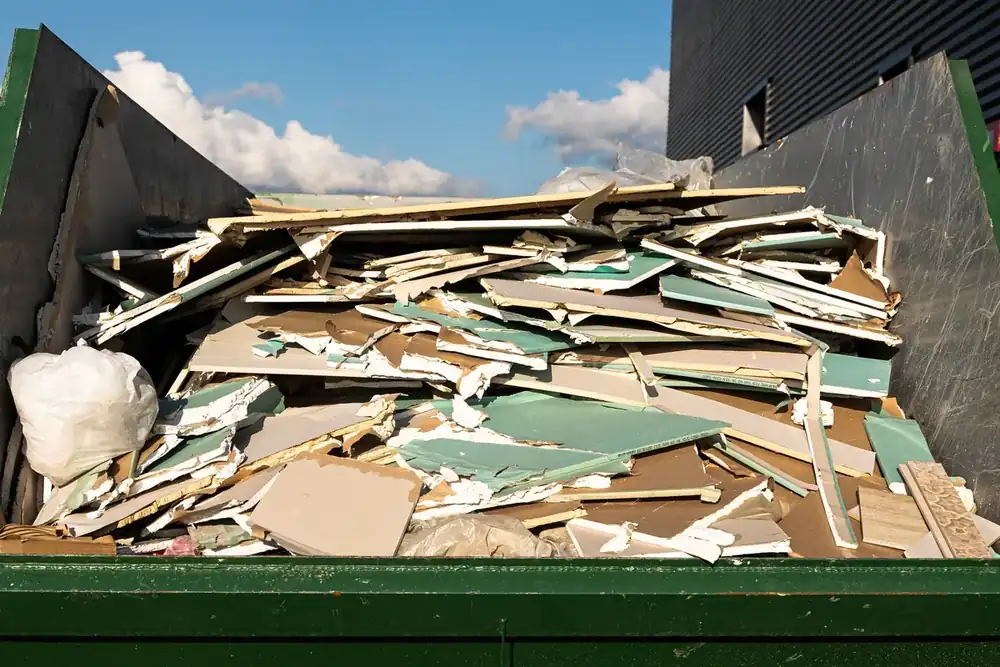
Your containers are full before the scheduled pull.
Overflow piles next to the container, or material staged inside the building because there is nowhere to put it.
You are calling for extra pulls.
On-call service outside the regular schedule is the clearest sign that the container and the schedule no longer fit each other.
A project just started.
Renovations, plant reconfigurations, tenant build-outs and demolition work generate volume that normal service was never sized for.
Your crew is breaking down cardboard by hand.
Or worse, not breaking it down at all, so a week of packaging fills a 30-yard container.
Your loads are light.
If your hauler's tickets keep coming back well under what the container can carry, you are moving air, not waste.
Waste is interrupting operations.
If the dock is blocked, or a forklift driver is waiting on a container, the container has become a production problem.
Any one of these is worth a conversation. Several at once usually means the container size, the service schedule or both need to change.
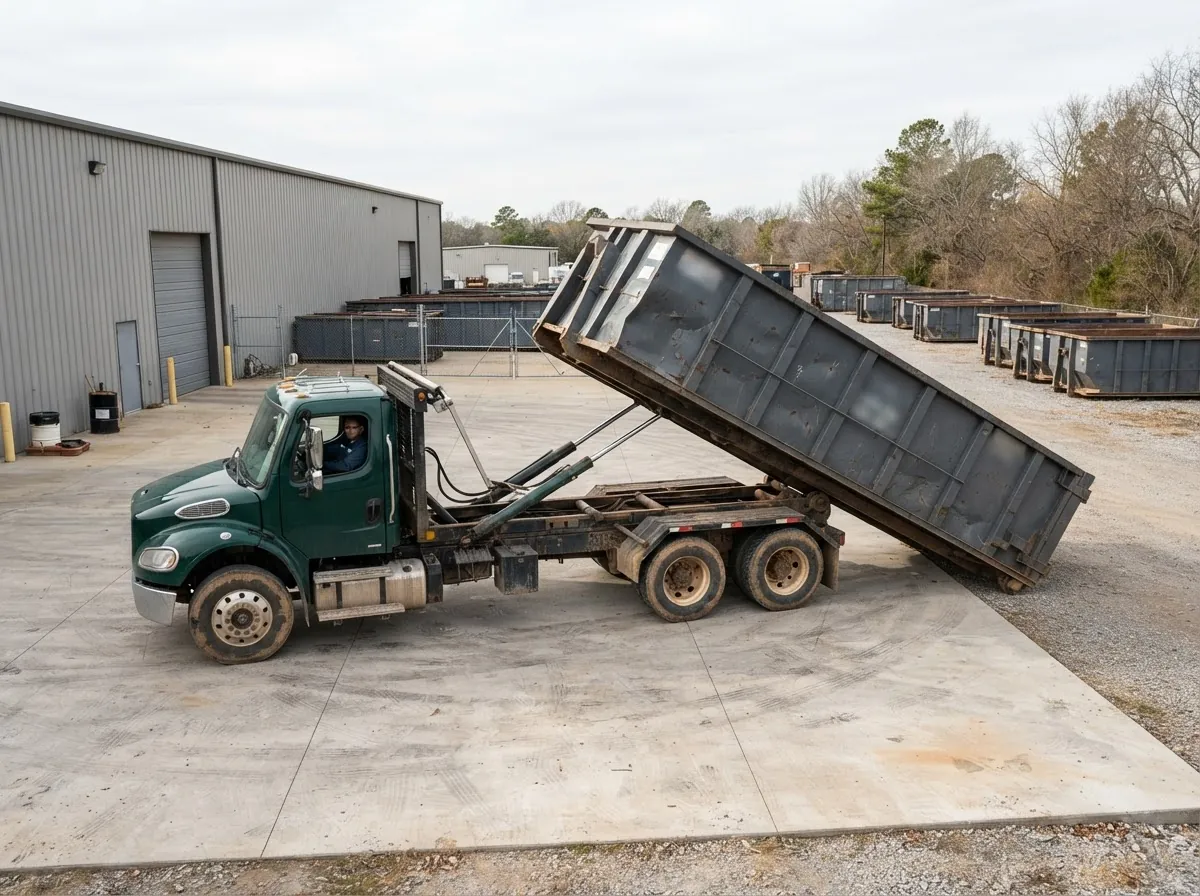
The Number That Matters
How Often a Roll-Off Gets Pulled, and Why That Number Matters
Pull frequency is the number worth watching. It is the metric that most directly controls what a waste program costs, and it is the one that almost never gets looked at.
A container's schedule usually gets set once, when the account opens, and then it is never revisited. Volume changes, product mix changes, packaging gets bulkier; the schedule stays where it was. Sites end up paying for pulls on a half-empty container or scrambling for on-call service on a full one.
When compaction of eligible non-concrete waste is part of the arrangement, the rhythm changes. Compaction visits are set by your fill rate. It still gets pulled, just less often, with a fuller load when it goes.
Concrete is never compacted or used in demos. We will tell you if the math does not work for other materials. Dense, wet or low-air material does not compress much, and a container pulled once a month does not have enough trips to save. If your stream is either, we would rather say so than sell you a service that does nothing.
Container Sizes
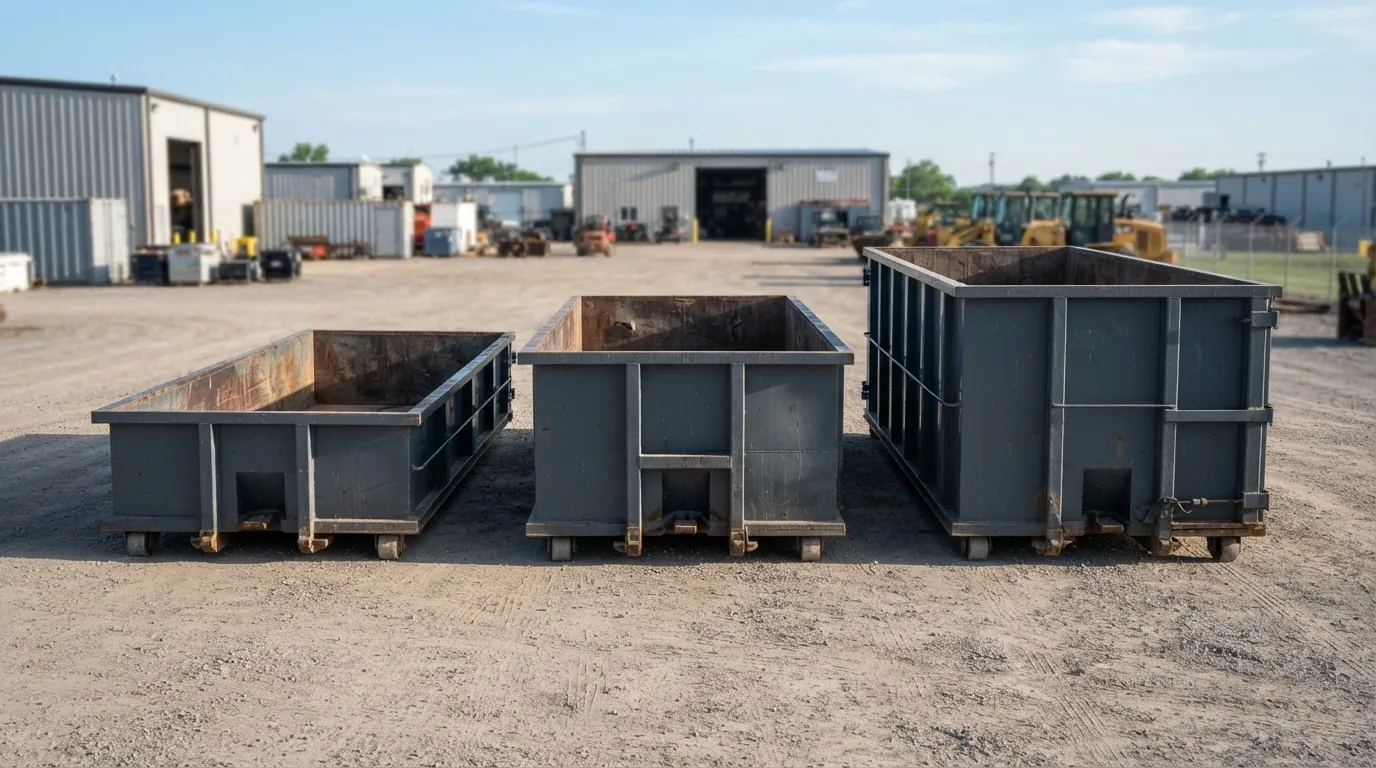
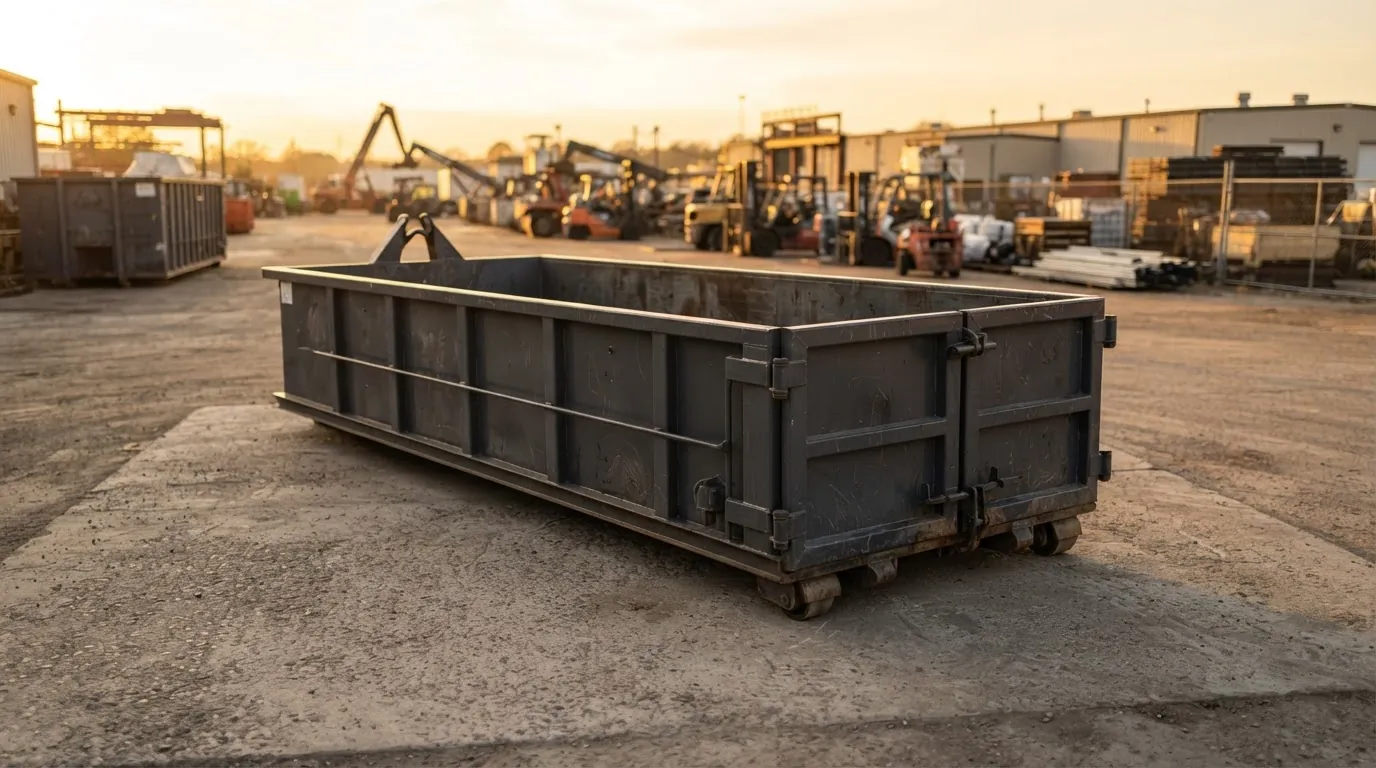
Roll-Off Sizes: 20, 30 and 40 Yard Containers
Three sizes cover most commercial work. Here is the short version, matched to the job; the full breakdown, with dimensions and weight, is on the dumpster sizes page.
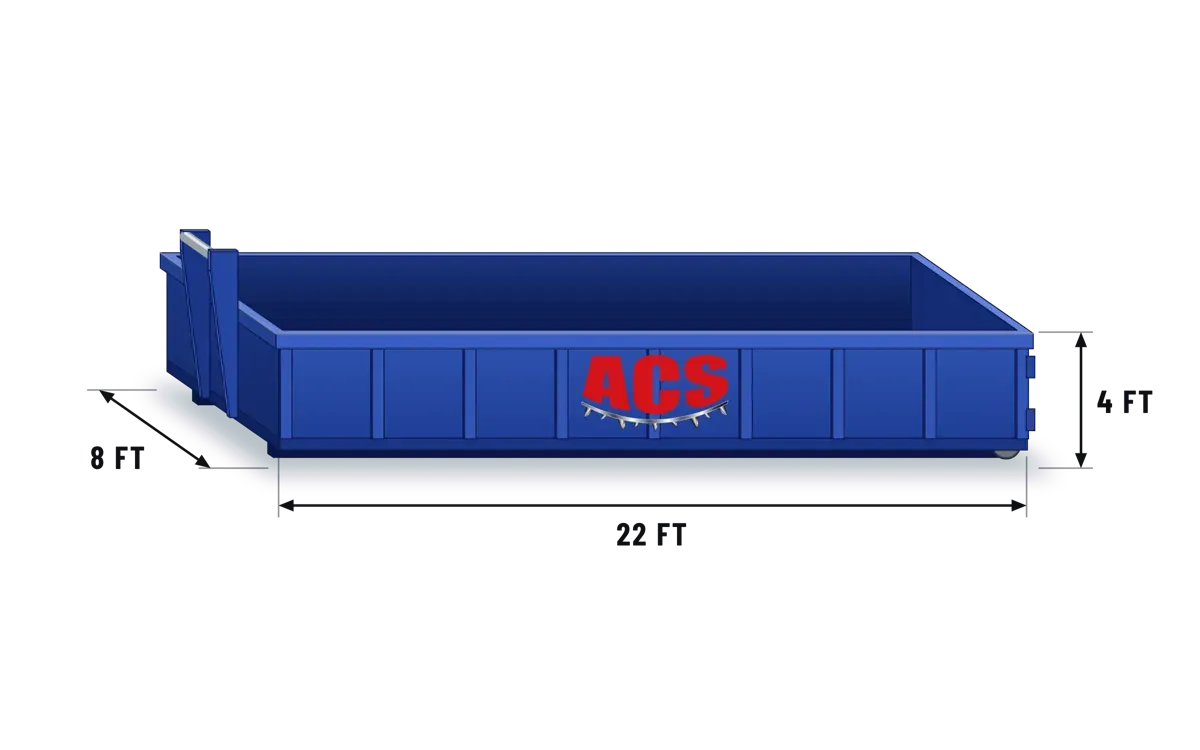
20 Yard Roll-Off
For restaurant and retail waste, smaller renovation jobs, roofing tear-offs and dense material, where weight fills the container before volume does.
See 20 yard dumpster rental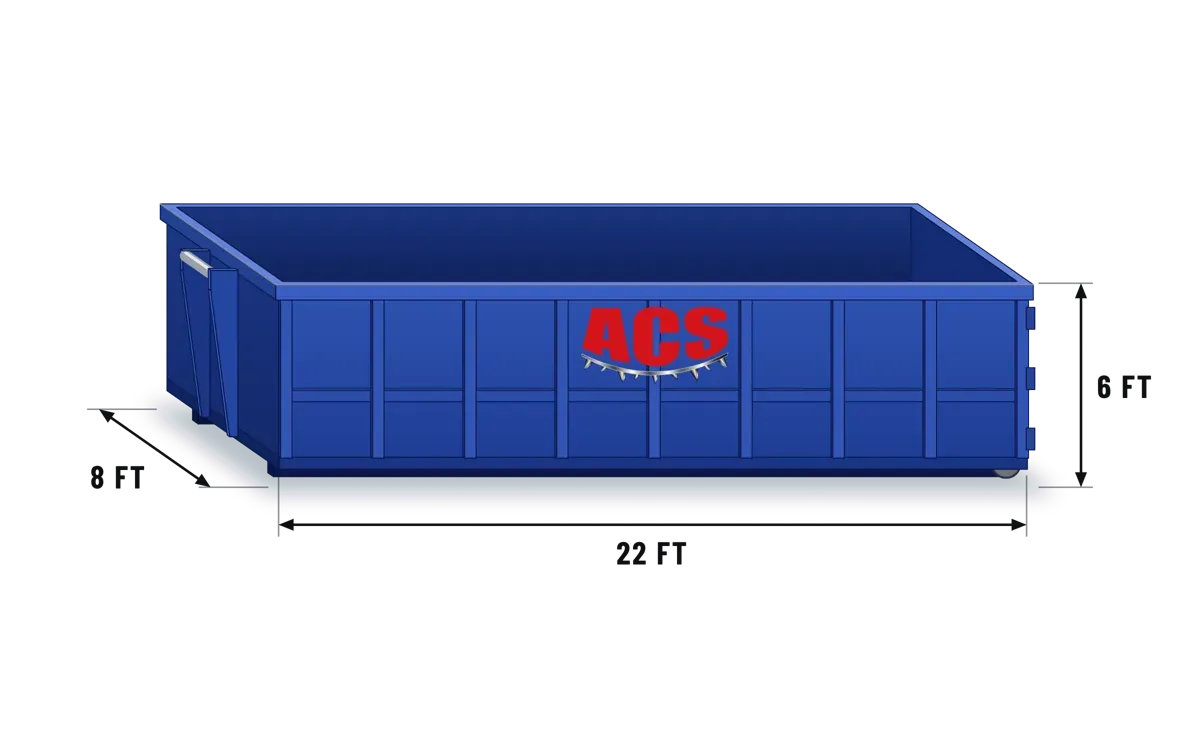
30 Yard Roll-Off
The general commercial workhorse: mixed construction and demolition debris, renovations, steady production waste and warehouse packaging.
See 30 yard dumpster rental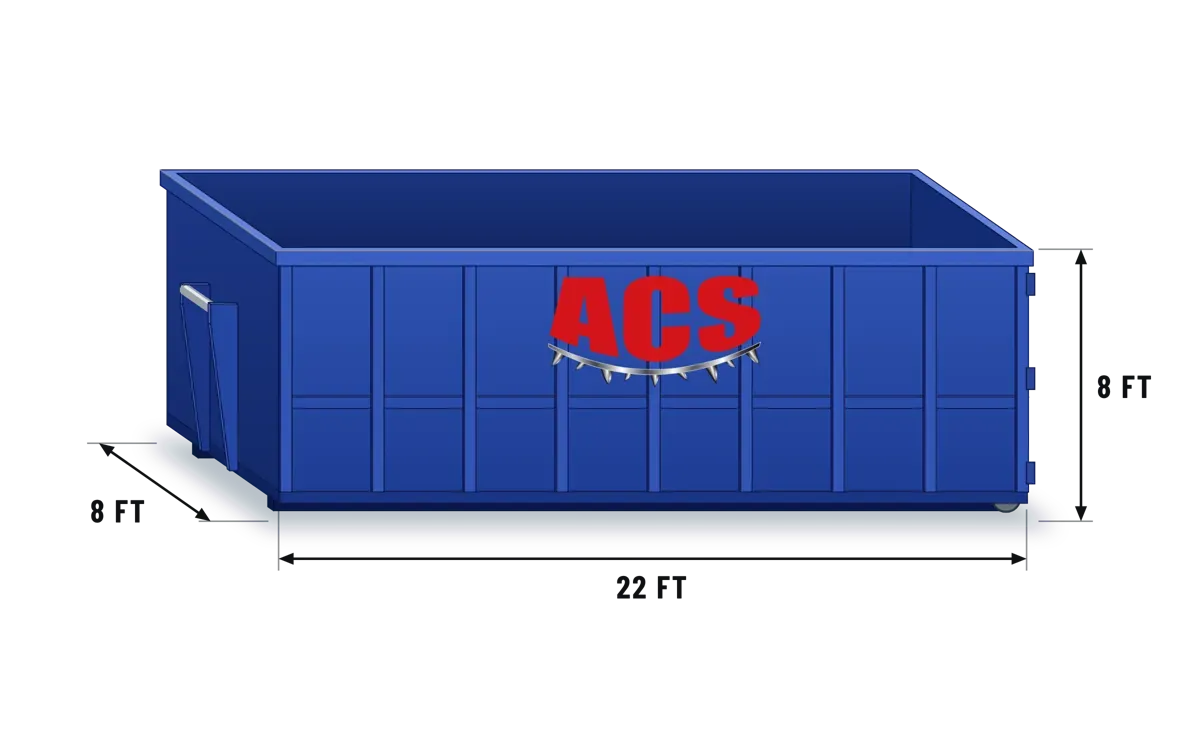
40 Yard Roll-Off
The largest standard roll-off, built for light, bulky streams: high-volume packaging, large commercial cleanouts, and plant and warehouse waste. It is also where compaction often pays off most, because there is the most air to take out.
See 40 yard dumpster rentalIf you are not sure which one fits, describe the material and the volume and we will size it. Guessing large costs you space on the lot; guessing small costs you pulls.
Three Options
One Bigger Container, Two Hauls, or Compaction?
When a site outgrows its waste setup, there are three ways forward. They are not equally good, and which one wins depends on the material.
Size up.
Moving from a 20 to a 30, or a 30 to a 40, buys volume. It works when you have room on the lot and the material is light enough that you fill the space before you reach a weight limit. If your material is dense, you will just reach the ceiling sooner in a larger container.
Add pulls.
The default answer, and the most expensive one, because every added pull is another full truck trip. It is the right call when volume genuinely spiked and there is no other option: a demolition week, a plant shutdown, a seasonal surge.
Compact what you already have.
The container stays the same size, in the same spot, on the same pad. A mobile unit comes to it, works the load down, and the container goes back to taking material. Compaction helps reduce waste volume by up to 70% depending on the material.
The honest version: compaction wins when you have air in your load and enough pulls a month for the reduction to matter. It does not win on dirt, aggregate or any dense material with no air in it to begin with, and we do not compact those anyway. Concrete is never compacted or used in demos; concrete in mixed loads must be separated before eligible material is compacted.
The Difference
How On-Site Compaction Changes a Roll-Off Rental
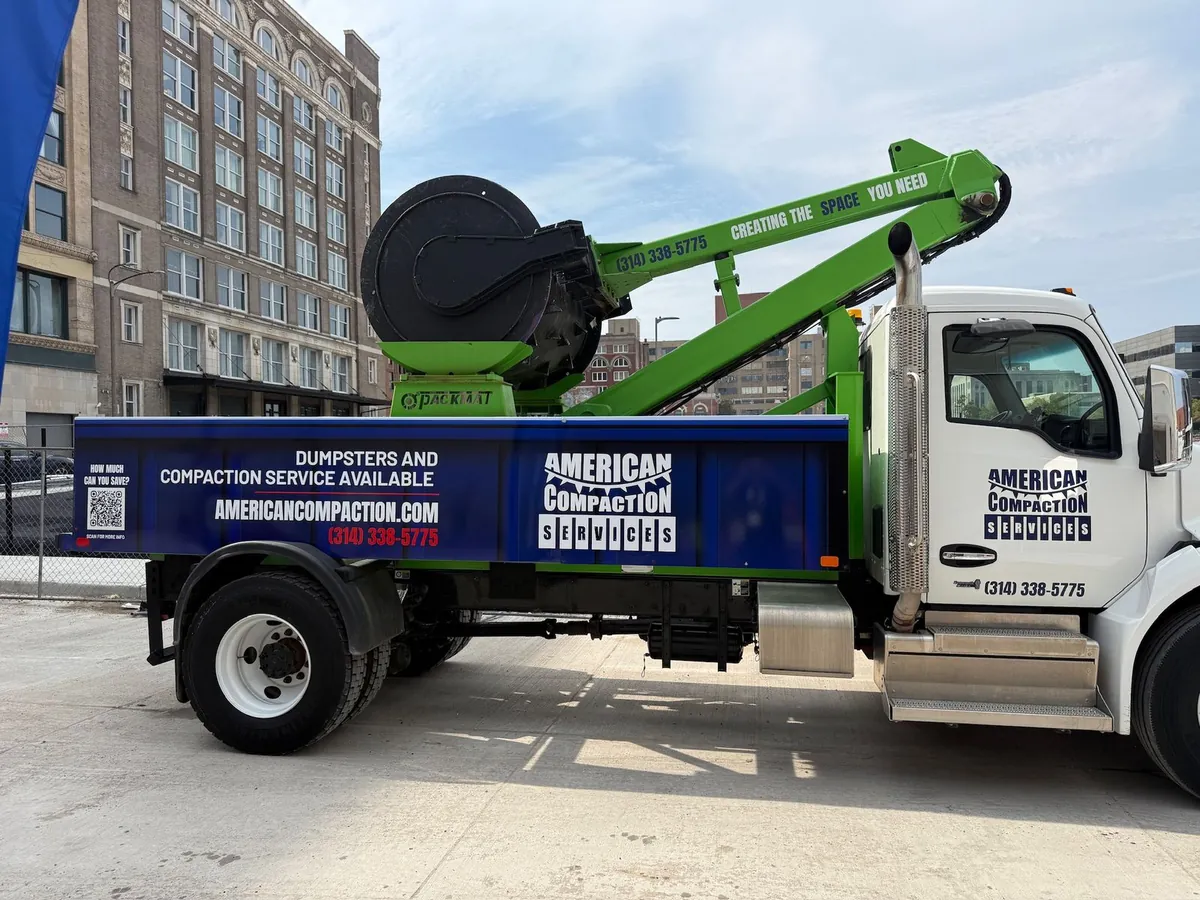
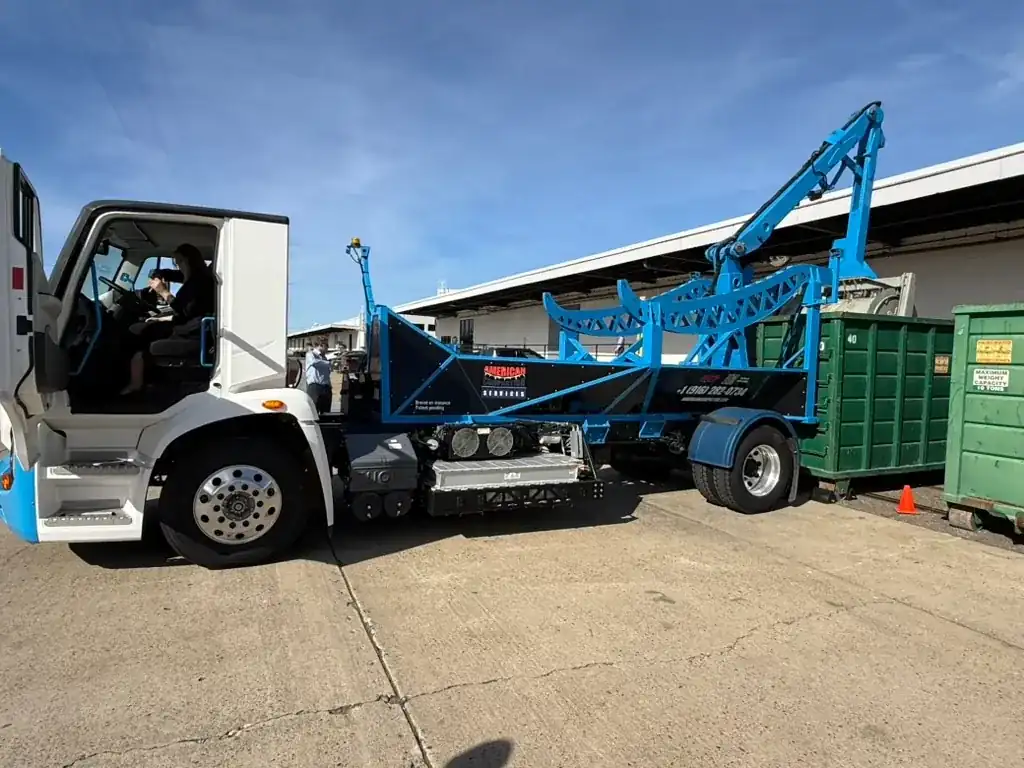
This is the part that makes a roll-off from American Compaction Services different from a standard roll-off: the load gets worked before it goes. A mobile compaction unit comes to your site and works the container in place, and the container does not leave the pad until it is genuinely full.
Compaction can reduce volume by up to 70%, depending entirely on the material. It is never a guarantee.
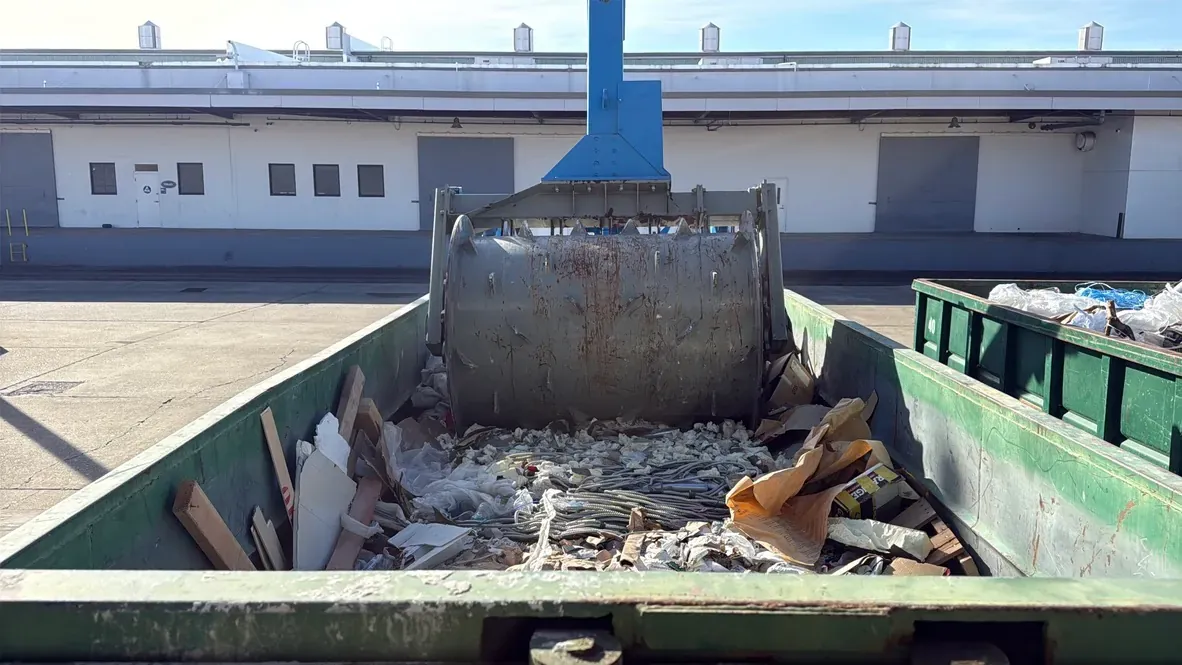
Drum rolling directly inside the open-top container, crushing voids and reclaiming volume.
| Cardboard and packaging | Compacts well |
| Plastics | Compacts well |
| Pallets and wood | Compacts well |
| Furniture and bulky commercial waste | Compacts well |
| Light construction debris | Compacts well |
| Concrete, masonry and roofing shingles | Never compacted |
| Red iron, liquids and hazardous waste | Never compacted |
Most of a loose load is air. A loose container that looks full is mostly air. Compaction can reduce volume by up to 70%, depending on the material.
What that is worth in dollars depends on your material, your pull count and your market. The on-site waste compaction page works through the visit, the weight and an example of the math.
See It On Your Own Site First
Free on-site demo: we compact one of your own containers while you watch, with before & after photos and zero obligation.
Accepted Materials
What Goes in the Container, and What We Compact
Being clear about this up front saves everyone a rejected load and a return trip. What a roll-off can take is set by the receiving facility, and the accepted materials page has the full list. For compaction, American Compaction Services draws the lines here.
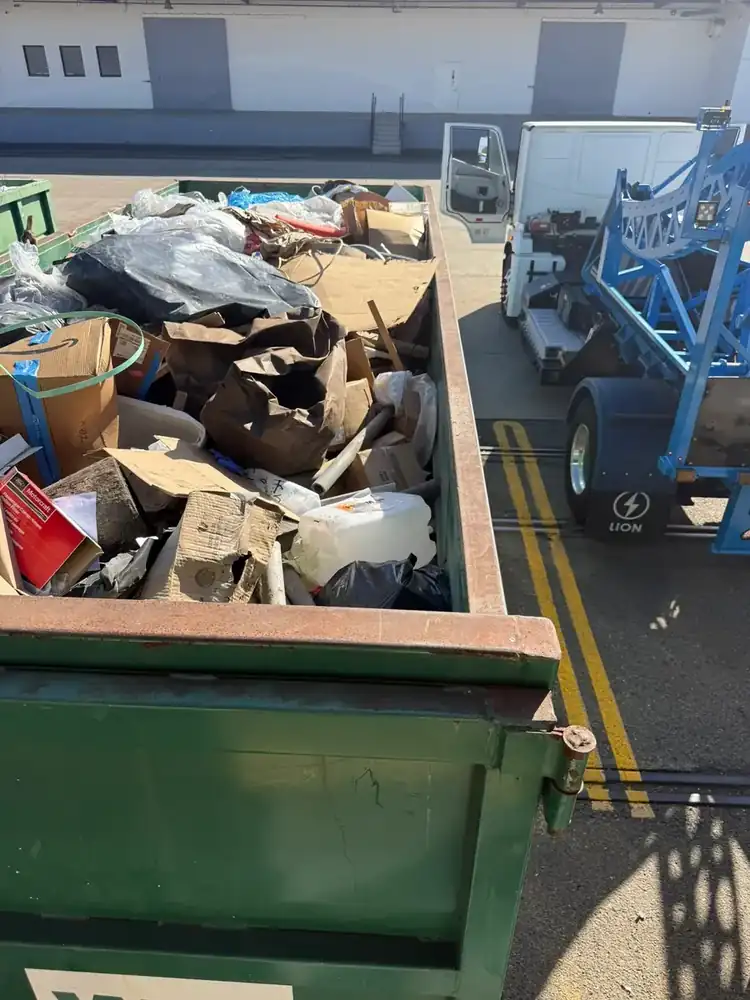
What we compact
Cardboard and packaging; plastic film and wrap; wood and pallets; construction and demolition debris, including drywall, insulation, ceiling grid and fiberglass; compost and organics, as long as your hauler accepts it.
What we won't compact
We will not compact liquids; dirt, soil, aggregate or other dense material with no air in it; hazardous or regulated waste; sealed drums or pressurized vessels; or anything the receiving hauler won't accept. On a pure dense load like broken concrete, it is never compacted or used in demos.
If you are not sure whether your material qualifies, describe the stream before the container is delivered and you will get a straight answer.
Who We Serve
Industries and Projects We Serve
American Compaction Services sets up roll-off service around who is filling the container, because a plant, a jobsite and a retail dock use one very differently.
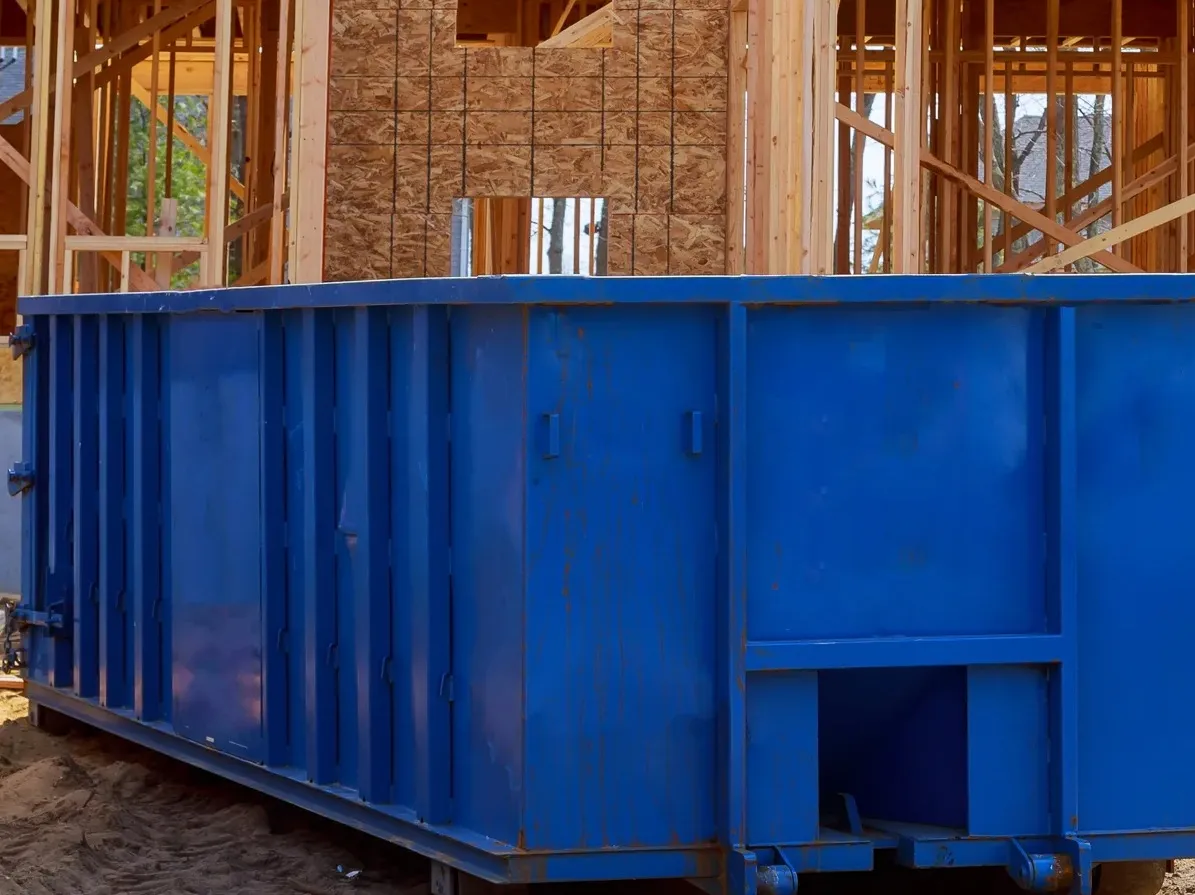
Construction
Job-duration containers for wood, drywall, packaging and mixed debris: set when the job starts, swapped as it fills and pulled when it ends.
Learn more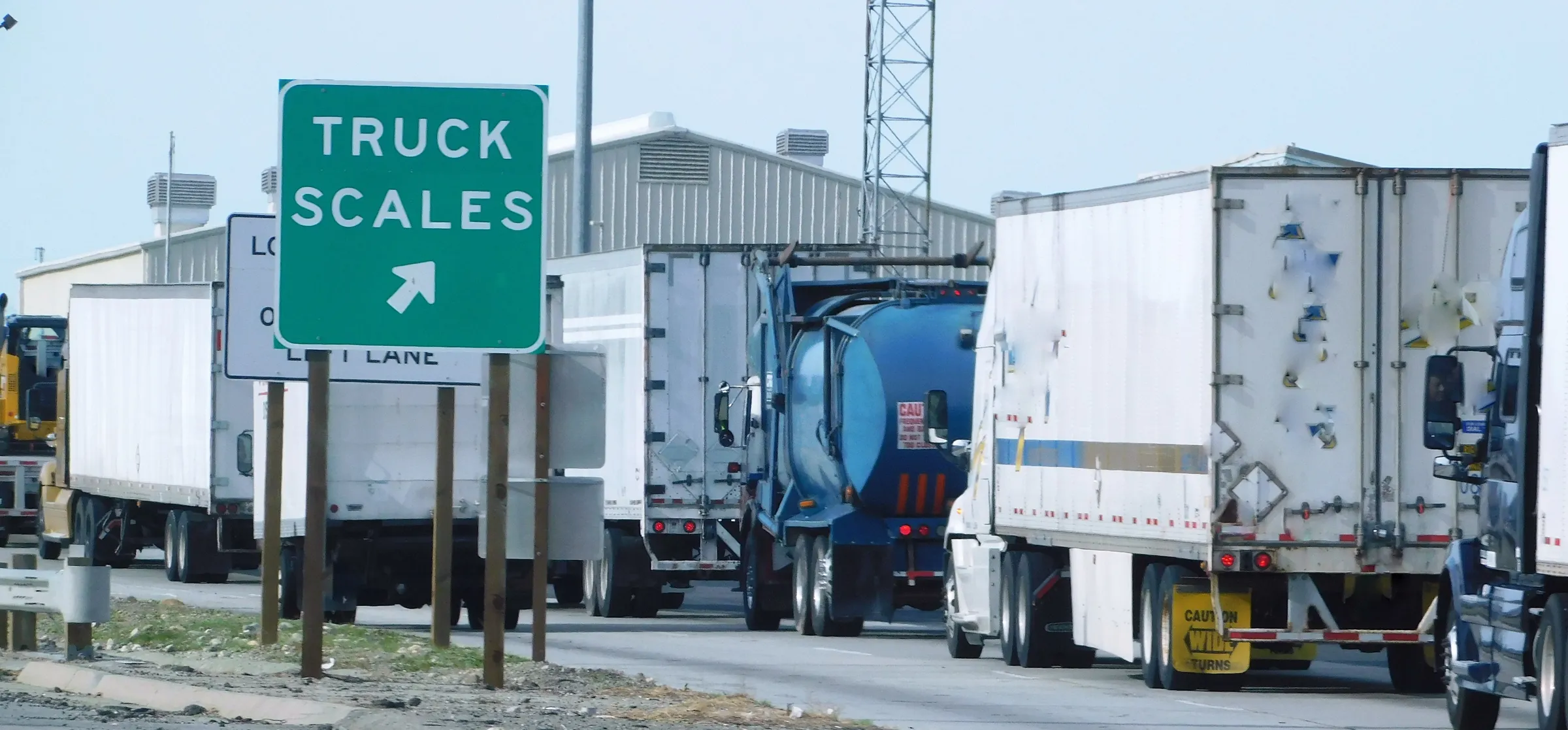
Demolition
High-volume, heavy debris on short timelines, with weight limits planned from the start.
Learn more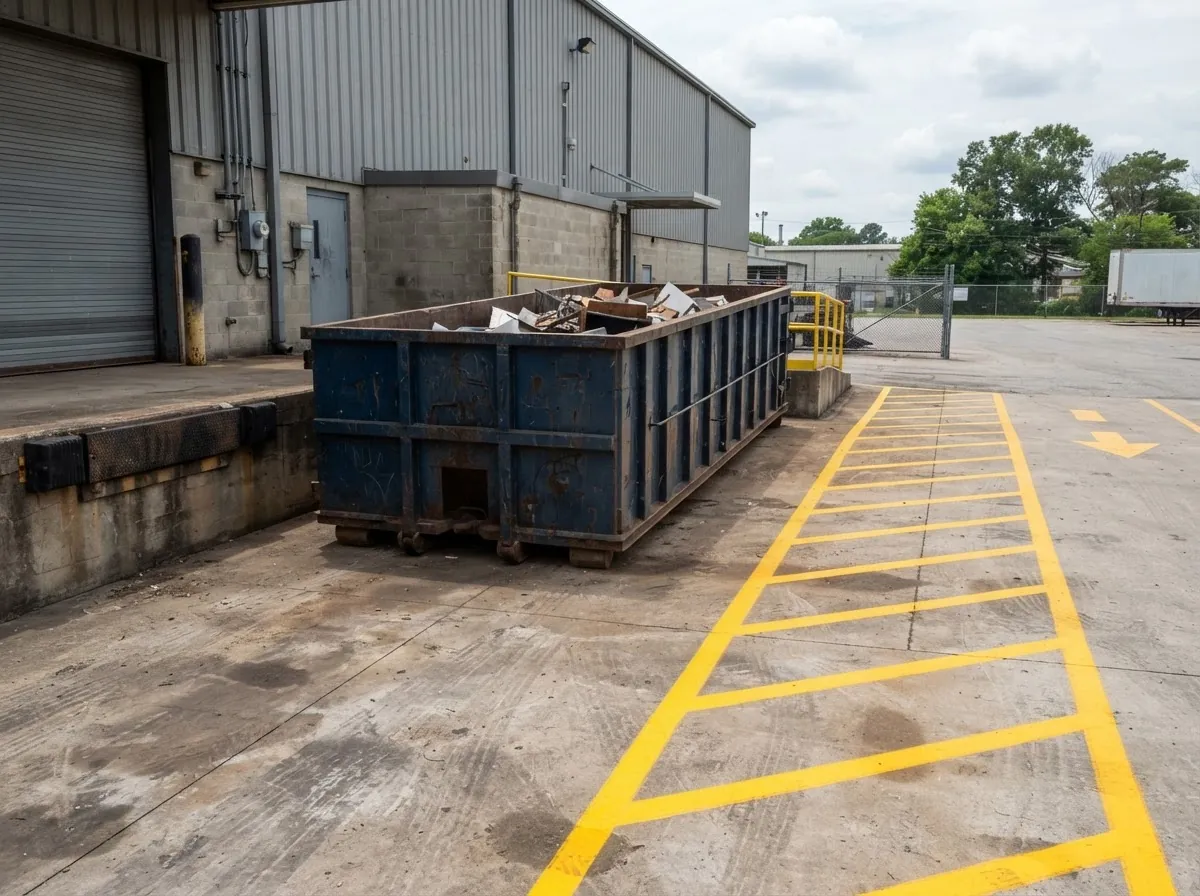
Industrial & Manufacturing
Steady production waste, scrap and packaging on a predictable rhythm. Consistent volume with air in it is where compaction tends to earn the most.
Learn more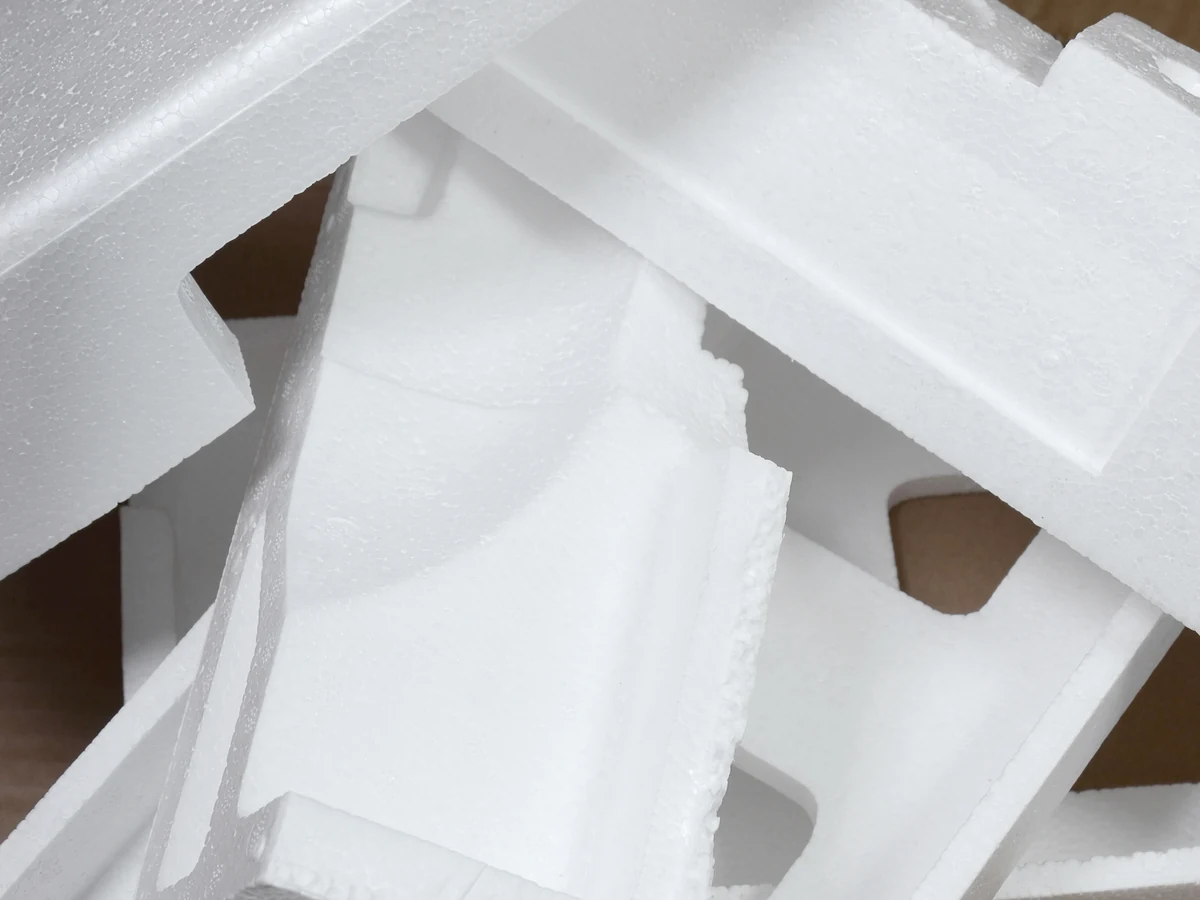
Warehouse & Distribution
Corrugate, film, pallets and dunnage: the stream with the most air in it, and the top line of the reduction table.
Learn more
Retail & Restaurants
Boxes, packaging and back-of-house waste, usually in tight spaces where a bigger container is not an option.
Learn more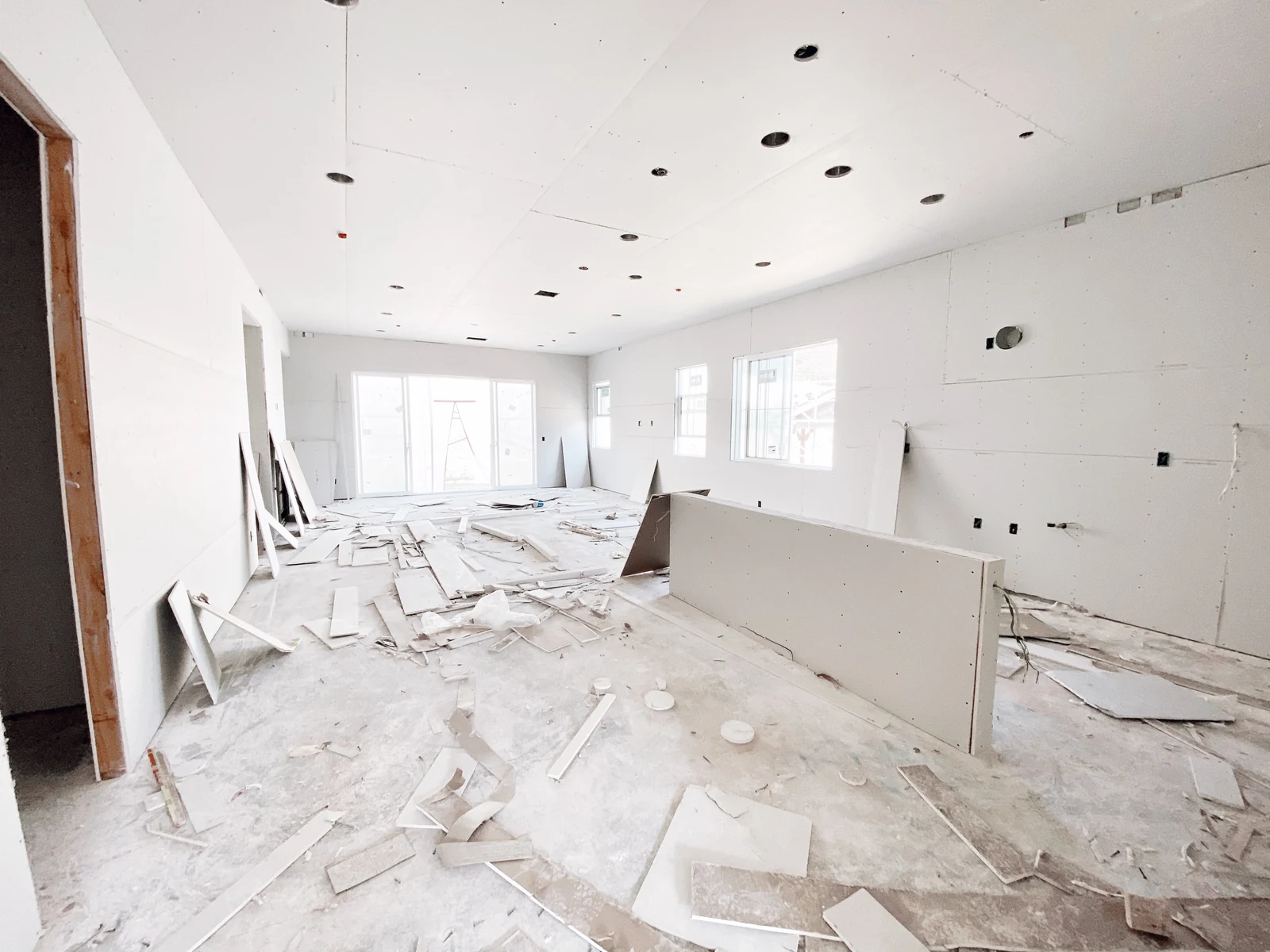
Contractor Accounts
One account across every jobsite, with swaps timed to the work instead of the calendar.
Learn more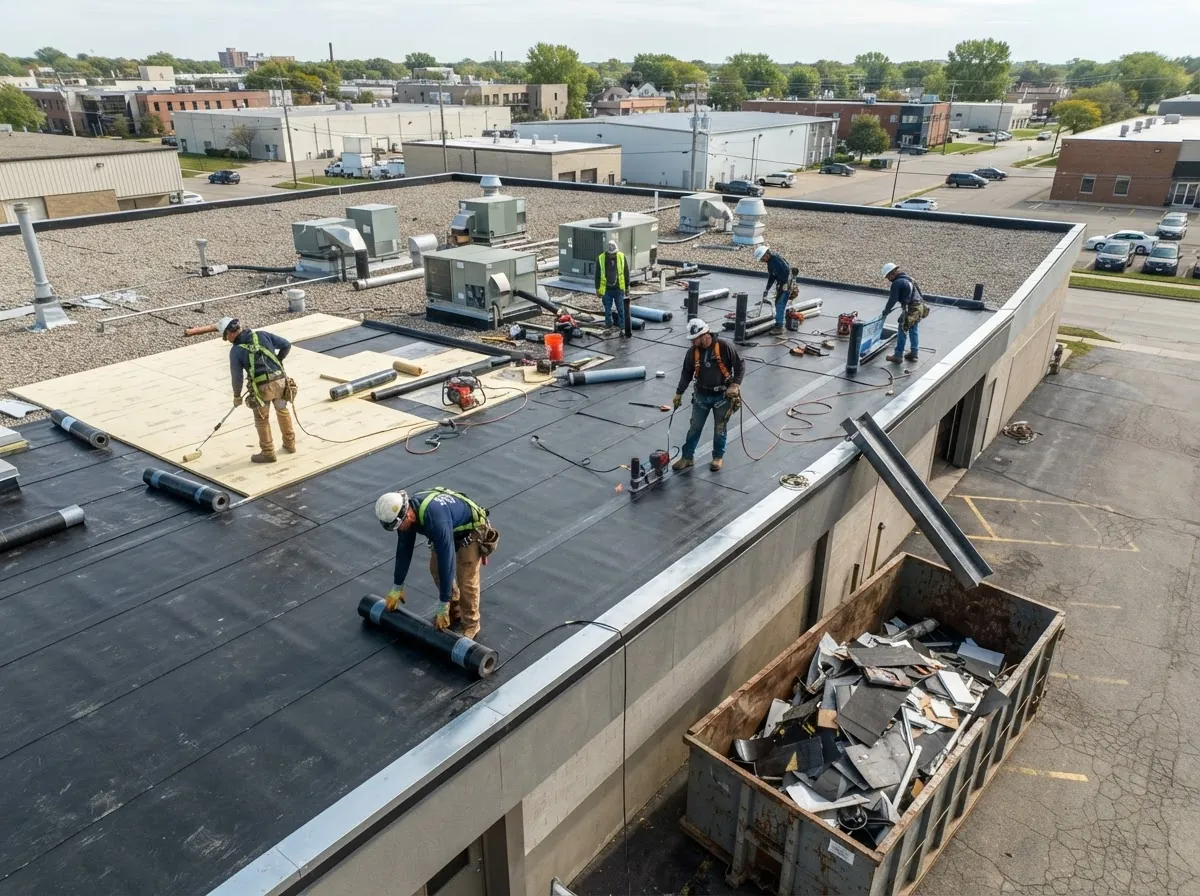
Roofing
Shingle tear-offs are heavy for their size, so the container is sized for weight first and placed where the crew can load it.
Learn more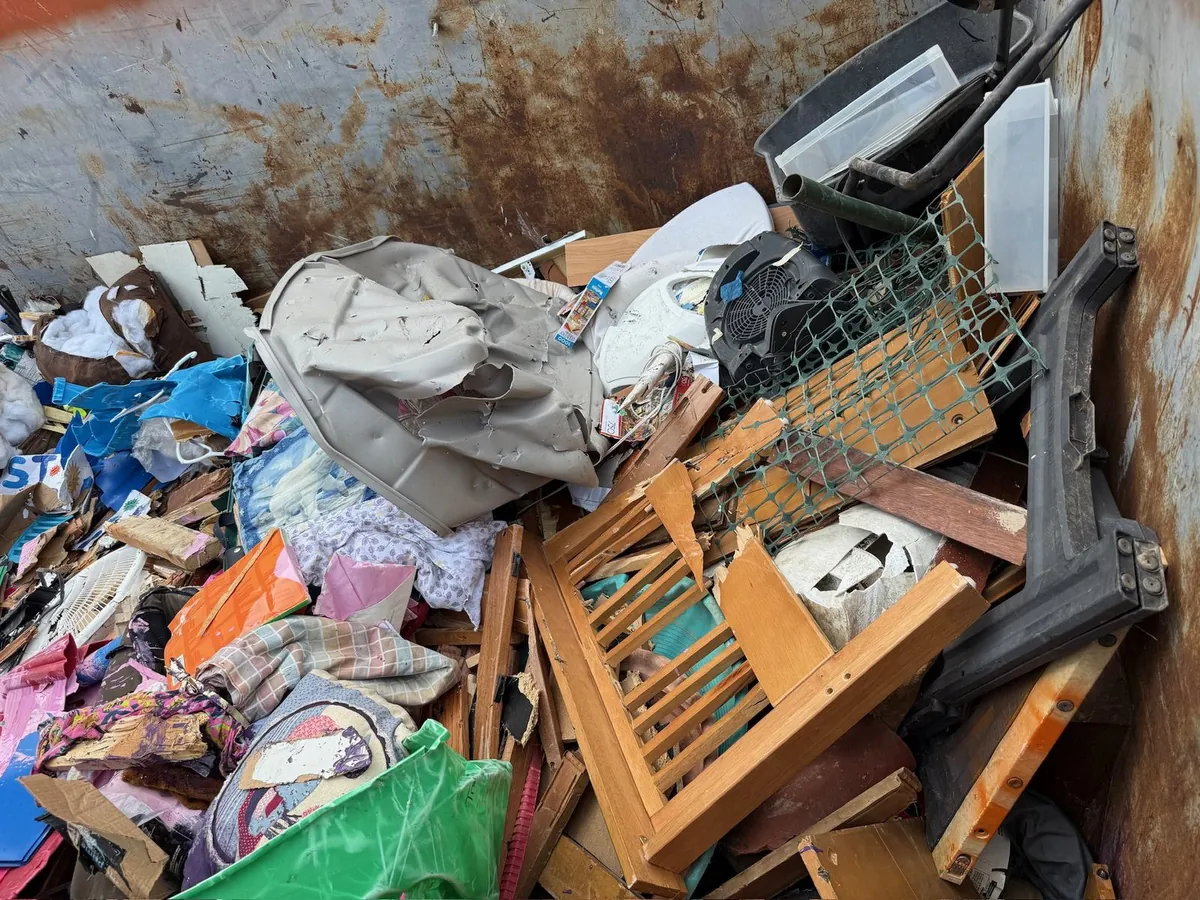
Property Management
Managers, facility operators and associations dealing with turnover surges, capital projects and containers that share space with tenants and traffic.
Learn moreEvery account is a business. We do not rent to homeowners.
Site Access
Delivery, Placement and Site Access
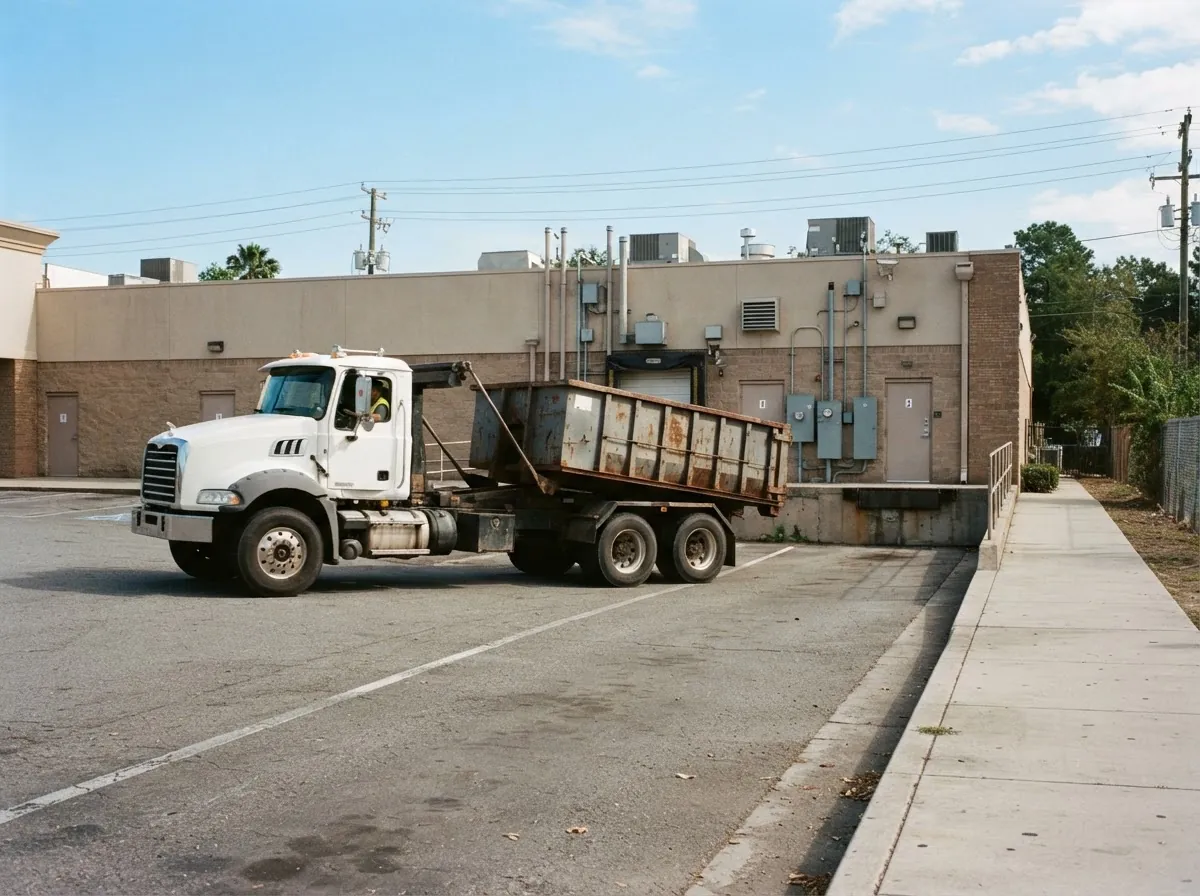
A roll-off is set by a truck that has to back into position, and a loaded container is heavy. Plan for these before the truck arrives.
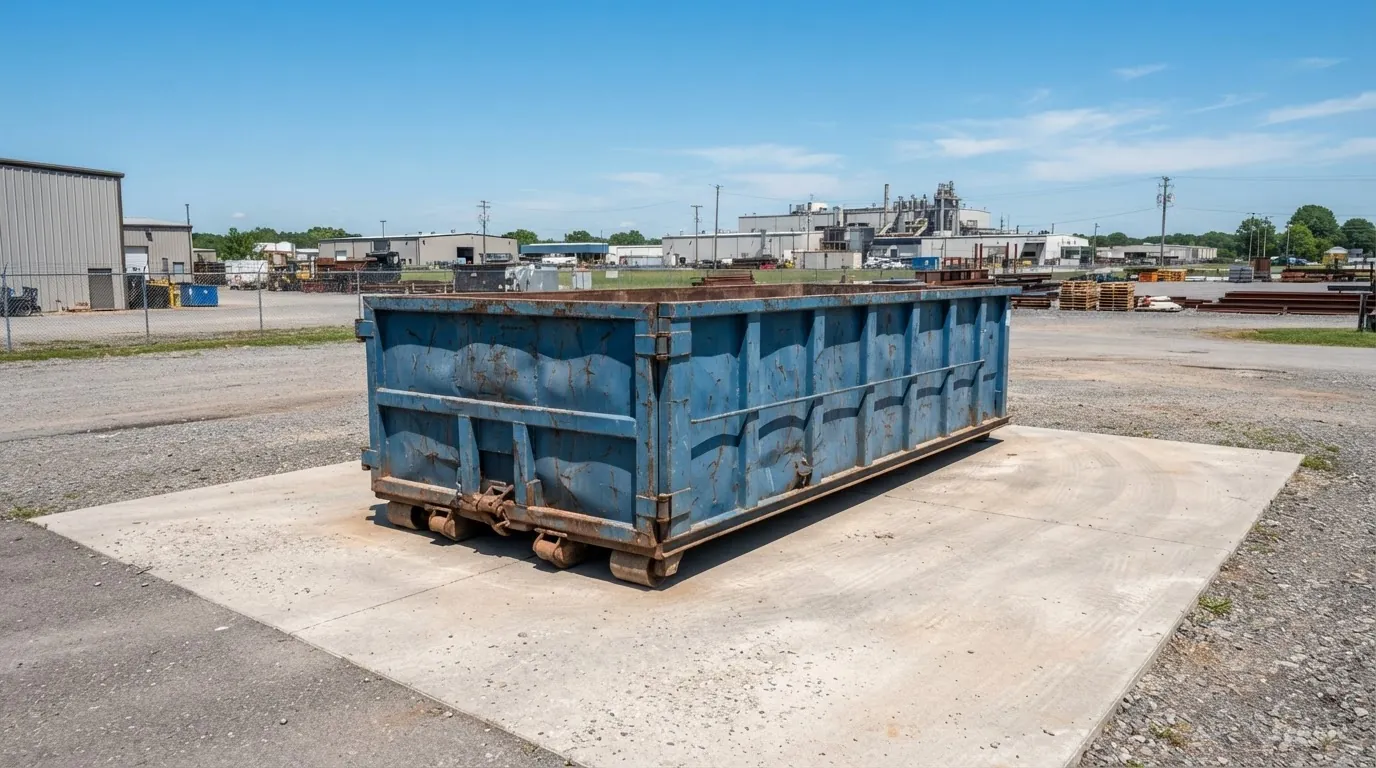
Placement surface
Concrete pads and compacted gravel handle a loaded container well. We'll confirm placement and access with you before delivery. Soft ground after a wet stretch is a real risk for a loaded truck.
Clearance
The truck needs roughly sixty feet of straight-line approach and clear overhead. Gates, bollards and parked trailers are the three things that most often turn a delivery into a return trip.
Where the container faces
Doors should open toward where the material comes from, not toward a wall. It sounds obvious. It gets missed constantly, and it costs your crew time on every load.
Scheduling around the dock
Delivery, compaction visits and pulls are scheduled around your operation, not ours: before shift, after shift, between deliveries. Tell us your windows and we will work inside them.
Swaps
When a container has to leave full with no gap in service, the swap is scheduled ahead.
Street and right-of-way placement is its own question, with rules that vary by city; the FAQ page covers permits.
The Process
How Roll-Off Service Runs, Start to Finish
- 1
You describe the site.
Material stream, rough volume, how often you get pulled now and what the lot looks like. That is enough to size the container and set a starting schedule.
- 2
Free on-site demo.
On a container you already have, you watch the compaction happen and see how much room comes back before you commit to anything.
- 3
Delivery and placement.
The container is set where you want it, facing the way your crew loads it, on a surface that will hold it.
- 4
You fill it.
Normal operation. Nobody has to change how they load, though breaking down boxes still helps.
- 5
Compaction visits.
The mobile unit works the container where it sits, on visits set by your fill rate, and the container keeps taking material.
- 6
Pull or swap.
When the container is genuinely full, not just full of air, it is pulled and brought back empty, or swapped for an empty one in the same visit.
Every visit includes a before-and-after inspection with photo documentation. A heavy steel drum, narrower than the container, works the load down and never touches the walls. How the unit protects a container, including one that belongs to your hauler, is covered on the on-site waste compaction page, and how it works follows a site from first call to first pull.
Who Does What
Who Does What on a Roll-Off Rental
American Compaction Services supplies the roll-off container and runs the compaction visits. The container is placed, and pulled when it is full. If you already have a container from another hauler, keep it and keep your hauler: we compact eligible non-concrete waste in it, and we handle the conversation with the container's owner before the first visit. When we supply the container, the container, the pulls and the compaction come on one invoice, and there is no contract to sign.
What stays with you
Keep the container reachable, keep prohibited material out of it, and tell us when your volume changes so the schedule changes with it.
Two Ways to Run It
Project Rental or Ongoing Service
For a project
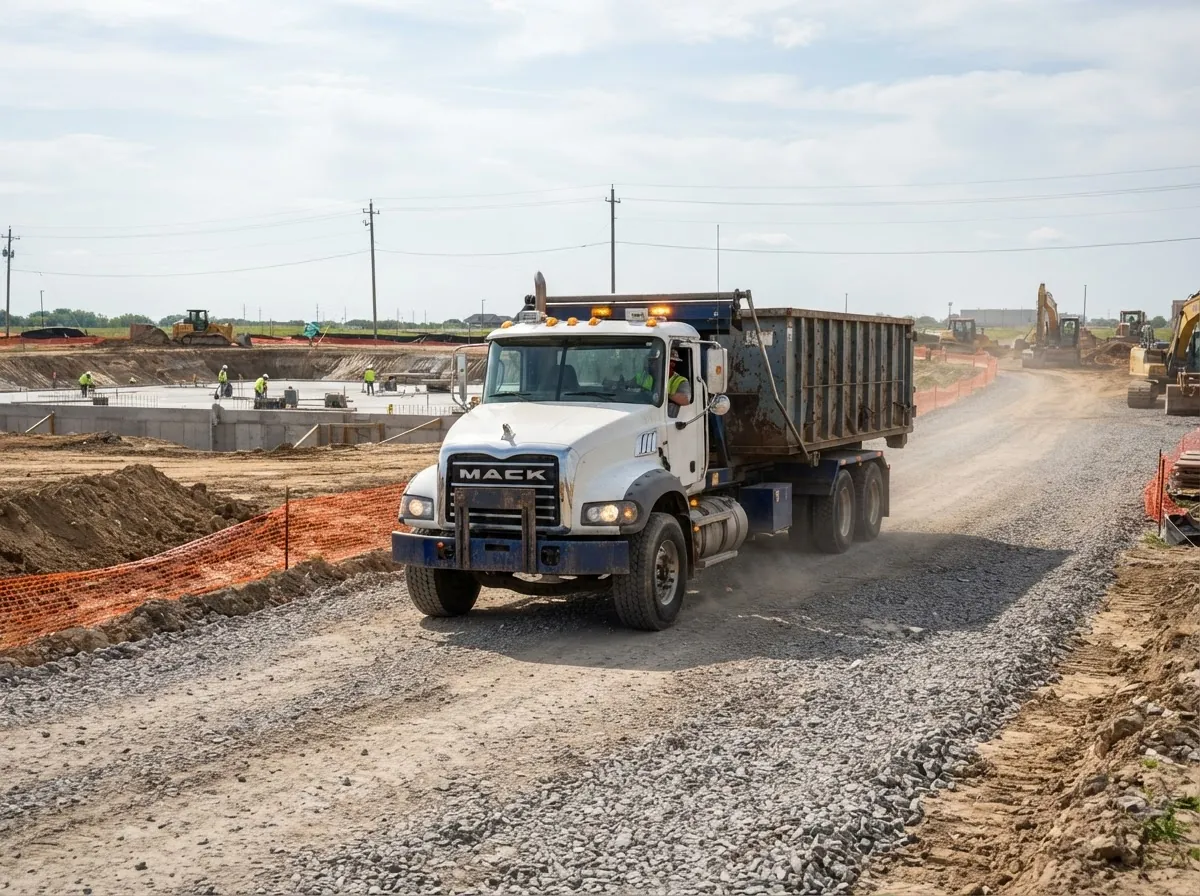
A container set when the job starts, swapped as it fills and pulled when the work ends: commercial construction, demolition, a plant reconfiguration, a tenant build-out, a roofing company's run of tear-offs.
Ongoing service
A container that stays on your pad. Compaction visits run on a rhythm, and pulls are called when the load is actually at capacity, not on a fixed calendar.
Pricing
What Affects the Cost of a Roll-Off Rental
American Compaction Services does not publish prices. Your quote comes off your real volume, your material and your access, and five things move it:
- the container size
- what goes in it and how much it weighs
- how long the container stays and how often it is pulled
- how easy the pad is to reach
- whether on-site compaction runs on it
Compaction changes the largest of those, because a container that holds more gets pulled less. The pricing guide explains what drives the bill line by line, and the savings calculator gives you a planning number from your own inputs. These results are estimates from the numbers you enter. They are not a quote, a promise or a guarantee.
Why American Compaction Services
Why Businesses Choose American Compaction Services
A dedicated team and specialized fleet built around maximizing dumpster payload, reducing costly pulls, and providing dependable, contract-free commercial waste compaction.
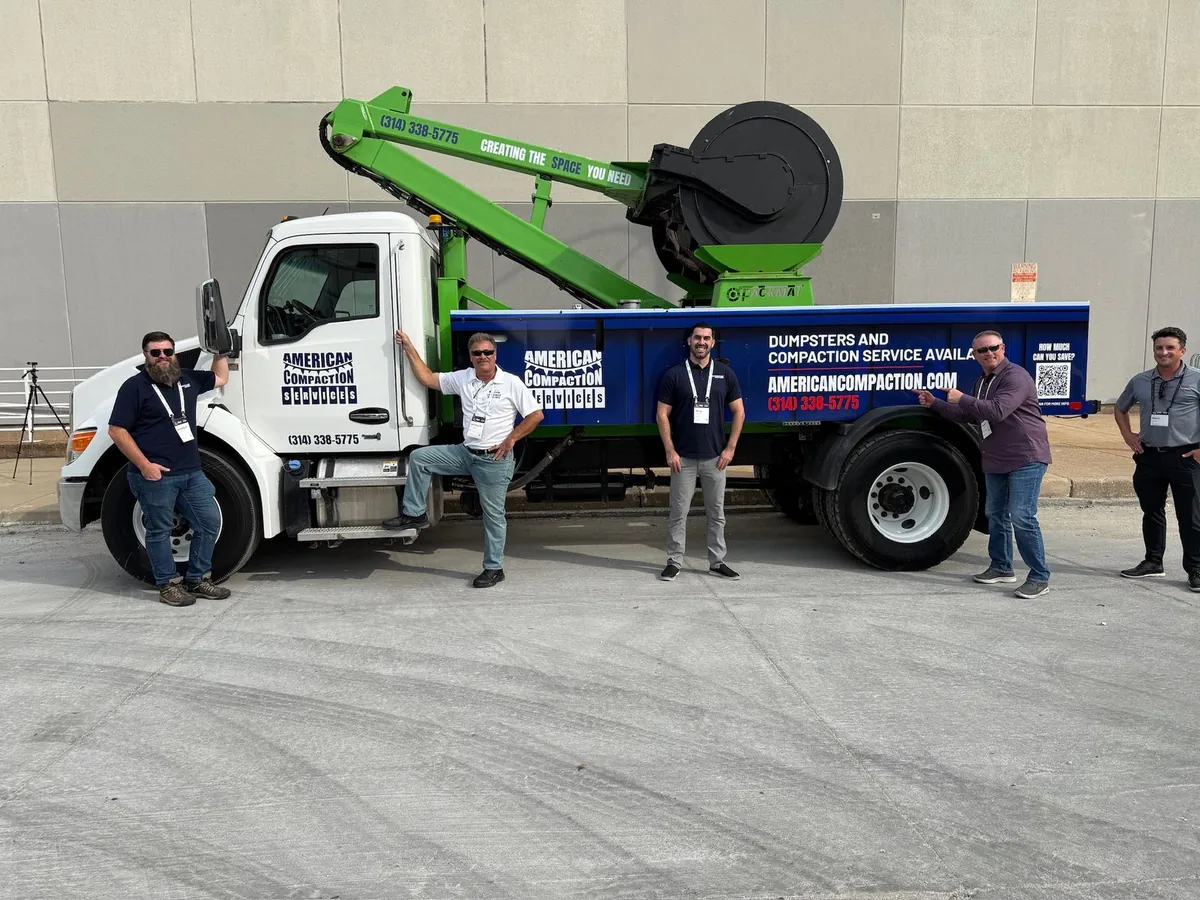
American Compaction Services Team
Experienced specialists ready to optimize your roll-off schedules and document every visit with before-and-after photo verification.
Built around compaction.
On-site compaction can help a suitable load fit more waste into the same container before its next pull.
One invoice when we supply the container.
The container, the hauls and the compaction come on one bill.
Scheduling built around your dock.
Compaction visits and pulls are set to your operating windows.
Straight answers about fit.
If it won't move your number, we'll tell you on the spot, before you sign anything.
Business accounts, no contract.
Contractors, builders, roofers, property managers, plants, warehouses, retailers and restaurants. No contract to sign: no exclusivity, no minimum, no term.
Documented handling.
Every visit includes a before-and-after inspection with photo documentation, on your container or ours.
Ready to evaluate your roll-off service?
Get straight answers on fit, pricing, and volume reduction with no obligation.
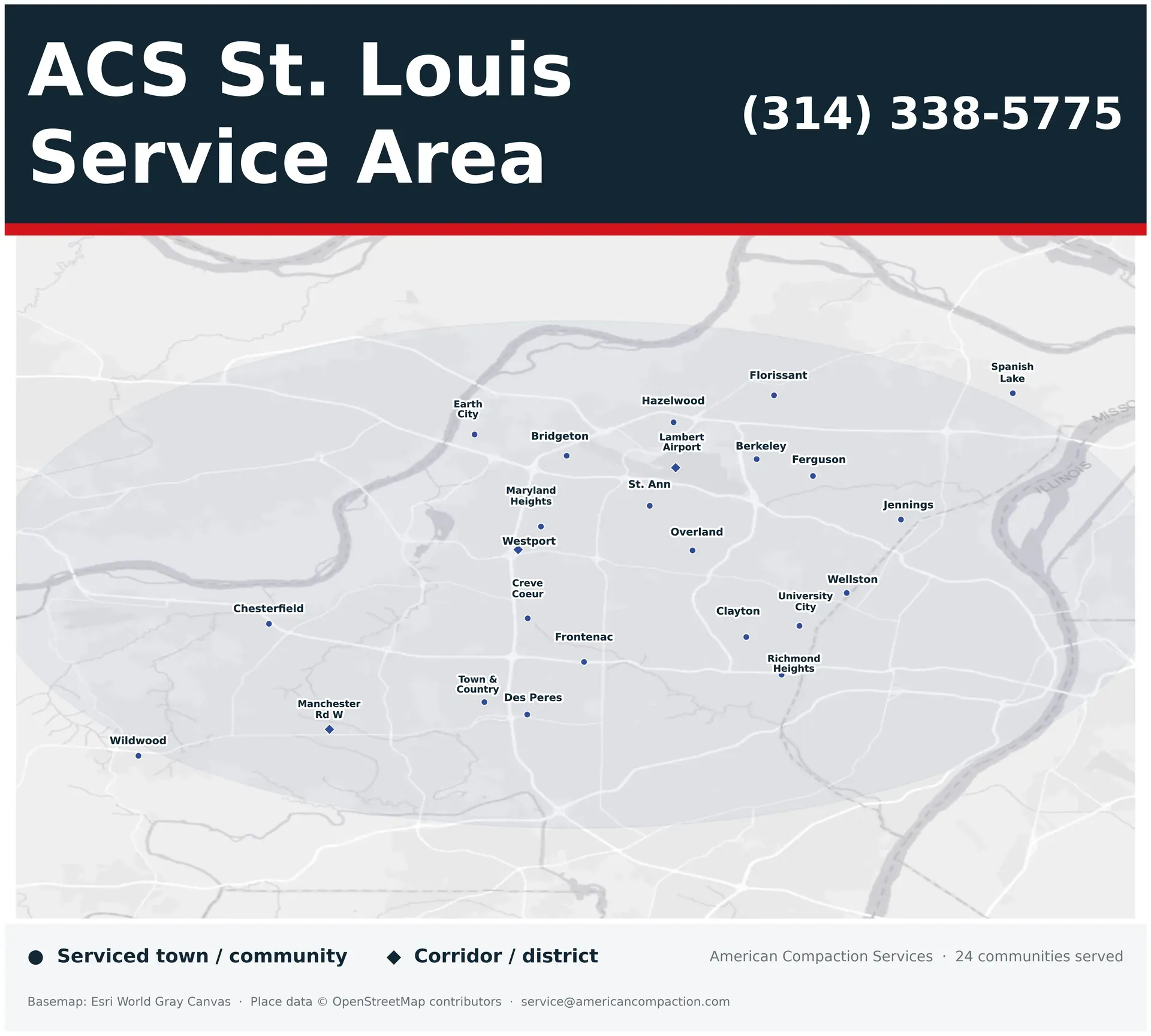
Where We Operate
Available in These Markets
American Compaction Services runs roll-off rental market by market. Each market has its own page, phone number and service area, and the market page covers the local details and how to reach the team there.
If your city is not on the list, the locations page shows every market we serve.
Frequently Asked Questions About Roll-Off Dumpster Rental
General questions on permits, rental periods and scheduling are answered on the FAQ page.
Related Services
On-Site Waste Compaction
how the unit works your container in place, and which streams benefit most.
Dumpster Sizes: 20, 30 and 40 Yard
dimensions, weight and matching a size to your material.
Dumpster Rental Pricing
what drives a roll-off bill.
How It Works
first call to first pull.
How Businesses Cut Roll-Off Haul Costs
the levers that move a haul bill.
Start Your Roll-Off Dumpster Rental
Tell us the material, the volume and where the container would sit. We will size the container, set a schedule around your dock, and tell you honestly whether compaction changes your numbers. The on-site demo is free.
With roll-off, every haul is a call. With American Compaction Services, nobody has to call.
We set you up on a schedule and we compact on site. Dumpsters and compaction. All handled.
You already pay for dumpster space. Compaction lets you use more of it.
Getting started takes four details
- A photo of your dumpster and the space around it
- Your location
- What goes in the box
- The container size, if you know it
They help us plan for site access and match compaction service to your site.
We will prove it. Call or text (877) 651-7660.