

Dumpster Rental Pricing
Commercial Dumpster Rental Pricing: What Drives the Bill
Commercial dumpster rental pricing comes down to three lines on the bill and one number underneath them: how many times a truck comes to your site. American Compaction Services does not publish prices, because your quote comes off your real volume, your material and your access. This guide explains what a bill is made of, what moves a quote, how compaction is priced and how the one combined invoice works.
Run your own numbers in the savings calculator.
Check My SavingsWhat You Pay For
What a Commercial Dumpster Rental Bill Is Made Of
A waste bill has three parts: per trip, per ton and the monthly rental. The trip charge is the only line that really moves. Here is why.
The trip
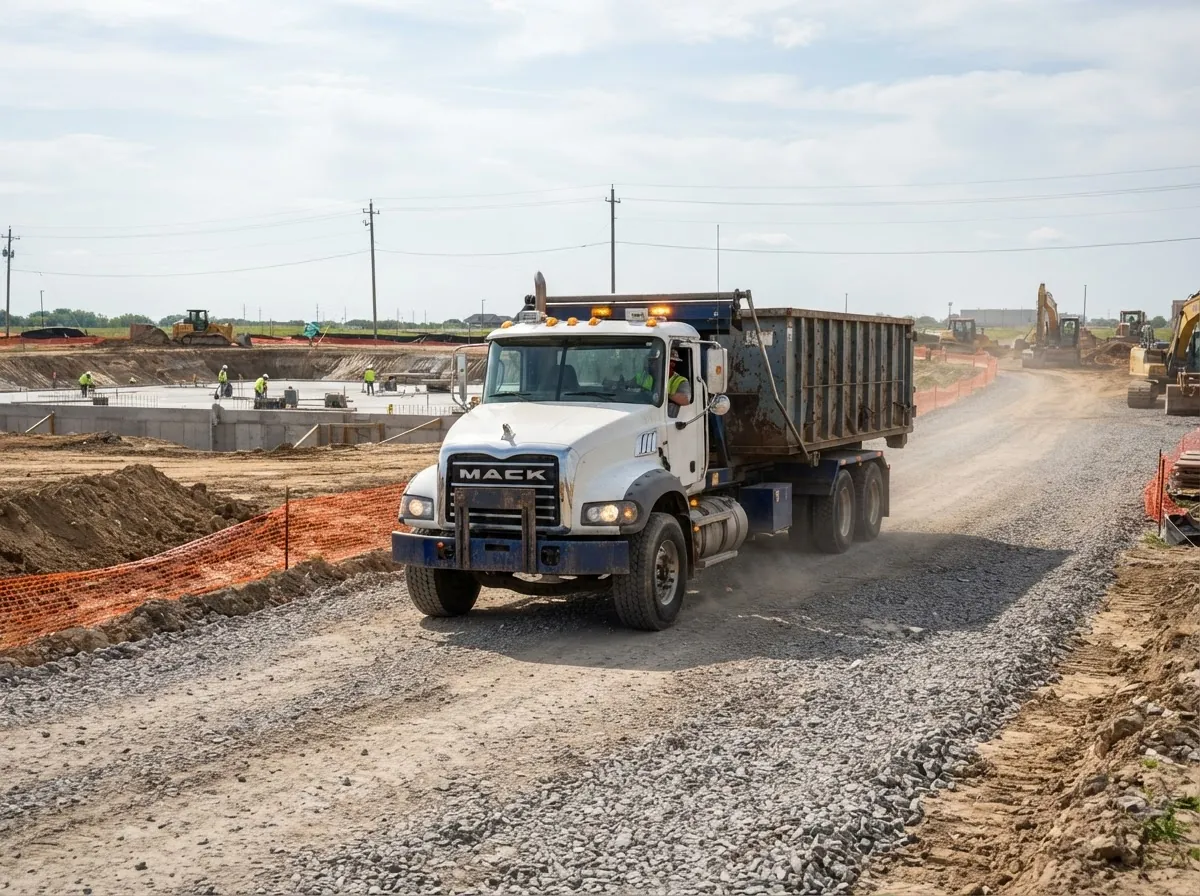
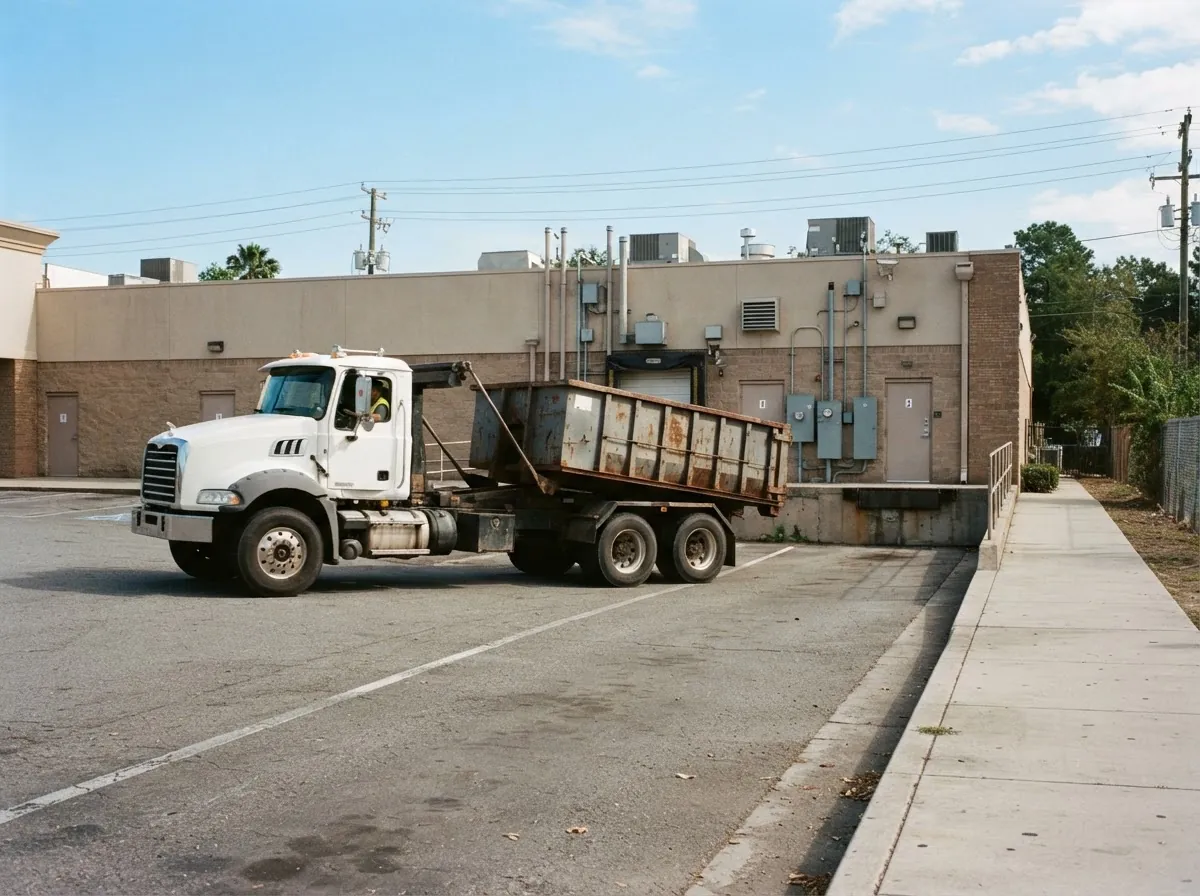
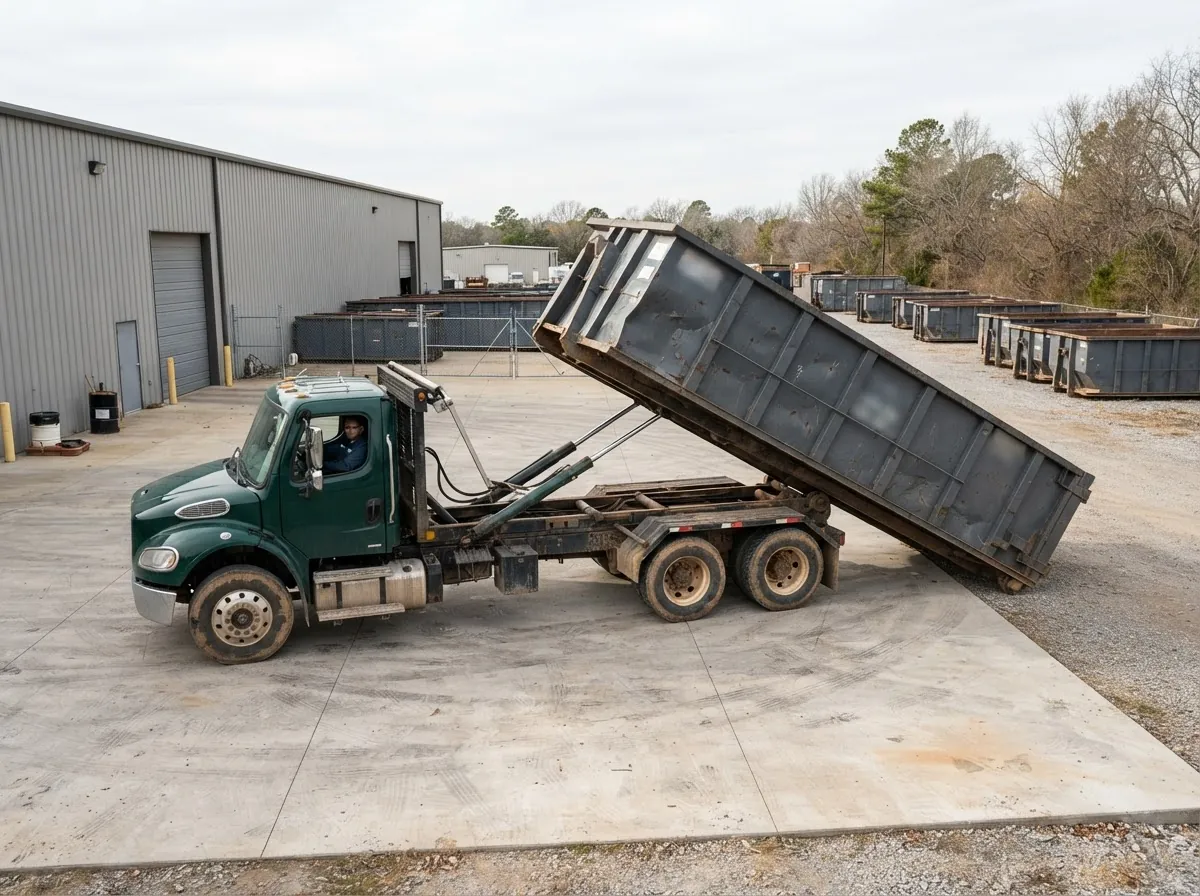
Every pull means a driver, a truck, fuel, highway time, a scale ticket and a run to the disposal facility. The trip line repeats every time a truck comes to your address, whether the container was full or not. You're billed by the trip, not by the pound.
The ton
The saving is in fewer pickups on the same waste. The disposal line follows your material: it moves when what you throw away changes.
The rental
The container on your pad. It sits still, and so does its line on the bill.
So the trip is the line that answers to what happens on your site. A container pulled when it merely looks full is a trip spent partly on empty space: you are paying a truck to haul the same air twice. Count your haul-offs before you shop your rate.
Your Quote
Five Things That Move Commercial Dumpster Rental Pricing
American Compaction Services builds your quote from your real volume, your material and your access, and five things move it.
1. The container size
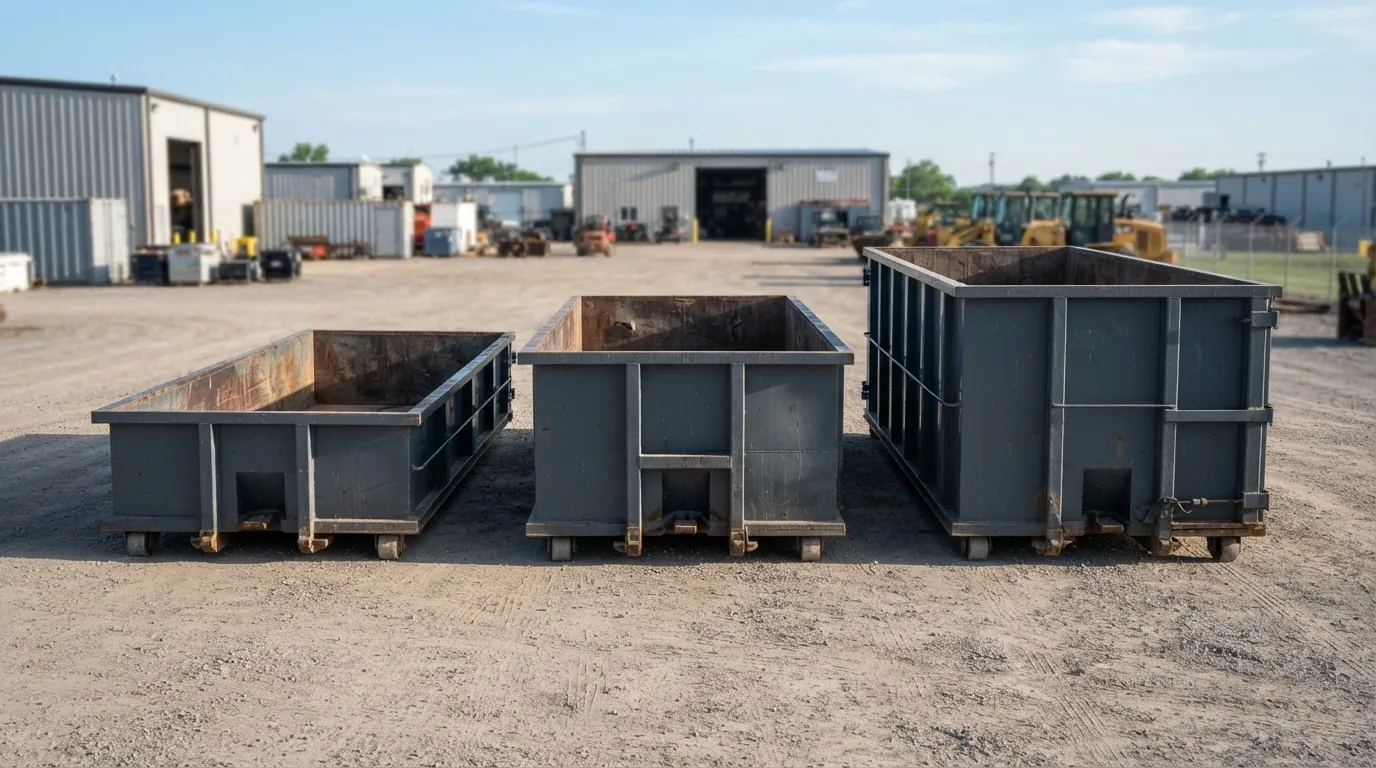
A 20, 30 or 40 yard container sets how much each trip can carry by volume, and how much room it takes on the lot. The dumpster sizes page matches a size to your material.
2. What goes in it and how much it weighs
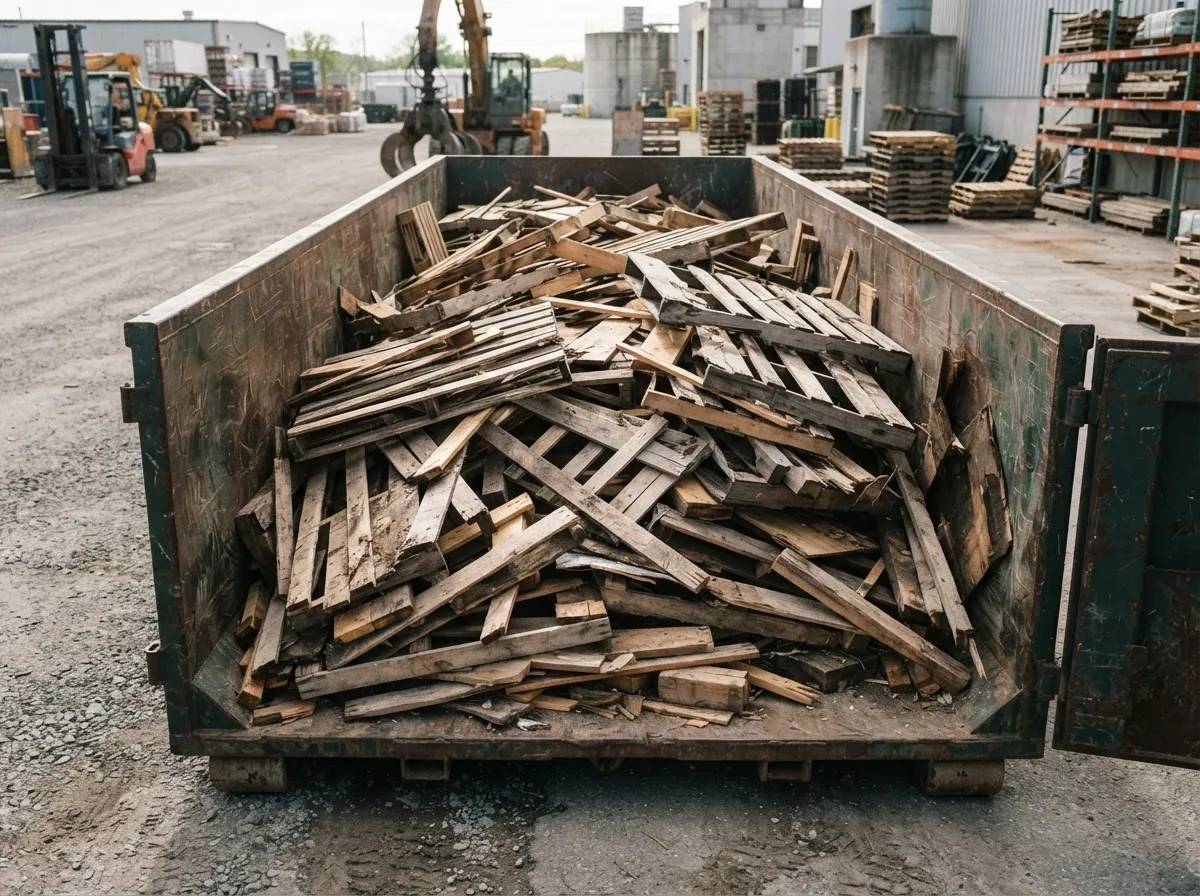
Material decides how fast the container fills and what the disposal line costs, because disposal is charged by weight. Bulky material fills the space; heavy material adds tons.
3. How long it stays and how often it is pulled
A three-week job and a container that sits on a pad all year are priced on different patterns, and in both the pull count matters most.
4. How easy the pad is to reach
Gates, bollards and parked trailers are the three things that most often turn a delivery into a return trip, and a return trip is still a trip.
5. Whether on-site compaction runs on it
Compaction adds visits and takes away pulls. Whether that trade comes out in your favor depends on your material and your pull count.
Compaction changes the largest of those five, because a container that holds more gets pulled less.
Compaction Pricing
How On-Site Compaction Is Priced and Billed
Per visit, per market, per account
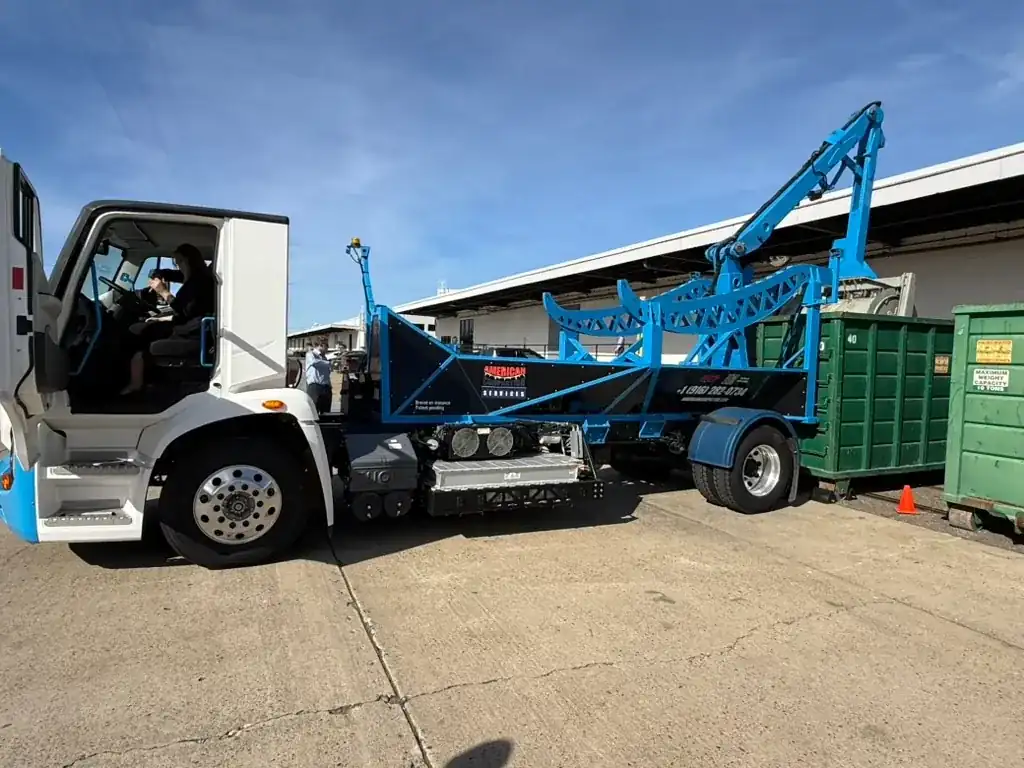
Compaction is priced per visit, set per market and per account. We don't publish prices. Each compaction visit, each crush, is priced on its own, and the number of visits comes from your fill rate. There is no contract behind it: no exclusivity, no minimum, no term. The saving is the difference between the haul-offs you stop paying for and the compaction visits that replace them.
One combined invoice when we supply the container
When we supply the container, one combined invoice covers the container, the hauls and the compaction. Pulls of that container still come on the same invoice as the container and the compaction. Your quote comes back the same way, as one combined number for roll-off service and on-site compaction. The roll-off dumpster rental page covers the container service itself.
When you keep your own hauler
Already have a dumpster? Keep it and keep your hauler; we compact what's in it. Your container and your hauling account stay with your hauler, and the on-site waste compaction page covers how that arrangement runs.
What Changes on the Bill
How Compaction Changes a Dumpster Rental Bill
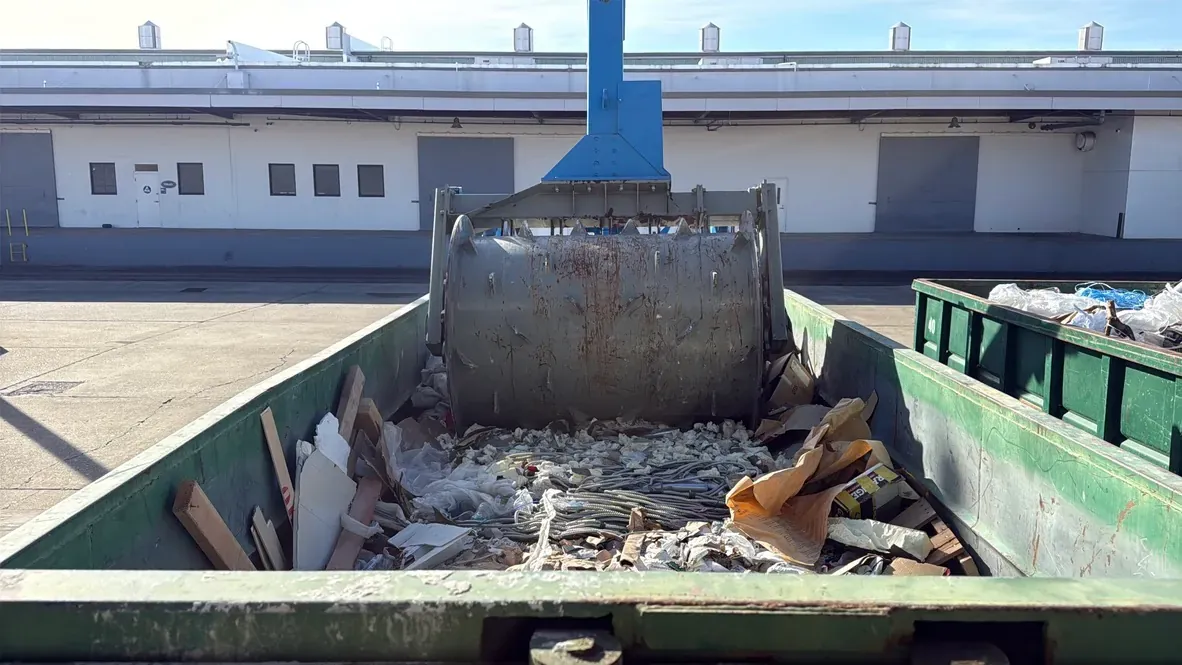
Compaction does not change what you throw away. It changes how many trips it takes to move it.
| Line on the bill | What compaction does to it |
|---|---|
| Trips (pulls) | Fewer, because each pull leaves with a fuller load |
| Rental (the container) | No change: same container, same pad |
| Compaction visits | Added, priced per visit |
Mixed loads plan around 2:1, two container-loads per haul-off. Cardboard-heavy streams approach 3:1. Compaction reduces haul-offs; it never eliminates them. A compaction visit is itself a visit. What changes is that a short on-site visit happens instead of a haul-off.
American Compaction Services will tell you if the math does not work. Dense, wet or low-air material does not compress much, and a container pulled once a month does not have enough trips to save. The on-site waste compaction page works through an illustrative example with the arithmetic laid out.
Free on-site demo: we compact one of your own containers while you watch. It takes about ten minutes, carries no obligation and is photographed before and after. If it isn't a fit, we tell you on the spot.
Market by Market
Why Dumpster Rental Costs Differ by Market
The same container and the same material can cost differently in two markets, for reasons that have nothing to do with the container.
Distance to the disposal facility
Every pull is a round trip from your site to the disposal facility and back. The longer that run, the more each pull costs, and the more a pull taken off the schedule is worth.
Permits, where a placement needs one
A container on the street or right-of-way needs approval from the local jurisdiction, and the rules vary by city. Where a permit applies, its fee and its lead time become part of the job.
Local rates
Hauling and disposal rates are set locally, and American Compaction Services prices compaction per market. A quote is written for your market, not read off a national sheet.
Each live market's page sets out its own cost context.
St. Louis, MO
Your quote depends on container size, material and weight, duration and pull frequency, pad access, and whether compaction runs.
View cost contextSacramento, CA
Your quote depends on container size, material and weight, duration and pull frequency, pad access, and whether compaction runs.
View cost contextRun It on Your Numbers
See What Your Own Numbers Say
See what your material gives back. The savings calculator gives you a planning number from your own inputs. These results are estimates from the numbers you enter. They are not a quote, a promise or a guarantee.
Savings depend on your current haul frequency, haul cost, material type, dumpster size, and service schedule. The best way to estimate savings is to use the calculator or request a custom savings review.
Commercial Dumpster Rental Pricing: Frequently Asked Questions
Start With Your Own Numbers
Tell us the material, the volume and where the container would sit. American Compaction Services will come back with a quote built on your numbers, as one combined number when we supply the container, and an honest read on whether compaction changes it.