

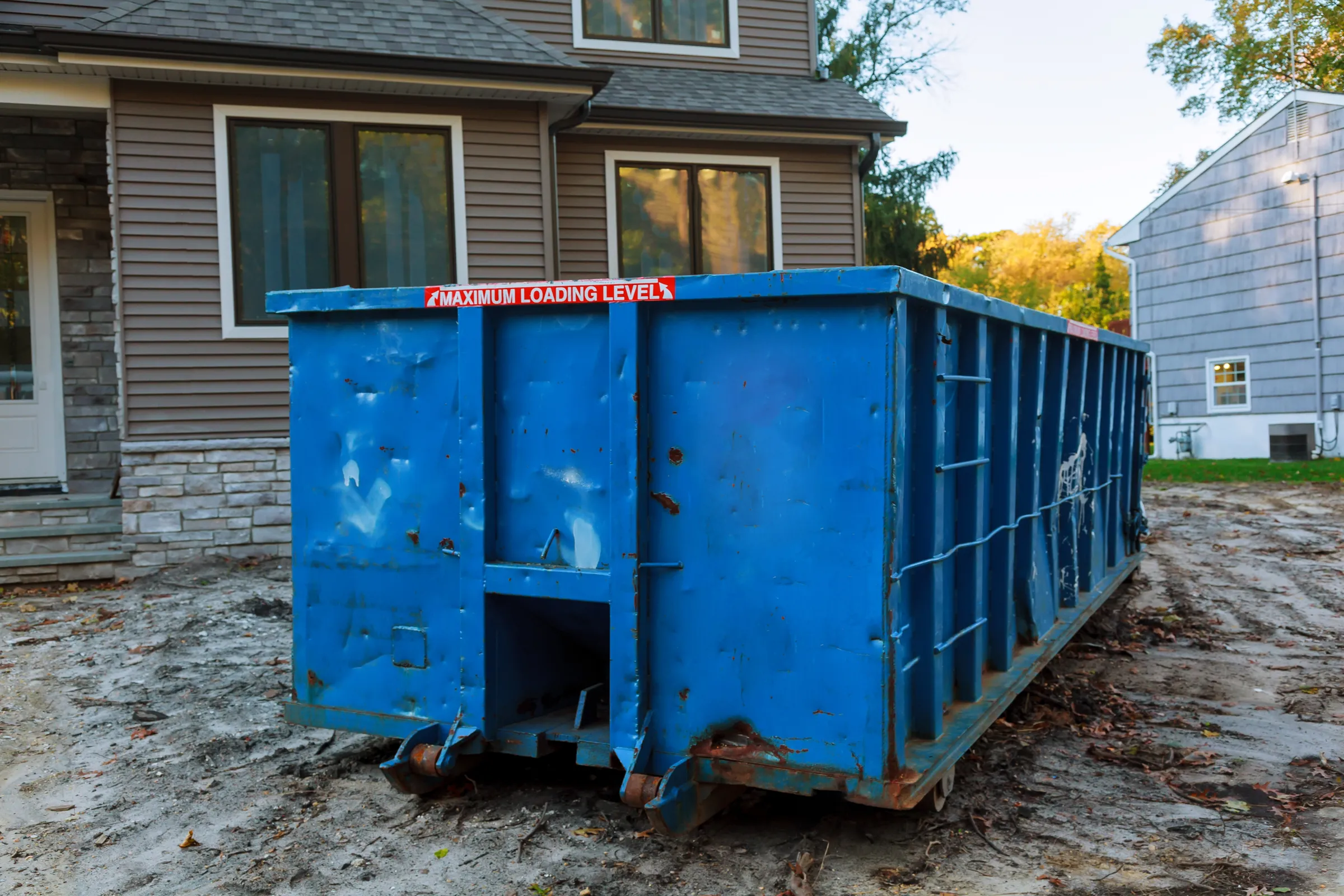
Spanish Lake, MO · I-270 & Lewis and Clark Boulevard, Northeast County
Commercial Dumpster Rental in Spanish Lake, MO
We automate your roll-off. You'll never run out of room. Fair price. Great service.
American Compaction Services · 20, 30 and 40 yard roll-off containers, compacted on site, for the rehab contractors, property managers, retail strips and yards of unincorporated Northeast County along I-270 and Bellefontaine Road.
American Compaction Services provides waste management through commercial dumpster rental and on-site compaction in Spanish Lake, the unincorporated corner of North County between I-270 and the point where the Missouri River meets the Mississippi. We supply open-top roll-off containers to the contractors, property managers, retail centers and yards working here, and we compact them on site so each container holds more before it is pulled. Spanish Lake is one of the communities we serve on a set route day, so a compaction schedule here is built ahead, not on the morning.
Spanish Lake's waste is set by its buildings more than by any one industry. Much of the work is rehab: contractors and property managers gutting and refitting older houses and small apartment buildings, which fills a container with plaster, lath, drywall and roofing. Strip centers along Bellefontaine Road and Larimore Road turn over tenants and throw out fixtures and cardboard. A container here can be dense one week and full of air the next, so size and visit schedule follow the job.
- Between I-270 and the Rivers
- Commercial accounts only
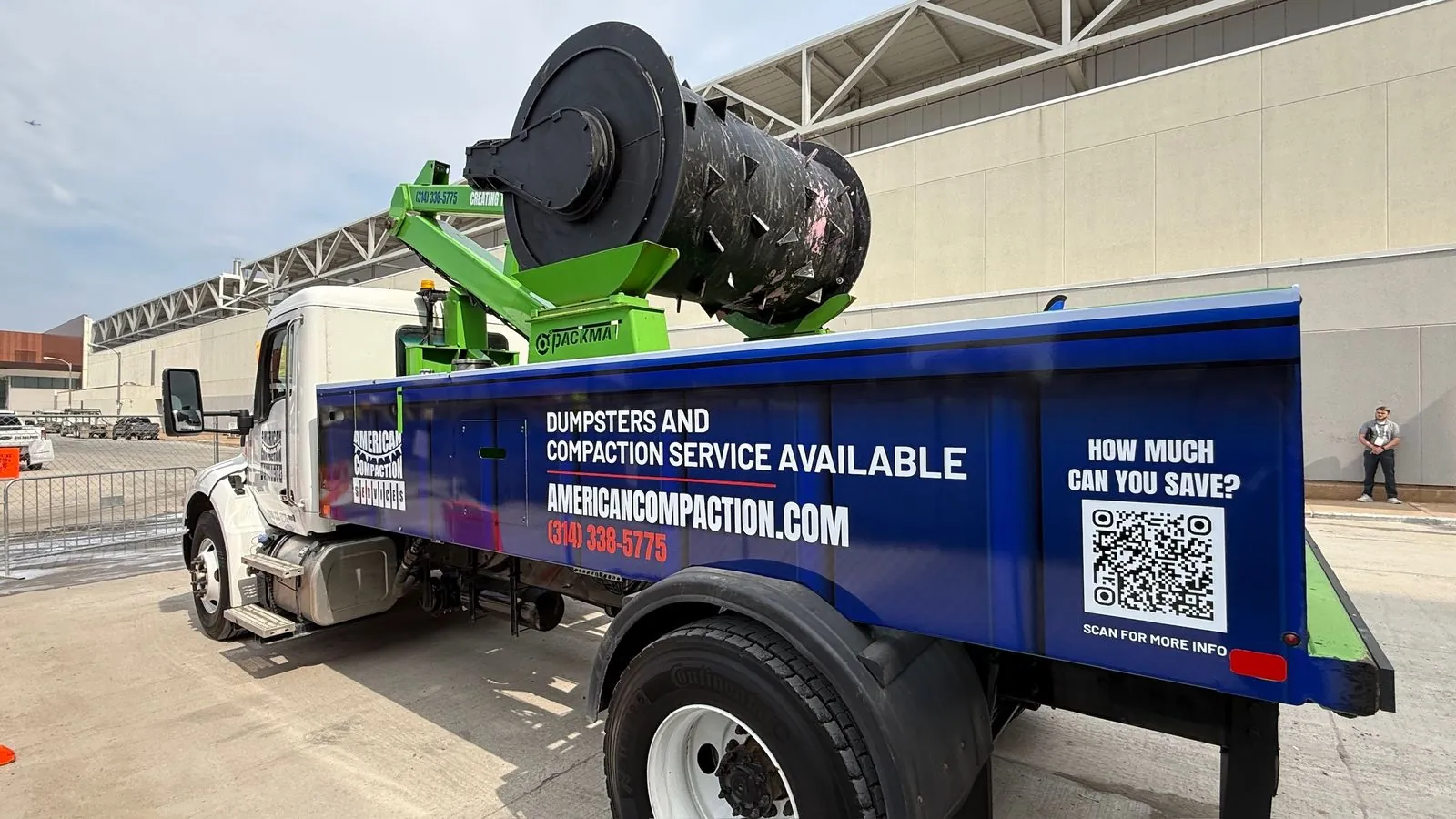
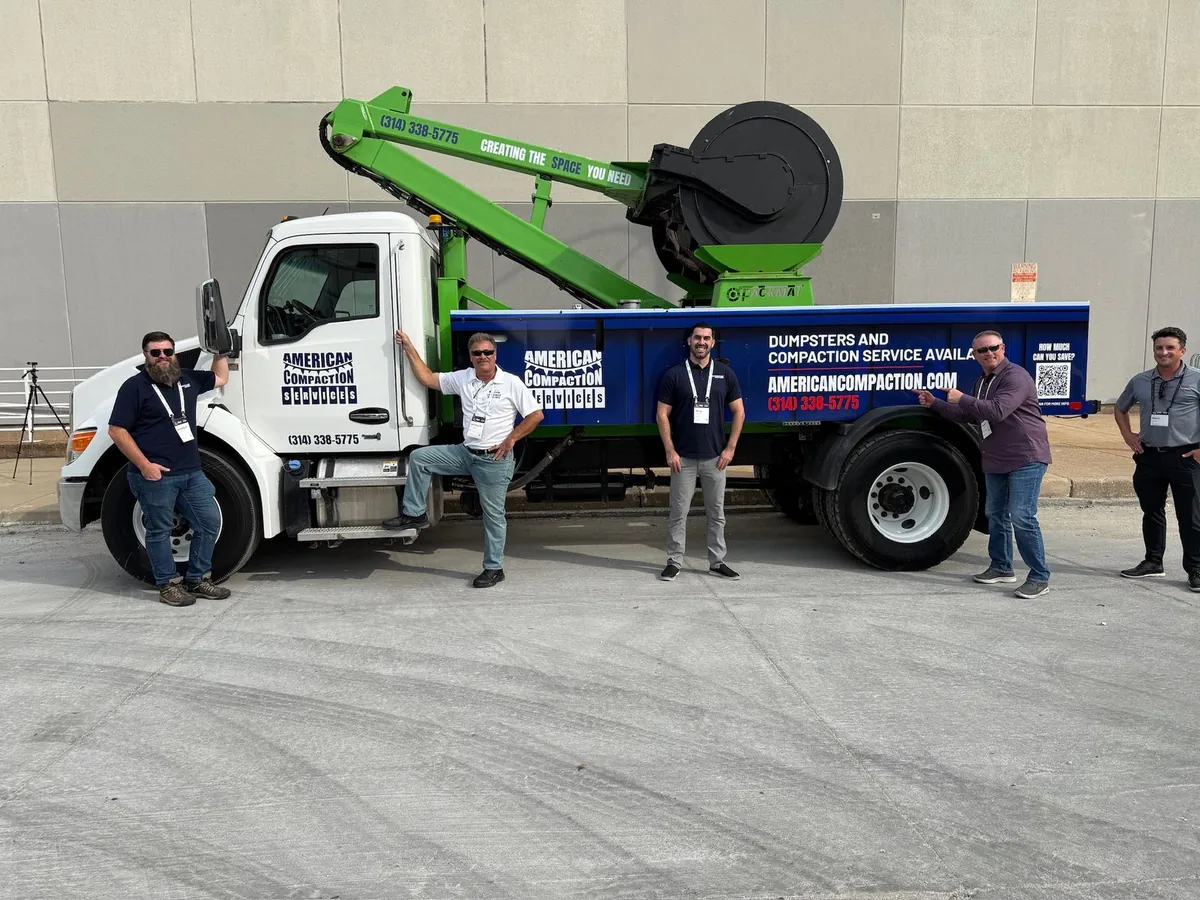
- Self-contained mobile compaction unit
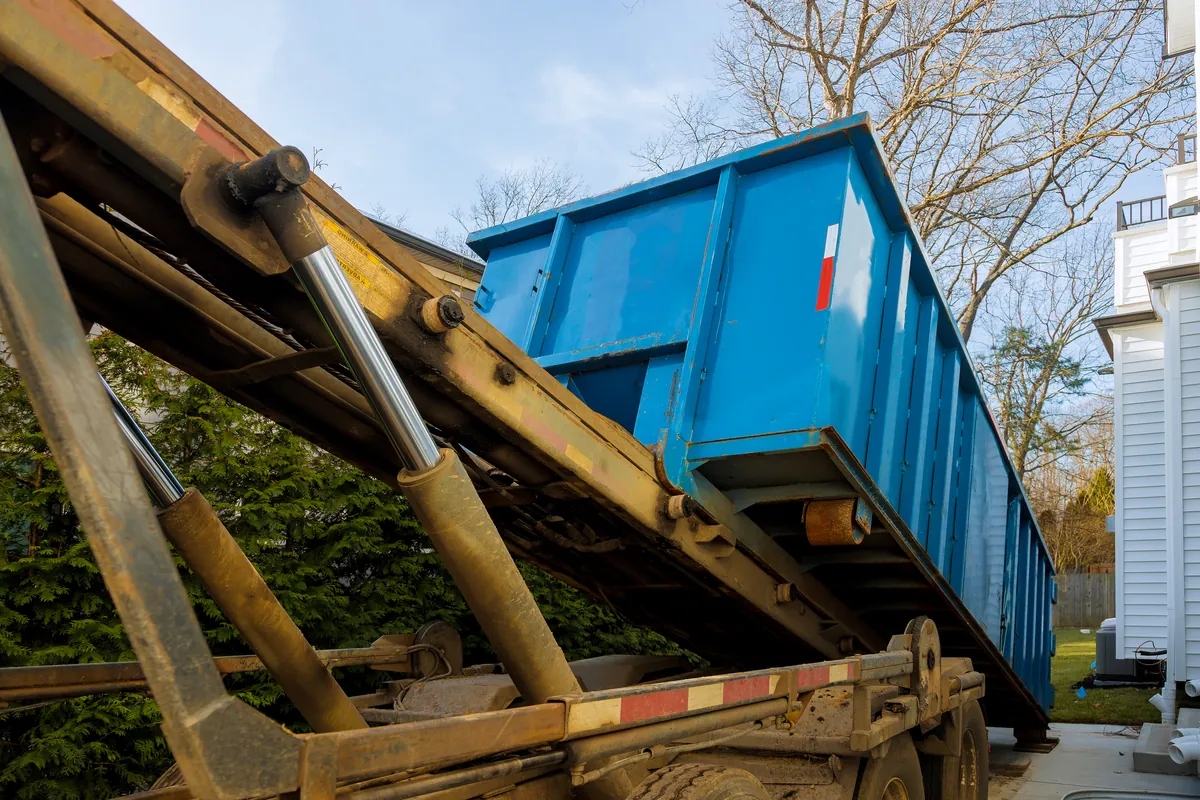
Spanish Lake at Work
What Fills a Container in Spanish Lake
Spanish Lake is a census-designated place, not a city: unincorporated St. Louis County from the I-270 line out to the rivers, with Bellefontaine Road running up its middle, Lewis and Clark Boulevard (Route 367) along its western side, and Larimore Road and Parker Road crossing between them. Fort Belle Fontaine Park and Spanish Lake Park hold the northern end, and Columbia Bottom Conservation Area fills the point where the two rivers meet. The commercial land is thin and scattered: retail at the main crossings, a federal records campus at the I-270 edge, yards off Larimore Road, and older housing that contractors are working through.
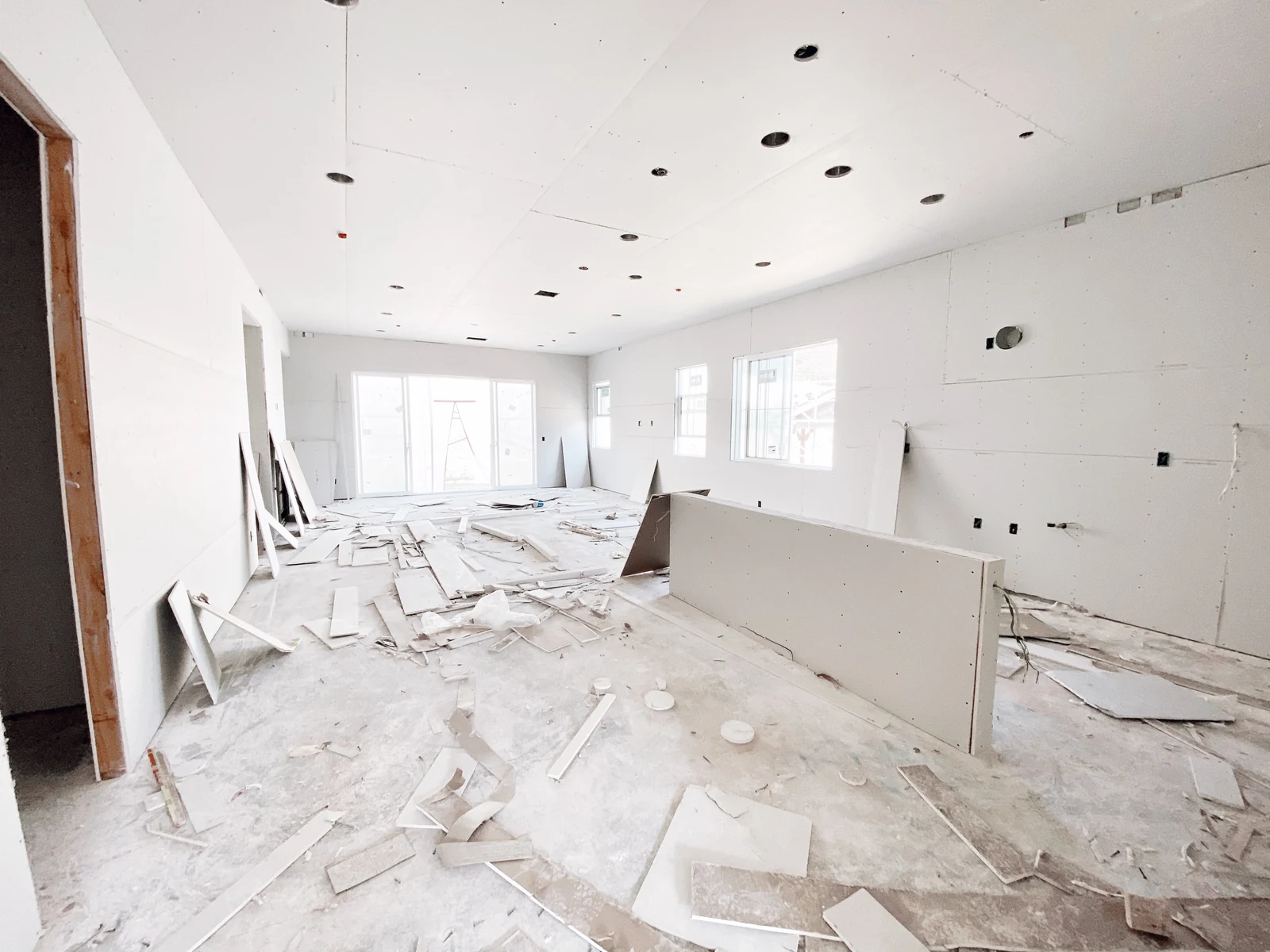
Rehab Crews Working Spanish Lake's Housing Stock
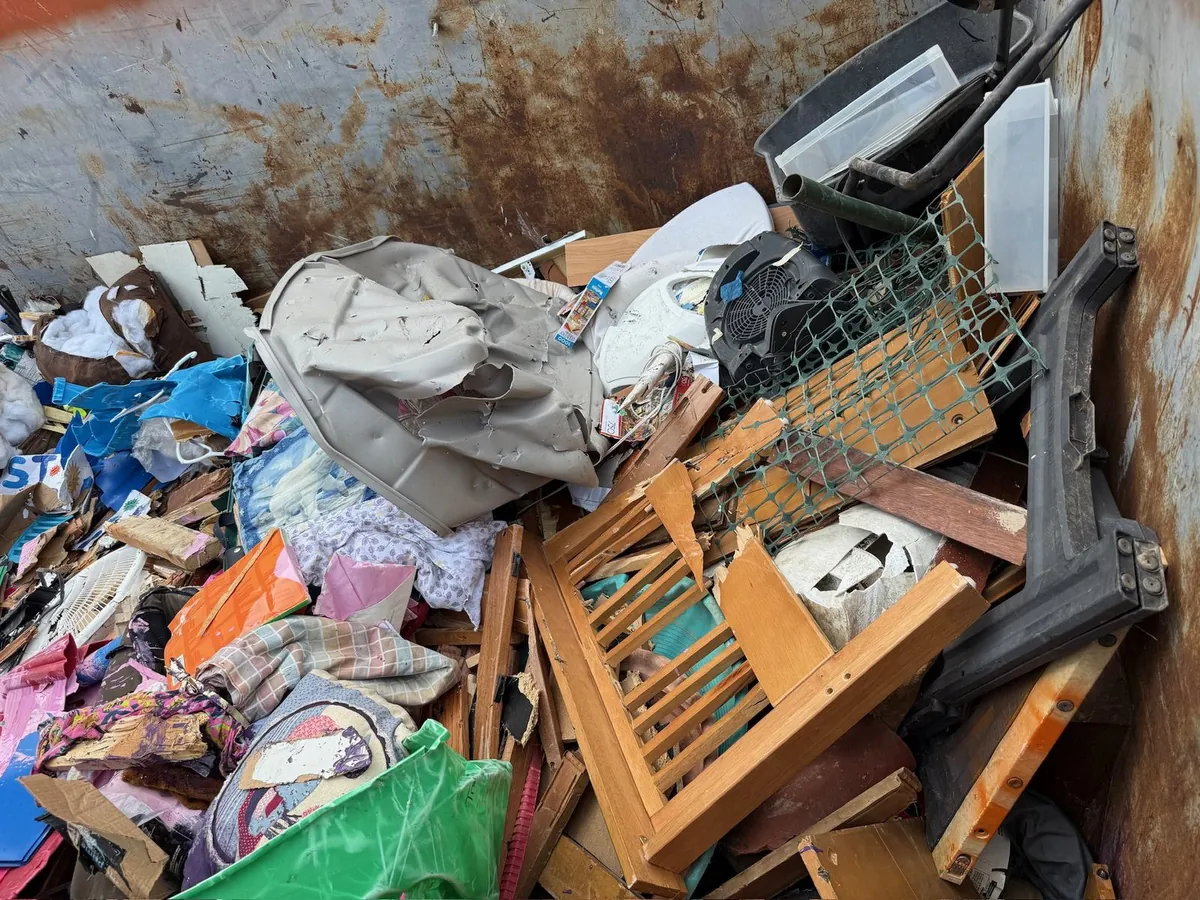
The steadiest container demand in Spanish Lake comes from contractors and property managers rehabbing houses and small apartment buildings. A gut rehab throws away in two phases: a heavy tear-out of plaster, lath, tile and old roofing, then a lighter finish phase of drywall offcuts, packaging and flooring cartons. Because a contractor or a manager holds the account, that is commercial work, and it is the job this page is built around.
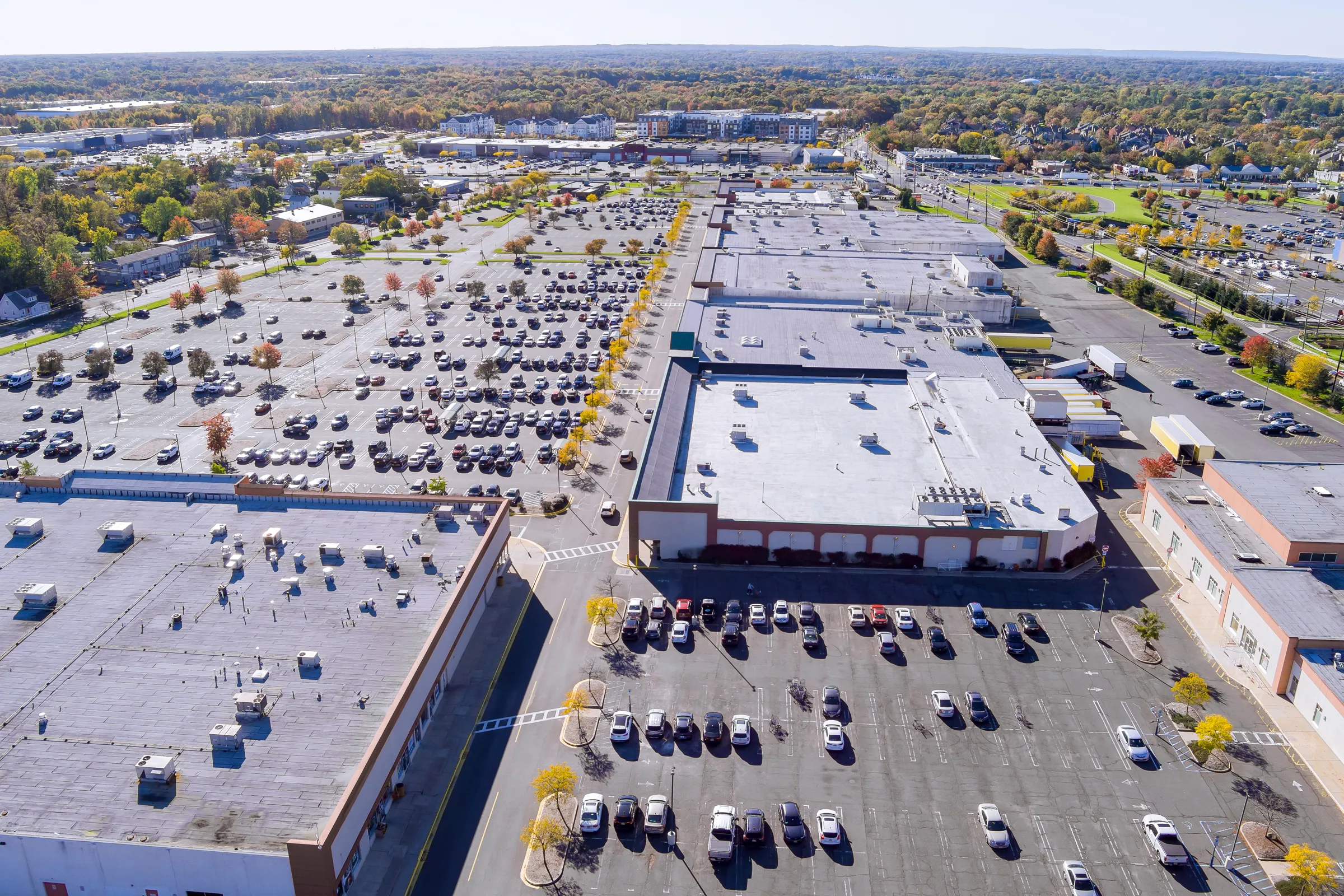
Retail Strips on Bellefontaine Road and Larimore Road
The retail sits at the crossings: strip centers and stand-alone stores along Bellefontaine Road, and around Larimore Road toward Lewis and Clark Boulevard. Tenant turnover puts a container behind a strip center here: a cleanout of fixtures, shelving and ceiling grid, then a build-out that arrives boxed. Between turnovers, the stream is cardboard.
Yards, Small Warehouses and the Records Center
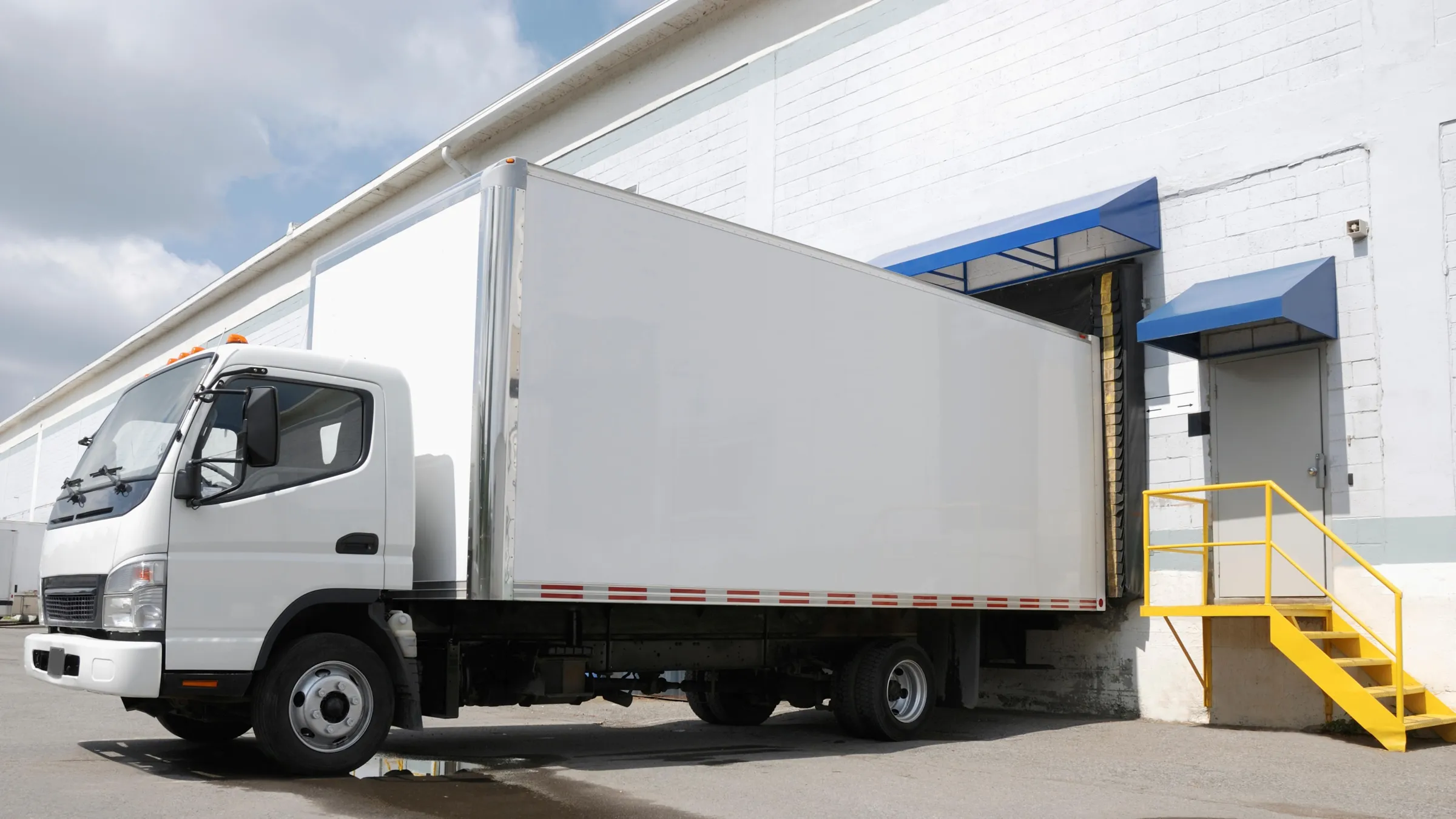
Off Larimore Road and toward the I-270 frontage there is yard and warehouse activity: contractor yards, equipment storage and small distribution buildings with a standing container for pallets and packaging. The National Personnel Records Center, the federal archive for military and civilian personnel files, sits off Dunn Road at the I-270 edge, Spanish Lake's one large campus.
Bellefontaine Neighbors
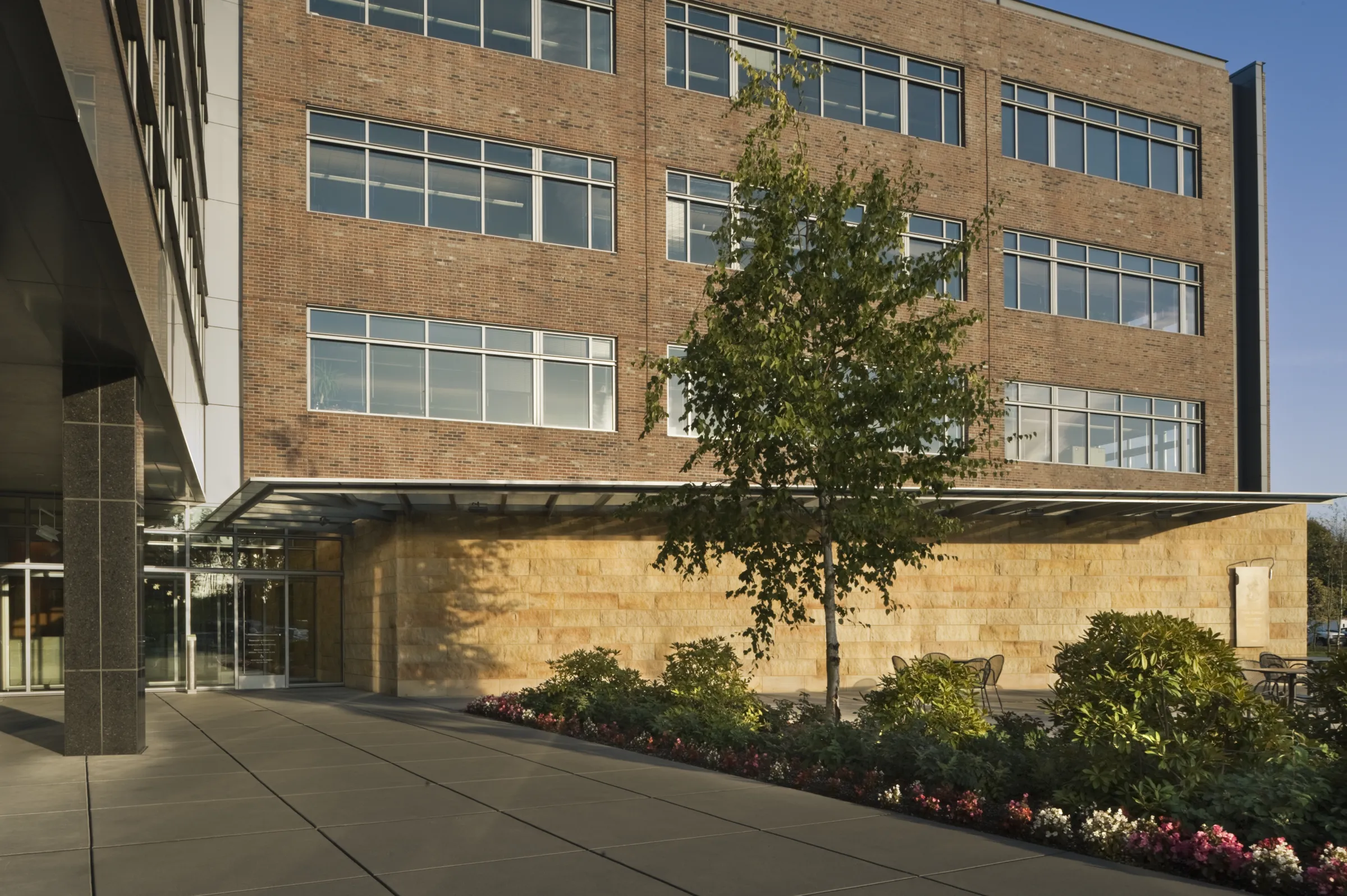
Across I-270 to the south, Bellefontaine Neighbors is an incorporated city with its own street permits. Its commercial land runs along Bellefontaine Road and Chambers Road: strip retail, service businesses and the medical offices around Christian Hospital, on Dunn Road just outside the city's own limits. Toward Riverview Drive there is light industrial space. Containers here go behind Chambers Road retail for tenant turnover, onto medical-office fit-outs near the hospital, and onto the same rehab work as Spanish Lake, on the same route day.
The Account
Commercial Dumpster Rental in Spanish Lake: How the Account Works
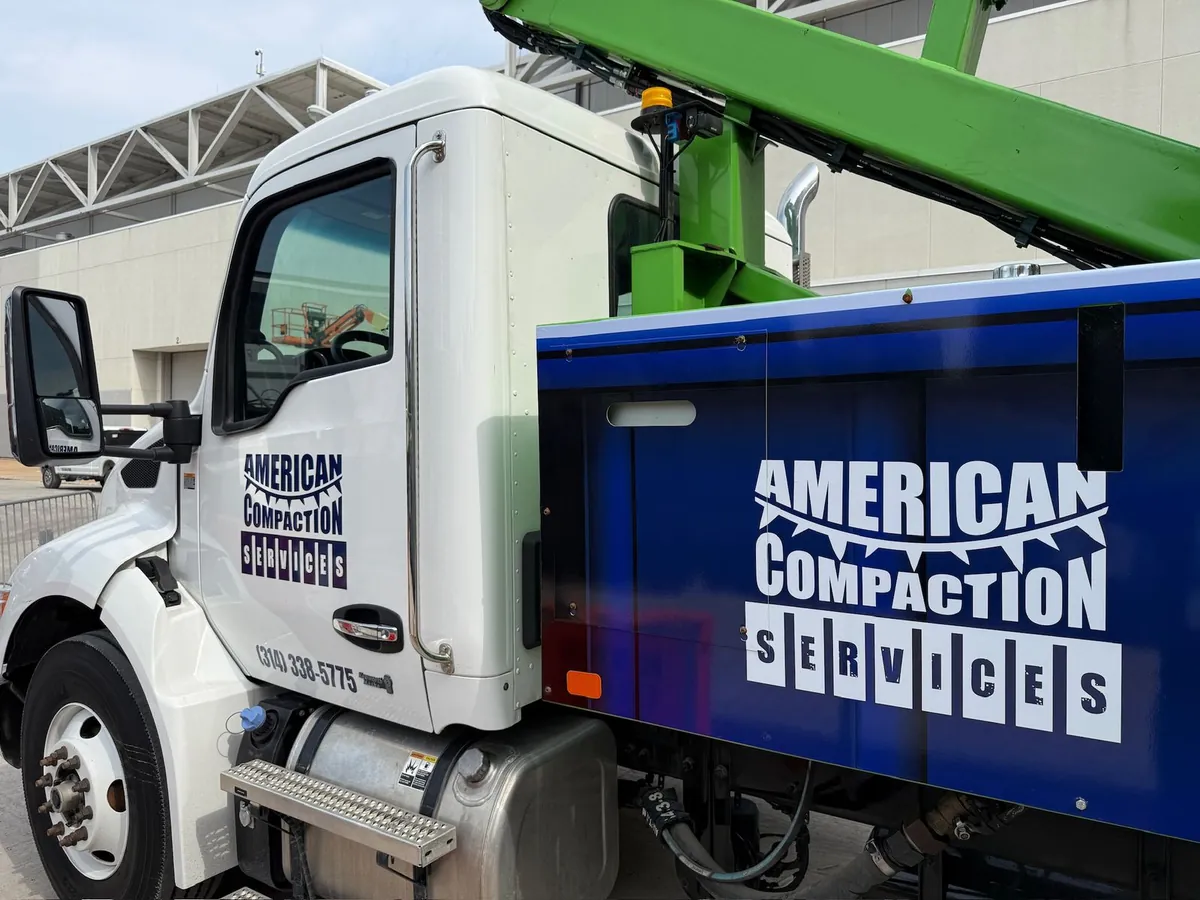
In Spanish Lake and Bellefontaine Neighbors, American Compaction Services runs 20, 30 and 40 yard open-top roll-off containers and compacts every size where it sits. ACS provides waste management through dumpster rental and on-site compaction.
There are two ways in. Already have a dumpster? Keep it and keep your hauler; we compact what's in it. Need dumpster service? We supply the container and compact it on site. No contract to sign: no exclusivity, no minimum, no term.
Route day is the part that is different out here. Spanish Lake is served on a set route day, when the compaction unit comes through Northeast County. Visits are booked onto that day ahead of time. Pulls and swaps run on the pickup schedule, not on the route day.
We work with businesses: contractors, builders, roofers, property managers and facility operators. We don't serve homeowners hiring directly. In Spanish Lake that line matters, because so much of the work is on houses: the contractor or property manager who holds the account is the customer, whatever the building.
Free on-site demo: we compact one of your own containers while you watch. The demo carries no obligation and is photographed before and after. If it isn't a fit, we tell you on the spot.
Job Types
The Jobs That Put a Container on a Spanish Lake Lot
Gut Rehabs and Unit Turnovers for Contractors and Property Managers
A rehab contractor working Spanish Lake usually wants one container for the tear-out and, if the job runs long, a swap into a second for the finish phase. Property managers turning over apartment units run the same pattern at a smaller scale. Work-hour rules and jobsite containers that have to sit on a street are covered on the St. Louis construction page.
Strip-Center Cleanouts on Bellefontaine and Larimore
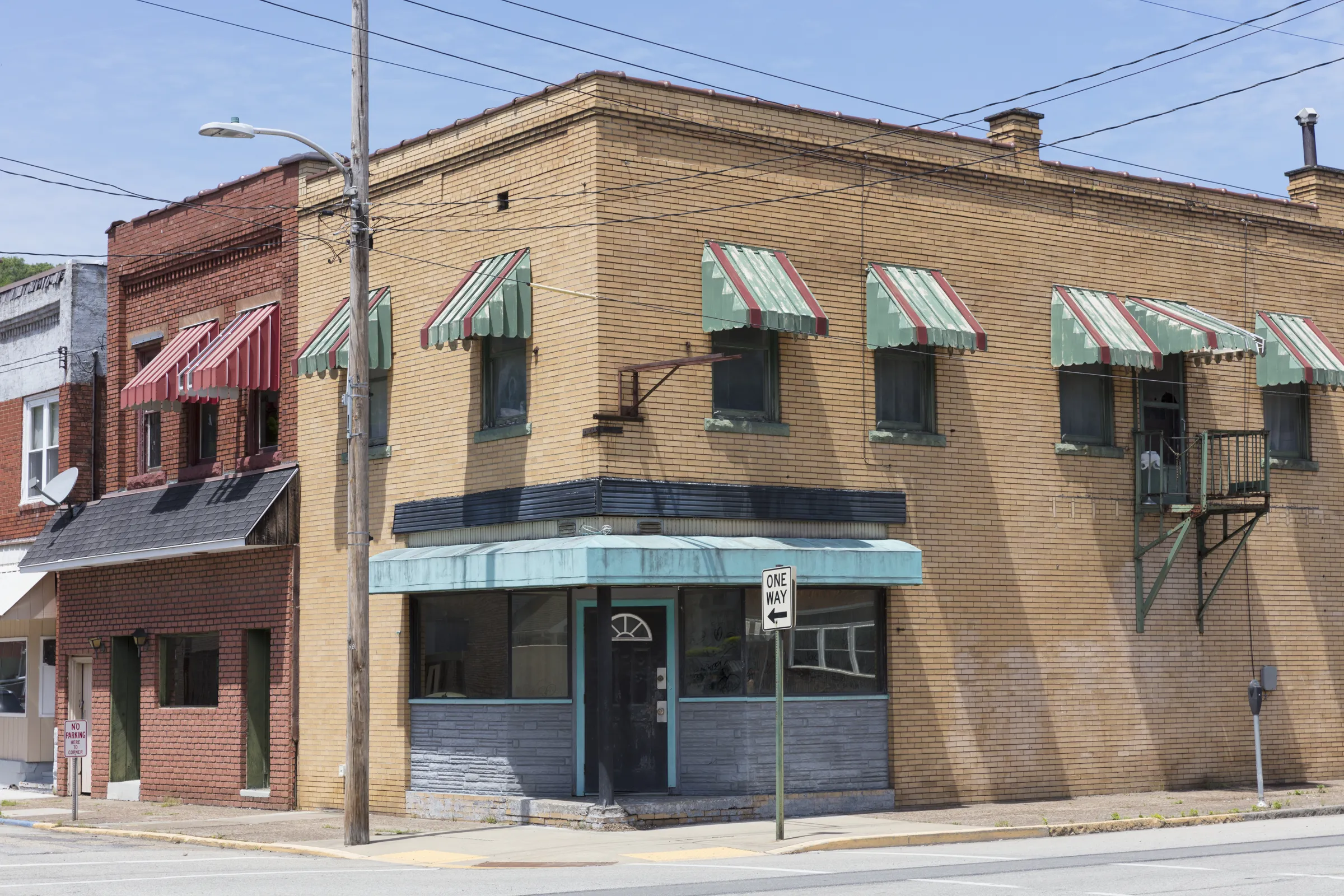
A tenant leaves a Bellefontaine Road or Larimore Road strip center and the landlord is left with fixtures, shelving, ceiling grid and signage. A 30 or 40 yard at the back of the center for the length of the cleanout usually covers it.
Standing Containers at Yards and Small Warehouses
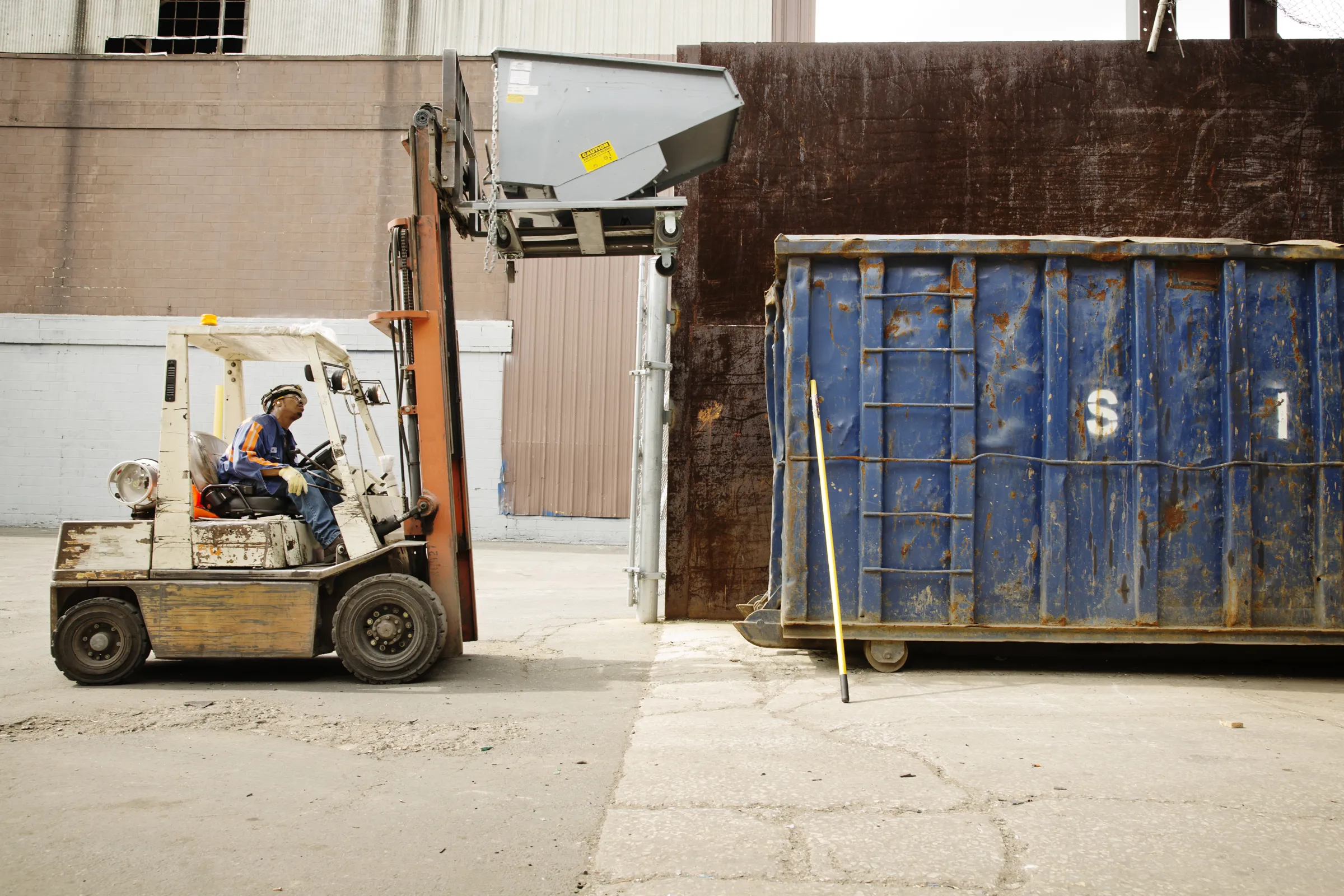
A yard or small warehouse off Larimore Road that keeps a standing container for pallets, packaging and shop cleanup is where compaction has a steady stream to work on. How compaction visits are routed and timed across St. Louis, route days among them, is on the St. Louis compaction page.
On-Site Compaction
On-Site Compaction in Spanish Lake: What a Route-Day Visit Gives Back
Out here a compaction visit is a scheduled run, so it has to earn its place on the calendar. What it gives back depends on what is in the container. Compaction can reduce volume by up to 70%, depending entirely on the material. It is never a guarantee.
| Material | Compaction |
|---|---|
| Cardboard and packaging | Compacts well |
| Plastics | Compacts well |
| Pallets and wood | Compacts well |
| Furniture and bulky commercial waste | Compacts well |
| Light construction debris | Compacts well |
| Concrete, masonry and roofing shingles | Never compacted |
| Red iron, liquids and hazardous waste | Never compacted |
Spanish Lake's streams cover the whole range. A rehab tear-out of plaster, lath and tile is construction and demolition debris, and often dense enough that weight, not space, ends the load. A finish phase, a strip-center build-out or a yard's packaging is on the compacts-well list. Compaction visits between pulls are set by your fill rate.
A loose container that looks full is mostly air. Compaction can reduce volume by up to 70%, depending on the material.
Compaction reduces haul-offs; it never eliminates them. A compaction visit is itself a visit. What changes is that a short on-site visit happens instead of a haul-off. If it won't move your number, we'll tell you on the spot.
Cost Context
What Moves a Spanish Lake Bill
The pricing guide sets out what moves a commercial dumpster bill in general. Five things set a Spanish Lake bill.
The Run From the Northeast Corner to Disposal
Spanish Lake sits in the northeast corner of the county with rivers on two sides, so a pull leaves by I-270 or Lewis and Clark Boulevard and runs to the disposal facility for that material. The St. Louis overview names those facilities. The longer that run, the more each pull you avoid is worth.
Unincorporated: the County Signs Off on a Street Placement
A container on the street or right-of-way needs approval from the local jurisdiction, and the rules vary by city. Spanish Lake has no city hall. Its streets are county roads, so a street placement goes through St. Louis County's transportation department, and a placement on Lewis and Clark Boulevard, a state route, goes through MoDOT. In Bellefontaine Neighbors the city handles its own streets. A container in the driveway or on the lot avoids all of that.
Narrow Lots, Alley Gates and Yard Fences
On a rehab lot the question is whether the truck can set a container in the driveway without taking the neighbor's; on a yard it is the gate width and what is parked inside it. American Compaction Services plans each Spanish Lake placement around that.
Route Day
A container that is nearly full on the wrong day waits for the next run, so fill rate, route day and pull schedule are set together at the start: the container is worked down before the pull, not after it.
The Working Size Here
In Spanish Lake the 30 yard is the working container on rehabs, with the 20 taking the heavy tear-out and the 40 taking cleanouts and yards. Put your own pull count and container into the savings calculator for a planning figure.
These results are estimates from the numbers you enter. They are not a quote, a promise or a guarantee.
Sizes
Sizing a Container for Spanish Lake Work
American Compaction Services sizes a Spanish Lake container by the phase of the job as much as by the site. The dumpster sizes page puts all three side by side.
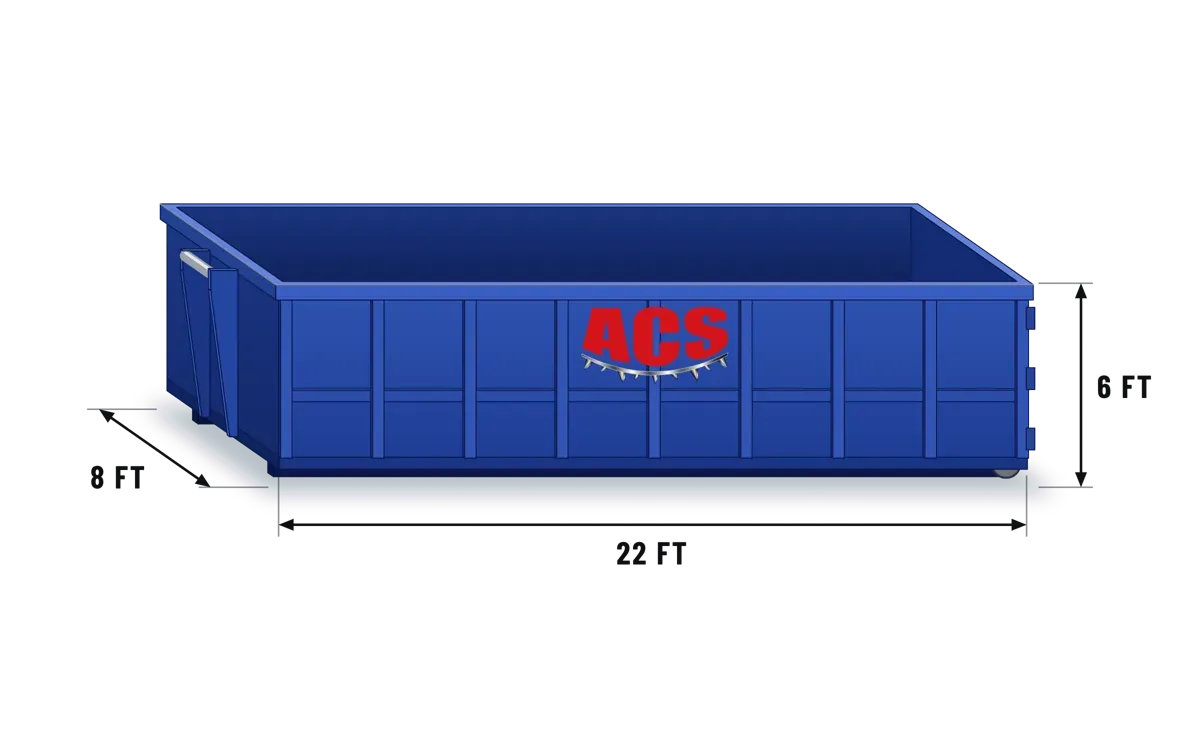
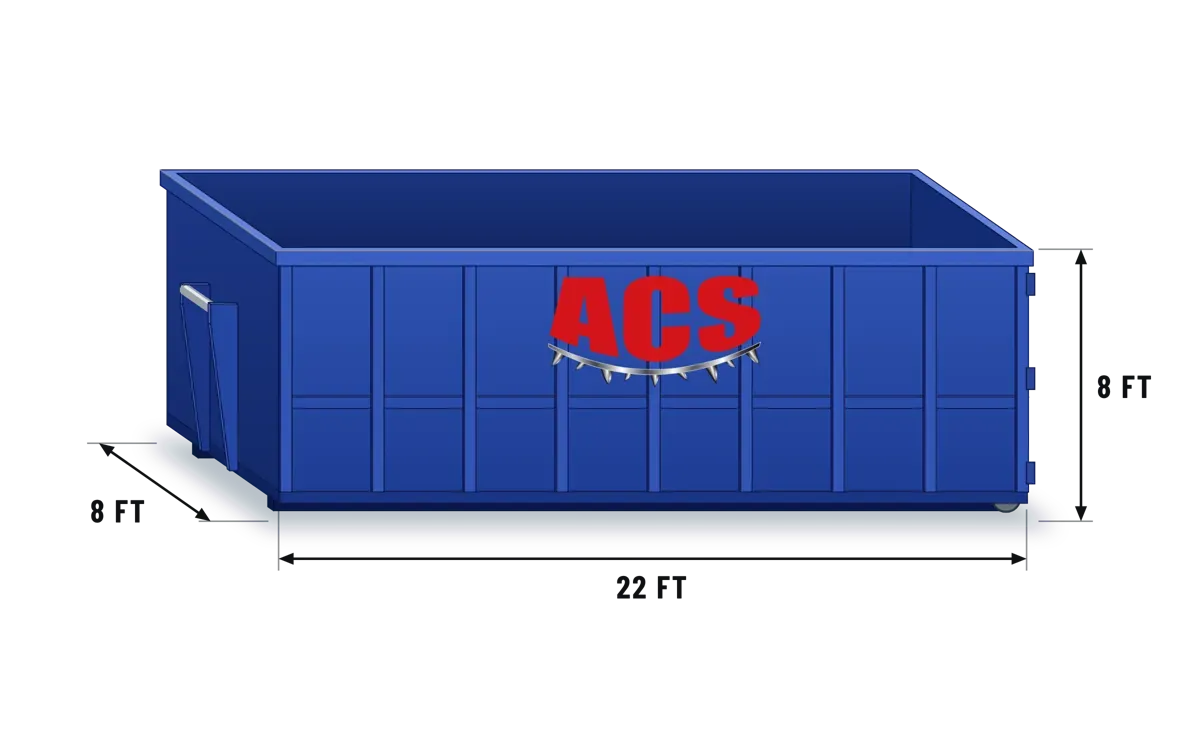
A 30 Yard for a Gut Rehab in Spanish Lake
The working container for a whole-house rehab or an apartment turnover, on a footprint a driveway can take.
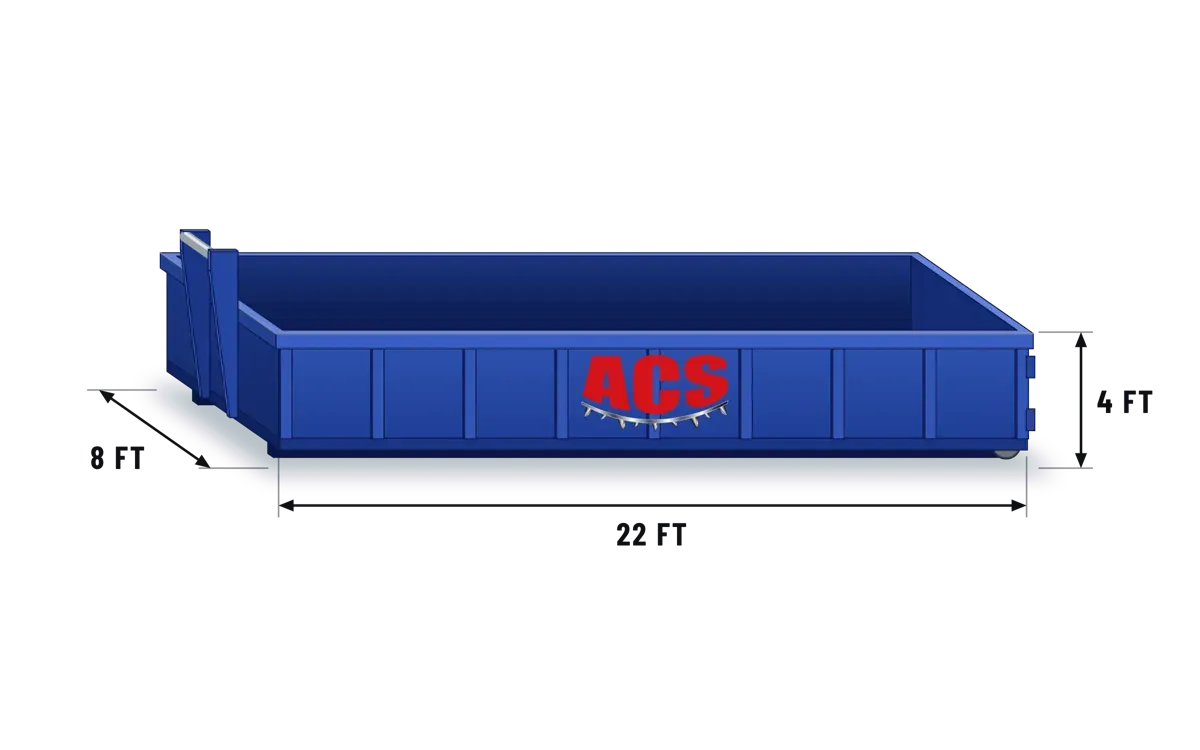
A 20 Yard for Roofing Tear-Outs and Narrow Lots
A narrow Spanish Lake lot often has no room for a bigger container. Heavy or dense debris? Tell us first so we can plan for weight limits.
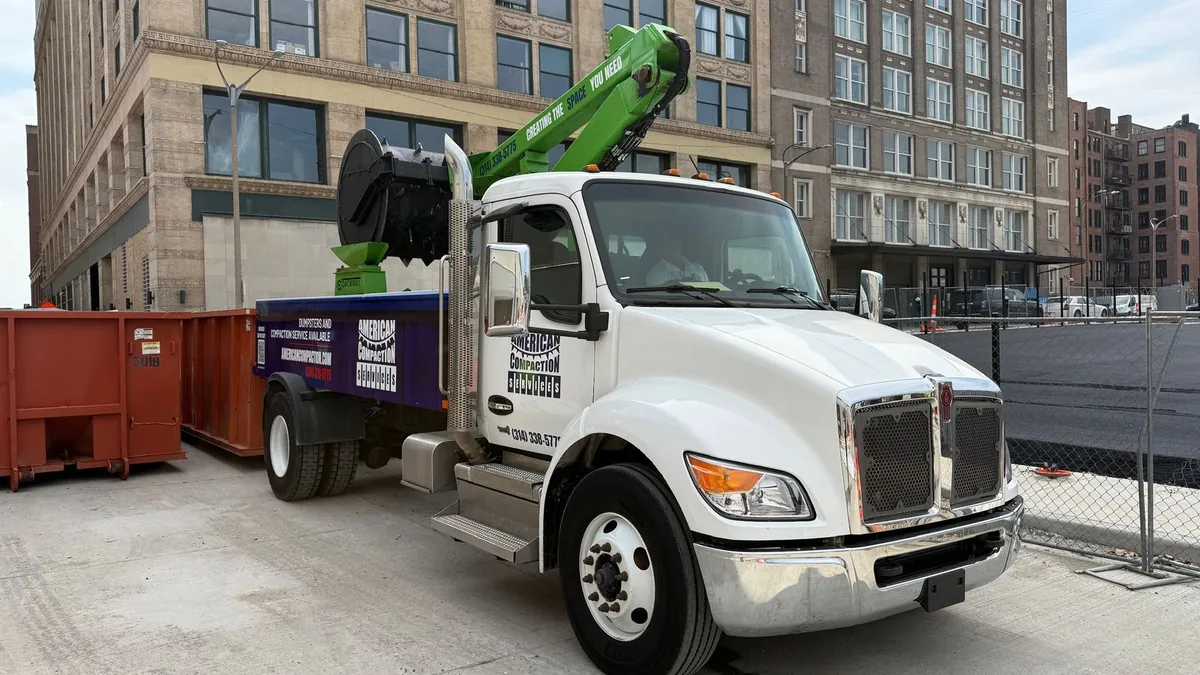
A 40 Yard for Strip-Center Cleanouts and Yards
Bulky, light loads with room behind the building: fixtures and cardboard from a Bellefontaine Road cleanout, pallets and packaging at a Larimore Road yard.
Service Area
Getting to Spanish Lake
Spanish Lake is reached by I-270 at the Bellefontaine Road or Lewis and Clark Boulevard exits. It is served on a set route day, with Bellefontaine Neighbors on the same run. The route day governs compaction visits; pulls and swaps run on the pickup schedule.
What the route day changes is lead time: a visit is booked onto the next run, so a crew that expects a heavy week tells us the week before. We do not publish a guaranteed turnaround window. The St. Louis team that quotes your job is the team that schedules it.
On Site
Serving Spanish Lake Sites: Ground, Staging and Safety
Gravel Yards and Unpaved Ground
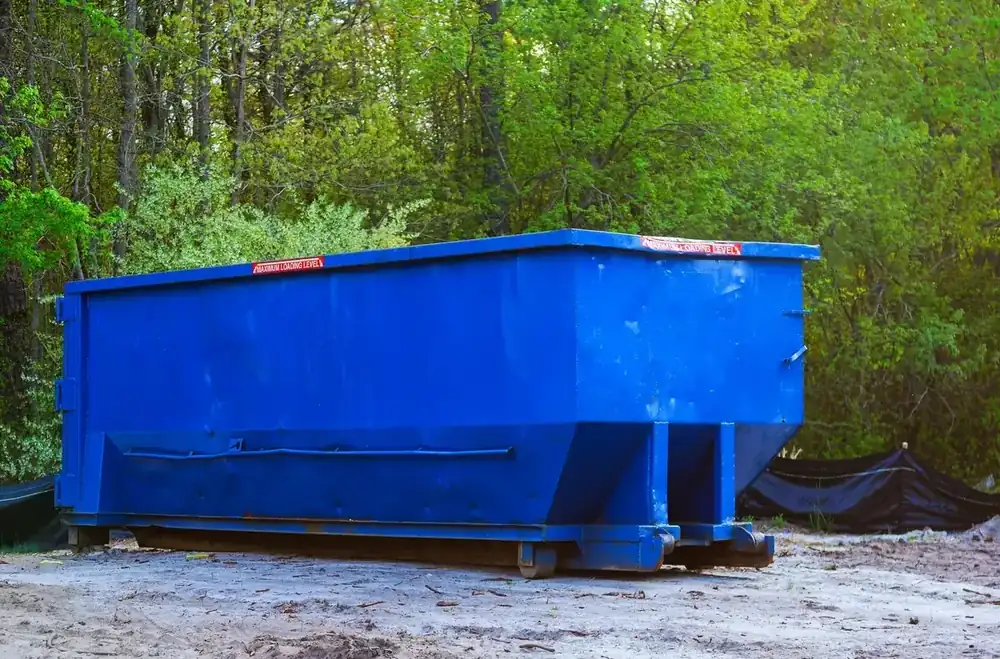
A container on gravel or bare ground is fine in dry weather; after heavy rain or a winter thaw, a loaded truck can rut it and a full container can settle. On a Larimore Road yard the spot is the firmest ground the truck can reach, and a soft-ground pull goes ahead of the forecast.
Staging on a Rehab Lot
On a house rehab the container belongs in the driveway or on the lot, off the street, where it needs no county sign-off and does not block the neighbors. The approach has to stay clear of crew trucks and material deliveries, so the spot is agreed before the tear-out starts.
Keeping a Container Through a Multi-House Job
A contractor working several Spanish Lake houses in a row, or a property manager turning over units through a building, can keep a container on the account for the run of the work: it is pulled at one address and set at the next, with compaction visits on the route day between pulls. The count of pulls, not the weeks on site, is what the schedule is built to bring down.
Placement Behind Retail
We'll confirm placement and access with you before delivery. Behind a Bellefontaine Road strip center, on the landlord's lot, that conversation is usually worth having.
American Compaction Services builds each visit around not touching the container. A heavy steel drum, narrower than the container, works the load down and never touches the walls. The drum works on its own weight, with no hydraulic down-force. Safeguard wheels and end guards keep the unit off the container's structure. Our operators run a zero-touch policy. Every visit includes a before-and-after inspection with photo documentation.
We will not compact liquids; dirt, soil, aggregate or other dense material with no air in it; hazardous or regulated waste; sealed drums or pressurized vessels; or anything the receiving hauler won't accept. On a pure dense load like broken concrete, we'll tell you to skip compaction and have it hauled. The accepted materials page covers what may go in the container to begin with.
Commercial Dumpster Rental in Spanish Lake: Questions
Around Spanish Lake: Related Pages and Nearby Communities

Start Commercial Dumpster Rental in Spanish Lake
Three details get a Spanish Lake account started: the job or the stream, the spot where a container could sit, and how often it is pulled today. Send them through the request form, or call. American Compaction Services – St. Louis will match the container to the phase of the work, book the visits onto the route day and tell you plainly whether compaction earns its place on your schedule.
With roll-off, every haul is a call. With American Compaction Services, nobody has to call.
We set you up on a schedule and we compact on site. Dumpsters and compaction. All handled.
You already pay for dumpster space. Compaction lets you use more of it.
Getting started takes four details
- A photo of your dumpster and the space around it
- Your location
- What goes in the box
- The container size, if you know it
They help us plan for site access and match compaction service to your site.
We will prove it. Call or text (314) 338-5775.