

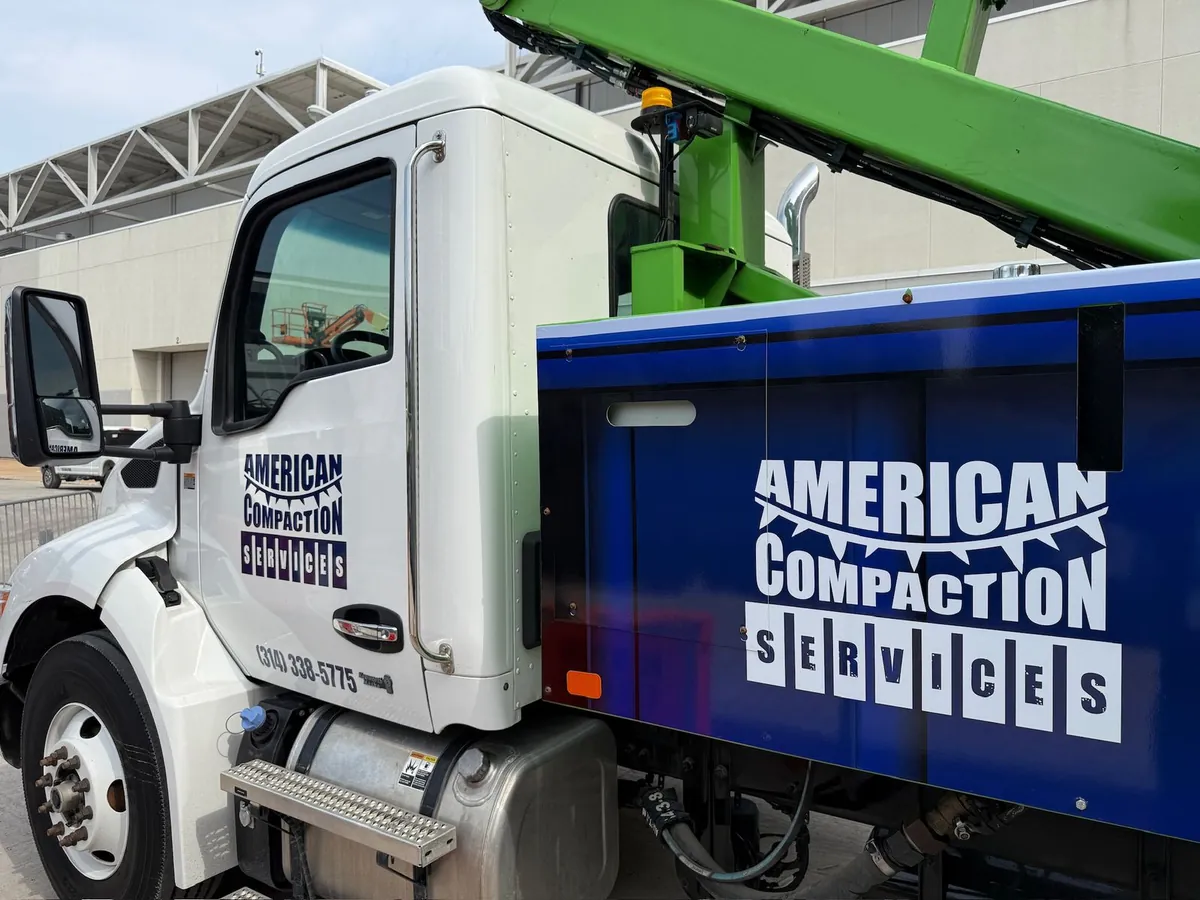
St. Louis, MO
Waste and Compaction Along the Airport and I-70/I-270 Logistics Corridor
We automate your roll-off. You'll never run out of room. Fair price. Great service.
Plan commercial container service around the loading dock, the waste stream and the shipping schedule.
- St. Louis, MO
- Business accounts only
St. Louis Lambert International Airport describes an established air-cargo and freight-handling network. Airport air-cargo overview →
For nearby warehouses, distributors and contractors, the practical question is how to keep packaging and project debris moving without tying up the yard. Start with what fills the container, when it fills and how the truck reaches it.

Stream separation
Separate the streams at the dock
Record cardboard, stretch wrap, broken pallets, mixed packaging and project debris separately before choosing a service plan. Clean material already going to a recycler should stay in that agreed stream. Ask the receiver about contamination and preparation requirements before combining materials.
Bulky packaging can use container space before the load reaches its permitted weight. Dense concrete, masonry, soil and similar loads need a different plan. We declare dense loads at the start and skip the compaction.
Site access
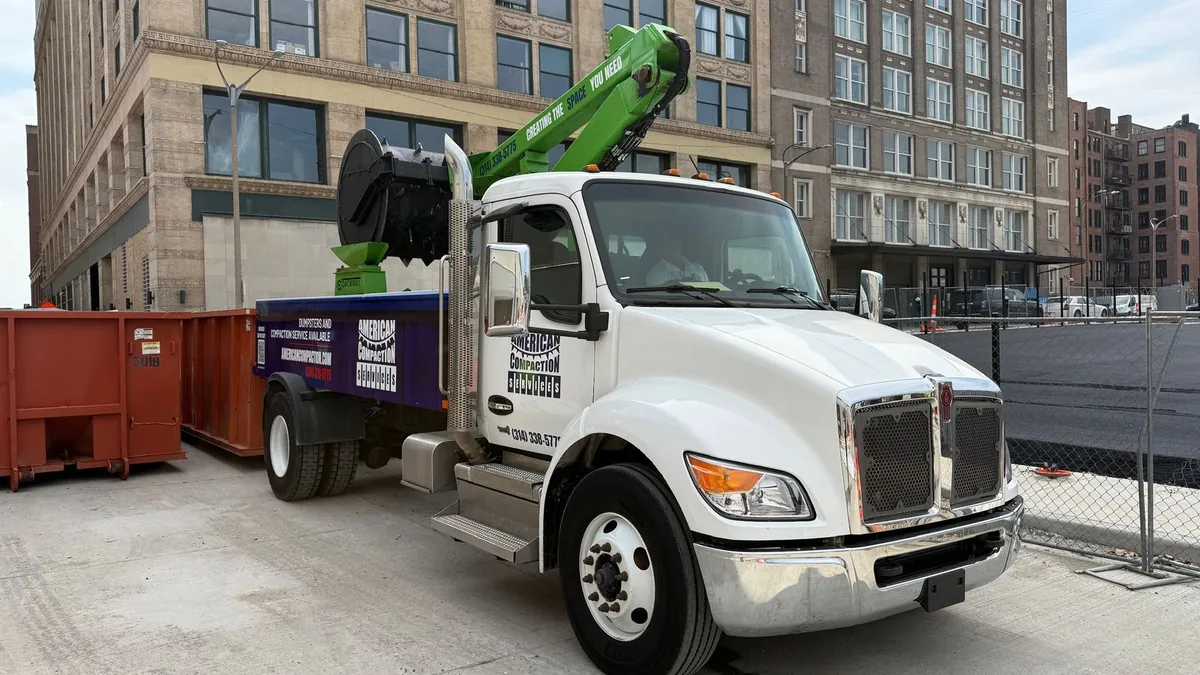
Make room for the whole service visit
A container footprint is only part of the space needed. Review the approach, truck turning area, overhead obstructions, container door and working area with the service team. Confirm the layout before the container arrives.
- Keep the service position clear of loading doors, trailer movement and pedestrian routes.
- Identify parked trailers, gate restrictions and other obstacles that change during a shift.
- Share photographs of the pad and approach, along with the site's delivery rules.
- Confirm who can move vehicles or open a gate when the truck arrives.
Match the schedule to the shipping cycle
Log a normal week and a busy week: shipment peaks, packaging volumes, current pulls and the point at which the container fills. A recurring account should be planned around those observations and the site's operating windows. Ask the team to confirm available service timing for the address rather than assume a same-day or overnight slot.
Compare the current pull pattern with the proposed pulls and compaction visits. The waste savings calculator can help when approved market rates are available; a site-specific quote is needed when they are not.
Keep an existing hauler when it works
You do not have to change haulers. American Compaction Services can review compaction on an existing third-party container, and we handle the conversation with the container owner before the first visit. Tell us which arrangement is already in place so the proposal fits it.
For controlled-access property, provide the tenant or property-manager contact and the access requirements before scheduling. An airport-area address does not establish permission to enter a secure area; any required authorization must be confirmed for the actual site.
Questions from airport-area businesses
Official Sources
Sources checked September 29, 2026. Confirm current requirements with the responsible authority or facility.
Plan the Container Around Your Operation
Tell us what leaves the dock, how often the container fills and what access looks like. We will review the service arrangement for your commercial site.
With roll-off, every haul is a call. With American Compaction Services, nobody has to call.
We set you up on a schedule and we compact on site. Dumpsters and compaction. All handled.
You already pay for dumpster space. Compaction lets you use more of it.
Getting started takes four details
- A photo of your dumpster and the space around it
- Your location
- What goes in the box
- The container size, if you know it
They help us plan for site access and match compaction service to your site.
We will prove it. Call or text (314) 338-5775.