
St. Louis, MO
Where St. Louis Commercial Waste Goes: Landfills and Transfer Stations
We automate your roll-off. You'll never run out of room. Fair price. Great service.
Match the commercial waste stream to an authorized receiving facility, and understand which parts of the hauling bill can change.
- St. Louis, MO
- Business accounts only
The receiving destination depends on the material, facility authorization and the hauler's arrangements. A nearby map listing alone does not establish that a facility accepts a particular commercial load. Confirm the destination and acceptance requirements before service begins.
Facility types
Transfer, recovery and disposal serve different jobs
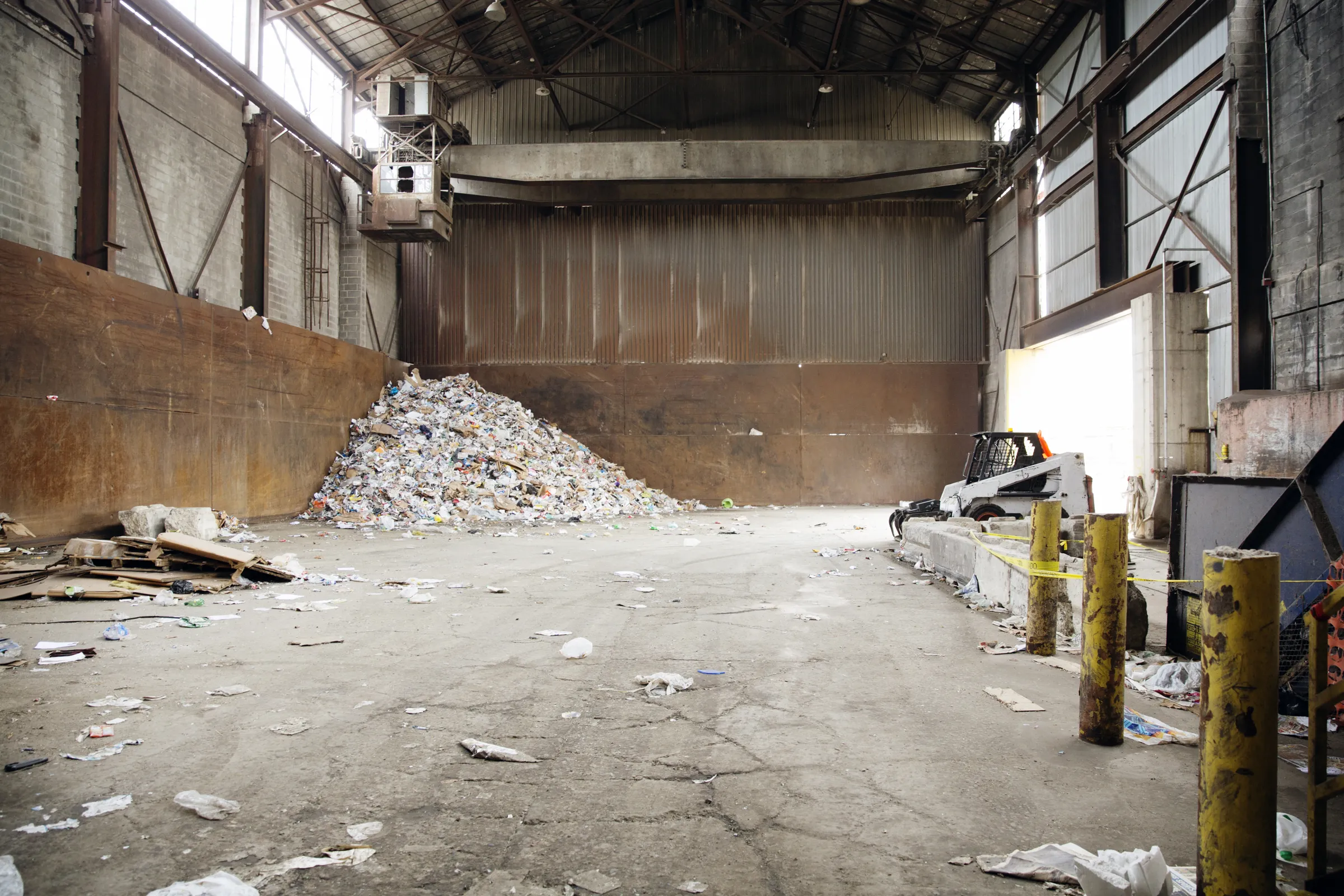
A transfer station combines or transfers collected waste for onward transport. A material recovery facility separates recoverable material. A landfill is a disposal destination. Missouri's Department of Natural Resources maintains operating-facility lists that help identify the facility type and permitted operation. Missouri DNR operating processing facilities →
A facility's permit defines the wastes and handling conditions it can accept. Confirm the particular load with the operator or hauler; a listing is not a blanket acceptance promise or evidence of an ACS partnership. Missouri DNR processing-facility guidance →
Confirm the load before it leaves the site
- Identify the material and its source, including mixed debris and any unusual or unknown items.
- Tell the hauler about concrete, masonry, soil and other dense loads at the quoting stage.
- Confirm accepted materials, separation requirements, load limits and any documentation needed.
- Ask which receiving facility is planned and how a rejected or changed load is handled.
- Confirm the applicable account arrangements, charges and receiving schedule.
Keep unknown or potentially hazardous material out of an ordinary roll-off until its proper handling route has been confirmed. Do not blend it into a load or compact it to make it fit. The accepted-materials guide explains the site's general approach; the receiver must confirm the actual load.
Understand the hauling cost before comparing quotes
ACS provides waste management through dumpster rental and on-site compaction. Ask for a quote that separates the pull or trip charge, disposal or weight-related charges, and any rental or other account charges. The destination, trip time and load requirements affect the service arrangement.
Compaction can reduce the space occupied by suitable material; it does not make the material weigh less or change what the receiver accepts. Compare fewer pulls against the cost of the compaction visits, using the same waste stream and operating period. Dense loads are declared at the start and are not compacted.
Use a commercial receiving arrangement
The City of St. Louis resident drop-off program does not accept business refuse or commercial trucks. It should not be treated as a disposal option for a commercial account. Use an arrangement confirmed for your business waste and the vehicle delivering it. City of St. Louis drop-off eligibility →
Keep the service agreement, load records, weight tickets when supplied and invoices together. If recycling or diversion matters to your reporting, ask what records the hauler and receiving facility can provide before making a claim.
Questions about commercial disposal
Official Sources
- Missouri DNR operating processing facilities
- Missouri DNR processing-facility guidance
- City of St. Louis drop-off eligibility
Sources checked September 29, 2026. Confirm current requirements with the responsible authority or facility.
Build a Clear Commercial Waste Plan
Tell us the material, current container and pull schedule, and any receiving-facility requirements already attached to your account. We will review where compaction fits the service plan.
With roll-off, every haul is a call. With American Compaction Services, nobody has to call.
We set you up on a schedule and we compact on site. Dumpsters and compaction. All handled.
You already pay for dumpster space. Compaction lets you use more of it.
Getting started takes four details
- A photo of your dumpster and the space around it
- Your location
- What goes in the box
- The container size, if you know it
They help us plan for site access and match compaction service to your site.
We will prove it. Call or text (314) 338-5775.