

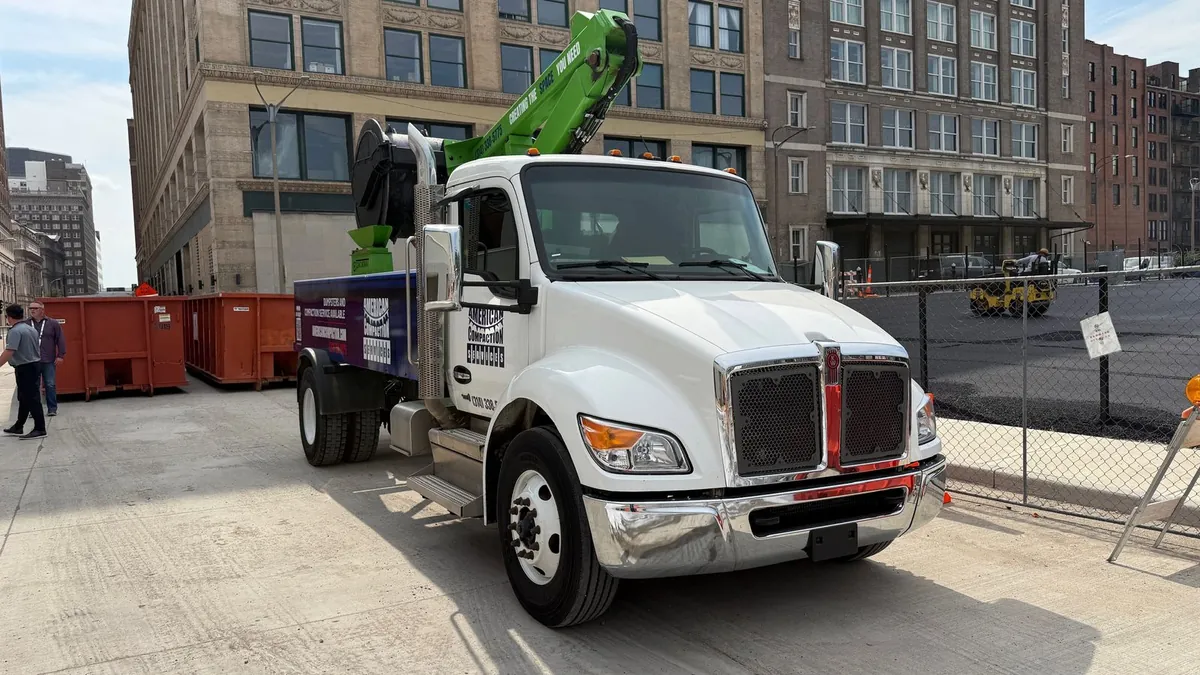
Ferguson, MO · North County · I-270 & West Florissant Avenue
Commercial Dumpster Rental in Ferguson, MO
We automate your roll-off. You'll never run out of room. Fair price. Great service.
American Compaction Services · 20, 30 and 40 yard roll-off containers, compacted on site, for the corridor retail, rail-side plants, campus-edge jobsites and building rehabs along West Florissant Avenue, South Florissant Road and Natural Bridge Road.
American Compaction Services provides waste management through commercial dumpster rental and on-site compaction in Ferguson, the central North County city between I-270 and I-70, and along the corridors that run through and past it: West Florissant Avenue, South Florissant Road and Natural Bridge Road. We supply open-top roll-off containers to the strip centers, dealerships, plants and campus-edge jobsites here, and we compact them on site so each one holds more before it is pulled.
- I-270 & West Florissant Avenue
- Commercial accounts only
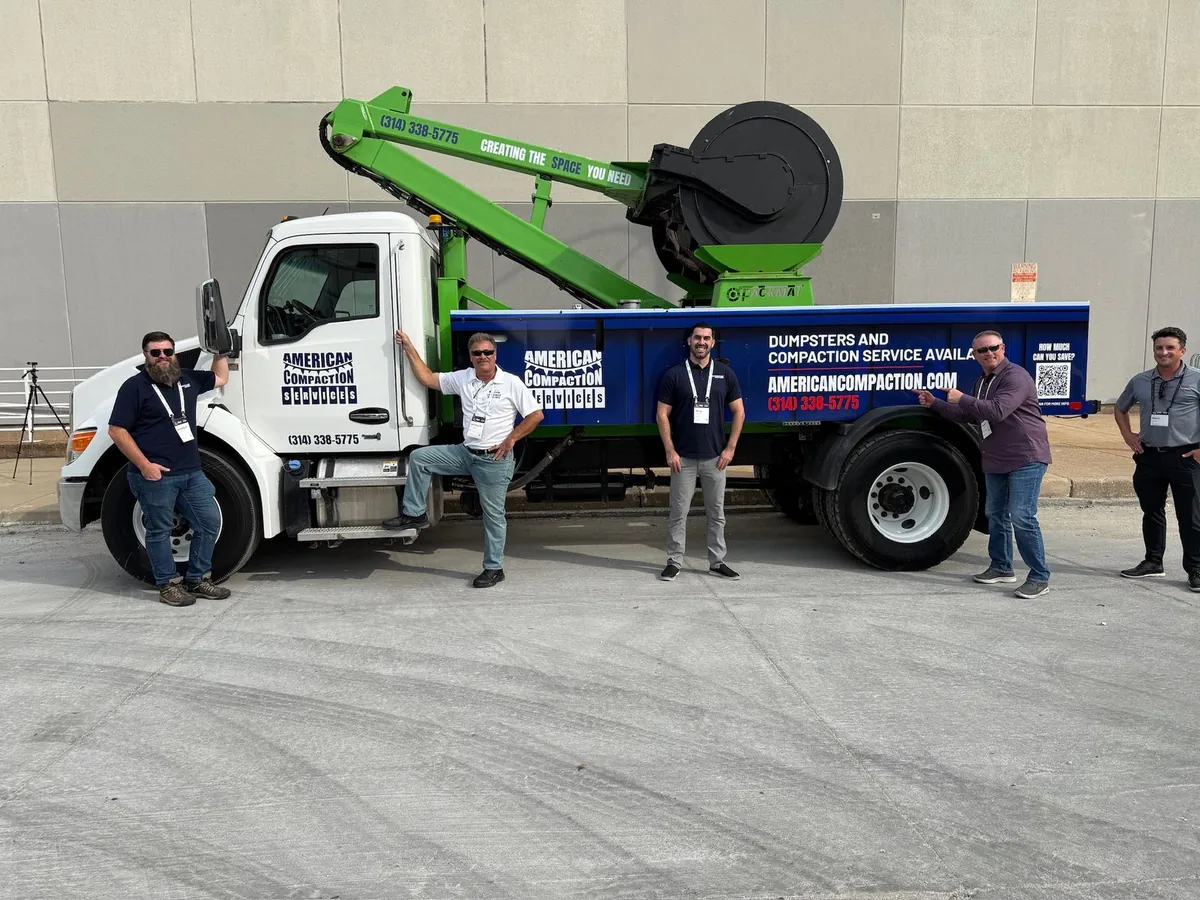
- Self-contained mobile compaction unit
American Compaction Services provides waste management through commercial dumpster rental and on-site compaction in Ferguson, the central North County city between I-270 and I-70, and along the corridors that run through and past it: West Florissant Avenue, South Florissant Road and Natural Bridge Road. We supply open-top roll-off containers to the strip centers, dealerships, plants and campus-edge jobsites here, and we compact them on site so each one holds more before it is pulled.
Ferguson's waste comes from four kinds of site. Corridor retail fills a container with cardboard and packaging every day; rail-side plants with pallets, film and production scrap; campus projects with crates, furniture and drywall in bursts set by the academic calendar; building rehab on South Florissant Road with plaster, lath and old fixtures. Three of the four are bulky before they are heavy, which is where compaction has work to do.
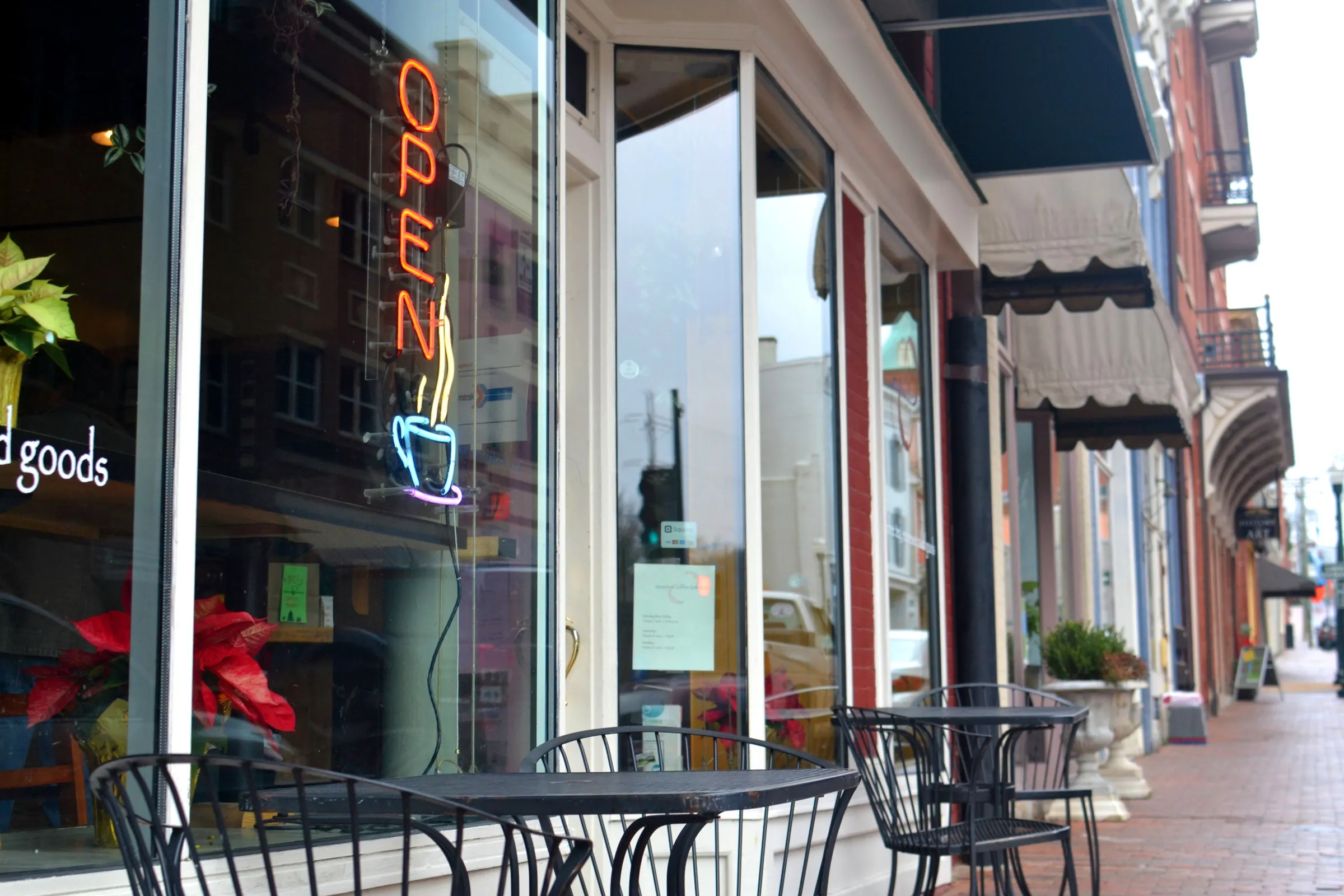
Ferguson at Work
What Ferguson Businesses Put in a Container
Ferguson's commercial land runs along its roads. I-270 forms the city's north edge, with exits at West Florissant Avenue and Elizabeth Avenue; I-70 lies to the south, reached by Florissant Road and Lucas and Hunt Road; a Norfolk Southern rail line cuts through the city, with industrial parcels along it and along Airport Road; and the Emerson campus sits at West Florissant Avenue near I-270. St. Louis Community College–Florissant Valley sits on Pershall Road; the University of Missouri–St. Louis sits just south in Normandy.
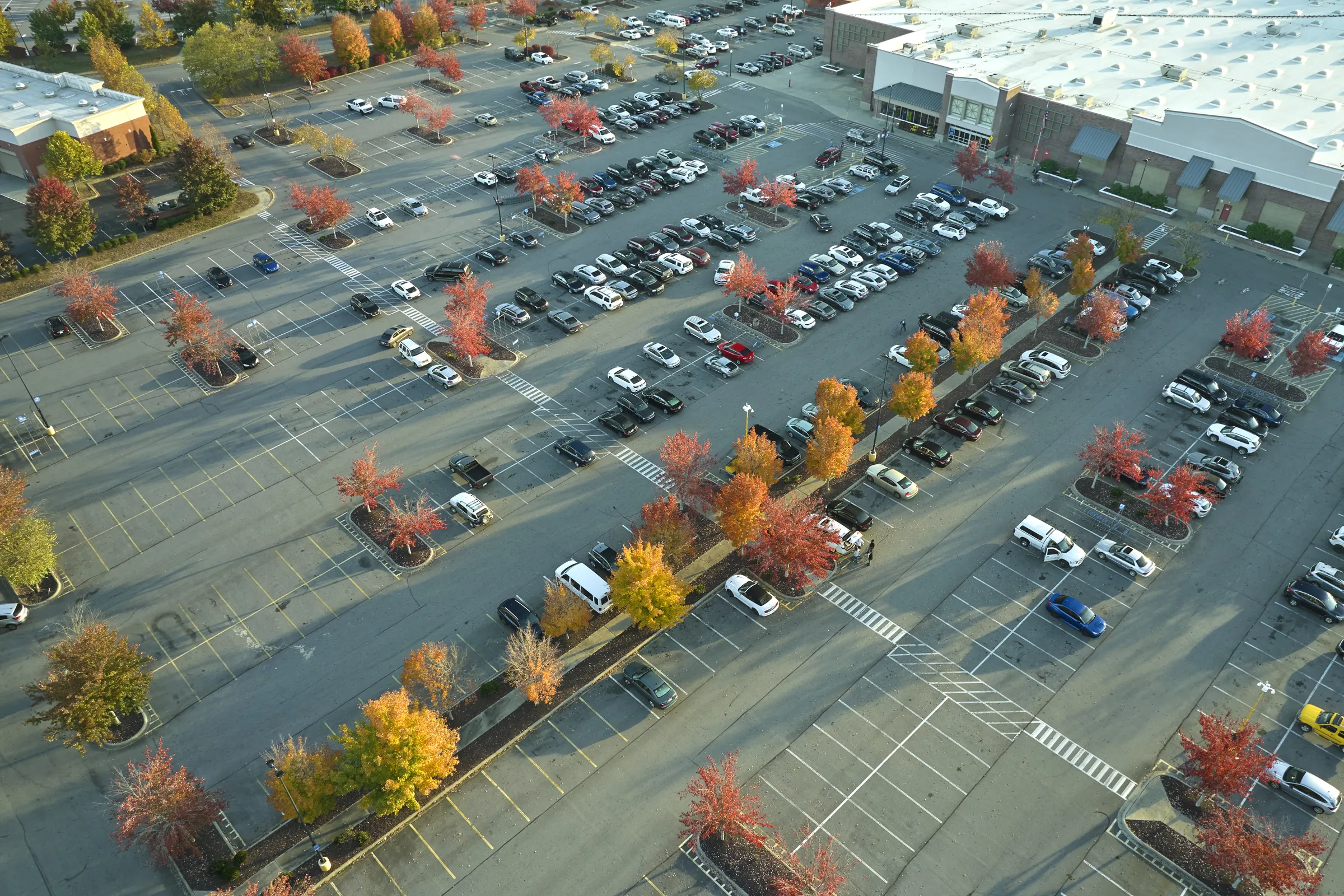
West Florissant Avenue Corridor
West Florissant Avenue runs from I-70 at the Jennings end north through Dellwood and Ferguson to I-270, crossing Chambers Road on the way: strip retail, auto dealers and service centers, restaurants and, at the north end, the Emerson campus. It is a cardboard corridor. Dealers receive parts crated and vehicles wrapped, grocers break down cases all day, and strip centers share one container behind the building. When a storefront turns over, that container takes fixtures, drywall and shelving for a few weeks.
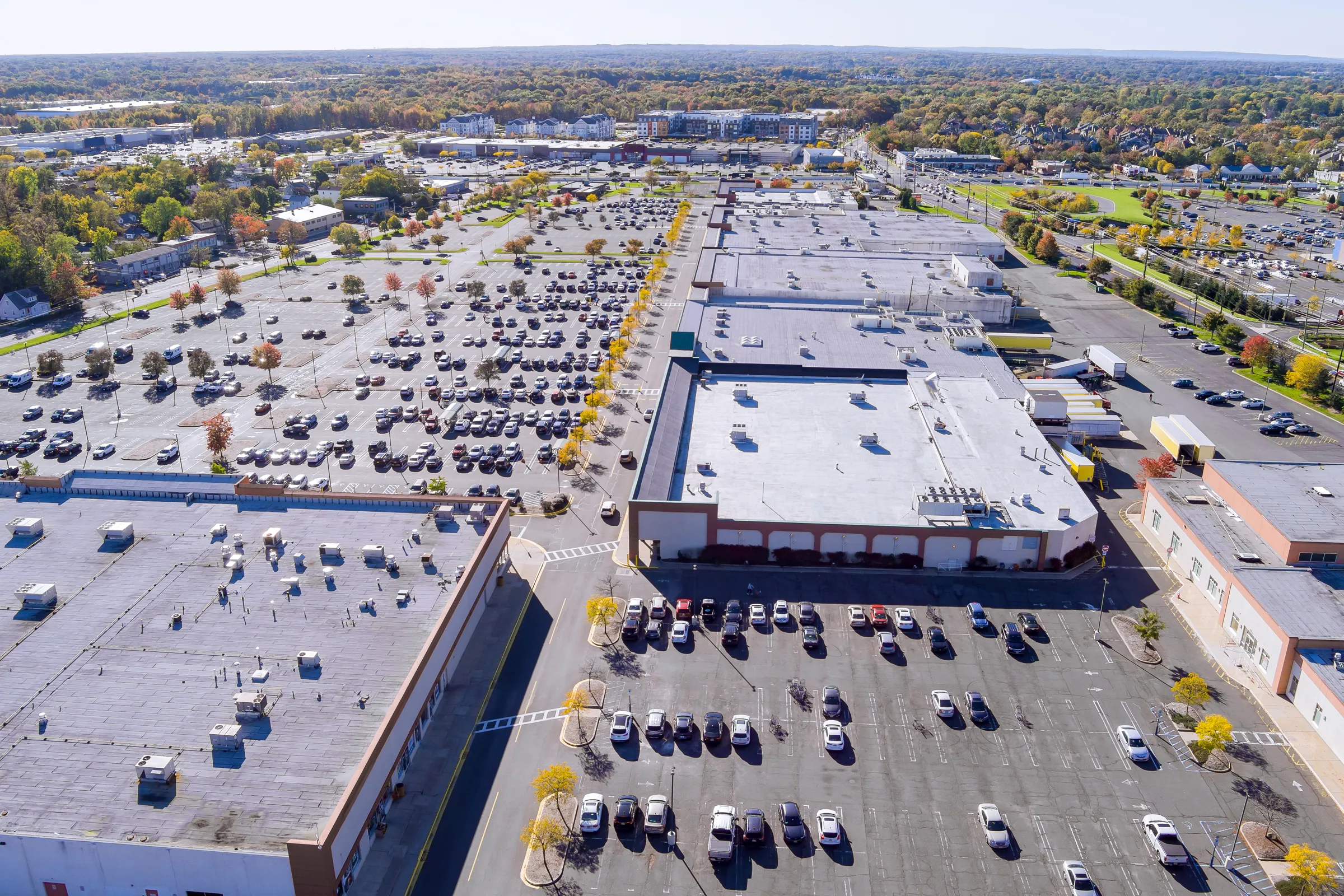
Natural Bridge Road Corridor
Natural Bridge Road runs east to west south of Ferguson, from Normandy through Bel-Nor and Bel-Ridge to Berkeley, where I-170 crosses it, and on toward Lambert's south entrance. It carries campus work at UMSL, auto and strip retail, and, nearer the airport, the freight lots and hotel row around Lambert's south entrance. For a container, the problem is room, not volume: frontage lots are shallow and the road is busy, so the container often sits where a truck can reach it from a side street.
Normandy and the UMSL Campus Edge
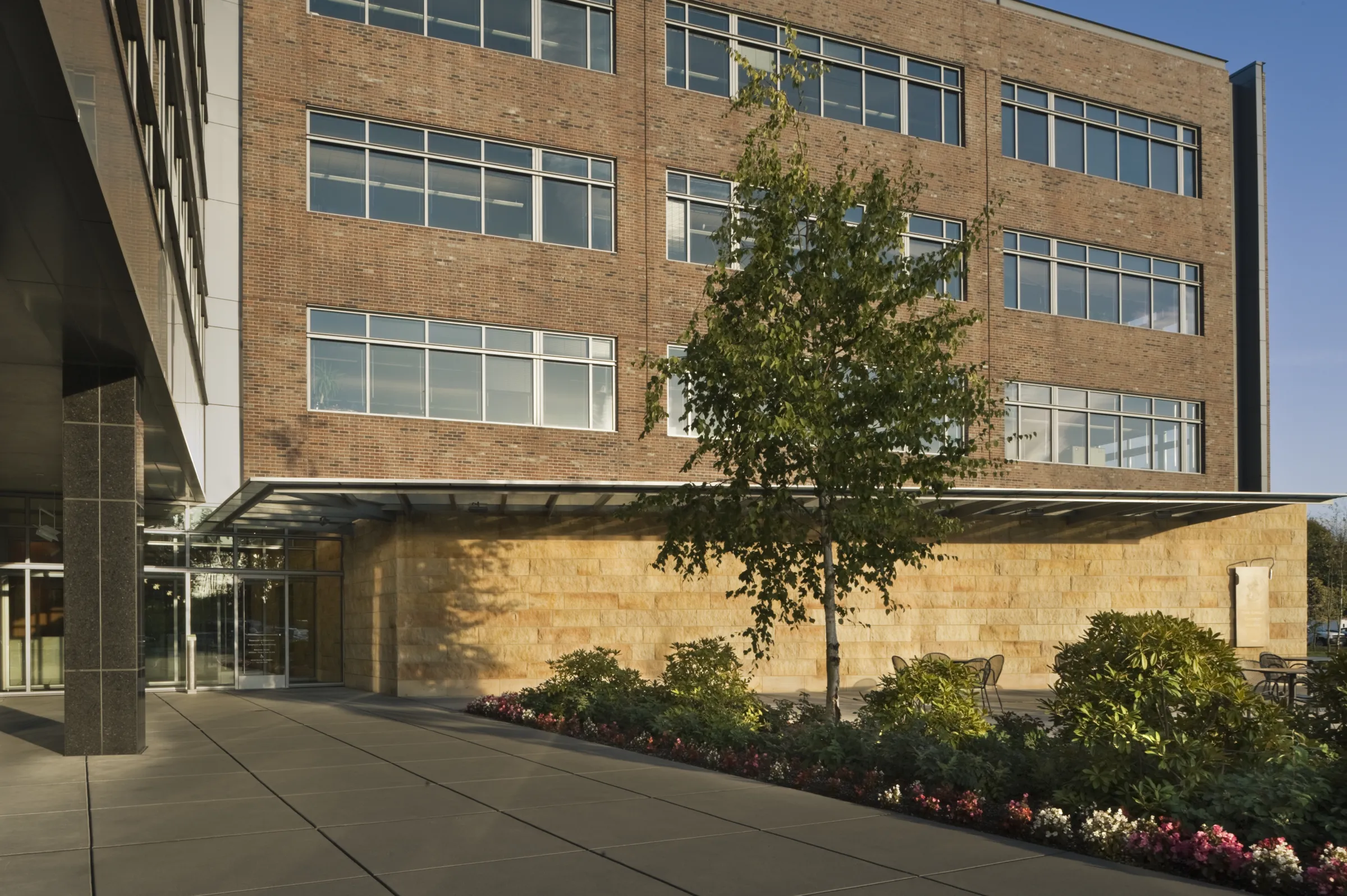
Normandy, south of Ferguson along Natural Bridge Road, is home to the University of Missouri–St. Louis. A campus edge is a site type of its own: buildings renovated in phases around the academic year, furniture replaced a floor at a time, new construction run inside a campus logistics plan. Containers sit inside a fence line the campus controls, on a spot it assigns and hours it sets, and fill with crates, furniture, ceiling grid and drywall rather than anything off the road.
South Florissant Road and the Rail-Side Lots
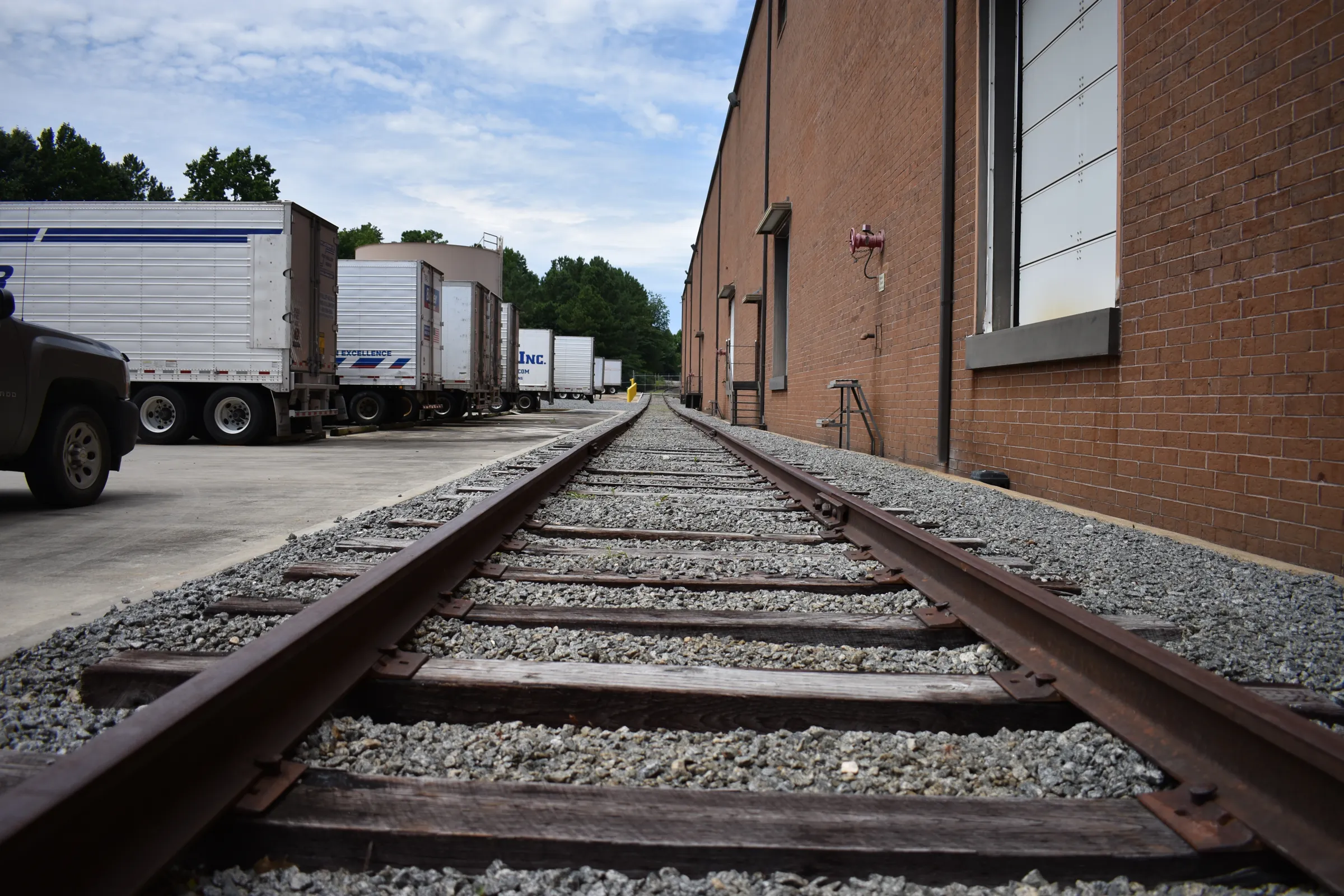
South Florissant Road is Ferguson's main street, lined with two- and three-story commercial buildings that owners and property managers rehab a storefront at a time. The Norfolk Southern line crosses it, and the parcels along the rail and Airport Road hold plants, warehouses and yards on older lots. Rehab fills a container with plaster, lath, old framing and fixtures, dense and slow to compact; the plants fill it with pallets, film and packaging, light and fast.
The Account
Commercial Dumpster Rental in Ferguson: How the Account Works
American Compaction Services runs 20, 30 and 40 yard open-top roll-off containers in Ferguson, and every size can be compacted where it sits. ACS provides waste management through dumpster rental and on-site compaction.
Two ways in. Already have a dumpster? Keep it and keep your hauler; we compact what's in it. Need dumpster service? We supply the container and compact it on site. No contract to sign: no exclusivity, no minimum, no term. For a dealership or a rail-side plant, that means a standing container with compaction visits between pulls; for a campus renovation or a South Florissant rehab, a container for the length of the job.
We work with businesses: contractors, builders, roofers, property managers and facility operators. We don't serve homeowners hiring directly.
Free on-site demo: we compact one of your own containers while you watch. The demo carries no obligation and is photographed before and after. If it isn't a fit, we tell you on the spot.
Job Types
Container Service by Job Type in Ferguson
Standing Containers at Dealerships, Grocers and Rail-Side Plants
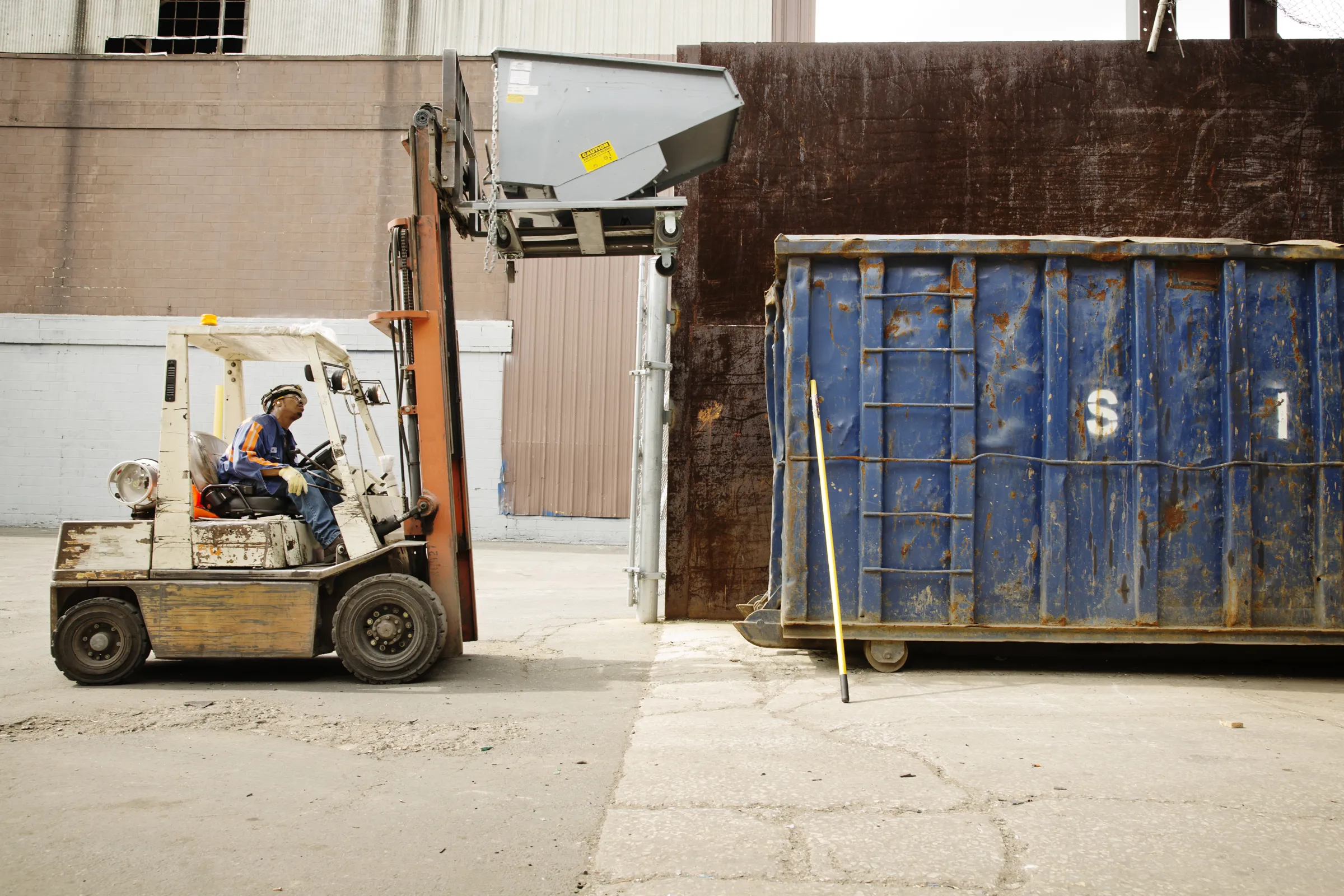
A West Florissant dealer, a corridor grocer or a rail-side plant runs one container on a set pull day, and most of what goes in it is packaging. That is where a compaction visit between pulls earns its keep: the load goes down and the pull day moves out. How those visits are routed across the metro is on the St. Louis compaction page.
Campus Projects at UMSL and Florissant Valley
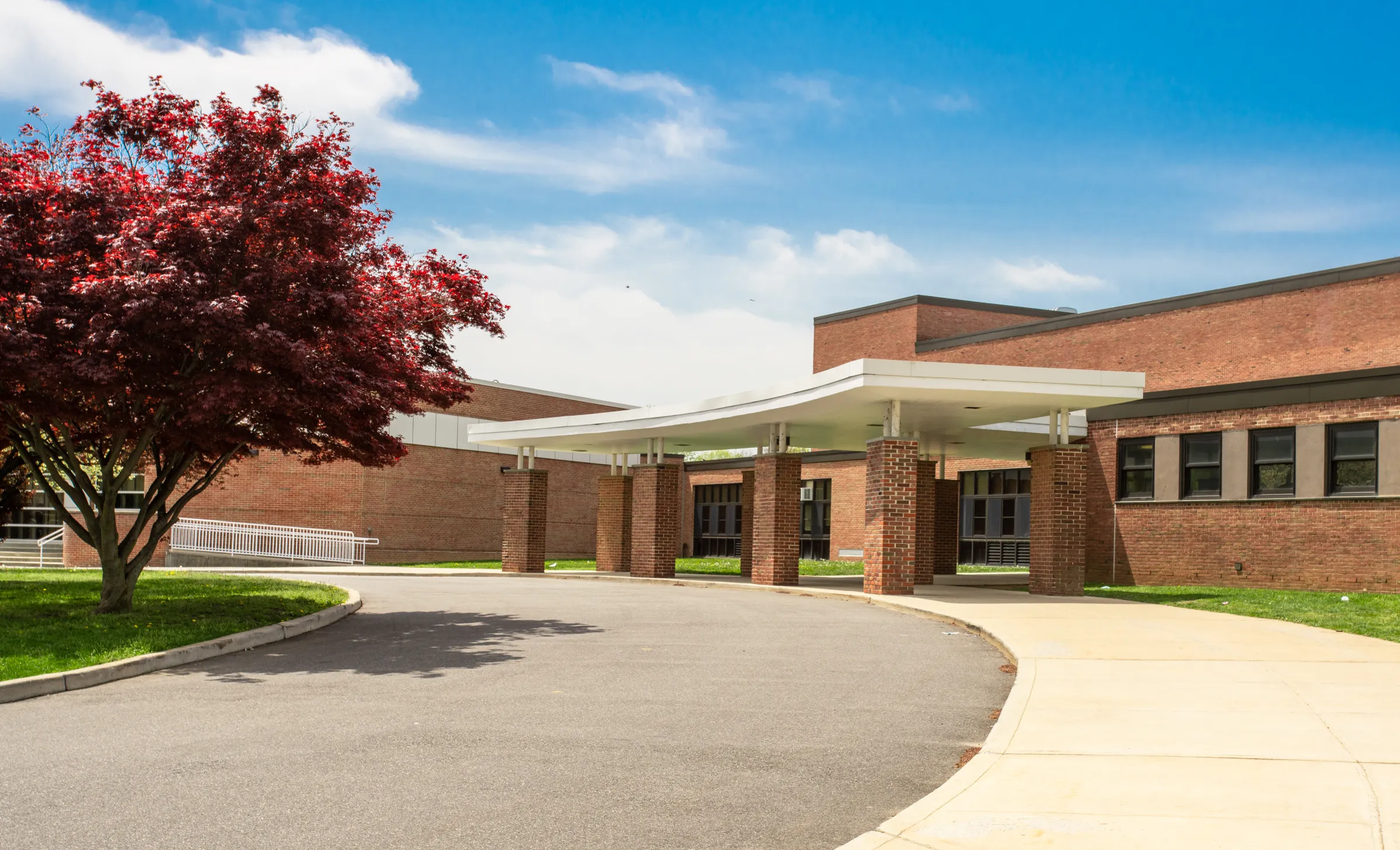
A campus renovation is project work inside someone else's rules: an assigned container spot, delivery windows, a truck route clear of students, and phases that start and stop with the academic calendar. American Compaction Services writes those rules into the account before the first delivery. What hospital and campus owners require across the service area is on the St. Louis construction page.
Storefront and Building Rehab on South Florissant Road
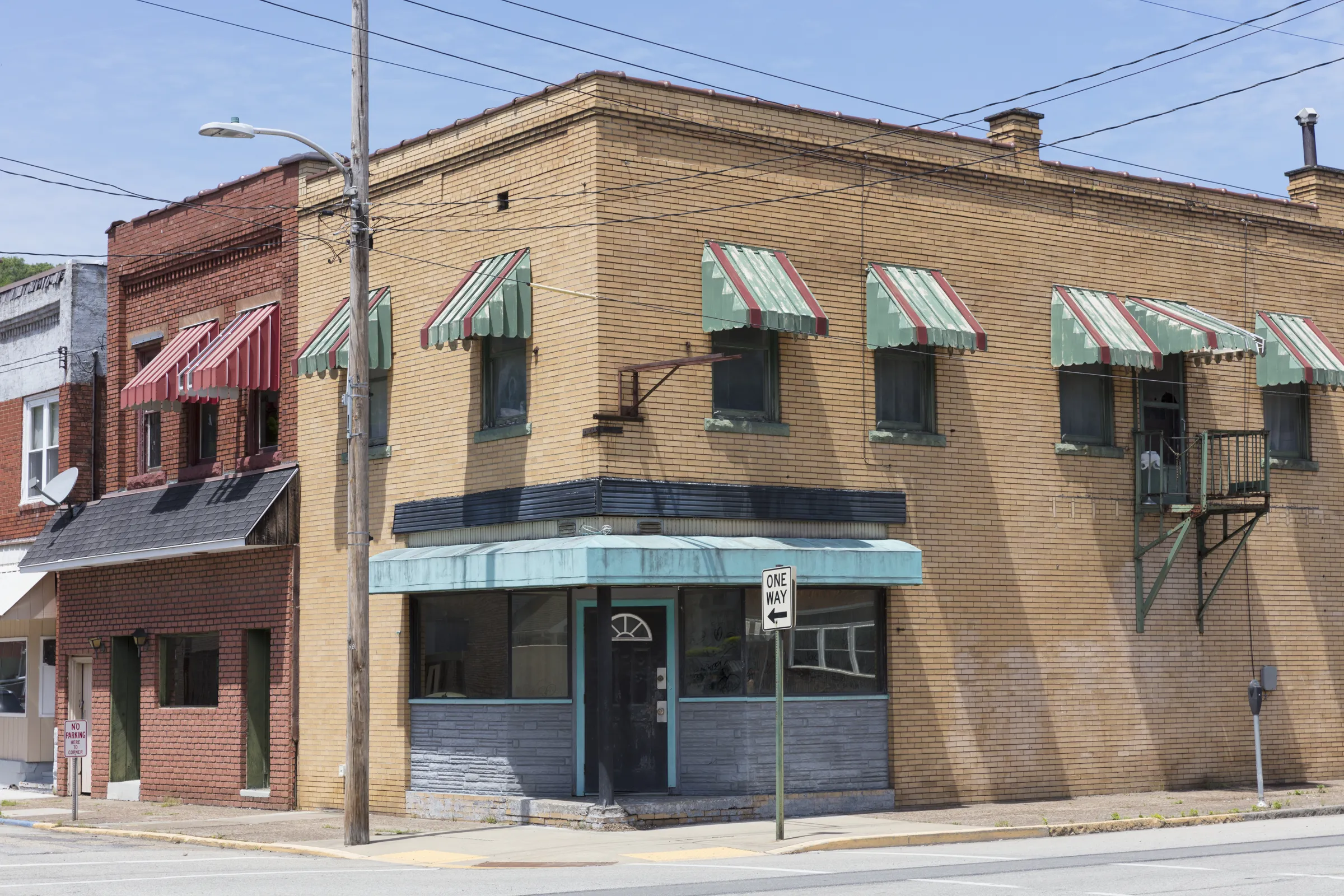
A rehab on a main-street building usually has no lot, so the container sits on the street or in the alley behind, on a permit, for a few weeks of dense debris. It is a 20 or 30 yard job pulled by weight, and compaction has little to add until the fit-out brings packaging.
On-Site Compaction
On-Site Compaction in Ferguson: What the Corridors Give Back
Ferguson's corridor and rail-side streams give compaction the most to work with; its rehab stream gives it the least. A compaction visit takes nothing out but air, so what comes back depends on the load. Compaction can reduce volume by up to 70%, depending entirely on the material. It is never a guarantee.
| Material | Compaction |
|---|---|
| Cardboard and packaging | Compacts well |
| Plastics | Compacts well |
| Pallets and wood | Compacts well |
| Furniture and bulky commercial waste | Compacts well |
| Light construction debris | Compacts well |
| Concrete, masonry and roofing shingles | Never compacted |
| Red iron, liquids and hazardous waste | Never compacted |
Dealer, grocer and plant packaging is on the compacts-well list; pallets sit with wood; campus renovation and South Florissant rehab debris counts as light construction debris. How many compaction visits fall between pulls is set by your fill rate.
A loose container that looks full is mostly air. Compaction can reduce volume by up to 70%, depending on the material.
Compaction reduces haul-offs; it never eliminates them. A compaction visit is itself a visit. What changes is that a short on-site visit happens instead of a haul-off. If it won't move your number, we'll tell you on the spot.
Cost Context
What Drives the Bill in Ferguson
The pricing guide explains what moves a commercial dumpster bill. On a Ferguson site, four things decide it.
The Run From Ferguson to Disposal
A pull ends when the truck is back from the disposal facility for your material, not when it leaves your lot. From Ferguson that run goes out by I-270 or I-70; the St. Louis overview sets out the facilities behind St. Louis pulls. The longer the run, the more each avoided pull is worth.
Curb or Lot on a Ferguson Corridor
A container on the street or right-of-way needs approval from the local jurisdiction, and the rules vary by city. On Ferguson's corridors the pavement may belong to the city, the county or the state, which the questions below set out, and a curb placement takes longer to arrange than one on your own lot.
Rail Crossings, Campus Gates and Dealer Lots
Access on a Ferguson site comes down to three things: a rail crossing on the approach that a loaded truck should never wait on, a campus gate with a check-in step, and a dealer lot with inventory parked in the truck's line. We settle all three before the first delivery.
The Size Ferguson Sites Run
Corridor retail and rail-side plants run 30s and 40s; campus projects and main-street rehabs run 20s and 30s. Whatever the size, compaction works on how often it leaves; put your own pull count into the savings calculator for a planning figure.
These results are estimates from the numbers you enter. They are not a quote, a promise or a guarantee.
Sizes
Picking a Size for a Ferguson Site
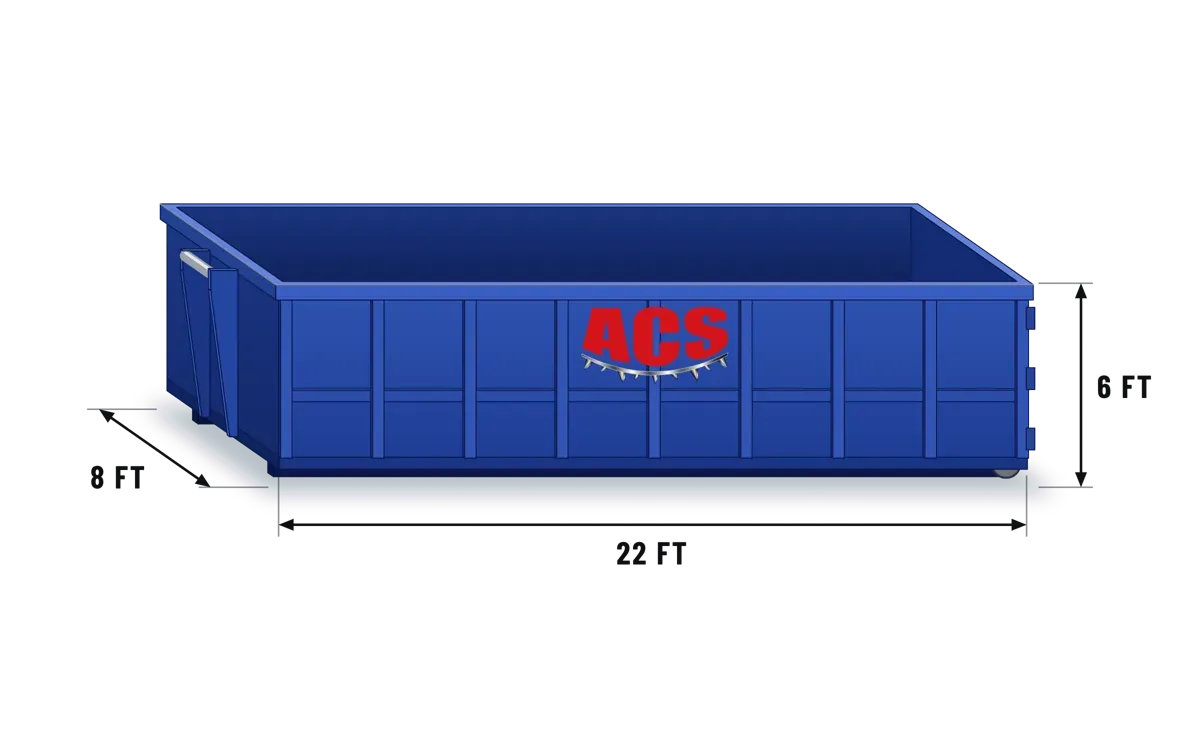
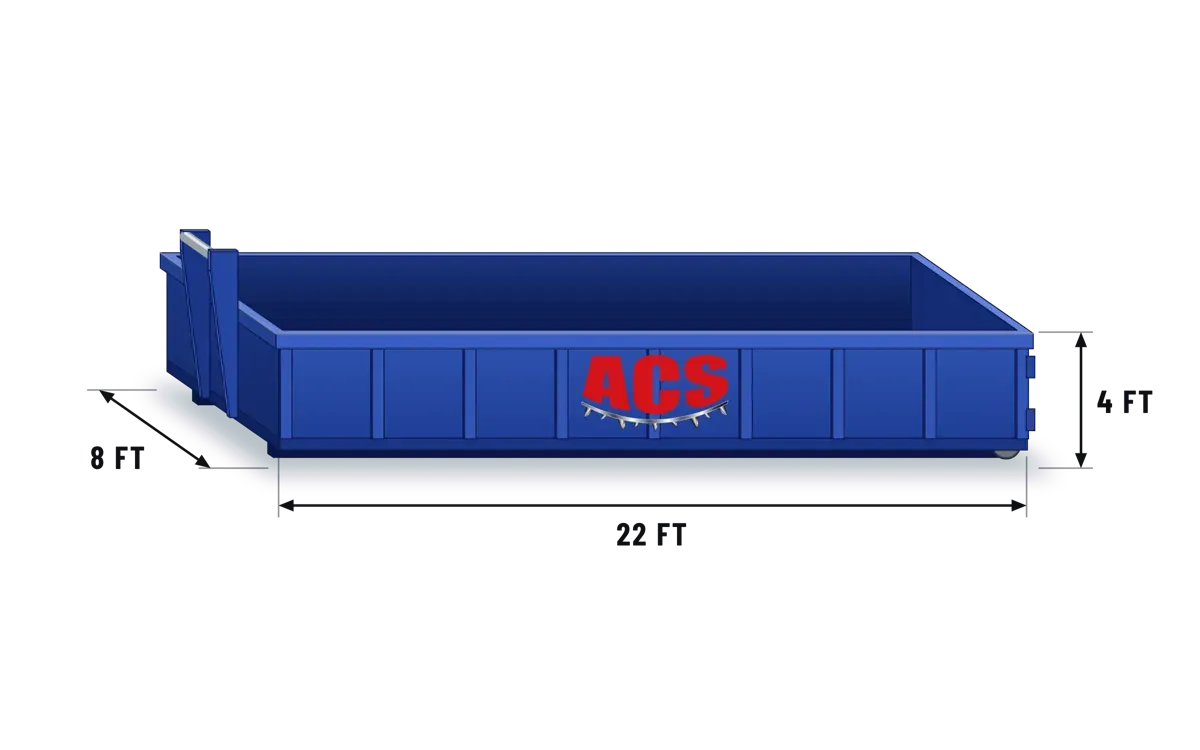
American Compaction Services sizes a Ferguson container by the site type first; all three are set out on the dumpster sizes page.
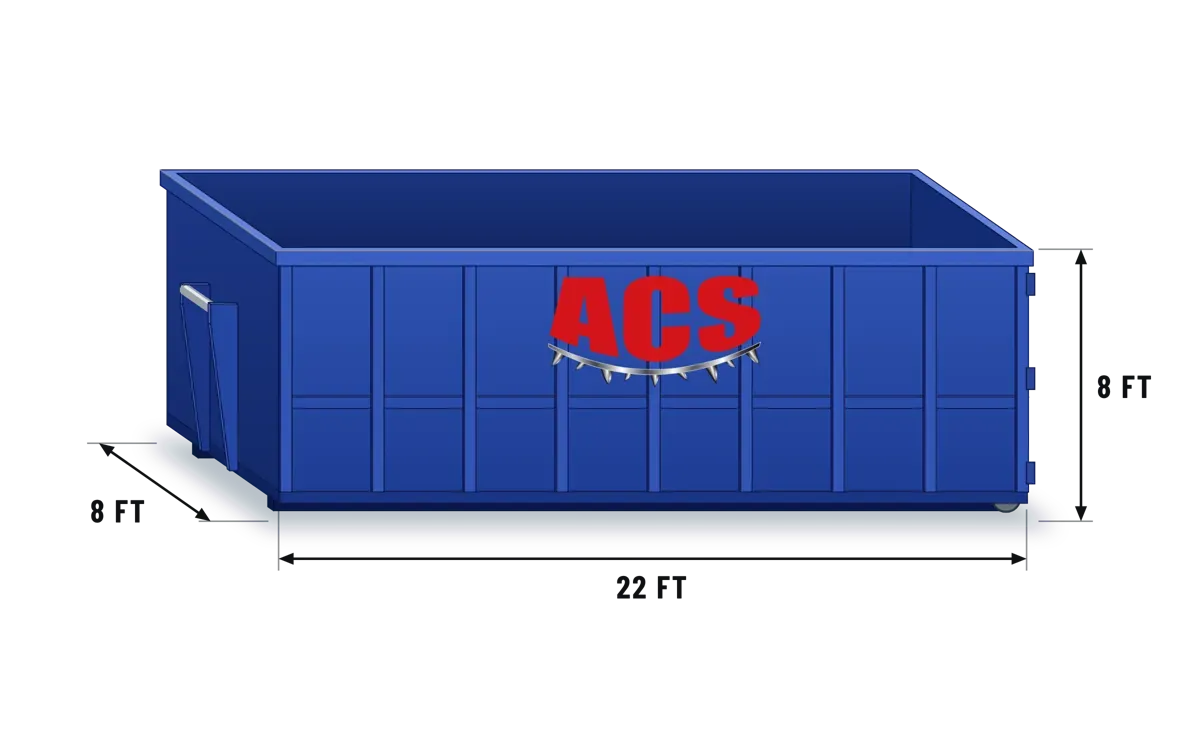
A 40 Yard at a Rail-Side Plant or Dealership
Packaging, pallets and film on a lot with a straight approach.
A 30 Yard on a Corridor Retail Lot or Campus Project
Mixed retail and renovation streams where the spot is assigned.
A 20 Yard for a South Florissant Road Rehab
Fixtures and rehab debris on a street or alley placement. Heavy or dense debris? Tell us first so we can plan for weight limits.
Drive Time
Getting to Ferguson
Ferguson is part of our St. Louis City and County service area. The compaction unit travels to the container, so compaction visits are booked on a route day; pulls and swaps run on the pickup schedule. Most Ferguson sites sit off I-270 at West Florissant or Elizabeth Avenue, or along Natural Bridge Road.
At that distance a visit is planned into the day, so tell us your hours early. We do not publish a guaranteed turnaround window. The St. Louis team that quotes your job is the team that schedules it.
On Site
Serving Ferguson Sites: Placement, Access and Safety
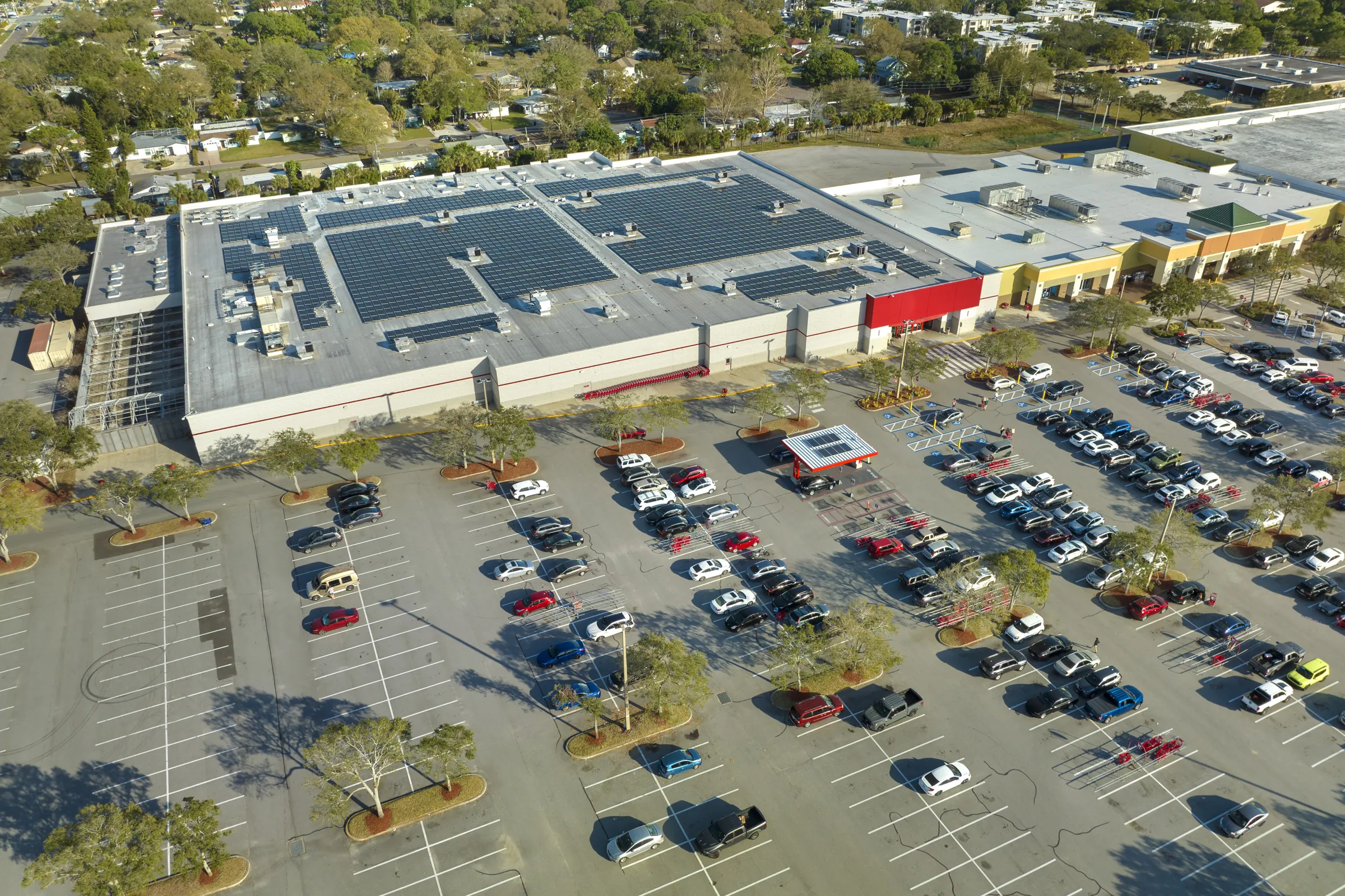
One Container Behind a Whole Strip Center
On West Florissant, several tenants often share one container behind the building, and the tenant who wants it compacted is not the party who owns the pavement or the container. We settle that with the property manager and the container's owner before the first visit.
Main-Street Rehabs With No Lot
A South Florissant Road building under rehab has a sidewalk in front and an alley behind. A street placement needs its permit and a clear walkway; an alley placement keeps the neighbors' access open. We agree which before the container is ordered.
Placement on Dealer Lots
We'll confirm placement and access with you before delivery. On a dealer lot where the container sits in view of customers, we agree the spot first.
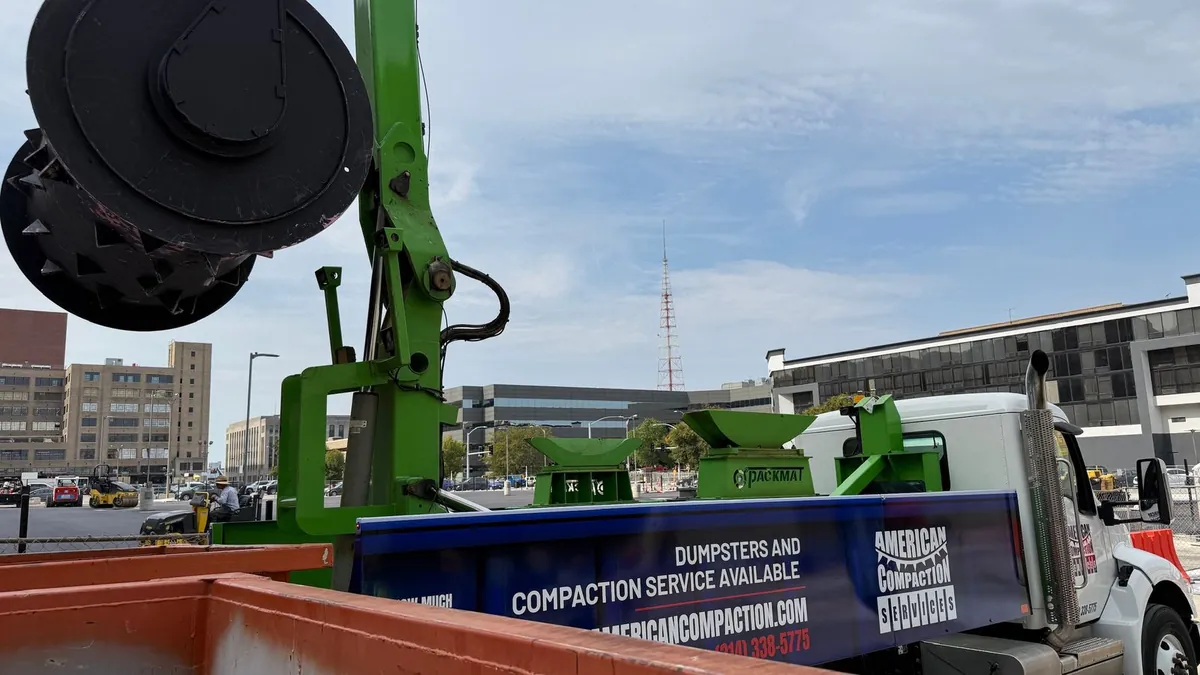
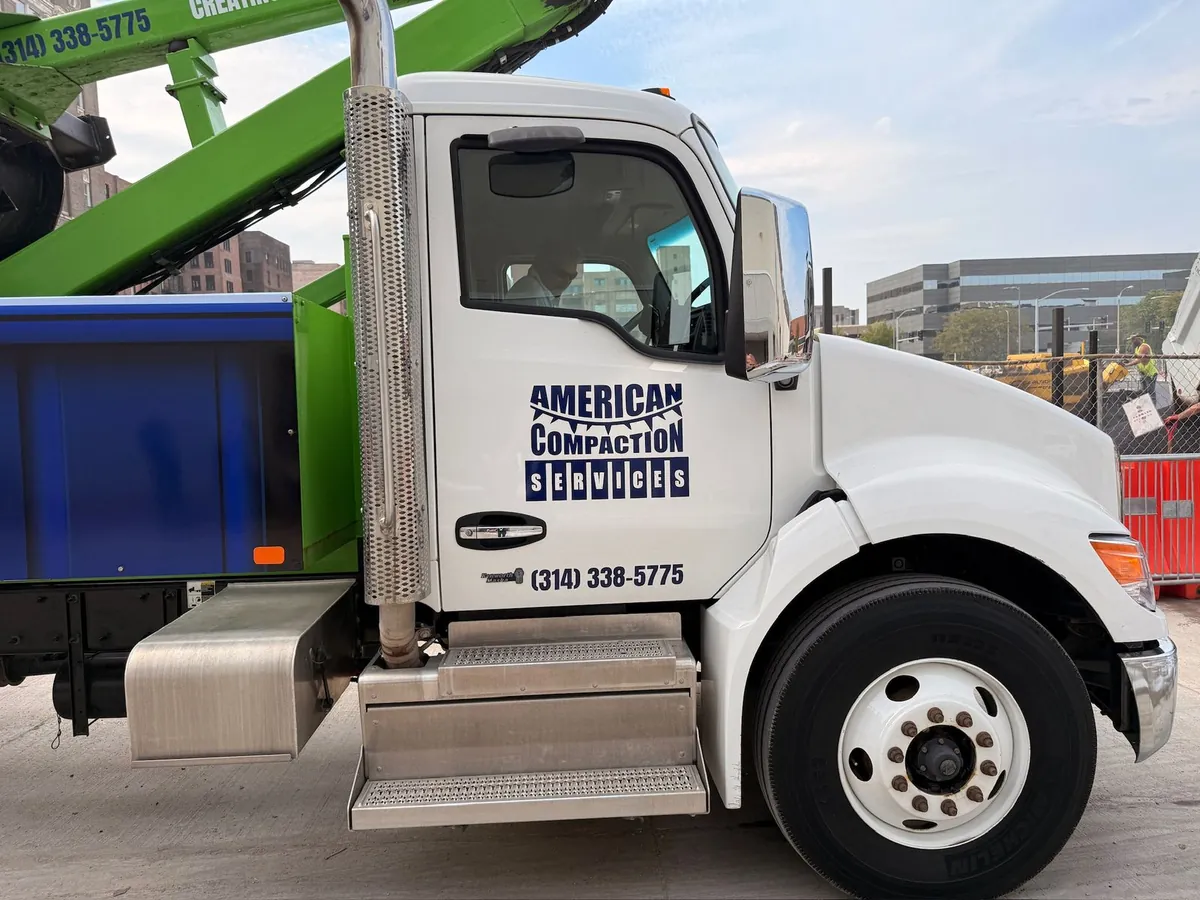
American Compaction Services builds every visit around not touching the container. A heavy steel drum, narrower than the container, works the load down and never touches the walls. The drum works on its own weight, with no hydraulic down-force. Safeguard wheels and end guards keep the unit off the container's structure. Our operators run a zero-touch policy. Every visit includes a before-and-after inspection with photo documentation.
We will not compact liquids; dirt, soil, aggregate or other dense material with no air in it; hazardous or regulated waste; sealed drums or pressurized vessels; or anything the receiving hauler won't accept. On a pure dense load like broken concrete, we'll tell you to skip compaction and have it hauled. What a container may hold at all is on the accepted materials page.
Commercial Dumpster Rental in Ferguson: Questions
Near Ferguson: Related Pages and Neighboring Communities
Start Commercial Dumpster Rental in Ferguson
Tell us which of Ferguson's four kinds of site yours is, where a container could sit and how often it leaves today, through the request form or by phone. American Compaction Services – St. Louis will size the container to the site, fit the visits to your hours and say plainly whether compaction earns its place.
With roll-off, every haul is a call. With American Compaction Services, nobody has to call.
We set you up on a schedule and we compact on site. Dumpsters and compaction. All handled.
You already pay for dumpster space. Compaction lets you use more of it.
Getting started takes four details
- A photo of your dumpster and the space around it
- Your location
- What goes in the box
- The container size, if you know it
They help us plan for site access and match compaction service to your site.
We will prove it. Call or text (314) 338-5775.