

Cost-Reduction Guide
How Businesses Cut Roll-Off Haul Costs
We automate your roll-off. You'll never run out of room. Fair price. Great service.
Why haul-offs bill per trip, the four levers you control, what compaction recovers, and the honest limits.
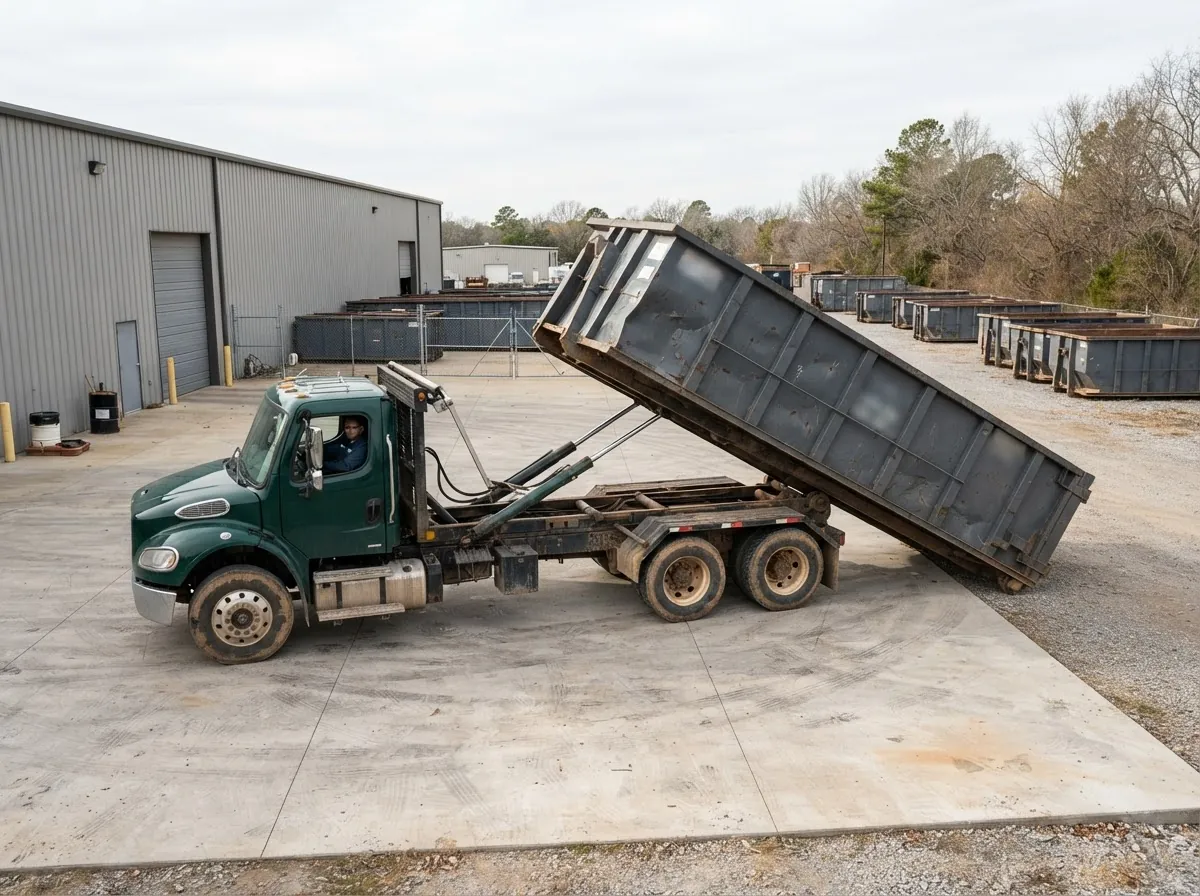
Businesses cut roll-off haul costs by sending fewer, fuller containers down the road. A haul-off is billed per trip rather than per pound, and most “full” dumpsters are full of air, so every early pull spends part of a full-price trip moving empty space. The reliable way to lower the bill is to change how many trips it takes to move the same waste.
When dumpsters fill too quickly, overflow before pickup, or get hauled with wasted air inside, your waste program becomes more expensive than it needs to be.
American Compaction Services supplies 20, 30 and 40 yard roll-off containers to business accounts and runs on-site compaction visits, so this guide is written from the trip side of the bill. It covers why the invoice rewards fuller containers, the four levers you control, what compaction recovers by material, how to audit your own waste spend, and where compaction is the wrong answer. That last part matters as much as the rest.
Quick Answer: How Businesses Cut Roll-Off Haul Costs
- 1
You're billed by the trip, not by the pound. Each pull puts a truck, a driver and a run to the disposal site on your account, whether the container was full or not.
- 2
Most “full” dumpsters are full of air.
- 3
Two ceilings end a load. One is the volume inside the box; the other is the weight the truck may legally carry. A loose load reaches the first long before the second.
- 4
The air gap is large. A loose container that looks full is mostly air. Compaction can reduce volume by up to 70%, depending on the material.
- 5
Four levers move the trip count: right-size the container, load smarter, match the pull schedule to reality, and remove the air with on-site compaction.
- 6
The material decides what compaction recovers. Cardboard and packaging give back the most; construction debris and wood give back less. Up to 70% less volume, depending on the material.
- 7
Audit before you buy anything. Count last quarter's pulls per container and look inside the box before the next few. Count your haul-offs before you shop your rate.
- 8
Fewer haul-offs, never zero. Compaction reduces haul-offs; it never eliminates them. A compaction visit is itself a visit.
Run it on your numbers. The savings calculator gives you a planning number from your own inputs. These results are estimates from the numbers you enter. They are not a quote, a promise or a guarantee.
Trip Economics: Why the Invoice Rewards Fuller Containers
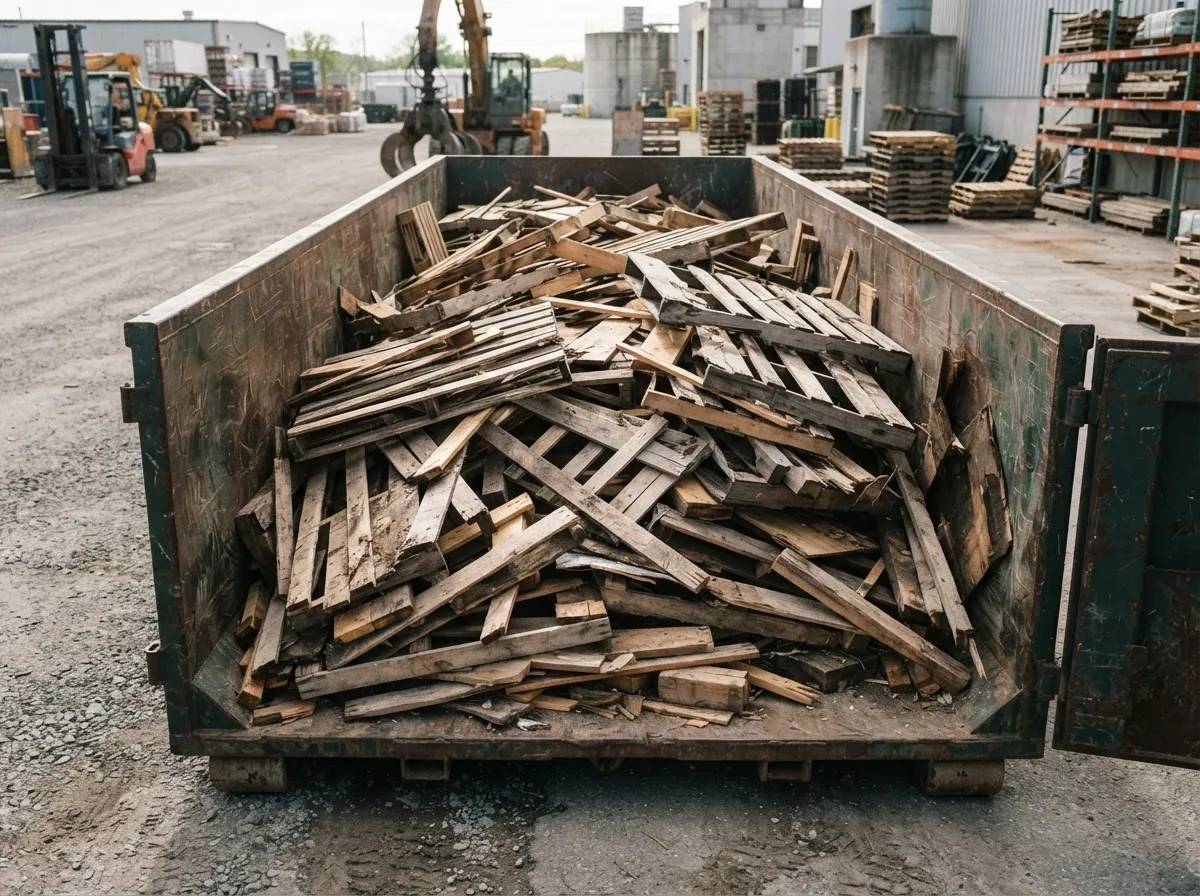
The trip is the unit of cost. A waste bill has three parts: per trip, per ton and the monthly rental. The trip charge is the only line that really moves. Every pull means a driver, a truck, fuel, road time and a run to the disposal facility, and that line repeats every time a truck comes to your address. The trip charge for a half-empty container is the same as the trip charge for a full one.
The saving is in fewer pickups on the same waste. Your disposal line follows what you throw away; your trip line follows how often a truck comes to get it.
Trip costs tend to drift upward quietly. A container's schedule usually gets set once, when the account opens, and then nobody revisits it. Volume changes, product mix changes, packaging gets bulkier; the schedule stays where it was, and the site ends up paying for pulls on a half-empty container or scrambling for extra ones on a full one.
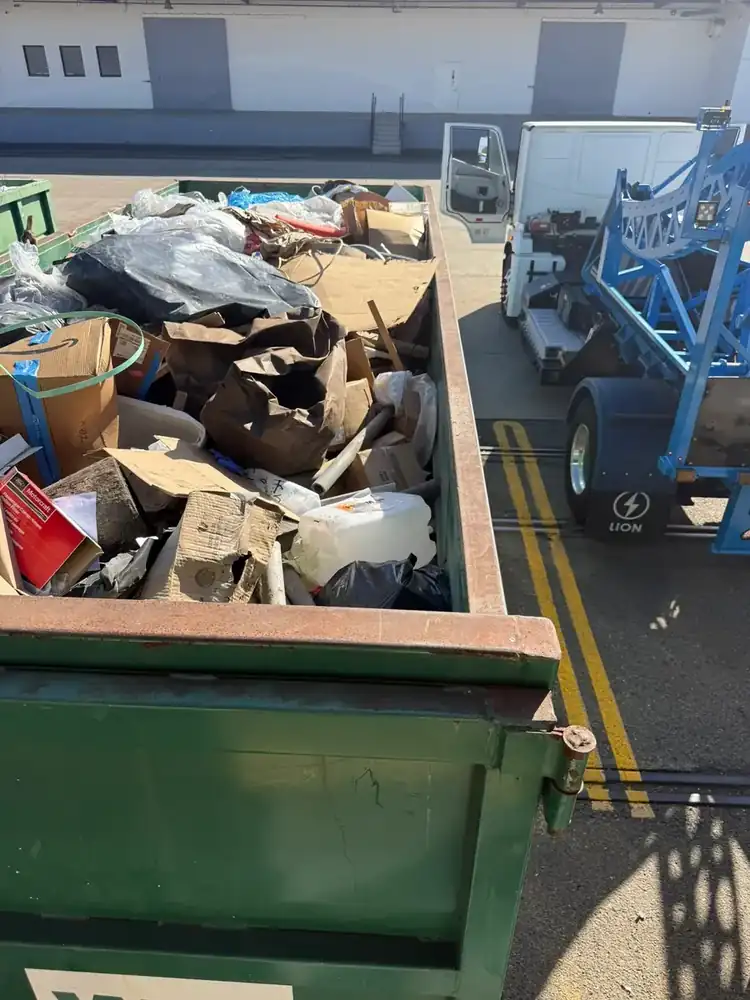
Then there is the air. Cardboard, pallets, packaging and mixed commercial waste do not stack. They bridge across the container, trap air underneath and mound above the rim while much of the box is still empty. A load ends at the first of two ceilings it reaches, volume or weight, and a loose load reaches volume first. You are paying a truck to haul the same air twice.
| Loose container | Worked container | |
|---|---|---|
| What ends the load | Volume: the box looks full | Volume, but much later |
| Air riding along | Most of the box | Much less, depending on the material |
| Material per trip | One box's worth | Up to 70% less volume, depending on the material |
| Trips per month | Set by how fast the box fills with air | Set by how fast it fills once the air is out |
Read that table as direction, not as a promise; your material sets your numbers. And the container is rarely what limits the load. Weight limits still apply.
Lower cost to provide the space you need: stretch the dumpsters you already run instead of adding more or calling for early hauls. Fair price. Great service.
The Four Levers That Cut Roll-Off Haul Costs
Four things move the trip count. Two of them cost nothing but attention. The other two change the container, or what happens inside it.
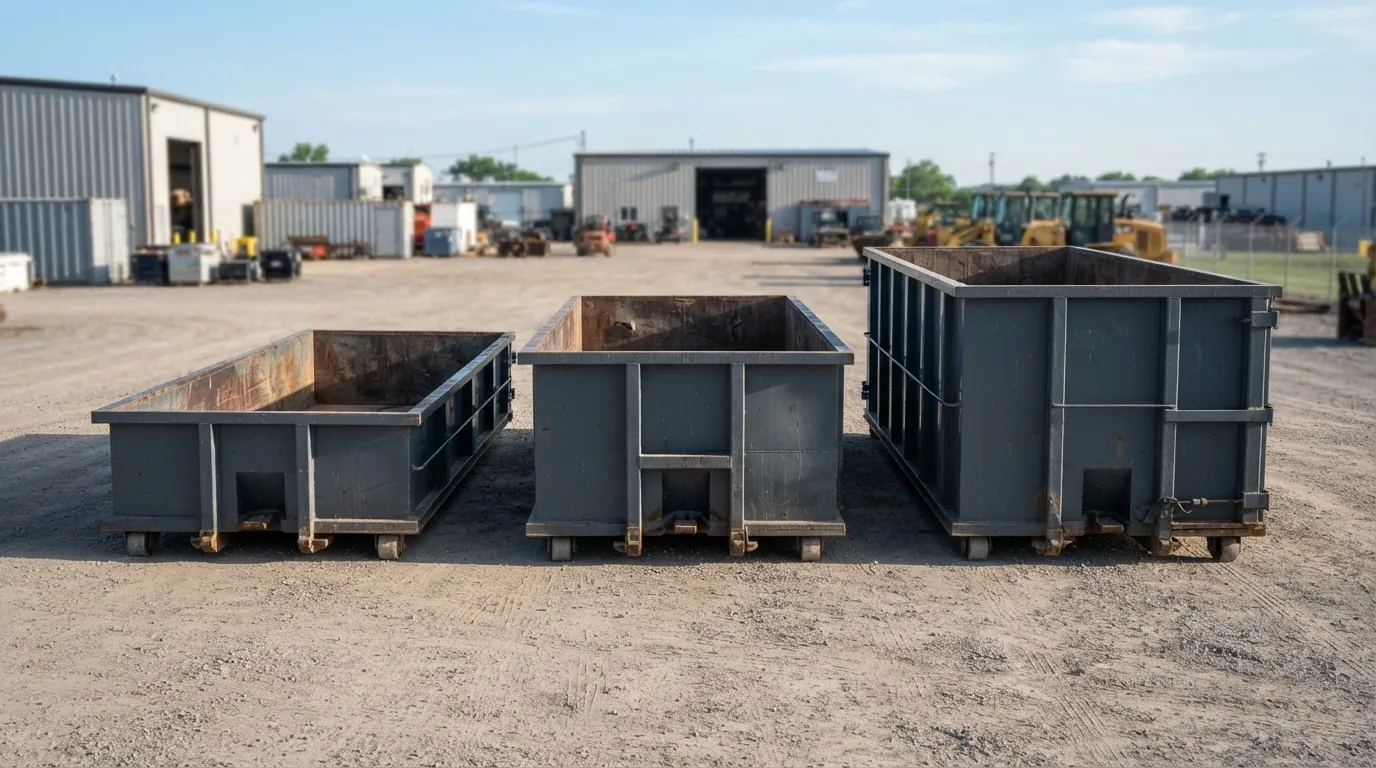
1. Right-size the container
2. Load smarter
3. Match the pull schedule to reality
4. Remove the air with on-site compaction
Levers two and three cost nothing, so start there. Then decide whether sizing and compaction are worth paying for.
What Compaction Recovers, by Material
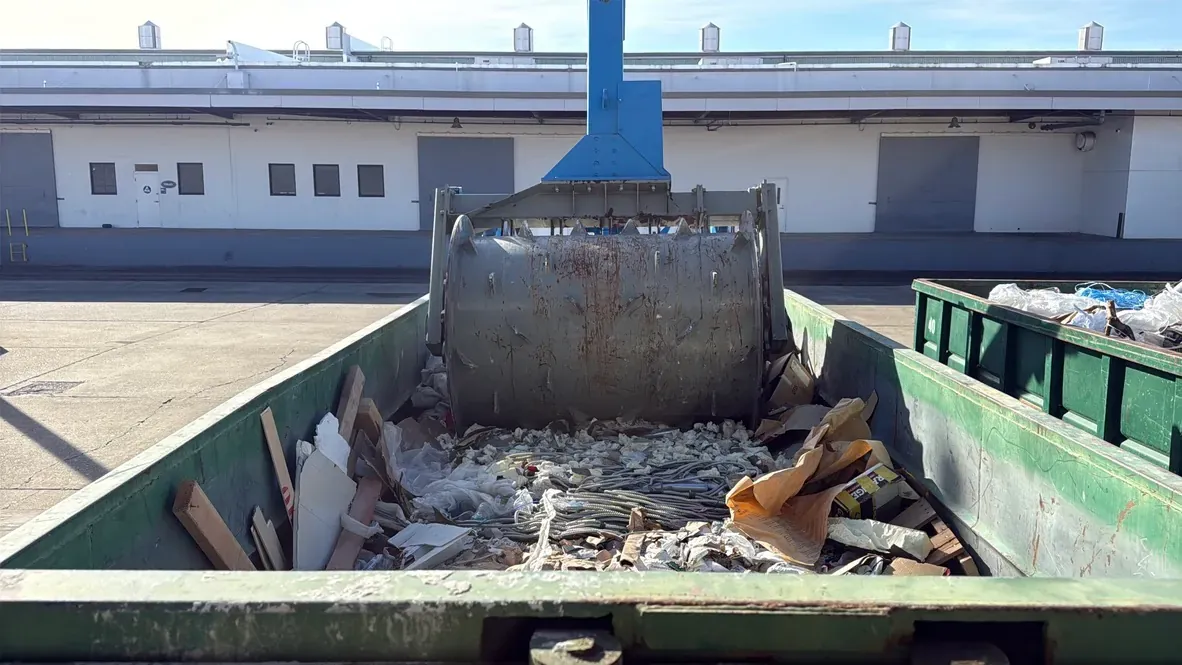
Compaction does not remove waste. It removes the air around the waste, so how much space comes back depends on what is in the container. Compaction can reduce volume by up to 70%, depending entirely on the material. It is never a guarantee.
Cardboard, packaging, plastics, pallets, wood, furniture, light construction debris and bulky commercial waste compact well. Concrete, masonry, roofing shingles, red iron, liquids and hazardous waste are never compacted. Compaction helps reduce waste volume by up to 70% depending on the material.
Use the table as a fit test. If your containers fill with materials that compact well and go out often, compaction is worth measuring. If they fill with materials that are never compacted, or with other dense material, the free levers above may do more. There are two things the table cannot tell you: how loosely your load is packed today, and how often your container really needs to go. A free on-site demo on your own container answers both.
| Material | Compaction |
|---|---|
| Cardboard and packaging | Compacts well |
| Plastics | Compacts well |
| Pallets and wood | Compacts well |
| Furniture and bulky commercial waste | Compacts well |
| Light construction debris | Compacts well |
| Concrete, masonry and roofing shingles | Never compacted |
| Red iron, liquids and hazardous waste | Never compacted |
How to Audit Your Own Waste Spend
Before you change a container, a schedule or a vendor, get your own numbers. You need a stack of invoices and a few pickup days, and nothing else.
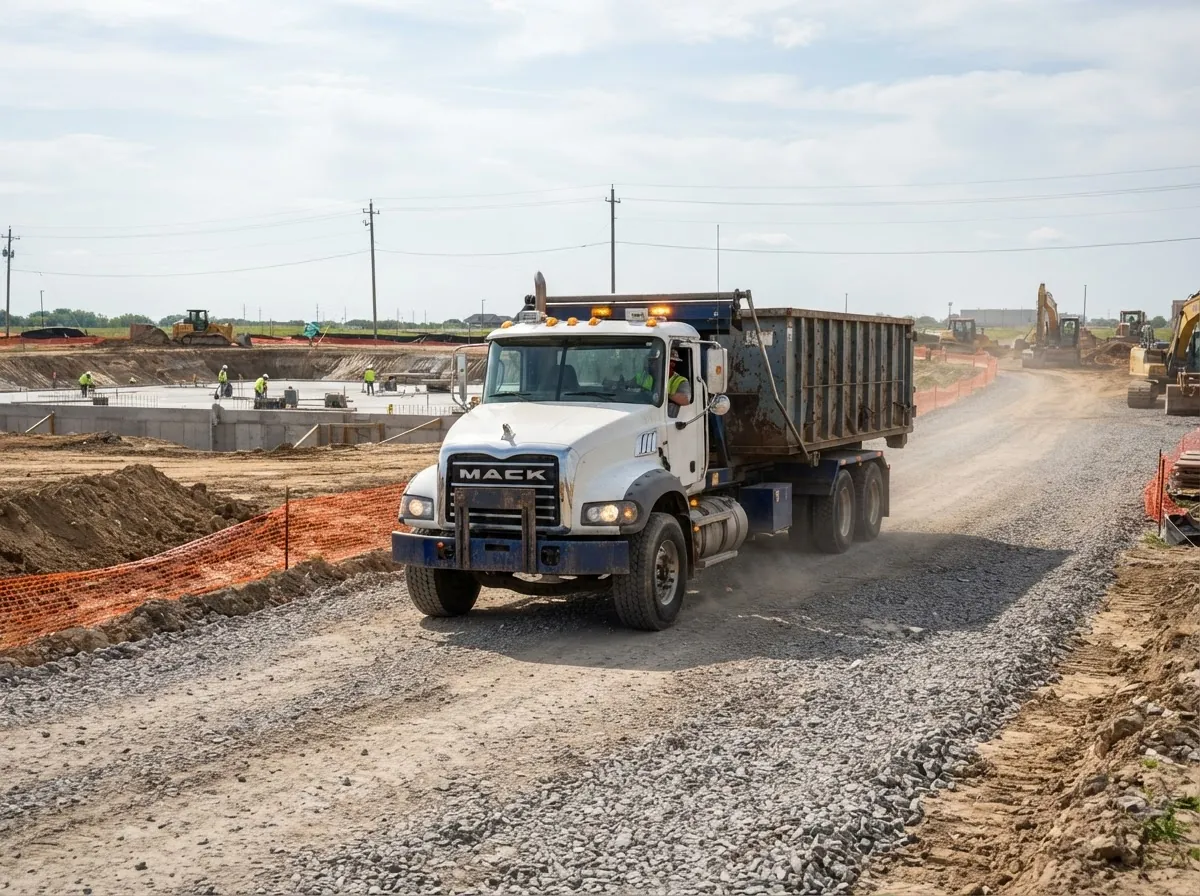
Count the pulls. Pull last quarter's hauling invoices and count haul-offs per container per month.
Separate the line items. Split the bill into trips, disposal and rental. If most of it is trips, fewer pickups is the lever.
Look inside the box. Look in the container before the next few pulls and photograph the load. Is it full of material, or full of air?
Ask why each pull was called. A fixed schedule, a full box, or a box that merely looked full?
Check the weight. Note whether any container ever leaves at weight. The weight on each load's ticket tells you how close it came to the limit.
Write down the number. Record the current pulls per month for each container. Every option, including changing nothing, gets measured against it.
Bring that number to the savings calculator for a planning figure, or send it with a request and get a straight read on which levers apply to your site.
When Compaction Won't Reduce Haul Costs
Compaction is not the answer for every container. American Compaction Services would rather tell you which kind you have before a schedule is written than after.
Dense material with no trapped air
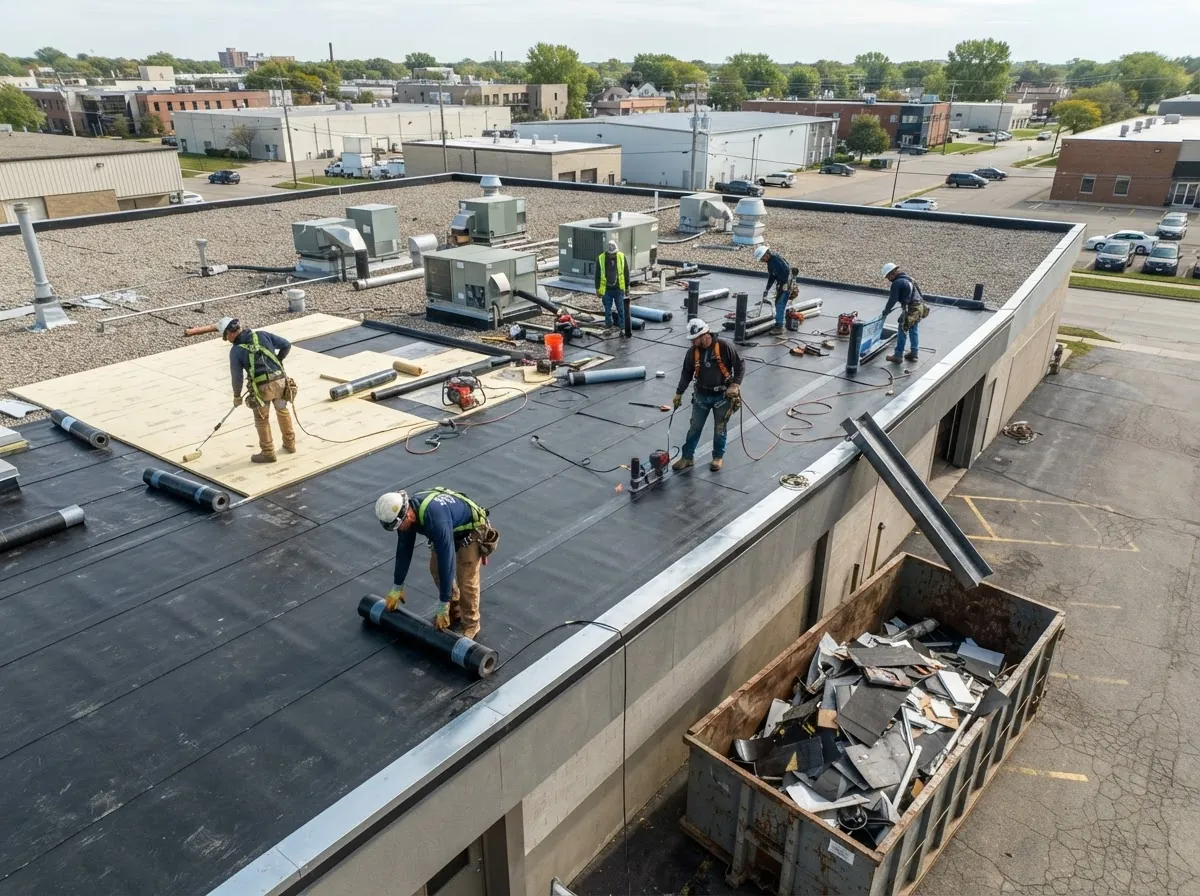
Concrete, masonry, brick, block and tile leave at weight long before they look full, and there is almost no air in the load to remove. A container of broken concrete is better hauled as it is. Dirt, soil and aggregate have no air to give back at all, and shingles and dense metal scrap sit close to the same line.
Containers that rarely go out
A container pulled once a month has few trips to save. The reduction is real, but there is little for it to act on.
Streams that are already handled
A stream that already runs through a stationary compactor has had the valuable part done. Compaction would be working on what is left.
Containers that leave at weight, not volume
If the tickets show loads already near the limit, the box is full of material, not air. Compaction cannot add room the weight limit does not allow.
And the standing honesty rule. Compaction reduces haul-offs; it never eliminates them. A compaction visit is itself a visit. What changes is that a short on-site visit happens instead of a haul-off. If it won't move your number, we'll tell you on the spot.
Fewer haul trips to service your project or facility
When the material and the pull count line up, the change shows up in the trip line.
Helps reduce waste volume by up to 70% depending on the material. Fewer haul trips to service your project or facility — you pay for fewer pulls. Your numbers will land somewhere else: material mix, pull frequency and hauler rates decide them. The free demo and the calculator are how you find yours.
American Compaction Services does not publish prices. Your quote comes off your real volume, your material and your access, and it is built against the pull count you wrote down in the audit.
Where You Are Changes the Number
The same container and the same material can cost differently from one market to the next, for reasons that have nothing to do with the container.
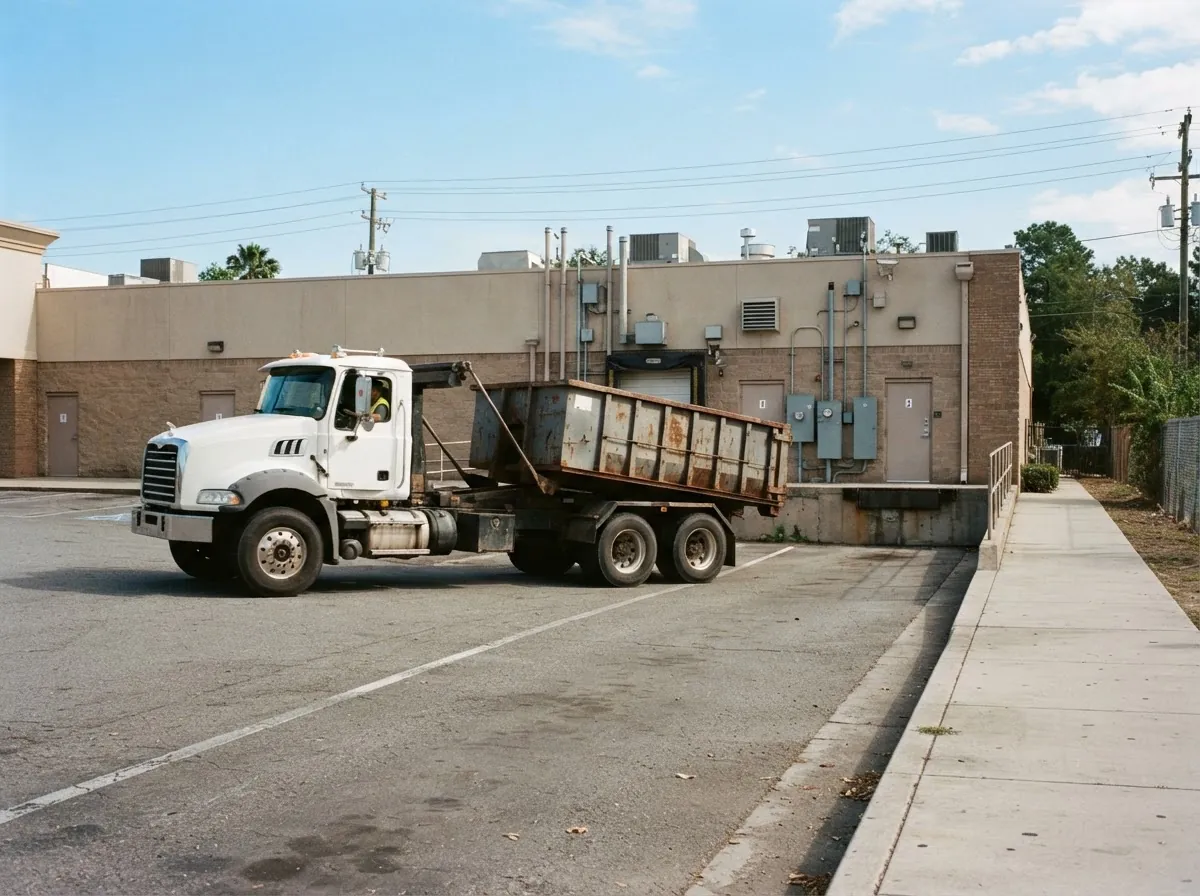
The disposal run. In most metros, the disposal site the hauler uses is a drive from where the waste is made, and how far depends on the facility. The longer that round trip, the more each pull costs, and the more a pull taken off the schedule is worth.
Local rates. Hauling and disposal rates are set locally, and American Compaction Services prices compaction per market.
The local mix of work. Distribution and manufacturing sites fill containers with packaging that compacts well; construction and renovation add concrete, masonry and roofing shingles that are never compacted, often in the same week and the same metro.
The weather. Dry wood debris is a volume problem. The same pile after a few days of rain is a weight problem.
Service details and quotes are confirmed for the market and the individual site.
Each live market has its own page, with the local details and the team that runs it.
American Compaction Services' Take
A roll-off bill is usually a trip-count problem before it is a rate problem. Two of the four levers cost nothing, and a site that loads smarter and pulls on condition has taken trips off its schedule before anyone has sold it anything.
Compaction is the lever that costs money, so treat it as a fit test, not a leap of faith. Look in the box before the next few pulls. If the load drops well down the container after a visit, the case makes itself; if it barely moves, you have learned something worth knowing before you paid for anything. We will prove it on your own accepted material.
The rule we hold ourselves to: count the trips before anything else, and compact what actually has air in it.
— American Compaction Services
How American Compaction Services Can Help
American Compaction Services does two things: roll-off container rental in 20, 30 and 40 yard sizes, and on-site compaction visits. ACS provides waste management through dumpster rental and on-site compaction. That is why the honest answer about your material costs us nothing to give.
Already working with a hauler? We compact containers that belong to your own hauler too, and your hauling account stays where it is. No contract to sign: no exclusivity, no minimum, no term.
ACS helps you take control with on-site mobile compaction. Our service crushes bulky waste directly inside your open-top roll-off dumpsters, creating more usable space without adding more dumpsters, trucks, or equipment to your operation.
Fewer Avoidable Roll-Off Trips
When dumpsters are compacted before pickup, sites can reduce unnecessary truck visits and improve hauling efficiency.
Better Use of Existing Space
ACS helps customers get more usable capacity from their current dumpster setup instead of adding more roll-offs to already busy sites.
Cleaner, More Controlled Operations
Compaction helps keep material below the rim, reduce overflow, and support a more organized waste area.
- The roll-off dumpster rental page covers container sizes, placement, pulls and swaps.
- The on-site waste compaction page covers how a visit works and which streams suit it.
- The savings calculator gives you a planning number from your own inputs.
- The request form takes your site, your material and your current pull count.
Free on-site demo: we compact one of your own containers while you watch. The demo carries no obligation and is photographed before and after. If it isn't a fit, we tell you on the spot.
Frequently Asked Questions About Cutting Roll-Off Haul Costs
Put Your Own Numbers Against This
Bring last quarter's pull counts and a photo of a full container. American Compaction Services will tell you which of the four levers apply to your site, and whether compaction changes your numbers at all.
Government · Cities · Counties · Municipalities · Public Works · Transfer Stations · Convenience Centers
Keep public sites working with fewer hauls
Mobile compaction for municipalities, public works, transfer stations and convenience centers, without buying a compaction truck. American Compaction Services compacts bulky waste inside open-top roll-offs on site.
We serve municipal sites, including convention centers.
Some agencies award hauling contracts or permits. Some provide the service themselves. Some markets are open, with little or no oversight on roll-offs.
More capacity from dumpsters already in service
Raise density on site so each container works harder.
Lower cost to provide the space people need
Compaction stretches the dumpsters you already run. More usable space without adding containers.
Fewer overflows, fewer complaints
Handle more service requests and keep citizens happier.
Downstream impact: Disposal wait times · Fewer transfer-trailer loads · Landfill capacity and lifespan · Easier on drivers.
Typical fit: open-top or hook-lift 20 to 40-yard dumpsters. Not trailer-style roll-offs. Up to 70% less volume, depending on the material.
With roll-off, every haul is a call. With American Compaction Services, nobody has to call.
We set you up on a schedule and we compact on site. Dumpsters and compaction. All handled.
You already pay for dumpster space. Compaction lets you use more of it.
Getting started takes four details
- A photo of your dumpster and the space around it
- Your location
- What goes in the box
- The container size, if you know it
They help us plan for site access and match compaction service to your site.
We will prove it. Call or text (877) 651-7660.