

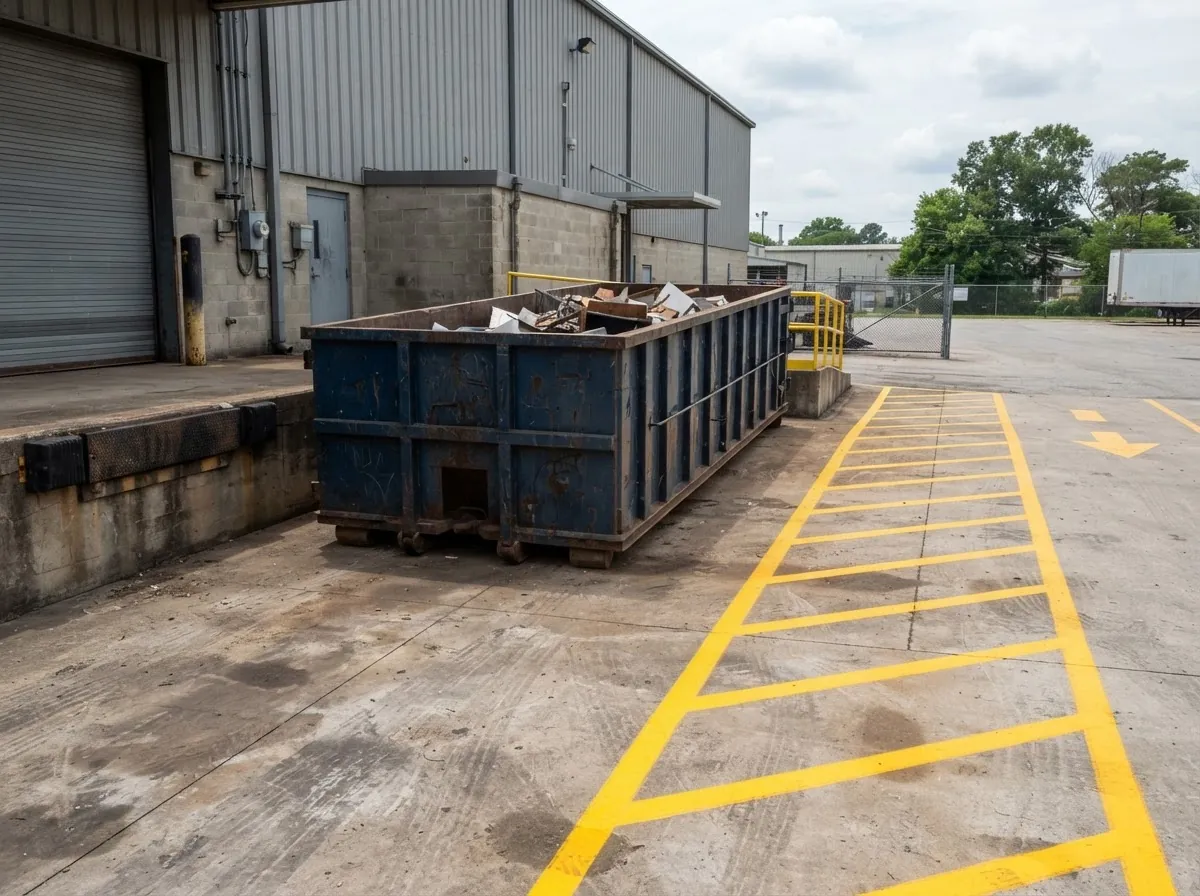
Warehouse & Distribution
Cutting Waste Costs in Warehouse & Distribution
We automate your roll-off. You'll never run out of room. Fair price. Great service.
Why corrugate and film are mostly air, and what compaction does on a working dock.
To cut warehouse waste costs, stop paying trucks to carry air. Size the container for your volume, set the pull schedule to what is actually in the container, and work the air out of what is left, because on a dock the container fills long before the truck gets anywhere near its weight limit. Corrugate, stretch film and void fill are mostly empty space, and the hauling bill is written per trip.
Warehouse material is mostly cardboard, packaging and pallets, all of which compact well. That is also why so much of the spend on it can be avoided. American Compaction Services supplies 20, 30 and 40 yard roll-off containers to warehouses, distribution centers and fulfillment operations, and compacts them on site. This guide covers the arithmetic, what a dock actually throws away, the four levers and the limits.
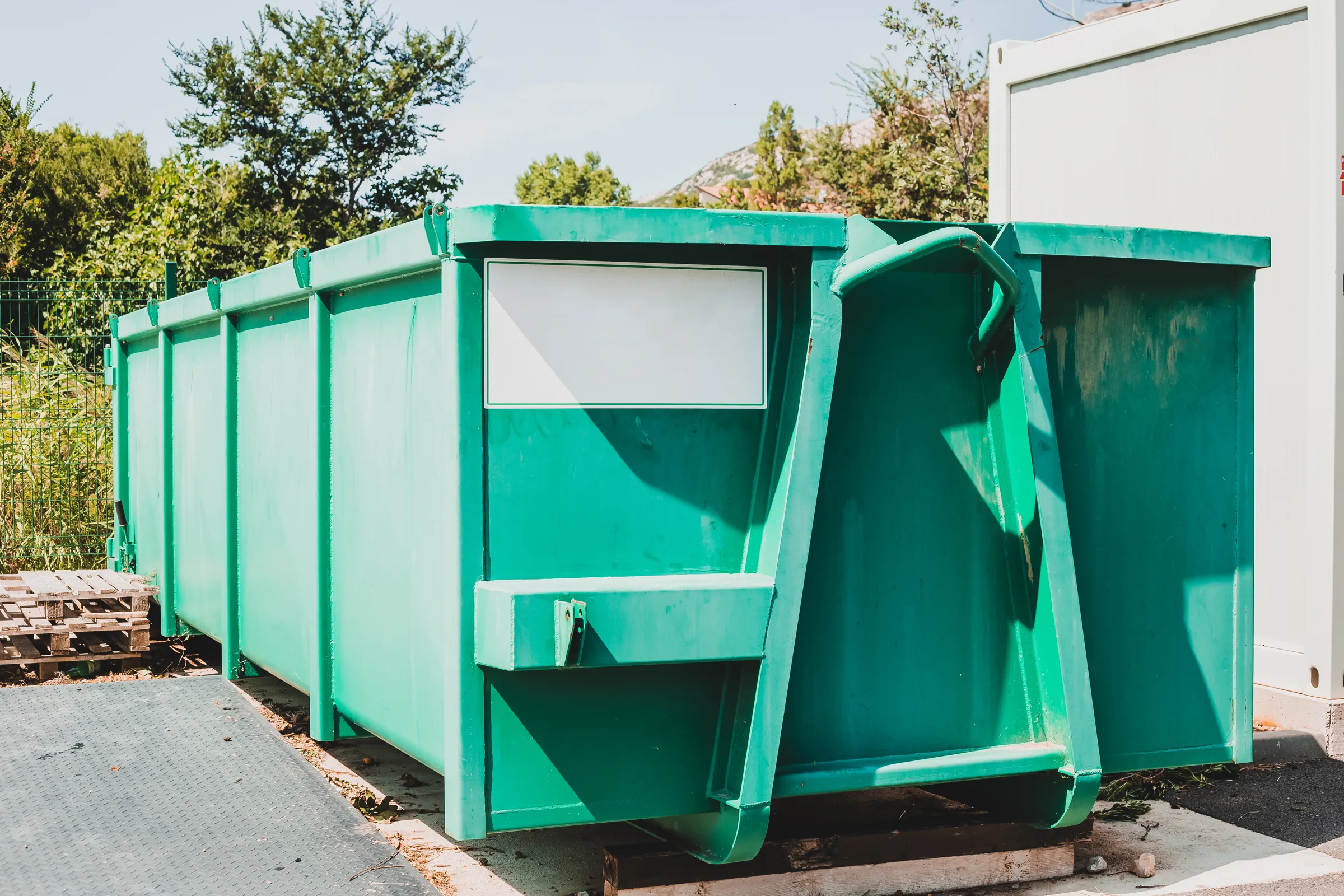
Quick Answer: What Cuts Warehouse Waste Costs
- 1
You're billed by the trip, not by the pound. A container of light packaging costs a full trip every time it goes.
- 2
Corrugate and film compress well. Cardboard, packaging and plastics compact well.
- 3
Up to 70% less volume.
- 4
Right-size before anything else. One container doing dock trash, returns and damaged goods at once is a common source of wasted pulls.
- 5
Fix the pull schedule. Standing weekly pickups set during peak tend to outlive it.
- 6
Fewer haul-offs, never zero. Compaction reduces haul-offs; it never eliminates them. A compaction visit is itself a visit.
- 7
Low-volume docks may not benefit. A container pulled once a month has few trips to cut.
The savings calculator runs the trip arithmetic on your own dock's numbers. These results are estimates from the numbers you enter. They are not a quote, a promise or a guarantee.
Why Warehouse Waste Costs Are a Volume Problem
Every container has two ceilings: volume, which is the walls, and weight, which is what the loaded truck can legally carry. On a dock, a loose load essentially never reaches the weight ceiling. Most “full” dumpsters are full of air, and on a dock most of that air is uncollapsed cartons, film that springs back and void fill that was designed to be air.
A loose container that looks full is mostly air. Compaction can reduce volume by up to 70%, depending on the material.
That air shows up on the bill. A waste bill has three parts: per trip, per ton and the monthly rental. The trip charge is the only line that really moves. The saving is in fewer pickups on the same waste. On a dock, each of those trips is a full truck run spent moving a container that is largely air.
Manufacturing and distribution facilities generate high volumes of bulky, low-density waste. Without compaction, dumpsters fill quickly, hauls increase, and valuable yard space gets tied up in extra roll-offs.
How Businesses Cut Roll-Off Haul Costs covers the trip arithmetic for any business. This guide runs it through a dock.
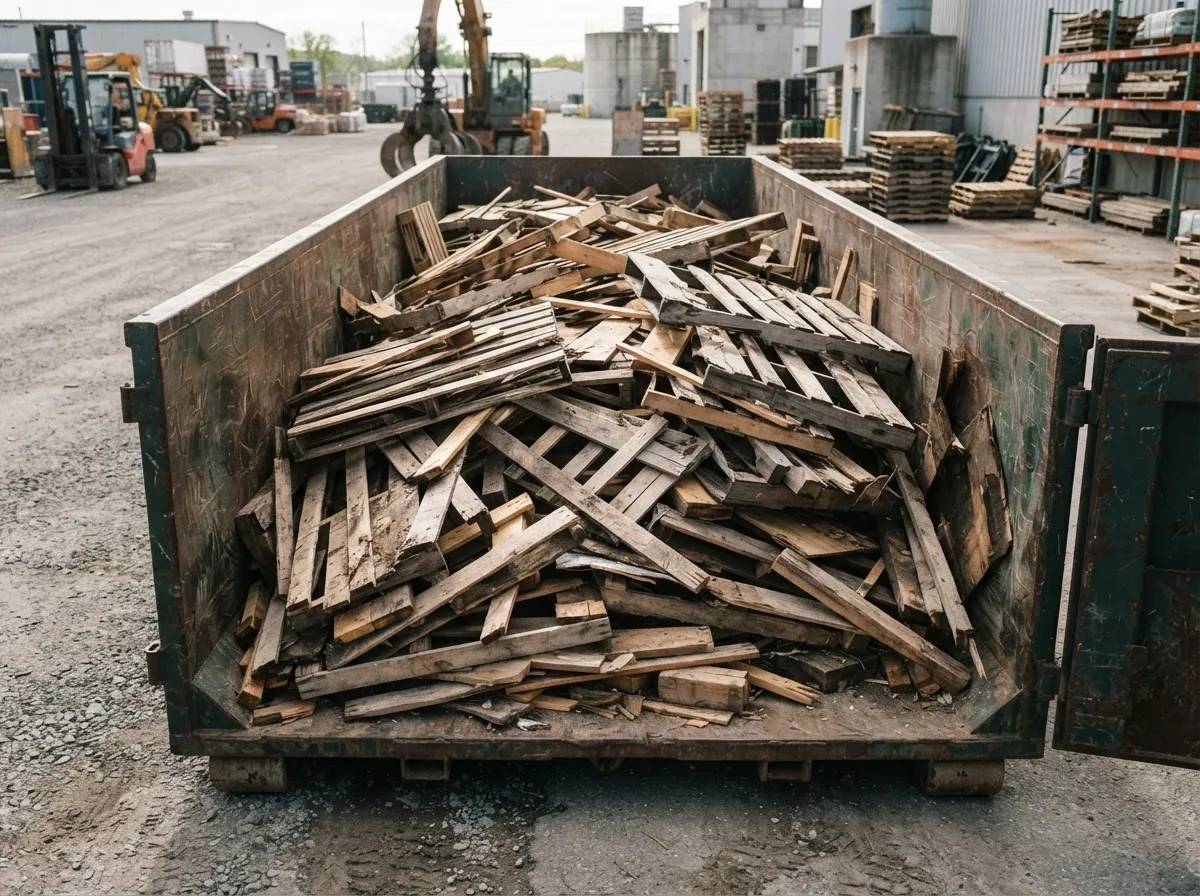
What a Distribution Center Actually Throws Away
A dock produces several streams, and they do not behave alike. American Compaction Services looks at each one before recommending a container or a schedule.
| Warehouse stream | Why it fills the container | How it responds to compaction |
|---|---|---|
| Inbound corrugate, cartons, slip sheets | Nested, uncollapsed boxes are almost entirely air | Compacts well |
| Stretch film, pallet wrap, banding, strapping | Springs back and bridges; takes far more room than its weight | Strong |
| Void fill: air pillows, foam, kraft paper, dunnage | Purpose-built to be air | Strong |
| Damaged goods and unsellable returns | Odd shapes with packaging still on; leaves voids | Good, once packaging is separated |
| Broken pallets and wood dunnage | Rigid, awkward, stacks badly | Pallets and wood compact well |
| Mixed dock and break-room trash | Bagged air | Good |
| Wet or contaminated returns | Weight climbs, volume does not | Limited; watch the load |
Most of a dock's output sits in the top half of that table. The rows to watch are the last two: pallets that take room without giving much back, and wet returns that turn a volume load into a weight load.
How Much Room Comes Back on a Dock
Compaction can reduce volume by up to 70%, depending entirely on the material. It is never a guarantee.
| Material | Compaction |
|---|---|
| Cardboard and packaging | Compacts well |
| Plastics | Compacts well |
| Pallets and wood | Compacts well |
| Furniture and bulky commercial waste | Compacts well |
| Light construction debris | Compacts well |
| Concrete, masonry and roofing shingles | Never compacted |
| Red iron, liquids and hazardous waste | Never compacted |
Corrugate, cartons, packaging, pallets and wood dunnage all compact well, so a typical dock container is a strong fit. Compaction helps reduce waste volume by up to 70% depending on the material. Compaction visits between pulls are set by your fill rate, and the visits follow the fill rate up at peak.
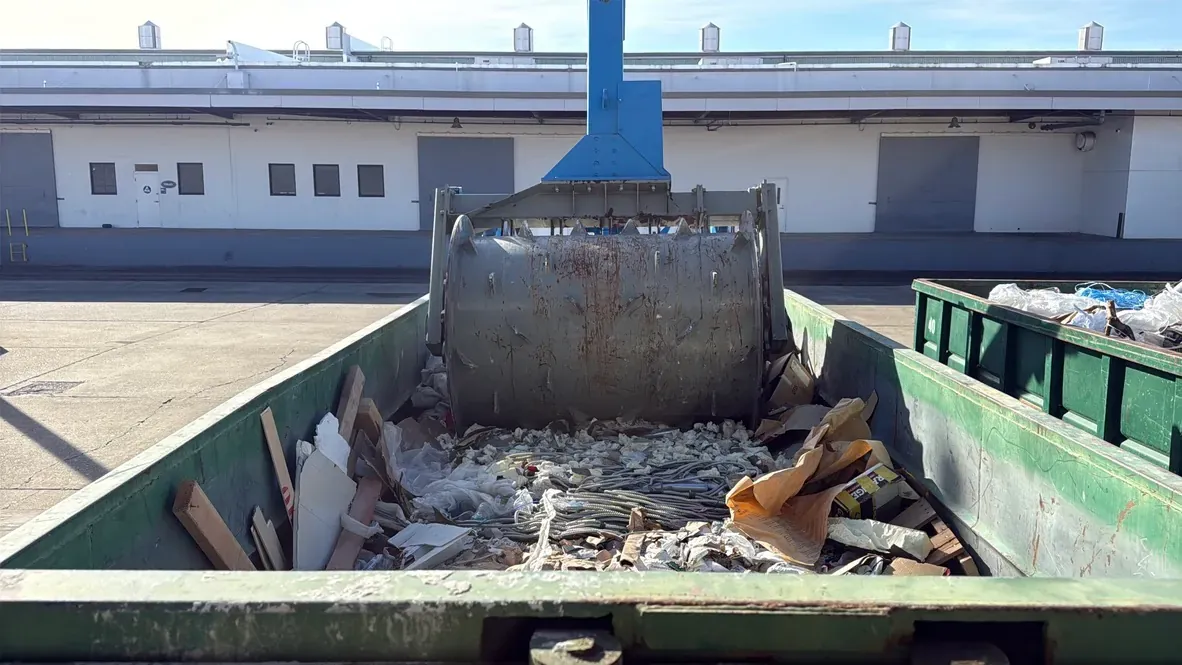
American Compaction Services works the container where it sits: it is not hooked or moved, and the dock keeps running around the visit.
Four Levers That Cut Warehouse Waste Costs
1. Right-size for the volume
2. Break down what breaks down
3. Match the pull schedule to what is in the container
4. Remove the air that is left
When Compaction Won't Cut Warehouse Waste Costs
American Compaction Services says so on site when the answer is no.
Your containers already leave full
If the general container genuinely leaves full, there is little room left to recover.
The dock is quiet
A container pulled once a month has very few trips to cut, and the arithmetic rarely justifies a visit.
What is left is dense
Wet returns and heavy product gain little from a compaction visit.
And the standing honesty rule: Compaction reduces haul-offs; it never eliminates them. A compaction visit is itself a visit. What changes is that a short on-site visit happens instead of a haul-off. If it won't move your number, we'll tell you on the spot.
Where You Are Changes the Number
A dock's waste behaves the same way everywhere. The bill around it changes from one market to the next.
Freight calendars
Some markets run on retail peak; others add harvest and produce seasons, plant shutdowns or the rhythm of a nearby port or rail yard. The schedule has to follow the local calendar, not a national one.
Dock aprons and trailer yards
Older buildings tend to have tighter aprons and less trailer parking than newer ones, which decides where the container can sit and how the truck reaches it.
Distance and local rates
Every pull is a round trip from the dock to the disposal facility and back, and hauling and disposal rates are set locally. The same pull can cost differently in two places.
Service details and quotes are confirmed for the market and the individual site.
Each live market has its own page with the local detail.
American Compaction Services' Take
Warehouse and distribution is a stream where the material does a lot of the work for us. Corrugate, film and void fill are mostly air, and they give it up readily. A stream this cooperative deserves a careful look rather than an enthusiastic one.
Often the conversation is about the container nobody has looked inside in a year, and it starts with the schedule, because a cadence set at peak tends to keep running long after it. The rule we hold ourselves to: measure it on your material, count your own pulls, and change the schedule before changing anything else.
— American Compaction Services
How American Compaction Services Can Help
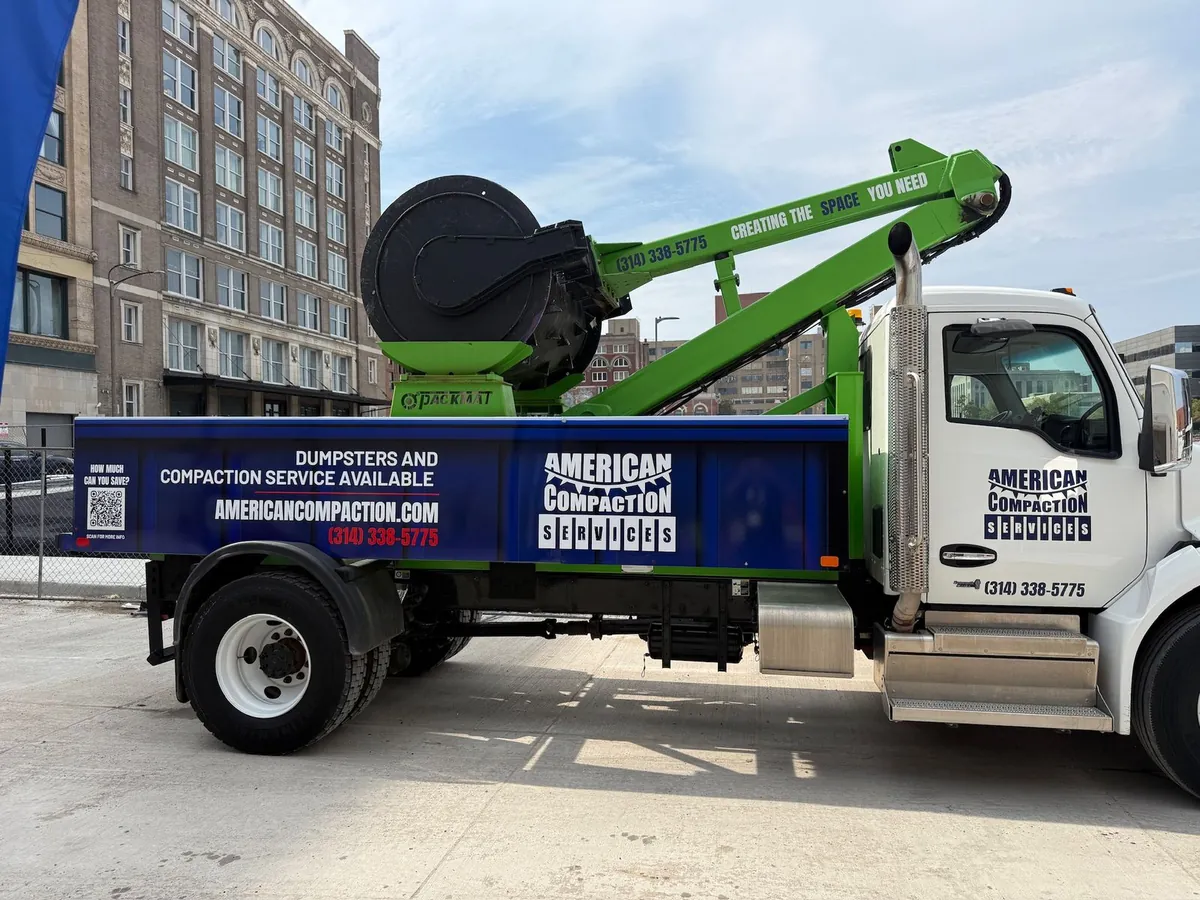
American Compaction Services works with warehouses, distribution centers, fulfillment operations and third-party logistics providers. Every account is a business. We do not rent to homeowners.
ACS provides waste management through dumpster rental and on-site compaction. If your hauler already has a container on your dock, keep it and keep your hauler: we compact what is in it. No contract to sign: no exclusivity, no minimum, no term.
The warehouse and distribution dumpster rental page covers sizes by stream, the dock and peak season. How Businesses Cut Roll-Off Haul Costs covers the trip arithmetic, and the savings calculator runs it on your own numbers.
Free on-site demo: we compact one of your own containers while you watch. The demo carries no obligation and is photographed before and after. If it isn't a fit, we tell you on the spot. You see how far your own mix compresses and whether the container was as full as it looked.
Frequently Asked Questions About Cutting Warehouse Waste Costs
See What Is Actually in Your Container
Tell us what your dock throws away and how often the container is pulled today. American Compaction Services will look at the schedule before the container and show you, on your own dock, how much of the load is air. The on-site demo is free.
With roll-off, every haul is a call. With American Compaction Services, nobody has to call.
We set you up on a schedule and we compact on site. Dumpsters and compaction. All handled.
You already pay for dumpster space. Compaction lets you use more of it.
Getting started takes four details
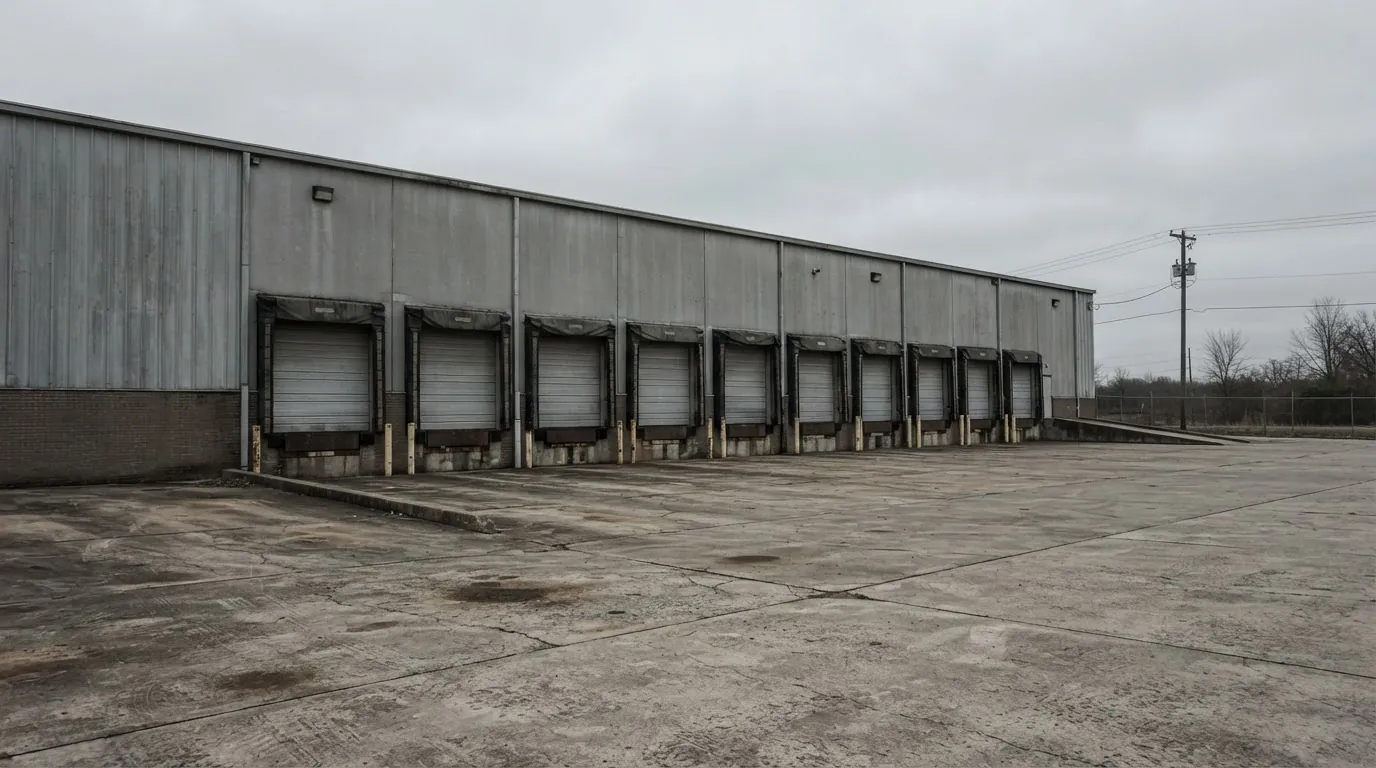
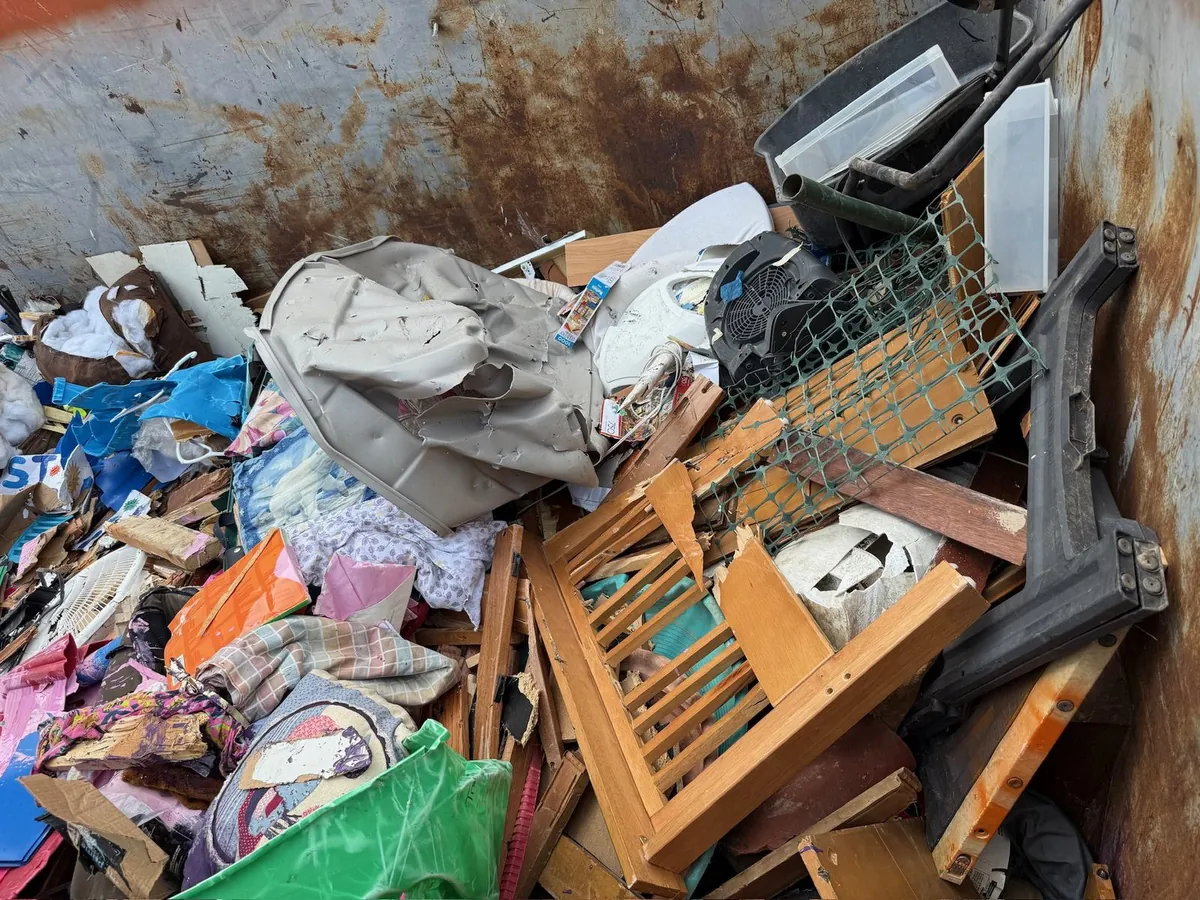
- A photo of your dumpster and the space around it
- Your location
- What goes in the box
- The container size, if you know it
They help us plan for site access and match compaction service to your site.
We will prove it. Call or text (877) 651-7660.