

Retail & Restaurants
Cutting Waste Costs for Retail & Restaurants
We automate your roll-off. You'll never run out of room. Fair price. Great service.
Why stores and kitchens pay to haul air, the four levers that cut the bill, and where compaction helps and where it doesn't.
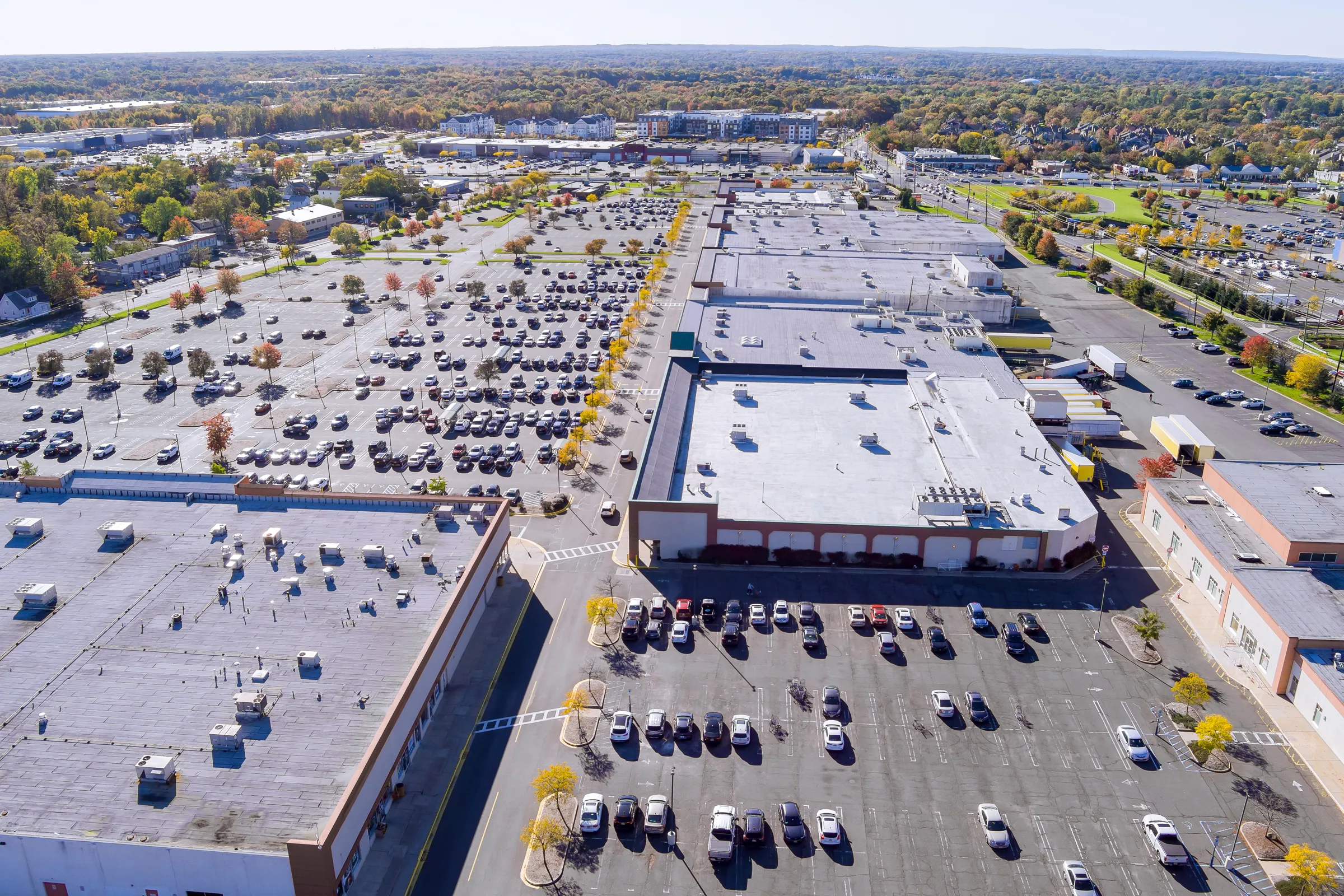
To cut restaurant waste costs, and a store's, take the air out of the container instead of scheduling more pickups. Storefront and kitchen waste is high-volume and light: corrugated boxes, case packaging, film, cups and produce crates fill the container long before it gets heavy, and every pull is billed as a full trip. Right-size the container, fix the schedule to the fill rate, and work the air out of what is left.
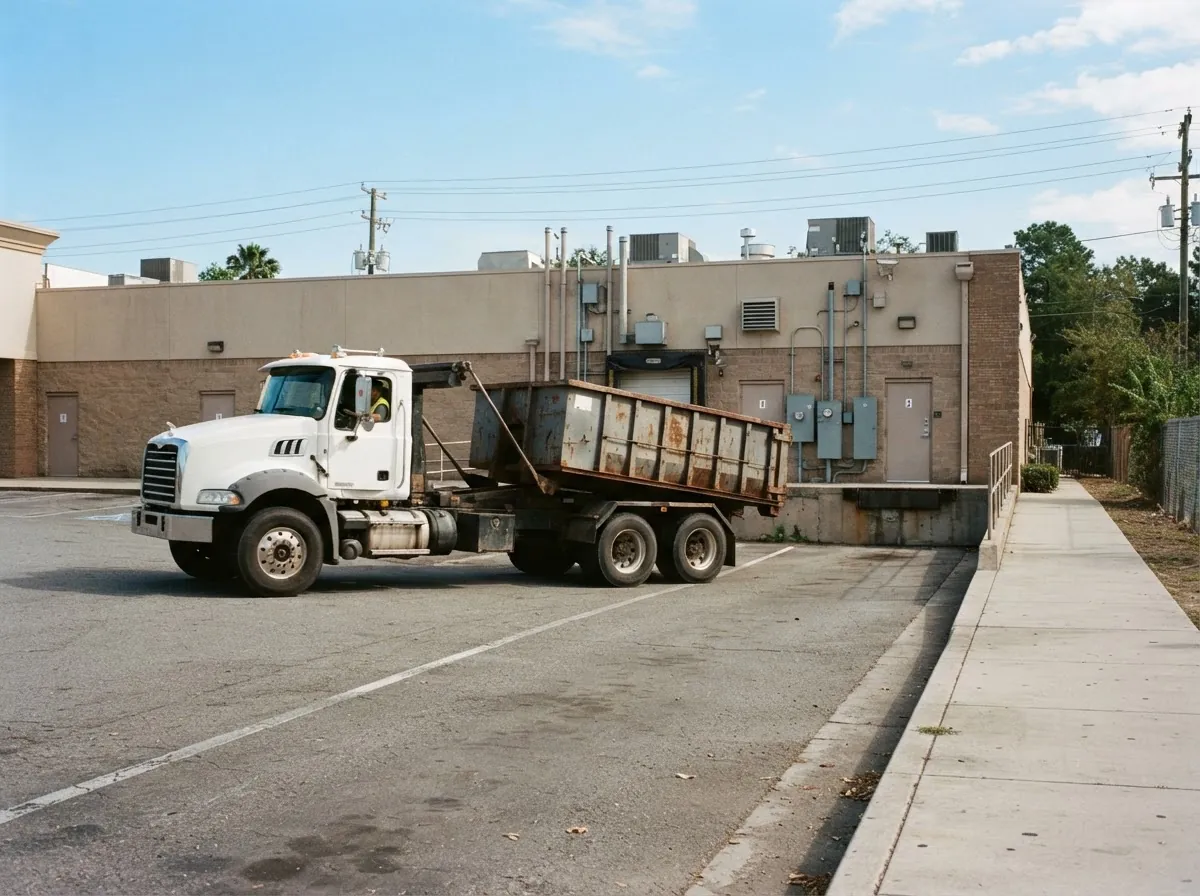
A busy store can pay for as many pulls as a far heavier operation, because its container fills on volume, not weight. American Compaction Services supplies 20, 30 and 40 yard roll-off containers to stores, restaurants and the centers they trade in, and compacts them on site. ACS provides waste management through dumpster rental and on-site compaction.
Quick Answer: How to Cut Restaurant Waste Costs
- 1
The volume is steady, and it is volume, not weight. It arrives every day, tied to deliveries and the dinner rush.
- 2
You're billed by the trip, not by the pound. A half-empty container pulled on schedule is still a full trip on the invoice.
- 3
Most “full” dumpsters are full of air. Uncollapsed cartons and film that springs back are most of the reason.
- 4
Right-size before anything else. A small container pulled constantly can cost more than a larger one on a schedule that matches its fill rate.
- 5
Fix the pull schedule to the fill rate, not to a calendar set when the store opened.
- 6
Cardboard and packaging compact well, up to 70% less volume, depending on the material.
- 7
Kitchens that mix food into the container land lower. How much space comes back depends on the material.
- 8
Compaction reduces haul-offs; it never eliminates them. A compaction visit is itself a visit, and the free demo shows what yours would do.
The savings calculator runs the trip arithmetic on your own store's numbers. These results are estimates from the numbers you enter. They are not a quote, a promise or a guarantee.
You Are Paying for Air, Not Weight
A waste bill has three parts: per trip, per ton and the monthly rental. The trip charge is the only line that really moves. The trip line repeats every time a truck comes to your address, full container or not, and a container that reads "full" from the back door is often mostly space.
A loose container that looks full is mostly air. Compaction can reduce volume by up to 70%, depending on the material. The table puts the loose container and the worked one side by side.
| Loose 40-yard | 40-yard worked between pulls | |
|---|---|---|
| What fills it | Material plus trapped air | Mostly material |
| Cardboard-heavy stream | Fills fast, leaves light | Compacts well |
| Mixed store and kitchen waste | Fills fast, leaves light | Up to 70% less volume, depending on the material |
| Compaction visits between pulls | None | Set by your fill rate |
Those figures are what the equipment can do on the right material, not a promise, and the truck's legal payload still ends every load. How Businesses Cut Roll-Off Haul Costs walks through the trip arithmetic for any business in more detail.
Why Retail and Restaurant Waste Costs Behave Differently
A jobsite's waste is lumpy: little for a week, then a truckload. A store's or a kitchen's arrives every day, in the same shape, on the delivery calendar. That predictability is good news for cost control, because a steady stream can be sized and scheduled accurately. It also means a bad container arrangement costs you every week of the year, not once per job.
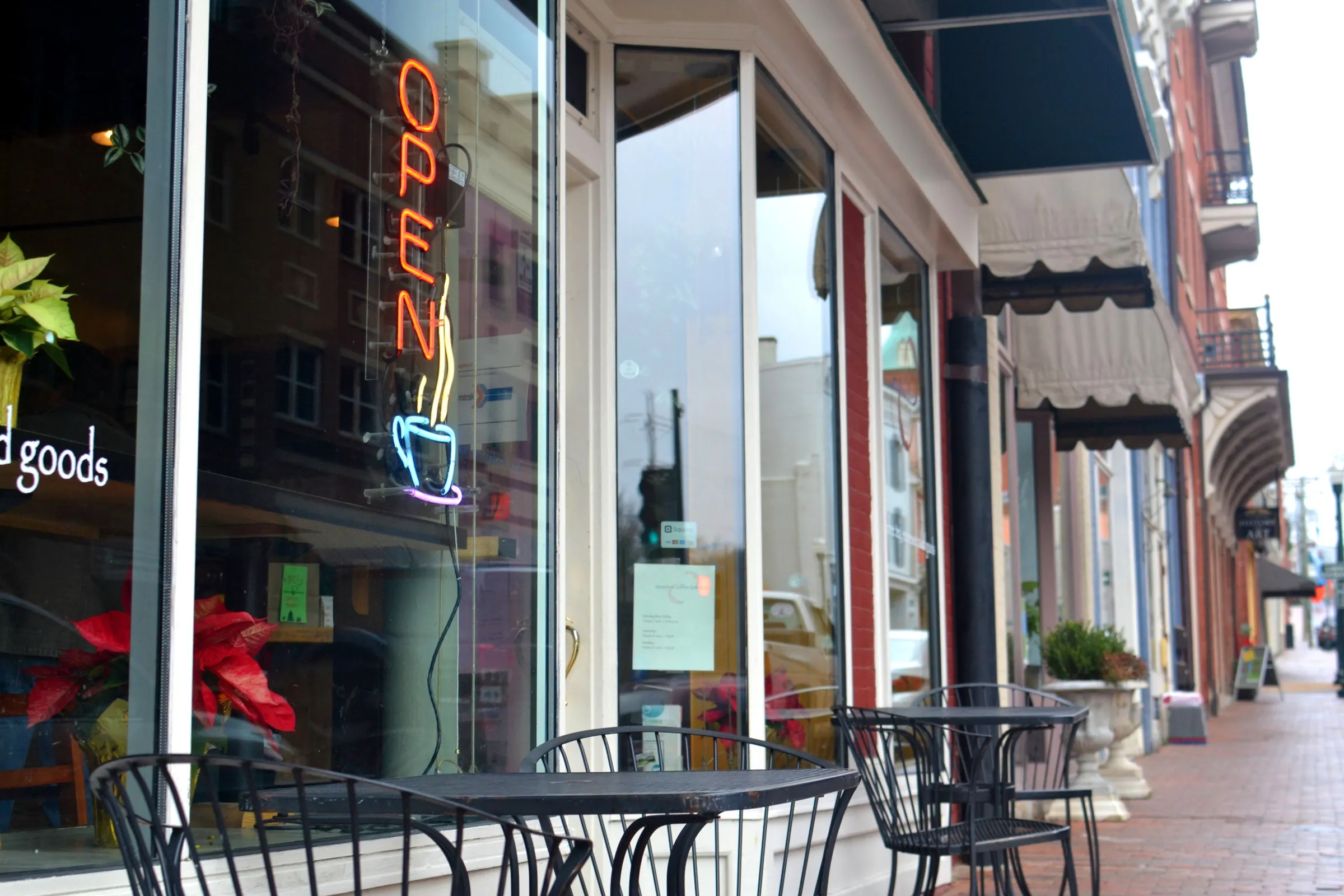
The spot is different too. A store or restaurant usually has one enclosure, often shared with neighboring tenants, in view of the people it is trying to serve. More capacity usually has to come from the load, not from a second container.
American Compaction Services looks at the stream before the container, and a store or kitchen stream breaks down like this.
| Store or kitchen stream | Why it fills the container | How it responds to compaction |
|---|---|---|
| Freight corrugate and cartons | Nested, uncollapsed boxes are mostly air | Compacts well |
| Film, wrap and banding | Springs back and bridges; takes far more room than its weight | Strong |
| Cups, takeout and display packaging | Light, rigid shapes that leave voids | Good |
| Back-of-house and break-room trash | Bagged air | Good |
| Kitchen waste with food mixed in | Weight climbs with moisture; volume does not | Less: food adds weight, not air |
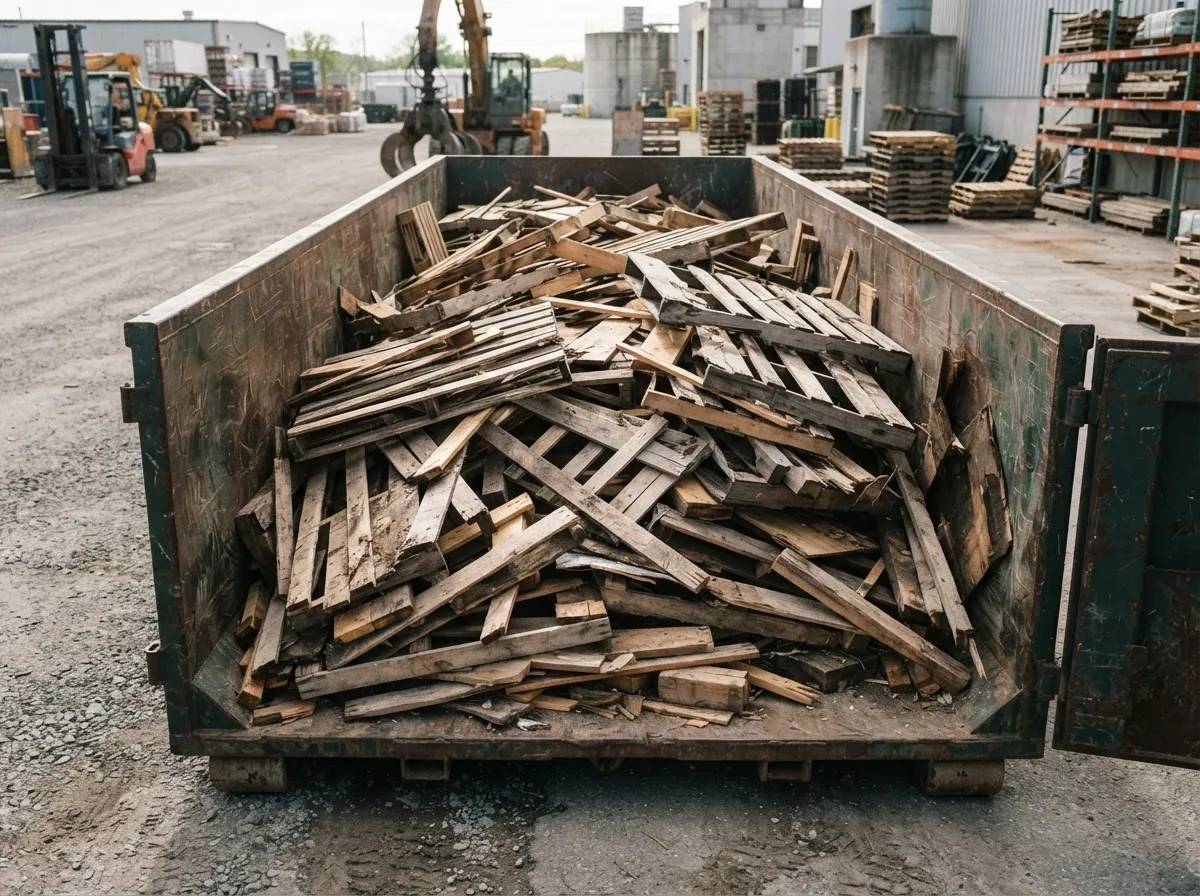
| Produce crates and broken pallets | Rigid and awkward; stacks badly | Pallets and wood compact well |
Read down the right-hand column and a store's everyday stream compacts well. The kitchen row is the one that holds a restaurant's blend back.
What Compaction Looks Like at a Customer-Facing Site
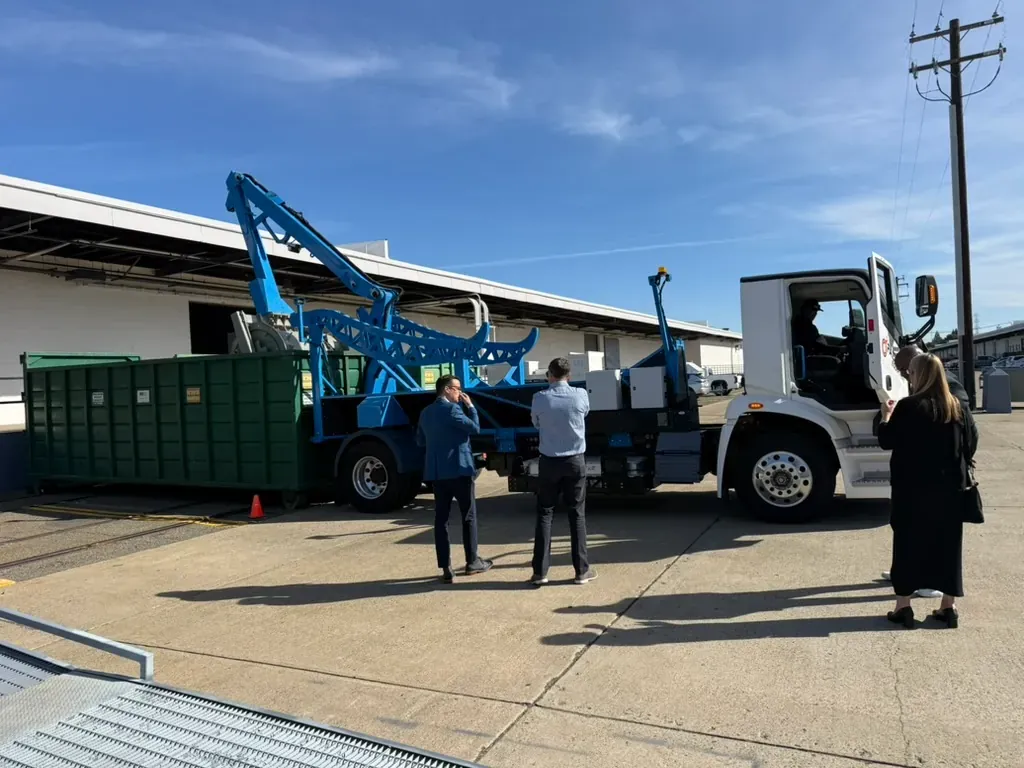
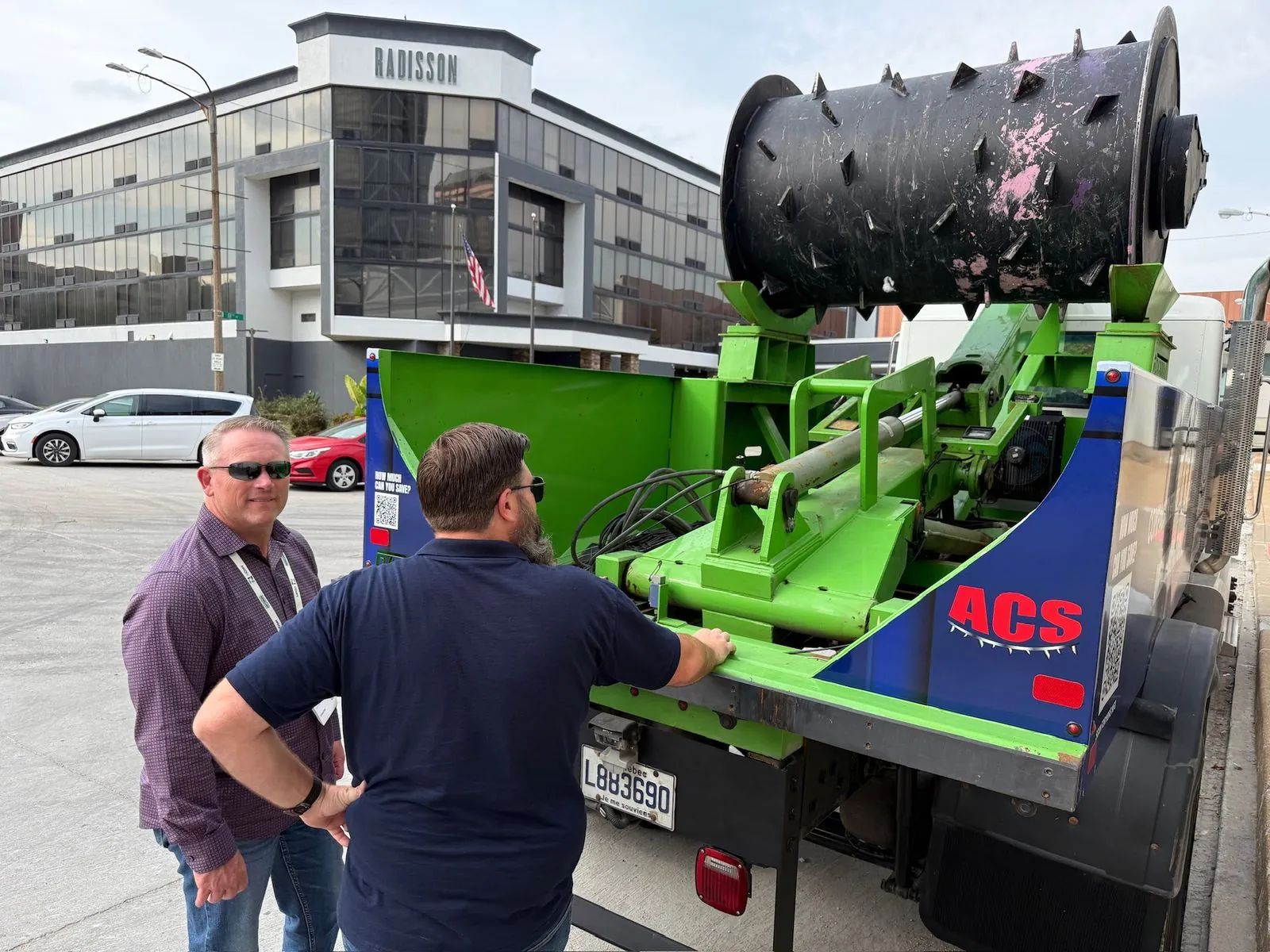
The visit is built for a site with customers on it. The unit sets up beside the enclosure, the operator inspects the container, the drum works the load down where it sits, and the container is inspected again. Every visit includes a before-and-after inspection with photo documentation. The container stays where it is.
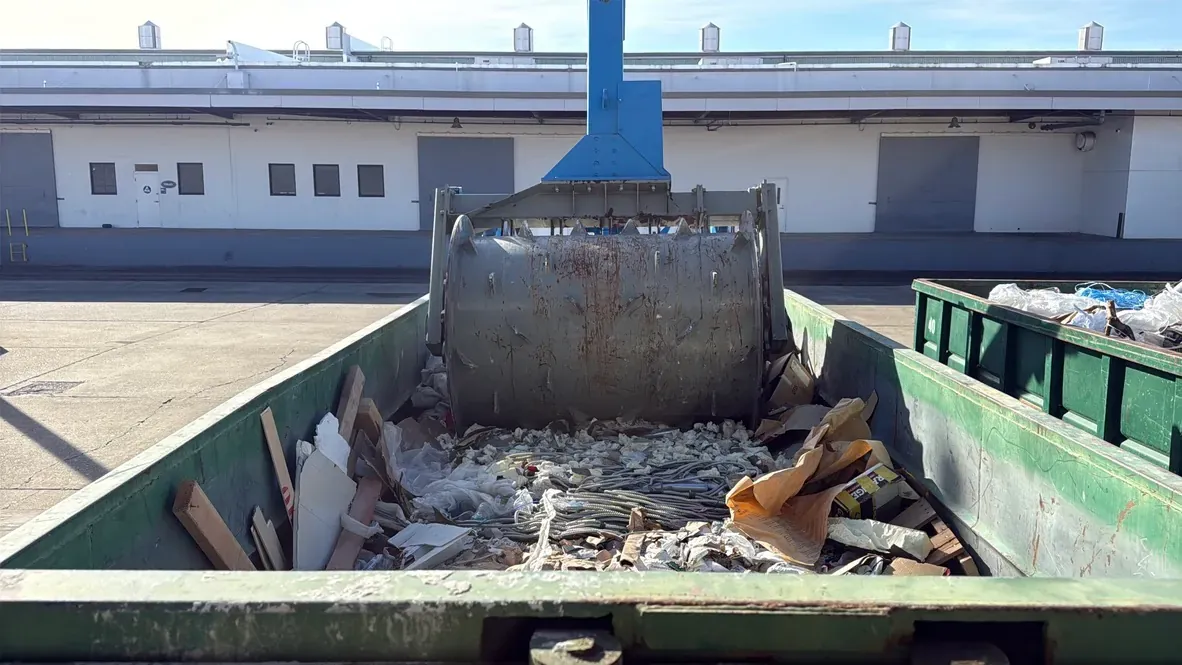
A heavy steel drum, narrower than the container, works the load down and never touches the walls. The drum works on its own weight, with no hydraulic down-force. Our operators run a zero-touch policy: nothing is dragged out of the enclosure, and nobody on your staff handles anything.
American Compaction Services books visits around the business: before prep or after close for a restaurant, outside the center's delivery window for a retail tenant. The container stays where it is, and the result customers see is a lower, tidier enclosure.
How Much Volume Comes Back, by Material
Compaction can reduce volume by up to 70%, depending entirely on the material. It is never a guarantee.
| Material | Compaction |
|---|---|
| Cardboard and packaging | Compacts well |
| Plastics | Compacts well |
| Pallets and wood | Compacts well |
| Furniture and bulky commercial waste | Compacts well |
| Light construction debris | Compacts well |
| Concrete, masonry and roofing shingles | Never compacted |
| Red iron, liquids and hazardous waste | Never compacted |
A store's everyday stream is mostly cardboard and packaging: corrugated, cartons and wrap, which compact well. A kitchen mixing food into the same container compacts less well, and remodel debris with concrete, masonry or shingles belongs in a container of its own. Compaction helps reduce waste volume by up to 70% depending on the material. Compaction visits between pulls are set by your fill rate.
Four Levers That Cut Restaurant and Store Waste Costs
1. Right-size the container
2. Load it deliberately
3. Match the pull schedule to reality
4. Remove the air
When Compaction Won't Cut Restaurant Waste Costs
American Compaction Services would rather say this at the demo than after a schedule is set.
The container already leaves heavy
A food-heavy kitchen container can reach its weight before it looks full. The air is not what you are paying for.
There is little schedule left
A store already down to one pull a month has few trips to cut.
Food waste sets the pull schedule
Where a food-heavy container has to leave on a fixed cadence, the pulls stay where they are and the gain is smaller.
And the standing honesty rule: Compaction reduces haul-offs; it never eliminates them. A compaction visit is itself a visit. What changes is that a short on-site visit happens instead of a haul-off. If it won't move your number, we'll tell you on the spot.
Where You Are Changes the Number
A store's waste behaves the same way everywhere. The bill around it changes from one market to the next.
How retail is laid out
In some markets, stores and restaurants cluster in shared centers along arterial roads; in others, they line older streets with alley service. The layout decides where a container can sit, who shares it and how the truck reaches it.
What the local haulers accept
Whether food waste and cardboard can leave separately depends on what the haulers and receiving facilities in your market take.
Distance, rates and seasons
Every pull is a round trip to the disposal facility, hauling and disposal rates are set locally, and holiday and seasonal trade peak on different calendars in different places.
Service details and quotes are confirmed for the market and the individual site.
Each live market has its own page with the local detail.
American Compaction Services' Take
Retail and restaurant waste is a volume problem wearing a scheduling costume. The material is light, steady and predictable, which means the container arrangement can be set accurately. Often it has not been looked at since the store opened.
The fix starts with the things that cost nothing: flatten the boxes, check the schedule against what is actually in the container, and size for the fill rate. Compaction comes after that, and the way to judge it is on your own container. Start with the free demo rather than a contract.
— American Compaction Services
How American Compaction Services Can Help
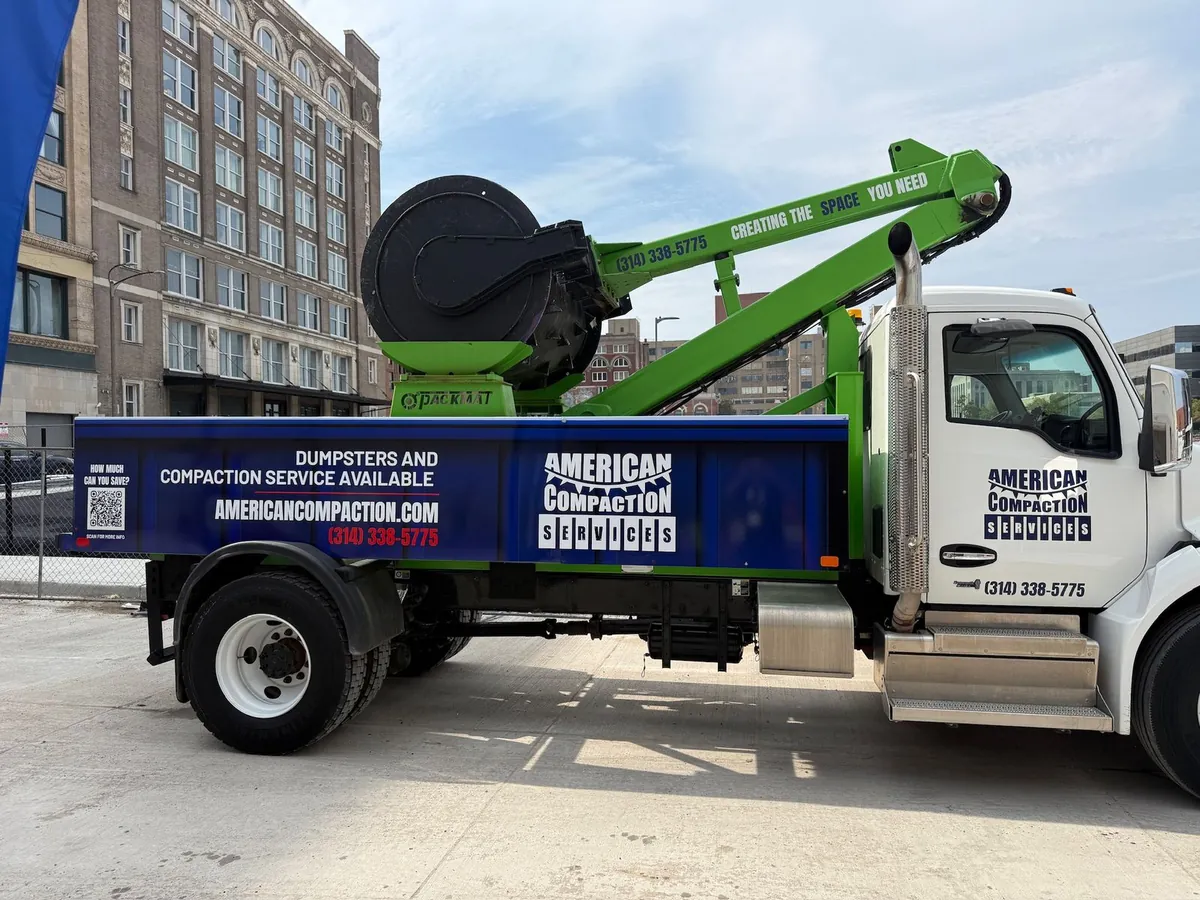
American Compaction Services works with store operators, grocers, restaurant groups and the owners and managers of the centers they trade in. Every account is a business. We do not rent to homeowners.
ACS provides waste management through dumpster rental and on-site compaction. If your hauler already has a container in your enclosure, keep it and keep your hauler: we compact what is in it. No contract to sign: no exclusivity, no minimum, no term.
The retail and restaurant dumpster rental page covers placement behind a customer-facing business, sizes and what goes in a store or kitchen container. How Businesses Cut Roll-Off Haul Costs covers the trip arithmetic, and the savings calculator runs it on your own numbers.
Free on-site demo: we compact one of your own containers while you watch. The demo carries no obligation and is photographed before and after. If it isn't a fit, we tell you on the spot. The demo is booked for a time that misses your service.
Frequently Asked Questions About Cutting Restaurant and Retail Waste Costs
See It on Your Own Container
The demo costs nothing and is booked for a time that misses your service. Tell us what goes out the back door, how often the container is pulled and where it sits, and American Compaction Services will tell you honestly whether compaction changes your numbers.
With roll-off, every haul is a call. With American Compaction Services, nobody has to call.
We set you up on a schedule and we compact on site. Dumpsters and compaction. All handled.
You already pay for dumpster space. Compaction lets you use more of it.
Getting started takes four details
- A photo of your dumpster and the space around it
- Your location
- What goes in the box
- The container size, if you know it
They help us plan for site access and match compaction service to your site.
We will prove it. Call or text (877) 651-7660.