

Property Management
Cutting Waste Costs for Property Managers and Associations
We automate your roll-off. You'll never run out of room. Fair price. Great service.
Turnover season, surge planning, one account across every property, and absorbing peaks without extra pulls.
To cut property management waste costs, cut pickups. Size and schedule each property for its everyday baseline, plan the turnover surges from the lease calendar before they arrive, and keep a way to absorb a peak in the container you already have instead of paying for an unplanned pull. On a managed portfolio, the surges, not the baseline, decide what the year costs.
This guide is written for whoever holds the account: property management companies, ownership groups, HOA and condo associations, commercial landlords and the facility teams behind office parks and retail plazas. American Compaction Services supplies 20, 30 and 40 yard roll-off containers to those accounts and compacts them on site. The account is always the business or the association; we do not rent to homeowners.

Quick Answer: What Cuts Property Management Waste Costs
- 1
You're billed by the trip, not by the pound. Every unplanned pull is a full truck trip against a budget that did not plan for it.
- 2
The baseline is not the problem. The surges are. Turnovers cluster around lease dates, and a lot of a portfolio's unplanned pulls trace back to weeks that were on the calendar all along.
- 3
Sizing up for good is an expensive fix. A larger container holds a tenant-facing space all year to cover a few busy weeks.
- 4
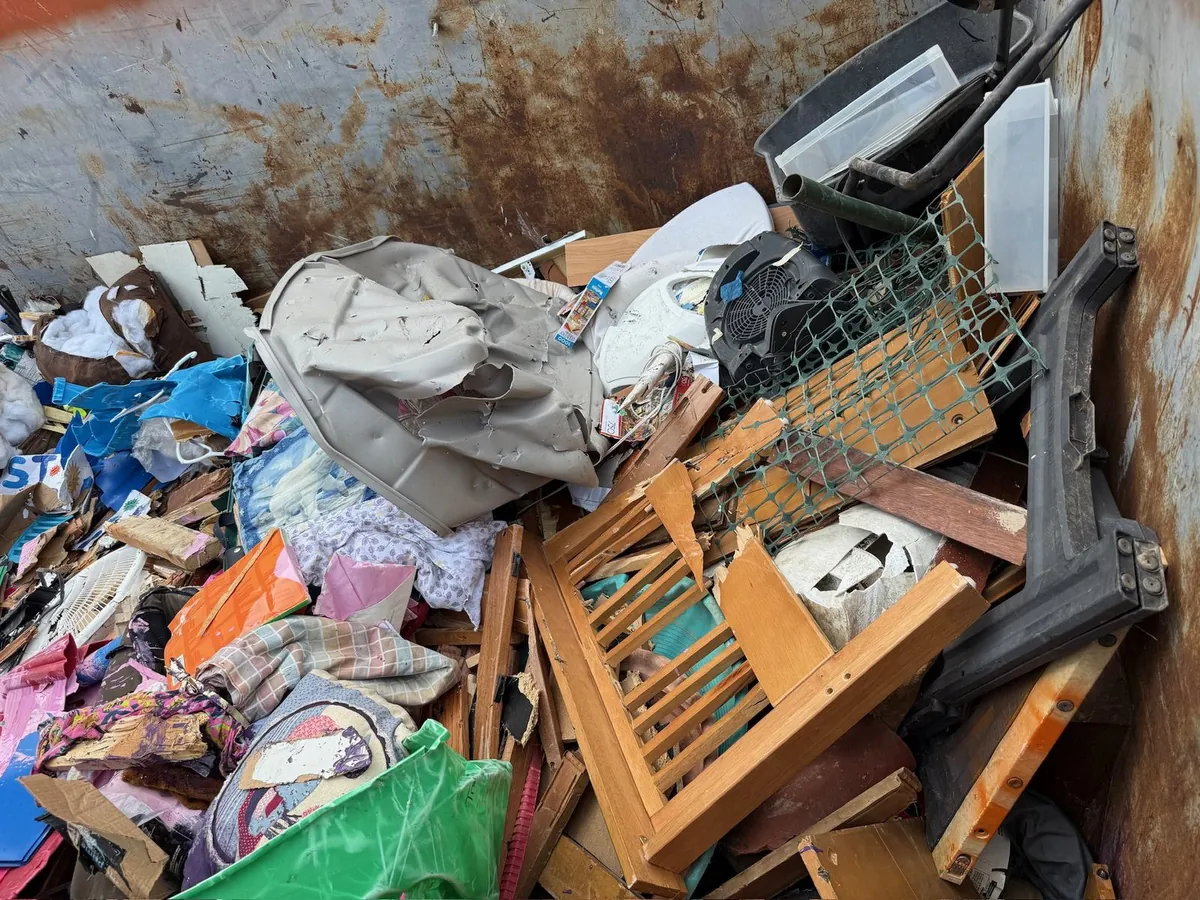
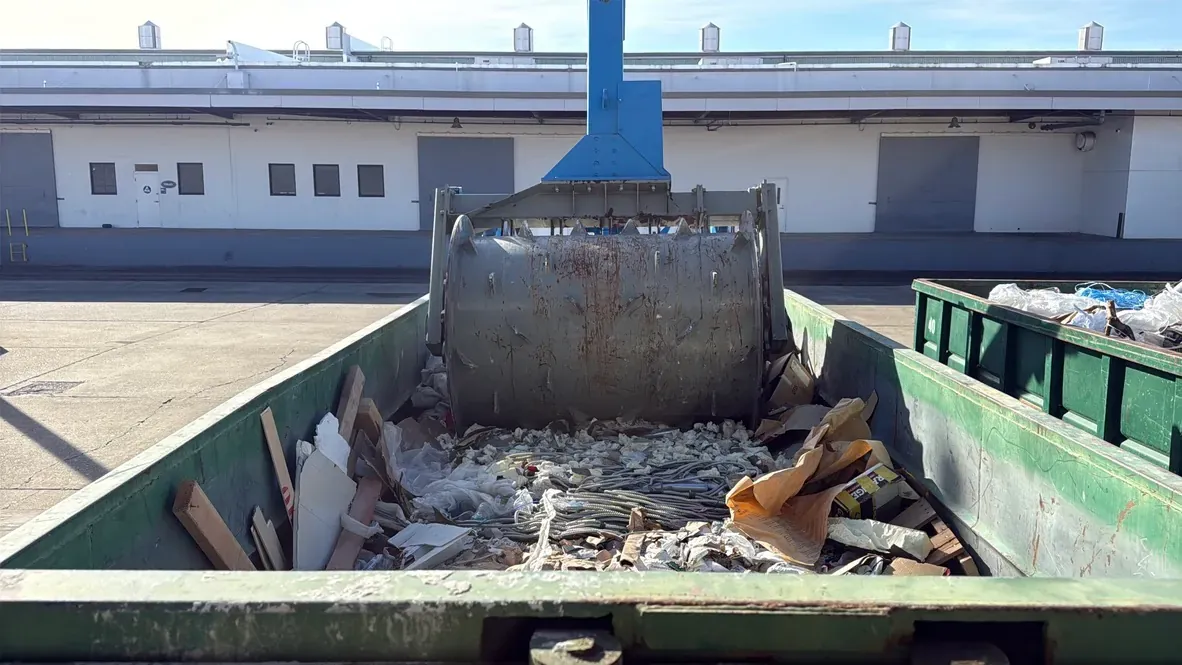
Turnover waste is mostly air. Furniture, carpet and pad, blinds and move-in cardboard go in whole and leave voids.
- 5
Compaction absorbs a surge in place. A container worked between pulls still has room when several units turn at once.
- 6
One account makes a portfolio measurable. Each property keeps its own size, cadence and placement, and the pull counts sit side by side.
- 7
Presentation is a real cost. An overflowing container on a leasing-tour day never shows on the invoice, but the property pays for it.
- 8
Fewer haul-offs, never zero. Compaction reduces haul-offs; it never eliminates them. A compaction visit is itself a visit.
The savings calculator runs the trip arithmetic on one property's numbers. These results are estimates from the numbers you enter. They are not a quote, a promise or a guarantee.
Why Property Management Waste Costs Start With Trips
A waste bill has three parts: per trip, per ton and the monthly rental. The trip charge is the only line that really moves. Every pull is a driver, a truck, fuel, a scale ticket and a disposal run, whether the container was packed or half air. The saving is in fewer pickups on the same waste.
Managed-property waste is built to waste space: cabinet fronts, blinds, carpet rolled loose, furniture that does not stack and half-collapsed moving boxes. Cut your hauls in half during move-in and move-out. Up to 50% less volume.
The rhythm is different from a plant or a jobsite, too. A property runs a flat baseline all year, broken by bursts nobody can smooth out, and the container plan has to survive both. How Businesses Cut Roll-Off Haul Costs covers the trip arithmetic for any business; this guide applies it to a portfolio.
The Surge Absorber: Planning for the Peaks on Your Lease Calendar
None of these surges is an emergency if the plan expects it. Each one is a job the manager or the association schedules, with a date attached, and American Compaction Services plans the container around that date.
Apartment communities and managed properties often see sudden spikes in bulky waste during move-outs, renovations, cleanouts, and seasonal turnover. ACS helps property managers regain dumpster capacity quickly without waiting for another roll-off exchange.
Unit turnovers and suite refreshes
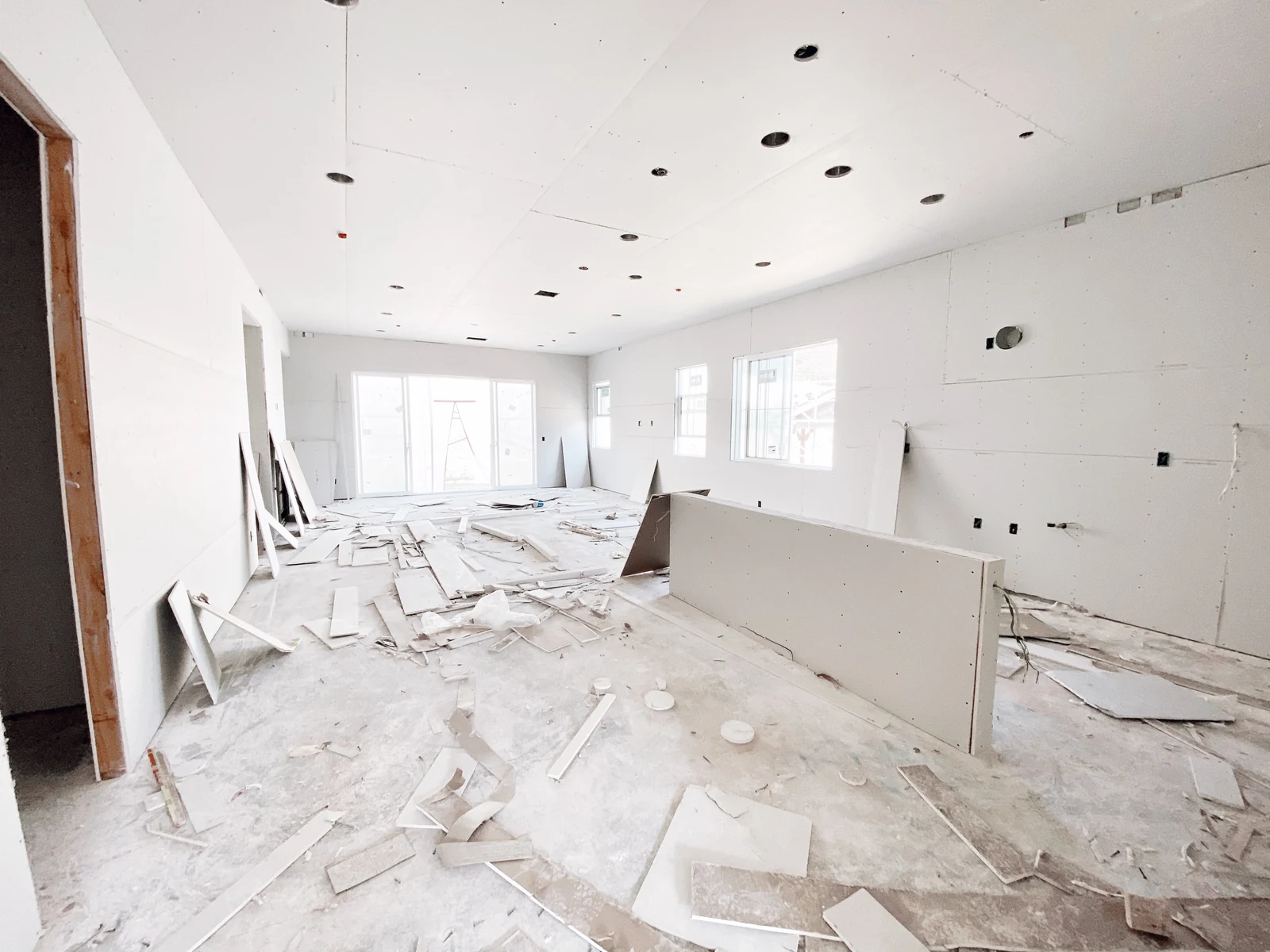
Carpet, pad, blinds, appliances, cabinet fronts and whatever was left behind. Turnovers cluster around lease dates, so the capacity can be planned months ahead instead of called in after.
Eviction cleanouts the manager schedules
A cleanout booked for a set date, once the unit is back in the property's hands. Furnished units produce more volume than they look like they will. The legal process belongs to your counsel, not to us.
Foreclosure and bank-owned cleanouts
Commissioned by the property manager or the asset manager handling the property: one visit, high volume and a hard date.
Common-area and capital projects
Clubhouse cleanouts, amenity refreshes, bulk-item days and lobby work, each booked with its own container before the work starts. Dense work, such as broken paving, is planned separately.
When a surge lands, the property has four possible responses. Three of them are real choices.
| Response to a surge | What it costs the property | When it is the right call |
|---|---|---|
| Order an unscheduled pull | A full truck trip against a budget that did not plan for it | Hard-deadline cleanouts |
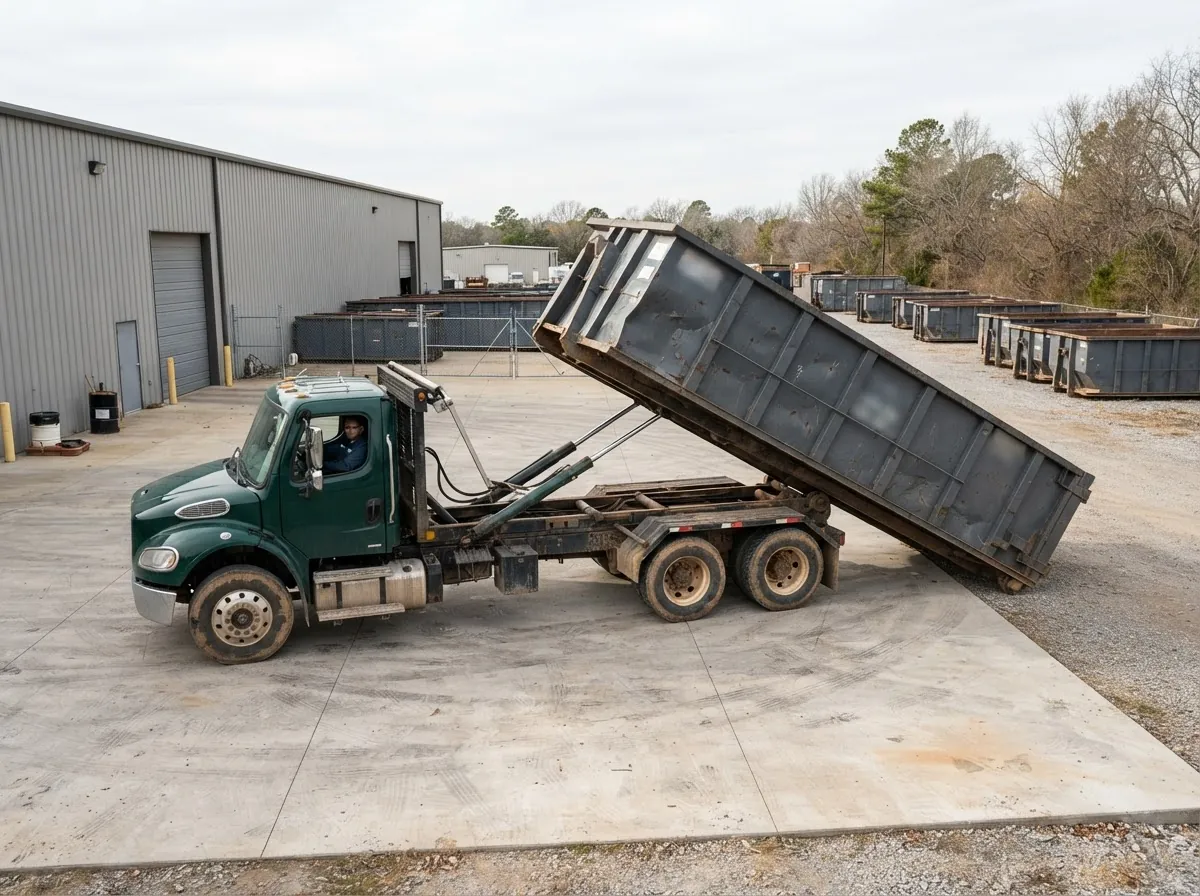
| Size up permanently | A larger container holding a tenant-facing space all year, and it needs pad room | Properties whose baseline actually grew |
| Compact the container in place | A short scheduled visit instead of a haul-off; same container, same pad | Loads with air in them, on properties that pull often enough to matter |
| Let it overflow | Debris beside the pad, tenant complaints and usually an extra pull anyway | Never |
That third row is the surge absorber. On an older property with one usable corral, sizing up is often not possible at all, and working the container in place is the capacity move that is left.
What Actually Compacts on a Managed Property
| Material | Compaction |
|---|---|
| Cardboard and packaging | Compacts well |
| Plastics | Compacts well |
| Pallets and wood | Compacts well |
| Furniture and bulky commercial waste | Compacts well |
| Light construction debris | Compacts well |
| Concrete, masonry and roofing shingles | Never compacted |
| Red iron, liquids and hazardous waste | Never compacted |
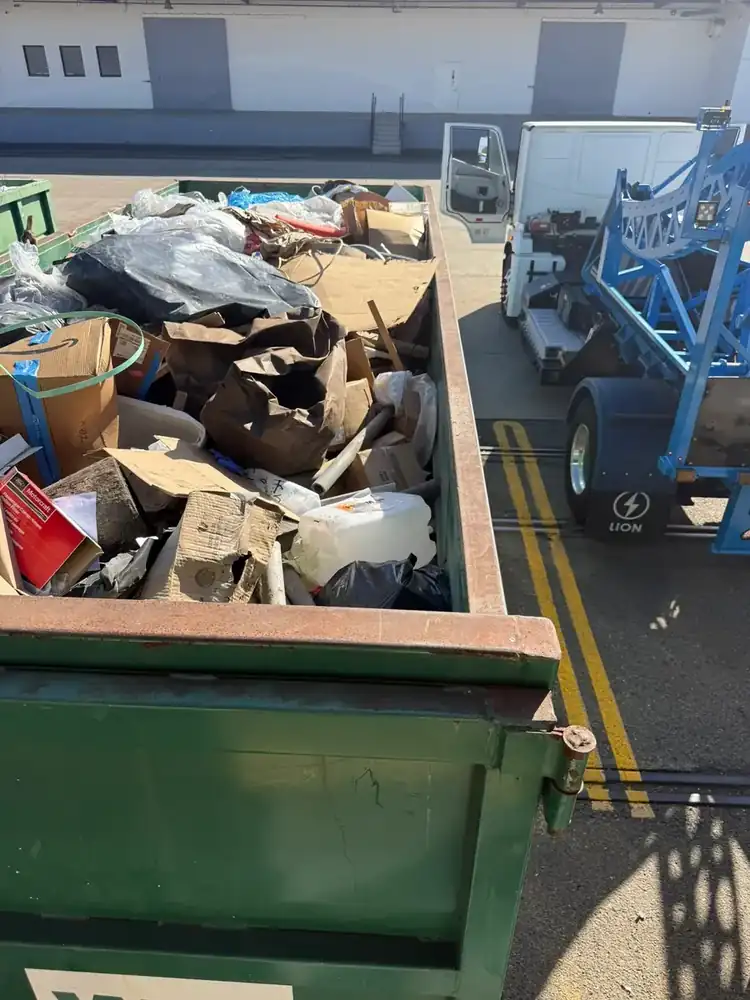
Where a property sits in that table depends on its mix. An office park's container, mostly cardboard and paper, is mostly material that compacts well, and so is move-in cardboard. Turnover debris with tile, plaster or cabinet carcasses in it lands with light construction debris. Furniture, carpet and other bulky items trap air when they go in whole, and the demo shows how far your own mix comes down. Compaction visits between pulls are set by your fill rate.
Four Levers That Cut Property Management Waste Costs
1. Right-size each property, not the portfolio
A large apartment community and a six-suite office building do not need the same container. Size each property for its own baseline, and check the pad, the approach and the overhead before anything grows. The property management dumpster rental page covers sizes property by property.
2. Fix the cadence to reality
Count last quarter's pulls per property and look inside each container before its next few pulls. A container that goes out half empty on a fixed day is a schedule problem, not a size problem, and correcting it costs nothing.
3. Schedule turn season from the lease calendar
The lease calendar shows which weeks will surge long before they arrive. Put the extra capacity, whether a temporary container, a planned pull or compaction visits, into those weeks in advance.
4. Remove the air
Compaction visits between pulls take the voids out of turnover debris and move-in cardboard, so the container already on the pad absorbs more of the surge. American Compaction Services times those visits ahead of the weeks your calendar concentrates.
One Account Instead of Separate Rentals
Portfolios grow one property at a time, and so do their waste arrangements: a different rental at each property, set up by whoever was managing it then. Three things tend to go wrong. Nobody can compare one property with another, because the numbers live on separate invoices. Every surge becomes a separate phone call. And the cadence at each property drifts, because nobody is looking at the whole.
American Compaction Services runs a portfolio as one account, with each property's size, cadence and placement recorded. Run that way, the portfolio becomes measurable: which property pulls far more often than a comparable one, which container leaves with voids in it, which lease calendars concentrate hard enough to plan capacity for. You cannot reduce trips you are not counting.
Presentation: The Cost That Never Reaches the Invoice
For a manager, the container is part of the property. An overflowing container on the day of a leasing tour, a pile beside the corral that tenants report all week, or an owner's site visit that starts at the dumpster all cost the property something no hauling invoice shows.
The appearance problem is usually a symptom of the wrong size or the wrong cadence, and correcting either tends to clear it. A container worked between pulls sits lower and keeps the week's volume inside it rather than beside it. Visits are set around leasing hours and quiet hours rather than dropped into them.
When Compaction Won't Cut Property Waste Costs
American Compaction Services would rather say this before a schedule is written.
Not enough trips to reduce
A small property whose container leaves once a month has few pulls to remove, and the arithmetic rarely justifies a visit.
Not enough air in the load
Rebuild debris heavy with tile, plaster or broken paving is dense and gains little from a visit.
A hard date
When a cleanout has to be gone by a set day, the answer is a pull, not a compaction visit.
And the standing honesty rule: Compaction reduces haul-offs; it never eliminates them. A compaction visit is itself a visit. What changes is that a short on-site visit happens instead of a haul-off. If it won't move your number, we'll tell you on the spot.
Where You Are Changes the Number
Property waste works the same way everywhere. The inputs change from one market to the next.
Property stock
Some markets are mostly newer properties with room for a larger container. Others have older properties on shared alleys with one usable corral, where the container size is set by the site and the load has to do the rest.
Lease calendars
When leases end, and so when turnovers cluster, differs from market to market and from one property type to another. The surge plan follows the local calendar, not a national one.
Distance and local rates
Every pull is a round trip from the property to the disposal facility and back, and hauling and disposal rates are set locally. The same pull can cost differently in two places.
Service details and quotes are confirmed for the market and the individual site.
Each live market has its own page with the local detail.
American Compaction Services' Take
Most property waste plans are built for an average week that never actually happens. The baseline is easy; almost any container handles it. The cost lives in the weeks when several units turn at once, when a cleanout has a hard date, or when a common-area project lands on top of both.
The audit that tells you where you stand is short: last quarter's pull counts, property by property, and one look inside each container before its next pull. Where compaction earns its place on a managed property is not the monthly average. It is the week four units turn at once.
— American Compaction Services
How American Compaction Services Can Help
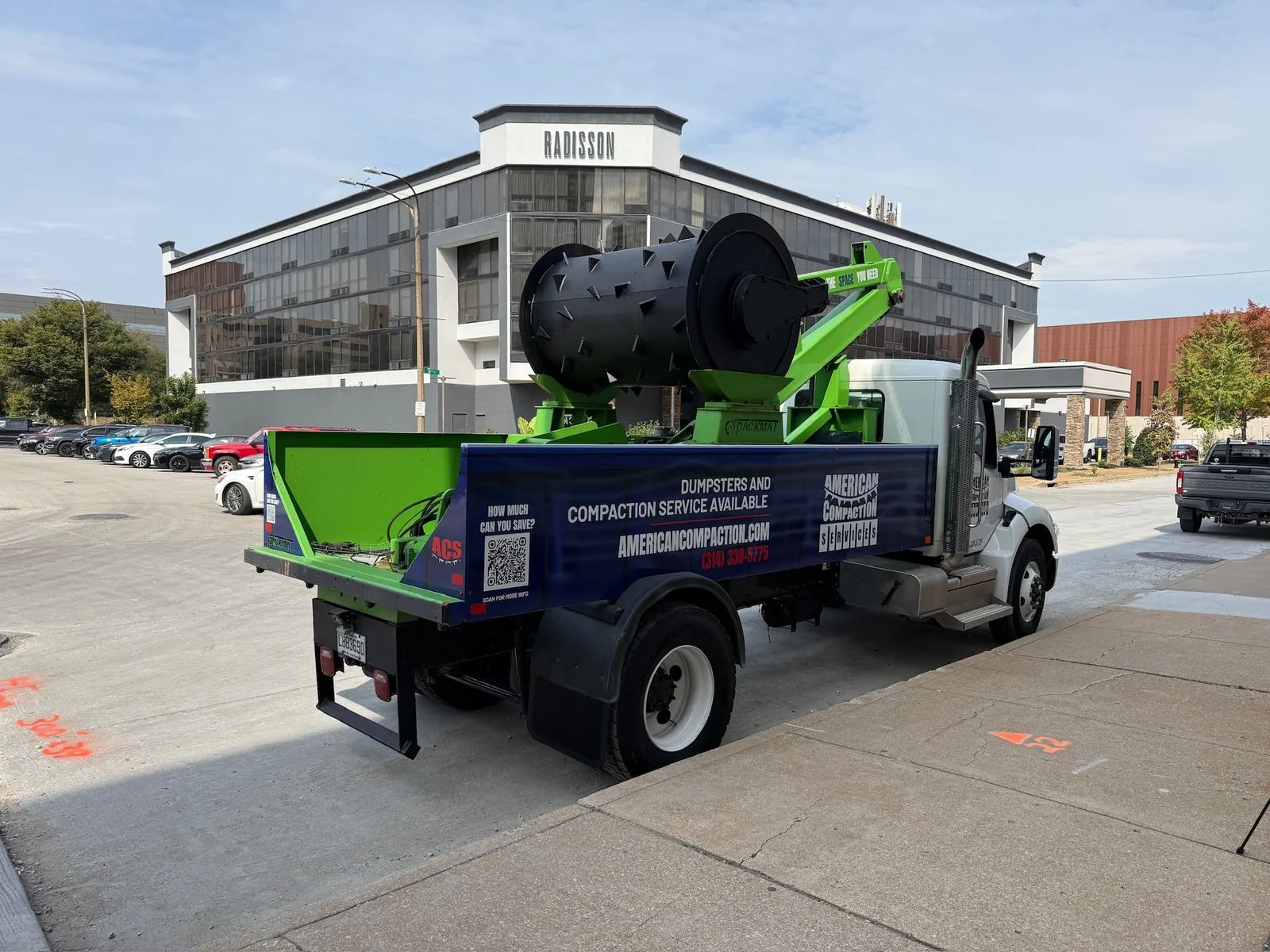
American Compaction Services works with property management companies, ownership groups, HOA and condo associations, commercial landlords and facility teams. The account is always the business or the association. We do not rent to homeowners.
ACS provides waste management through dumpster rental and on-site compaction. If your hauler already has a container at the property, keep it and keep your hauler: we compact what is in it. No contract to sign: no exclusivity, no minimum, no term.
The property management dumpster rental page covers segments, sizes, placement and how a portfolio account runs. How Businesses Cut Roll-Off Haul Costs covers the trip arithmetic, and the savings calculator runs it on your own numbers.
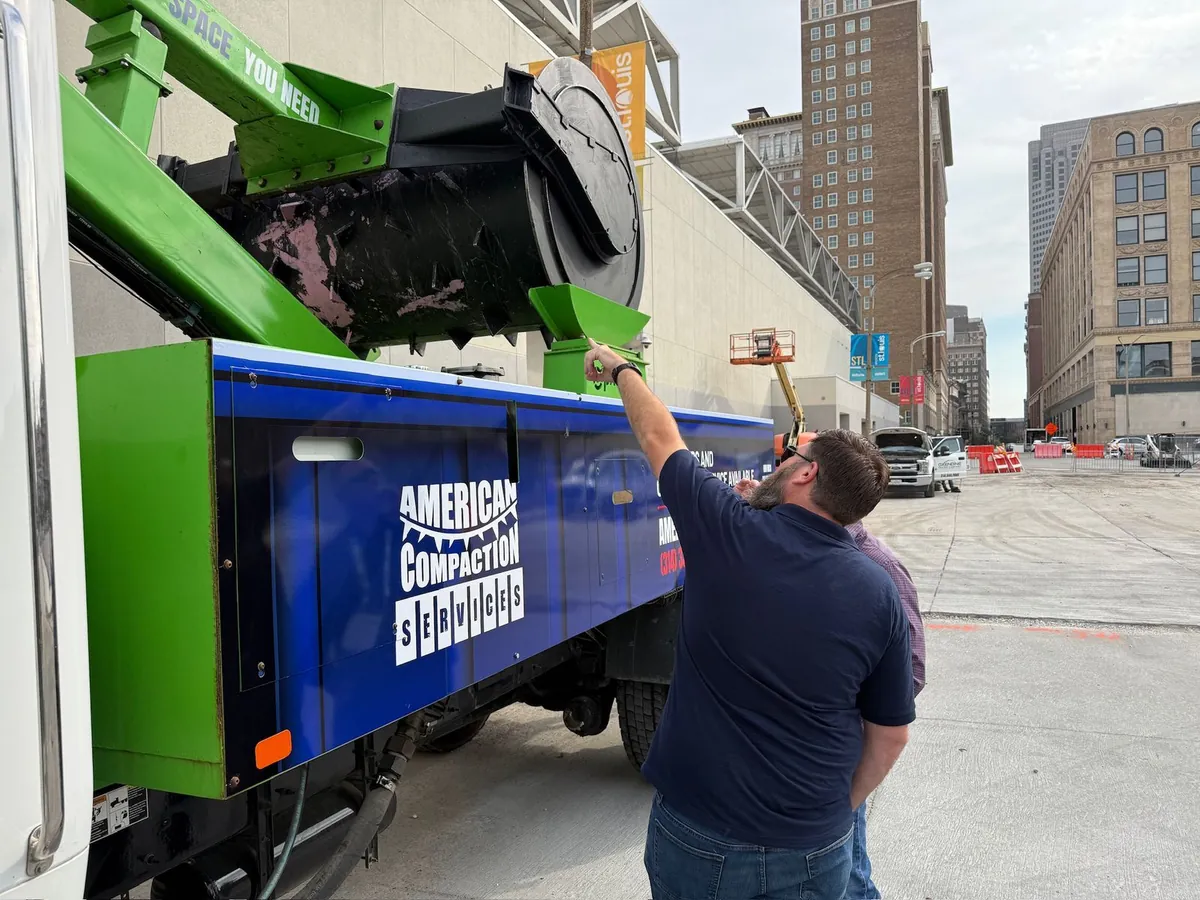
Free on-site demo: we compact one of your own containers while you watch. The demo carries no obligation and is photographed before and after. If it isn't a fit, we tell you on the spot.
Frequently Asked Questions About Cutting Property Management Waste Costs
Get a Read on Your Own Portfolio
Send last quarter's pull counts for each property and the weeks your lease calendar concentrates. American Compaction Services will look at the portfolio property by property, show you where the surges cost the most, and tell you plainly where compaction fits and where it does not. The on-site demo is free.
Apartments and colleges
Cut your hauls in half during move-in and move-out. Up to 50% less volume.
With roll-off, every haul is a call. With American Compaction Services, nobody has to call.
We set you up on a schedule and we compact on site. Dumpsters and compaction. All handled.
You already pay for dumpster space. Compaction lets you use more of it.
Getting started takes four details
- A photo of your dumpster and the space around it
- Your location
- What goes in the box
- The container size, if you know it
They help us plan for site access and match compaction service to your site.
We will prove it. Call or text (877) 651-7660.