

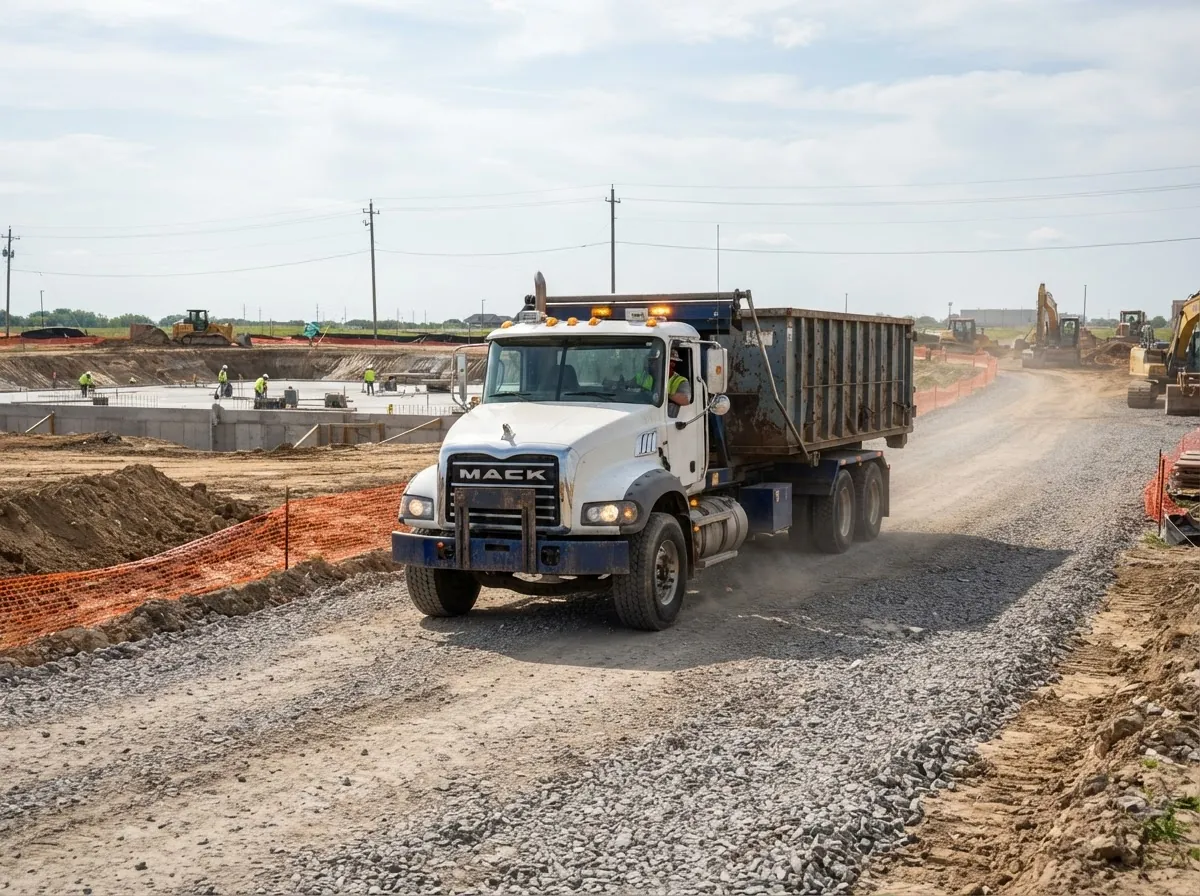
Demolition
Cutting Waste Costs on Demolition Jobs
We automate your roll-off. You'll never run out of room. Fair price. Great service.
Why weight drives the bill, what compacts and what doesn't, and where the mixed fraction still pays.
To cut demolition waste costs, plan every container around weight, not volume. Size each container for what the debris weighs, declare dense loads before the container is set, keep the heavy fraction apart from the light one, and save compaction for the part of the job that has air in it. Concrete is never compacted or used in demos.
American Compaction Services supplies 20, 30 and 40 yard roll-off containers to demolition contractors, general contractors and the facilities that hire them, and compacts those containers on site. Demolition is a stream where we regularly talk customers out of the compaction half of the service. This guide covers why weight drives the bill, which demolition streams compact and which do not, the four levers a crew controls, and the limits.
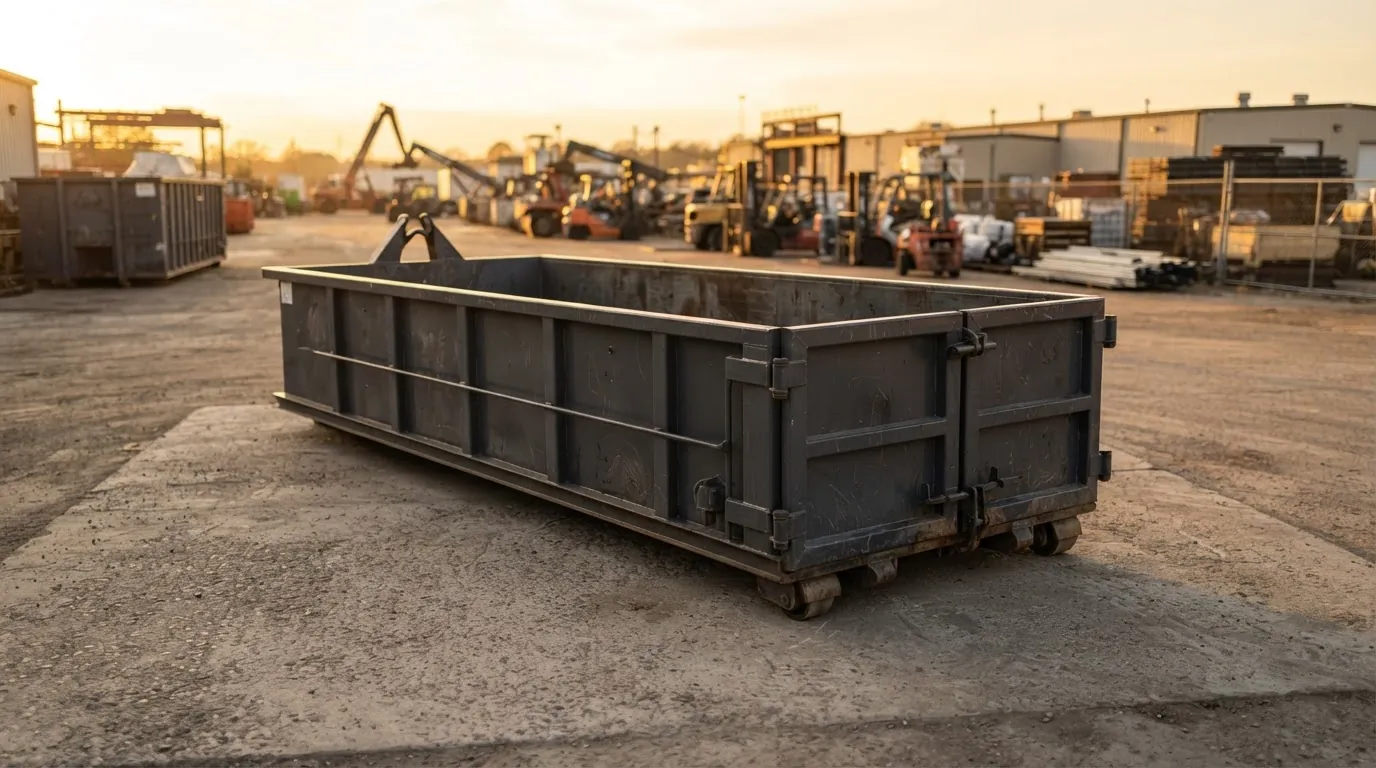
Quick Answer: What Actually Cuts Demolition Waste Costs
- 1
Weight ends the load. Heavy or dense debris can reach the truck's legal payload while the container still has room showing.
- 2
Right-sizing comes before everything else. Heavy or dense debris has weight limits, so call us first and we'll plan the right container.
- 3
Light construction debris compacts well; concrete, masonry and roofing shingles are never compacted.
- 4
Pure dense loads do not compact. Concrete is never compacted or used in demos.
- 5
Dense loads get declared before the container is set. The declaration changes the size, the routing and whether the receiving hauler takes the load.
- 6
The mixed fraction is where the savings are: strip-out debris, framing scrap, packaging, cabinetry and dry storm debris.
- 7
Two fractions, two containers. One reaches payload, the other reaches volume, and both trips are full trips.
- 8
Fewer haul-offs, never zero. Compaction reduces haul-offs; it never eliminates them. A compaction visit is itself a visit.
The savings calculator runs the trip arithmetic on your own numbers. These results are estimates from the numbers you enter. They are not a quote, a promise or a guarantee.
Why Demolition Waste Costs Are a Weight Problem First
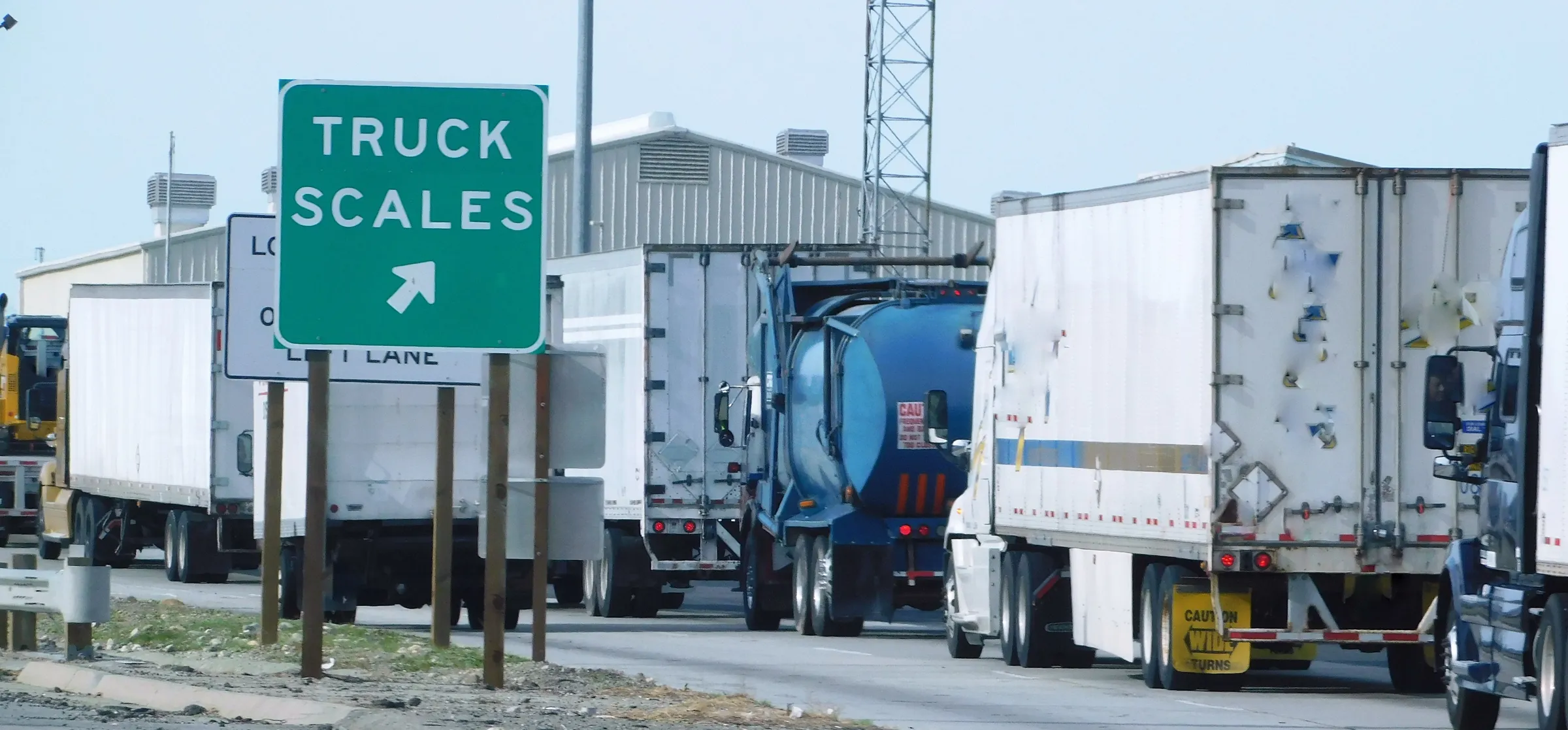
Every container has two ceilings. The first is volume: the walls. The second is weight: what the loaded truck can legally carry on the road. Whichever comes first ends the load. Packaging and mixed commercial waste usually hit the walls. Demolition debris usually hits the weight.
A loose container that looks full is mostly air. Compaction can reduce volume by up to 70%, depending on the material. Broken slab, brick and block close that gap on their own: they can reach the legal payload while the container still has plenty of room showing. Weight limits still apply.
That changes what the bill is paying for. The saving is in fewer pickups on the same waste. Nobody on a slab breakout is paying to haul air. They are paying to haul mass, and mass is not negotiable. What is negotiable is how many trips the mass takes, whether each trip leaves at full legal payload, and whether the light half of the job is riding in the same container and making both halves worse.
Most advice about container costs is written for containers that leave full of air, and How Businesses Cut Roll-Off Haul Costs sets it out. On a demolition job, that advice is right for the light half of the debris and wrong for the heavy half. The rest of this guide is about telling the two apart, which is the question American Compaction Services asks before anything else on a demolition job.
What Compacts and What Doesn't: Demolition Streams Side by Side
A demolition job rarely produces one waste stream. It produces several, and each one ends its load for a different reason. The table below sets them side by side, with the lever that actually moves the cost for each.
| Demolition stream | What ends the load | What compaction does | The cost lever that works |
|---|---|---|---|
| Broken concrete, slab, footings | Legal payload, early | Never compacted; no concrete demos | Tell us before delivery; we size the container and the load with you |
| Brick, block, masonry, mortar, tile | Legal payload | Very little | Keep it apart from the light fraction; tell us first so we can plan for weight limits |
| Mixed teardown debris | Depends on the ratio of heavy to light | Light debris compacts well | Keep the heavy fraction out of the container |
| Interior strip-out: drywall, grid, framing, casework | Volume | Real: this is the fraction worth working | A larger container with compaction visits between pulls |
| Storm and woody debris | Volume, until it gets wet | Reasonable while the material is dry | Size for volume, and watch the weight after rain |
Read the table as direction, not as a promise; every job's mix is its own. What it shows is where the money is. The top two rows are sizing and declaration problems. The fourth row is where a compaction visit earns its place. Recommending a smaller container and no compaction on a slab job is a smaller sale on purpose.
Dirt, soil and aggregate sit outside the table altogether. They are dense material with no air in it, and we do not compact them.
Declared Dense Loads: The Avoidable Cost
American Compaction Services asks about the load at the start, before the container is set. That conversation settles three things: the right container, the routing, and whether the receiving hauler will take the load at all.
Skipping it is a common avoidable cost on demolition work, and it costs money three ways at once. A container loaded with undeclared heavy material can be refused as overweight at the pull. The fix is a return trip. And the space in a large container that the load could never legally use was paid for anyway.
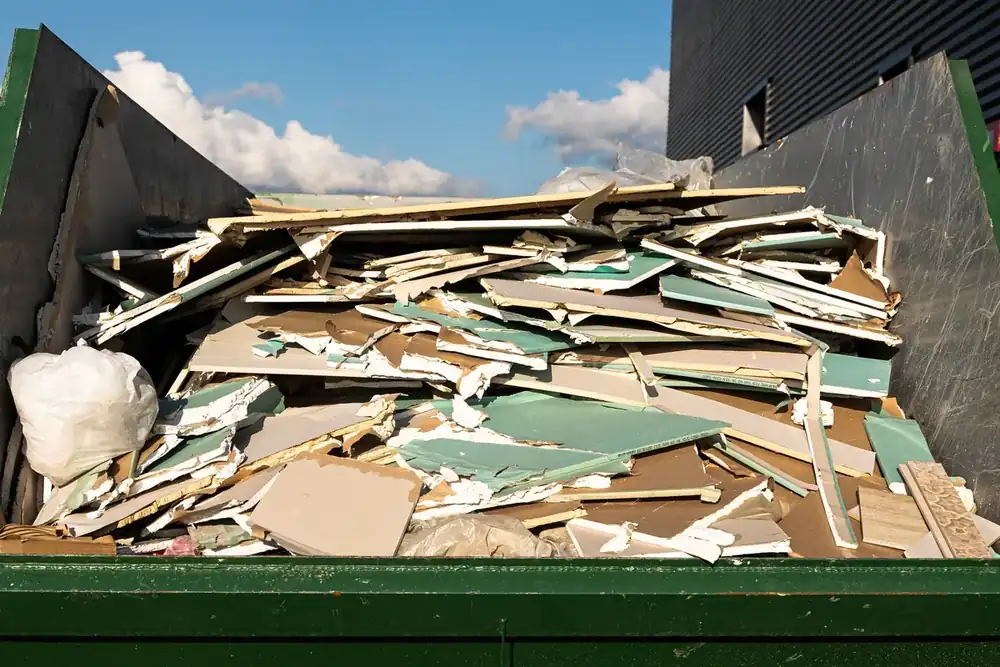
Call ahead for heavy material
Heavy material has weight limits, so call us first and we'll plan the right container before it is set.
Nothing above the rails
A load above the top rail cannot be tarped and cannot legally travel. It turns a scheduled pull into a return trip, on the container that was supposed to be the easy one.
None of that is a policy written to protect us. It is how a heavy load gets off your site in as few trips as the law allows.
Where the Mixed Fraction Still Pays
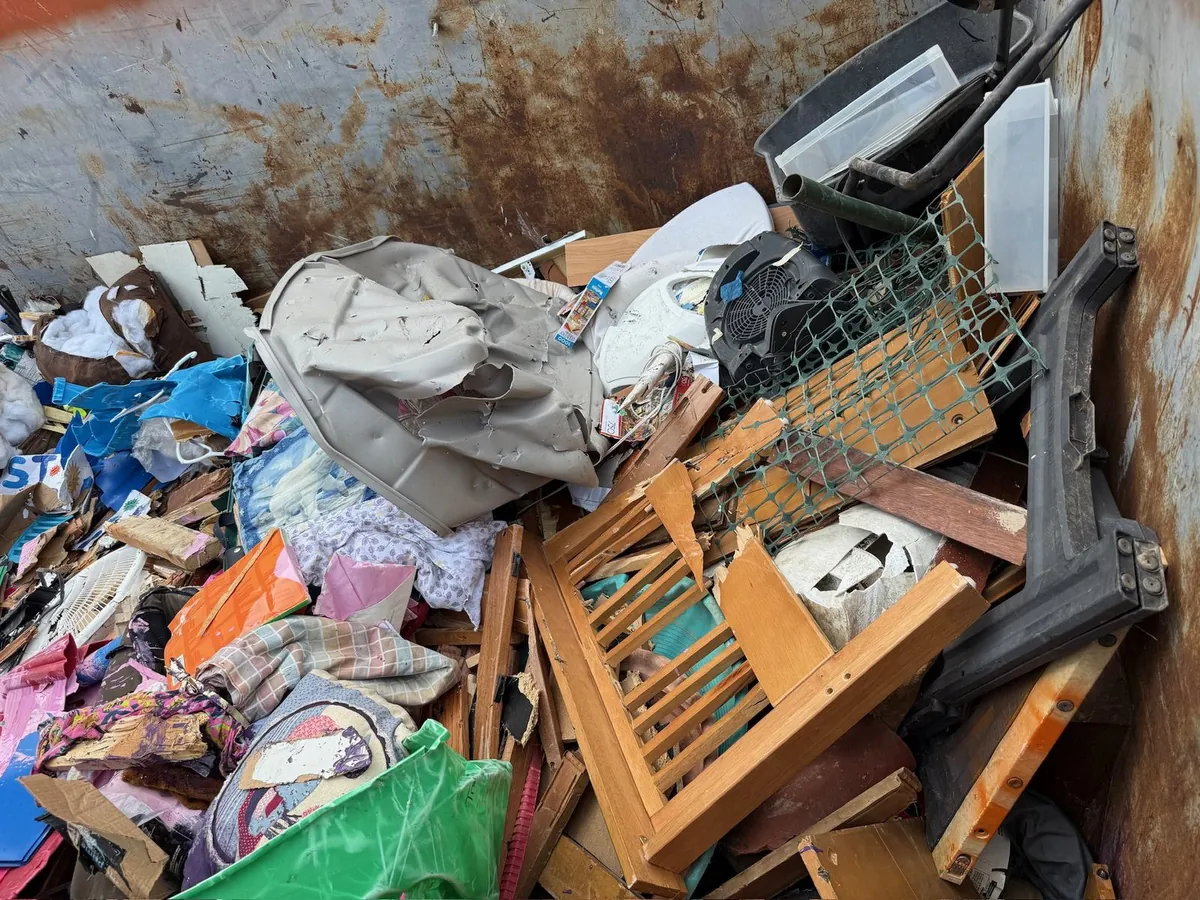
Almost no demolition job is pure rubble. Interior demolition and tenant strip-outs produce drywall, ceiling grid, framing scrap, doors, casework, insulation and packaging: material that fills a container by volume and leaves it light. American Compaction Services earns its place on a demolition job in that fraction, because it is the one worth working.
Compaction can reduce volume by up to 70%, depending entirely on the material. It is never a guarantee.
| Material | Compaction |
|---|---|
| Cardboard and packaging | Compacts well |
| Plastics | Compacts well |
| Pallets and wood | Compacts well |
| Furniture and bulky commercial waste | Compacts well |
| Light construction debris | Compacts well |
| Concrete, masonry and roofing shingles | Never compacted |
| Red iron, liquids and hazardous waste | Never compacted |
Demolition loads often carry concrete, masonry and roofing shingles, which are never compacted. Compaction helps reduce waste volume by up to 70% depending on the material. Compaction visits between pulls are set by your fill rate, and there are none at all on a declared dense load.
The gain depends on keeping the fractions apart. A strip-out container with a few loads of tile and mortar thrown in behaves more like the heavy rows of the stream table than the light ones. And do not plan a demolition job on figures from a cardboard stream: a concrete job will not reproduce them.
Four Levers That Cut Demolition Waste Costs
Two of these cost nothing but planning. All four come before anyone argues about a rate.
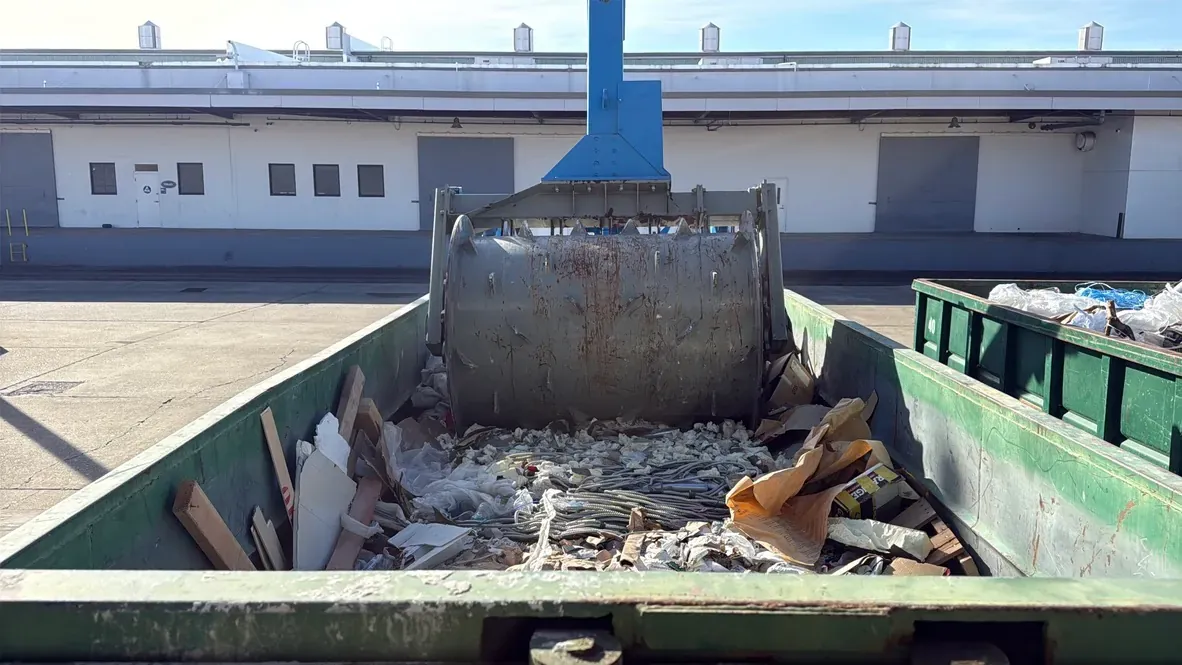
1. Size the container for the material
2. Separate the heavy fraction from the light one
3. Load flat and level, and break down what breaks down
4. Put compaction where it belongs
When Compaction Won't Cut Demolition Costs
American Compaction Services would rather say this here than after a visit that returns nothing.
Some materials are not suitable for mobile compaction, including concrete, masonry, roofing shingles, red iron, hazardous waste, liquids, and other dense or restricted materials. ACS can review your waste stream before service.
Dense loads with no trapped air
Heavy material such as brick, block, tile, mortar or concrete reaches the payload before volume is ever the constraint. A visit would accomplish nothing measurable.
Short jobs with only a few pulls
A teardown that needs only a few containers in total has very few trips to remove. The arithmetic rarely justifies a visit.
Containers that already leave at weight
If the weight ticket says the container left close to its legal payload, the air is already out. Compaction makes room; it does not raise the legal limit.
And the standing honesty rule: Compaction reduces haul-offs; it never eliminates them. A compaction visit is itself a visit. What changes is that a short on-site visit happens instead of a haul-off. If it won't move your number, we'll tell you on the spot.
Where You Are Changes the Number
The physics of a demolition load is the same everywhere. The bill around it is not.
Distance to the receiving facility
Every pull is a round trip from your site to the disposal facility and back. The longer that run, the more each pull costs, and the more it matters that every trip leaves at full legal payload.
Where concrete and mixed debris can go
Which facilities take clean concrete, mixed demolition debris or dirt differs from one market to the next, and so does the routing a declared load needs.
Local rates, weather and building stock
Hauling and disposal rates are set locally. Wet seasons turn bulky debris into weight, and a market with more older masonry buildings sends more concrete and masonry into its demolition debris, and those are never compacted.
Service details and quotes are confirmed for the market and the individual site.
Each live market has its own page with the local detail.
American Compaction Services' Take
Demolition is the waste stream where our own headline service does the least, and we would rather you heard that from us than found it out on an invoice. If your container is going out full of broken concrete, you do not have a compaction problem. You have a sizing problem, a declaration problem, or no problem at all.
Where we earn a place on a demolition job is the other half: the strip-out weeks, when drywall, grid and framing fill a container by volume and a truck would otherwise leave carrying mostly space. The rule we hold ourselves to: size it for what it weighs, declare what is in it, and compact what has air in it, and nothing else.
— American Compaction Services
How American Compaction Services Can Help
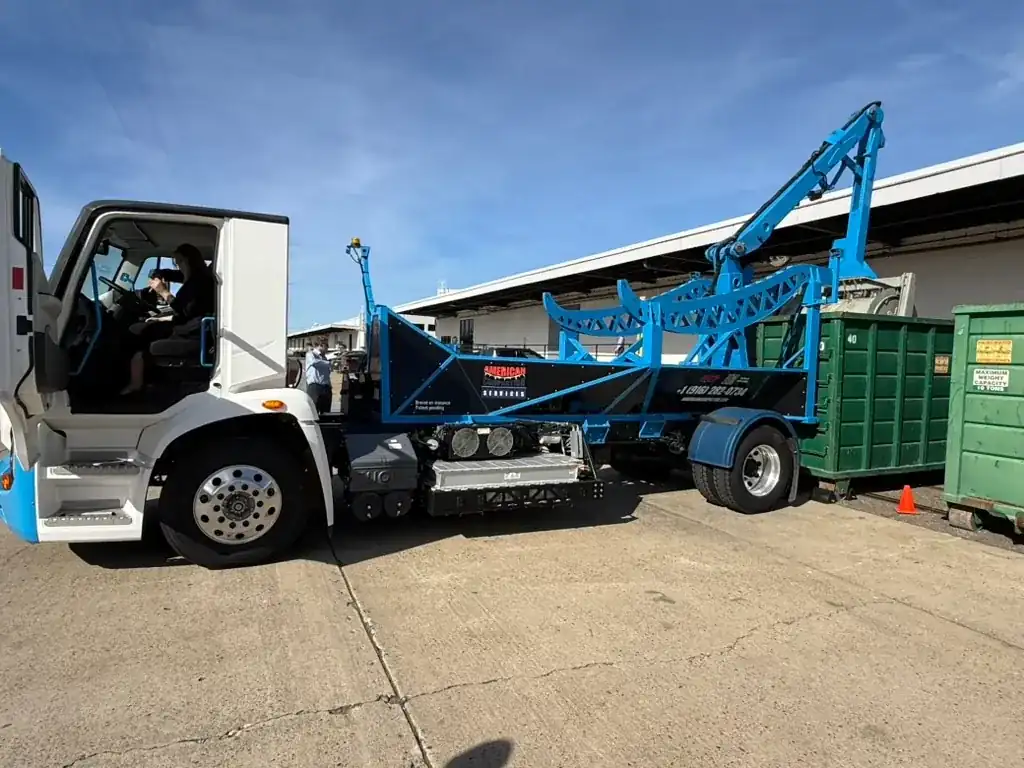
American Compaction Services works with demolition and excavation contractors, general contractors, plants clearing out equipment lines, and property managers dealing with damaged structures. Every account is a business. We do not rent to homeowners.
We supply the container with optional compaction for eligible non-concrete waste. If your hauler already has a container on the job, keep it and keep your hauler: we compact eligible non-concrete waste. Concrete is never compacted. No contract to sign: no exclusivity, no minimum, no term.
The demolition dumpster rental page covers sizing, loading and what we will not compact. How Businesses Cut Roll-Off Haul Costs covers the trip arithmetic for the light half of the job, and the savings calculator runs it on your own numbers.
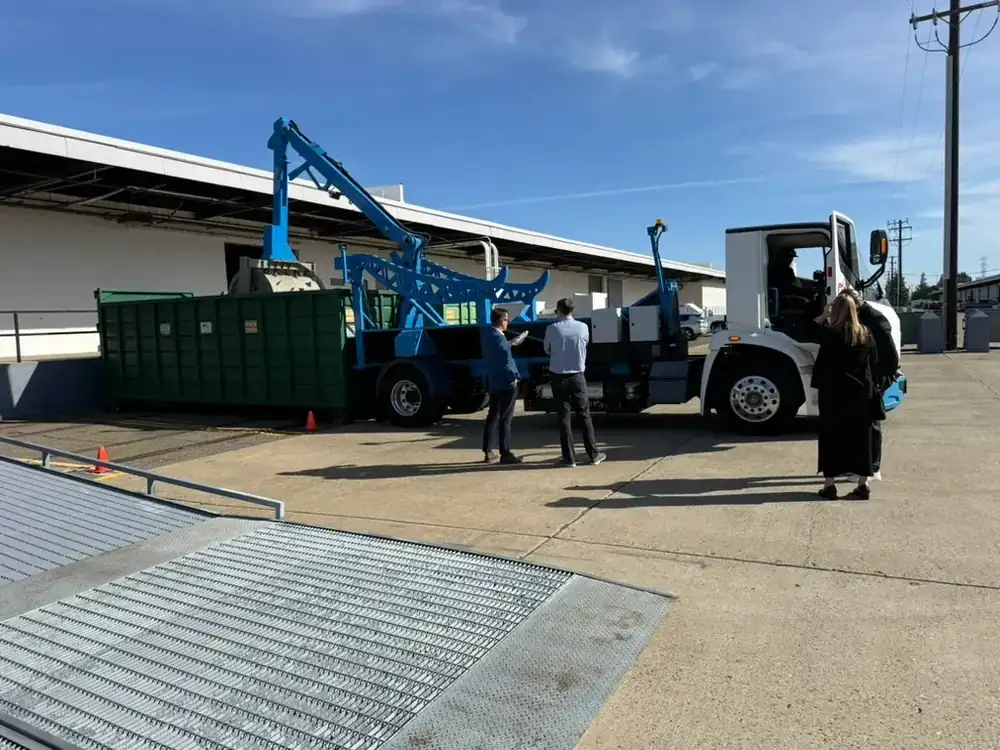
Free on-site demo: after confirming suitability, we compact eligible non-concrete waste in one of your own containers while you watch. The demo carries no obligation and is photographed before and after. If it isn't a fit, we tell you on the spot. Keep concrete separate from eligible non-concrete waste.
Frequently Asked Questions About Cutting Demolition Waste Costs
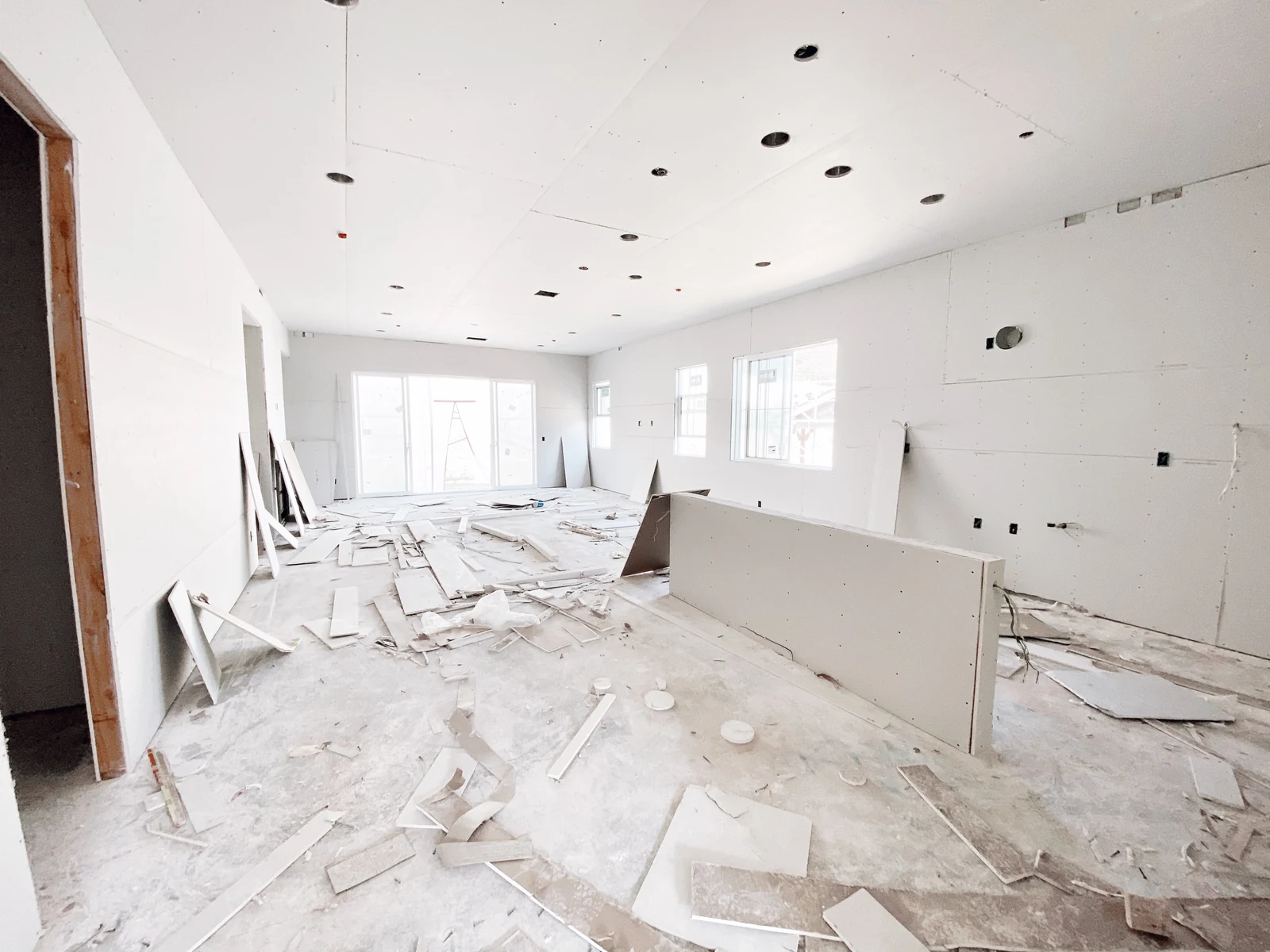
Get the Honest Read on Your Own Debris
Tell us what is coming down, what it is made of and how the job is sequenced. American Compaction Services will size the containers for their weight, tell you which fraction is worth working, and say so plainly when compaction will not help. The on-site demo is free.
Safer than pushing a load down with a loader or excavator
We compact the load right in your roll-off, on site. The box stays where it is. The room comes back.
Up to 70% less volume, depending on the material.
With roll-off, every haul is a call. With American Compaction Services, nobody has to call.
We set you up on a schedule and we compact on site. Dumpsters and compaction. All handled.
You already pay for dumpster space. Compaction lets you use more of it.
Getting started takes four details
- A photo of your dumpster and the space around it
- Your location
- What goes in the box
- The container size, if you know it
They help us plan for site access and match compaction service to your site.
We will prove it. Call or text (877) 651-7660.